
Diving at Disneyland (Philippines)
Planning a dive at Disneyland in Sipalay, Negros, Philippines, means preparing for a vibrant house reef experience. This site primarily serves as a training ground, offering coral gardens and white sand areas. Its accessible depths, ranging from 6 to 15 m (20 to 49 ft), make it suitable for various skill levels. Expect tranquil conditions on many days, ideal for focusing on underwater skills or enjoying a relaxed exploration.
As evening covers Disneyland, the local air temperature is measured at 27°C. The current wave height at the surface is recorded at 0.7 m. These late-day readings characterize the surface conditions for the night.
Dive Site Location & Key Facts
Dive Site Overview
Disneyland functions mainly as a house reef, frequently utilized for dive courses and skill development. It's often accessed by boat, though shore entries can also be an option depending on the operator.
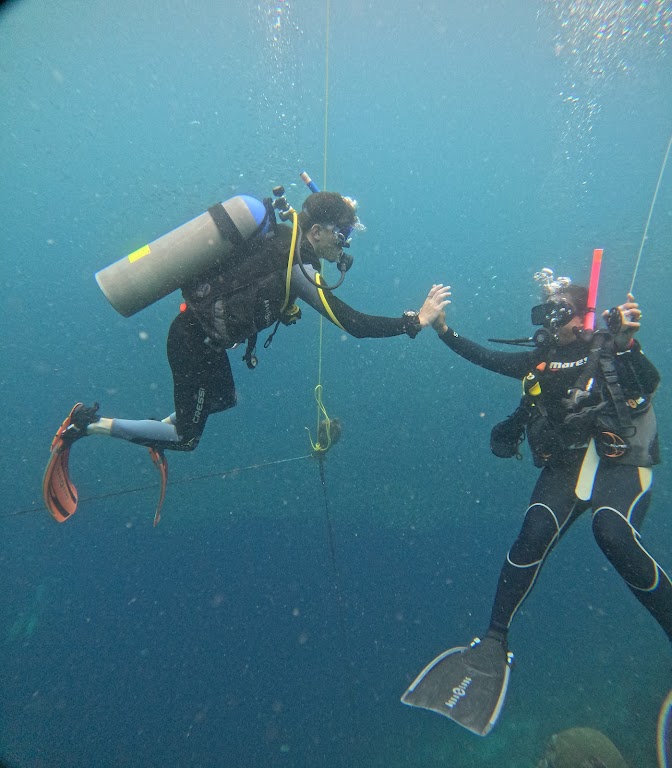
The reef begins around 6 meters (20 ft) and gradually descends to a maximum depth of 15 meters (49 ft), characterized by interspersed coral gardens and expansive white sand patches. This site isn't just for training; its calmer environment makes it a strong candidate for advanced certifications like PADI Underwater Navigator or Peak Performance Buoyancy, allowing divers to practice precise control. The reef also comes alive at night, becoming an excellent spot for PADI Night Diver training, revealing a different array of marine activity.
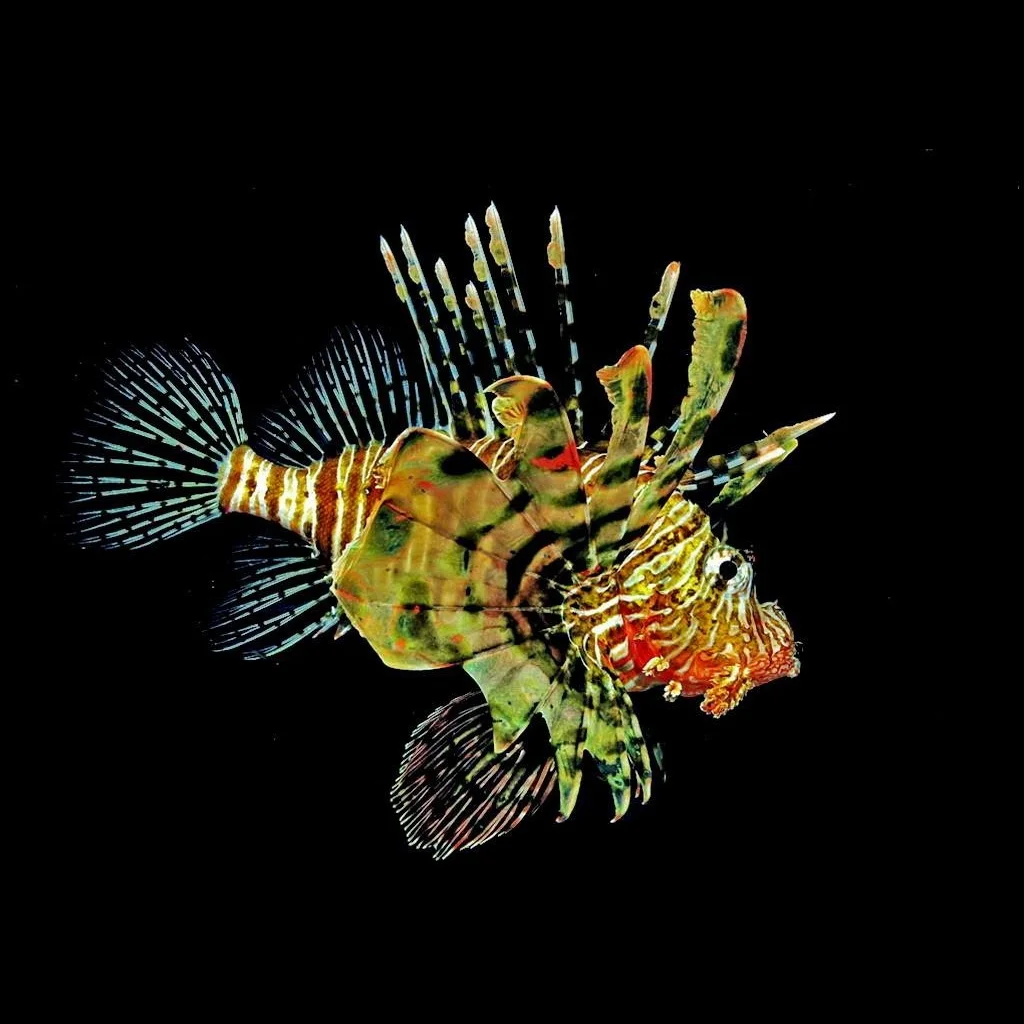
Divers often appreciate the relaxed pace, which allows for detailed observation of the local inhabitants, including plenty of lionfish and other reef dwellers. Given its structure and accessibility, Disneyland offers a versatile platform for both learning and leisurely exploration beneath the waves.
Conditions are Good
Optimal conditions expected
Current conditions near Disneyland show 27° air, 30° sea temperature, 0.8 m waves, and 19 km/h wind. Forecast data is refreshed regularly to ensure accuracy.
Best Time to Dive
For optimal diving conditions, target the months between March and June. During this period, the dive score typically registers as "Good" to "Excellent," with April and May often presenting the most favorable window. Air temperatures during these months average around 28-28.5°C (82-83°F), creating a comfortable surface environment. Wave heights are generally lower, averaging 0.3-0.7 meters (1.0-2.3 ft), and wind speeds tend to be calmer, typically around 12-16 km/h (7-10 mph). Rainfall is also at its lowest in March and April, averaging 3.3-3.7 mm, though it can increase slightly into May and June. These calmer conditions minimize surface chop and improve overall underwater visibility, making for more relaxed entries and exits. While other months like January, February, November, and December also offer "Good" dive scores, they might experience slightly higher waves and wind, potentially affecting comfort.
PEAK SEASON SCORE
Scores combine air & water temps, waves, wind & rainfall for overall conditions.
BEST MONTHS TO DIVE
Monthly records compiled from satellite and marine observation nodes over the last 3 years. Data provided by Open-Meteo and MET Norway.
Dive Experience & Conditions
Upon descending into Disneyland's waters, divers typically find a gentle, gradual slope. The dive begins in shallower areas, around 6 meters (20 ft), transitioning over a mix of white sand patches and developing coral gardens. Conditions here are generally calm, characterized by salt water, making it a comfortable environment for both training and leisure dives. While specific water temperature data isn't consistently reported, it typically aligns with tropical Philippines averages, often remaining warm enough for a shorty wetsuit. Visibility varies depending on recent weather and currents but can be quite good during peak seasons. As you navigate towards the maximum depth of 15 meters, the reef structure offers various nooks and crannies to explore. It's a forgiving site, allowing divers to practice buoyancy or navigation skills without strong currents, and offers consistent conditions for underwater photography students.
Dive Difficulty & Safety Guidelines
From an expert's perspective, approaching Disneyland with proper preparation ensures a rewarding experience. While general hazards are not extensively documented for this specific site, maintaining good buoyancy control is always essential, especially over delicate coral structures. It's advisable for divers to hold at least a PADI Open Water Diver certification for independent exploration, though Discover Scuba Diving participants can experience the site under direct supervision.
For those interested in night diving, securing a PADI Night Diver certification is strongly recommended, as the site transforms after sunset. Always dive within your certified limits and consider a PADI Scuba Refresher if you haven't been in the water recently.
Planning your dive with local guides who are familiar with specific entry points and prevailing currents will enhance both safety and enjoyment.
Recommended Equipment
- Dive Computer
- DSMB
This gear list is based on verified equipment signals for Disneyland, Philippines. Always confirm final gear choices with your dive operator, guide, or liveaboard.
Recommended Dive Suit
Forecast conditions over the next few days suggest temperatures will remain relatively stable.
Two divers in the same water temperature may experience very different comfort levels.
Many divers find that dive skin or rash guard offers the right level of insulation for conditions like these. The surrounding waters at Disneyland are currently registering temperatures of roughly 30°C (85°F). Surface air temperatures are resting at 27°C (81°F).
Emergency & Medical Support
Essential information to help you plan your dive trip to Disneyland.

Hyperbaric chambers are a critical part of dive safety infrastructure. Availability varies significantly by region, and not all dive areas have immediate access.
Before diving, it's recommended to:
- confirm nearest medical facilities
- check emergency procedures with local dive operators
- ensure dive insurance covers evacuation if required
Divers Alert Network
Diving emergency assistance available through DAN World.
+1-919-684-9111- 24/7 emergency hotline
- Diving medical assistance
- Evacuation coordination
Emergency contacts are provided for reference. Always verify local emergency services before diving.
Marine Life at Disneyland
When you first approach Disneyland's coral gardens and sandy patches, you're likely to notice the presence of lionfish. These intriguing, albeit invasive, species are frequently observed here.
During daylight hours, the reef buzzes with various smaller fish that inhabit the coral structures. However, the site truly offers a different spectacle after sunset, becoming a hub for "lots of night active marine life." Divers engaging in night dives may encounter crustaceans, cephalopods, and other creatures that emerge from their daytime hiding spots. Turtles are also commonly sighted gliding through the area.
Dive Sites Near Disneyland
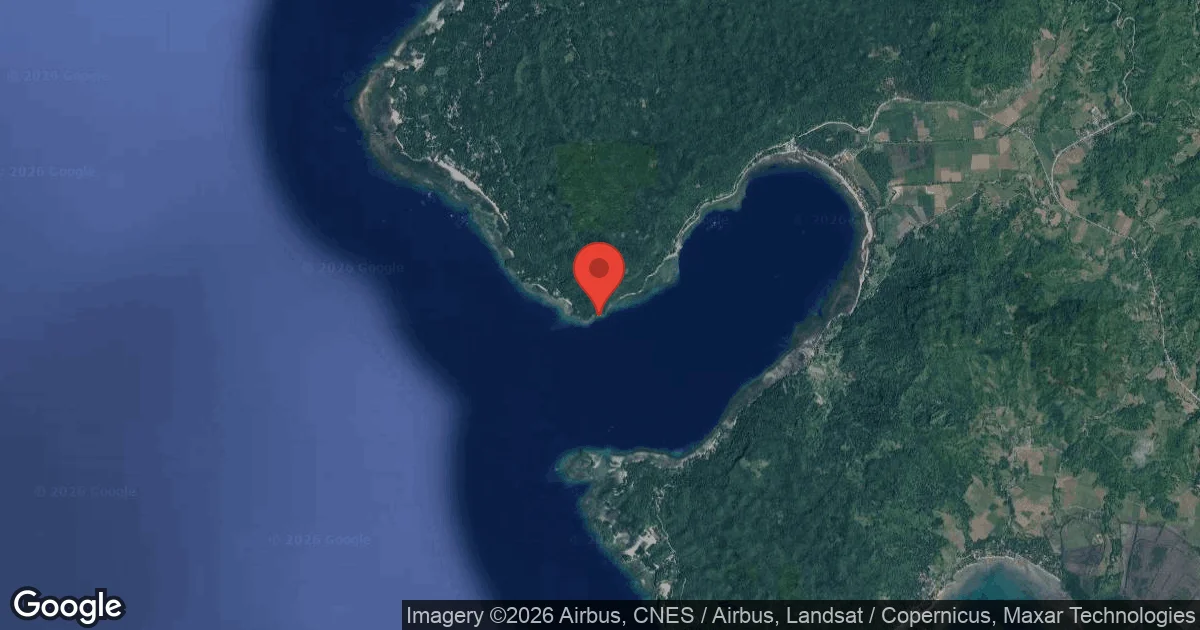
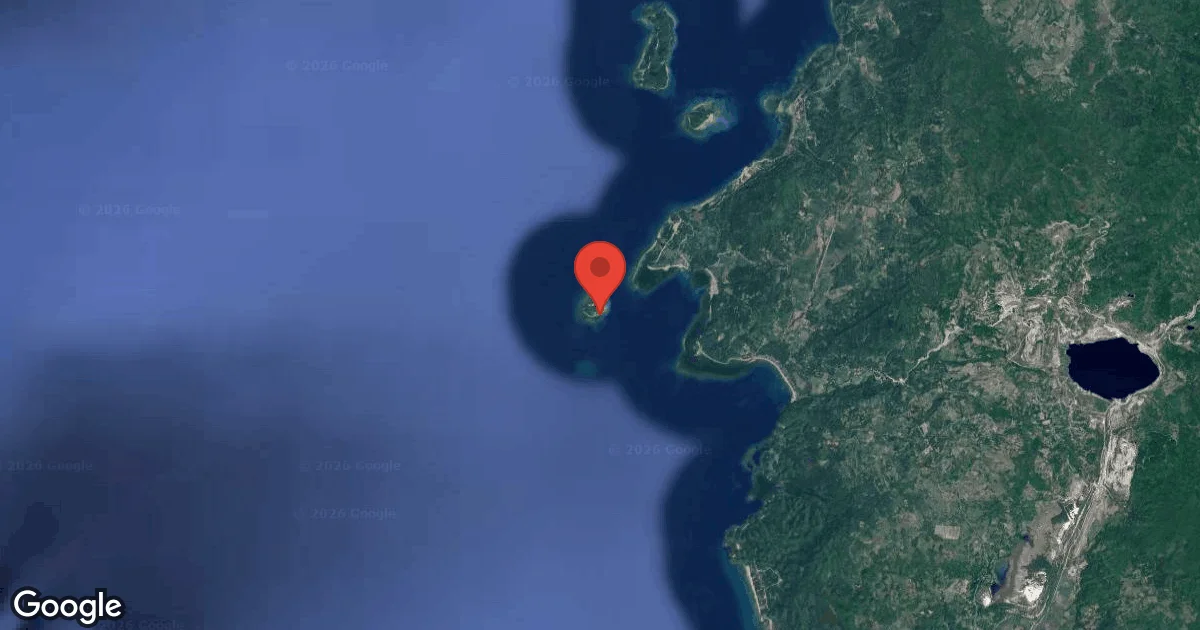
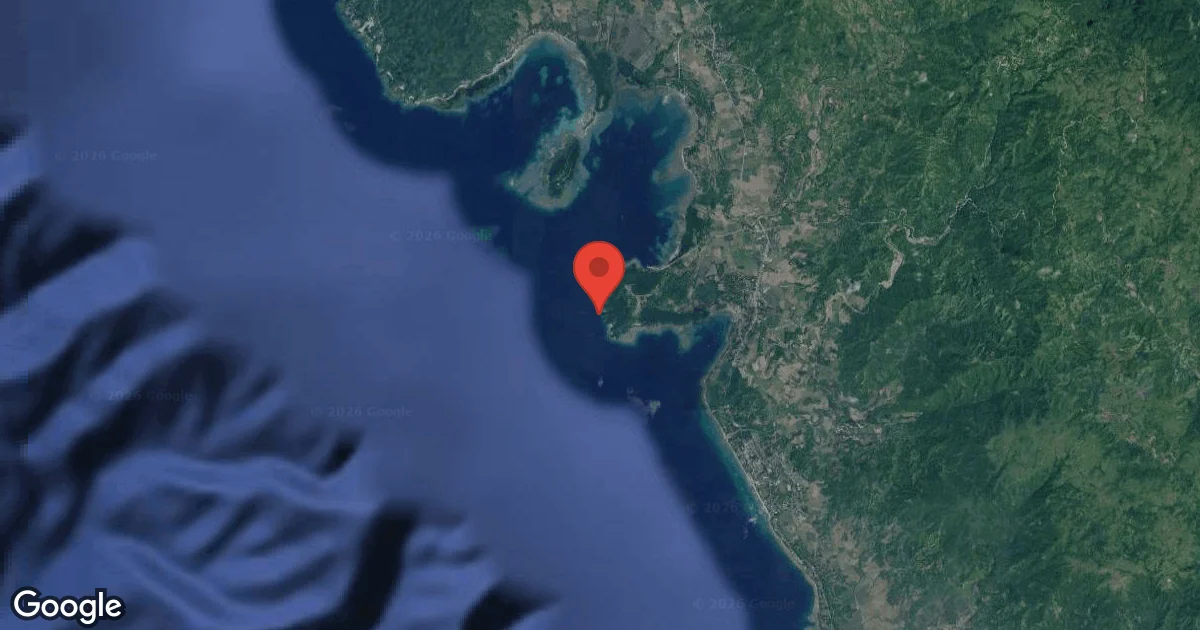
View all dive sites in PhilippinesDiscover more underwater gems in this area.
Dive Centers Near Disneyland
Today: 08:00 - 17:00
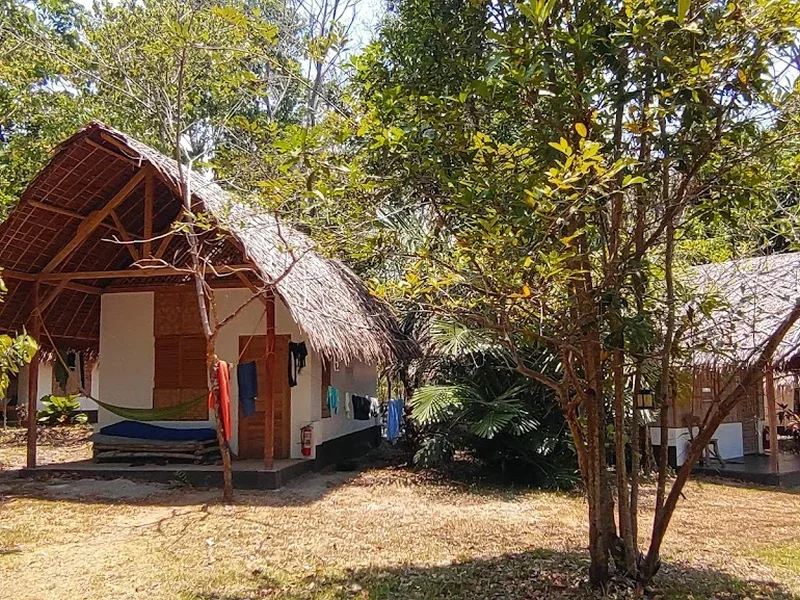
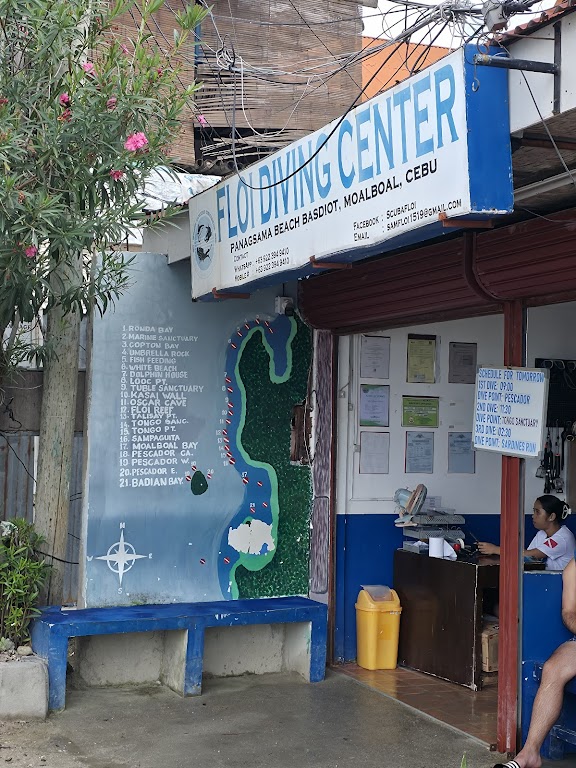
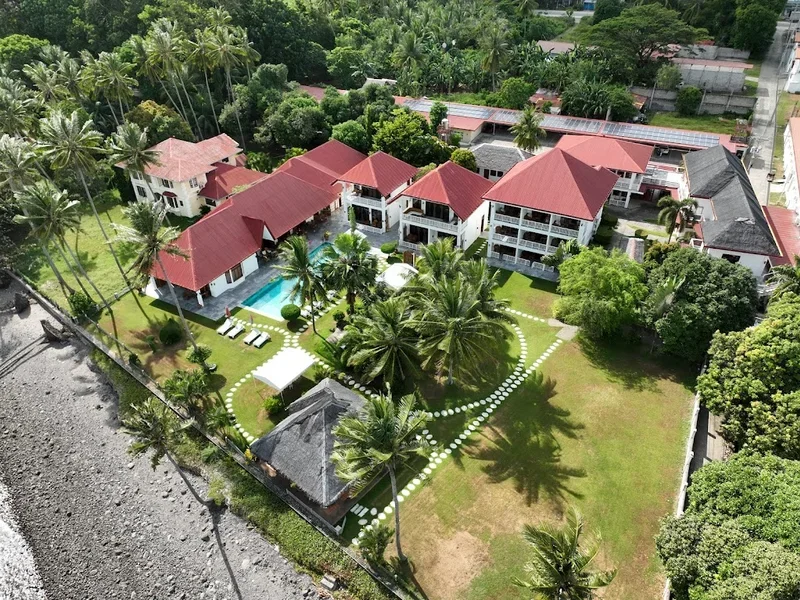
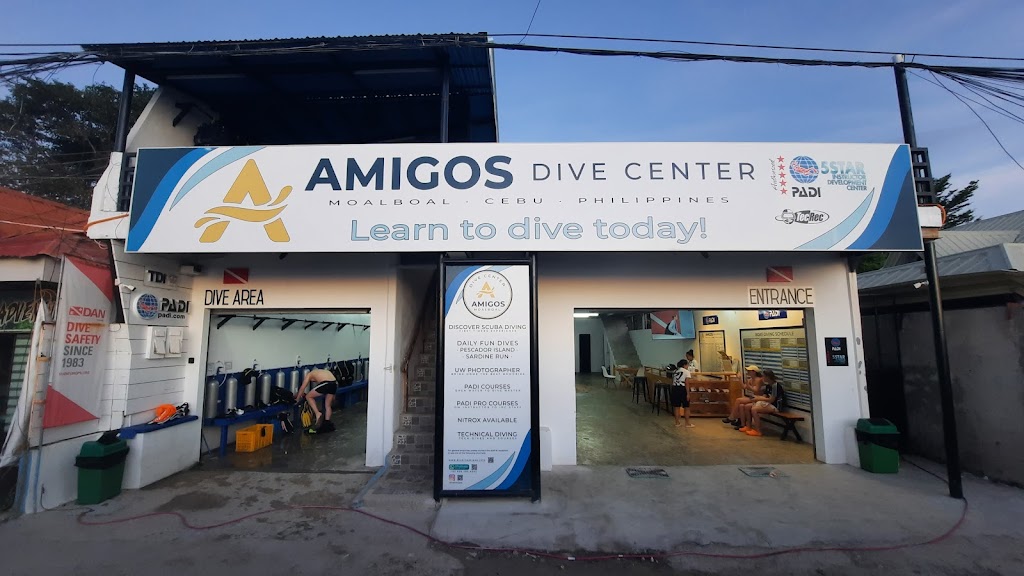

Nearest Airports
Nearest airports to help plan travel to this dive area.
Search Flights
Check available flights and routes on Expedia, using the nearby airports listed in this section.
Search Flights on ExpediaFrequently Asked Questions
What is the maximum depth at Disneyland dive site?
The maximum depth at Disneyland is 15 meters (49 ft). This relatively shallow depth makes it suitable for divers of various experience levels, including those undertaking certification courses.
Is Disneyland suitable for beginner divers?
Yes, Disneyland is considered excellent for beginners. It functions as a house reef for dive courses, offering calm conditions, a sandy bottom, and coral gardens at accessible depths, perfect for PADI Open Water Diver training.
What kind of marine life can I expect to see?
You'll commonly see plenty of lionfish inhabiting the reef. At night, the site comes alive with various nocturnal creatures, and turtles are also frequently observed in the area.
Can I do night diving at Disneyland?
Absolutely. Disneyland is described as "excellent for night diving," offering opportunities to observe many night-active marine life species. A PADI Night Diver certification is recommended for this experience.
What are the typical water conditions like?
The site features salt water, and conditions are generally calm. While specific water temperature is not consistently reported, it's typically warm, aligning with tropical Philippine waters.
How do divers access the Disneyland dive site?
Divers primarily access Disneyland by boat. Some operators may also offer shore entry options, depending on specific dive plans and local conditions.
Planning to dive Disneyland?
Send one inquiry and receive offers directly from the best verified local dive operators.
Conditions are Good
Optimal conditions expected
Current conditions near Disneyland show 27° air, 30° sea temperature, 0.8 m waves, and 19 km/h wind. Forecast data is refreshed regularly to ensure accuracy.