
Diving at Grand Canyons (Philippines)
Grand Canyons in the Philippines presents an exciting challenge for divers drawn to intricate underwater topography. This site, part of a collection of 'Canyons' dive experiences across the archipelago, offers a journey through natural fissures and impressive formations. Navigating these deep cuts requires strong buoyancy control and an appreciation for dynamic marine environments.
Tonight's objective overview for Grand Canyons shows an air temperature of 25.5°C. The measured surface conditions include wave heights around 0.8 m. This environmental data is logged for the close of the day.
Dive Site Location & Key Facts
Dive Site Overview
Beneath the waters, Grand Canyons in Sipalay unfolds as a labyrinthine structure, featuring cracks and narrow canyons that divers can explore. This particular site generally maintains a recreational depth range from 8 to 17 meters (26 to 55 ft), making it accessible for open water divers.
Within its depths, an artificial reef at approximately 15 meters (49 ft) contributes to the habitat for local marine life. Beyond Sipalay's specific site, other 'Canyons' locations throughout the Philippines, such as those near Puerto Galera and Subic Bay, describe deeper, more adrenaline-fueled drift dives.
These often plunge to depths of 30 meters (98 ft) or more, characterized by swift currents and the dramatic contours of deep-cut canyons. Diver experiences across these sites frequently mention sheltering walls alongside sandy bottom sections, with slopes descending rapidly to 40 meters (131 ft) in the deeper areas.
An old, coral-encrusted anchor at the end of some of the deeper canyons serves as a natural gathering point before divers are carried onward by the current.
Conditions are Good
Optimal conditions expected
Current conditions near Grand Canyons show 26° air, 30° sea temperature, 0.7 m waves, and 25 km/h wind. Forecast data is refreshed regularly to ensure accuracy.
Best Time to Dive
Seasonal planning ensures optimal Grand Canyons diving. From April through May, excellent conditions prevail, with air temperatures around 28-28.5°C (82-83°F), minimal wave action (averaging 0.3 meters), and lighter winds. Rainfall is generally lower during this prime window, contributing to clearer surface conditions. While these months are ideal, good diving opportunities extend from January to March and June to December. During these periods, air temperatures remain comfortably warm (26.5-28°C / 80-82°F), yet divers might encounter increased wave heights, sometimes reaching 0.9 meters, and higher wind speeds. July to October typically see more frequent rainfall, potentially affecting surface visibility.
PEAK SEASON SCORE
Scores combine air & water temps, waves, wind & rainfall for overall conditions.
BEST MONTHS TO DIVE
Monthly records compiled from satellite and marine observation nodes over the last 3 years. Data provided by Open-Meteo and MET Norway.
Dive Experience & Conditions
Descending into Grand Canyons immediately reveals impressive formations cutting through the underwater landscape. In Sipalay, dives typically range from 8 to 17 meters, exploring tight cracks and open sections. Elsewhere in the Philippines, a broader 'Canyons' experience might involve drift diving through three distinct, deeper canyons. These canyons often have floors around 24 meters, 27 meters, and some descending further to 30 meters, characterized by sandy soils between towering walls. Currents prove a significant factor at many 'Canyons' sites, frequently ranging from moderate to strong, especially in deeper areas. Visibility can be quite good, extending up to 30 meters, though conditions vary. Water is consistently salt, and while temperature data isn't consistently reported, it's typically warm for the region.
Dive Difficulty & Safety Guidelines
Careful planning and a clear understanding of personal limits are essential for navigating these underwater canyons. For shallower sections of Grand Canyons (those typically around 8-17 meters), a PADI Open Water Diver certification usually suffices, though Advanced Open Water Diver training aids situational awareness. Deeper, more current-swept canyon dives across the Philippines often necessitate an Advanced Open Water Diver certification.
Strong currents are a frequent characteristic, highlighting the need for excellent buoyancy control and familiarity with drift diving techniques. Surface Marker Buoys (SMBs) are advisable for all dives, particularly when currents are present, to ensure visibility to boat crews upon surfacing. Always consult local dive operators for the most current conditions and site-specific guidelines.
Recommended Equipment
- Dive Computer
- DSMB
This gear list is based on verified equipment signals for Grand Canyons, Philippines. Always confirm final gear choices with your dive operator, guide, or liveaboard.
Recommended Dive Suit
Short-term weather patterns suggest stable conditions for divers visiting the area.
Some divers prefer slightly warmer exposure protection simply for additional comfort.
Dive skin or rash guard usually works well for maintaining comfort during standard dive profiles in these conditions. A hood or vest is suggested for sensitive divers due to surface winds. Divers preparing to enter the water at Grand Canyons will likely find temperatures around 30°C (85°F) today. Surface air temperatures are resting at 26°C (78°F).
Due to technical issues with our weather providers, live updates are temporarily delayed. The data above reflects the conditions at the time of the last successful fetch.
Emergency & Medical Support
Essential information to help you plan your dive trip to Grand Canyons.

Hyperbaric chambers are a critical part of dive safety infrastructure. Availability varies significantly by region, and not all dive areas have immediate access.
Before diving, it's recommended to:
- confirm nearest medical facilities
- check emergency procedures with local dive operators
- ensure dive insurance covers evacuation if required
Divers Alert Network
Diving emergency assistance available through DAN World.
+1-919-684-9111- 24/7 emergency hotline
- Diving medical assistance
- Evacuation coordination
Emergency contacts are provided for reference. Always verify local emergency services before diving.
Marine Life at Grand Canyons
The underwater landscape of Grand Canyons supports a vibrant array of reef life within its rugged topography. Explorers are likely to encounter various hard and soft coral formations covering the canyon walls and structures.
Specific sightings at Canyons sites in the Philippines include large gorgonian fans, barrel sponges, and delicate whip corals. Pink soft corals add splashes of color throughout the reef.
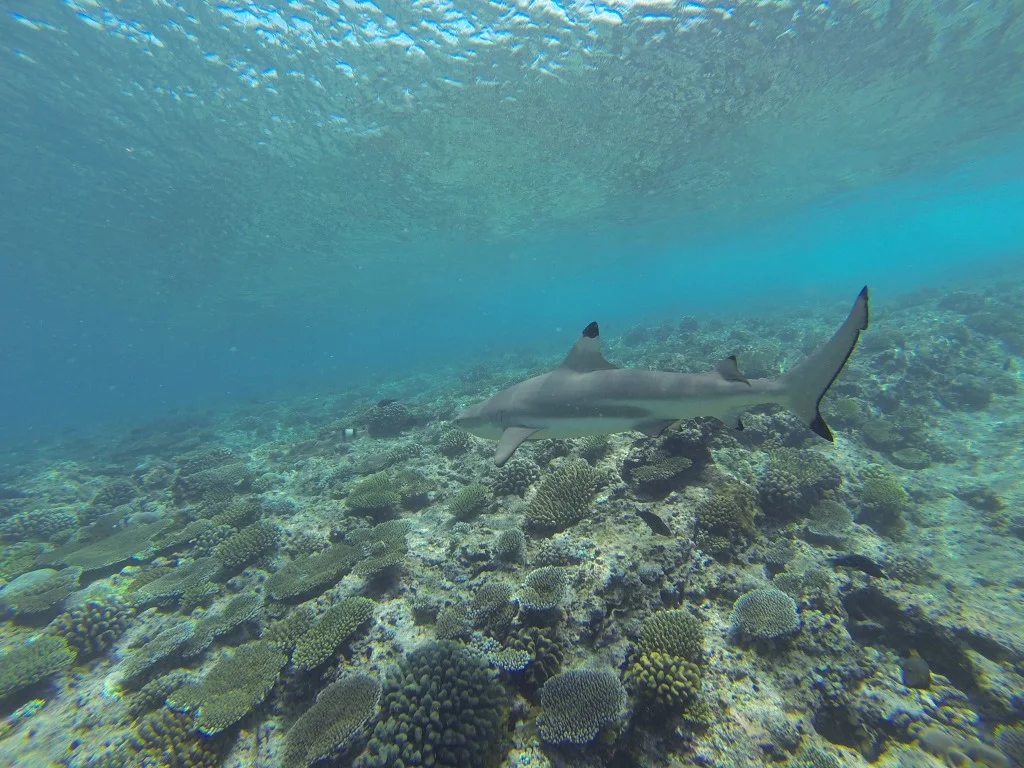
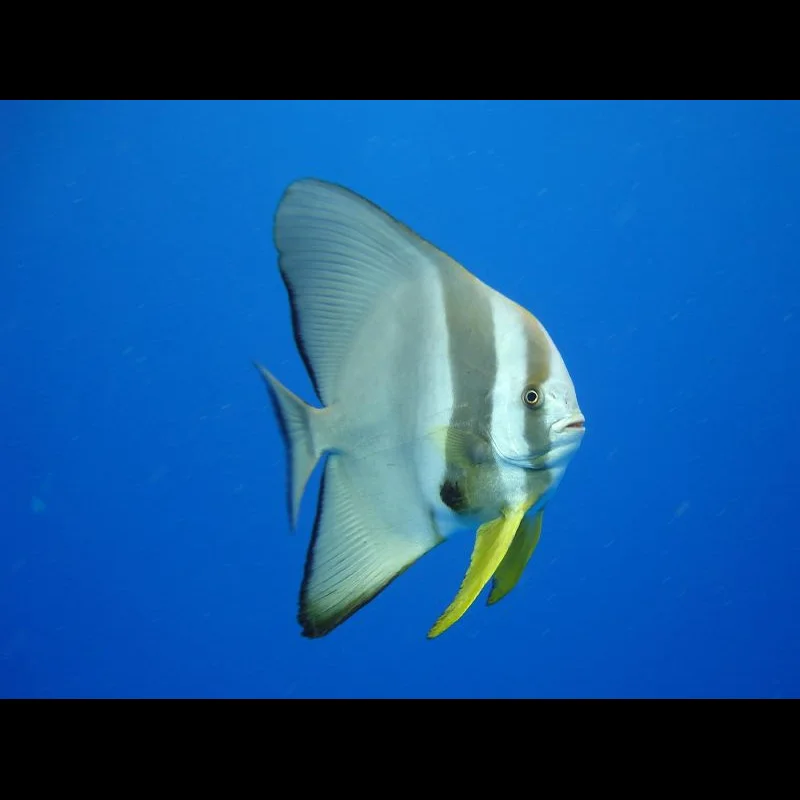
Divers may also spot schools of batfish, jackfish, and various large groupers, navigating the currents within the canyon's shelter. More broadly, some 'Canyons' sites report common sightings of larger pelagics such as sharks, whales, dolphins, and turtles, though these are not guaranteed on every dive.

Dive Sites Near Grand Canyons
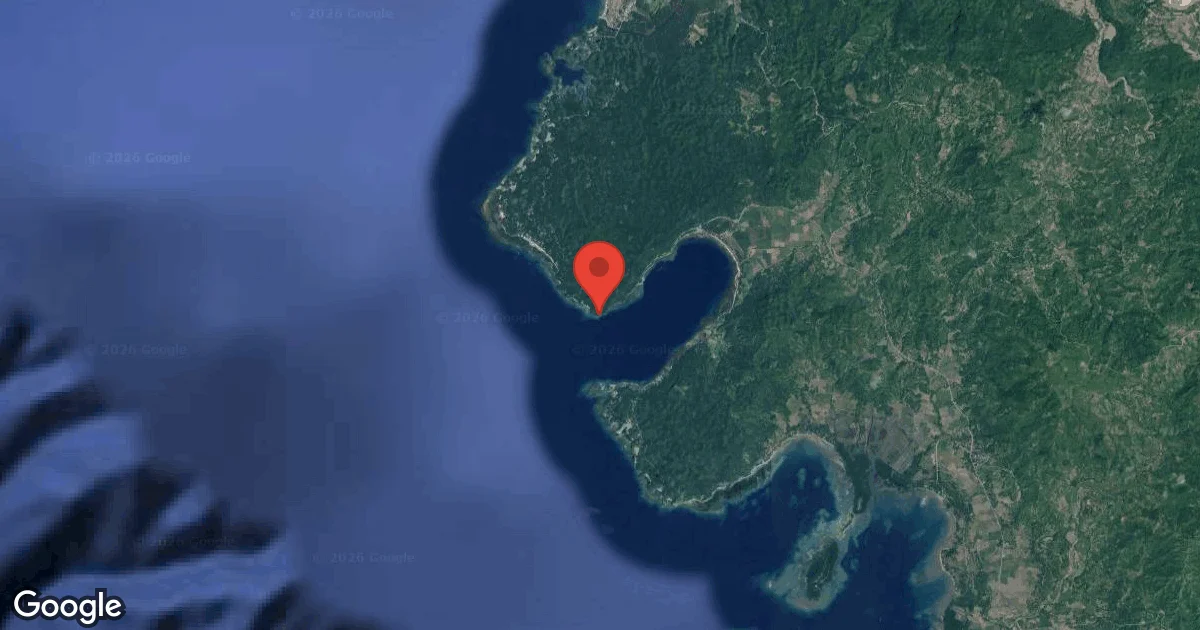
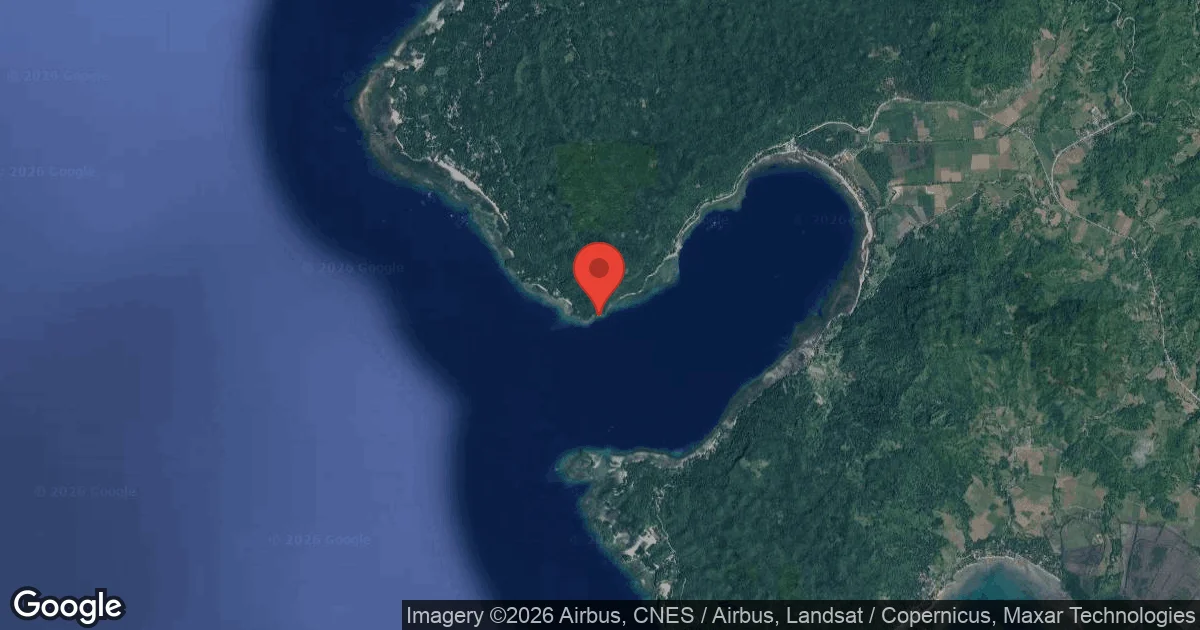
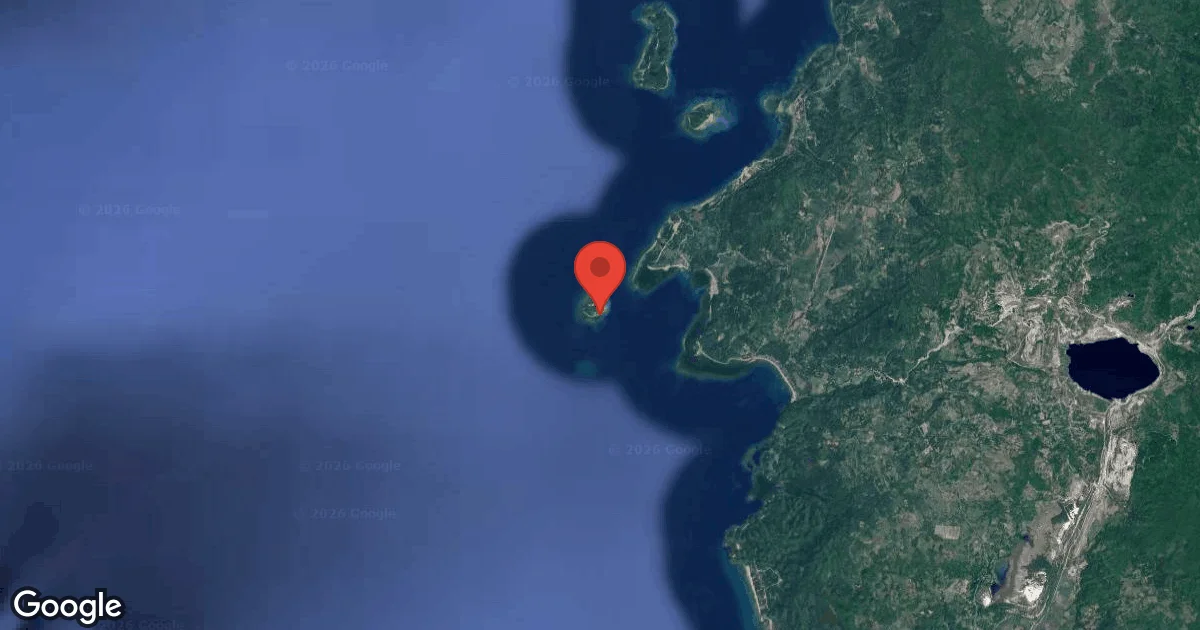
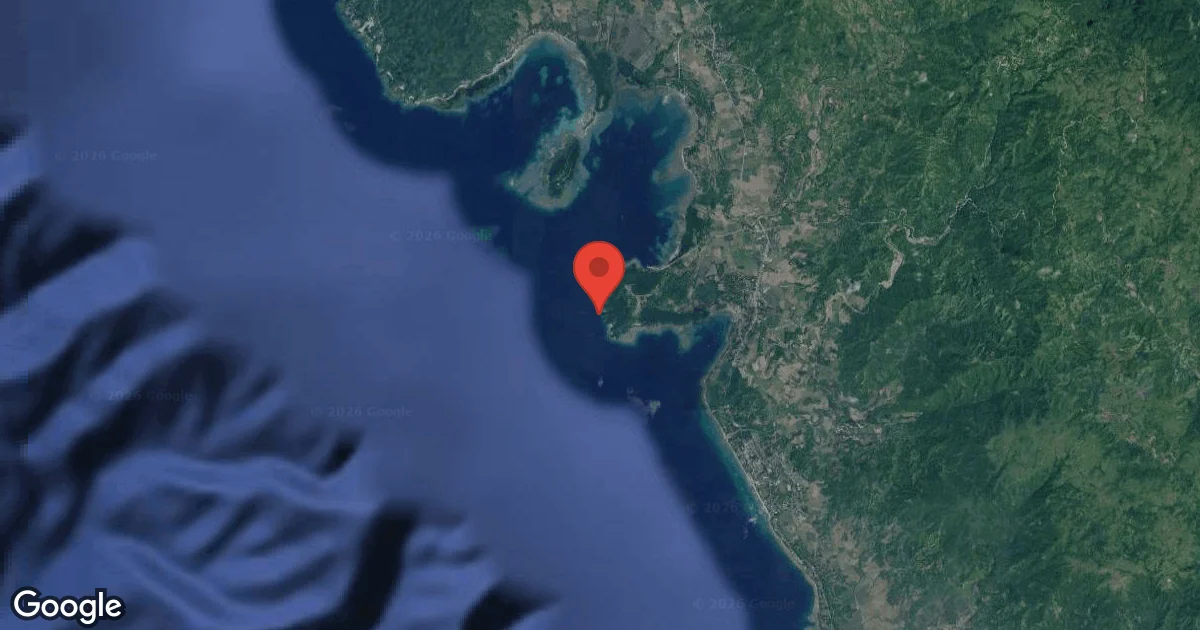
View all dive sites in PhilippinesDiscover more underwater gems in this area.
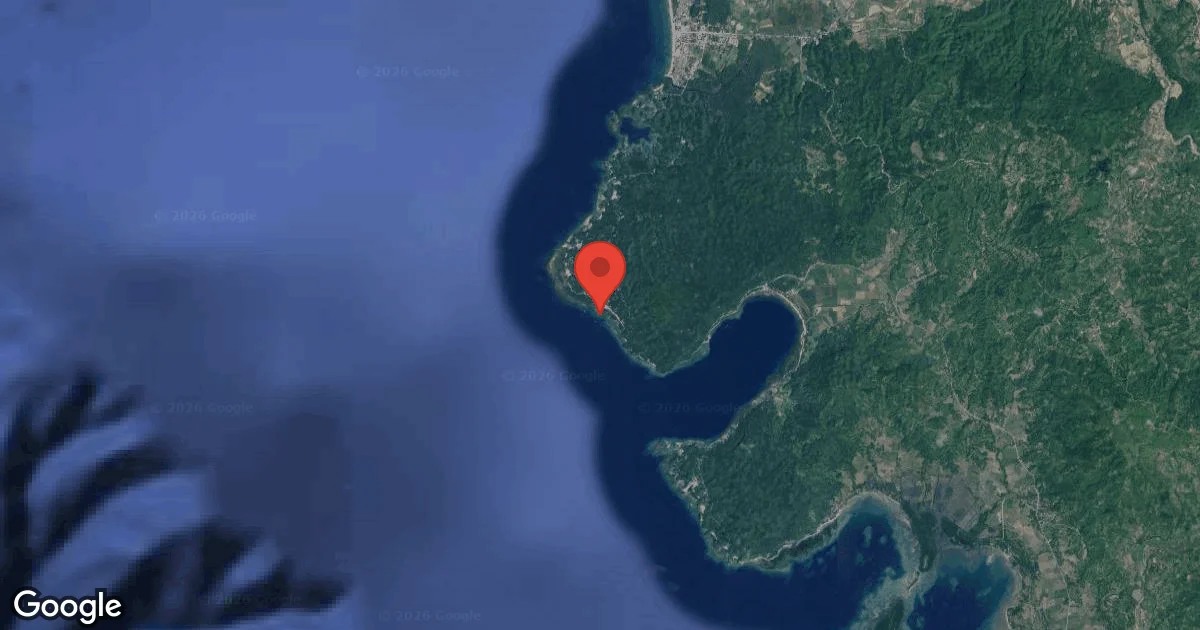
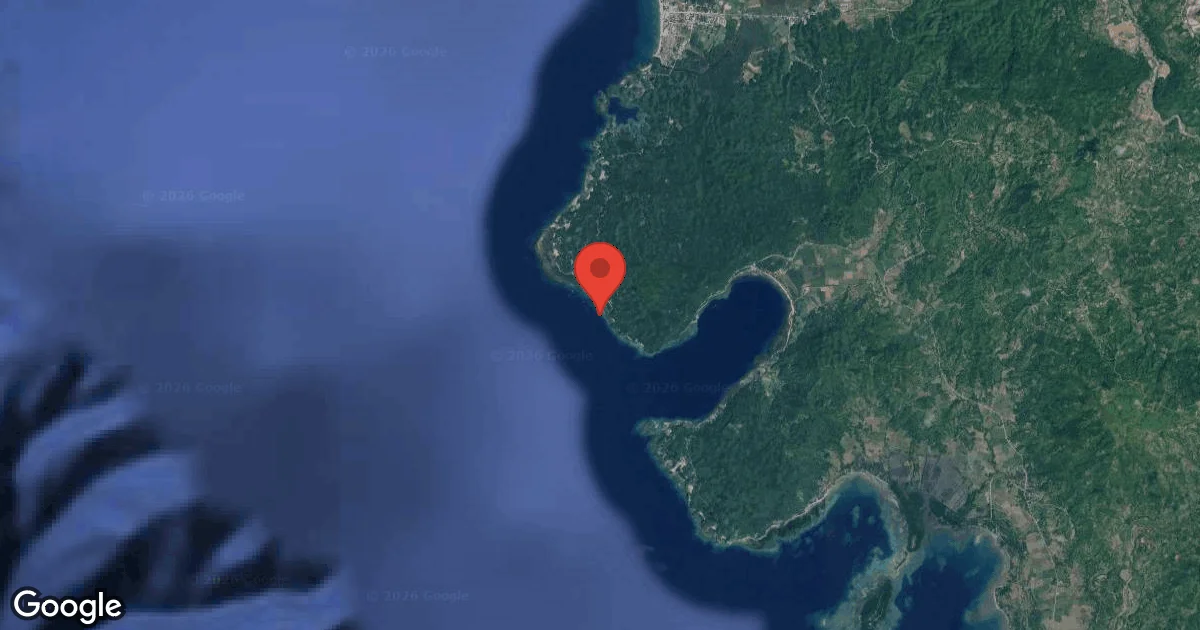
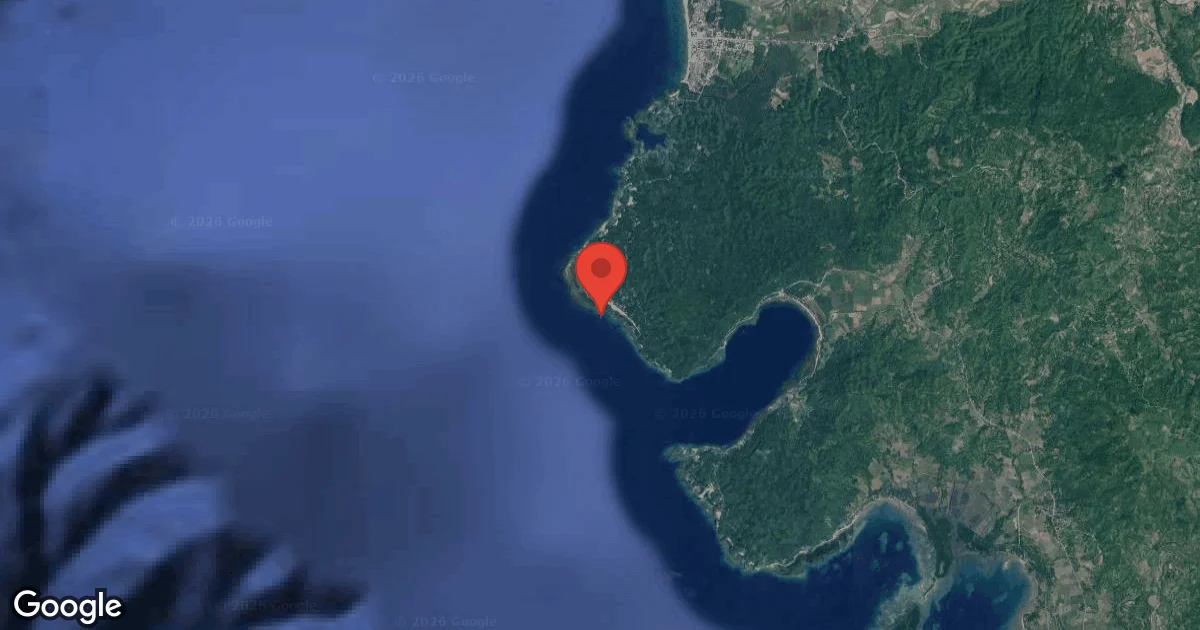
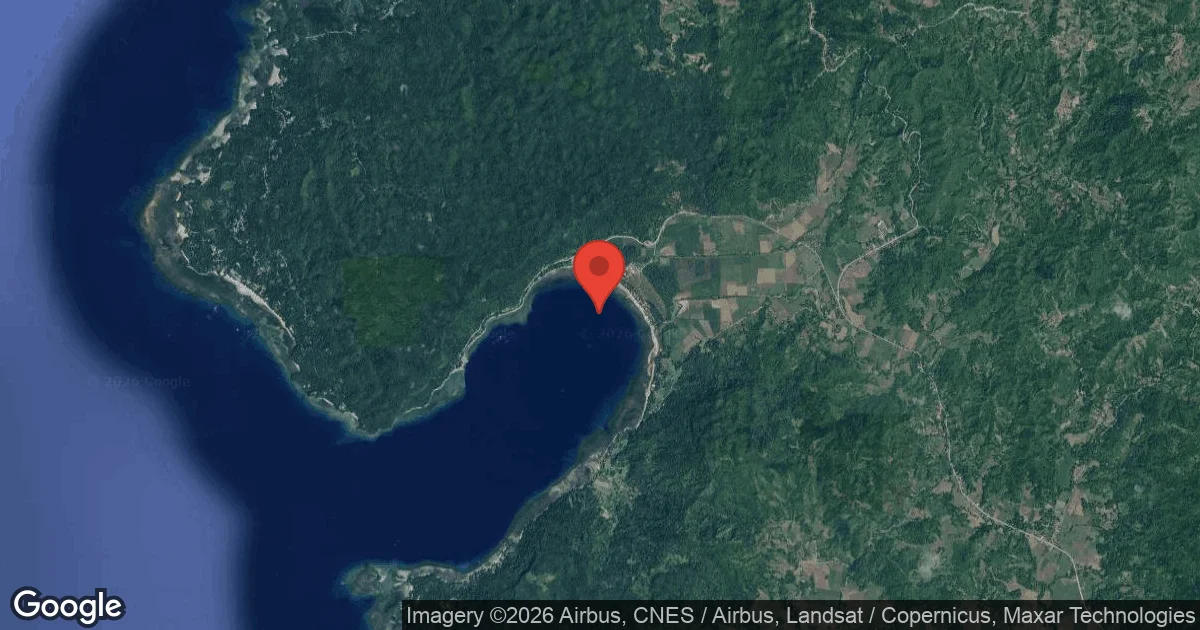
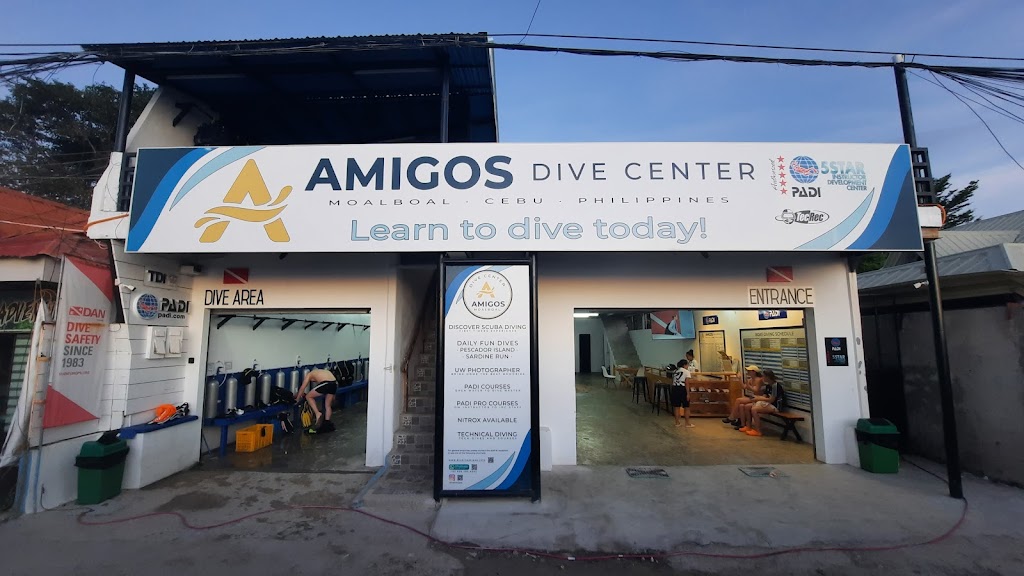
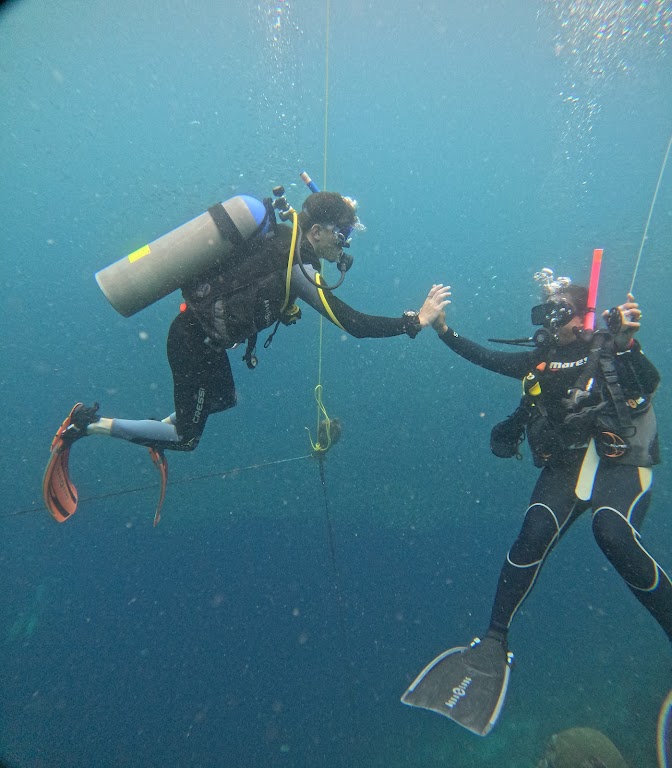
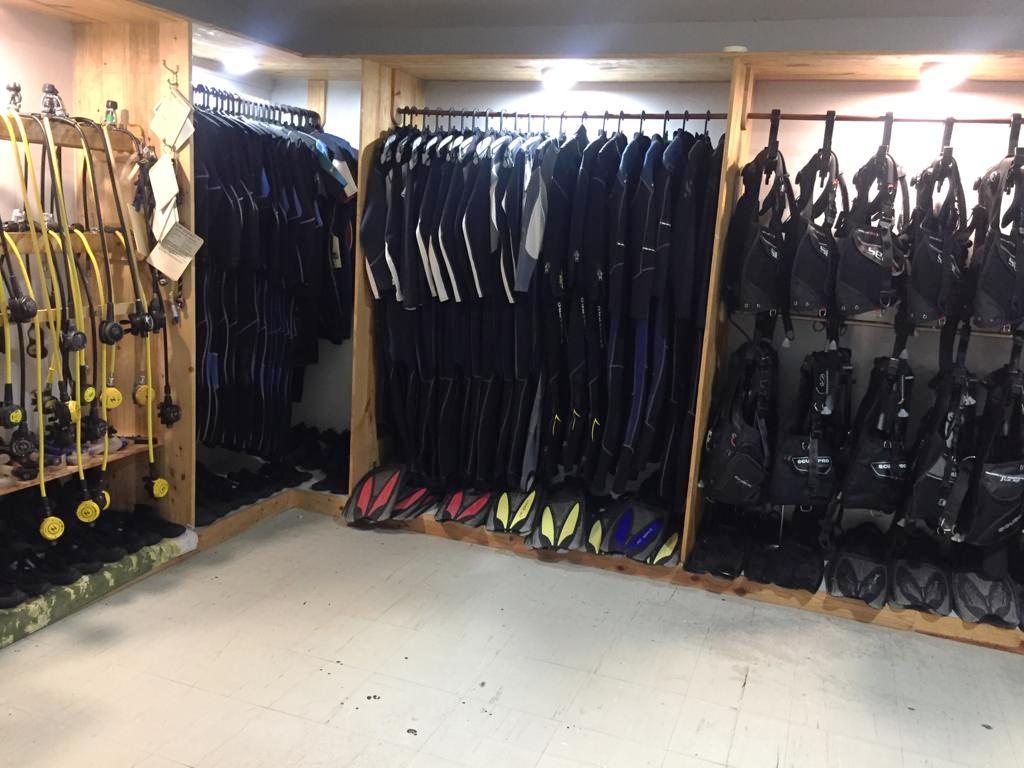
Dive Centers Near Grand Canyons
Today: 08:00 - 17:00

Nearest Airports
Nearest airports to help plan travel to this dive area.
Search Flights
Check available flights and routes on Expedia, using the nearby airports listed in this section.
Search Flights on ExpediaFrequently Asked Questions
What is the typical depth range for recreational diving at Grand Canyons?
The specific Grand Canyons site in Sipalay offers depths from 8 to 17 meters, suitable for most recreational divers. Other canyon dive sites in the Philippines can extend deeper, reaching up to 30 meters for advanced divers.
Are there strong currents at Grand Canyons?
Yes, many canyon dive sites in the Philippines, including some described as 'Grand Canyons,' are known for frequently strong currents. These can vary depending on the specific location and tidal conditions, often making them suitable for more experienced divers.
What kind of underwater terrain will I find?
The site is characterized by an intricate topography of cracks and canyons, forming a labyrinth-like structure. Divers will navigate through narrow passages and encounter sheltering walls, often with sandy bottom areas. An artificial reef also exists at approximately 15 meters.
What marine life can I expect to see?
The canyons are home to a variety of corals, including large gorgonian fans, barrel sponges, whip corals, and pink soft corals. Common fish sightings include schools of batfish, jackfish, and large groupers. While not guaranteed, pelagic species like sharks, whales, dolphins, and turtles are occasionally reported.
What is the best time of year to dive Grand Canyons?
April and May typically offer the best diving conditions, with minimal waves, lighter winds, and lower rainfall. The rest of the year generally provides good diving, though with potentially higher waves and more frequent rain showers.
Is Nitrox recommended for diving here?
For deeper canyon dives, especially those involving drift, Nitrox is strongly recommended. This can help extend bottom time and reduce nitrogen loading, particularly useful when navigating multiple canyon sections.
What diver certification level is required?
For the shallower Grand Canyons site, around 8 to 17 meters, PADI Open Water Diver is sufficient. However, for deeper canyon sites with strong currents, a PADI Advanced Open Water Diver certification is advisable or required due to the more challenging conditions.
Planning to dive Grand Canyons?
Send one inquiry and receive offers directly from the best verified local dive operators.
Conditions are Good
Optimal conditions expected
Current conditions near Grand Canyons show 26° air, 30° sea temperature, 0.7 m waves, and 25 km/h wind. Forecast data is refreshed regularly to ensure accuracy.