
Diving at MS Jojo (Philippines)
MS Jojo, officially known as the MS Don Jojo, once served as a 66 m / 216 ft cargo ship for the Lorenzo Shipping Corporation-Manila. Built as the SANEI MARU in Japan in 1964, it later arrived in the Philippines in 1977. Eventually, the vessel succumbed to the sea in 1985, sinking within Campomanes Bay. While specific circumstances of its loss aren't consistently reported, the wreck remains a prominent feature for divers.
As evening covers MS Jojo, the local air temperature is measured at 26.5°C. The current wave height at the surface is recorded at 0.8 m. These late-day readings characterize the surface conditions for the night.
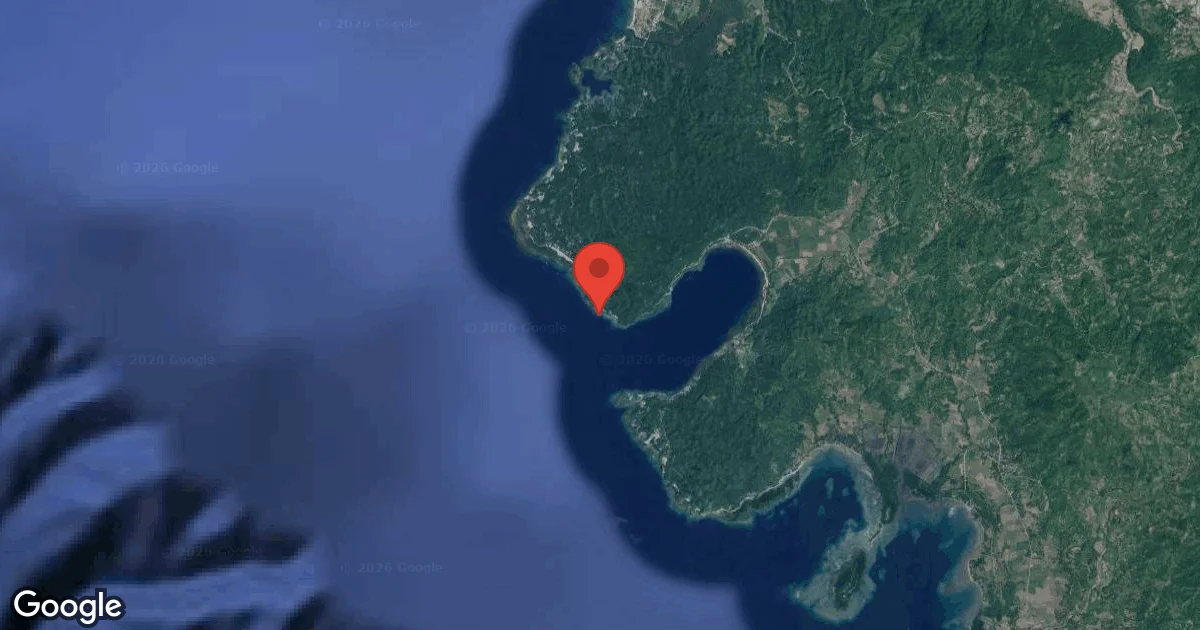
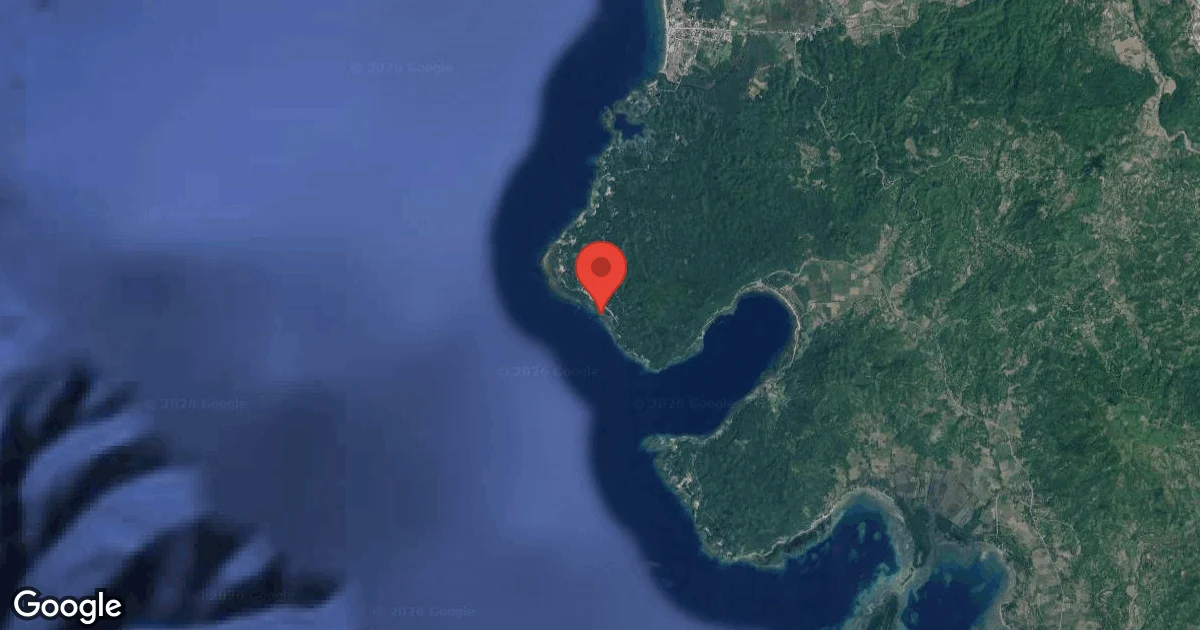
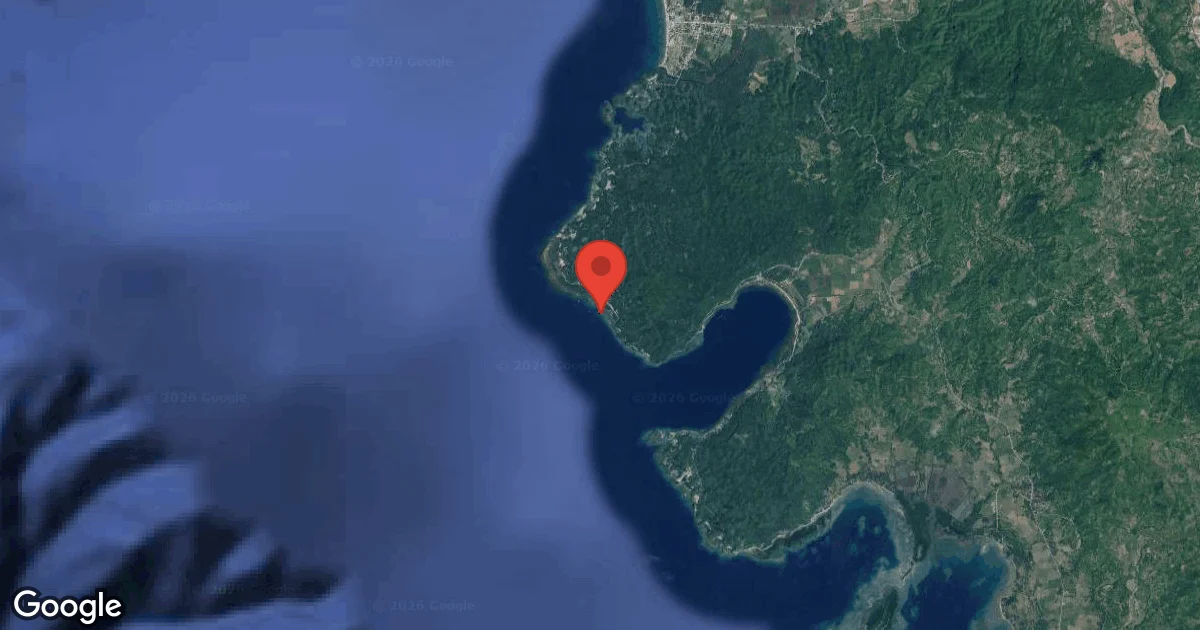
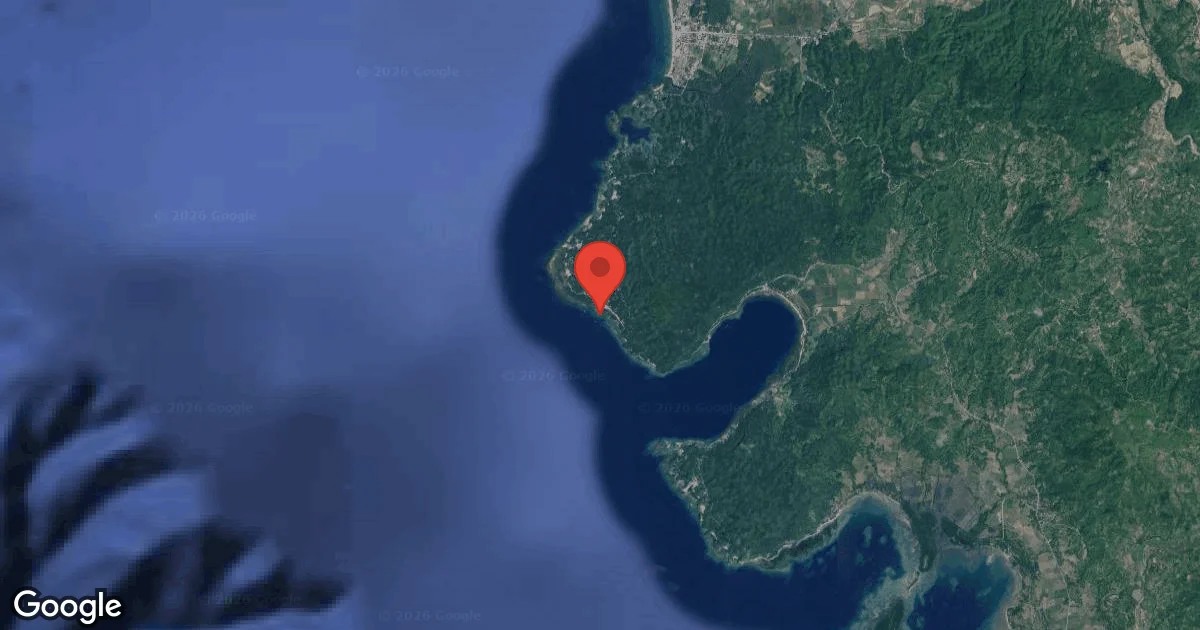
Dive Site Location & Key Facts
Dive Site Overview
Experience a compelling contrast to Sipalay's vibrant reef dives; the MS Jojo presents a distinct underwater landscape. Descending to the site typically begins on a line from about 22 m / 72 ft.
Resting on the seabed, the wreck reaches a maximum depth of 32-33 m / 105-108 ft. Despite sinking in the 1980s, the 66 m / 216 ft long cargo vessel is noted for its good condition, appearing relatively young compared to other area wrecks. Its large cargo space is accessible for exploration, providing a unique look into the ship's internal structure and historical context.
Visibility around the wreck is often limited, creating a dim, mysterious atmosphere, almost as if the ship is cloaked in a perpetual fog. Lower light levels and the wreck's depth demand attentive diving.
As a moderately sized wreck, exploration is manageable without excessive bottom time, allowing divers to appreciate its many details and resident marine life. Successfully navigating this deep wreck dive requires careful planning and appropriate gas management. A thorough dive briefing is essential before descending.
Conditions are Good
Optimal conditions expected
Current conditions near MS Jojo show 26° air, 30° sea temperature, 0.8 m waves, and 22 km/h wind. Forecast data is refreshed regularly to ensure accuracy.
Best Time to Dive
Optimizing a dive at MS Jojo depends heavily on mitigating the site's naturally lower visibility. Optimal conditions typically occur during the drier months of April and May. Air temperatures average a pleasant 28-29°C / 82-84°F then, with minimal rainfall at 3-8 mm. During these months, wave heights and wind speeds are also at their lowest, contributing to more stable water conditions, even if the inherent visibility remains varied (0-15 m / 0-50 ft). Outside of this period, increased rainfall is observed, particularly from July to October, which could further impact visibility. Air temperatures remain warm, averaging 26-28°C / 79-83°F year-round.
PEAK SEASON SCORE
Scores combine air & water temps, waves, wind & rainfall for overall conditions.
BEST MONTHS TO DIVE
Monthly records compiled from satellite and marine observation nodes over the last 3 years. Data provided by Open-Meteo and MET Norway.
Dive Experience & Conditions
Conditions at the MS Jojo present a distinct character. Divers approach the site by descending on a line, typically starting at approximately 22 m / 72 ft, before reaching the wreck's maximum depth around 32 m / 105 ft. Exploration depth usually hovers between 22-30 m / 72-100 ft. A distinct characteristic of this dive is the often-dimmer environment, with visibility ranging from 0-15 m / 0-50 ft, which contributes to a mystical feel. Currents at the site are generally reported as minimal or non-existent, making navigation around and within the wreck more straightforward. Its cargo space is considered easy to dive, though a torch is essential to fully appreciate inner structures. Given its depth and the potential for extended exploration, this dive is considered suitable for advanced divers.
Dive Difficulty & Safety Guidelines
Diving the MS Jojo requires an advanced skill level, especially due to its depth and the sometimes-reduced visibility. Penetration into the cargo holds is possible, so appropriate training and equipment, including a reliable torch, are crucial for safe exploration of the ship's inner structure.
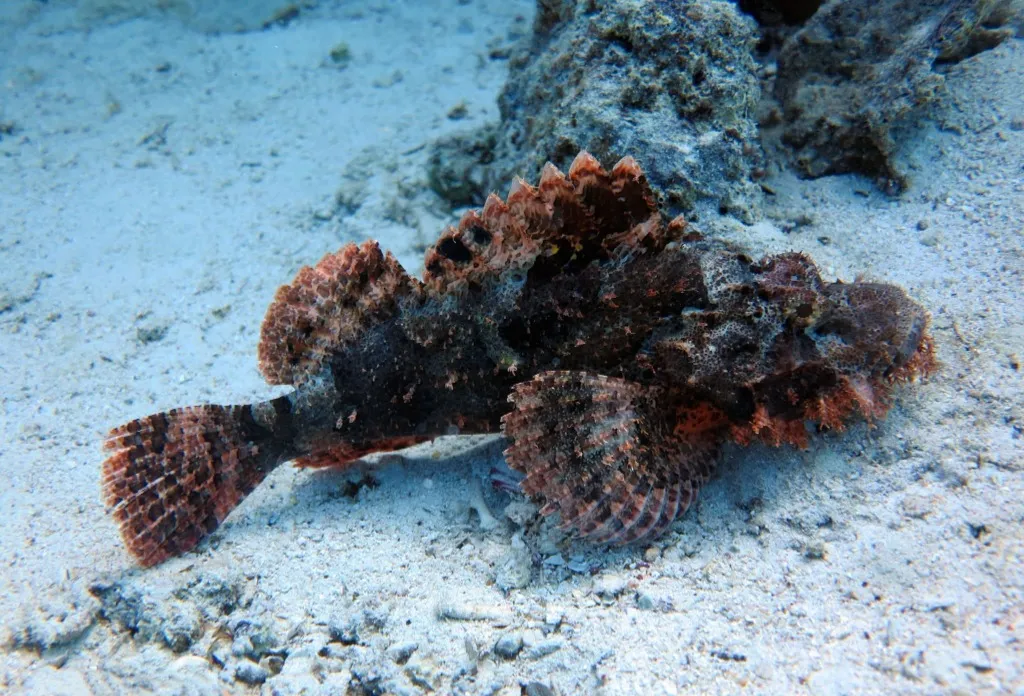
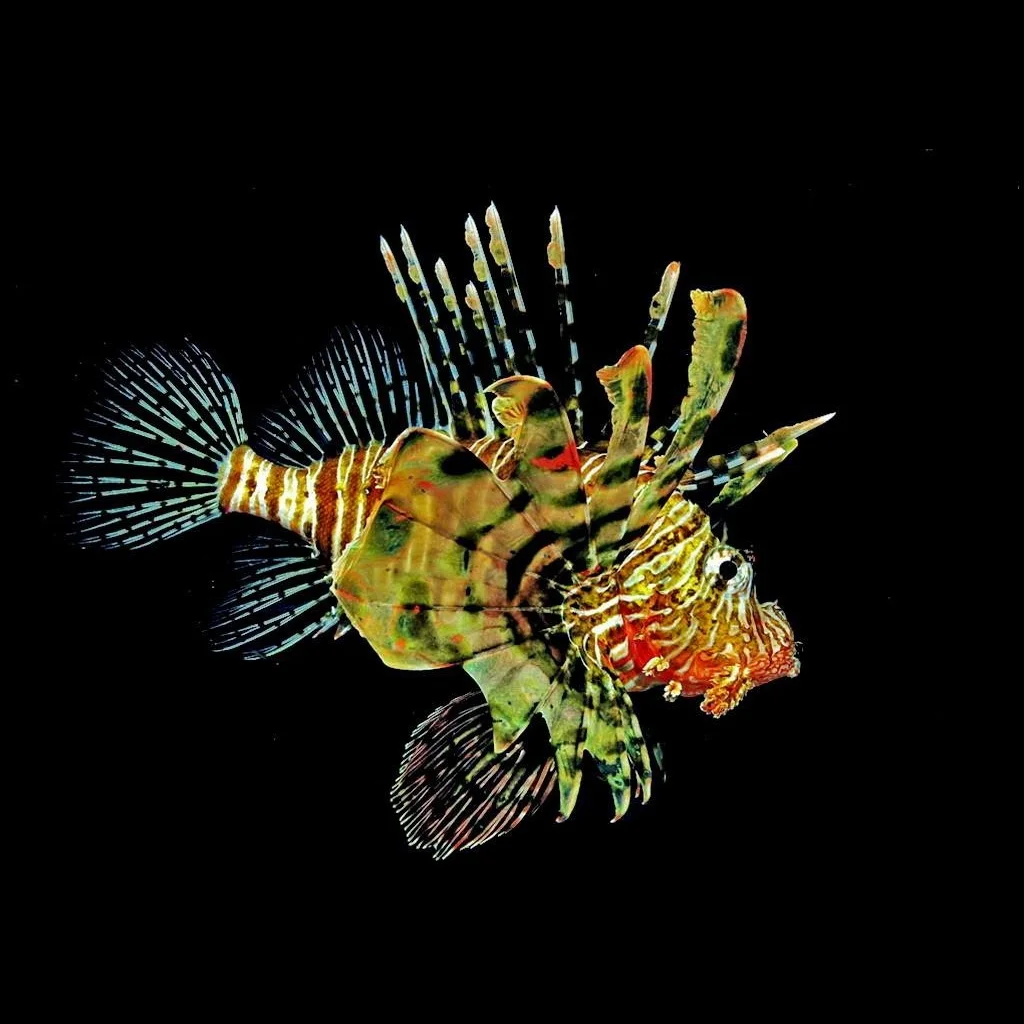
While explicit external hazards are not reported, divers should always be mindful of the wreck environment itself; sharp edges or potential entanglement points can exist. Particular attention should be paid to the resident marine life, such as numerous lionfish and scorpionfish, which are well-camouflaged.
Maintaining a respectful distance from these venomous species is always advised to prevent accidental contact.
Recommended Equipment
Overhead / entanglement risk. Wreck penetration requires proper training.
- Dive Computer
- DSMB
- Primary & Backup Lights
- Wreck Reel
- Cutting Tool
This gear list is based on verified equipment signals for MS Jojo, Philippines. Always confirm final gear choices with your dive operator, guide, or liveaboard.
Recommended Dive Suit
For divers planning standard recreational dives, dive skin or rash guard is usually a suitable option. Divers vary widely in how quickly they feel cold underwater.
The waters surrounding MS Jojo are currently maintaining temperatures close to 30°C (85°F). Surface air temperatures are resting at 26°C (79°F).
The upcoming forecast points to generally steady conditions in the area.
Emergency & Medical Support
Essential information to help you plan your dive trip to MS Jojo.

Hyperbaric chambers are a critical part of dive safety infrastructure. Availability varies significantly by region, and not all dive areas have immediate access.
Before diving, it's recommended to:
- confirm nearest medical facilities
- check emergency procedures with local dive operators
- ensure dive insurance covers evacuation if required
Divers Alert Network
Diving emergency assistance available through DAN World.
+1-919-684-9111- 24/7 emergency hotline
- Diving medical assistance
- Evacuation coordination
Emergency contacts are provided for reference. Always verify local emergency services before diving.
Marine Life at MS Jojo
Marine life flourishes around the MS Jojo wreck, a vital habitat supporting diverse species. Expect to encounter numerous large lionfish, particularly concentrated near the bow area.
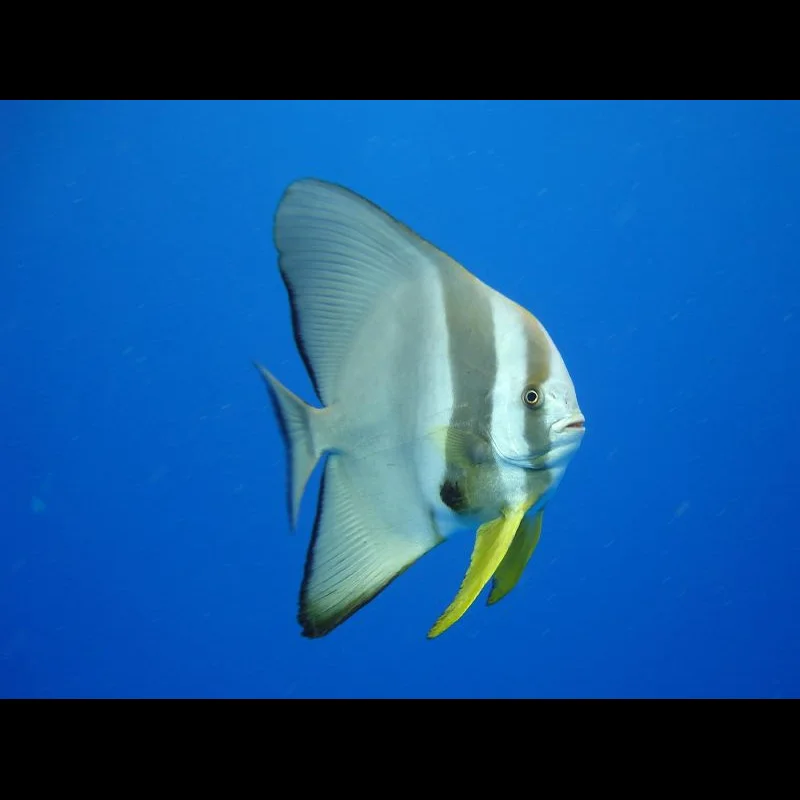
Keen eyes might spot well-camouflaged scorpionfish, snails, and mantis shrimp tucked into its crevices. Batfish are also a common sight, often curiously observing divers.
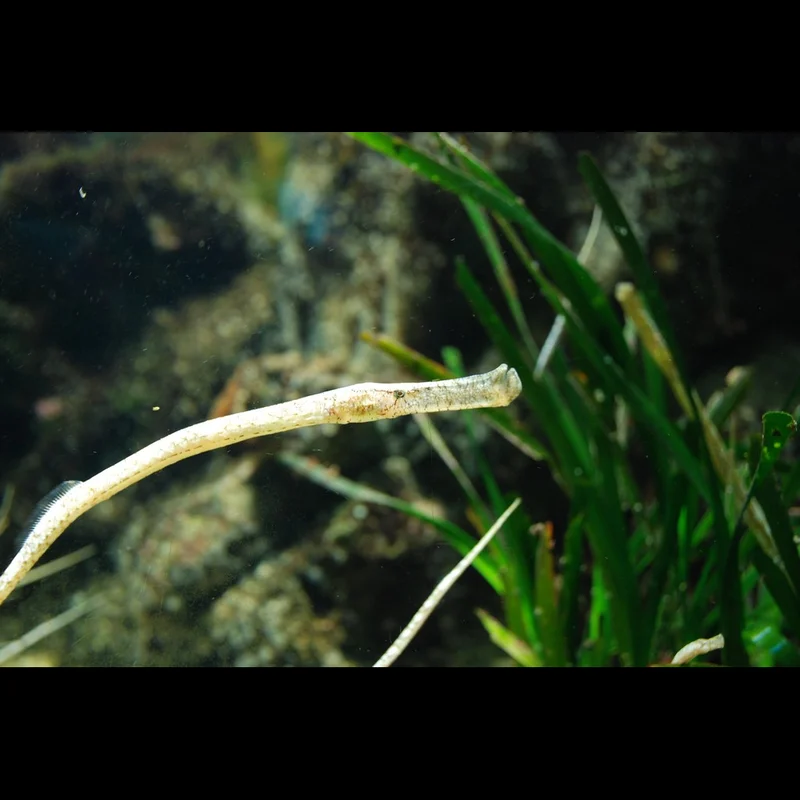
Crevices and smaller hiding spots along the sunken vessel are also home to various shrimp and pipefish, contributing to this rich underwater ecosystem.
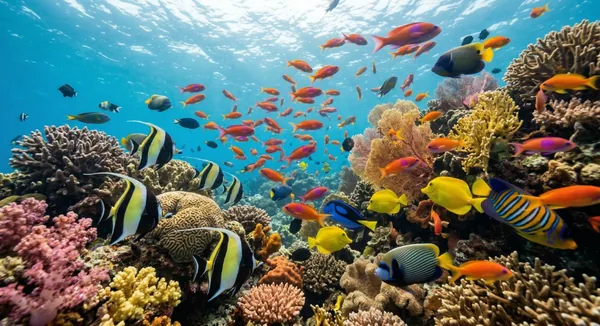
Dive Sites Near MS Jojo
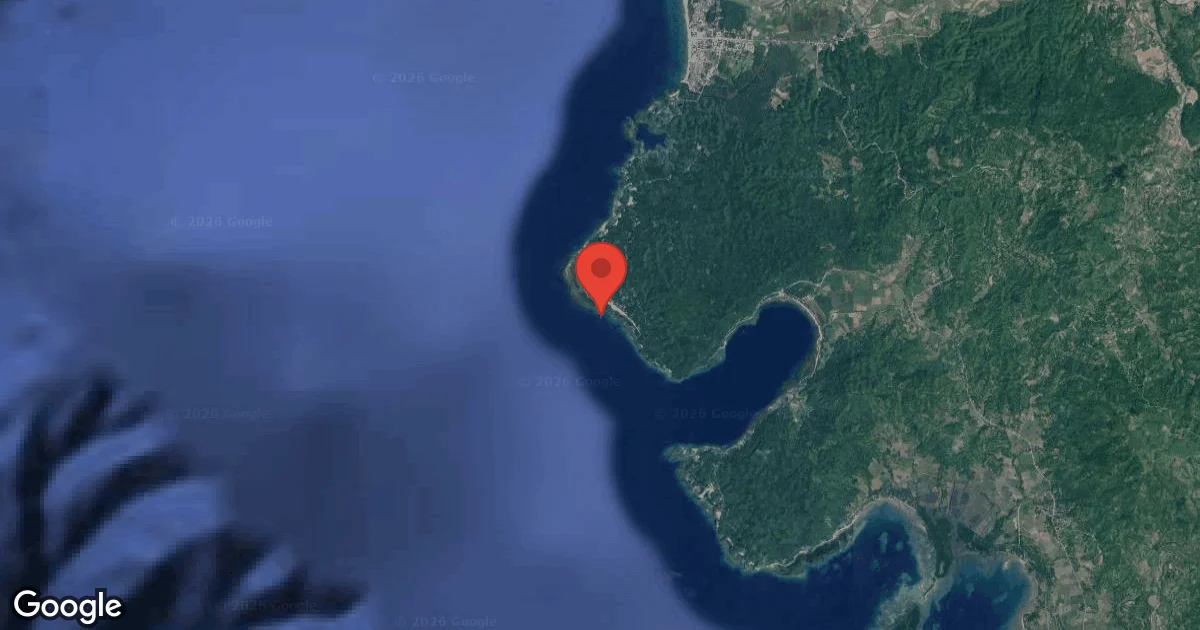
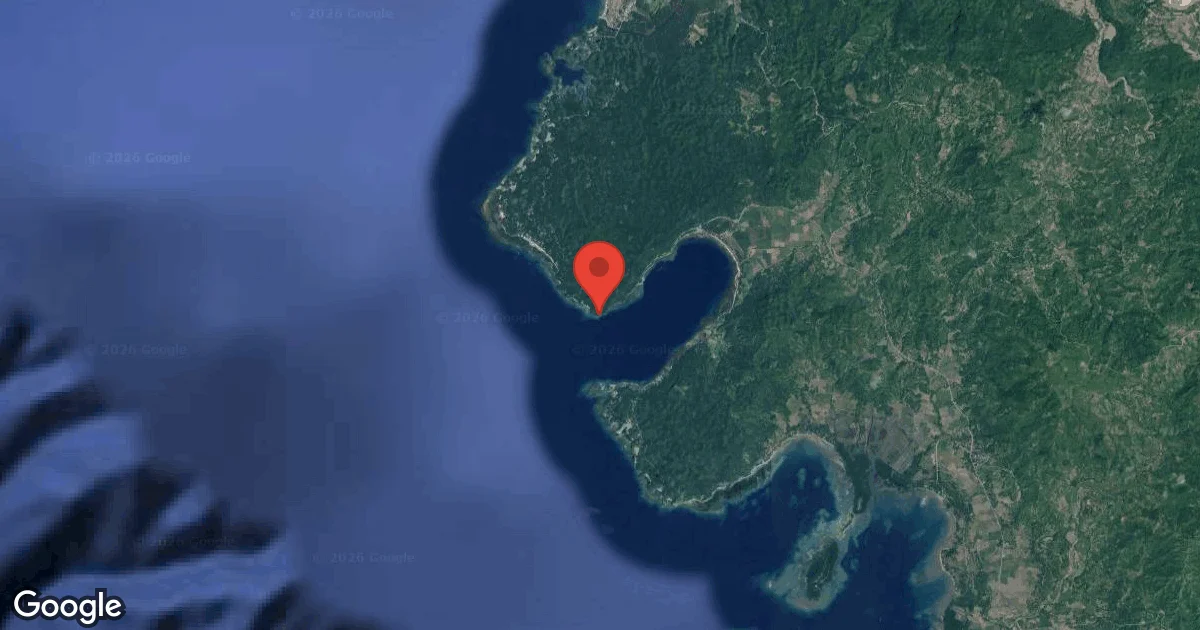
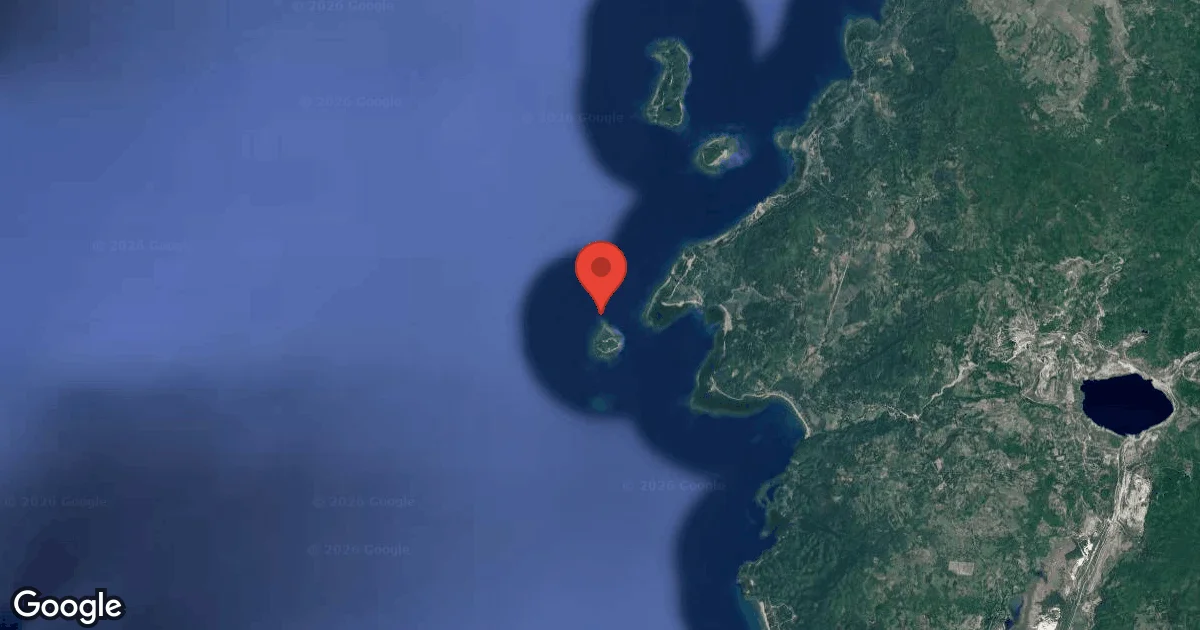
View all dive sites in PhilippinesDiscover more underwater gems in this area.
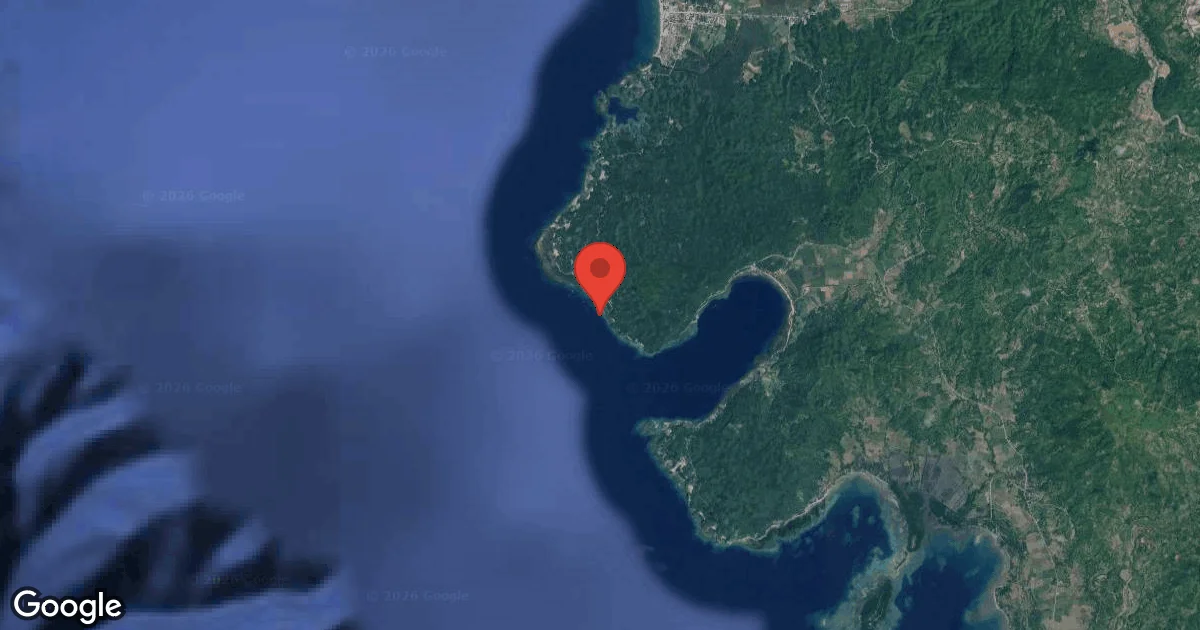
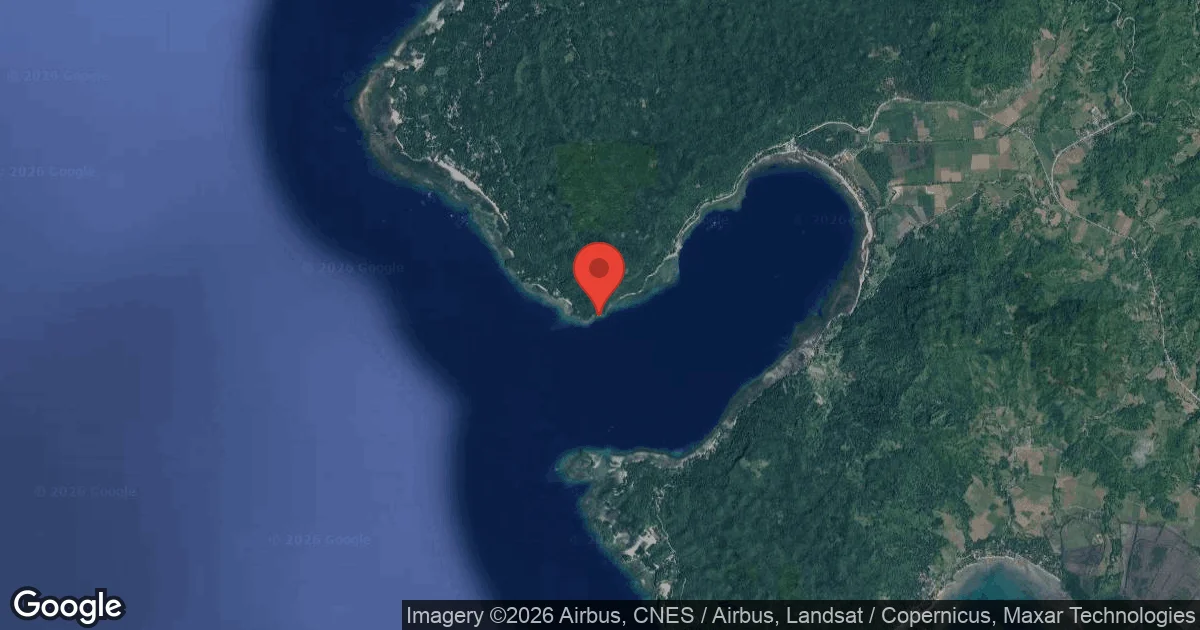
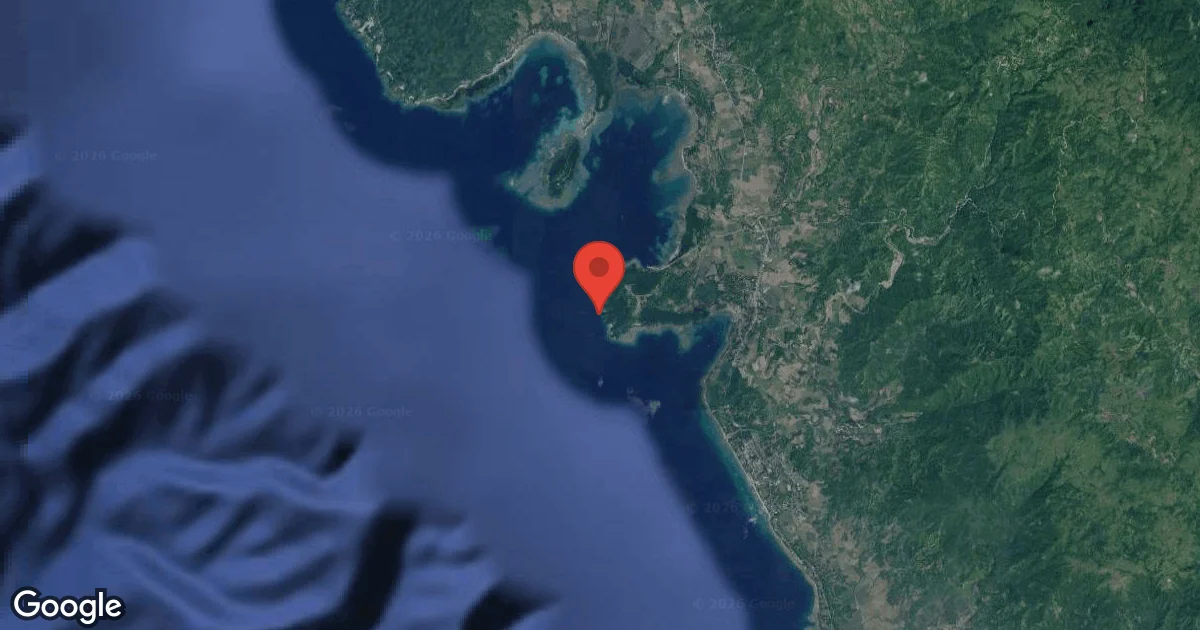
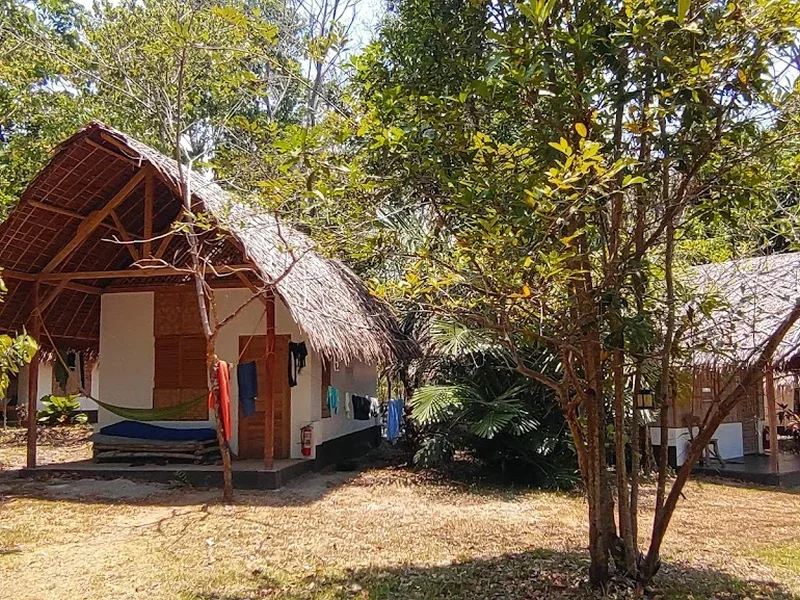
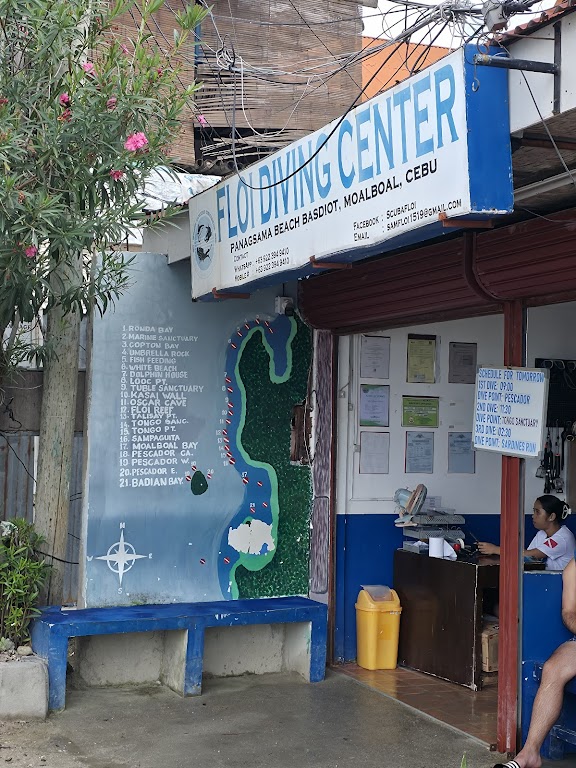
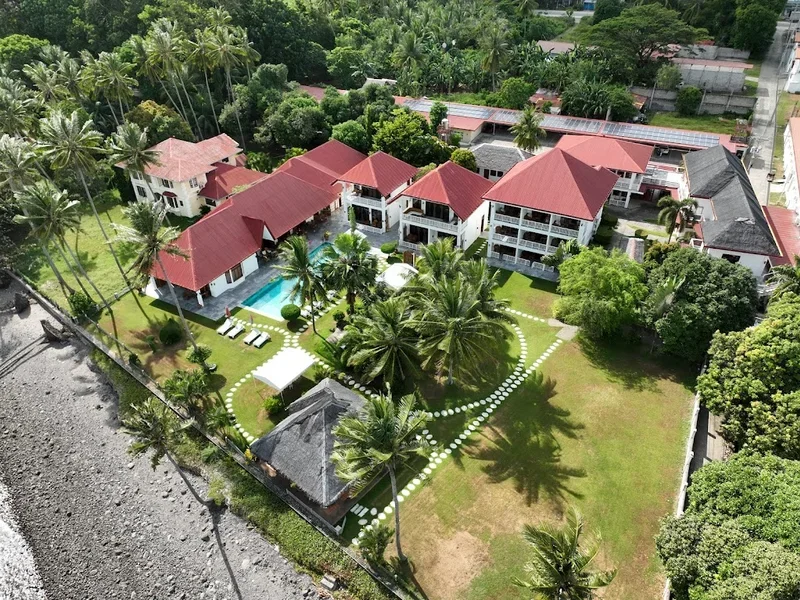
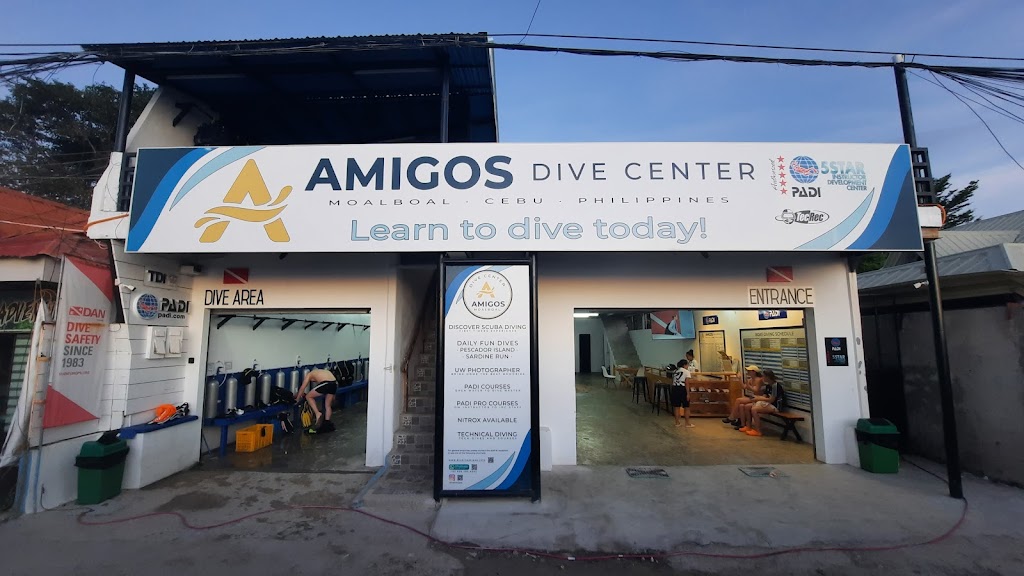
Dive Centers Near MS Jojo
Today: 08:00 - 17:00
Nearest Airports
Nearest airports to help plan travel to this dive area.
Search Flights
Check available flights and routes on Expedia, using the nearby airports listed in this section.
Search Flights on ExpediaFrequently Asked Questions
What kind of wreck is the MS Jojo?
MS Jojo operated as a 66 m / 216 ft long cargo ship, originally built in Japan in 1964. It was a Philippine freighter that sank in 1985 and now rests in Campomanes Bay.
What is the typical depth range for diving the MS Jojo?
Divers usually begin their descent at approximately 22 m / 72 ft, with the wreck's maximum depth around 32-33 m / 105-108 ft. Most exploration occurs between 22-30 m / 72-100 ft.
What are the visibility conditions like at the MS Jojo?
Visibility at the MS Jojo can be variable, often ranging from 0-15 m / 0-50 ft. The site is known for its dimmer, more mystical ambiance due to this reduced visibility, especially when exploring inside the wreck.
Is the MS Jojo suitable for all divers?
No, the MS Jojo is considered an advanced dive site due to its depth and the nature of wreck exploration. Divers should have appropriate training and experience for wreck dives and potential penetration.
What marine life can be seen around the MS Jojo wreck?
Numerous large lionfish, curious batfish, and various scorpionfish inhabit the wreck. You can also spot smaller creatures like shrimp, pipefish, snails, and mantis shrimp in the cracks and crevices.
When is the best time to dive the MS Jojo?
April and May typically offer the best conditions, with minimal rainfall and calmer seas, though the site's inherent visibility remains a consistent factor. Air temperatures are warm year-round, averaging 26-29°C / 79-84°F.
Are currents a concern at the MS Jojo?
Currents at the MS Jojo are generally reported as minimal or non-existent. This can make navigating around and inside the wreck more manageable for divers, even with the sometimes-limited visibility.
Planning to dive MS Jojo?
Send one inquiry and receive offers directly from the best verified local dive operators.
Conditions are Good
Optimal conditions expected
Current conditions near MS Jojo show 26° air, 30° sea temperature, 0.8 m waves, and 22 km/h wind. Forecast data is refreshed regularly to ensure accuracy.