
Diving at Balas Balas (Philippines)
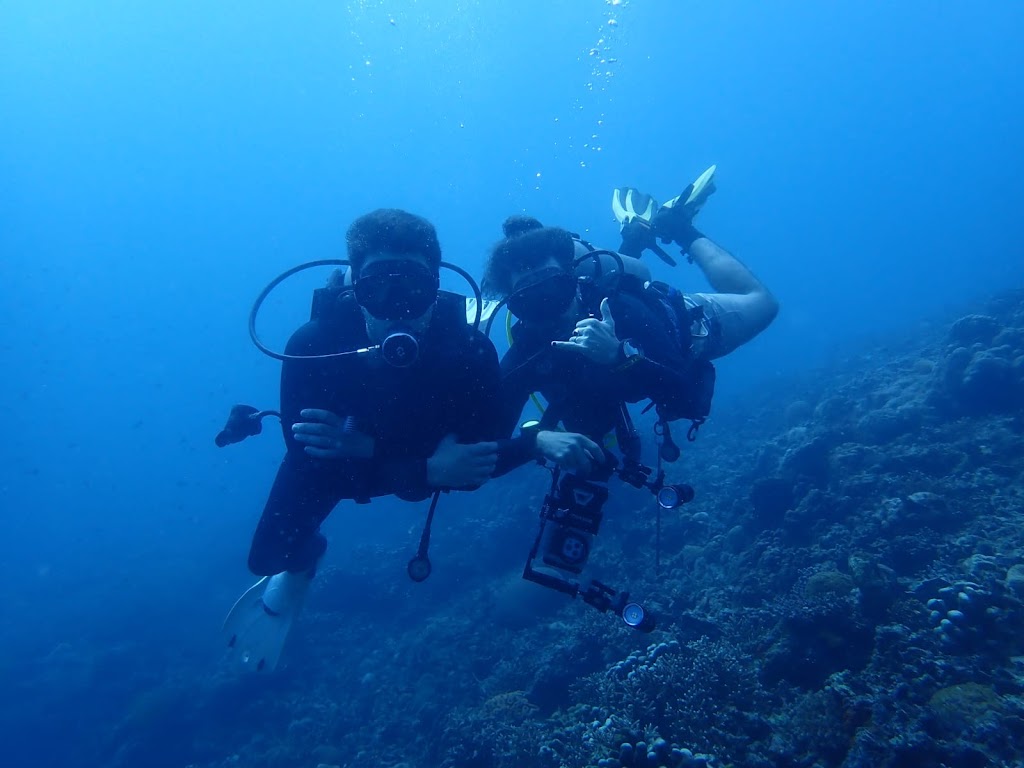
A gentle current carries the scent of warm, tropical air as you prepare to descend into Balas Balas. Beneath the surface, the clarity of the water often reveals a vibrant landscape long before you arrive. Sunlight filters through the shallow sections, illuminating patches of coral and the soft, inviting sandy bottom. It's a serene feeling, a true escape into the Philippines' captivating aquatic realm.
Evening condition tracking at Balas Balas features an air temperature of 30.5°C. We have recorded wave heights measuring 0.3 m during this period. These figures outline the environmental parameters currently present.
Dive Site Location & Key Facts
Dive Site Overview
Balas Balas dive site, primarily explored near Dapitan, derives its name from the local word for 'sand,' reflecting its gently sloping sandy bottom that characterizes much of the area. This site truly stands out for its transition from shallow, beginner-friendly expanses perfect for snorkelers and new divers, to more challenging deeper sections reaching a maximum depth of 30 m (98 ft).
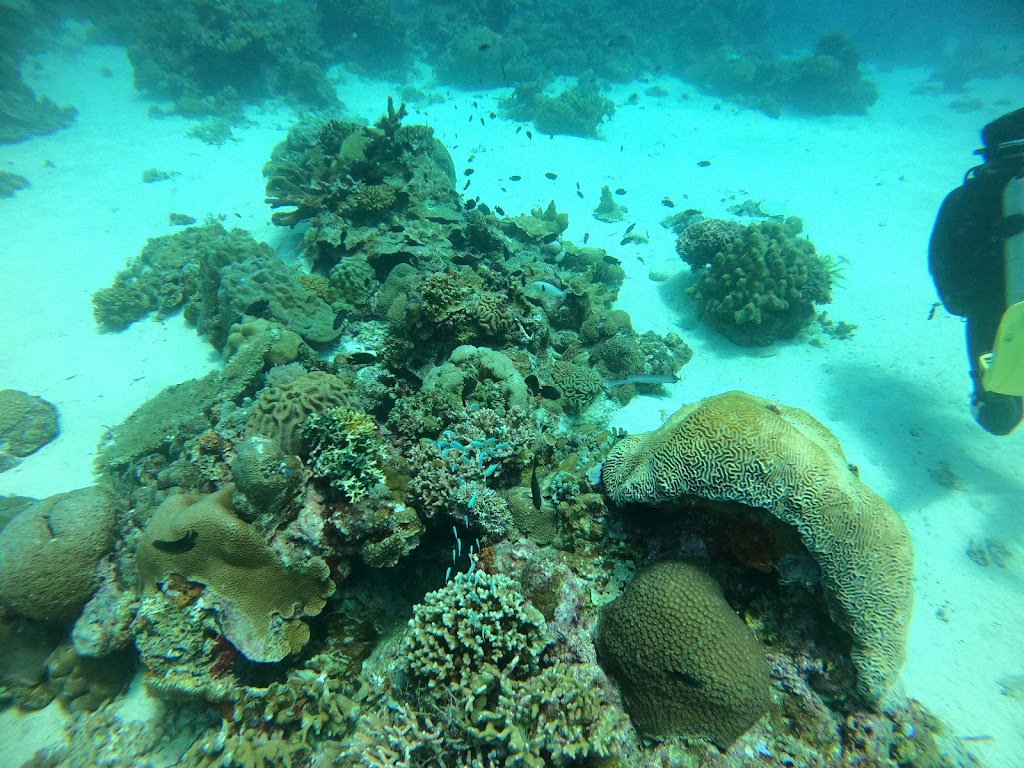
Divers here can anticipate encountering beautiful coral reefs interwoven with that distinctive sandy terrain, creating a diverse underwater landscape. Entry methods vary, with some locations accessible via shore and others requiring a boat for convenient access. Throughout the year, Balas Balas offers opportunities for exploration, yet the dry season typically presents the most favorable conditions for diving.
Visibility is reliably excellent, often extending from 10 to 30 meters, allowing for expansive views of the active marine environment.
Conditions are Excellent
07:00 - 14:00
Optimal conditions expected
Current conditions near Balas Balas show 31° air, 30° sea temperature, 0.5 m waves, and 22 km/h wind. Forecast data is refreshed regularly to ensure accuracy.
Best Time to Dive
Planning your trip during the dry season, from November to May, generally yields the most favorable diving conditions at Balas Balas. This period often aligns with clearer skies and calmer seas, enhancing the overall experience underwater. Our climate data indicates that months like April, May, June, and October frequently receive an 'Excellent' dive score, driven by lower rainfall amounts, often below 6 mm. During these peak times, air temperatures remain consistently warm, averaging around 27.5-28.5°C (82-83°F). Even outside the dry season, Balas Balas remains a viable dive destination, though conditions might vary; months such as January, February, July, August, September, November, and December typically register a 'Good' dive score. Wind speeds are generally moderate year-round, ranging from 15 to 22 km/h, with wave heights often below 0.8 meters.
PEAK SEASON SCORE
Scores combine air & water temps, waves, wind & rainfall for overall conditions.
BEST MONTHS TO DIVE
Monthly records compiled from satellite and marine observation nodes over the last 3 years. Data provided by Open-Meteo and MET Norway.
Dive Experience & Conditions
The underwater topography at Balas Balas begins with extensive shallow areas, characterized by a gently sloping sandy bottom. This makes the initial dive experience highly accessible for beginner divers and snorkelers seeking calmer conditions. As you venture further, the reef gradually descends, providing deeper sections that offer more challenging opportunities for experienced divers, down to its maximum depth of 30 m (98 ft). Visibility is consistently excellent here, commonly ranging between 10 to 30 meters, which allows for clear observation of the diverse marine life and intricate coral formations. Water here is naturally saline, typical for ocean dives. Its diverse structure, encompassing both expansive sand flats and vibrant coral gardens, supports a rich ecosystem.
Dive Difficulty & Safety Guidelines
When diving Balas Balas, prioritize understanding current conditions by consulting local dive professionals. Given its varying entry points, from shore to boat, ensuring you're familiar with the specific site plan for your chosen entry is important. Adherence to standard PADI Safe Diving Practices is always recommended, and divers should hold appropriate certification, such as PADI Open Water Diver, especially for exploring deeper areas.
Practicing good buoyancy control is essential to avoid disturbing the delicate coral reefs and stirring up the sandy bottom, which could temporarily affect visibility. Always respect marine life; maintain a respectful distance and avoid touching or harassing any creatures you encounter.
Recommended Equipment
- Dive Computer
- DSMB
- Hard-soled Dive Boots
This gear list is based on verified equipment signals for Balas Balas, Philippines. Always confirm final gear choices with your dive operator, guide, or liveaboard.
Recommended Dive Suit
In conditions like these, many divers prefer diving with dive skin or rash guard.
Divers planning a dive at Balas Balas today will likely encounter water temperatures close to 30°C (86°F). Surface air temperatures are resting at 31°C (87°F).
Forecast models indicate that diving conditions should remain largely unchanged.
Emergency & Medical Support
Essential information to help you plan your dive trip to Balas Balas.

Hyperbaric chambers are a critical part of dive safety infrastructure. Availability varies significantly by region, and not all dive areas have immediate access.
Before diving, it's recommended to:
- confirm nearest medical facilities
- check emergency procedures with local dive operators
- ensure dive insurance covers evacuation if required
Divers Alert Network
Diving emergency assistance available through DAN World.
+1-919-684-9111- 24/7 emergency hotline
- Diving medical assistance
- Evacuation coordination
Emergency contacts are provided for reference. Always verify local emergency services before diving.
Marine Life at Balas Balas
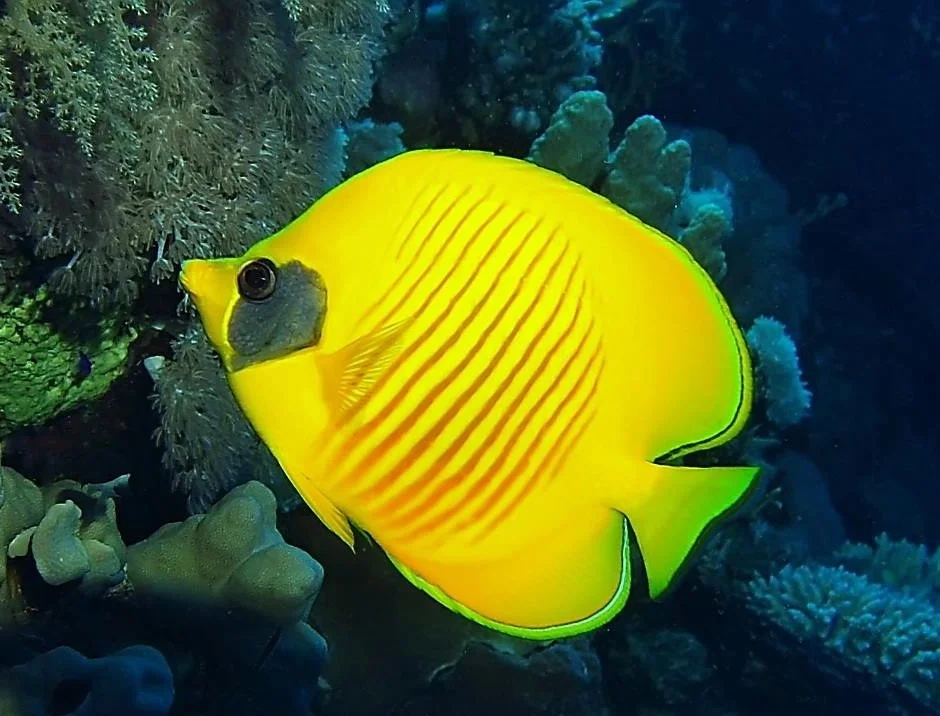
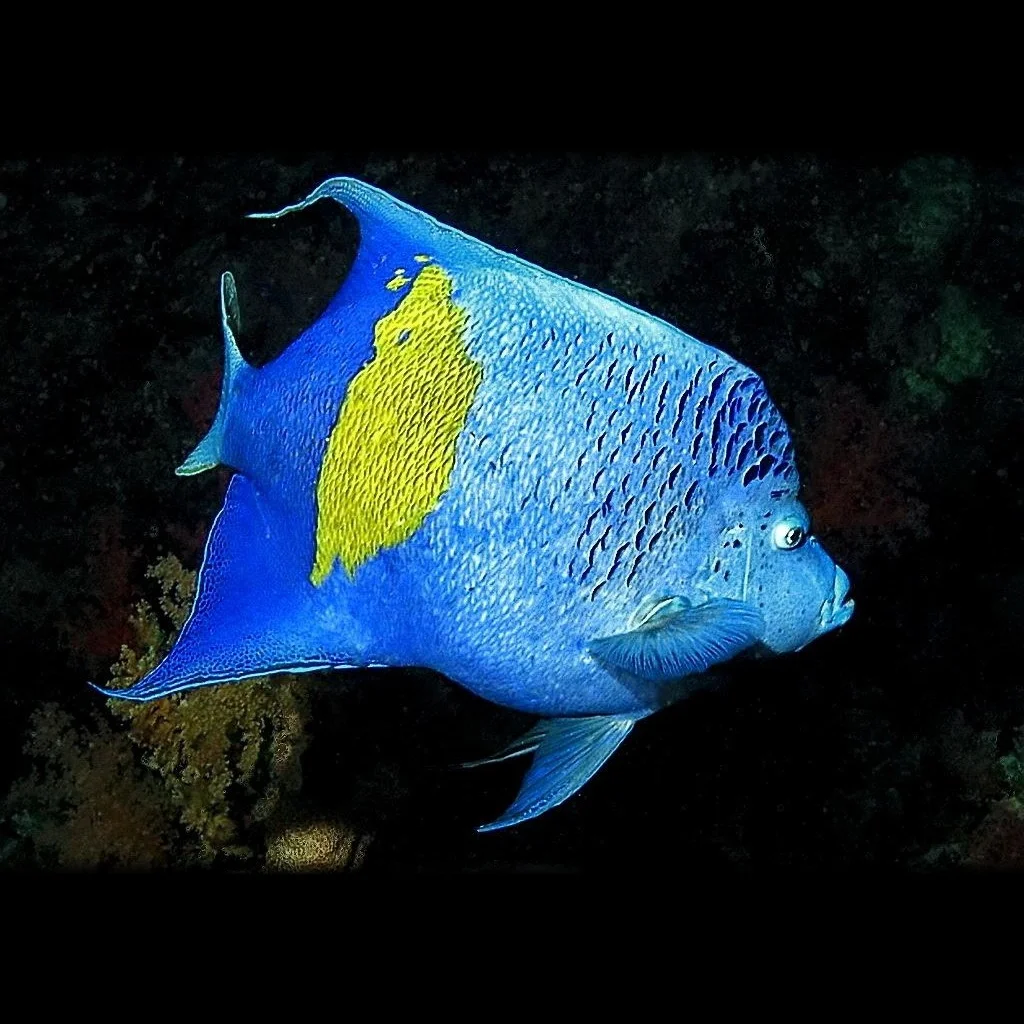
Balas Balas provides frequent sightings of a variety of colorful fish species, adding vibrancy to the coral gardens. Divers often spot angelfish, butterflyfish, and parrotfish gracefully navigating the reef structure.
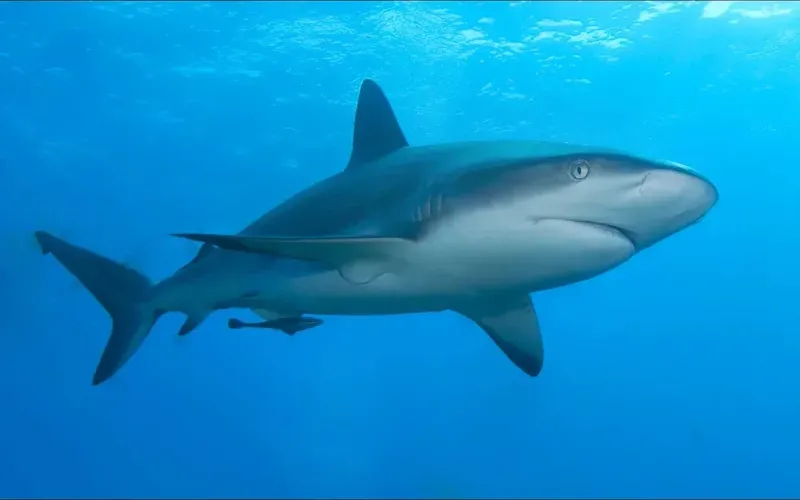
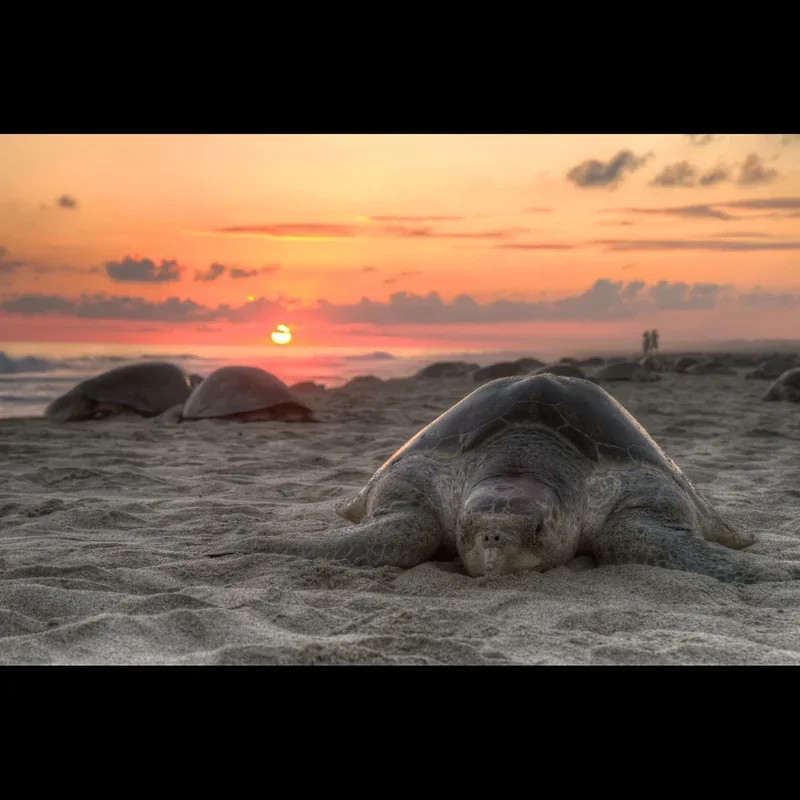
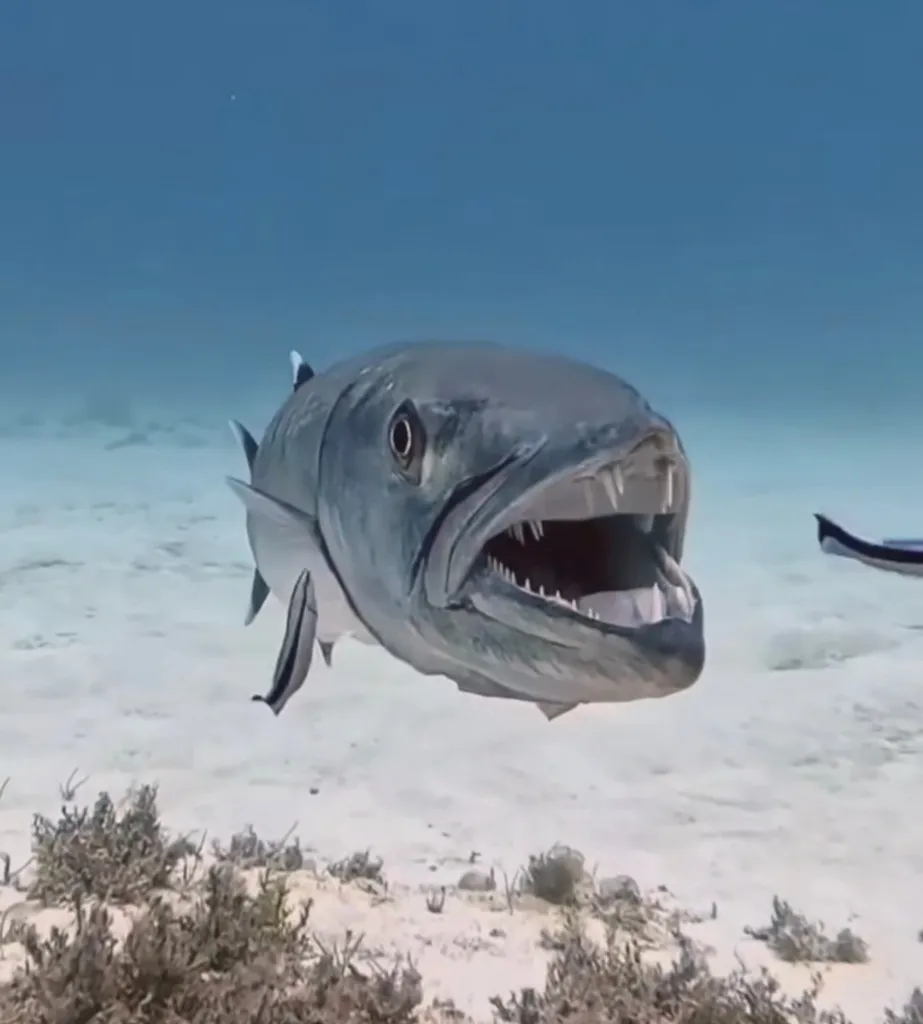
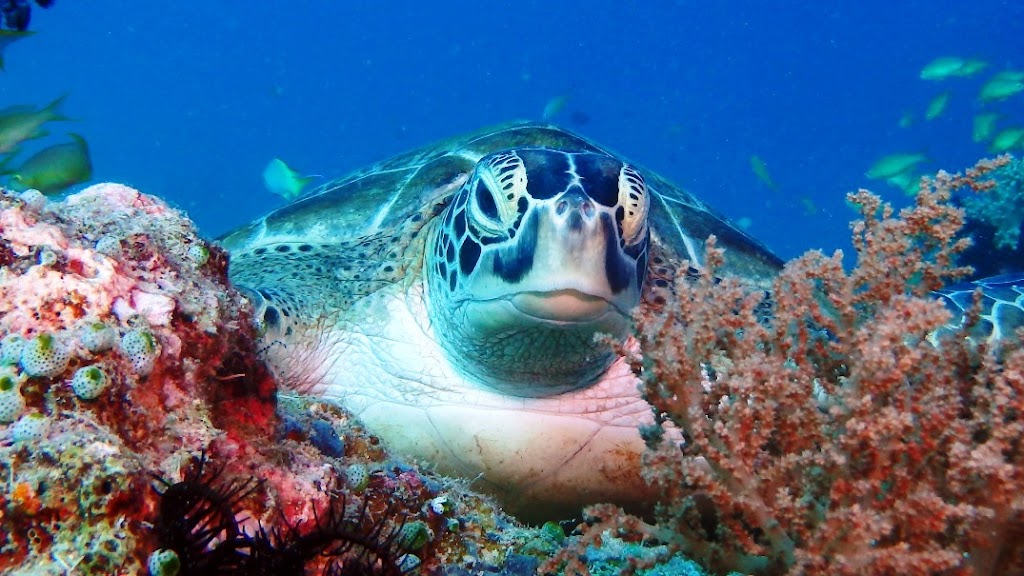
The site is also known for larger marine creatures; encounters with sea turtles are common. Keep an eye out for barracudas patrolling the deeper sections and, at times, reef sharks.
Occasionally, lucky divers might even spot whales or dolphins in the wider ocean vicinity, though these sightings are less frequent near the main dive areas.
Dive Sites Near Balas Balas
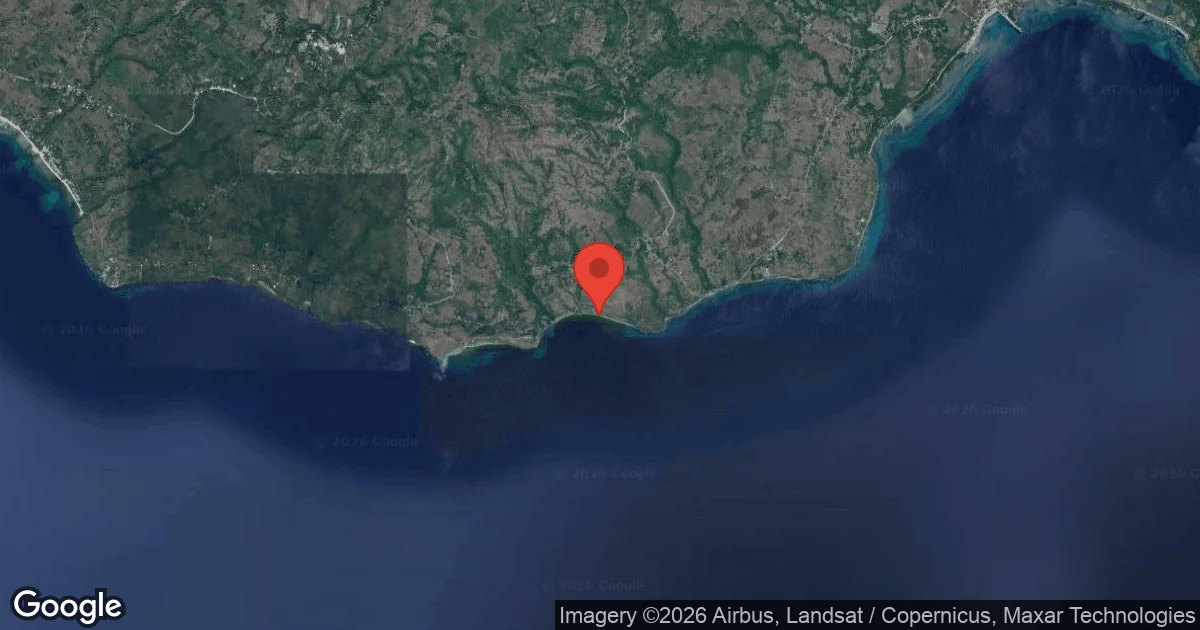
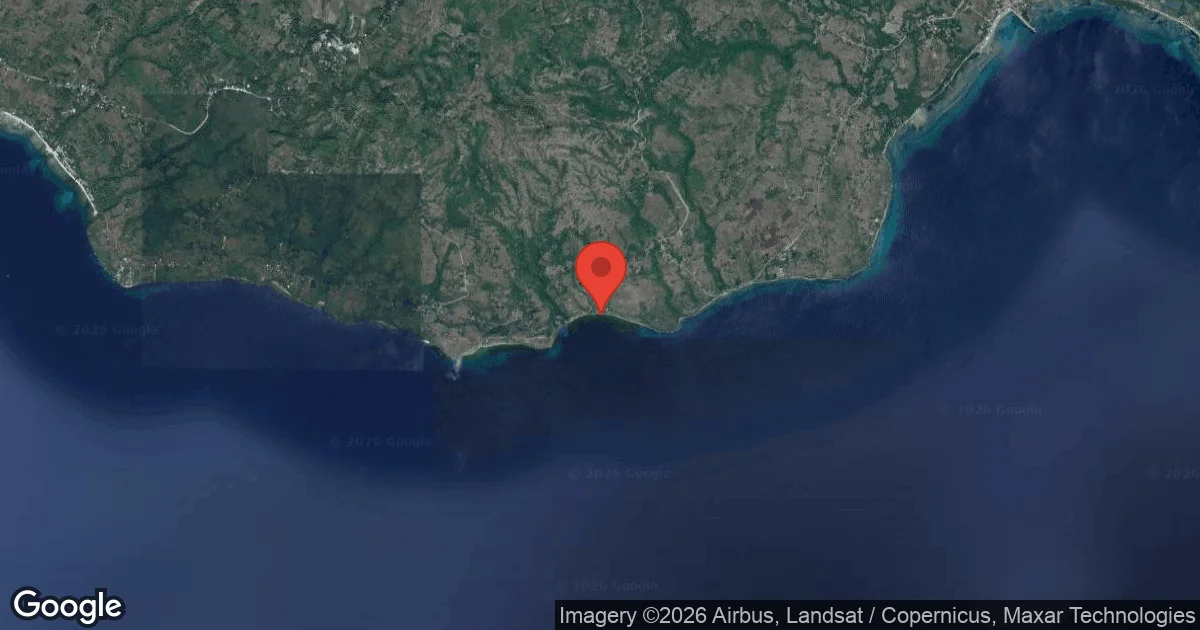
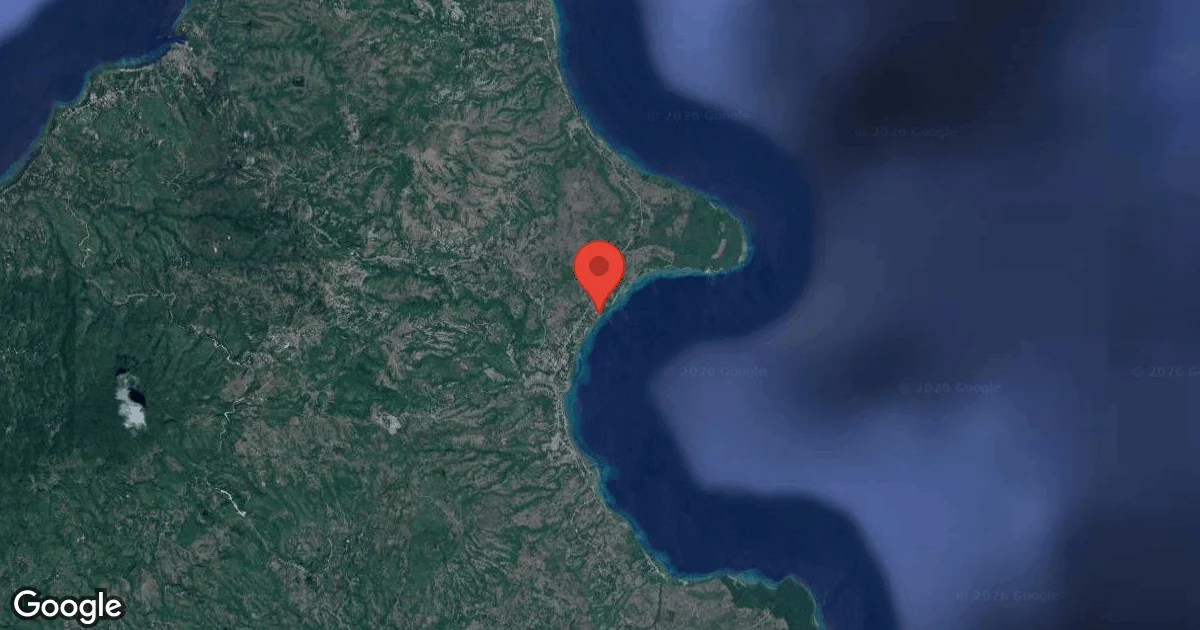
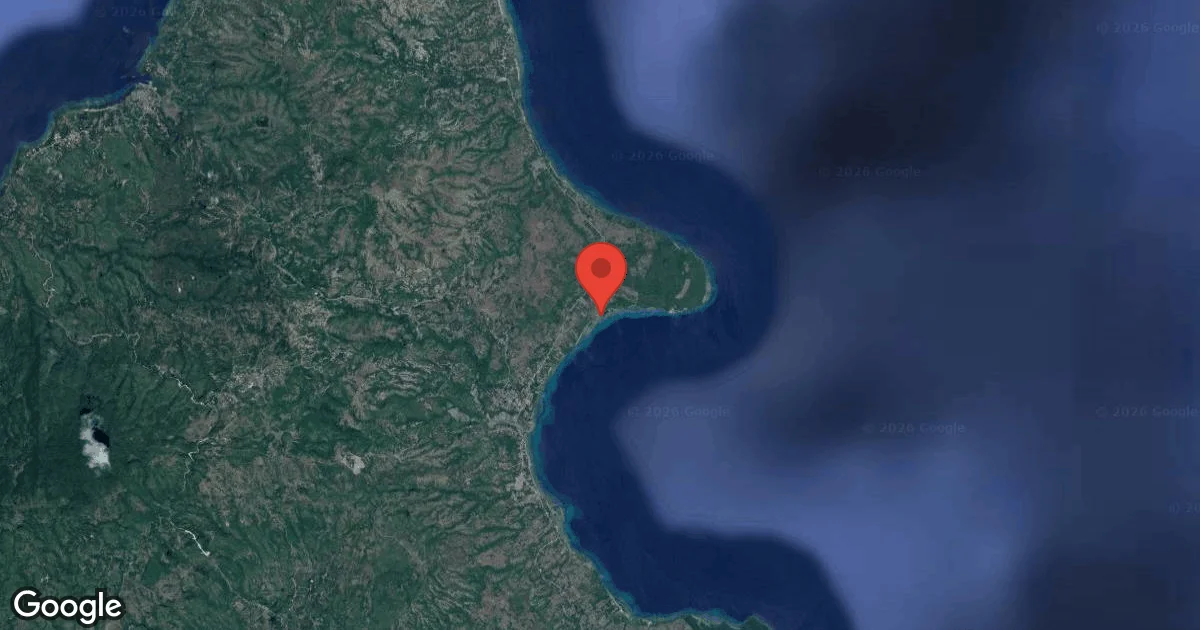
View all dive sites in PhilippinesDiscover more underwater gems in this area.
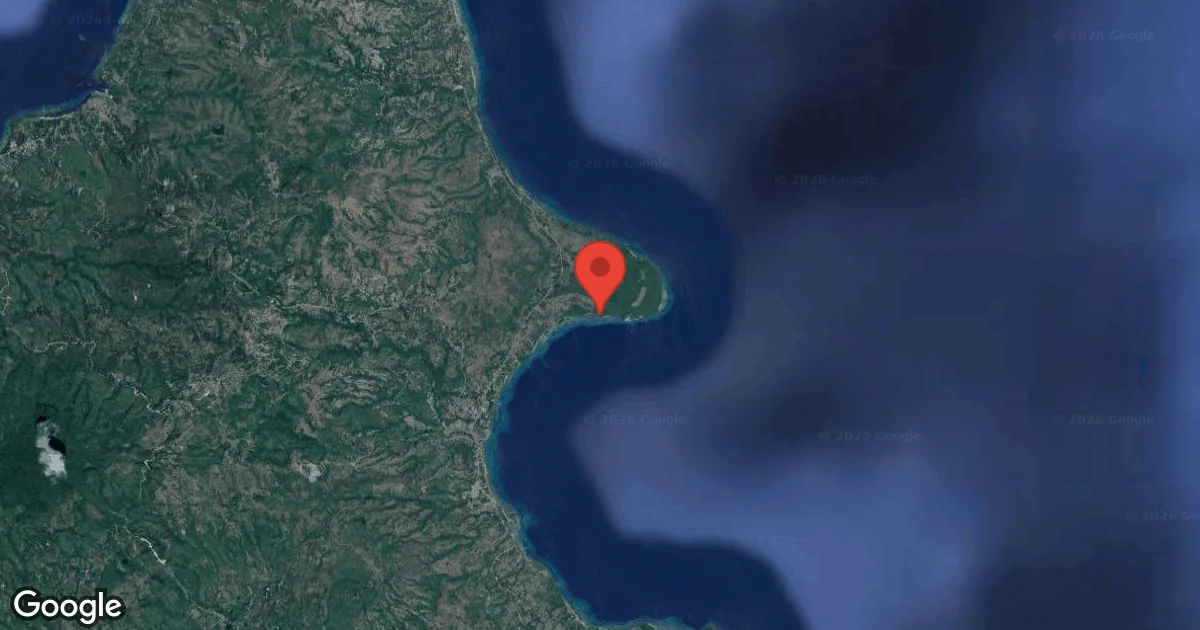
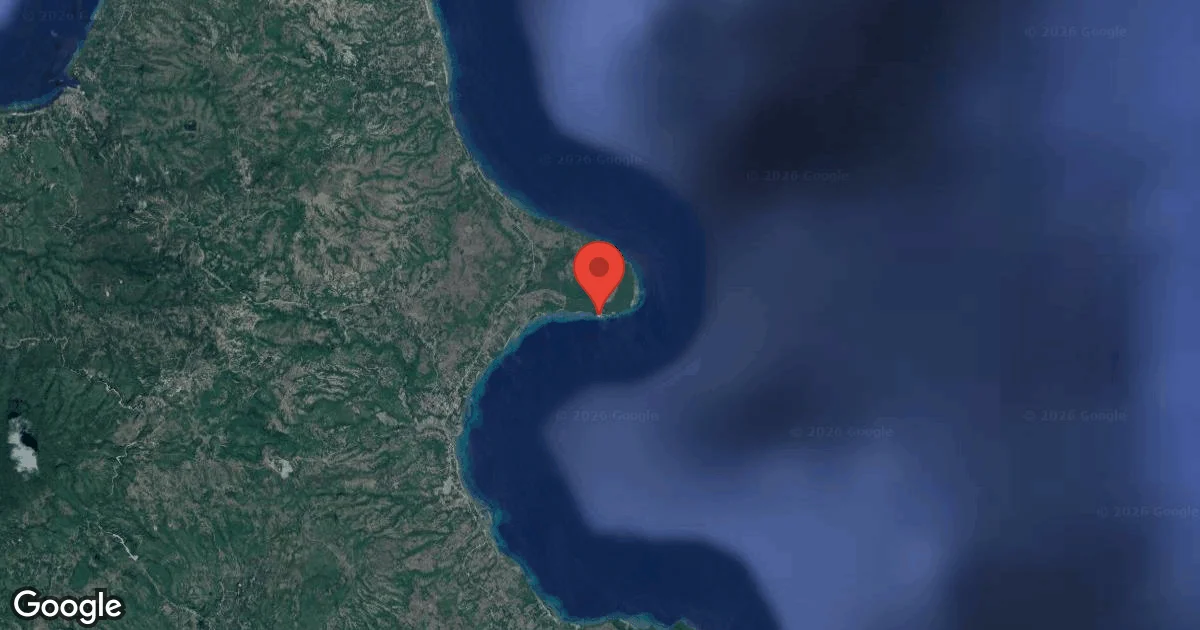
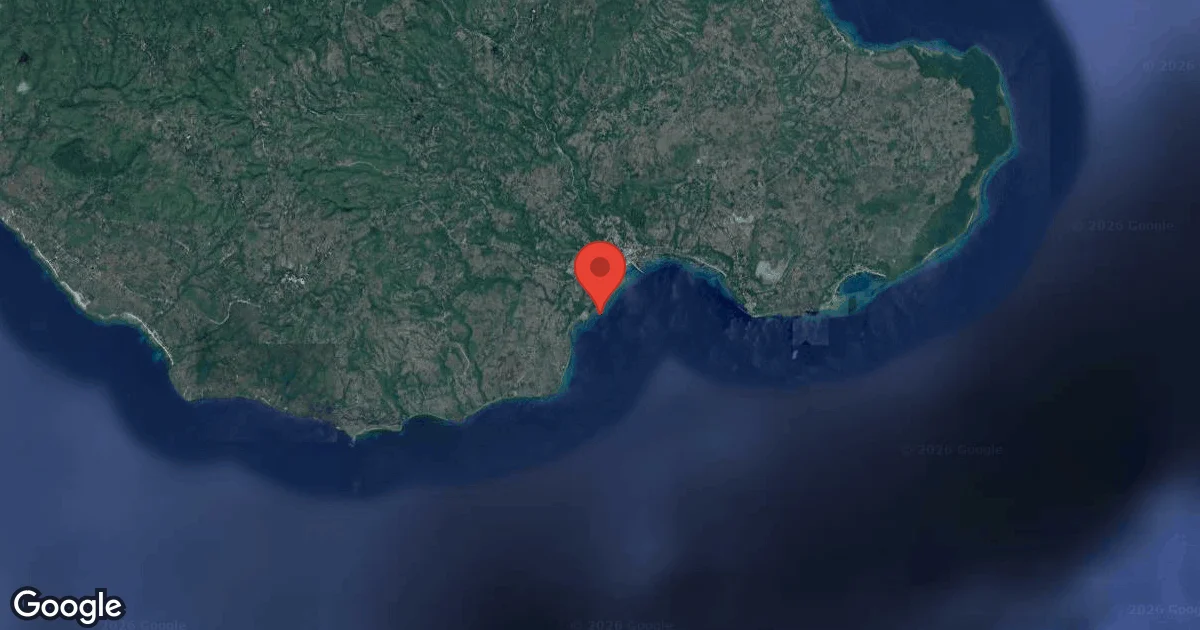
Dive Centers Near Balas Balas
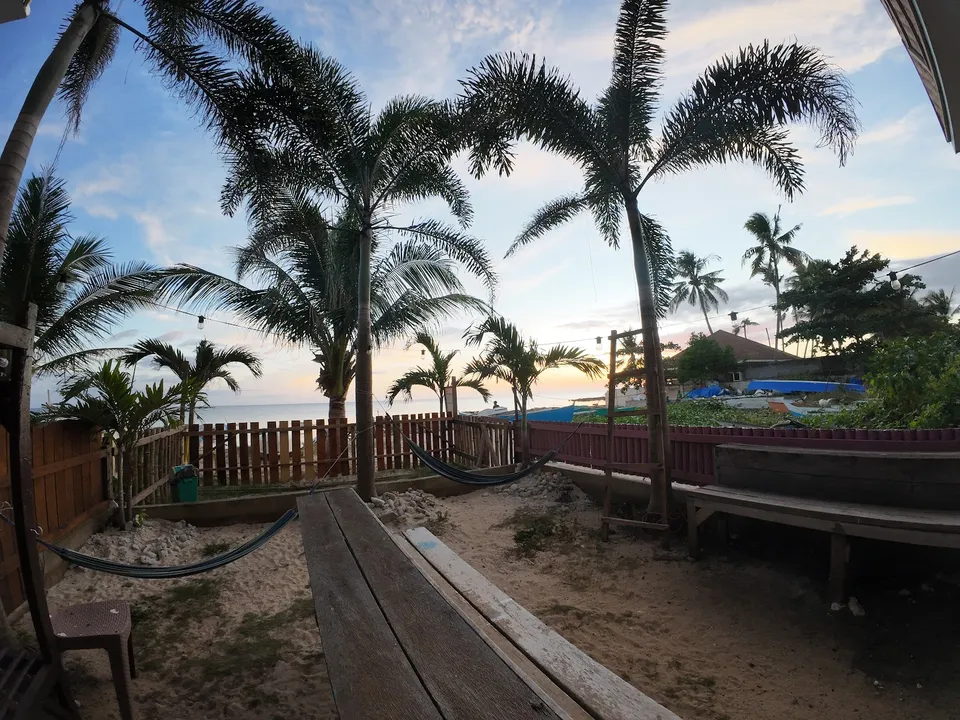
Today: 07:30 - 17:00
Nearest Airports
Nearest airports to help plan travel to this dive area.
Search Flights
Check available flights and routes on Expedia, using the nearby airports listed in this section.
Search Flights on ExpediaFrequently Asked Questions
What is the maximum depth at Balas Balas?
Diving at Balas Balas reaches a maximum depth of 30 meters (98 feet). This depth allows for varied dive profiles, suitable for both recreational and more experienced divers.
What types of entry methods are available?
Entry methods at Balas Balas can vary depending on the specific location. Some areas are accessible via shore entry, while others typically utilize boat entry. It's best to confirm with a local dive operator for the specific site you plan to visit.
When is the best time of year to dive Balas Balas?
The dry season, from November to May, generally offers the most favorable diving conditions with excellent visibility and calmer seas. However, Balas Balas is considered a year-round dive site, with 'Good' conditions prevailing outside this peak period.
What marine life can I expect to see?
Divers commonly encounter colorful angelfish, butterflyfish, and parrotfish. Larger marine life includes sea turtles, barracudas, and reef sharks. Occasionally, whales and dolphins may be sighted in the broader area.
Is Balas Balas suitable for beginner divers?
Yes, the shallow waters and gently sloping sandy bottom of Balas Balas are well-suited for beginner divers and snorkelers. Deeper sections provide more challenge for experienced divers.
What is the typical water visibility?
Visibility at Balas Balas is usually excellent, often ranging from 10 to 30 meters. This allows for clear views of the coral reefs and diverse marine life.
Planning to dive Balas Balas?
Send one inquiry and receive offers directly from the best verified local dive operators.
Conditions are Excellent
07:00 - 14:00
Optimal conditions expected
Current conditions near Balas Balas show 31° air, 30° sea temperature, 0.5 m waves, and 22 km/h wind. Forecast data is refreshed regularly to ensure accuracy.