
Diving at Holcim Sanctuary (Philippines)
Holcim Sanctuary welcomes divers across a range of experience levels, from PADI Open Water certified individuals to more advanced explorers. Accessible entry points accommodate new divers, alongside intriguing features and deeper sections that challenge and engage those with greater experience. It ensures a rewarding underwater experience for many.
As evening covers Holcim Sanctuary, the local air temperature is measured at 29°C. The current wave height at the surface is recorded at 0.5 m. These late-day readings characterize the surface conditions for the night.
Dive Site Location & Key Facts
Dive Site Overview
Holcim Sanctuary presents a distinct and varied reef system, inviting divers into its compelling underwater environment. Its landscape is characterized by a network of intriguing caves and tunnels that offer exploration opportunities for certified divers.
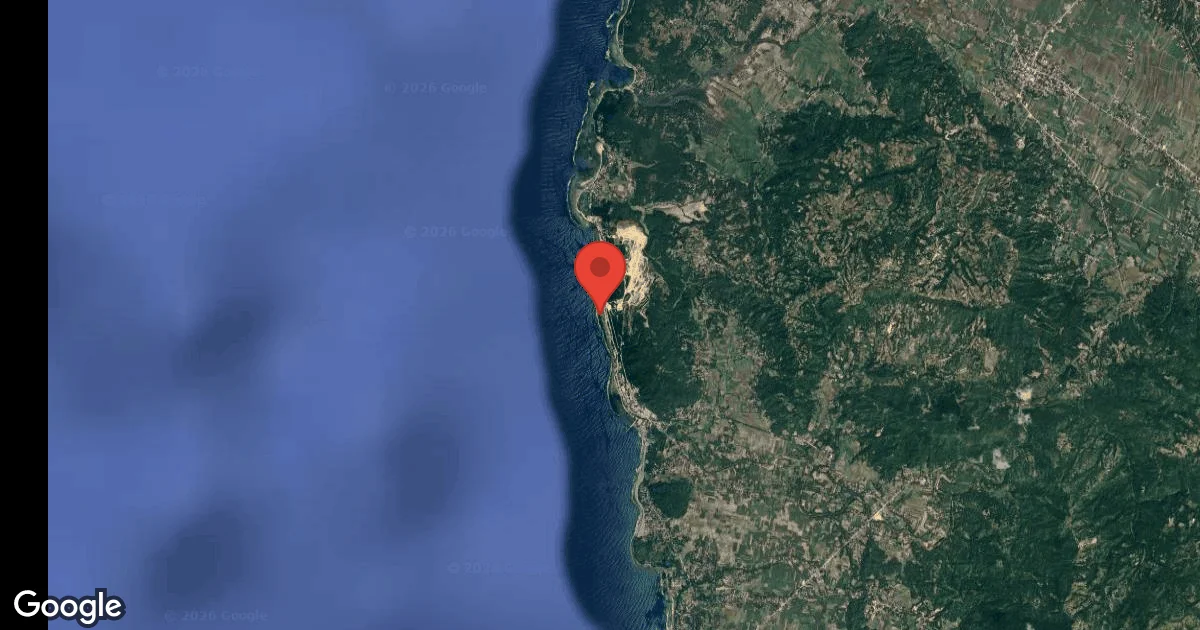
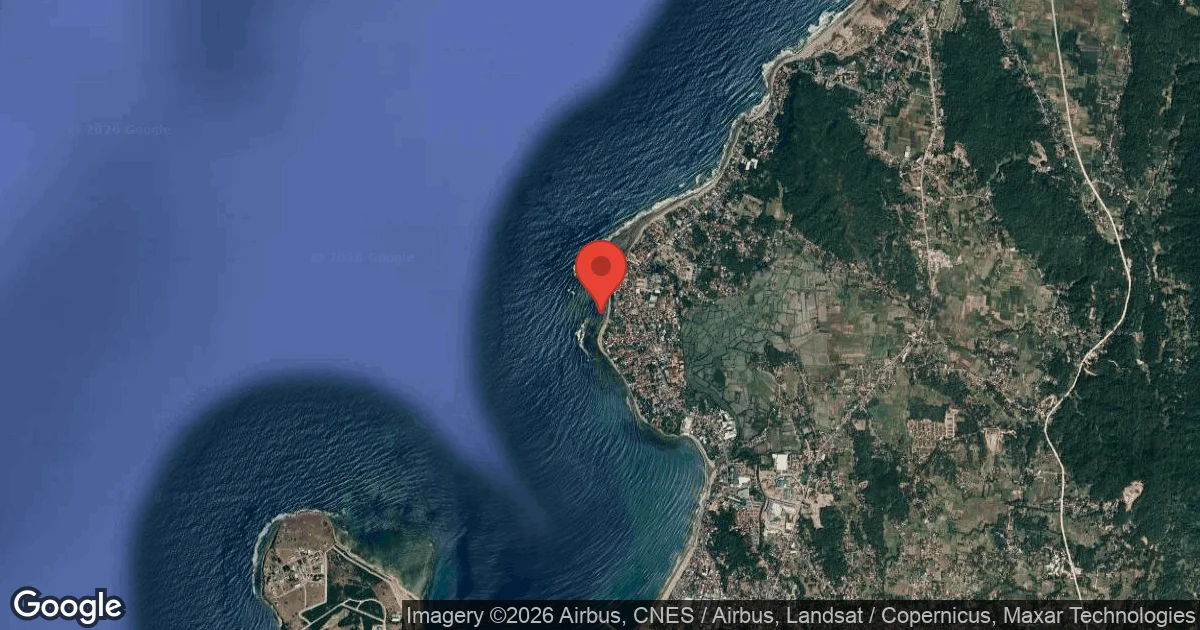
Positioned directly north of the main 'Sanctuary' area, in front of the cement factory, the site's unique setting contributes significantly to its character. Beyond its structural appeal, a vibrant reef environment actively supports a diverse array of marine inhabitants, making it a dynamic observational dive. Divers can explore a maximum depth of 35 m (115 ft), which provides a full recreational depth range while showcasing varied sections of reef life.
Catering to a range of experiences, the sanctuary features shallower, brightly lit sections suitable for newer divers, alongside deeper, more intricate formations that challenge advanced explorers. Numerous coral formations densely cover reef walls, interspersed with sponges, creating a rich habitat for macro life.
Navigating these features, especially within the tighter passages of caves and tunnels, requires careful buoyancy control. Doing so enables closer observation of smaller reef dwellers and the unique geological structures formed over time. It's an accessible boat dive that consistently delivers diverse underwater encounters.
Conditions are Excellent
07:00 - 14:00
Optimal conditions expected
Current conditions near Holcim Sanctuary show 29° air, 30° sea temperature, 0.5 m waves, and 16 km/h wind. Forecast data is refreshed regularly to ensure accuracy.
Best Time to Dive
Optimal dive conditions at Holcim Sanctuary are frequently observed during the region's drier periods, offering a more comfortable and rewarding experience. April and May consistently yield high dive scores, characterized by pleasant air temperatures averaging 29°C (84°F) and significantly less rainfall. This extended period, typically from February through May, generally presents excellent conditions for diving, including calmer seas and improved underwater visibility, making entries and exits smoother. While specific water temperatures aren't consistently reported for this exact site, the surrounding tropical climate of the Philippines ensures favorable conditions throughout the year. Divers can usually expect warm waters that support comfortable extended bottom times. Even outside the peak dry season, local operators can often find suitable windows for diving, though conditions may vary more due to increased rainfall and potential runoff. Planning around these seasonal patterns helps ensure the most predictable and enjoyable experiences.
PEAK SEASON SCORE
Scores combine air & water temps, waves, wind & rainfall for overall conditions.
BEST MONTHS TO DIVE
Monthly records compiled from satellite and marine observation nodes over the last 3 years. Data provided by Open-Meteo and MET Norway.
Dive Experience & Conditions
Descending into Holcim Sanctuary often reveals its intricate reef structure, which includes noteworthy caves and tunnels for those seeking exploration. Divers can expect average visibility ranging from 10 to 30 m (33 to 98 ft), though this can vary with local weather and currents. Currents here can be rather strong, so divers must exercise caution and plan accordingly. The geological formations extend to a maximum depth of 35 m (115 ft), featuring a diverse array of corals and sponges covering the walls. Access to the dive is primarily by boat, ensuring convenient entry to the reef system. Experienced divers will find the deeper sections and stronger currents engaging, while shallower zones offer comfortable conditions for less experienced individuals. Buoyancy control becomes particularly important when navigating the varied topography and tighter passages.
Dive Difficulty & Safety Guidelines
Diving at Holcim Sanctuary necessitates a mindful approach, particularly regarding the potential for strong currents. All divers should be prepared for varying conditions, ensuring adequate physical conditioning and appropriate skill levels. While no specific hazards are reported beyond the currents, a thorough dive briefing from a local operator is always recommended.
For PADI Open Water divers, the shallower sections provide a good experience, but those considering deeper exploration or navigating stronger currents may benefit from advanced training or a local guide. Always confirm current conditions with your dive center before entering the water. Awareness of personal limits ensures a safer, more enjoyable dive.
Recommended Equipment
- Dive Computer
- DSMB
This gear list is based on verified equipment signals for Holcim Sanctuary, Philippines. Always confirm final gear choices with your dive operator, guide, or liveaboard.
Recommended Dive Suit
Divers who spend more time observing marine life often prefer slightly warmer gear.
Divers exploring Holcim Sanctuary today will likely encounter water temperatures close to 30°C (87°F). Surface air temperatures are resting at 29°C (84°F). Water temperatures in this range are often well suited to diving with dive skin or rash guard.
Forecast models indicate that diving conditions should remain largely unchanged.
Emergency & Medical Support
Essential information to help you plan your dive trip to HOLCIM SANCTUARY.

Hyperbaric chambers are a critical part of dive safety infrastructure. Availability varies significantly by region, and not all dive areas have immediate access.
Before diving, it's recommended to:
- confirm nearest medical facilities
- check emergency procedures with local dive operators
- ensure dive insurance covers evacuation if required
Divers Alert Network
Diving emergency assistance available through DAN World.
+1-919-684-9111- 24/7 emergency hotline
- Diving medical assistance
- Evacuation coordination
Emergency contacts are provided for reference. Always verify local emergency services before diving.
Marine Life at Holcim Sanctuary
Holcim Sanctuary's underwater environment actively supports a variety of marine life, inviting divers to observe its natural inhabitants. Macro critters are frequently spotted on the reef, often nestled within the vibrant coral formations and sponges.
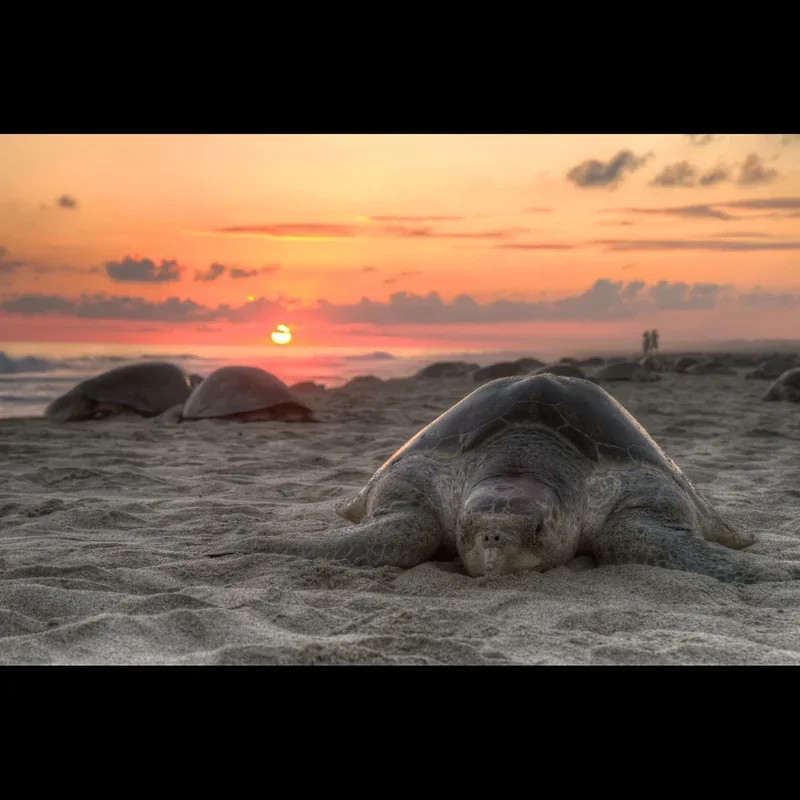
Looking out into the blue, divers often encounter schools of reef fish gracefully moving through the water column. Sea turtles are also known to frequent the area, sometimes found resting amidst the reef's structure or patrolling the deeper zones.
Diverse invertebrate life thrives across the varied topography. Keep an eye on crevices and overhangs for smaller, hidden species.
Dive Sites Near Holcim Sanctuary
View all dive sites in PhilippinesDiscover more underwater gems in this area.
Dive Centers Near Holcim Sanctuary
No Dive Centers Local To Holcim Sanctuary
Are you a dive center visiting this location? Get listed to reach divers.
Nearest Airports
Nearest airports to help plan travel to this dive area.
Search Flights
Check available flights and routes on Expedia, using the nearby airports listed in this section.
Search Flights on ExpediaFrequently Asked Questions
What is the maximum depth at Holcim Sanctuary?
Reaching a maximum depth of 35 m (115 ft), the sanctuary is suitable for a wide range of recreational diving. Shallower sections accommodate less experienced divers, while deeper areas offer more to explore for advanced certifications.
Is Holcim Sanctuary suitable for beginner divers?
Yes, it accommodates PADI Open Water certified divers. While some deeper sections or strong currents may require more experience, there are accessible entry points and shallower areas ideal for newer divers under guidance.
What kind of marine life can I expect to see?
Divers frequently encounter various macro critters among the coral formations. Schools of reef fish are common in the water column, and sea turtles are known to visit the area, often resting on the reef.
Are there strong currents at Holcim Sanctuary?
Yes, currents here can sometimes be rather strong. Divers should be prepared for varying conditions and consult with local operators for current predictions to ensure a safe and enjoyable dive.
What unique underwater features does the site offer?
Holcim Sanctuary is notable for its intricate reef structure, which includes interesting caves and tunnels. These provide compelling exploration opportunities, adding a unique dimension to the dive experience.
How is Holcim Sanctuary typically accessed?
Access to Holcim Sanctuary is primarily by boat. Dive operators transport divers directly to the site, allowing for convenient entry and exit points to the reef system.
Planning to dive Holcim Sanctuary?
Send one inquiry and receive offers directly from the best verified local dive operators.
Conditions are Excellent
07:00 - 14:00
Optimal conditions expected
Current conditions near Holcim Sanctuary show 29° air, 30° sea temperature, 0.5 m waves, and 16 km/h wind. Forecast data is refreshed regularly to ensure accuracy.