
Diving at Maritime College (Philippines)
The Philippines has historically been a crucible for marine education and diving proficiency, with institutions like Maritime College playing a pivotal role in shaping skilled divers. Since the mid-20th century, a focus on structured training, from foundational PADI courses to specialized technical diving, has developed. This commitment helps prepare individuals for both recreational exploration and professional maritime careers, integrating diving into broader marine biology and conservation initiatives across the archipelago.
As evening covers Maritime College, the local air temperature is measured at 29°C. The current wave height at the surface is recorded at 0.7 m. These late-day readings characterize the surface conditions for the night.
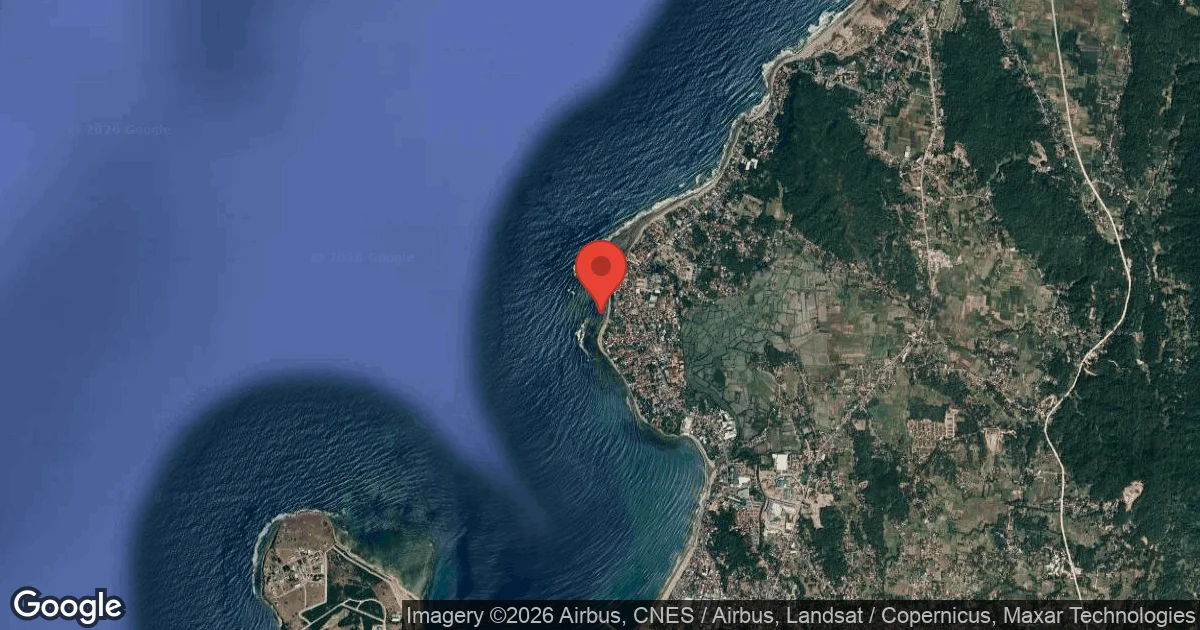
Dive Site Location & Key Facts
Dive Site Overview
Exploring the underwater topography near Philippine maritime training grounds reveals a diverse array of dive environments. Sites often include vibrant coral gardens, gently sloping reef systems, and occasional walls, providing ample opportunity for skill development and ecological study.
Specific areas like Luzon near Manila are known for relatively easy beach entries and abundant macro life, ideal for new certifications. Further afield, Subic Bay offers fascinating wreck diving, featuring sunken WWII warships transformed into artificial reefs, teeming with soft corals, turtles, and various fish species.
Some locations around Anilao and Puerto Galera provide excellent reef and drift dives. Depths commonly encountered during training and recreational dives range from shallow coral formations down to 30 m (100 ft), with more advanced wreck dives potentially exceeding these limits in places like Coron, often regarded as Southeast Asia's wreck diving capital, where Japanese Imperial Navy ships rest.
The varied underwater landscapes ensure a comprehensive diving experience, supporting both introductory and advanced training needs.
Conditions are Excellent
07:00 - 14:00
Optimal conditions expected
Current conditions near Maritime College show 29° air, 30° sea temperature, 0.6 m waves, and 17 km/h wind. Forecast data is refreshed regularly to ensure accuracy.
Best Time to Dive
Considering visibility is paramount, the ideal period for diving in the Philippines generally spans from February to May. During these months, the region experiences lower average rainfall, with rain totals typically under 5.5 mm (0.2 inches) per month, which contributes to clearer waters. Air temperatures are comfortably warm, ranging from 26.5°C (80°F) in February, peaking at 29°C (84°F) in May. Wave heights are also typically lower during this period, often below 0.7 m (2.3 ft), leading to calmer sea conditions. While diving is possible year-round, conditions can vary; months like July and November see increased rainfall and higher wave activity, which may intermittently reduce visibility and impact dive scores. Despite these seasonal shifts, many areas maintain good diving conditions for much of the year.
PEAK SEASON SCORE
Scores combine air & water temps, waves, wind & rainfall for overall conditions.
BEST MONTHS TO DIVE
Monthly records compiled from satellite and marine observation nodes over the last 3 years. Data provided by Open-Meteo and MET Norway.
Dive Experience & Conditions
Upon descending into the waters near Maritime College's operational zones, divers will typically encounter generally warm conditions, with water temperatures ranging from approximately 26-29°C (79-84°F). The Philippines offers a spectrum of dive experiences, from tranquil reef explorations to dynamic drift dives. Beginners often start with shallow, protected coral gardens accessible via easy beach entries, where they can practice buoyancy and navigation. As divers progress, they might explore deeper coral formations, which can extend to 30 m (100 ft). Advanced divers can access more challenging sites, including current-swept walls and historical wrecks, particularly in areas like Subic Bay, which provide opportunities for deeper exploration. Current strength varies considerably by site and tide, ranging from negligible on sheltered reefs to strong drifts in channels, necessitating careful planning.
Dive Difficulty & Safety Guidelines
Navigating local hazards requires careful preparation, even in training environments. While specific hazards aren't consistently reported for Maritime College's immediate vicinity, general diving safety protocols apply universally in the Philippines. Divers must always adhere to established PADI standards, which prioritize student safety and progressive skill development.
It's crucial for divers returning to the water after a period of inactivity to seek refresher training, ensuring their skills and knowledge are current before engaging in open water dives. Maintaining proper buoyancy, monitoring air consumption, and respecting no-decompression limits are fundamental practices.
Always dive within the limits of your certification and experience, and be aware of boat traffic, especially in busy coastal areas.
Recommended Equipment
- Dive Computer
- DSMB
This gear list is based on verified equipment signals for Maritime College, Philippines. Always confirm final gear choices with your dive operator, guide, or liveaboard.
Recommended Dive Suit
Short-term weather patterns suggest stable conditions for divers visiting the area.
Some divers prefer slightly warmer exposure protection simply for additional comfort.
Dive skin or rash guard usually works well for maintaining comfort during standard dive profiles in these conditions. The surrounding waters at Maritime College are currently registering temperatures of roughly 30°C (86°F). Surface air temperatures are resting at 29°C (84°F).
Due to technical issues with our weather providers, data hasn't been fetched for over 48 hours. The data above reflects the conditions at the time of the last successful fetch.
Emergency & Medical Support
Essential information to help you plan your dive trip to Maritime College.

Hyperbaric chambers are a critical part of dive safety infrastructure. Availability varies significantly by region, and not all dive areas have immediate access.
Before diving, it's recommended to:
- confirm nearest medical facilities
- check emergency procedures with local dive operators
- ensure dive insurance covers evacuation if required
Divers Alert Network
Diving emergency assistance available through DAN World.
+1-919-684-9111- 24/7 emergency hotline
- Diving medical assistance
- Evacuation coordination
Emergency contacts are provided for reference. Always verify local emergency services before diving.
Marine Life at Maritime College
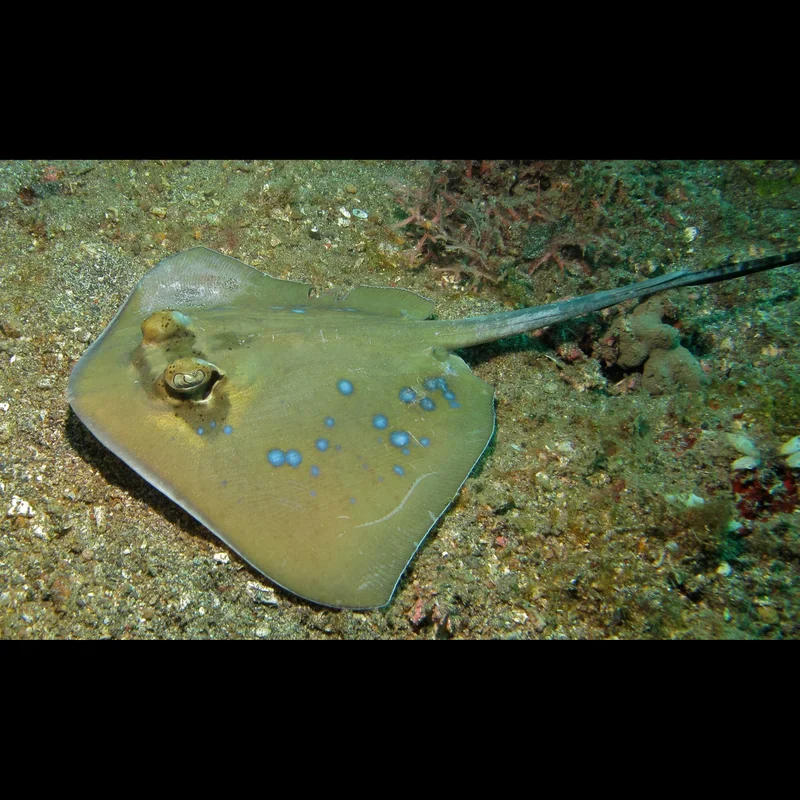
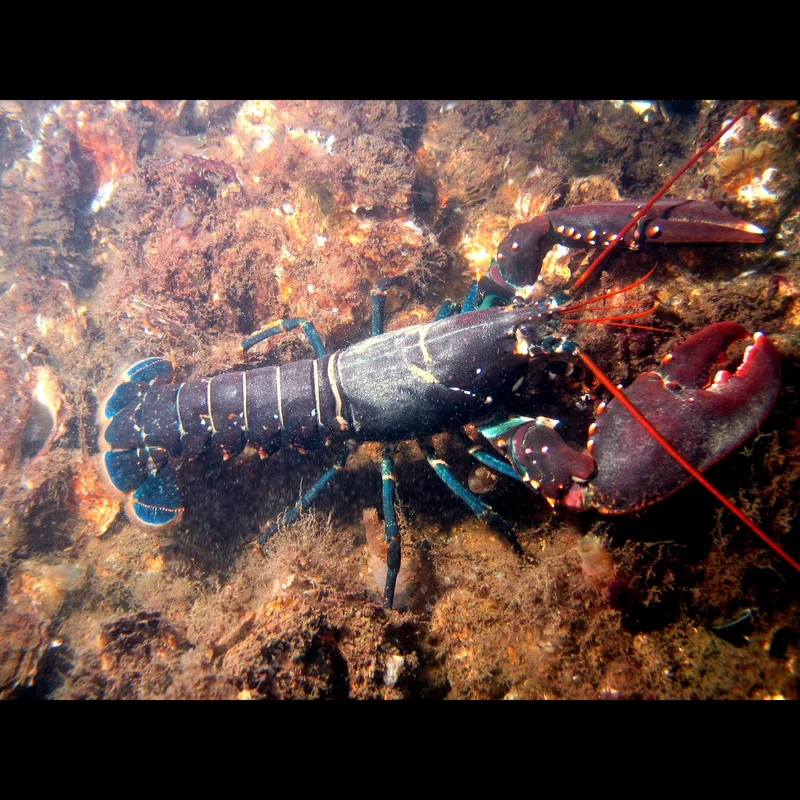
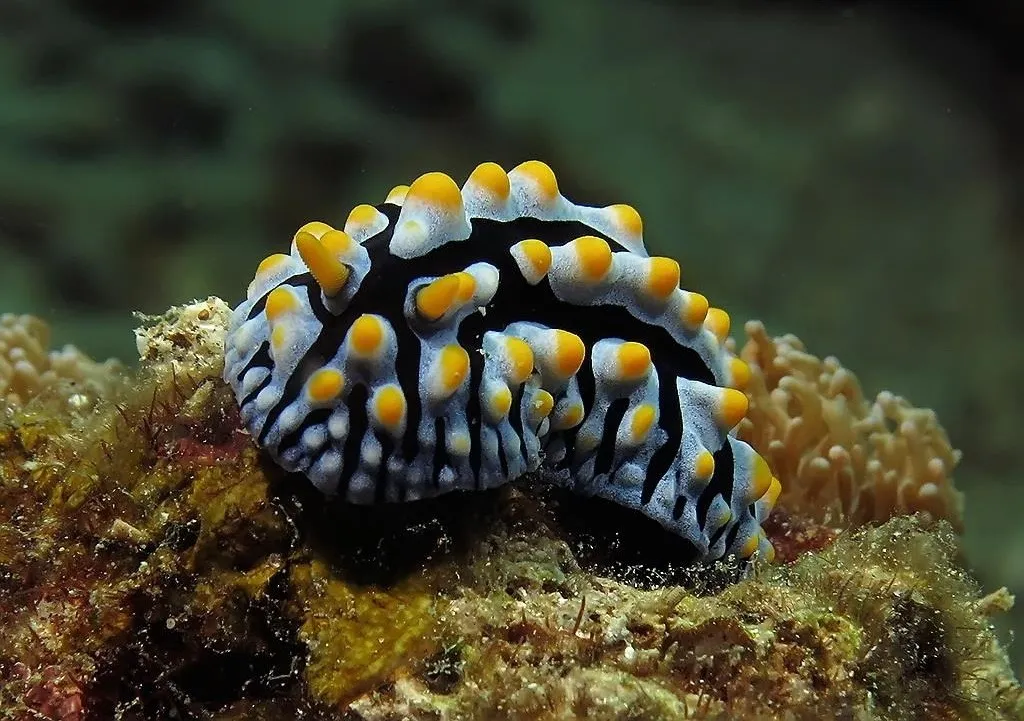
What you notice first when diving here is often the abundant macro life, particularly in the shallower reef areas and sandy bottoms that support training dives. These environments are home to a plethora of small invertebrates and unique bottom-dwellers.
Moving deeper or to more active sites, divers might encounter a wide array of fish species, including schools of jacks and sardines in certain locations, and potentially larger pelagics such as thresher sharks, tiger sharks, or even whale sharks. Soft corals are prevalent, adorning both natural reefs and historical wrecks, providing habitat for turtles and various sea snakes. The rich biodiversity ensures captivating encounters for divers of all levels.

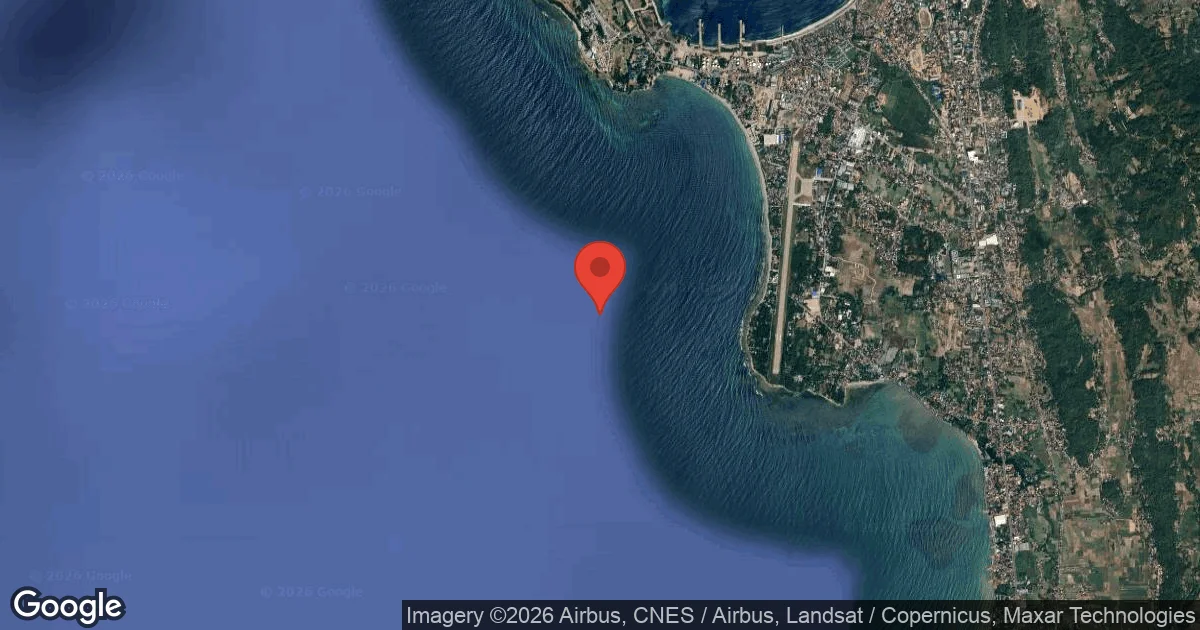
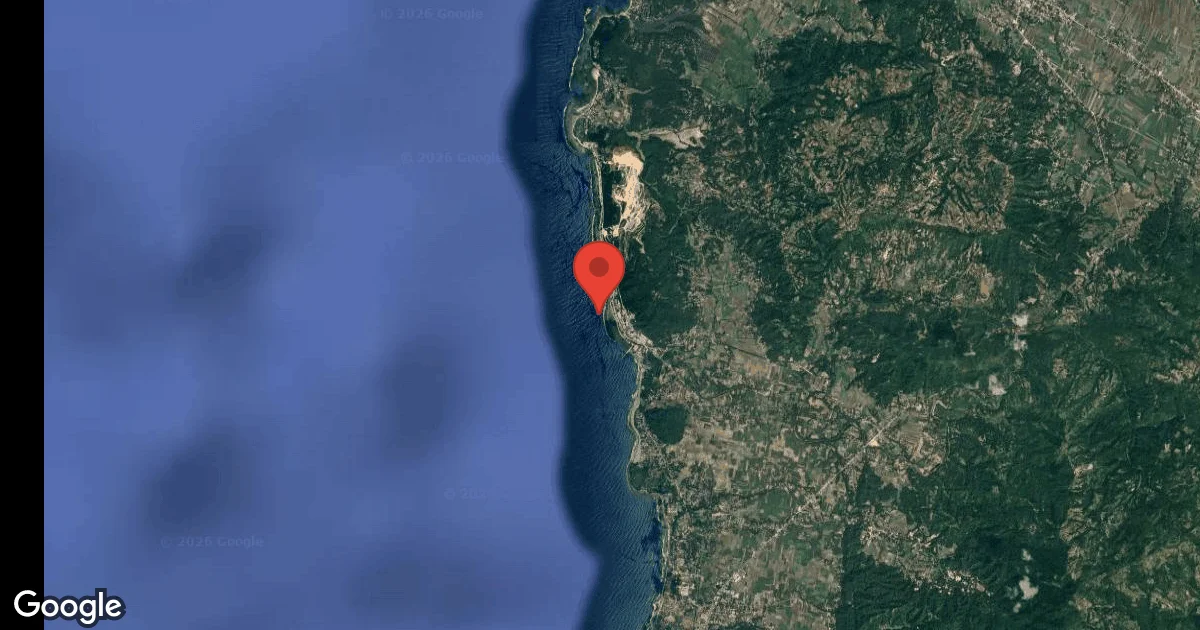
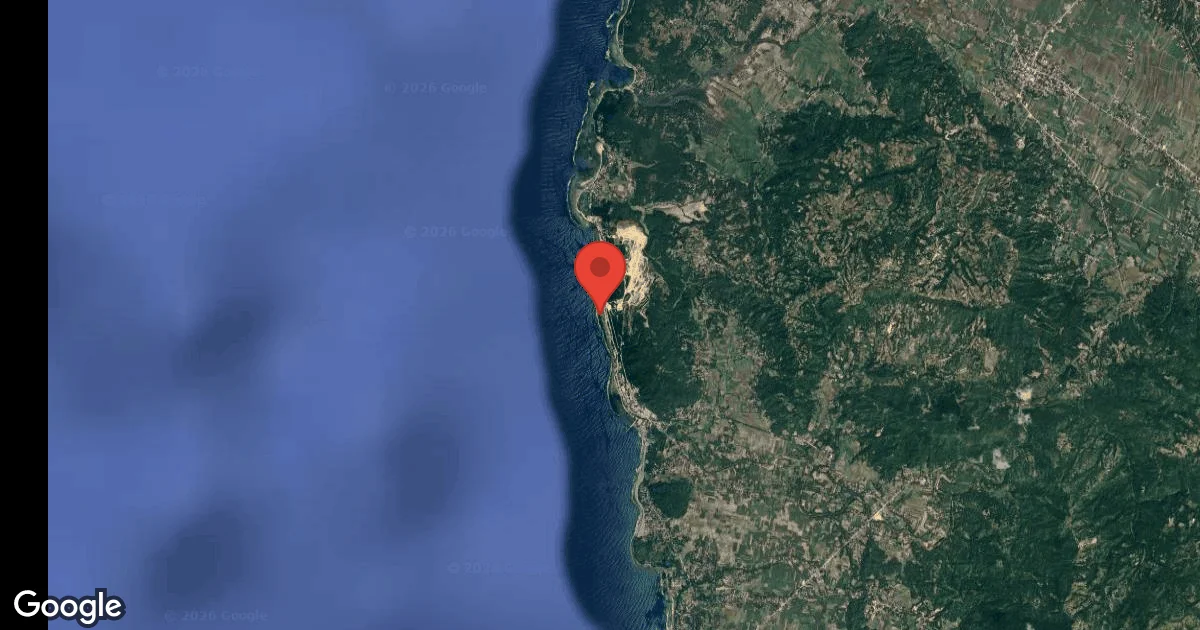
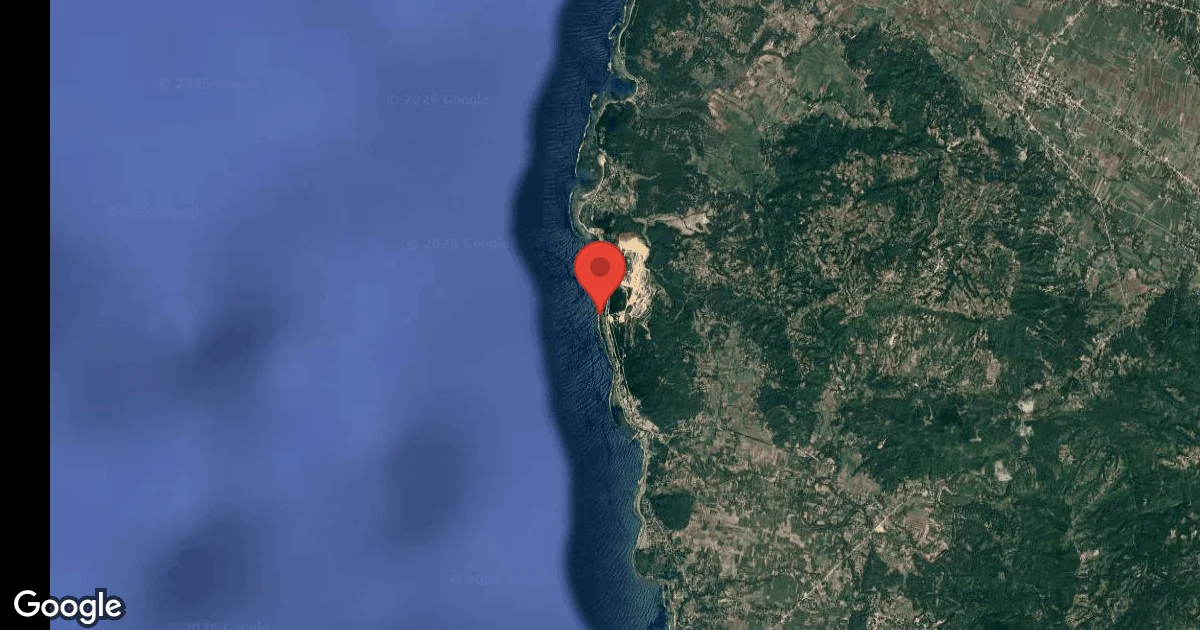
Dive Sites Near Maritime College
View all dive sites in PhilippinesDiscover more underwater gems in this area.
Dive Centers Near Maritime College
No Dive Centers Local To Maritime College
Are you a dive center visiting this location? Get listed to reach divers.
Nearest Airports
Nearest airports to help plan travel to this dive area.
Search Flights
Check available flights and routes on Expedia, using the nearby airports listed in this section.
Search Flights on ExpediaFrequently Asked Questions
What kind of dive training is available through institutions like Maritime College?
Institutions like Maritime College and others in the Philippines offer a comprehensive range of dive courses. This includes recreational certifications like PADI Open Water and Advanced Open Water, scientific diving programs for marine biology students, and specialized technical diving courses, some certified by IANTD.
What general depth range can divers expect in these training areas?
For recreational divers and those in training, depths commonly range from shallow reef areas at 5 meters (15 ft) down to the recreational limit of 30 meters (100 ft). Specialized technical or wreck dives, particularly in locations like Coron, can explore depths well beyond this.
What types of underwater environments are typically found for diving in the Philippines?
Divers can expect a rich variety of environments, including vibrant coral gardens, gentle shelving reefs, and dramatic walls. There are also numerous historical wrecks, particularly from WWII in areas like Subic Bay, which have become thriving artificial reefs.
What marine life can divers encounter in the Philippines?
The region is known for its diverse marine life, from plentiful macro creatures on sandy bottoms and reefs to larger pelagics. Divers might spot soft corals, sea turtles, various fish species, sea snakes, schools of jacks or sardines, and potentially thresher sharks, tiger sharks, and whale sharks.
Are there specialized commercial diving courses offered, such as hull cleaning?
Yes, specialized courses like Underwater Hull Cleaning and Underwater Propeller Polishing are offered, targeting aspiring professional divers and maritime personnel. These programs can be lengthy, with certifications recognized by maritime authorities and industry bodies like IANTD.
Do dive certifications expire in the Philippines?
PADI dive licenses do not expire. However, divers who have been inactive for several years are strongly encouraged to seek refresher training to ensure their skills and knowledge remain current and safe.
When is the best time of year to dive for optimal conditions?
The period from February to May is generally considered ideal due to lower rainfall, minimal wave activity, and consistently warm air temperatures, contributing to excellent visibility. While diving is possible year-round, conditions may be more variable during the rainy season.
Planning to dive Maritime College?
Send one inquiry and receive offers directly from the best verified local dive operators.
Conditions are Excellent
07:00 - 14:00
Optimal conditions expected
Current conditions near Maritime College show 29° air, 30° sea temperature, 0.6 m waves, and 17 km/h wind. Forecast data is refreshed regularly to ensure accuracy.