
Diving at Research Reef (Philippines)
Research Reef in La Union is a site well-suited for certified divers looking to explore varied topography. Its accessible depths make it an excellent training ground for PADI Open Water Divers, providing practical experience with reef diving and gentle currents. The site offers manageable conditions for honing buoyancy and observation skills within a vibrant coral environment. This makes it an ideal spot for recreational divers seeking an engaging yet not overly challenging experience. Divers of various skill levels can appreciate the site's features.
As evening covers Research Reef, the local air temperature is measured at 26°C. The current wave height at the surface is recorded at 0.8 m. These late-day readings characterize the surface conditions for the night.
Dive Site Location & Key Facts
Dive Site Overview
Research Reef presents a distinctive underwater tapestry, inviting divers to explore its captivating blend of hard and soft coral formations. Its topography extends primarily north to south, featuring dramatic fingers of rock and coral that rise from deeper sections.
These formations create natural channels and intriguing swim-throughs. Divers navigating this dynamic reef system find themselves traversing a landscape rich with architectural complexity. Every turn along the reef reveals new perspectives, from wide vistas above the coral gardens to more intimate passages within the channels.
Such formations provide crucial shelter for diverse reef fish, consistently spotted darting among the coral heads and congregating near sheltered crevices. Explorers here find ample opportunities for close inspection of marine life nestled within the reef's underhangs and along its walls.
Max depths at the site can reach around 20 m (66 ft), remaining within comfortable recreational limits. The configuration allows for continuous discovery, rewarding careful observation of both the macro and the larger reef inhabitants.
Conditions are Excellent
07:00 - 14:00
Optimal conditions expected
Current conditions near Research Reef show 26° air, 30° sea temperature, 0.4 m waves, and 14 km/h wind. Forecast data is refreshed regularly to ensure accuracy.
Best Time to Dive
Planning a dive at Research Reef is most rewarding from February through May, when conditions generally align for optimal underwater experiences. During these months, the dive scores consistently rate as "Good", indicating favorable weather. Air temperatures typically range from 26.5°C (80°F) in February to 29.5°C (85°F) in May, making for comfortable surface intervals. Rain activity is notably lower, with averages like 0.39 mm in February and 5.41 mm in May, reducing surface chop and enhancing visibility. While June through October also often register "Good" dive scores, these months can see higher rainfall and slightly increased wave heights, potentially impacting comfort.
PEAK SEASON SCORE
Scores combine air & water temps, waves, wind & rainfall for overall conditions.
BEST MONTHS TO DIVE
Monthly records compiled from satellite and marine observation nodes over the last 3 years. Data provided by Open-Meteo and MET Norway.
Dive Experience & Conditions
Submerging into Research Reef, divers are greeted by warm tropical waters that invite unhurried exploration. The reef structure presents a sensory journey through an array of hard and soft corals, forming a textural backdrop for the vibrant marine ecosystem. Navigating the site's unique topography, you'll glide through natural swim-throughs and along channels, feeling the gentle surge that often characterizes these reef environments. Visibility is generally good, allowing for clear views of the resident fish populations. Depths typically remain within recreational limits, with the coral fingers reaching up to around 20 m (66 ft), making bottom times manageable and enjoyable.
Dive Difficulty & Safety Guidelines
To ensure a safe and enjoyable dive at Research Reef, always prioritize buddy checks and a thorough dive plan. The site's channels and swim-throughs, while captivating, require careful buoyancy control to avoid contact with the delicate coral structures. Divers should monitor their depth closely, as the reef's fingers rise from deeper areas to a maximum depth of 20 m (66 ft), which is well within Open Water Diver limits.
While no specific hazards are consistently reported, maintaining awareness of your surroundings and any prevailing currents is always prudent. Respect marine life by observing from a distance and avoiding any physical contact.
Recommended Equipment
- Dive Computer
- DSMB
This gear list is based on verified equipment signals for Research Reef, Philippines. Always confirm final gear choices with your dive operator, guide, or liveaboard.
Recommended Dive Suit
Divers who spend more time observing marine life often prefer slightly warmer gear.
Divers exploring Research Reef today will likely encounter water temperatures close to 30°C (85°F). Surface air temperatures are resting at 26°C (78°F). Water temperatures in this range are often well suited to diving with dive skin or rash guard. A hood or vest is suggested for sensitive divers due to surface winds.
Environmental conditions appear stable for the near future.
Due to technical issues with our weather providers, live updates are temporarily delayed. The data above reflects the conditions at the time of the last successful fetch.
Emergency & Medical Support
Essential information to help you plan your dive trip to RESEARCH REEF.

Hyperbaric chambers are a critical part of dive safety infrastructure. Availability varies significantly by region, and not all dive areas have immediate access.
Before diving, it's recommended to:
- confirm nearest medical facilities
- check emergency procedures with local dive operators
- ensure dive insurance covers evacuation if required
Divers Alert Network
Diving emergency assistance available through DAN World.
+1-919-684-9111- 24/7 emergency hotline
- Diving medical assistance
- Evacuation coordination
Emergency contacts are provided for reference. Always verify local emergency services before diving.
Marine Life at Research Reef
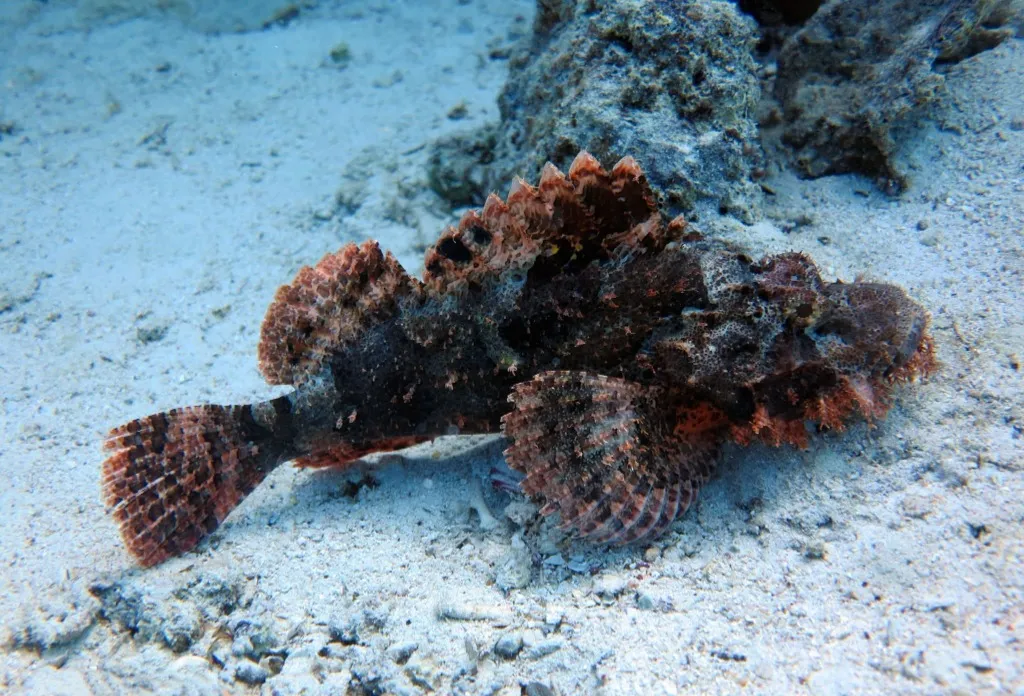
The varied underwater landscape of Research Reef provides excellent camouflage for master hiders. Among the hard and soft coral formations, keen eyes will spot scorpionfish, adept at blending into the reef's textures.
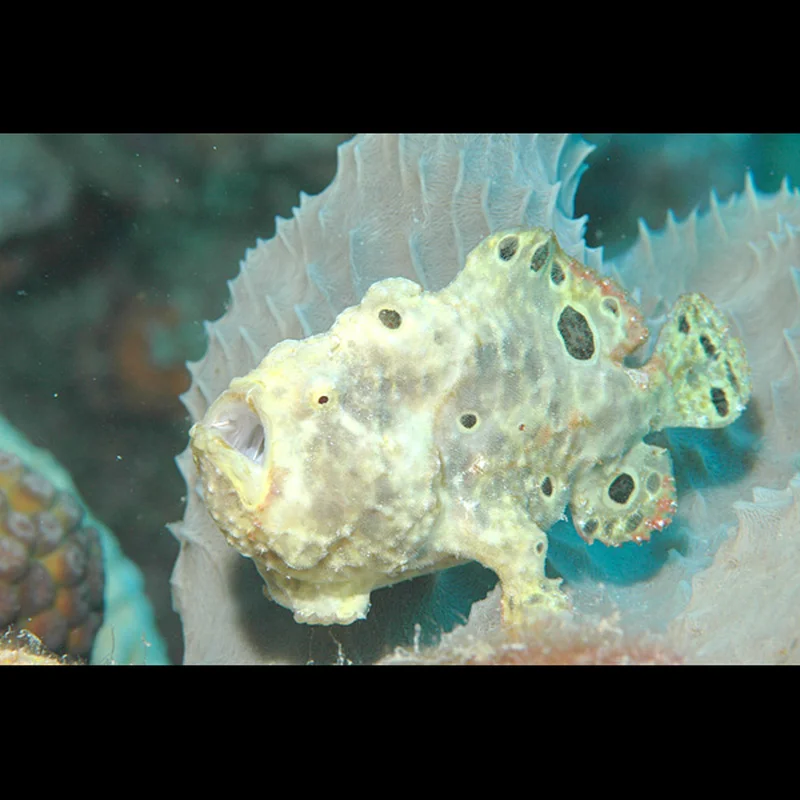
Frogfish are also frequently sighted, often motionless, mimicking sponges or coral polyps. These fascinating creatures are highlights for macro enthusiasts.
Reef fish, finding sanctuary within the numerous swim-throughs and channels, add constant movement and color to the scene, making every crevice a potential discovery.
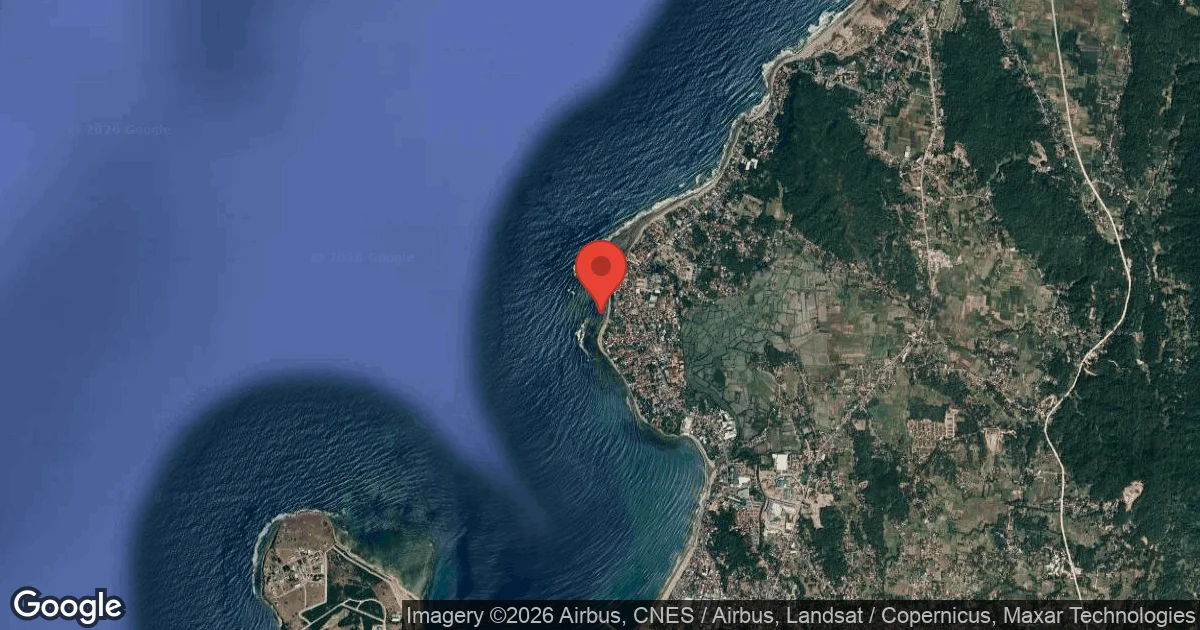
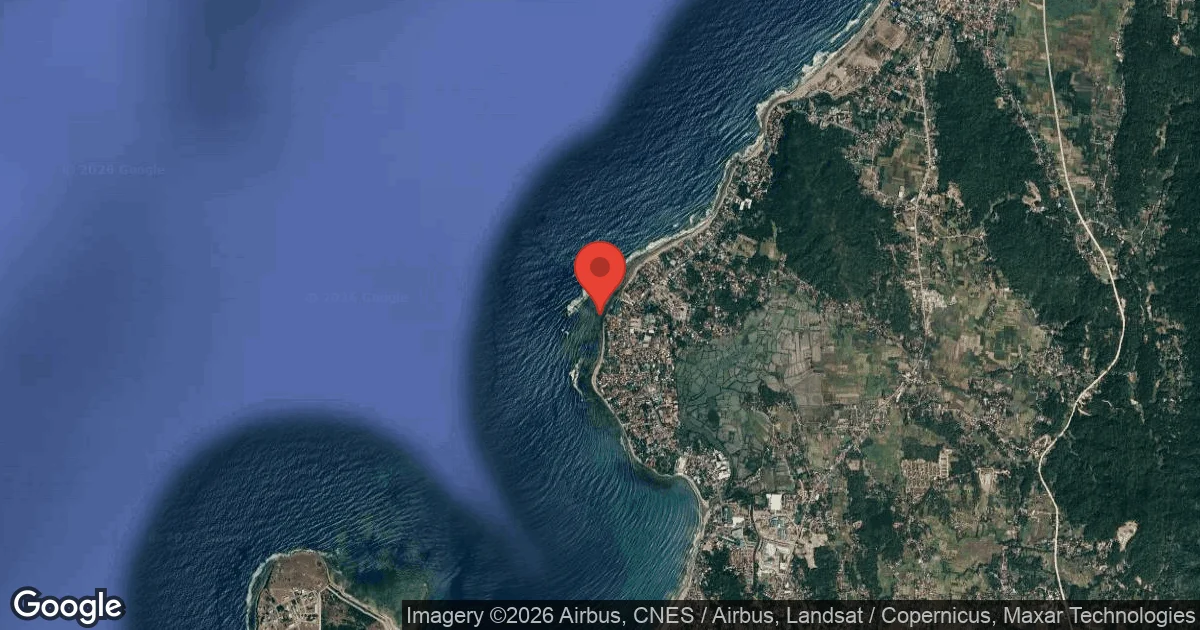
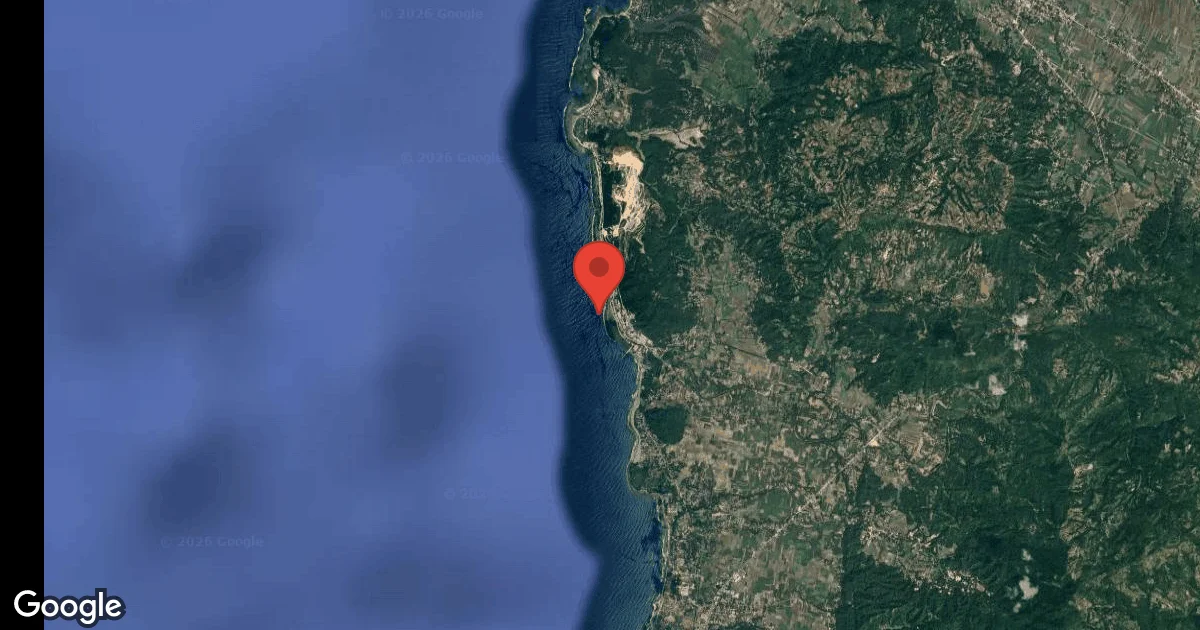
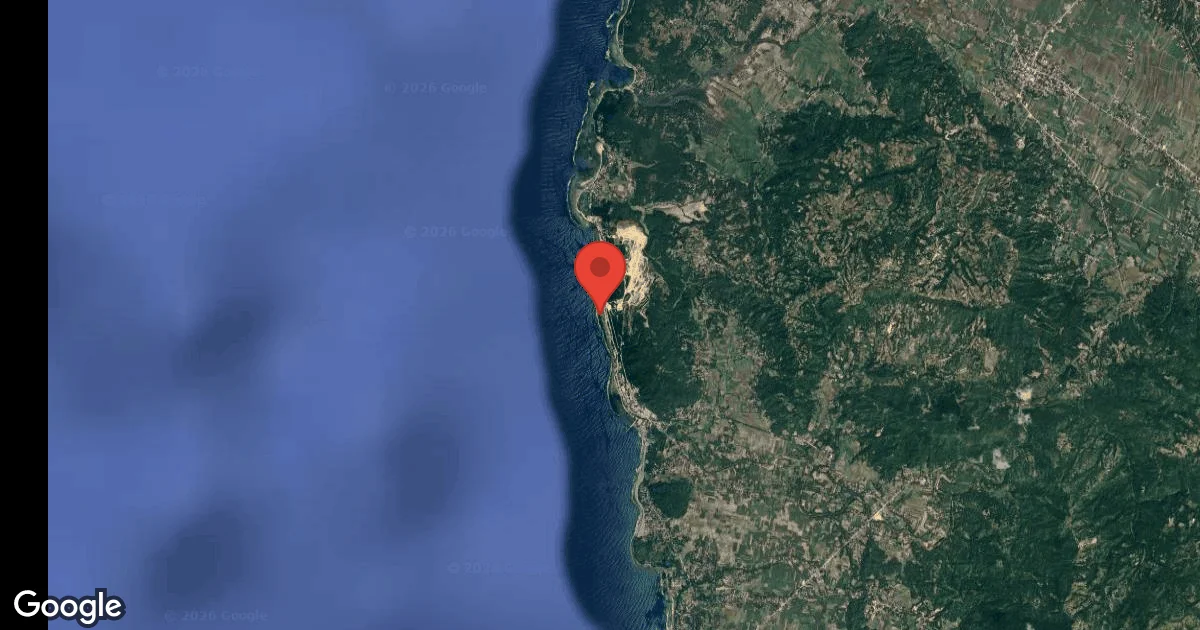
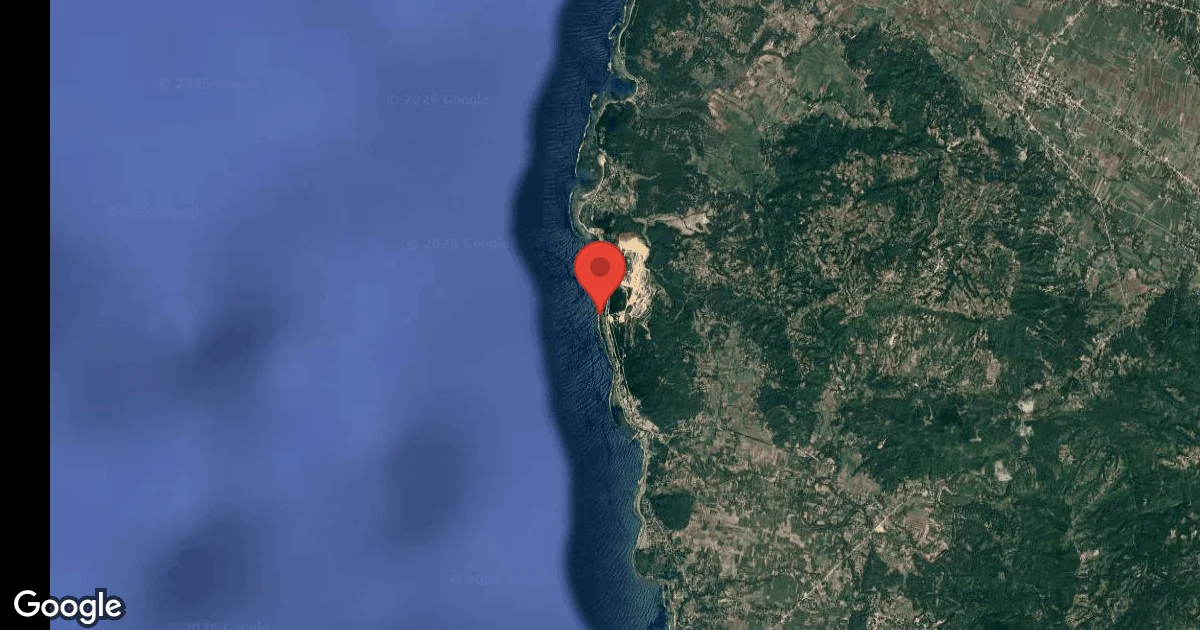
Dive Sites Near Research Reef
View all dive sites in PhilippinesDiscover more underwater gems in this area.
Dive Centers Near Research Reef
No Dive Centers Local To Research Reef
Are you a dive center visiting this location? Get listed to reach divers.
Nearest Airports
Nearest airports to help plan travel to this dive area.
Search Flights
Check available flights and routes on Expedia, using the nearby airports listed in this section.
Search Flights on ExpediaFrequently Asked Questions
What is the maximum depth at Research Reef?
Research Reef has a maximum depth of approximately 20 m (66 ft). Its coral formations and fingers reach up to this depth, making it suitable for recreational divers.
What kind of marine life can I expect to see at Research Reef?
Divers frequently encounter scorpionfish and frogfish, known for their camouflage, hiding amongst the corals. The reef's sheltered channels also provide refuge for various reef fish species.
Is Research Reef suitable for beginner divers?
Yes, Research Reef is well-suited for PADI Open Water Divers. Its manageable depths, gentle currents, and accessible topography make it an ideal site for less experienced divers to gain valuable reef diving experience.
How do I get to Research Reef?
Research Reef is situated a short boat ride away from shore. Local dive operators in the La Union area can arrange transport to the site.
What are the typical water conditions at Research Reef?
The site features warm tropical waters, consistent with the region. Visibility is generally good, and while specific water temperatures are not consistently reported, conditions are usually comfortable for diving.
Are there any strong currents at Research Reef?
Currents at Research Reef are generally gentle, which contributes to its suitability for various diver skill levels. However, divers should always be aware of their surroundings and any changes in water movement.
Planning to dive Research Reef?
Send one inquiry and receive offers directly from the best verified local dive operators.
Conditions are Excellent
07:00 - 14:00
Optimal conditions expected
Current conditions near Research Reef show 26° air, 30° sea temperature, 0.4 m waves, and 14 km/h wind. Forecast data is refreshed regularly to ensure accuracy.