
Diving at Kilima Steps (Philippines)
Kilima Steps offers a gentle descent into its underwater world, beginning in shallower coral gardens. As divers progress, the topography gradually unfolds, moving through sloping reefs and towards deeper sections. This site is structured for a natural exploration flow, inviting a deliberate pace to observe its varied formations. The maximum depth reaches 30 m (100 ft), suitable for a wide range of certified divers.
Evening condition tracking at Kilima Steps features an air temperature of 27.5°C. We have recorded wave heights measuring 0.1 m during this period. These figures outline the environmental parameters currently present.
Dive Site Location & Key Facts
Dive Site Overview
Exploring an underwater world, divers at this site will discover a diverse topography, transitioning from sloping reefs into distinct flat areas, small walls, and intriguing ridges. Exploration here spans from shallower sections, starting around 5 m (16 ft), down to a maximum depth of 30 m (100 ft).
Divers of all experience levels will encounter manageable conditions, with opportunities to observe both intricate macro life and occasional larger pelagic species. Rich coral gardens adorn the sloping reefs, creating vibrant habitats for a wide array of marine creatures. Access relies primarily on boat transport, ensuring a convenient entry point to explore varied underwater landscapes.
Bottom composition includes vibrant coral formations, expansive sandy patches, and rugged rocky outcrops, each supporting distinct ecosystems. A typical dive often lasts about 50 minutes, providing ample time to navigate various features without feeling rushed.
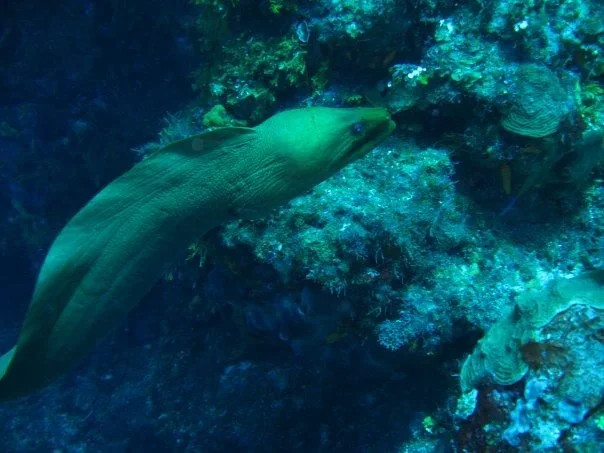
Multiple points of interest define the site: surgeonfish and triggerfish graze among corals in sunlit shallows, while deeper sections reveal gorgonians clinging to walls and moray eels finding refuge within hidden crevices. Photographers will appreciate opportunities for wide-angle shots capturing expansive coral gardens, alongside macro captures of smaller critters.
Its structure further supports flexible dive planning, readily accommodating different certification levels and interests on a single dive.
Conditions are Excellent
07:00 - 14:00
Optimal conditions expected
Current conditions near Kilima Steps show 27° air, 29° sea temperature, 0.0 m waves, and 16 km/h wind. Forecast data is refreshed regularly to ensure accuracy.
Best Time to Dive
Optimizing a dive at Kilima Steps often centers on achieving the best visibility. Conditions typically allow for excellent underwater clarity, ranging from 10 m (33 ft) to 30 m (100 ft). While specific community data is not consistently reported, the system's dive scores indicate excellent conditions during March, April, May, and August. These months often coincide with lower rainfall, particularly April with only 2.12 mm and May with 5.46 mm on average, contributing to improved visibility. Air temperatures during these prime months are consistently warm, averaging between 26°C (79°F) in March and 28.5°C (83°F) in May. Water temperatures generally range from 26-30°C (79-86°F) in summer and 24-28°C (75-82°F) in winter, providing comfortable diving throughout the year. Lower average wave heights, especially from May to September, also enhance the overall dive experience. External sources suggest the period from November to May is optimal, which broadly aligns with the drier months and good conditions.
PEAK SEASON SCORE
Scores combine air & water temps, waves, wind & rainfall for overall conditions.
BEST MONTHS TO DIVE
Monthly records compiled from satellite and marine observation nodes over the last 3 years. Data provided by Open-Meteo and MET Norway.
Dive Experience & Conditions
Current dynamics at Kilima Steps are typically mild, making it an accessible site for most certified divers. This predictable current profile means divers can focus on the rich marine environment without significant exertion. The site is generally free from surge, contributing to a calm and stable underwater experience. Divers should anticipate good visibility, ranging from 10 m (33 ft) to 30 m (100 ft), depending on local weather and recent rainfall. Water temperatures remain comfortably warm year-round, typically between 24-28°C (75-82°F) in winter and 26-30°C (79-86°F) during summer months. Surface air temperatures average from 25°C (77°F) to 28.5°C (83°F) across the year, ensuring pleasant conditions both in and out of the water. While an intermediate certification is recommended for the full exploration of deeper sections, the overall environment is forgiving, allowing for leisurely dives along the sloping reefs and diverse structures.
Dive Difficulty & Safety Guidelines
While no specific inherent hazards are consistently reported for Kilima Steps, standard diving safety protocols remain paramount. Divers should always plan their dives within their certification limits, especially when exploring deeper sections or navigating the varied topography. An intermediate certification is generally recommended to fully appreciate the site's characteristics, though its mild currents and lack of surge make it approachable.
It's important to be aware that diving permits may be required for certain areas within the region; checking local regulations before your dive is advised. Maintaining proper buoyancy control is crucial to protect the vibrant coral gardens and to avoid disturbing sandy bottoms.
Always dive with a buddy and follow the guidance of local dive operators, who are familiar with specific daily conditions.
Recommended Equipment
- Dive Computer
- DSMB
This gear list is based on verified equipment signals for Kilima Steps, Philippines. Always confirm final gear choices with your dive operator, guide, or liveaboard.
Recommended Dive Suit
The latest conditions reported around Kilima Steps place the water temperature close to 29°C (84°F). Surface air temperatures are resting at 27°C (81°F).
2-3mm shorty or light wetsuit is generally considered suitable for water temperatures like this. A hood or vest is suggested for sensitive divers due to surface winds.
Conditions in the coming days are expected to stay within a similar temperature range.
Due to technical issues with our weather providers, live updates are temporarily delayed. The data above reflects the conditions at the time of the last successful fetch.
Emergency & Medical Support
Essential information to help you plan your dive trip to Kilima Steps.

Hyperbaric chambers are a critical part of dive safety infrastructure. Availability varies significantly by region, and not all dive areas have immediate access.
Before diving, it's recommended to:
- confirm nearest medical facilities
- check emergency procedures with local dive operators
- ensure dive insurance covers evacuation if required
Divers Alert Network
Diving emergency assistance available through DAN World.
+1-919-684-9111- 24/7 emergency hotline
- Diving medical assistance
- Evacuation coordination
Emergency contacts are provided for reference. Always verify local emergency services before diving.
Marine Life at Kilima Steps
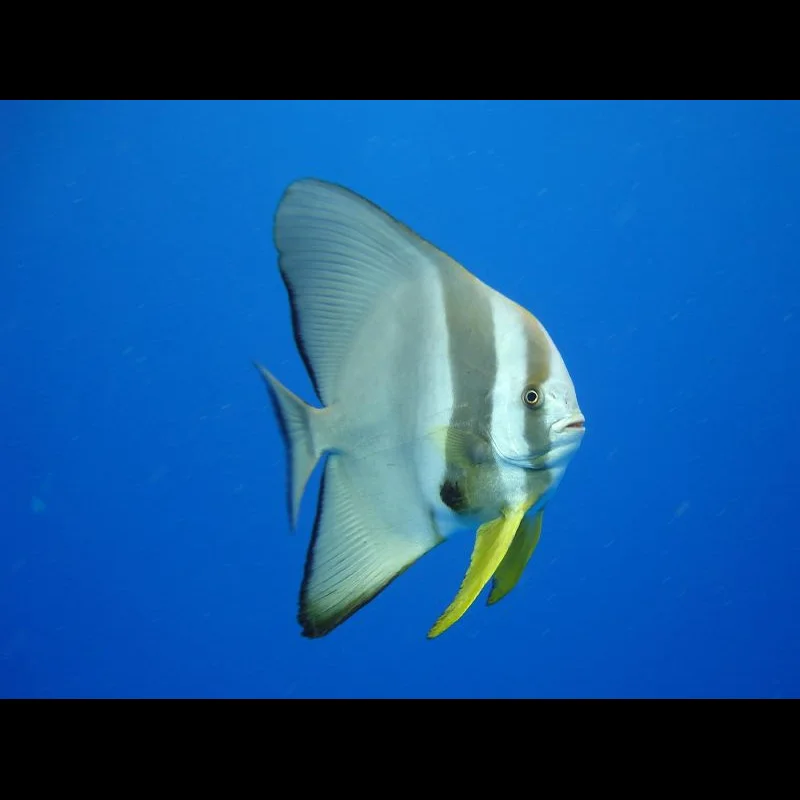
The underwater landscape of Kilima Steps provides a rich backdrop for a diverse array of marine life. Along the sloping reefs and within the coral gardens, divers will frequently encounter colorful surgeonfish, batfish, and vibrant parrotfish grazing.
Gorgonians adorn the small walls, creating shelter for small antheas. Moray eels are often spotted peeking from crevices within the rocky areas.
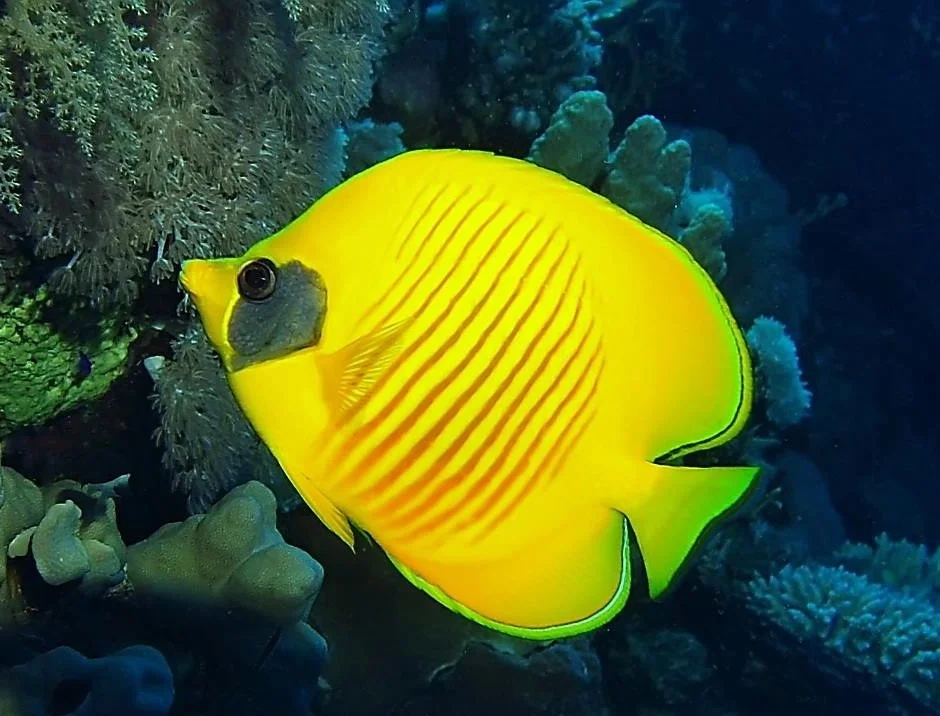
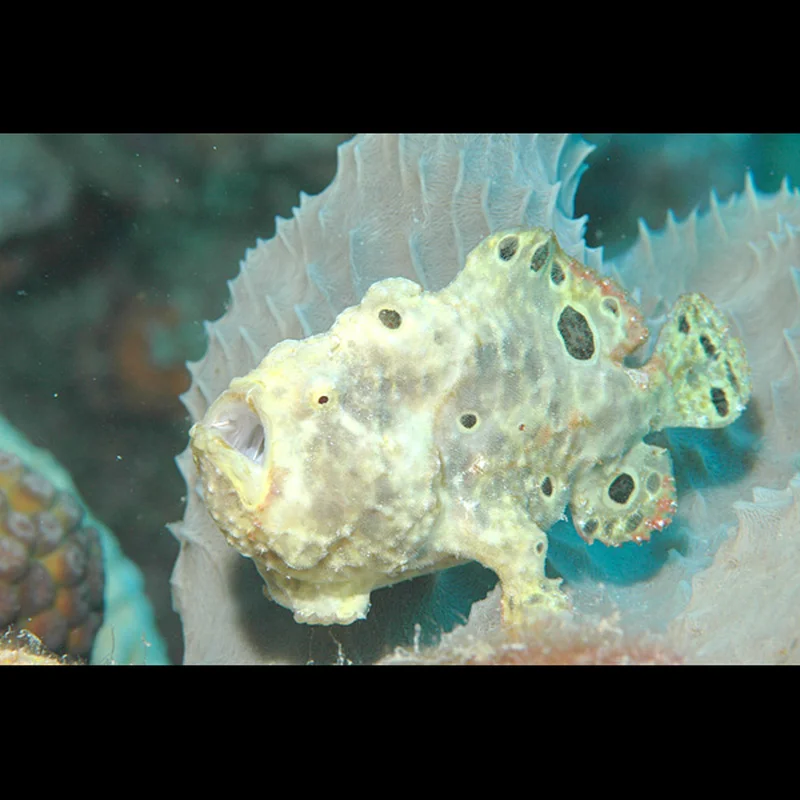
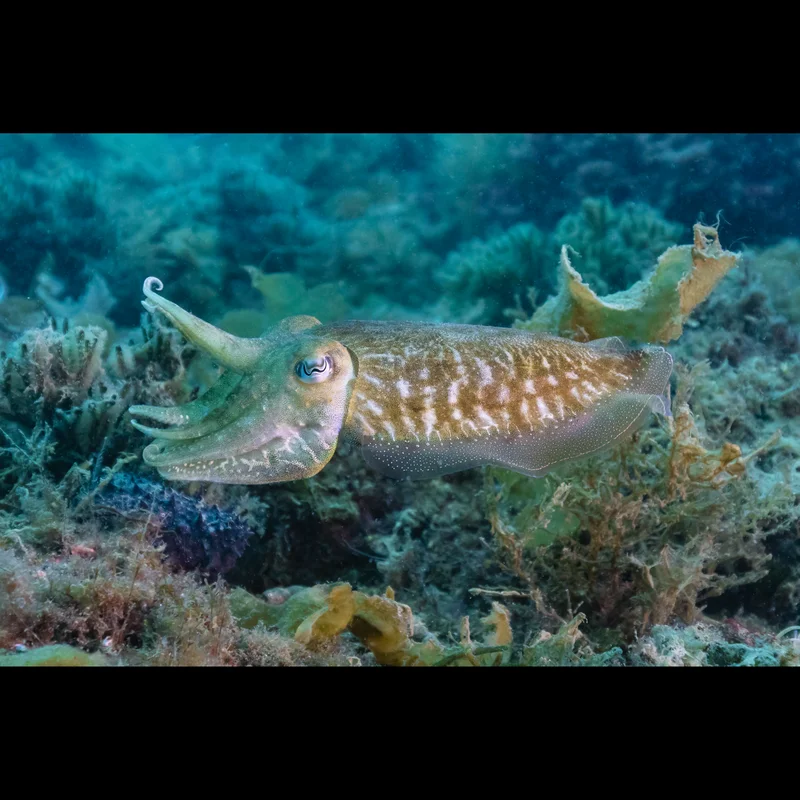
Angelfish and butterflyfish navigate gracefully through the coral formations, while triggerfish patrol their territories. Look closely among the various structures for the camouflaged frogfish, adding an element of discovery to each dive.
Dive Sites Near Kilima Steps
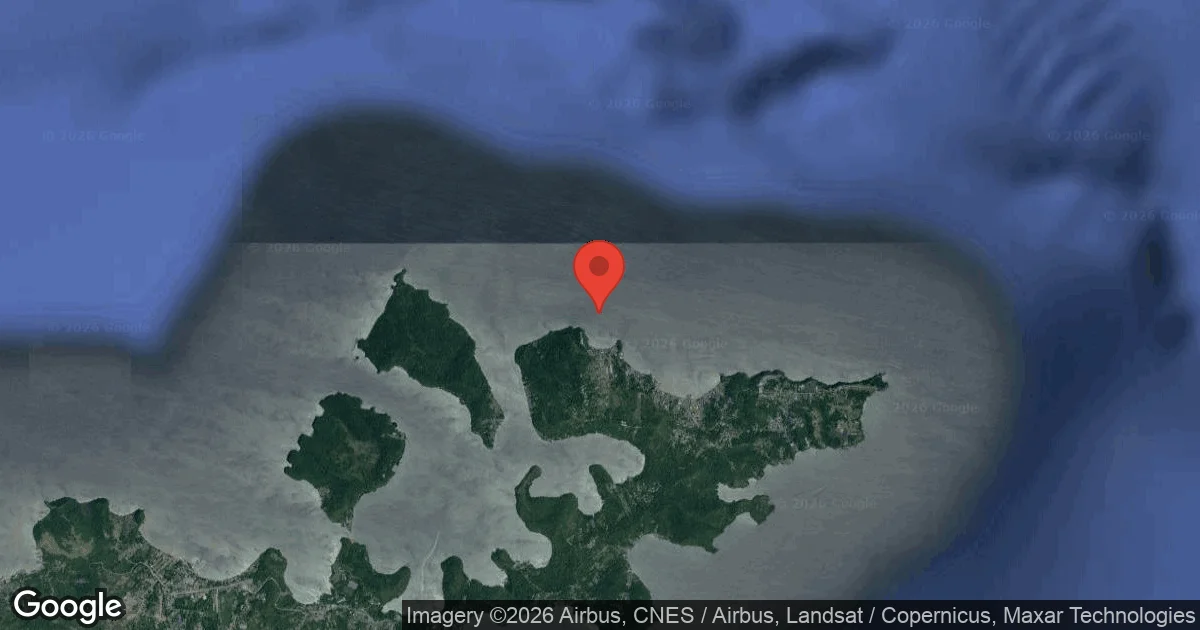
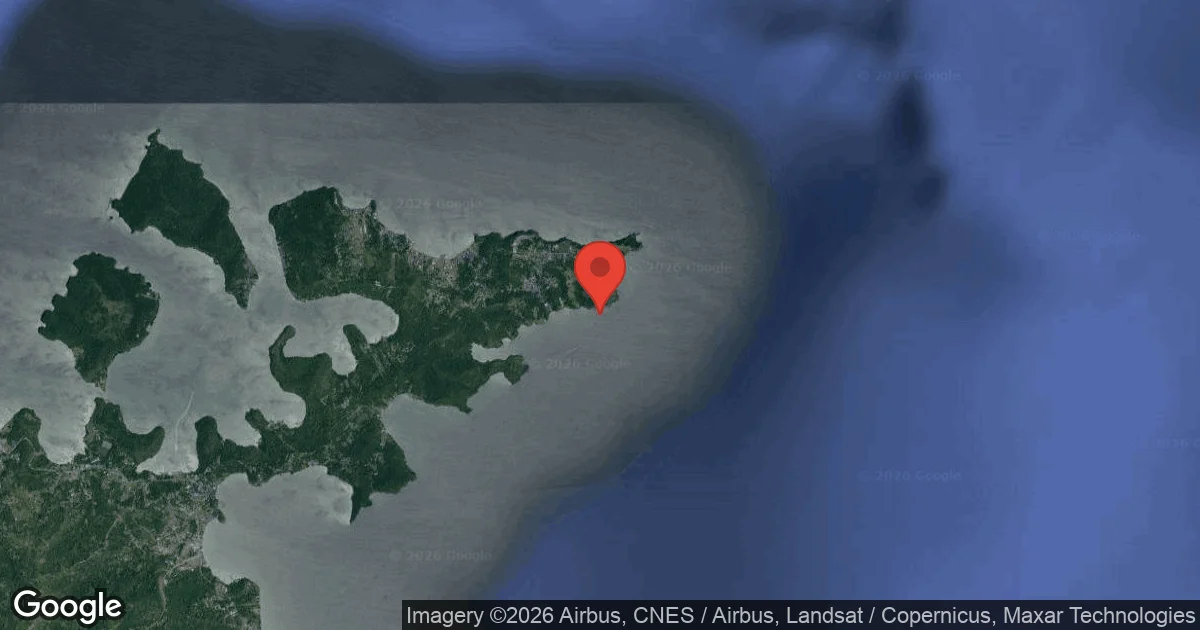
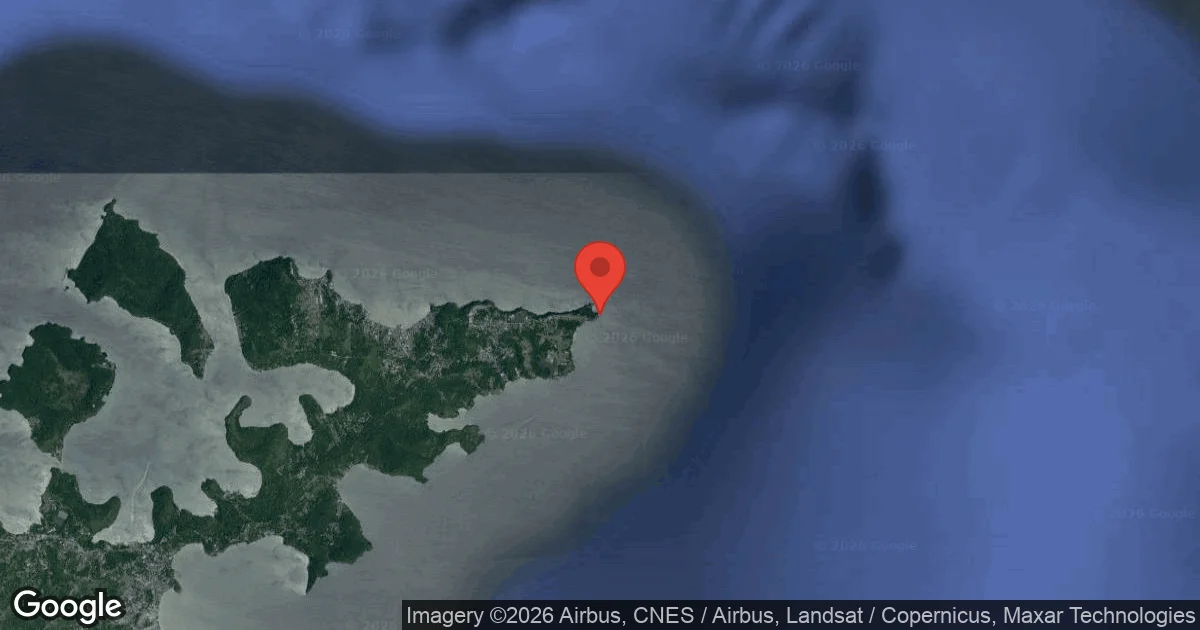
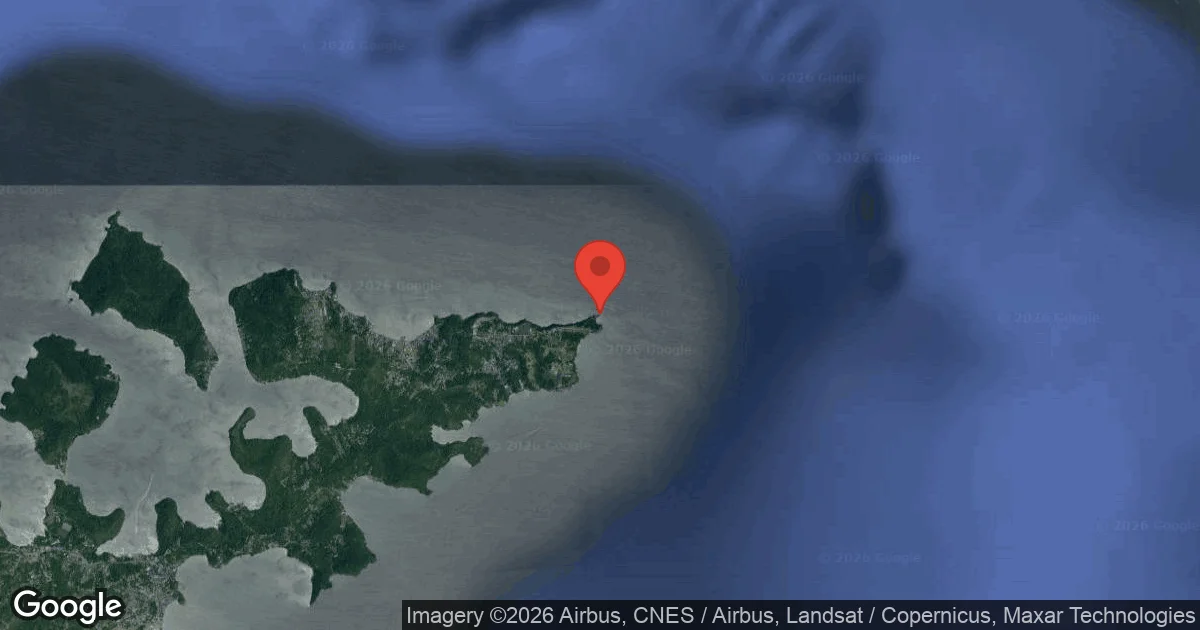
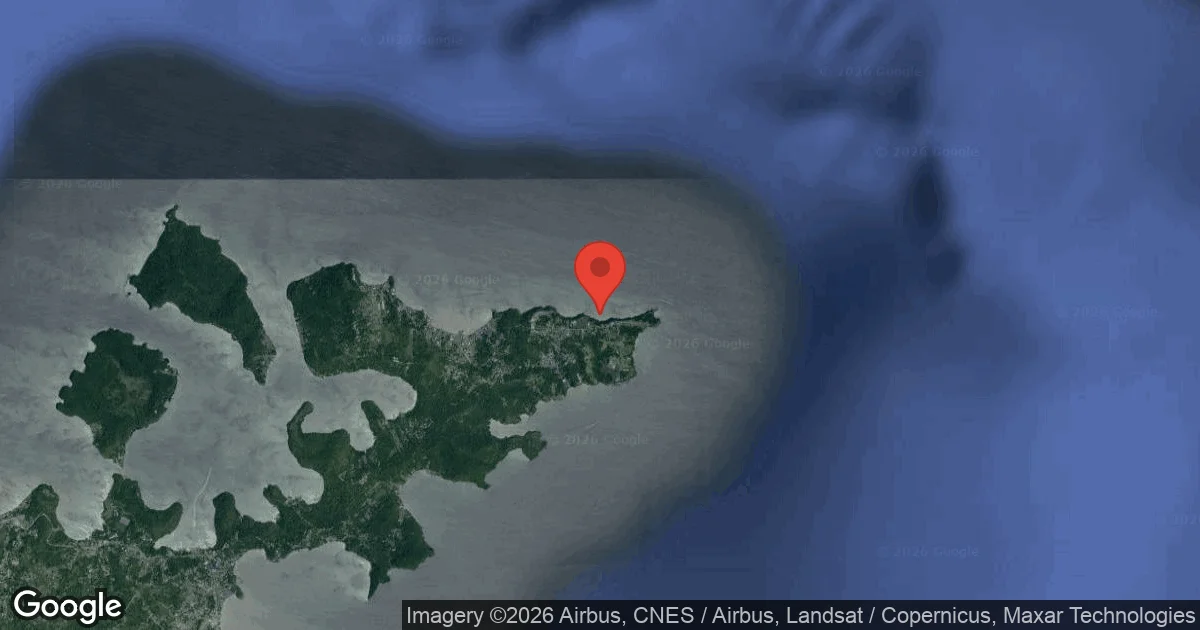
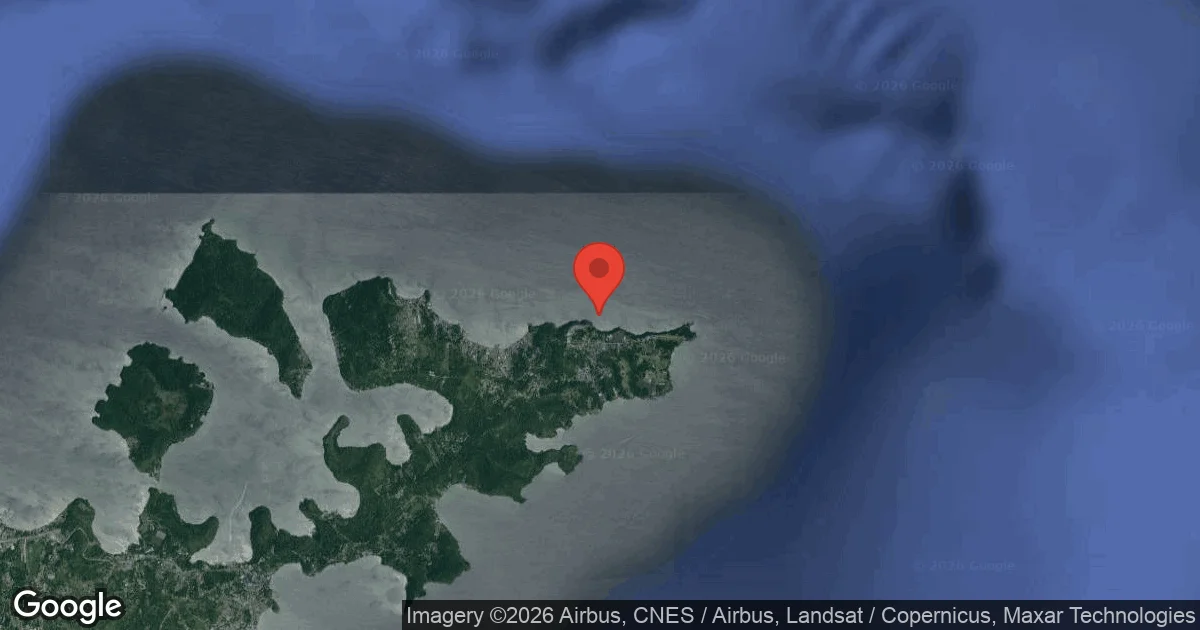
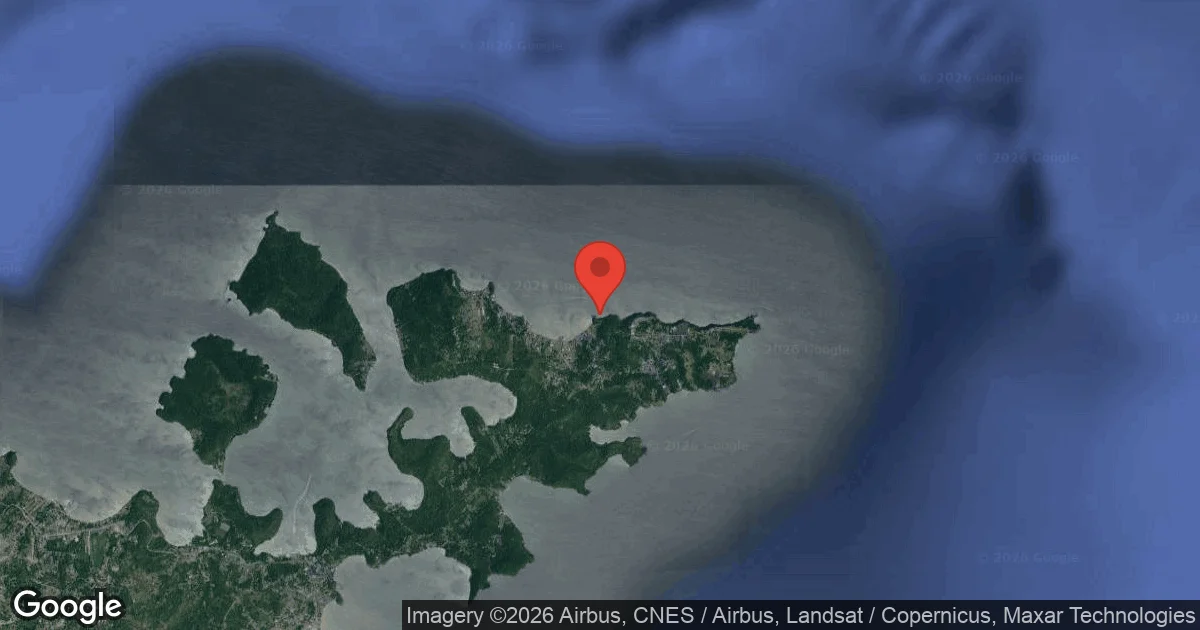
View all dive sites in PhilippinesDiscover more underwater gems in this area.
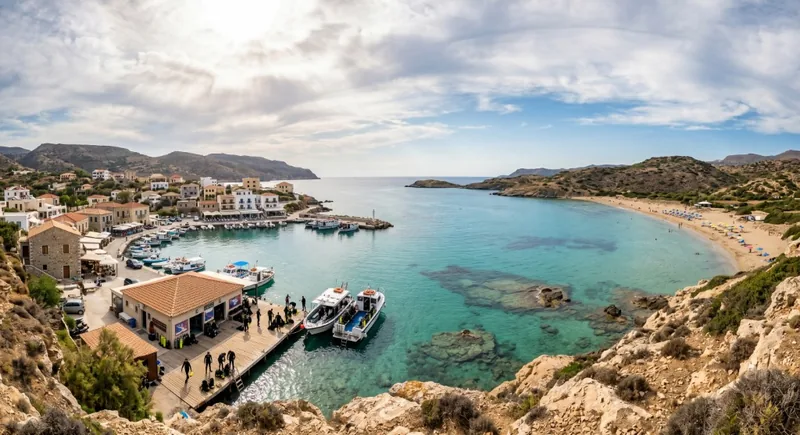
Dive Centers Near Kilima Steps
Today: Open 24 hours
Nearest Airports
Nearest airports to help plan travel to this dive area.
Search Flights
Check available flights and routes on Expedia, using the nearby airports listed in this section.
Search Flights on ExpediaFrequently Asked Questions
What is the maximum depth at Kilima Steps?
The maximum depth reported for Kilima Steps is 30 meters (100 ft). This makes it suitable for advanced recreational divers, while shallower sections starting at 5 meters (16 ft) cater to less experienced divers.
What kind of marine life can I expect to see?
Divers at Kilima Steps can expect to encounter surgeonfish, moray eels, gorgonians, antheas, batfish, angelfish, triggerfish, parrotfish, frogfish, and butterflyfish. The diverse topography supports both macro and pelagic species.
Are there strong currents at Kilima Steps?
Currents at Kilima Steps are generally mild, contributing to a relaxed dive experience. There is typically no significant surge, allowing for stable navigation through the site's various features.
What are the typical water temperatures?
Water temperatures at Kilima Steps are comfortable year-round. They typically range from 24-28°C (75-82°F) during winter months and 26-30°C (79-86°F) in summer.
Is a diving permit required for Kilima Steps?
Yes, diving permits may be required for certain areas around Kilima Steps. It is advisable to check with local dive operators or authorities regarding specific permit requirements before planning your dive.
What is the recommended experience level for diving Kilima Steps?
Kilima Steps is generally suitable for divers of various skill levels. An intermediate certification is recommended to explore the full range of depths and features effectively.
What is the average visibility at this site?
Visibility at Kilima Steps is often very good, typically ranging from 10 m (33 ft) to 30 m (100 ft). Conditions can vary based on factors like recent rainfall and local currents.
Planning to dive Kilima Steps?
Send one inquiry and receive offers directly from the best verified local dive operators.
Conditions are Excellent
07:00 - 14:00
Optimal conditions expected
Current conditions near Kilima Steps show 27° air, 29° sea temperature, 0.0 m waves, and 16 km/h wind. Forecast data is refreshed regularly to ensure accuracy.