
Diving at Sabang Point (Philippines)
Sabang Point, Philippines, presents an environment where conditions often dictate the dive experience, ranging from serene explorations to exhilarating drift dives. Water temperatures typically hold a comfortable range of 27-30°C (81-86°F), making for pleasant dives. Max depths extend to 25 m (82 ft) in key areas, revealing diverse reef structures. Expect generally good visibility, although currents can vary and influence specific dive plans.
Evening condition tracking at Sabang Point features an air temperature of 28°C. We have recorded wave heights measuring 0.1 m during this period. These figures outline the environmental parameters currently present.
Dive Site Location & Key Facts
Dive Site Overview
Sabang Point first attracted divers with its rich reef topography and easy access from Puerto Galera. Early explorations revealed pristine hard corals, vibrant crinoids, and a notable small wall descending to a white sandy bottom, typically reaching recreational depths.
Conveniently close to amenities, the site serves as an ideal launch point for daily excursions. Its reputation grew to include several wreck dives within the bay, known as the Sabang Wrecks. These lie between 10-20 m (33-66 ft) deep and encompass structures such as the engine of a WWII Japanese patrol boat.
A blend of these underwater artifacts and natural formations provides varied dive profiles, ranging from gentle reef glides, suitable for newer divers, to more dynamic drift possibilities, appealing to experienced divers. Many appreciate the combination of natural reef and historical elements for diverse photographic opportunities.
Consistent marine activity over time solidified the area's standing as a productive site for both macro and broader reef encounters, presenting an ever-changing underwater landscape. Currents here can enhance the dive, carrying explorers along vibrant coral gardens, which demands mindful navigation but often yields greater reach.
Conditions are Good
07:00 - 14:00
Optimal conditions expected
Current conditions near Sabang Point show 28° air, 29° sea temperature, 0.1 m waves, and 22 km/h wind. Forecast data is refreshed regularly to ensure accuracy.
Best Time to Dive
To truly appreciate the vibrant ecosystems of Sabang Point, timing your visit with favorable conditions significantly enhances the dive experience. The period from March through May and again in August generally sees excellent dive scores. Air temperatures during these months average between 26-28.5°C (79-83°F), paired with minimal rainfall, often as low as 2.1 mm in April, ensuring clearer skies and calmer seas. Wind speeds are also lower, tending to be around 10.9-17.3 km/h (7-11 mph), which can result in smoother boat rides and less surface chop. While the rest of the year offers good diving opportunities, months like January and February experience slightly higher wind speeds, up to 20.6 km/h (13 mph), and marginally higher wave heights, potentially introducing more dynamic ocean conditions.
PEAK SEASON SCORE
Scores combine air & water temps, waves, wind & rainfall for overall conditions.
BEST MONTHS TO DIVE
Monthly records compiled from satellite and marine observation nodes over the last 3 years. Data provided by Open-Meteo and MET Norway.
Dive Experience & Conditions
Sabang Point reveals a visual tapestry of pristine hard corals adorned with colorful crinoids, extending from very shallow areas down to its maximum recreational depth. A gentle drift often carries divers along the eastern coastline, revealing an incredible coral garden. Deeper sections of the reef feature abundant big purple sea fans and whip corals, creating a distinct aesthetic. Between large coral heads and structures like giant plate corals, staghorn corals, and barrel sponges, divers will discover soft corals swaying with subtle currents. This experience often feels like navigating through a lively underwater garden, transitioning from dense coral formations to sections with a white sandy bottom, where blue spotted stingrays are occasionally observed. Conditions can vary, so paying attention to the current's direction and strength is important for a controlled and enjoyable dive.
Dive Difficulty & Safety Guidelines
While Sabang Point does not consistently report specific inherent hazards, understanding the site's dynamic nature is crucial for safe diving. Given the potential for currents, particularly in areas described as possible drift dives, divers should remain vigilant and prepared. An expert tip is to always plan your dive within your certification limits and be aware of your group's positioning relative to the currents.
Carrying a surface marker buoy (SMB) is a prudent practice, ensuring visibility to boat traffic upon surfacing. Dive centers in the area frequently employ multiple guides, reflecting a focus on diver safety and support, especially for those less familiar with local conditions.
Recommended Equipment
Current and surface separation risk. Local briefing strongly recommended.
- Dive Computer
- DSMB
- Reel / Spool
This gear list is based on verified equipment signals for Sabang Point, Philippines. Always confirm final gear choices with your dive operator, guide, or liveaboard.
Recommended Dive Suit
Forecast trends indicate little change in overall diving conditions during the next few days.
Divers who prefer a balanced level of warmth often select 2-3mm shorty or light wetsuit in water temperatures like this.
At Sabang Point, the water is currently sitting around 29°C (84°F). Surface air temperatures are resting at 28°C (82°F).
Emergency & Medical Support
Essential information to help you plan your dive trip to Sabang Point.

Hyperbaric chambers are a critical part of dive safety infrastructure. Availability varies significantly by region, and not all dive areas have immediate access.
Before diving, it's recommended to:
- confirm nearest medical facilities
- check emergency procedures with local dive operators
- ensure dive insurance covers evacuation if required
Divers Alert Network
Diving emergency assistance available through DAN World.
+1-919-684-9111- 24/7 emergency hotline
- Diving medical assistance
- Evacuation coordination
Emergency contacts are provided for reference. Always verify local emergency services before diving.
Marine Life at Sabang Point
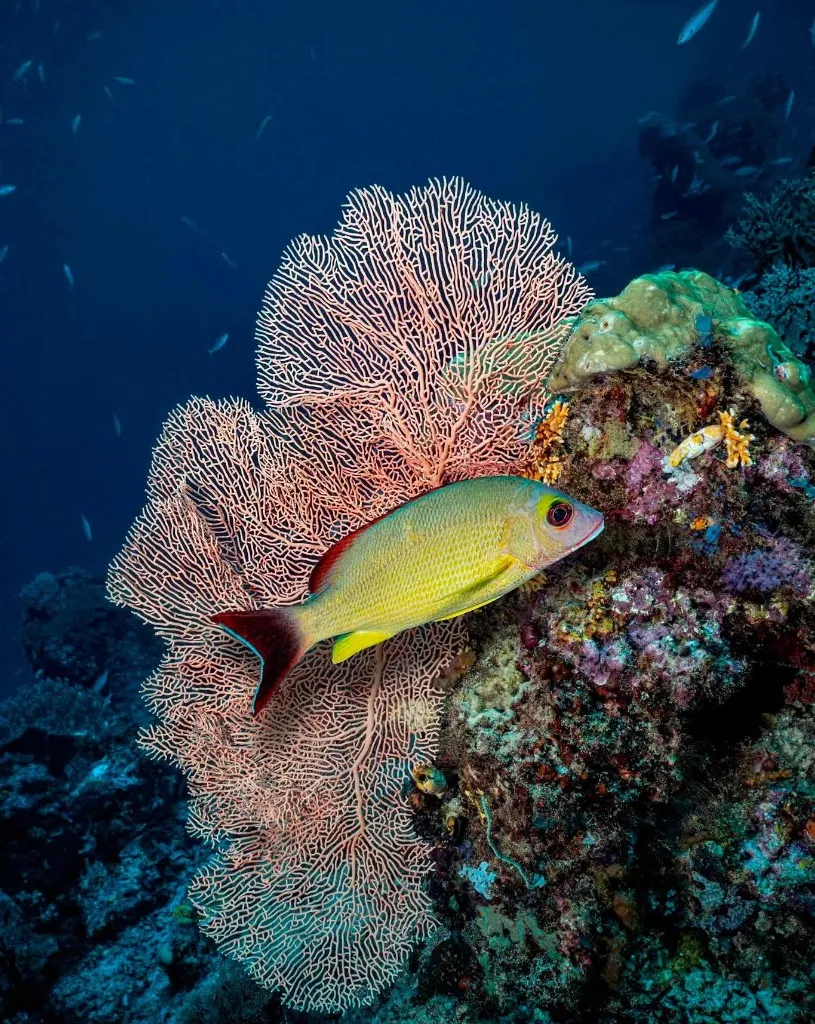
The vibrant marine life at Sabang Point provides continuous engagement for divers. Reef inhabitants like parrotfish, snappers, surgeonfish, and triggerfish are common sights throughout the coral gardens.
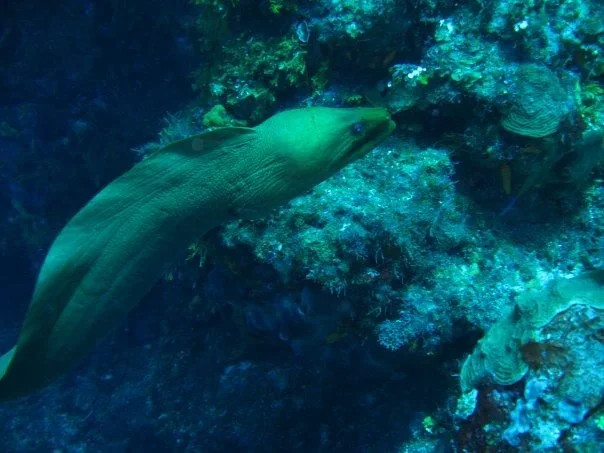
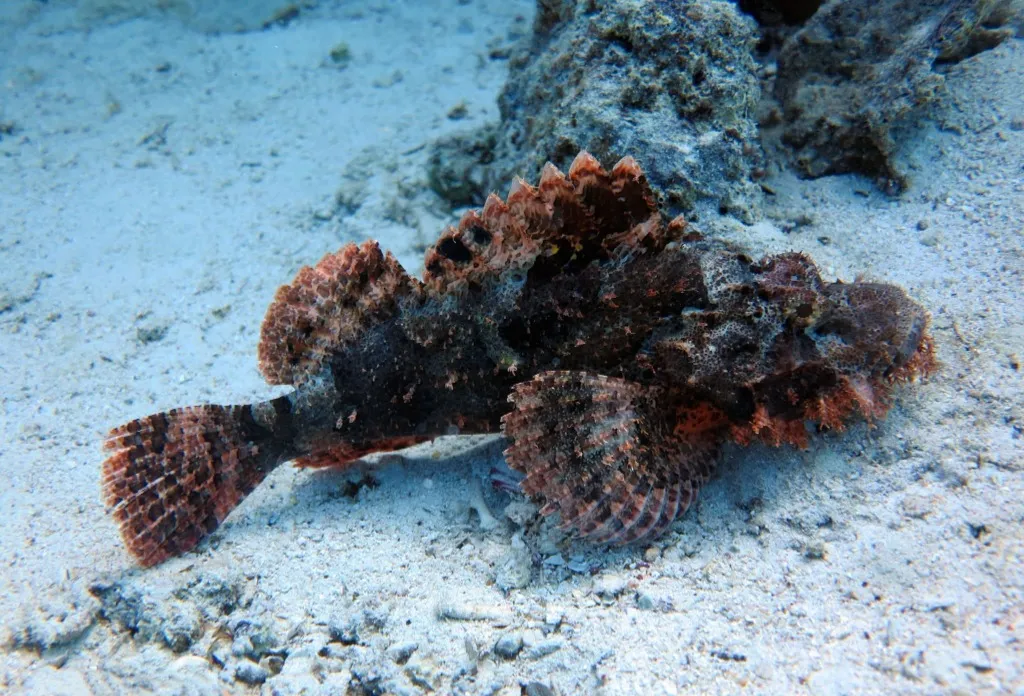
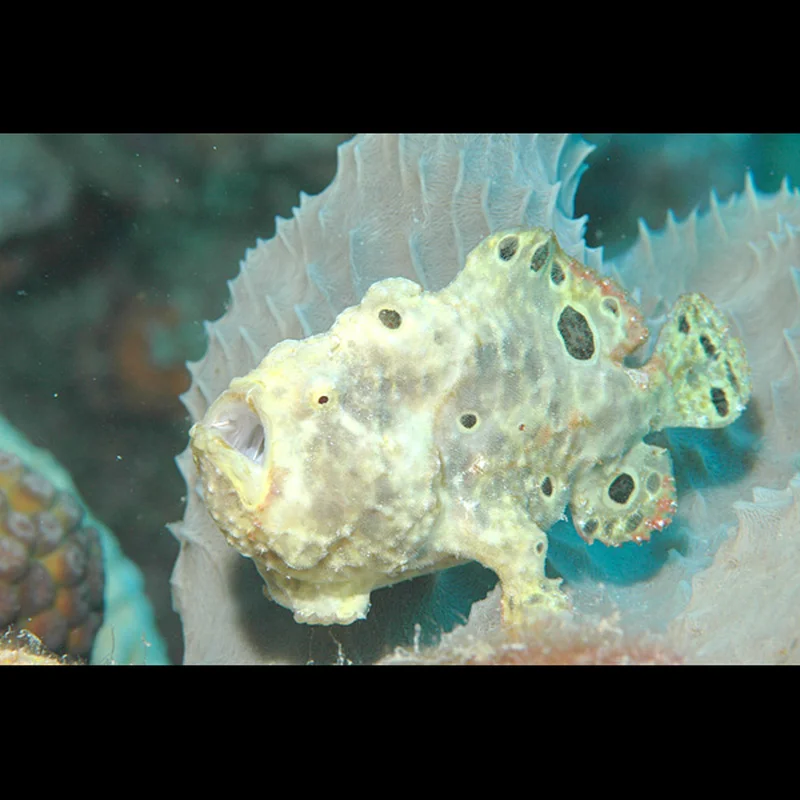
Close inspection of sandy patches and fan corals may reveal pygmy seahorses, blue ribbon eels, and various nudibranch species. Moray eels often peek from crevices, while frogfish and scorpionfish blend into the substrate, requiring a keen eye.
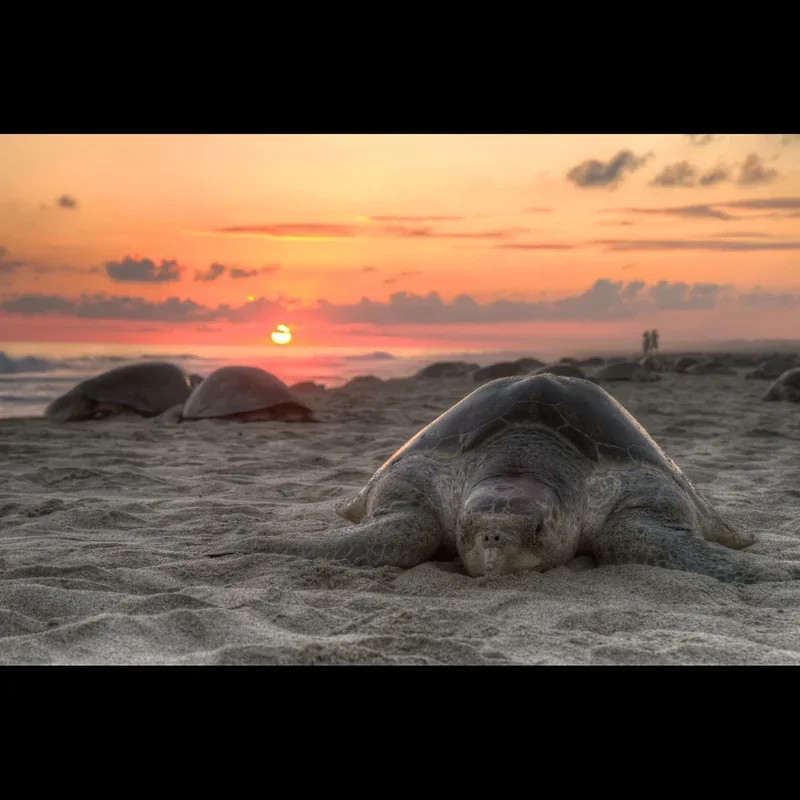
Furthermore, divers frequently spot cuttlefish, octopus, and occasionally sea turtles gliding past. The sandy bottom also hides creatures like flounders, gobies, and different species of shrimp, adding to the macro diversity.
Dive Sites Near Sabang Point
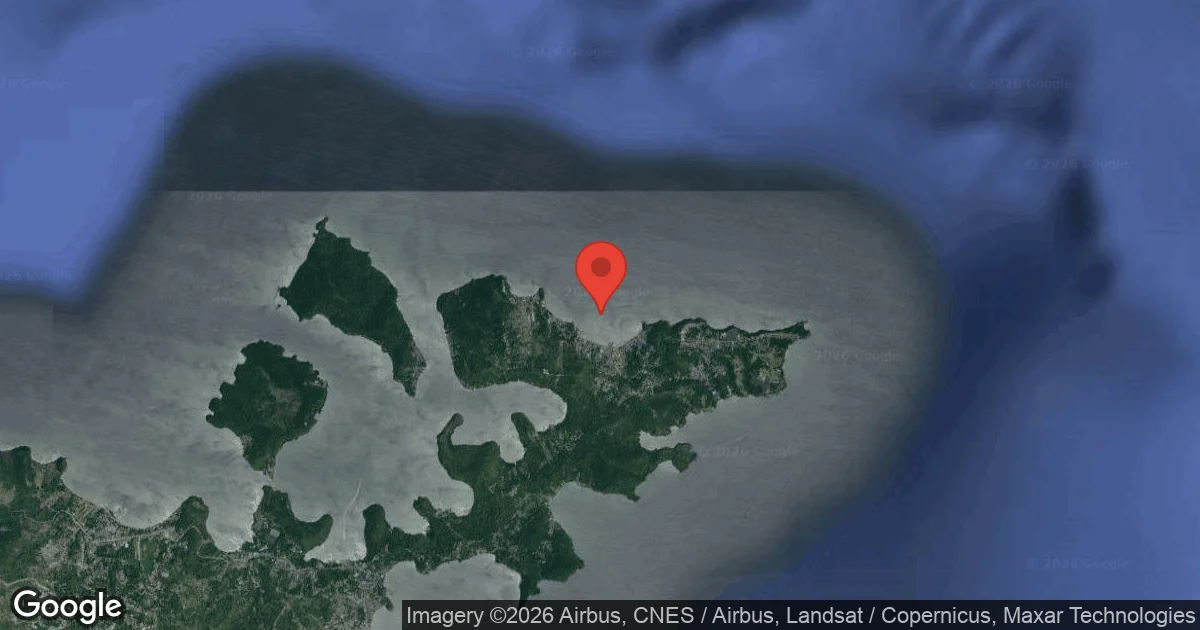
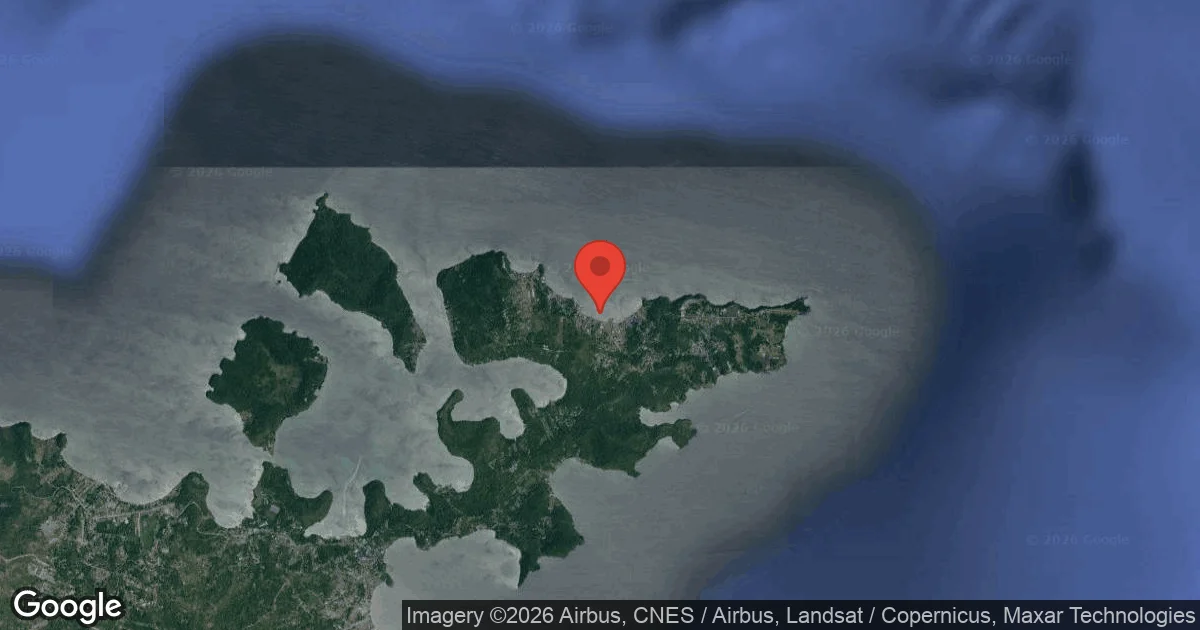
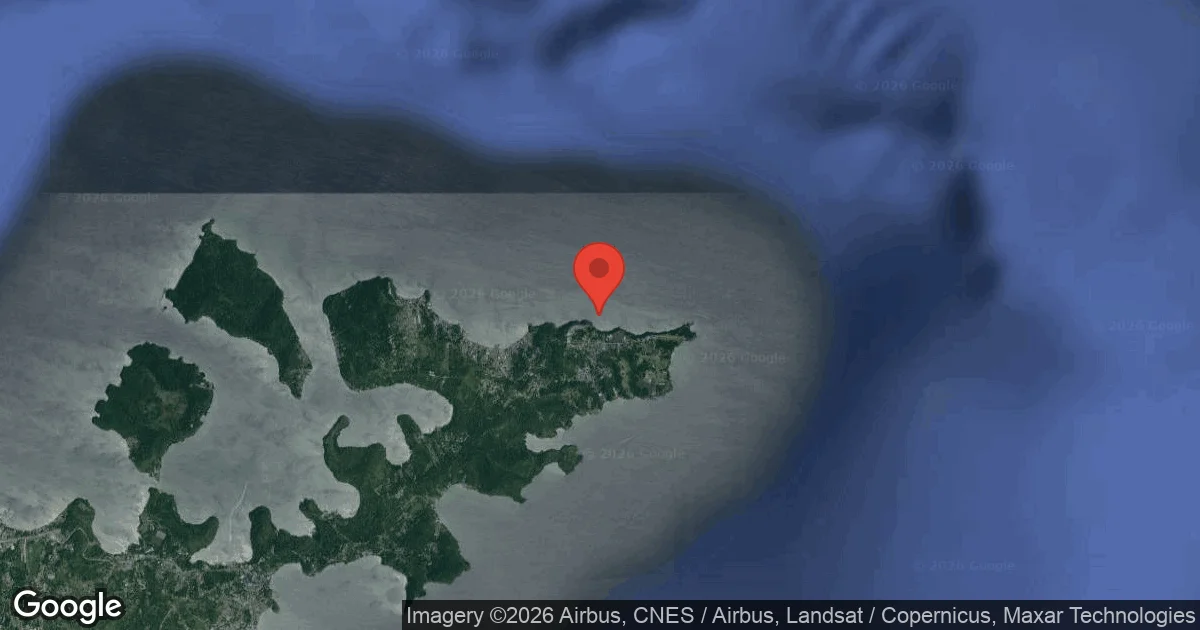
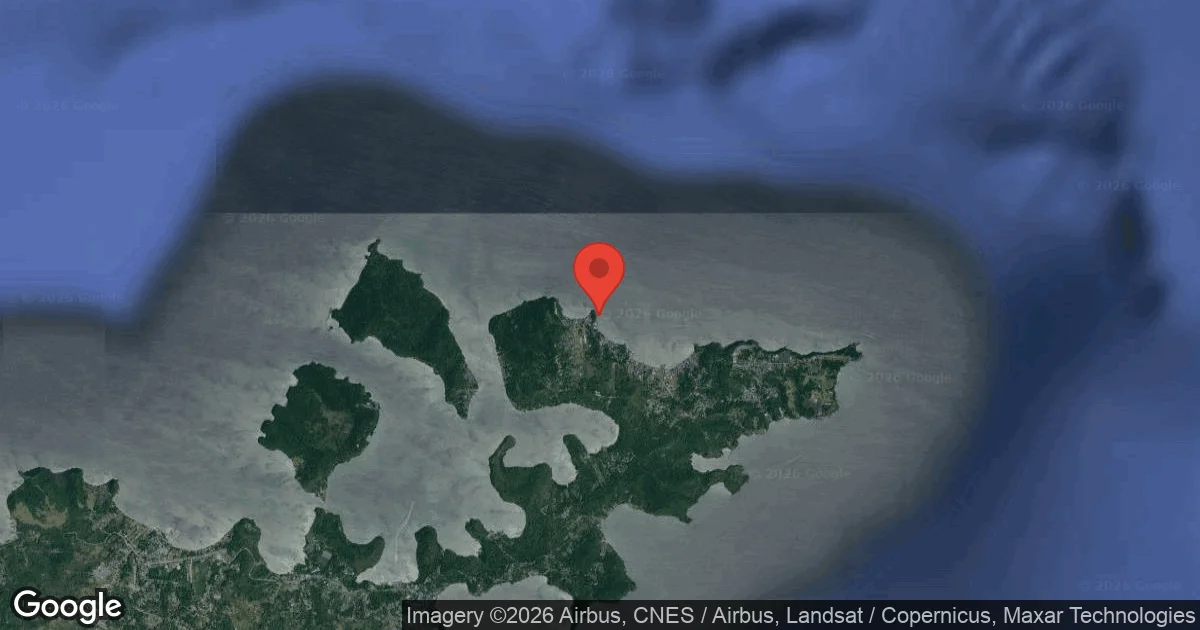
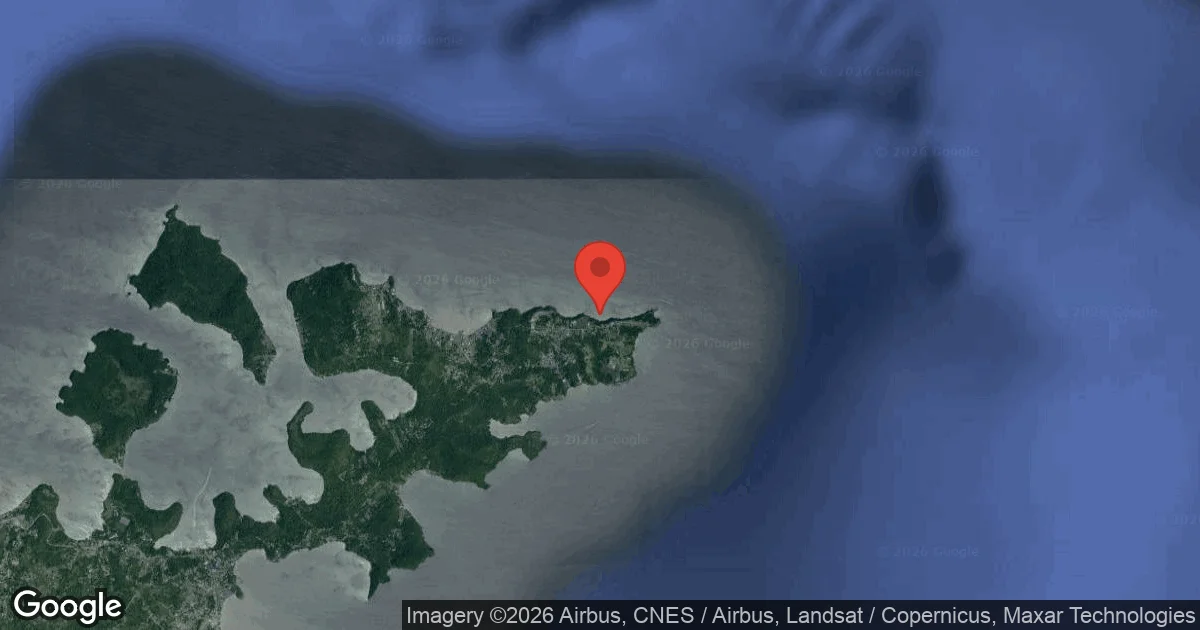
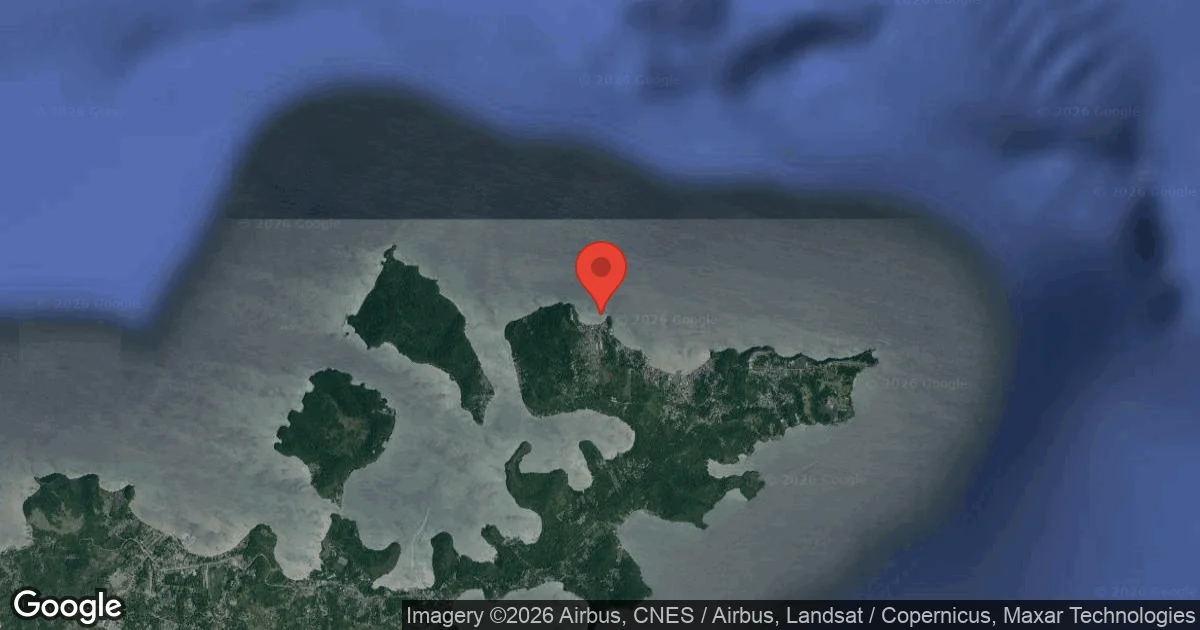
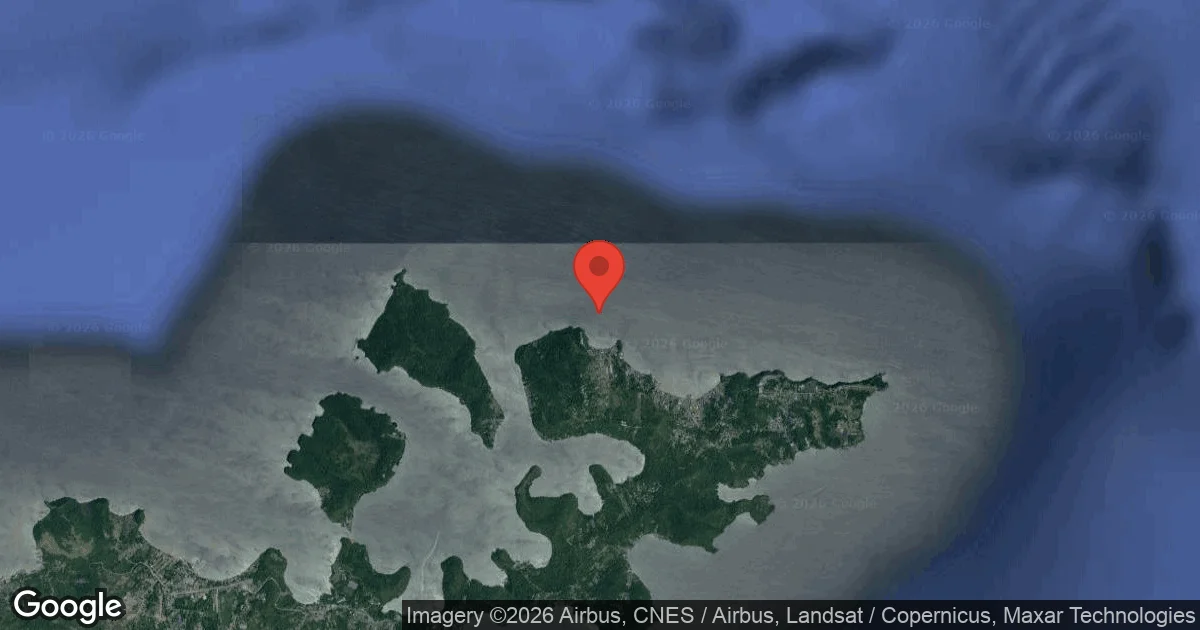
View all dive sites in PhilippinesDiscover more underwater gems in this area.
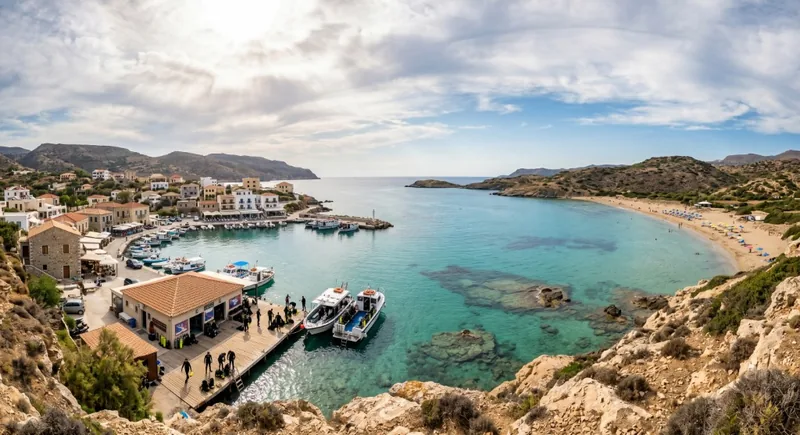
Dive Centers Near Sabang Point
Today: Open 24 hours
Nearest Airports
Nearest airports to help plan travel to this dive area.
Search Flights
Check available flights and routes on Expedia, using the nearby airports listed in this section.
Search Flights on ExpediaFrequently Asked Questions
What is the maximum depth for diving at Sabang Point?
The maximum recreational depth for diving at Sabang Point generally extends to 25 m (82 ft). Shallower sections, particularly around the Sabang Wrecks, are typically found within recreational diving limits.
Are there strong currents at Sabang Point?
Currents at Sabang Point can vary; some areas offer easy dives, while others can present exhilarating drift dive opportunities. It's advisable to check local conditions with your dive operator on the day of your dive.
What kind of marine life can I expect to see?
Divers can expect a rich variety of marine life, including parrotfish, snappers, triggerfish, cuttlefish, octopus, moray eels, and occasional sea turtles. Macro life such as pygmy seahorses, blue ribbon eels, frogfish, and numerous nudibranchs are also frequently observed.
Is Sabang Point suitable for beginner divers?
Many parts of Sabang Point, especially the shallower reef sections and the Sabang Wrecks, are accessible to all levels of divers. However, conditions can vary, so beginners should consult with a local dive center about suitable sites for their experience level.
Does Sabang Point have any wreck dives?
Yes, Sabang Point is known for the Sabang Wrecks, consisting of three wrecks located in Sabang Bay. These wrecks are typically found between 10-20 m (33-66 ft) deep and include a WWII Japanese patrol boat engine.
What are the water temperatures like at Sabang Point?
Water temperatures at Sabang Point are generally warm, typically ranging from 27-30°C (81-86°F) throughout the year. This comfortable temperature makes for enjoyable diving without the need for thick wetsuits.
Planning to dive Sabang Point?
Send one inquiry and receive offers directly from the best verified local dive operators.
Conditions are Good
07:00 - 14:00
Optimal conditions expected
Current conditions near Sabang Point show 28° air, 29° sea temperature, 0.1 m waves, and 22 km/h wind. Forecast data is refreshed regularly to ensure accuracy.