
Diving at Dry Dock (Philippines)
Approaching Dry Dock by boat, divers prepare for an intermediate-level experience that blends artificial and natural underwater terrain. This site in Puerto Galera, Mindoro, is a compelling destination for those seeking diverse topography and marine encounters. It's a blend of historical remnants and thriving reef, offering unique photo opportunities from the moment you descend into its waters.
Current morning readings from Dry Dock indicate an air temperature of 27.5°C. Surface wave heights are averaging around 0.1 m at this time. These local measurements provide a baseline for your daily dive planning.
Dive Site Location & Key Facts
Dive Site Overview
Dry Dock offers a distinctive dive experience centered around a large steel and plywood construction deliberately sunk in 1998 to form an artificial reef. This structure, now entirely covered in vibrant coral and colorful sea fans, serves as a dynamic habitat.
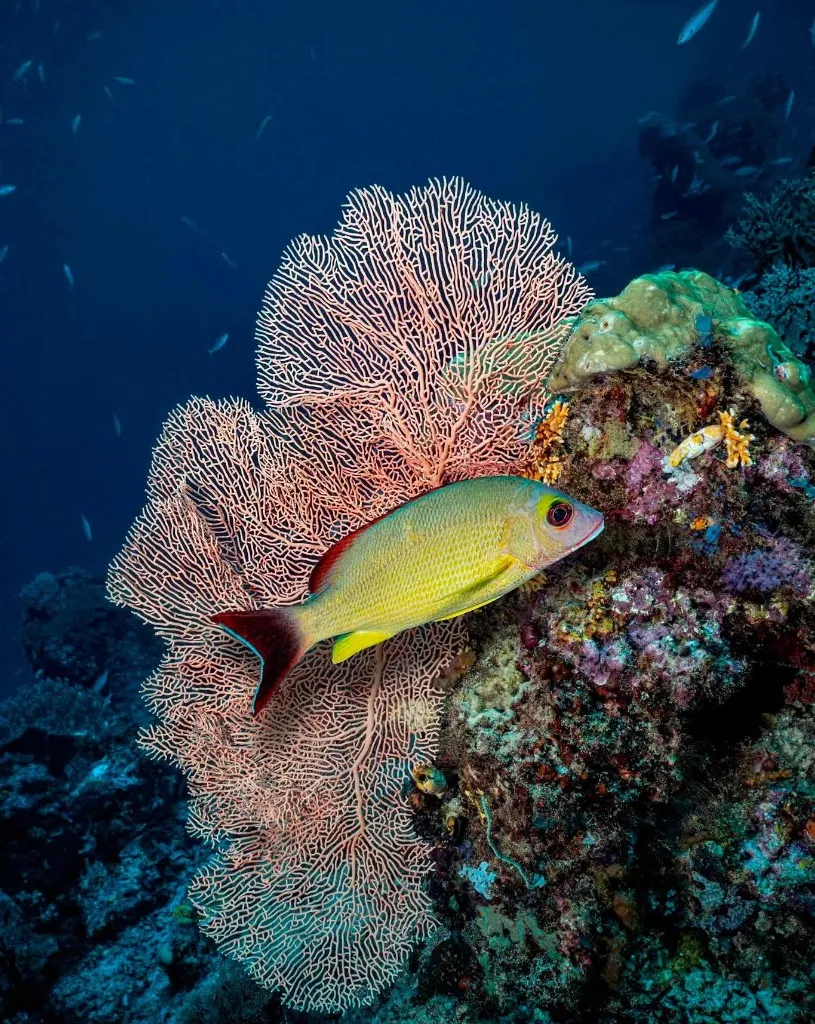
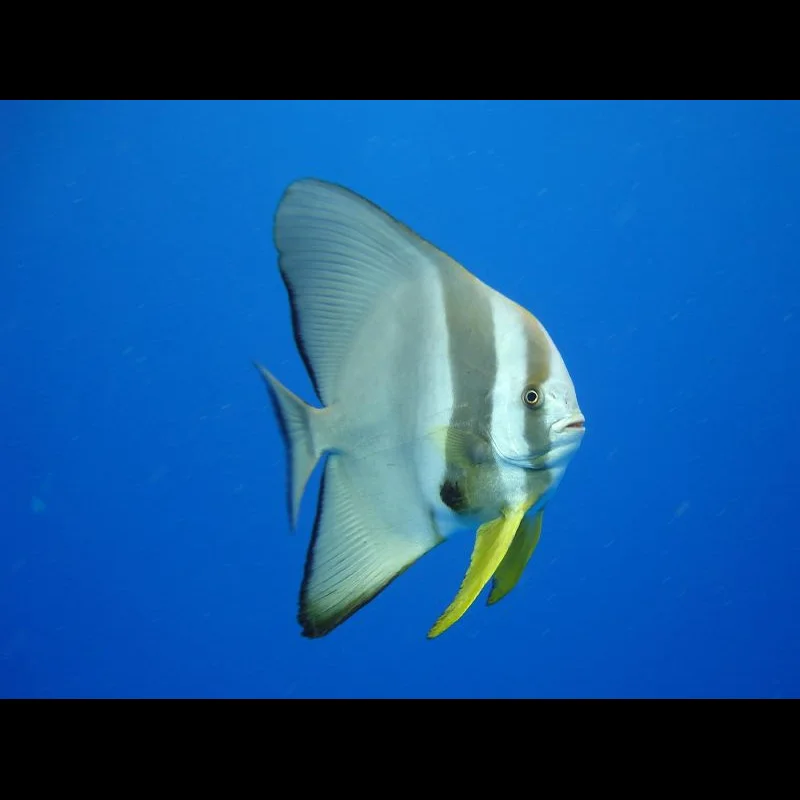
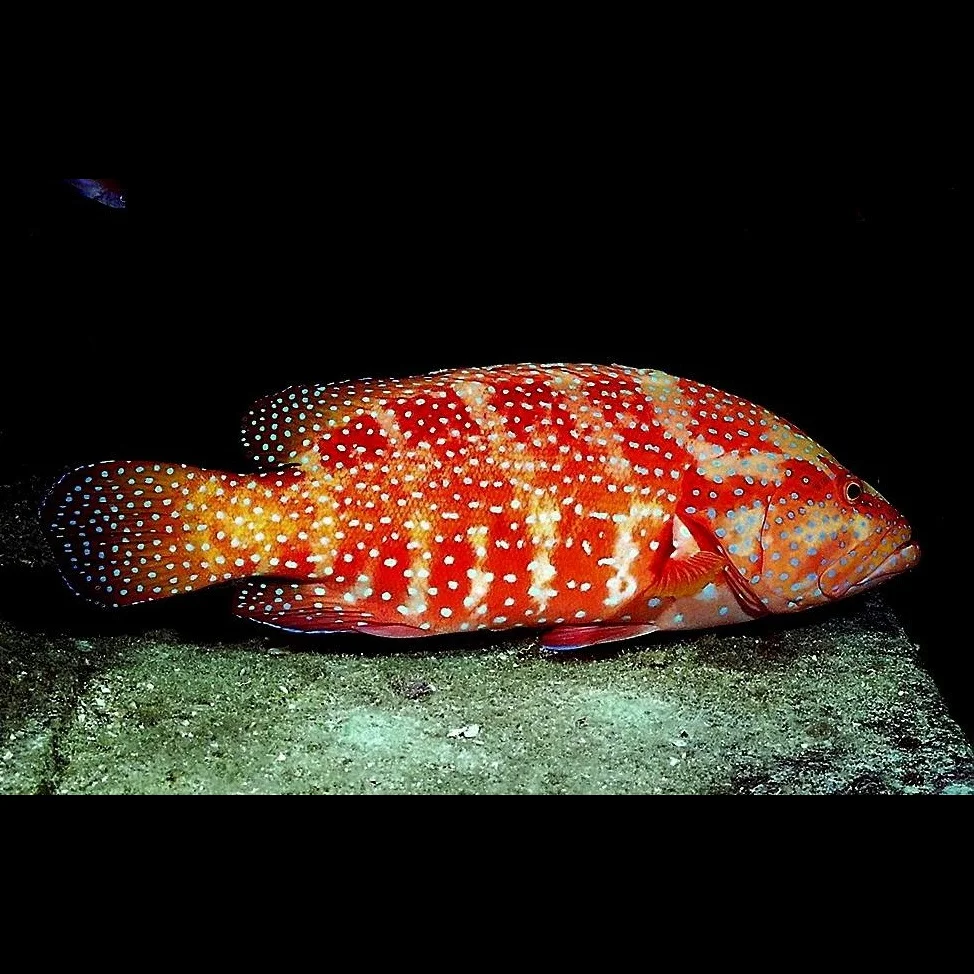
Divers will navigate its skeletal remains, observing how sweetlips, batfish, surgeonfish, groupers, and snappers inhabit the wreck. Lionfish are commonly sighted atop the structure, while pufferfish and porcupine fish seek refuge among the pylons. The site isn't solely defined by its wreck; different species of nudibranchs and flatworms can be found adorning the dock's legs.
A short swim away, past a sandy bottom, leads to the natural reef of Lalaguna Point, providing a contrast in marine environments. Here, octopus, pygmy seahorses, and anemone fish colonies thrive.
The maximum depth for this site reaches 30 m / 98 ft, presenting opportunities to explore both the wreck and adjacent reef structures. This combination of wreck, reef, and sandy bottom makes for a varied underwater journey.
Conditions are Good
07:00 - 14:00
Optimal conditions expected
Current conditions near Dry Dock show 28° air, 29° sea temperature, 0.0 m waves, and 17 km/h wind. Forecast data is refreshed regularly to ensure accuracy.
Best Time to Dive
For an optimal experience at Dry Dock, planning your visit between November and May generally yields the most favorable conditions. During these months, the region experiences lower rainfall, with averages like 2.12mm in April and 5.47mm in May, reducing runoff and potentially enhancing visibility. Air temperatures are comfortably warm, ranging from 25°C in January to peaks of 28.5°C in May. Water temperatures during this period are inviting, typically between 24-27°C in cooler months and rising to 27-30°C by summer. Wave heights are also calmer, often below 0.5 meters, contributing to smoother boat entries and descents. While diving is possible year-round, the typhoon season from July to October can bring increased rain and rougher seas, potentially affecting visibility and dive comfort.
PEAK SEASON SCORE
Scores combine air & water temps, waves, wind & rainfall for overall conditions.
BEST MONTHS TO DIVE
Monthly records compiled from satellite and marine observation nodes over the last 3 years. Data provided by Open-Meteo and MET Norway.
Dive Experience & Conditions
Your dive at Dry Dock begins with a blue water descent, typically targeting the structure at around 25 meters. This initial drop quickly immerses you into the main wreck area. Divers should be prepared for mild currents, which are present but not typically prohibitive. Visibility usually ranges between 10 to 25 meters, often providing clear views of the entire wreck and its surrounding ecosystem. With no significant surge reported, underwater navigation near the structure remains stable. Throughout the year, water temperatures remain pleasantly warm, fluctuating between 24-27°C / 75-81°F during winter and reaching 27-30°C / 81-86°F in summer. The maximum dive depth for this site is 30 meters, allowing ample scope for exploration of both the artificial reef and the adjacent natural coral ridge.
Dive Difficulty & Safety Guidelines
When planning a dive at Dry Dock, an expert tip is to be mindful of its intermediate difficulty rating, particularly due to occasionally strong currents. This isn't a site recommended for novice divers, as navigating these conditions requires a certain level of experience. Always consult with local dive operators regarding current conditions before entering the water.
Furthermore, diving permits may be required for this site; these can typically be obtained directly from local dive shops in the area. Maintaining proper buoyancy control is crucial, especially when exploring the delicate coral growth on the wreck and reef, to avoid accidental contact. Divers should also carry an SMB for surface signaling, given the boat entry method.
Recommended Equipment
Overhead / entanglement risk. Wreck penetration requires proper training.
- Dive Computer
- DSMB
- Primary & Backup Lights
- Wreck Reel
- Cutting Tool
This gear list is based on verified equipment signals for Dry Dock, Philippines. Always confirm final gear choices with your dive operator, guide, or liveaboard.
Recommended Dive Suit
Individual comfort in the water can vary significantly from diver to diver, even under the same conditions.
For most recreational dives, 2-3mm shorty or light wetsuit should provide comfortable protection. A hood or vest is suggested for sensitive divers due to surface winds. Forecast trends indicate little change in overall diving conditions during the next few days.
Divers heading to Dry Dock today should expect water temperatures around 29°C (84°F). Surface air temperatures are resting at 28°C (82°F).
Due to technical issues with our weather providers, live updates are temporarily delayed. The data above reflects the conditions at the time of the last successful fetch.
Emergency & Medical Support
Essential information to help you plan your dive trip to Dry Dock.

Hyperbaric chambers are a critical part of dive safety infrastructure. Availability varies significantly by region, and not all dive areas have immediate access.
Before diving, it's recommended to:
- confirm nearest medical facilities
- check emergency procedures with local dive operators
- ensure dive insurance covers evacuation if required
Divers Alert Network
Diving emergency assistance available through DAN World.
+1-919-684-9111- 24/7 emergency hotline
- Diving medical assistance
- Evacuation coordination
Emergency contacts are provided for reference. Always verify local emergency services before diving.
Marine Life at Dry Dock
Dry Dock's underwater landscape supports a varied community of marine life, thriving within both the wreck and its adjacent natural reef. Exploring the dry dock structure, divers commonly encounter large pufferfish and porcupine fish sheltering among the pylons.
Former dock legs are often adorned with various species of nudibranchs and flatworms, offering excellent macro photography opportunities. A short swim leads to a coral reef ridge, home to octopus, pygmy seahorses, and anemone fish colonies.
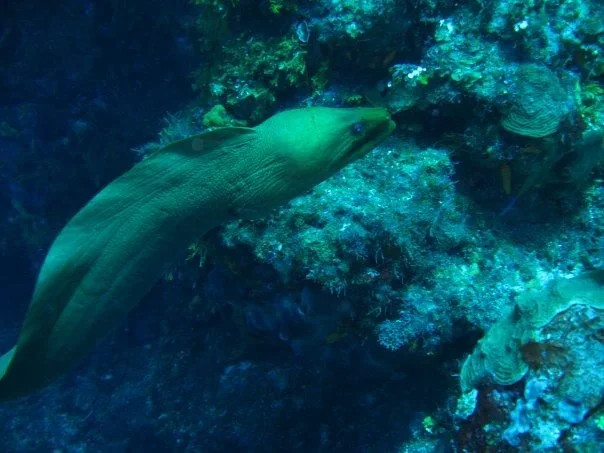
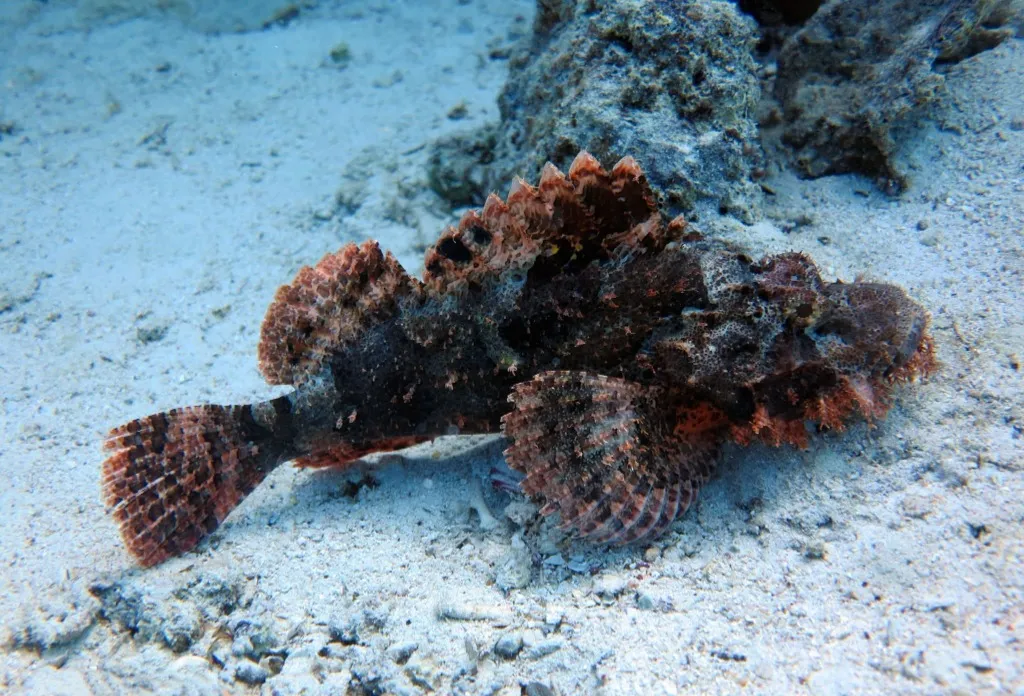
Other regular sightings include moray eels, scorpionfish, lionfish, and schools of sweetlips, batfish, and surgeonfish, making for a lively and engaging dive.
Dive Sites Near Dry Dock
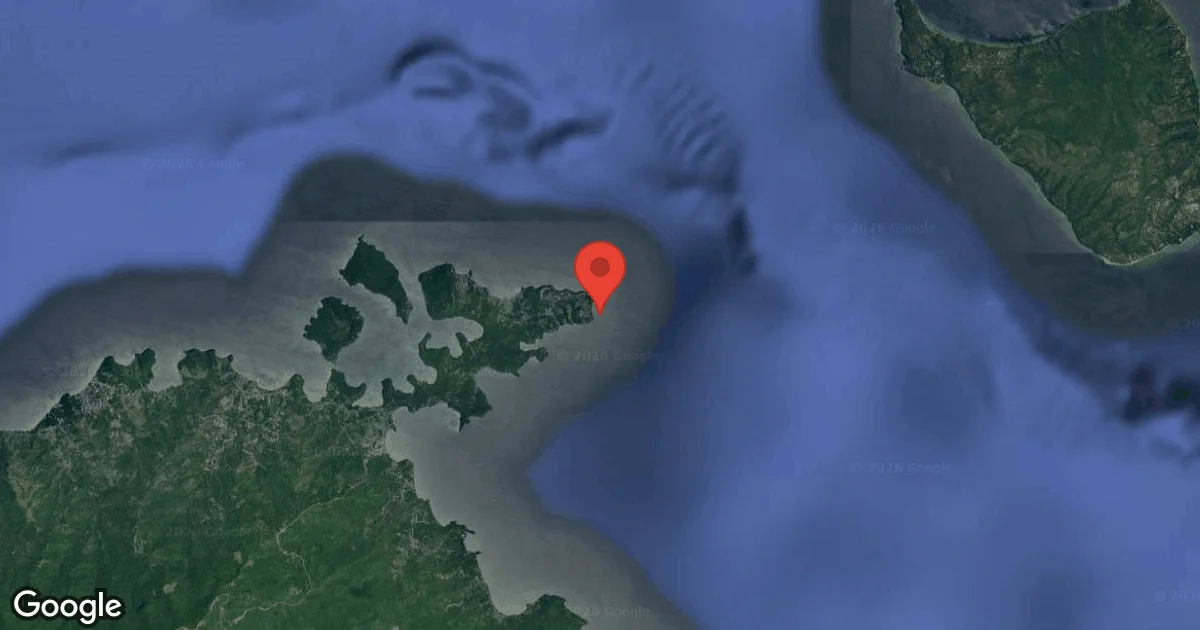
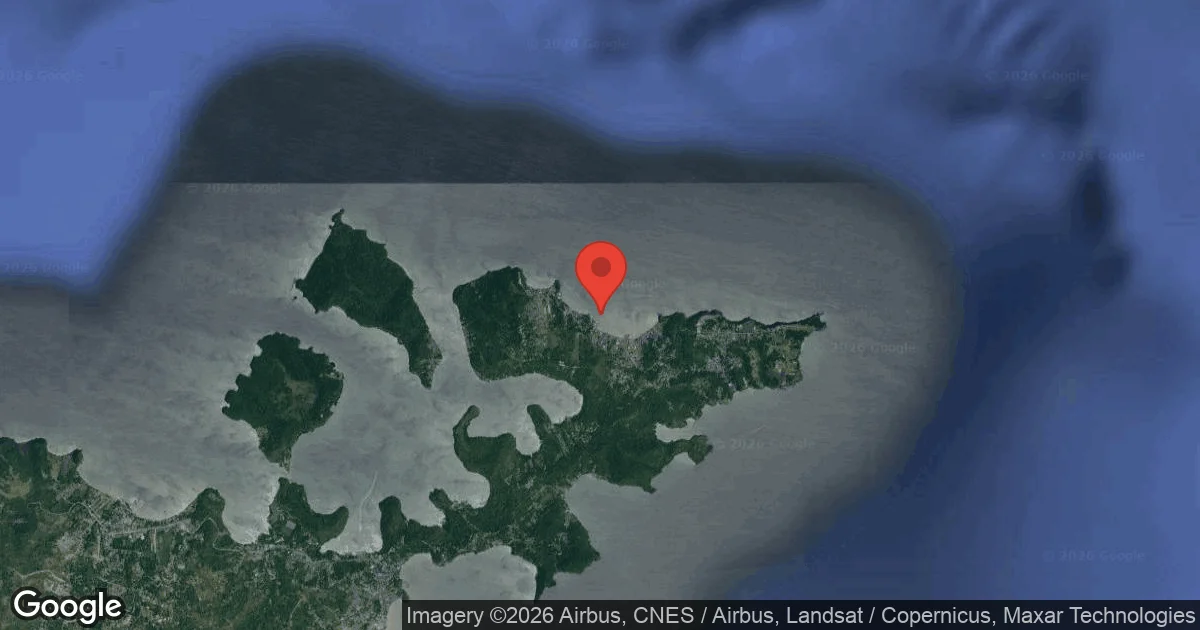
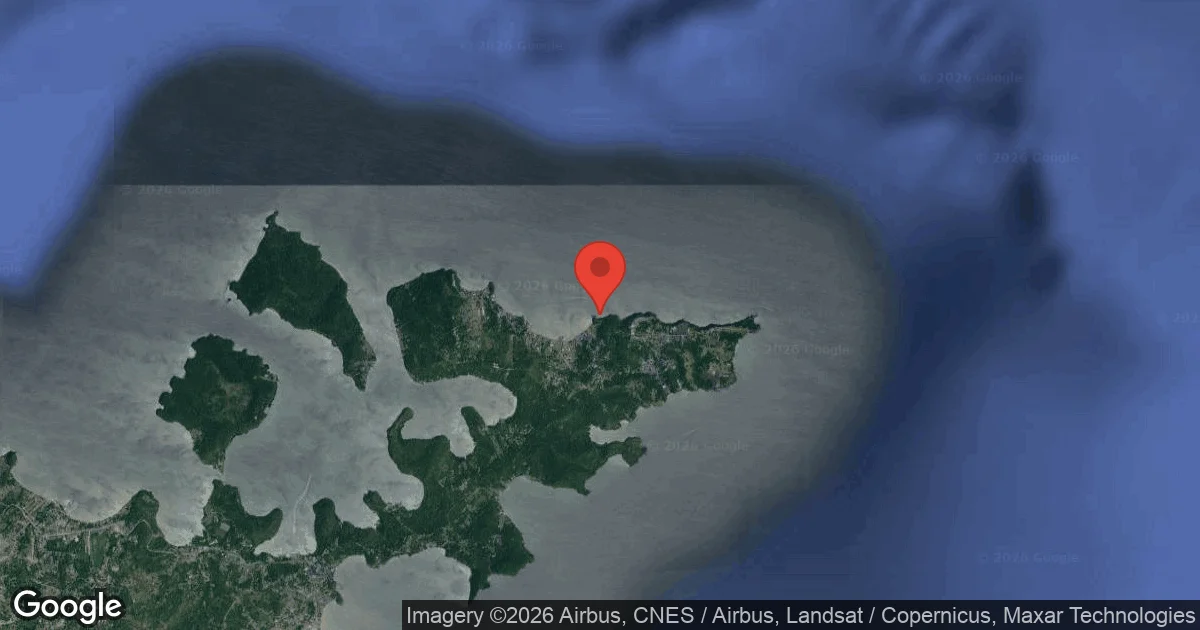
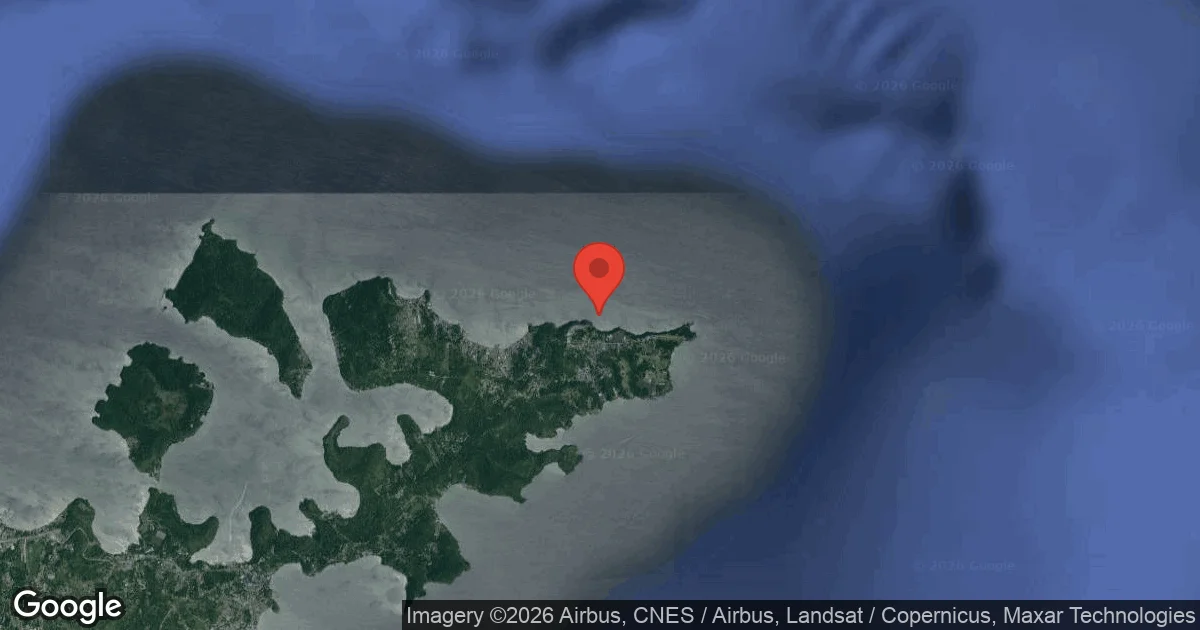
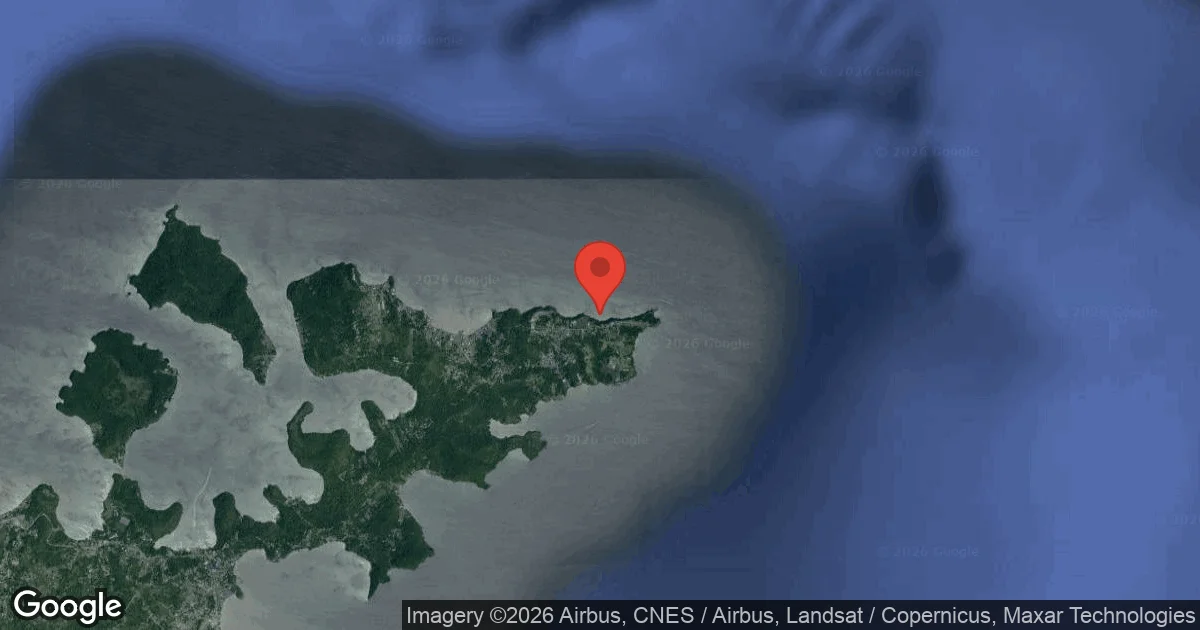
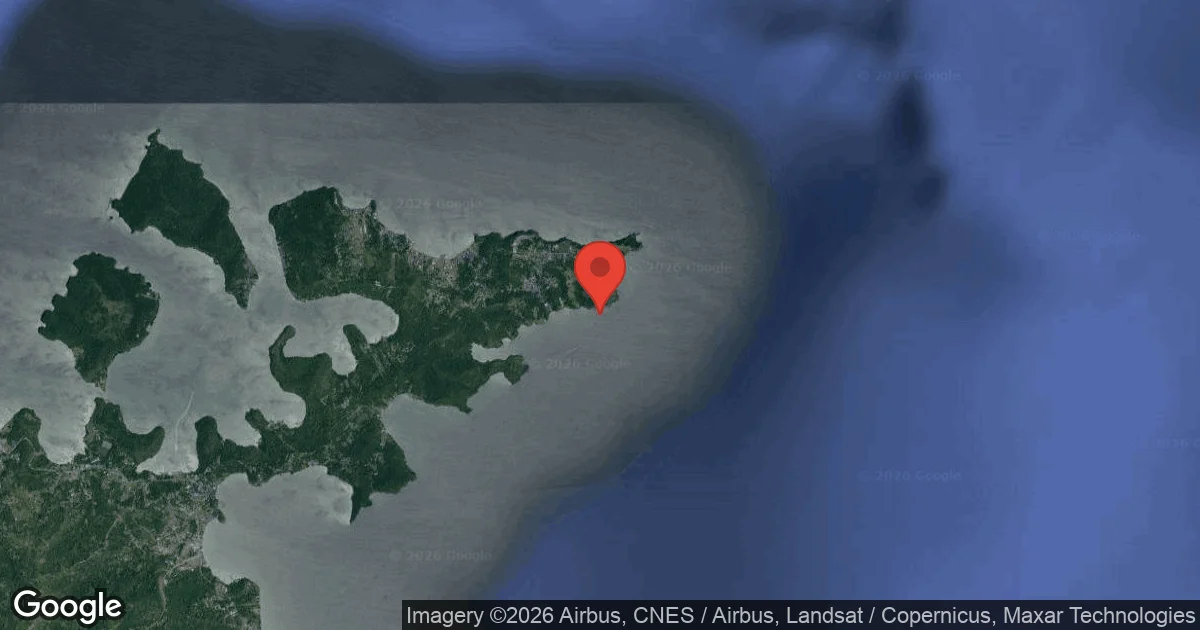
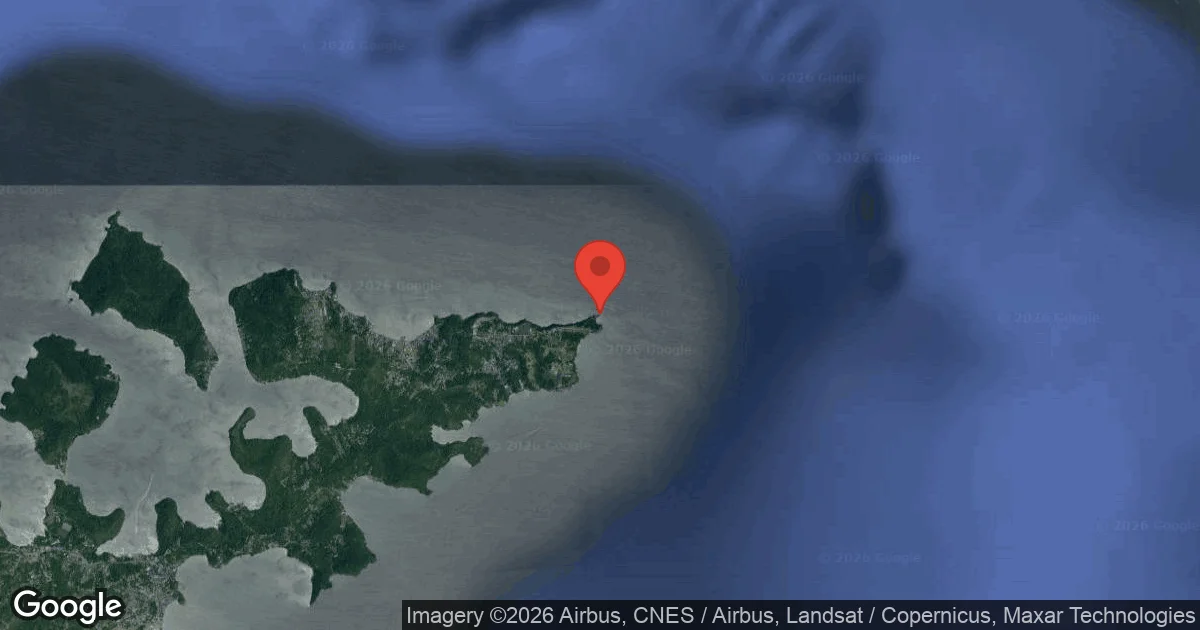
View all dive sites in PhilippinesDiscover more underwater gems in this area.
Dive Centers Near Dry Dock
Today: Open 24 hours
Nearest Airports
Nearest airports to help plan travel to this dive area.
Search Flights
Check available flights and routes on Expedia, using the nearby airports listed in this section.
Search Flights on ExpediaFrequently Asked Questions
What is the recommended certification level for Dry Dock?
Dry Dock is considered an intermediate dive site, making it unsuitable for beginners. PADI Advanced Open Water Diver certification or equivalent is highly recommended due to the required blue water descent and potential for strong currents.
What is the maximum depth at Dry Dock?
The maximum dive depth at Dry Dock is 30 m / 98 ft. The main structure of the dry dock itself is found at approximately 25 meters.
When is the best time of year to dive Dry Dock?
The best months to dive Dry Dock are from November to May when conditions are generally calmer and clearer. The typhoon season, from July to October, may bring increased rainfall and affect visibility.
What kind of marine life can I expect to see?
Dry Dock hosts a diverse array of marine life, including pufferfish, porcupine fish, nudibranchs, and flatworms on the wreck itself. Adjacent to the wreck, the coral reef ridge is home to octopus, pygmy seahorses, and anemone fish, along with moray eels and scorpionfish.
Are there strong currents at Dry Dock?
Currents at Dry Dock are often mild; however, they can sometimes be tough. Divers should be prepared for varying current conditions, which is why the site is not recommended for beginners.
Are diving permits required for Dry Dock?
Yes, diving permits may be required to dive at Dry Dock. These permits can typically be obtained from local dive shops in the Puerto Galera area.
Planning to dive Dry Dock?
Send one inquiry and receive offers directly from the best verified local dive operators.
Conditions are Good
07:00 - 14:00
Optimal conditions expected
Current conditions near Dry Dock show 28° air, 29° sea temperature, 0.0 m waves, and 17 km/h wind. Forecast data is refreshed regularly to ensure accuracy.