
Diving at Pygmy House (Philippines)
Pygmy House stands as a captivating dive site within the Bohol, Anda region of the Philippines, offering a distinctive blend of sandy slopes and vibrant reef walls. Its particular draw is the unique macro life, primarily the elusive pygmy seahorse, expertly camouflaged on specific seafans. It also serves as a busy cleaning station, providing exceptional opportunities to observe turtles in their natural behavior. Pygmy House presents a different facet of Philippine diving, complementing the broader appeal of pelagic encounters.
Tonight's objective overview for Pygmy House shows an air temperature of 30°C. The measured surface conditions include wave heights around 0.2 m. This environmental data is logged for the close of the day.
Dive Site Location & Key Facts
Dive Site Overview
Beyond its reputation for thrilling pelagic encounters, Pygmy House vividly reveals the Philippines' profound historical context for macro diversity. Diving here immerses you in intricate ecosystems that sustain species such as the Bargibant's Pygmy Seahorse, first documented in 1969, perfectly camouflaged on Muricella spp gorgonian seafans across the wider Indo-Pacific.
A typical dive begins over expansive sandy slopes, gently descending before transitioning into a series of vibrant, often current-swept reef walls. Varied topography allows for exploration across different microhabitats. While a maximum depth of 30 m (98 ft) is achievable, much of the site's rich activity and densest macro life are concentrated at shallower to mid-range depths.
Divers frequently experience gentle drift conditions along the wall, enabling effortless exploration and close observation of the reef's complex interactions. These currents, however, can fluctuate from mild to moderate, requiring a degree of attentiveness to maintain position.
Along the walls and amidst sandy patches, an impressive array of smaller creatures thrives, making it a prime location for dedicated underwater photography. Observing resident turtles utilizing bustling cleaning stations is a common highlight, alongside countless nudibranchs and crustaceans nestled within intricate coral structures.
Such detailed observations underscore the enduring appeal and ecological significance of this region's smaller inhabitants.
Conditions are Good
07:00 - 14:00
Optimal conditions expected
Current conditions near Pygmy House show 30° air, 30° sea temperature, 0.3 m waves, and 22 km/h wind. Forecast data is refreshed regularly to ensure accuracy.
Best Time to Dive
Planning your dive at Pygmy House for optimal enjoyment often aligns with the region's drier, calmer periods. May and October typically register 'Excellent' dive scores, benefiting from reduced rainfall and more stable sea conditions, which contribute to better visibility. Throughout these periods, average air temperatures remain comfortably warm, ranging from 28°C (82°F) in April to 28.5°C (83°F) in May. While specific water temperature data for this site isn't consistently reported, the tropical climate ensures generally warm waters year-round. Divers seeking clear, undisturbed conditions with minimal wind should target the period from April to October, which consistently shows lower wave heights and steady air temperatures, enhancing the overall dive experience.
PEAK SEASON SCORE
Scores combine air & water temps, waves, wind & rainfall for overall conditions.
BEST MONTHS TO DIVE
Monthly records compiled from satellite and marine observation nodes over the last 3 years. Data provided by Open-Meteo and MET Norway.
Dive Experience & Conditions
Pygmy House dives typically begin with a boat entry into a dynamic underwater environment. Expect to start over sandy slopes before transitioning into impressive reef walls. Following the reef, currents frequently dictate a gentle drift, allowing divers to glide along the vibrant wall without extensive finning. Such drift conditions, at times, can be quite pronounced, requiring continuous awareness from divers. Though the site reaches a maximum depth of 30 m (98 ft), much of the activity concentrates along the wall at shallower to mid-range depths. Visibility is generally good, supporting excellent macro observations and enabling full appreciation of intricate coral structures and small inhabitants. Water temperatures are consistently warm, aligning with tropical norms. When currents are stronger, advanced buoyancy control and finning techniques prove more important for stable observations and optimal positioning near the reef.
Dive Difficulty & Safety Guidelines
Diving at Pygmy House, like many delicate reef environments, requires a strong emphasis on responsible diving practices, particularly for divers across all skill levels. Maintaining excellent buoyancy control is paramount, especially when navigating close to the reef walls and gorgonian fans that host pygmy seahorses. Divers should avoid any contact with the coral structures or marine life to prevent damage, as these ecosystems are fragile.
While no specific hazards are reported, awareness of your surroundings and potential currents, especially during drift dives, is always important. PADI Open Water Diver certification is suitable for shallower areas, but those wanting to explore deeper sections and manage drift will benefit from PADI Advanced Open Water Diver training.
Recommended Equipment
Current and surface separation risk. Local briefing strongly recommended.
- Dive Computer
- DSMB
- Reel / Spool
This gear list is based on verified equipment signals for Pygmy House, Philippines. Always confirm final gear choices with your dive operator, guide, or liveaboard.
Recommended Dive Suit
Dive skin or rash guard usually provides adequate warmth in water around this temperature. Water conditions at Pygmy House are currently measured at approximately 30°C (86°F). Surface air temperatures are resting at 30°C (86°F).
The coming days appear slightly cooler according to the latest forecast. Cooler days are ahead; you might want a warmer option for later in the week. Some divers bring an extra layer for surface intervals between dives.
Conditions can vary slightly across different parts of the same dive site.
Emergency & Medical Support
Essential information to help you plan your dive trip to Pygmy House.

Hyperbaric chambers are a critical part of dive safety infrastructure. Availability varies significantly by region, and not all dive areas have immediate access.
Before diving, it's recommended to:
- confirm nearest medical facilities
- check emergency procedures with local dive operators
- ensure dive insurance covers evacuation if required
Divers Alert Network
Diving emergency assistance available through DAN World.
+1-919-684-9111- 24/7 emergency hotline
- Diving medical assistance
- Evacuation coordination
Emergency contacts are provided for reference. Always verify local emergency services before diving.
Marine Life at Pygmy House
Pygmy House's underwater landscape is rich with biodiversity, designed for close observation. A primary attraction remains the pygmy seahorse, masterfully camouflaged within the branches of gorgonian seafans.
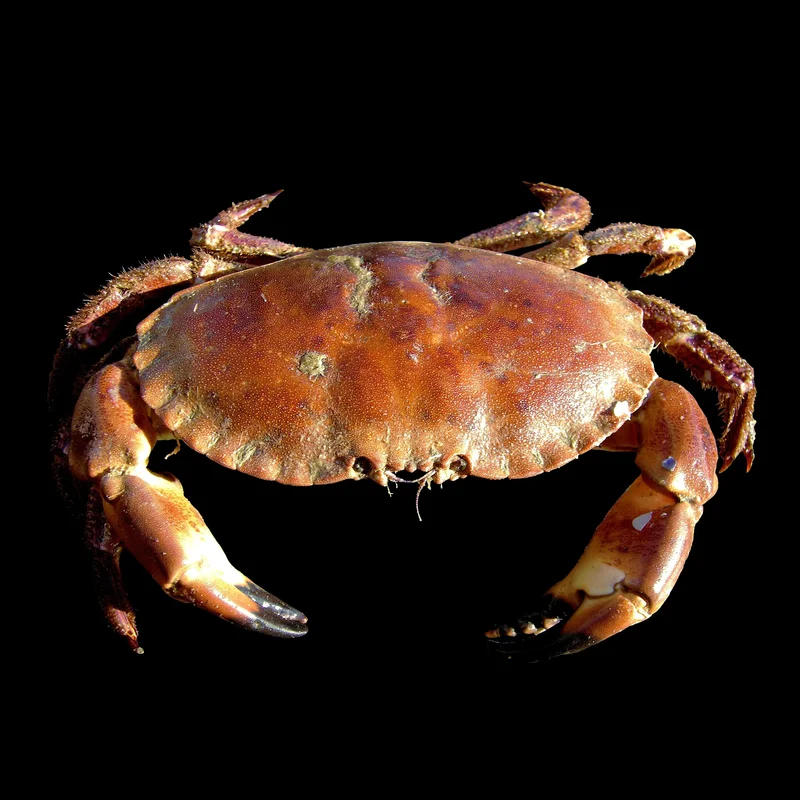
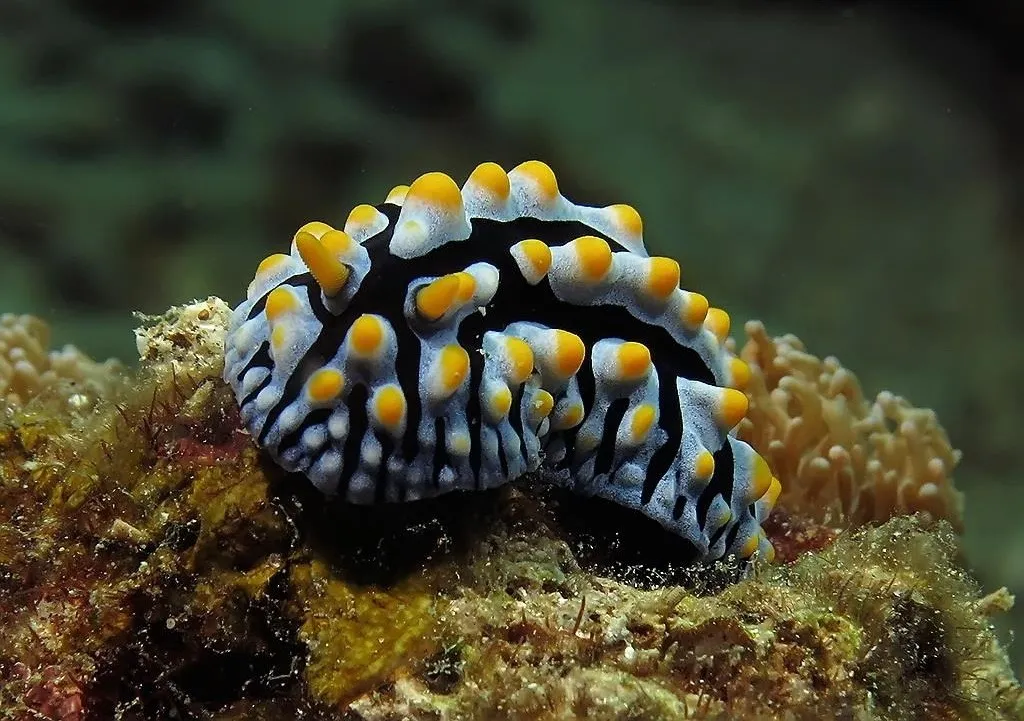
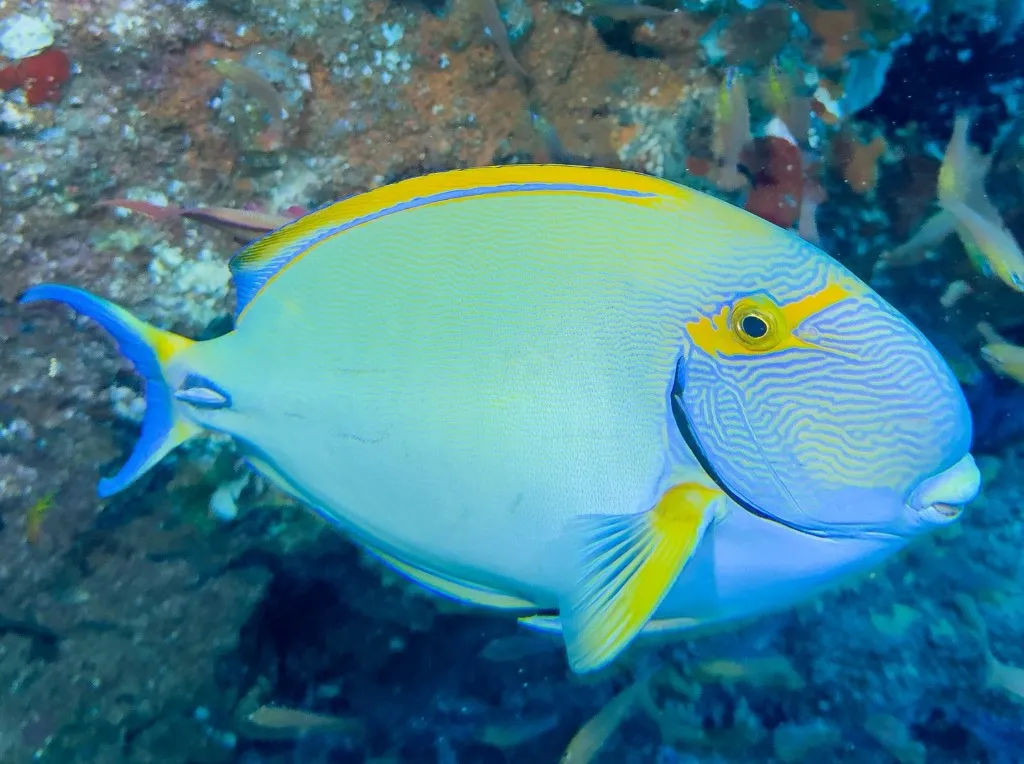
As you explore sandy slopes and reef walls, keep an eye out for a variety of nudibranchs and crustaceans, including distinctive orangutan crabs. As a cleaning station, the site frequently brings turtles, providing excellent observation opportunities.
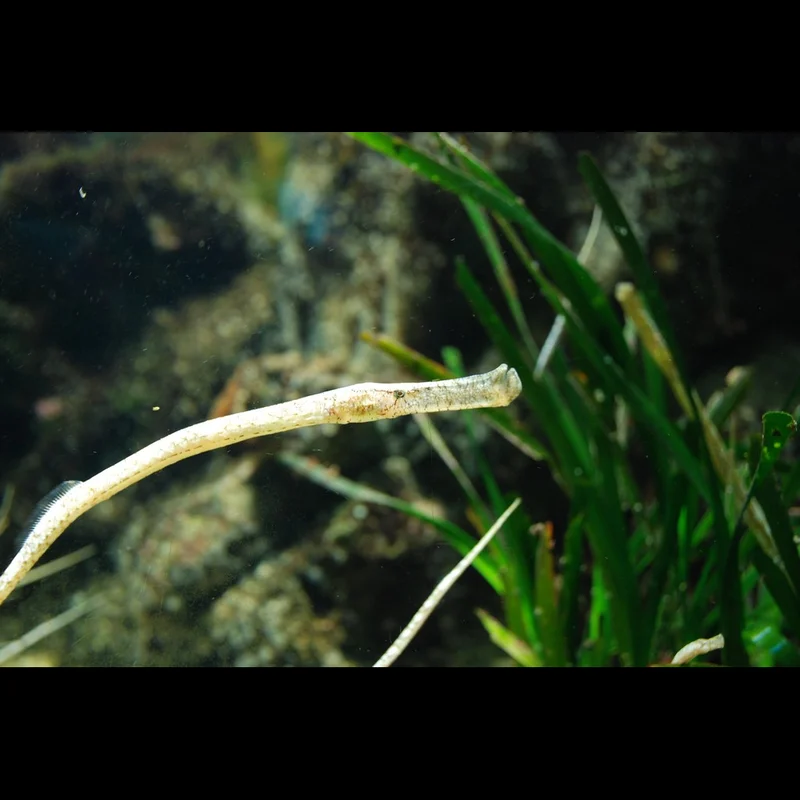
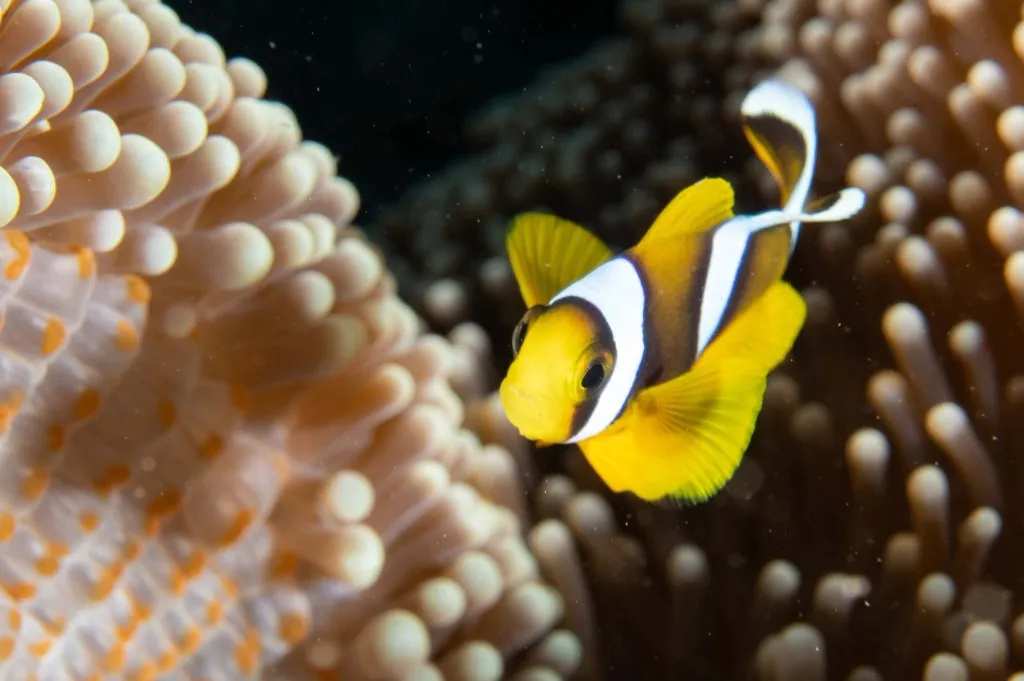
Among corals and rocky outcrops, you'll also encounter a diverse array of reef fish, from pipefish and clownfish to surgeonfish and puffer fish, creating a vibrant, bustling environment.
Dive Sites Near Pygmy House
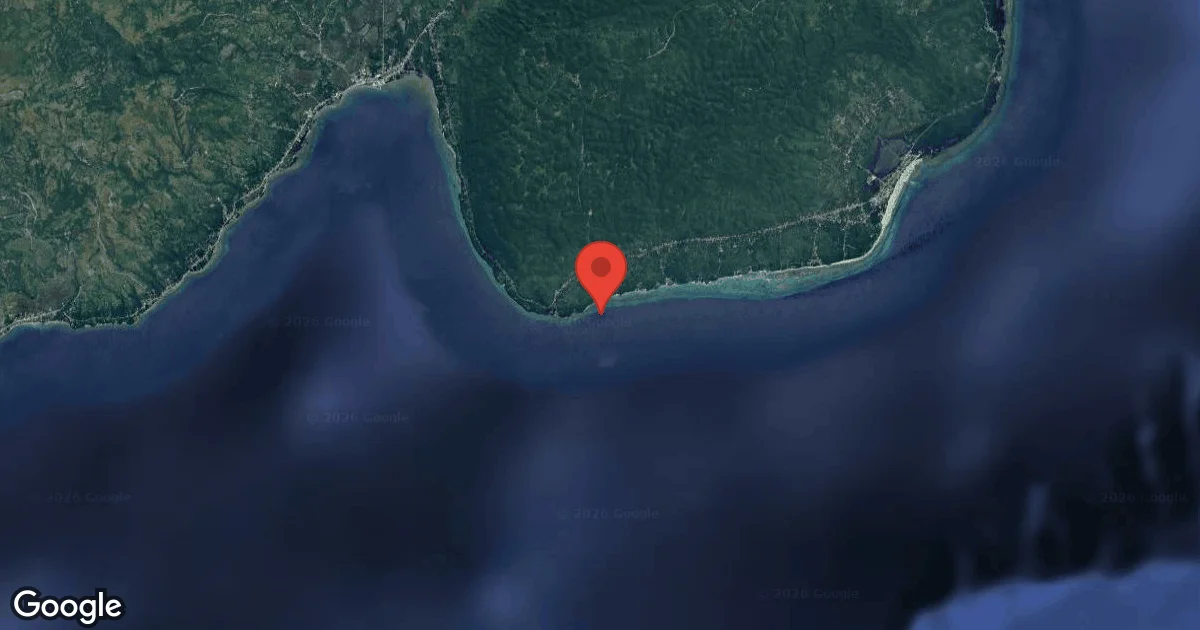
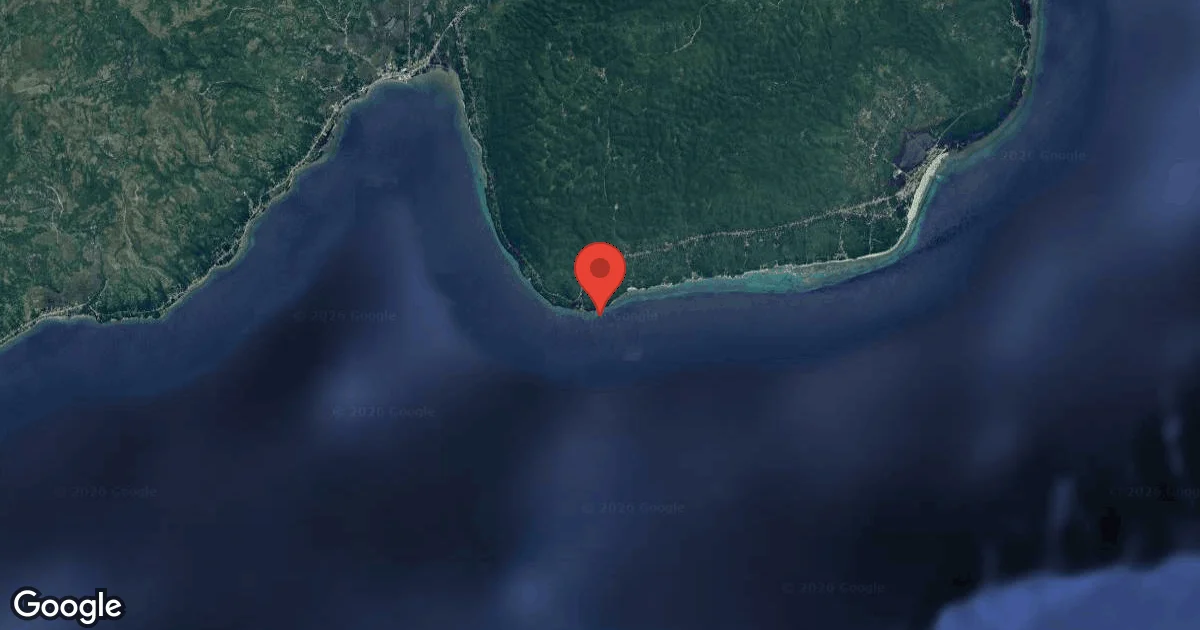
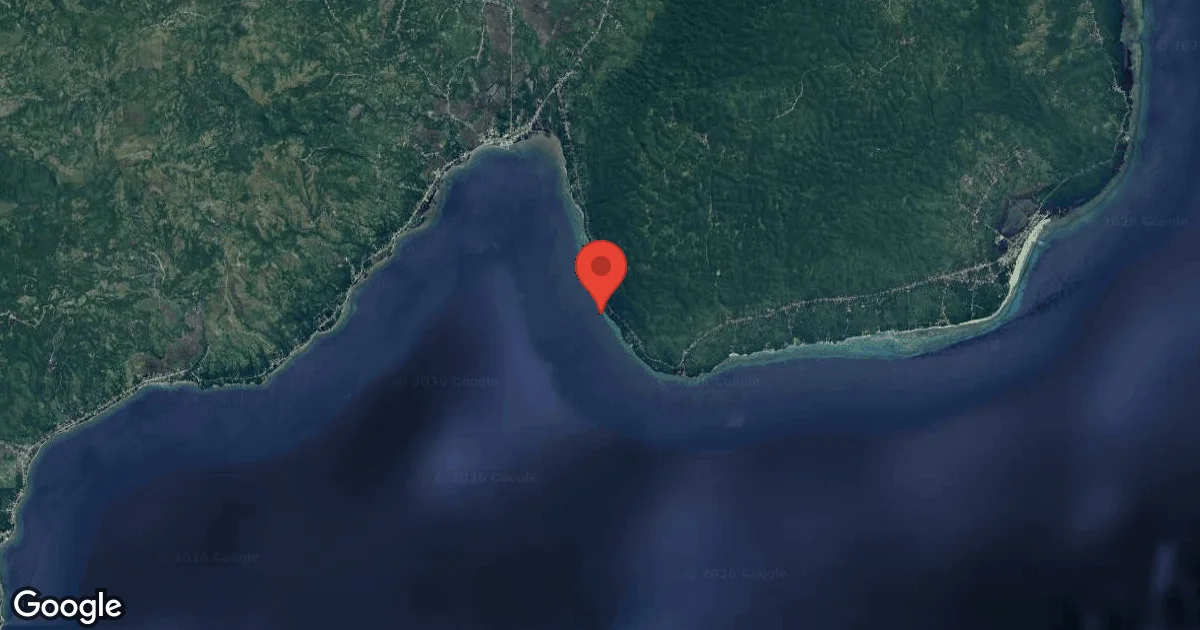
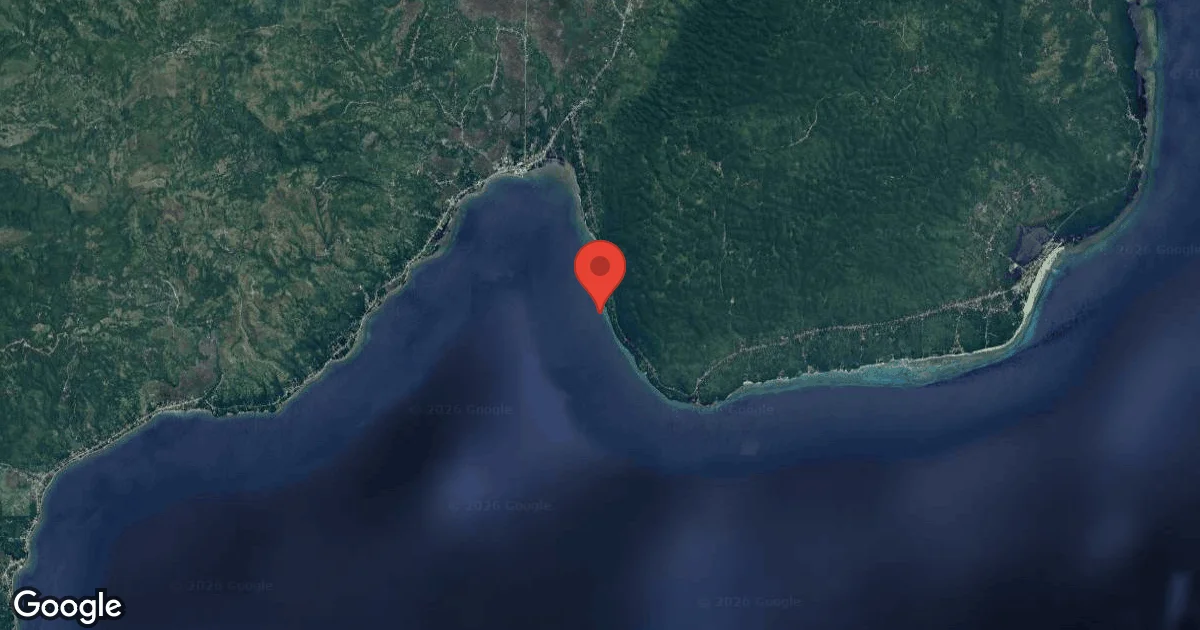
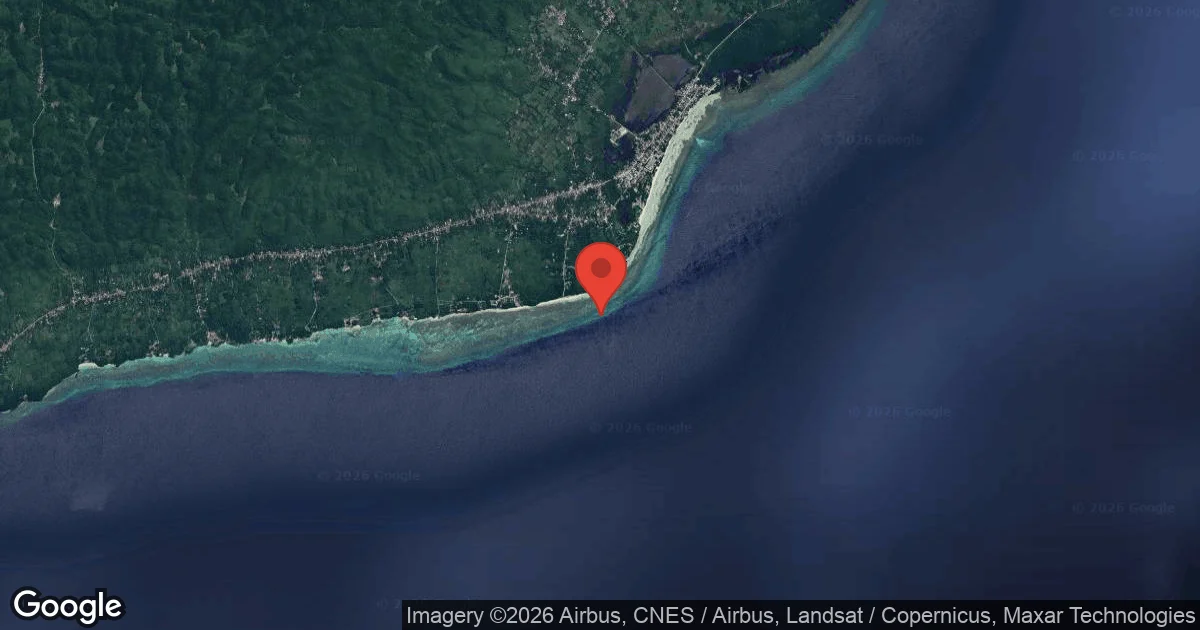
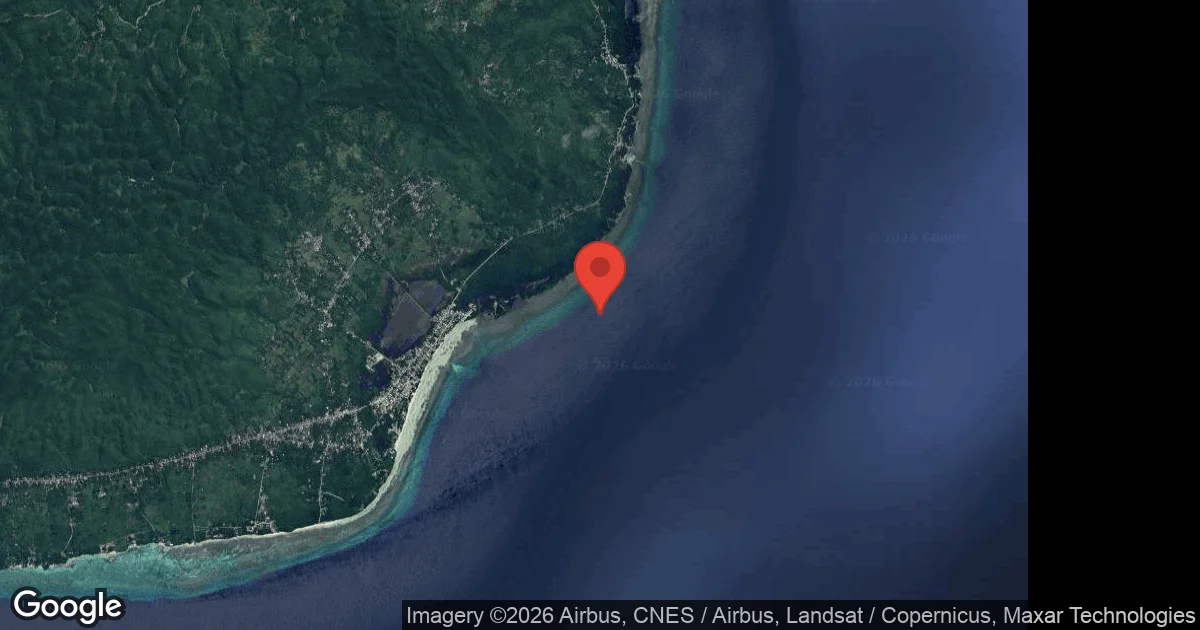
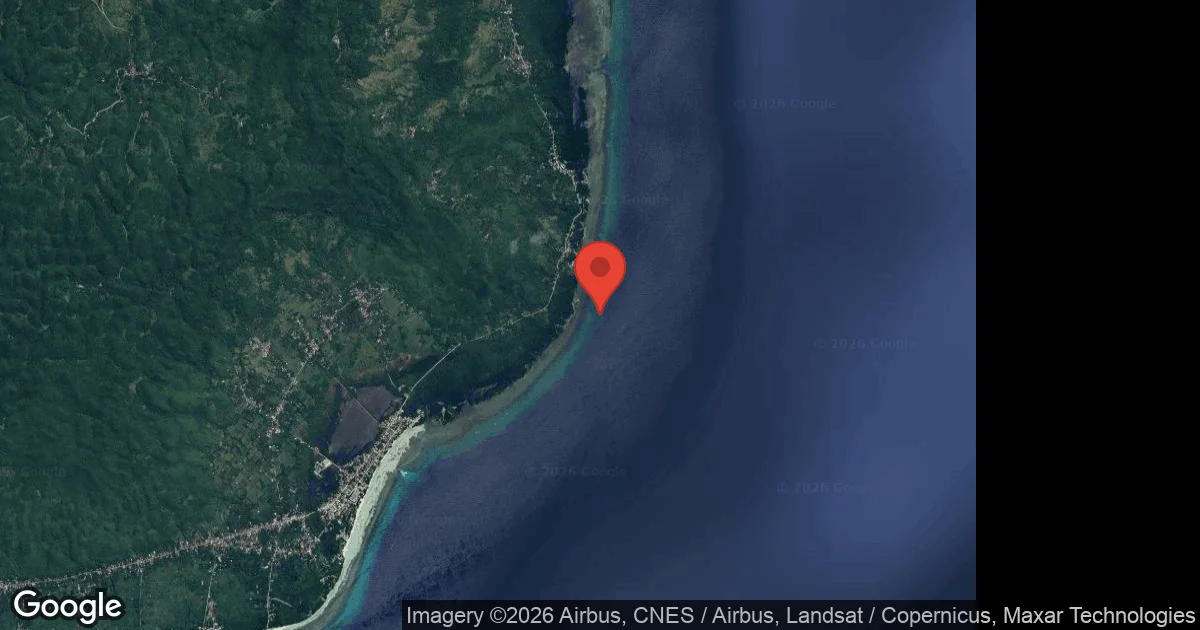
View all dive sites in PhilippinesDiscover more underwater gems in this area.
Dive Centers Near Pygmy House
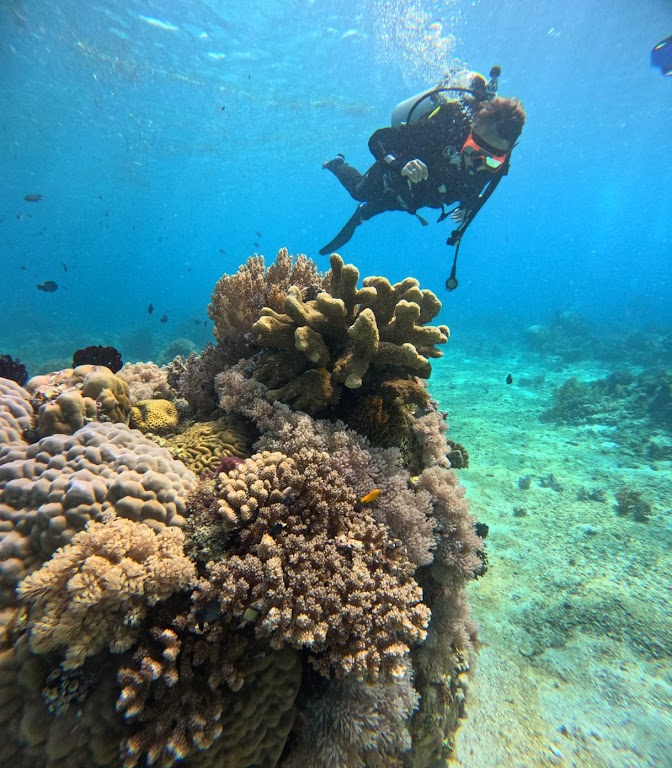

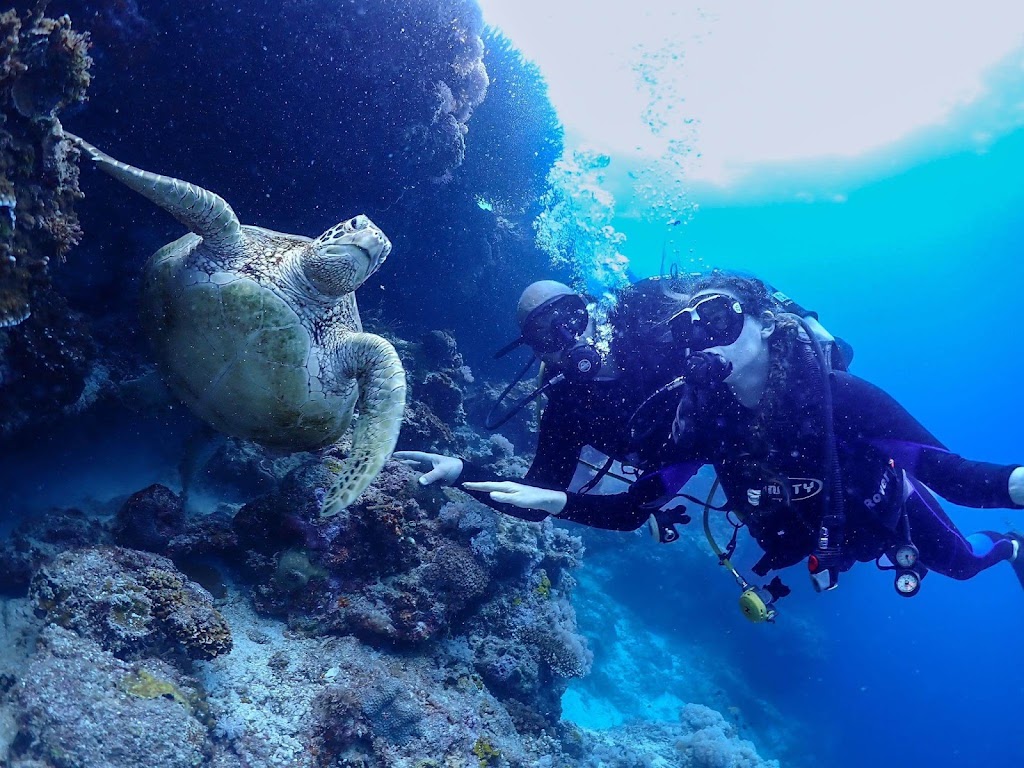
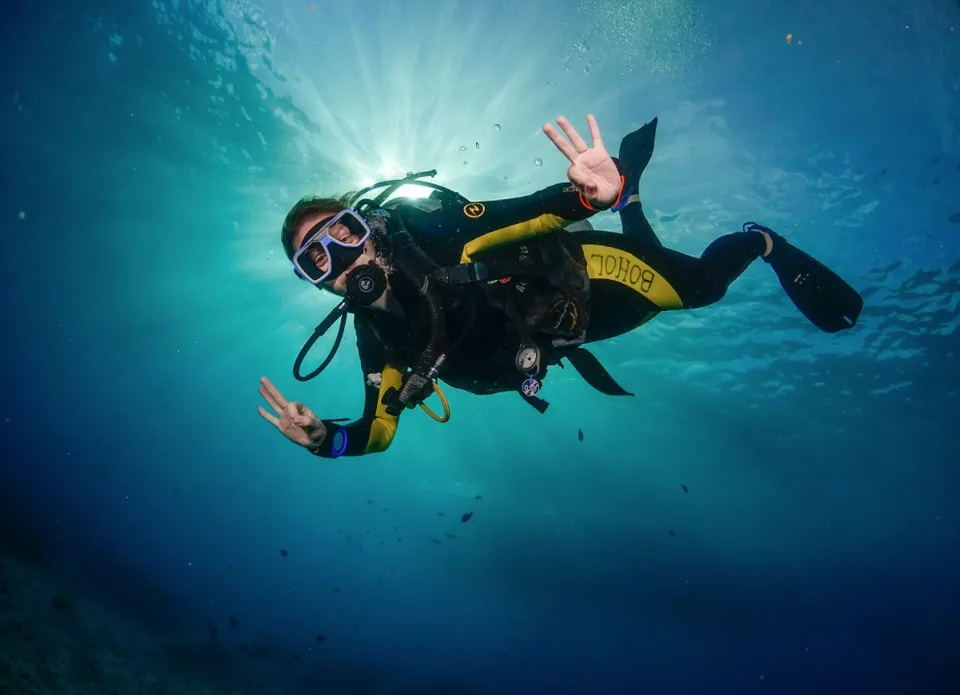
Nearest Airports
Nearest airports to help plan travel to this dive area.
Search Flights
Check available flights and routes on Expedia, using the nearby airports listed in this section.
Search Flights on ExpediaFrequently Asked Questions
What is the main highlight of diving at Pygmy House?
Pygmy House is most celebrated for its remarkable macro life, especially the elusive pygmy seahorse. These tiny creatures are often found perfectly camouflaged on gorgonian seafans, offering a rewarding challenge for keen observers and photographers.
What kind of diving can I expect at Pygmy House?
Divers can expect a combination of sandy slope and reef wall diving. Conditions often allow for drift diving along the wall, guided by the prevailing currents. It's an excellent site for macro photography and exploring diverse coral formations.
Are there any specific guidelines for interacting with marine life, especially pygmy seahorses?
Yes, it's crucial not to touch the pygmy seahorses or the gorgonian seafans they inhabit. Maintaining excellent buoyancy is essential to avoid disturbing these delicate creatures and their fragile coral homes. Limiting flash photography also helps reduce stress on the seahorses.
What is the maximum depth at Pygmy House?
Maximum depth for diving at Pygmy House is approximately 30 m (98 ft). However, much of the site's notable marine life and reef structures can be observed at shallower and mid-range depths.
Is Pygmy House suitable for beginner divers?
While PADI Open Water Diver certified individuals can enjoy some aspects of the site, those with Advanced Open Water Diver training will be better equipped to handle potential currents and explore the full range of depths and features comfortably.
Besides pygmy seahorses, what other marine life might I see?
Beyond pygmy seahorses, you're likely to encounter a variety of nudibranchs, orangutan crabs, and many reef fish like pipefish, scorpionfish, and angelfish. The site also functions as a cleaning station, so sightings of turtles are common.
Planning to dive Pygmy House?
Send one inquiry and receive offers directly from the best verified local dive operators.
Conditions are Good
07:00 - 14:00
Optimal conditions expected
Current conditions near Pygmy House show 30° air, 30° sea temperature, 0.3 m waves, and 22 km/h wind. Forecast data is refreshed regularly to ensure accuracy.