
Diving at Suba Sanctuary (Philippines)
Suba Sanctuary draws divers into a sandy expanse that gradually transforms into a sloping reef. Starting at a shallow 7-8 meters before descending to depths around 30-35 meters / 98-114 feet, its diverse underwater environment guides the dive. It's a place offering both flat, open areas and more profound sloped sections, appealing to various exploration styles.
Evening condition tracking at Suba Sanctuary features an air temperature of 27°C. We have recorded wave heights measuring 0.8 m during this period. These figures outline the environmental parameters currently present.
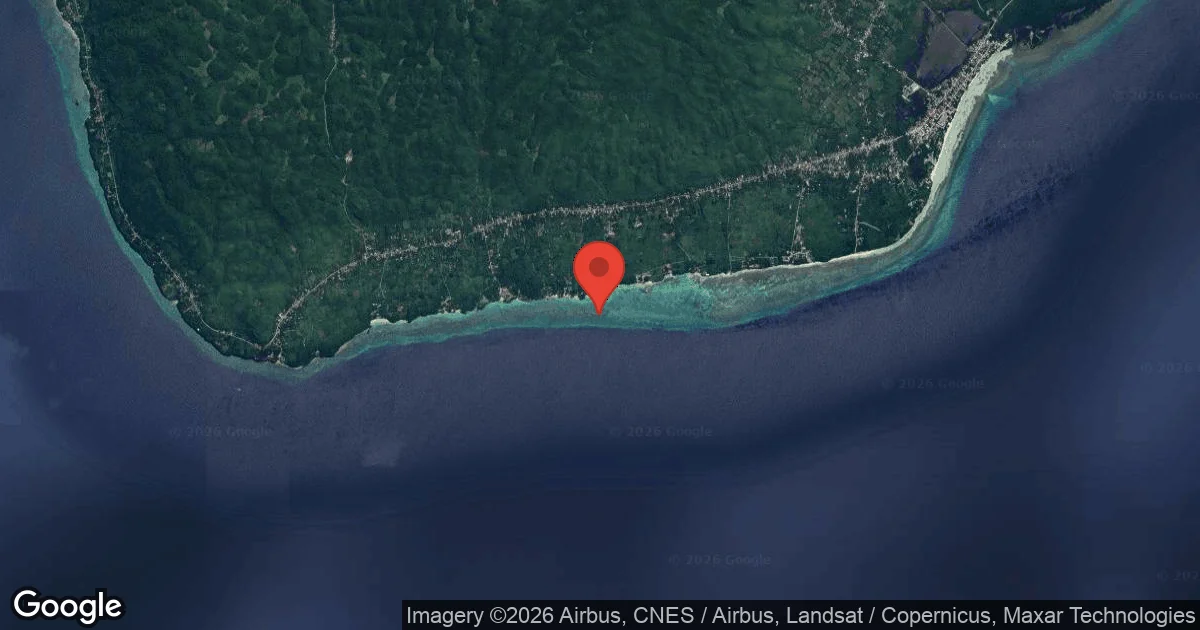
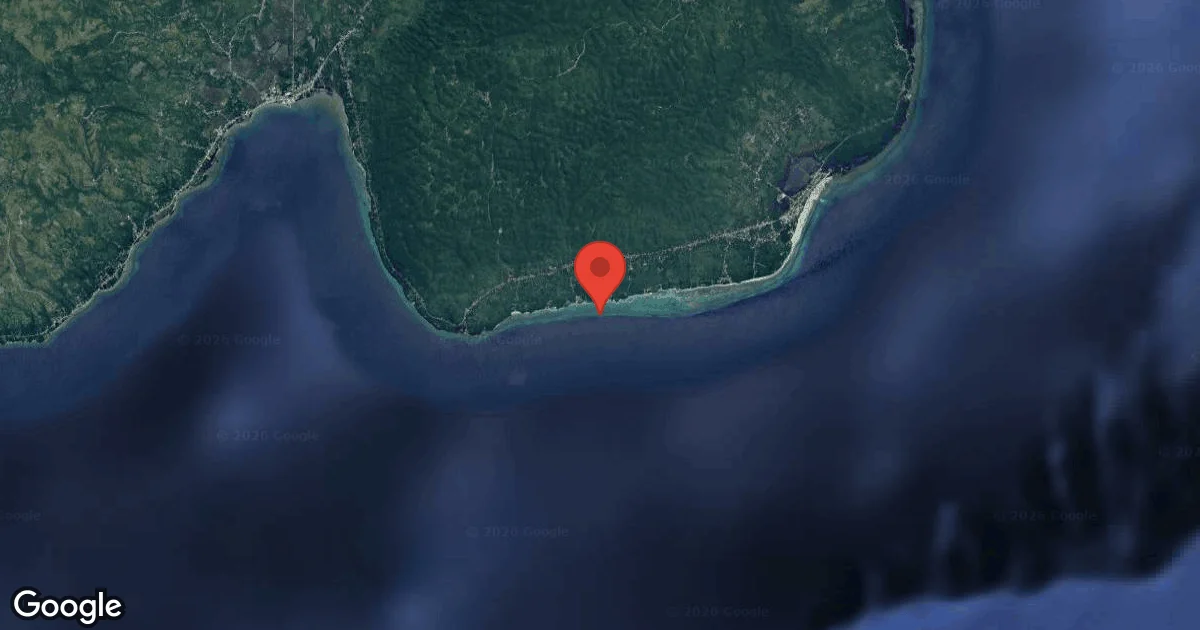
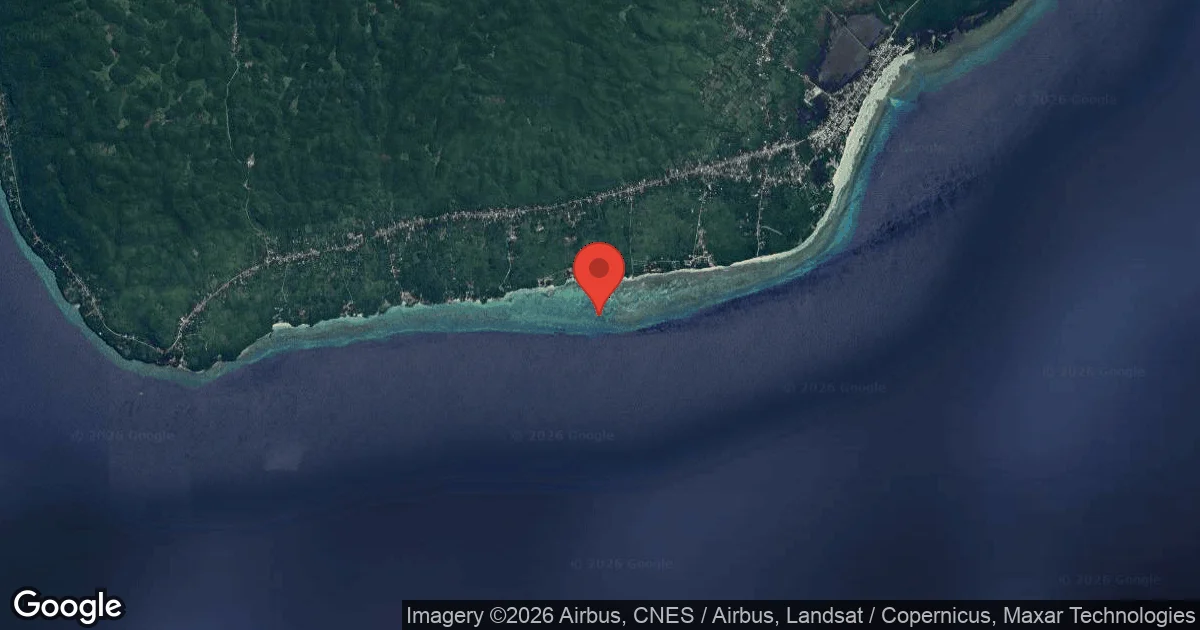
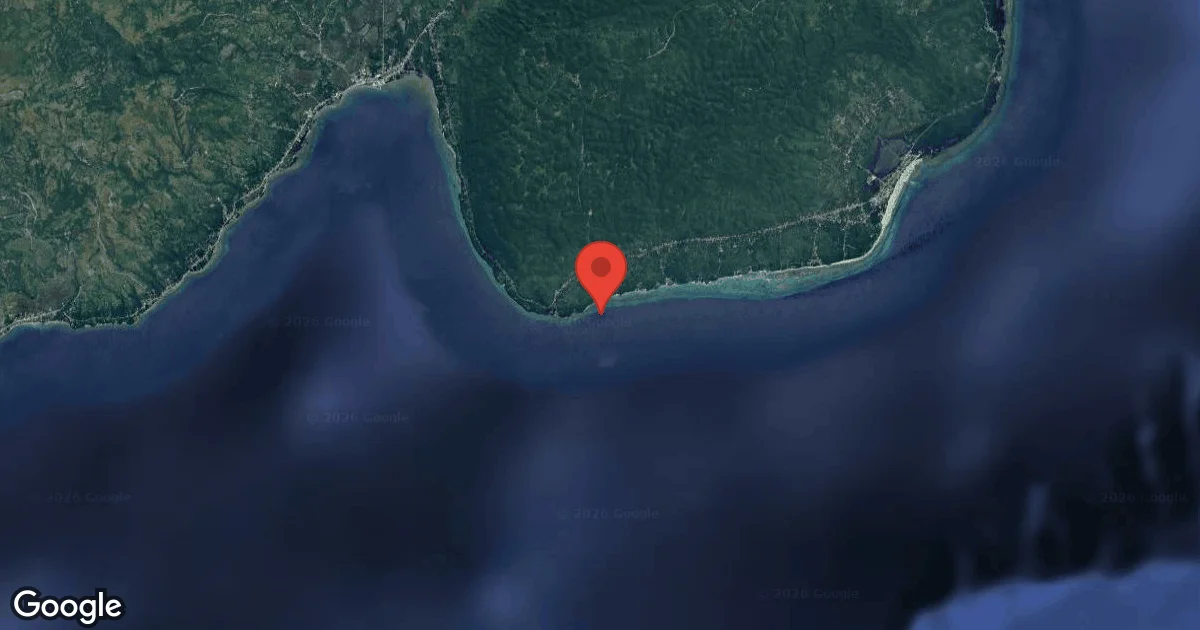
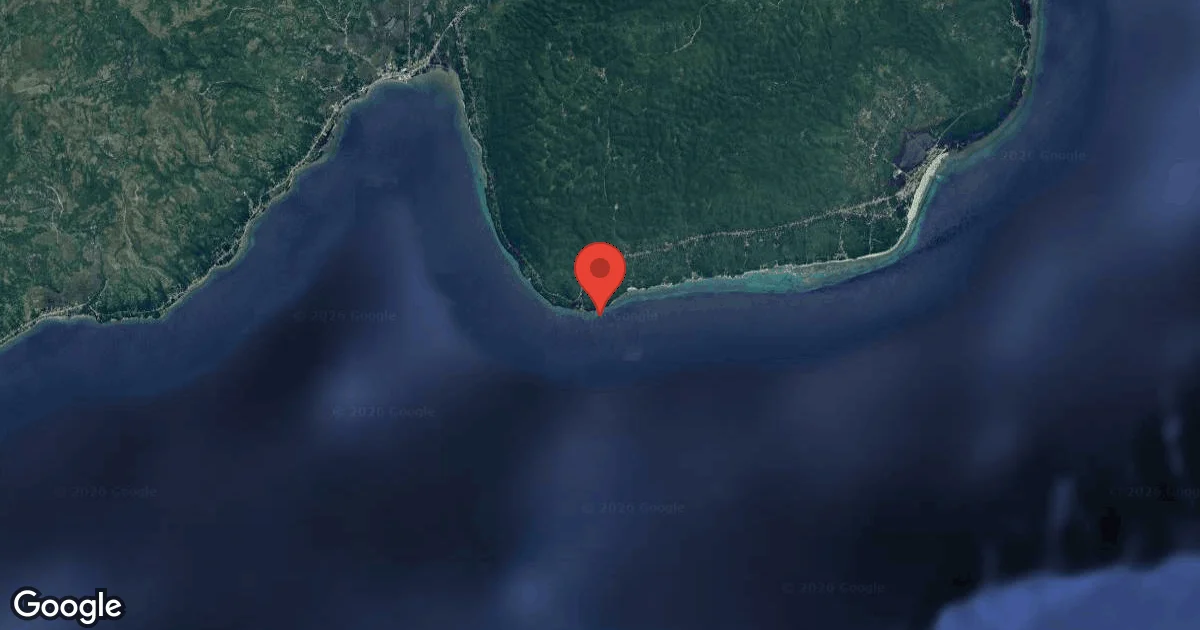
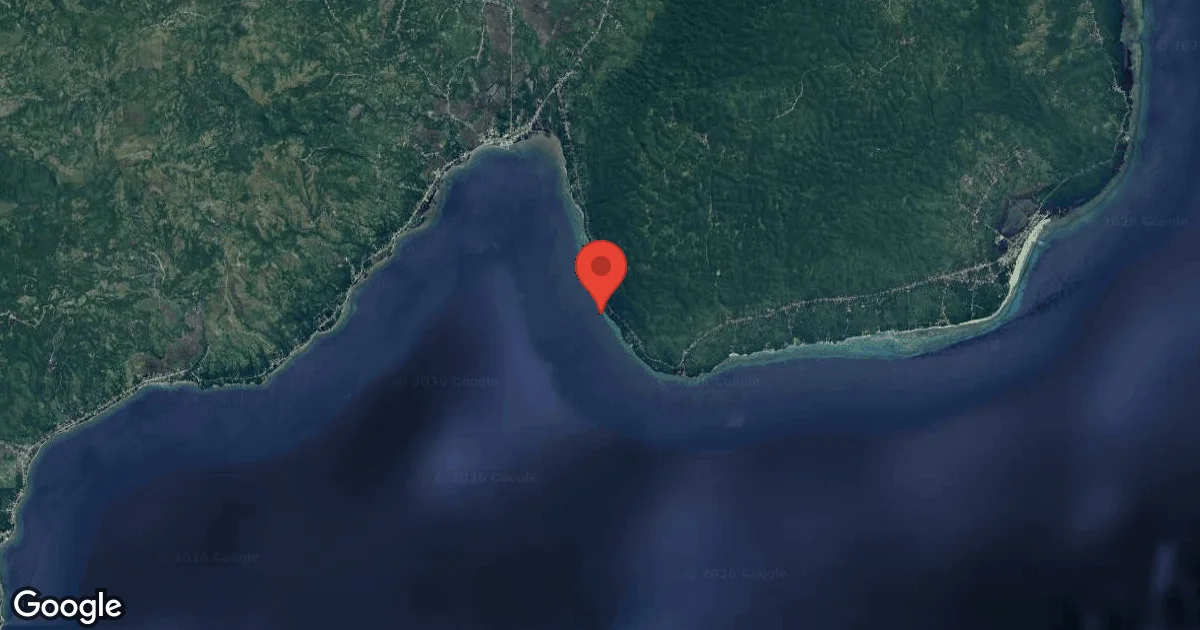
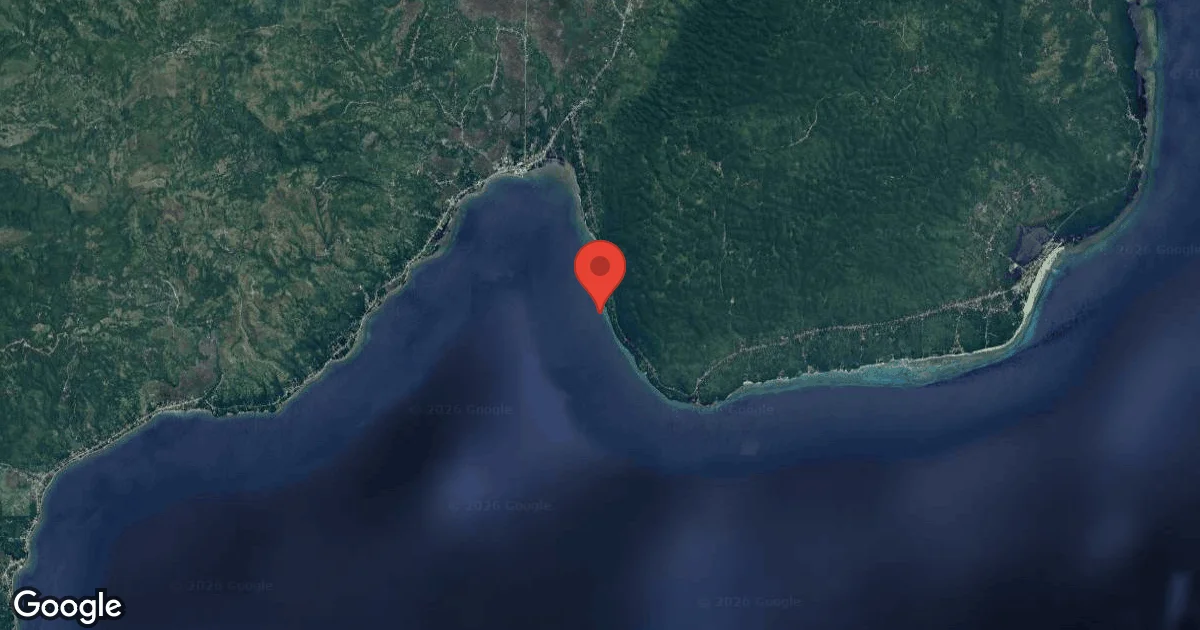
Dive Site Location & Key Facts
Dive Site Overview
The varied underwater topography here begins as a flat sandy expanse, then gradually descends to a maximum depth of 35 meters. This profile offers a continuously evolving dive, allowing for exploration across distinct micro-habitats within a single outing.
Divers transition from open sandy areas, ideal for uncovering cryptic macro life, to a vibrant, sloping reef adorned with colorful corals and anemones. A blend of muck, reef, and sandy bottom diving defines the experience, ensuring diverse encounters. Accessible for certified divers from beginners to experienced, it's a flexible choice for various skill levels.
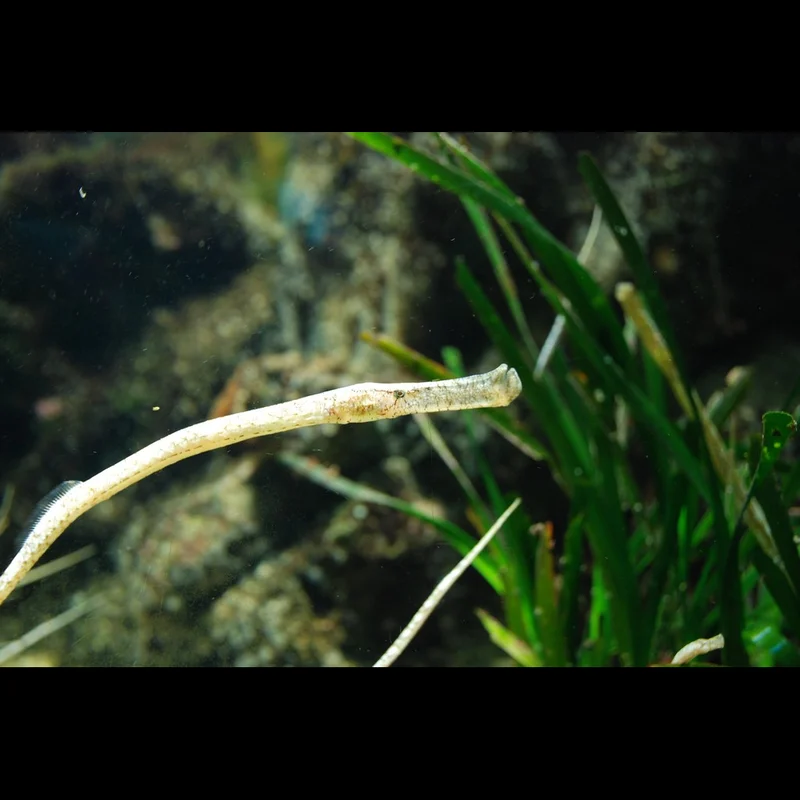
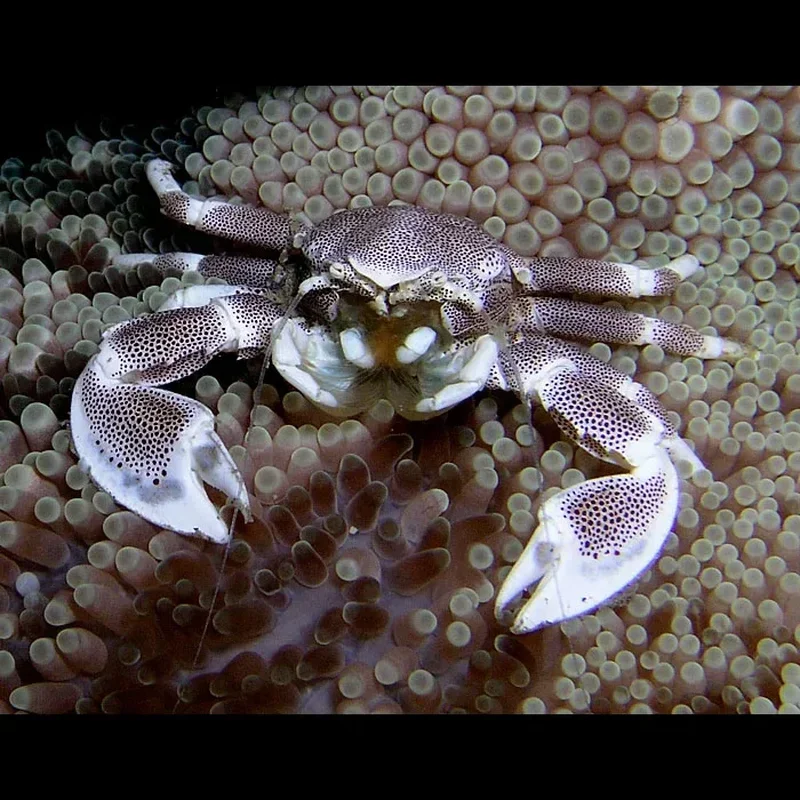
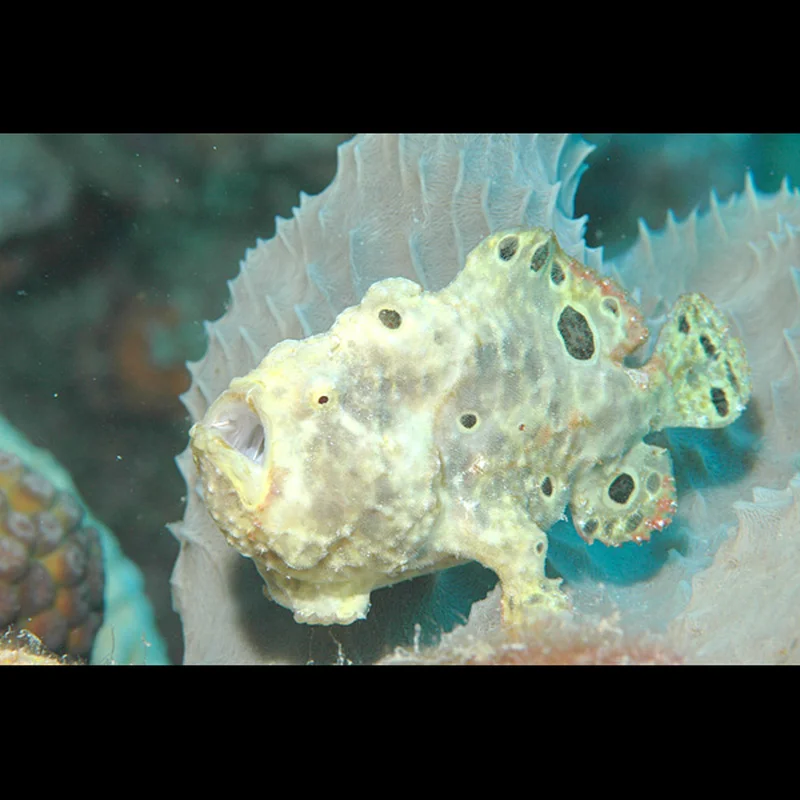
Expect to observe a rich tapestry of smaller marine creatures, including vibrant panda clownfish, delicate porcelain crabs, and a variety of shrimps. Keep a keen eye out for the often-camouflaged frogfishes and the slender pipefishes, known to frequent these waters.
Discovering such intricate life forms across a forgiving depth range, combined with a welcoming environment for all diver levels, solidifies its appeal.
Conditions are Good
07:00 - 14:00
Optimal conditions expected
Current conditions near Suba Sanctuary show 27° air, 30° sea temperature, 0.5 m waves, and 24 km/h wind. Forecast data is refreshed regularly to ensure accuracy.
Best Time to Dive
Optimal diving conditions at Suba Sanctuary are consistently favorable throughout the year, with May and October often presenting the best experiences, reflected in "Excellent" dive scores. Air temperatures during these prime months typically hover around 27-28°C / 81-82°F, ensuring comfortable surface intervals. Rainfall is generally low, particularly in April and May, averaging around 3.6-7.4 mm, contributing to stable conditions. Water temperatures are not consistently reported but are generally warm in the Philippines. Waves usually remain below 0.8 meters, and wind speeds are moderate, averaging 13-19 km/h, which supports smooth boat entries and exits. While the site welcomes divers year-round, these periods tend to offer the calmest seas and clearest conditions for exploring the sanctuary's diverse depths.
PEAK SEASON SCORE
Scores combine air & water temps, waves, wind & rainfall for overall conditions.
BEST MONTHS TO DIVE
Monthly records compiled from satellite and marine observation nodes over the last 3 years. Data provided by Open-Meteo and MET Norway.
Dive Experience & Conditions
Descending into Suba Sanctuary, divers immediately encounter the gradual shift from a shallow, flat sandy bottom to a more pronounced reef slope. Often, mild currents cultivate a relaxed dive experience, making navigation straightforward, though localized variations can occur. Philippine waters are known for their warmth, and while specific data for Suba Sanctuary isn't consistently available, expect comfortable water temperatures conducive to longer dives. Visibility often provides clear views of the changing topography and its inhabitants. Exploring the site, one feels immersed in a dynamic environment; the sandy areas invite slow, deliberate searching for macro life, while the reef sections are alive with colorful hard and soft corals. This site's structure allows for diverse routes, ensuring each visit feels like a fresh exploration.
Dive Difficulty & Safety Guidelines
Consider this site suitable for divers across all certification levels, from those completing PADI Discover Scuba Diving to experienced PADI Advanced Open Water divers. Full exploration, especially of deeper sections, necessitates appropriate certification for the maximum depth. Open Water divers can comfortably explore shallower reef and sandy areas.
Always dive within your training and comfort limits. Employing a dive computer is essential for tracking bottom time and managing no-decompression limits when exploring varying depths.
Good buoyancy control is paramount to protect the delicate marine environment and avoid disturbing life on the sandy bottom and corals.
Recommended Equipment
Deep dive hazard. Increased narcosis and gas consumption risk.
- Dive Computer
- DSMB
- Primary & Backup Lights
- Pointer / Muck Stick
This gear list is based on verified equipment signals for Suba Sanctuary, Philippines. Always confirm final gear choices with your dive operator, guide, or liveaboard.
Recommended Dive Suit
Forecast trends indicate little change in overall diving conditions during the next few days.
Divers who prefer a balanced level of warmth often select dive skin or rash guard in water temperatures like this. A hood or vest is suggested for sensitive divers due to surface winds.
At Suba Sanctuary, the water is currently sitting around 30°C (86°F). Surface air temperatures are resting at 27°C (81°F).
Due to technical issues with our weather providers, live updates are temporarily delayed. The data above reflects the conditions at the time of the last successful fetch.
Emergency & Medical Support
Essential information to help you plan your dive trip to Suba Sanctuary.

Hyperbaric chambers are a critical part of dive safety infrastructure. Availability varies significantly by region, and not all dive areas have immediate access.
Before diving, it's recommended to:
- confirm nearest medical facilities
- check emergency procedures with local dive operators
- ensure dive insurance covers evacuation if required
Divers Alert Network
Diving emergency assistance available through DAN World.
+1-919-684-9111- 24/7 emergency hotline
- Diving medical assistance
- Evacuation coordination
Emergency contacts are provided for reference. Always verify local emergency services before diving.
Marine Life at Suba Sanctuary
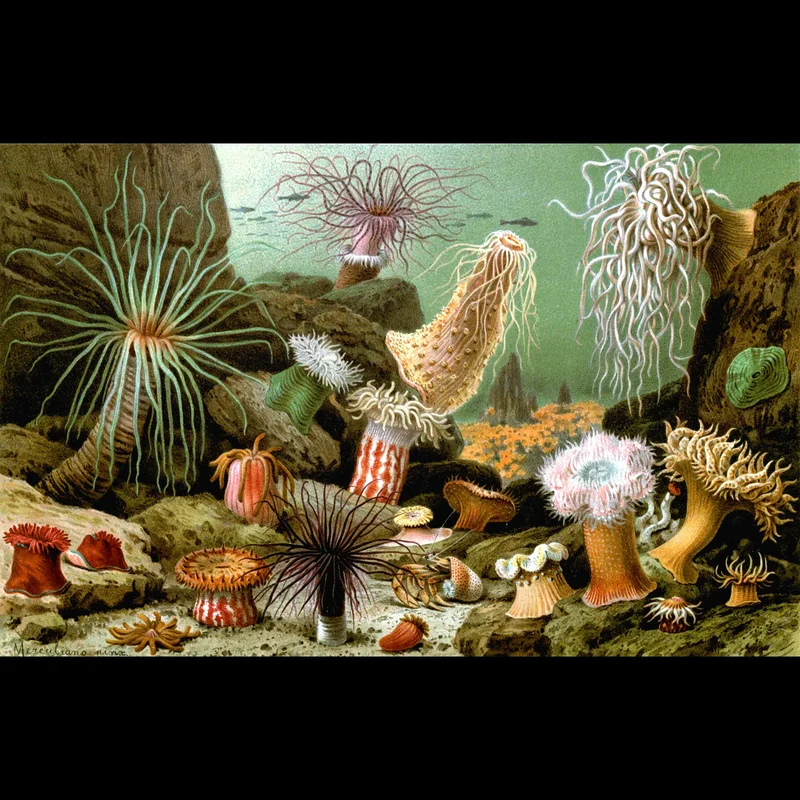
A thriving stage for an array of marine life emerges from the underwater landscape of Suba Sanctuary, particularly in its transition zones between sand and reef. Here, colorful corals and vibrant anemones provide shelter for resident panda clownfish and porcelain crabs.
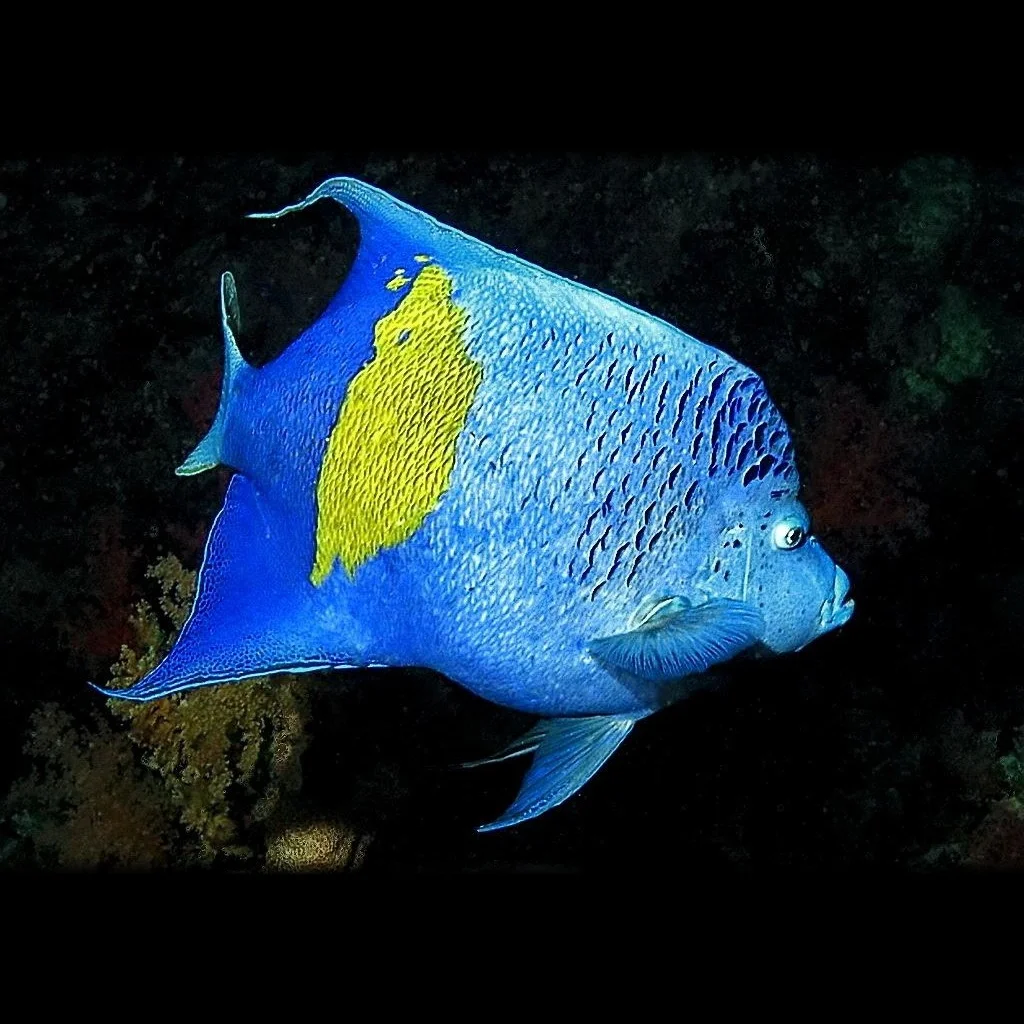
Divers often spot elusive frogfishes camouflaged against the sandy or rubble bottom, while various pipefishes blend seamlessly with reef structure. Deeper slopes host a broader collection of reef fish, including surgeonfish, angelfish, and bannerfish, navigating through sea fans.
Dive Sites Near Suba Sanctuary
View all dive sites in PhilippinesDiscover more underwater gems in this area.
Dive Centers Near Suba Sanctuary
Nearest Airports
Nearest airports to help plan travel to this dive area.
Search Flights
Check available flights and routes on Expedia, using the nearby airports listed in this section.
Search Flights on ExpediaFrequently Asked Questions
What is the maximum depth at Suba Sanctuary?
Suba Sanctuary features a flat sandy area starting at 7-8 meters. It then slopes down to a maximum depth of 35 meters / 114 feet. This allows for exploration across various depth ranges depending on your certification level.
What types of diving can I expect?
The site offers a mix of muck, reef, and sandy bottom diving. You can expect to find abundant macro life in the sand and vibrant coral formations on the slopes.
What marine life is commonly seen here?
Divers frequently encounter panda clownfish, porcelain crabs, shrimps, and various reef fish. Keep an eye out for camouflaged frogfishes and pipefishes, which are highlights for macro enthusiasts.
Is Suba Sanctuary suitable for beginners?
Yes, Suba Sanctuary is suitable for divers of all levels, including beginners. Open Water certified divers can comfortably explore the shallower sections of the site.
How are the currents at Suba Sanctuary?
Currents at Suba Sanctuary are generally manageable, creating a relaxed diving environment. However, like any dive site, conditions can vary depending on local weather and tides.
What's the best way to access Suba Sanctuary?
The primary way to access Suba Sanctuary is via boat entry, allowing divers to reach the starting flat sandy area easily. Shore entry might also be possible depending on the specific resort, but boat access is typical for reaching the main dive profile.
What training is recommended for this site?
While PADI Open Water Diver is sufficient for shallower areas, PADI Advanced Open Water Diver and Enriched Air Diver certifications are beneficial for exploring the deeper sections and extending bottom time. PADI Discover Scuba Diving is also suitable for introductory experiences.
Are there any specific hazards?
There are no consistently reported specific hazards unique to Suba Sanctuary. Standard diving safety practices, good buoyancy control, and diving within your certification limits are always advised.
Planning to dive Suba Sanctuary?
Send one inquiry and receive offers directly from the best verified local dive operators.
Conditions are Good
07:00 - 14:00
Optimal conditions expected
Current conditions near Suba Sanctuary show 27° air, 30° sea temperature, 0.5 m waves, and 24 km/h wind. Forecast data is refreshed regularly to ensure accuracy.