
Diving at Tubod (Philippines)
Consistently warm air temperatures, typically ranging from 26.5°C (80°F) to 28.5°C (83°F) year-round, characterize the conditions around Tubod. This area is recognized as a vital marine sanctuary, encompassing over seven hectares of protected coral reefs and seagrass beds. Manageable wave heights further contribute to its accessibility and appeal as a significant dive location in Siquijor.
As evening covers Tubod, the local air temperature is measured at 28.5°C. The current wave height at the surface is recorded at 0.3 m. These late-day readings characterize the surface conditions for the night.
Dive Site Location & Key Facts
Dive Site Overview
Established in 1989, Tubod Marine Sanctuary defines itself as a protected expanse, meticulously managed and encompassing over seven hectares of vibrant coral reefs and interspersed seagrass beds. This sanctuary functions as a critical nursery, consistently replenishing fish stocks that benefit adjacent reefs and contributing significantly to regional biodiversity.
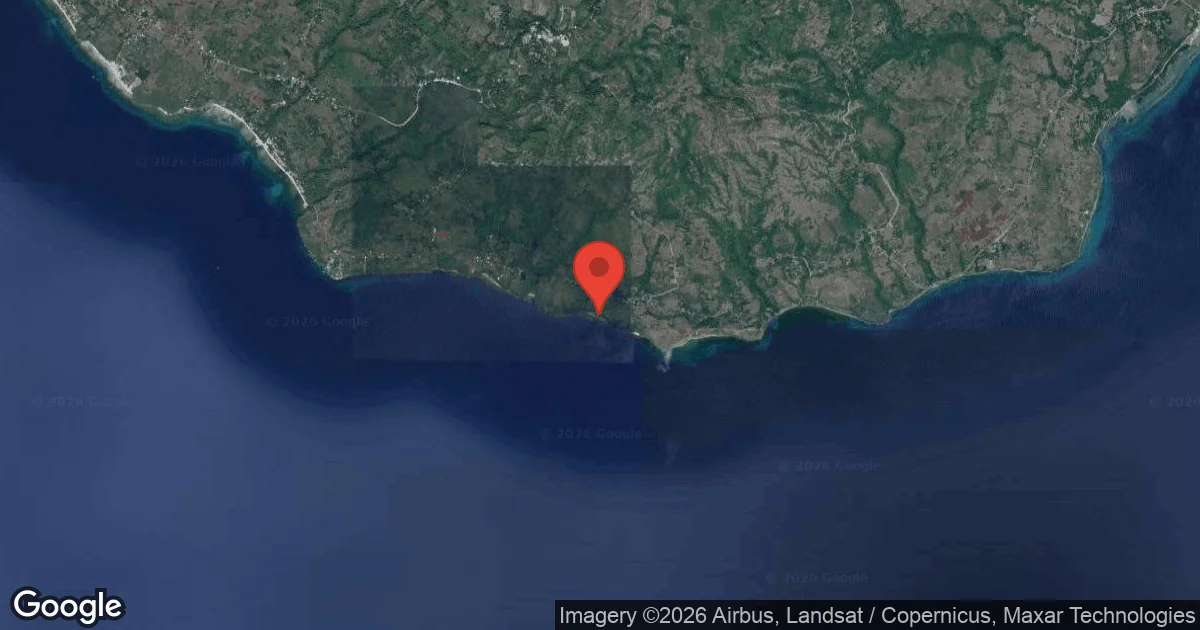
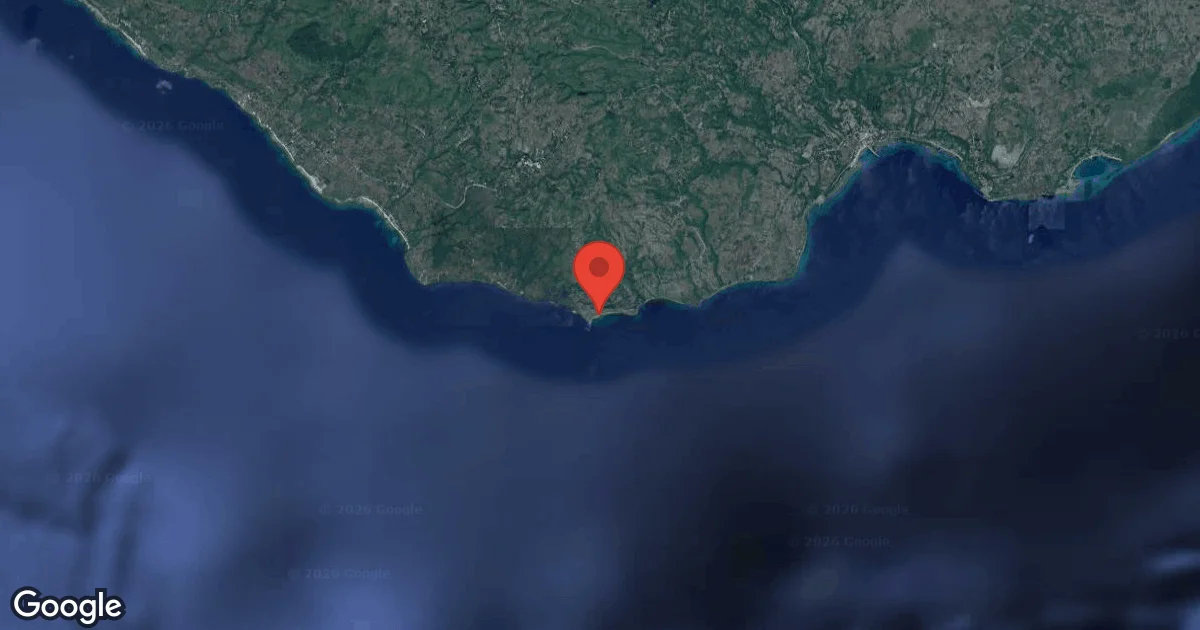
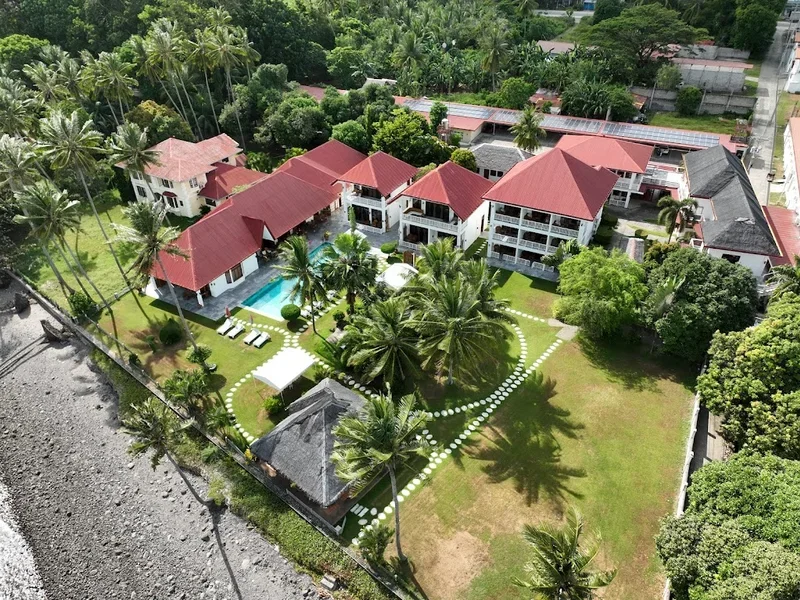
Its robust structural integrity supports a thriving ecosystem, evidenced by a documented presence of 173 Filipino marine species, making it a cornerstone for conservation in Siquijor. Diving at this site typically begins on a gentle sloping reef, a characteristic that naturally accommodates a wide range of diver experiences, from novices to those seeking relaxed explorations. Accessibility proves a key strength, situated directly in front of Coco Grove Beach Resort and facilitating both convenient shore entries and efficient boat dives.
Strategically placed buoys simplify mooring logistics for dive operators. While specific sanctuary areas generally remain within recreational depth limits, the maximum depth in the broader general area can extend significantly, reaching up to 65m (213 ft) at more advanced sites like Tongo Point.
Furthermore, exploring nearby locations such as Nonoc Shoal and the Larena wreck offers distinct experiences, providing challenging wall dives and deeper explorations suitable for advanced divers. These combined elements highlight the tangible success of ongoing marine conservation efforts here.
Conditions are Excellent
07:00 - 14:00
Optimal conditions expected
Current conditions near Tubod show 29° air, 30° sea temperature, 0.5 m waves, and 23 km/h wind. Forecast data is refreshed regularly to ensure accuracy.
Best Time to Dive
For an optimal diving experience at Tubod, the months of April, May, June, and October consistently offer excellent conditions. During these periods, dive scores are highest, reflecting more favorable weather. Air temperatures during these prime months generally hover around 27.5°C to 28.5°C (82-83°F). Rainfall is typically lower, with averages ranging from 2.9 mm to 9.2 mm, minimizing surface runoff and enhancing visibility. Wave heights are also comparatively calmer, often less than 0.5 meters (1.6 ft), which makes for smoother boat rides and easier entries. Wind speeds remain moderate, usually below 17 km/h (10.5 mph), contributing to a more comfortable overall experience. While other months like January, February, March, November, and December also provide good diving opportunities, they might experience slightly higher winds or rainfall. July, August, and September show slightly lower dive scores due to increased wave heights and rainfall, though diving is still very possible.
PEAK SEASON SCORE
Scores combine air & water temps, waves, wind & rainfall for overall conditions.
BEST MONTHS TO DIVE
Monthly records compiled from satellite and marine observation nodes over the last 3 years. Data provided by Open-Meteo and MET Norway.
Dive Experience & Conditions
Entering the water at Tubod Marine Sanctuary is generally straightforward, whether from the shore or via a boat to one of the conveniently placed mooring buoys. The main sanctuary typically features a gentle sloping reef, starting in shallower sections and gradually descending. This makes it an ideal location for divers of varying experience levels, including beginners. Depths in the immediate sanctuary often range from 5-6 m (16-20 ft) down to about 25 m (82 ft), characterized by coral rocks and fields of staghorn corals. While the sanctuary itself is known for calm conditions and minimal currents, other nearby sites in Siquijor, such as Tongo Point or Nonoc Shoal, can present stronger currents and reduced visibility, requiring more advanced skills. Water temperatures are typically warm, varying depending on conditions but generally remaining comfortable for extended dives, often falling within the 22-27°C (72-81°F) range.
Dive Difficulty & Safety Guidelines
Divers exploring Tubod and its surrounding sites should approach with an awareness of varying conditions. While the sanctuary itself is often calm and suitable for all levels, some adjacent dive sites, particularly Tongo Point and Nonoc Shoal, can experience strong currents and reduced visibility.
Planning dives at these specific locations requires advanced experience and careful assessment of daily conditions. It's advisable to always dive with a local guide familiar with the specific currents and topography of each site.
As a protected marine sanctuary, adhering to local regulations is crucial; a small entrance fee is sometimes required, which contributes to conservation efforts. Divers must practice responsible diving, avoiding contact with marine life or corals. Maintaining proper buoyancy is essential to protect the delicate ecosystem.
Recommended Equipment
- Dive Computer
- DSMB
This gear list is based on verified equipment signals for Tubod, Philippines. Always confirm final gear choices with your dive operator, guide, or liveaboard.
Recommended Dive Suit
Divers who spend more time observing marine life often prefer slightly warmer gear.
Divers exploring Tubod today will likely encounter water temperatures close to 30°C (86°F). Surface air temperatures are resting at 29°C (84°F). Water temperatures in this range are often well suited to diving with dive skin or rash guard.
Environmental conditions appear stable for the near future.
Emergency & Medical Support
Essential information to help you plan your dive trip to Tubod.

Hyperbaric chambers are a critical part of dive safety infrastructure. Availability varies significantly by region, and not all dive areas have immediate access.
Before diving, it's recommended to:
- confirm nearest medical facilities
- check emergency procedures with local dive operators
- ensure dive insurance covers evacuation if required
Divers Alert Network
Diving emergency assistance available through DAN World.
+1-919-684-9111- 24/7 emergency hotline
- Diving medical assistance
- Evacuation coordination
Emergency contacts are provided for reference. Always verify local emergency services before diving.
Marine Life at Tubod
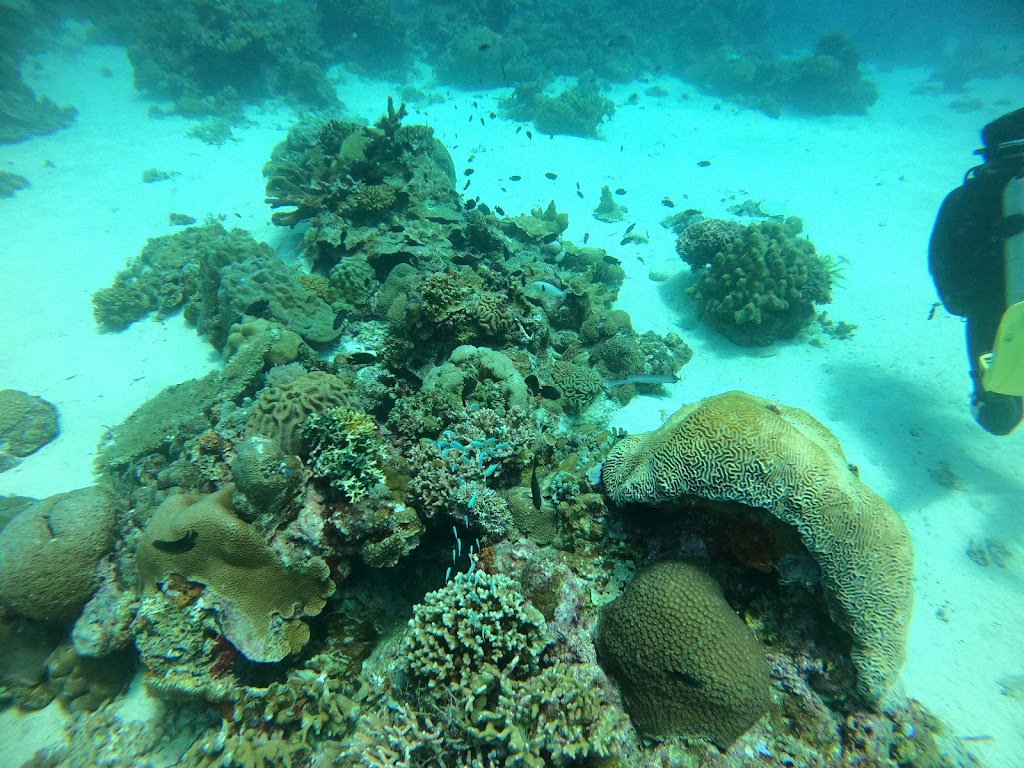
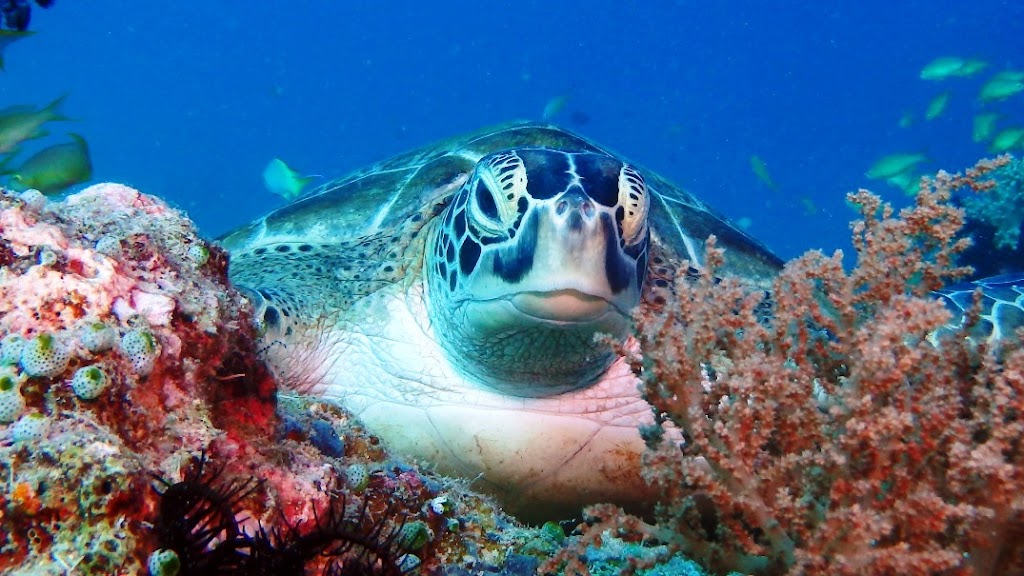
Tubod Marine Sanctuary presents a thriving underwater landscape, defined by a rich tapestry of coral formations. Divers will frequently encounter expansive fields of staghorn corals, especially in deeper sections, alongside numerous coral rocks and impressive giant table corals.
This robust environment fosters a vibrant array of reef fish, contributing to consistently colorful dives and supporting a documented 173 Filipino marine species. Keep an eye out for abundant invertebrates, including various soft corals, pipes, and tunicates, all contributing to the site's overall biodiversity.
Healthy hard and soft corals combine to create intricate habitats for a diverse population of small fish and other resident marine life.

Dive Sites Near Tubod
View all dive sites in PhilippinesDiscover more underwater gems in this area.
Dive Centers Near Tubod
Today: 07:30 - 17:00

Nearest Airports
Nearest airports to help plan travel to this dive area.
Search Flights
Check available flights and routes on Expedia, using the nearby airports listed in this section.
Search Flights on ExpediaFrequently Asked Questions
What makes Tubod Marine Sanctuary special?
Tubod Marine Sanctuary is a protected area spanning over seven hectares of coral reefs and seagrass beds. It serves as a crucial nursery for marine life, replenishing fish stocks for surrounding reefs. Conservation efforts here have resulted in a high diversity of species, making it a vibrant dive destination.
What are the typical depths at Tubod?
A gentle slope defines the main sanctuary, with depths typically ranging from 5 to 25 meters (16 to 82 ft). Deeper areas and nearby sites, like Tongo Point, can extend to a maximum depth of 65m (213 ft), catering to different experience levels.
Are there strong currents at Tubod?
Within the immediate Tubod Marine Sanctuary, conditions are generally calm with minimal currents, suitable for all divers. However, some adjacent sites in Siquijor, such as Tongo Point or Nonoc Shoal, can experience strong currents and may require more advanced diving skills.
What kind of marine life can I expect?
Divers can expect a wide variety of reef fish and invertebrates, including soft corals, pipes, and tunicates. The sanctuary boasts over 173 documented Filipino marine species, thriving amongst extensive staghorn and giant table corals.
Is Tubod suitable for beginners?
Yes, Tubod Marine Sanctuary is generally suitable for beginners due to its gentle sloping reef and often calm conditions. Its shallower sections and easy accessibility make it an ideal spot for introductory dives and snorkelers alike.
When is the best time to dive here?
Optimal diving at Tubod occurs during April, May, June, and October, which offer excellent conditions. These months feature higher dive scores, warmer air temperatures, less rain, and calmer seas, enhancing the overall dive experience.
Are there any fees to dive at Tubod?
As a protected marine sanctuary, a small entrance fee may be required to dive at Tubod. Such fees contribute directly to the ongoing conservation and maintenance of the delicate coral reef ecosystem.
Can I snorkel at Tubod?
Yes, Tubod Marine Sanctuary is an excellent spot for snorkeling. Its shallow, clear waters and abundant marine life make it very enjoyable for snorkelers, offering great views of corals and fish near the surface.
Planning to dive Tubod?
Send one inquiry and receive offers directly from the best verified local dive operators.
Conditions are Excellent
07:00 - 14:00
Optimal conditions expected
Current conditions near Tubod show 29° air, 30° sea temperature, 0.5 m waves, and 23 km/h wind. Forecast data is refreshed regularly to ensure accuracy.