
Diving at Tambisan Wall (Philippines)
Siquijor Island's underwater landscape is defined by impressive drop-offs, and Tambisan Wall stands out as a prime example of this dramatic topography. It's often praised for its blend of accessible depths and rich coral ecosystems. Divers seeking both a relaxed pace and vibrant marine encounters find this site a compelling destination.
Evening condition tracking at Tambisan Wall features an air temperature of 27°C. We have recorded wave heights measuring 0.7 m during this period. These figures outline the environmental parameters currently present.
Dive Site Location & Key Facts
Dive Site Overview
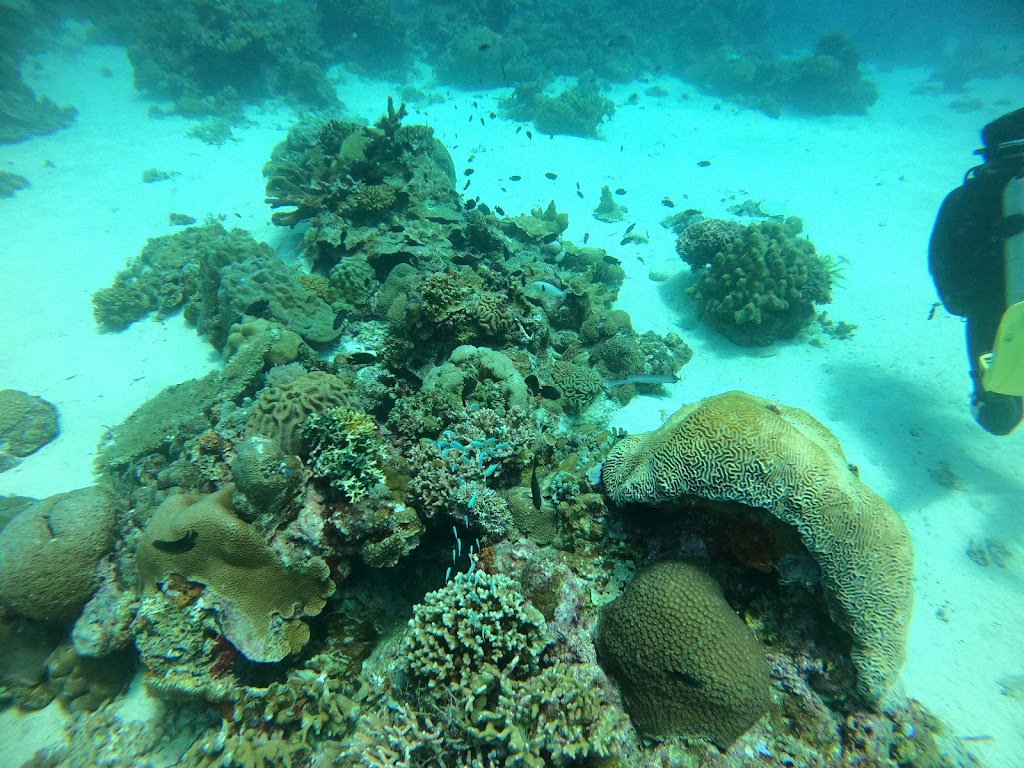
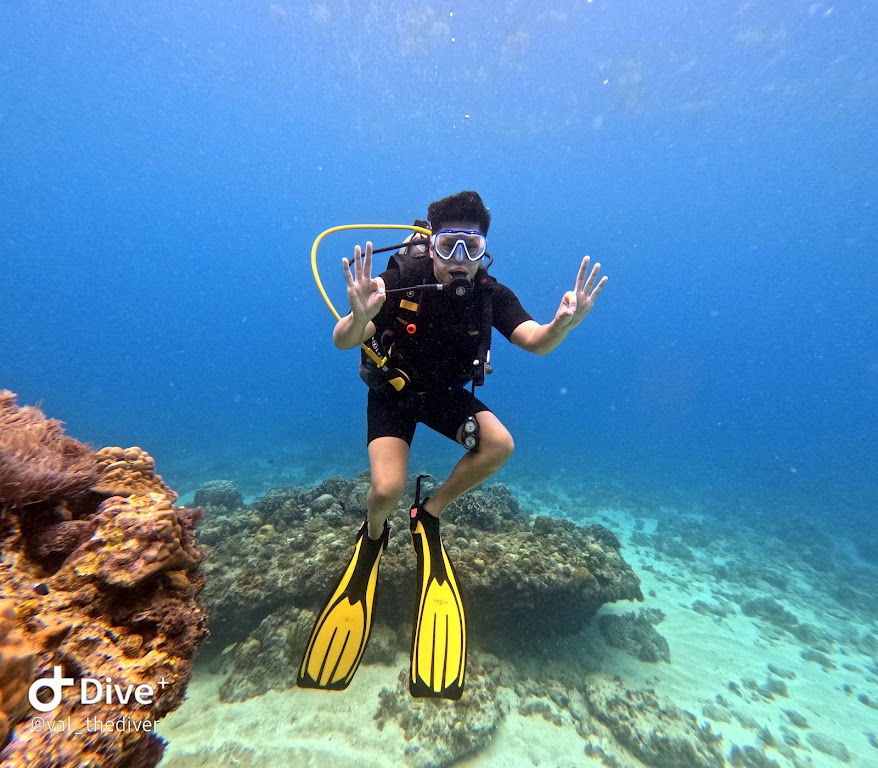
Tambisan Wall's defining feature is its steep coral face, beginning at a relatively shallow 7-8 m (20-26 ft) and descending dramatically to around 40 m (130 ft) maximum depth in some areas. This extensive wall supports a thriving ecosystem of both soft and hard corals, creating a rich tapestry of color and texture.
Divers navigate along its contours, exploring numerous holes, ledges, and overhangs that provide shelter for a variety of smaller marine species. Throughout the dive, schools of smaller reef fish are commonly observed, enhancing the site's dynamic feel as they flit in and out of the coral. A particular highlight includes the healthy mix of vibrant green Tubastrea Corals, elegant Gorgonian Seafans, and striking black coral trees clinging to the vertical surfaces.
Intricate formations create diverse microhabitats, perfect for spotting various invertebrates and cryptic critters nestled within the crevices. Clear waters are often a hallmark of the wall diving experience, with visibility typically ranging from 10 to 35 m (33 to 115 ft), allowing for excellent viewing of the entire structure and its inhabitants.
Characterized as a relaxing dive, it appeals to divers who appreciate a gradual descent along a vibrant reef presenting new discoveries at every turn. Expect boat entry to access this compelling Siquijor dive site.
Conditions are Moderate
High Wind Advisory (41km/h). Unsafe surface.
Current conditions near Tambisan Wall show 27° air, 30° sea temperature, 0.9 m waves, and 41 km/h wind. Forecast data is refreshed regularly to ensure accuracy.
Best Time to Dive
While Tambisan Wall offers good diving conditions for much of the year, certain months stand out for their exceptional clarity and calm seas. The period from April to June typically sees excellent dive scores, with average air temperatures hovering around 28-29°C (82-84°F). During these months, wave heights are minimal, often below 0.3 m (1.0 ft), and wind speeds are generally lighter. Similarly, October through December also provides excellent conditions, with average air temperatures around 27-28°C (81-82°F) and low rain totals, making for comfortable surface intervals. Conversely, months like January, February, July, August, and September, while still rated "Good," can experience slightly higher average wave heights and increased rainfall. Planning a trip during the 'Excellent' rated months often maximizes the chances for optimal visibility and a smoother overall experience at this Siquijor dive site.
PEAK SEASON SCORE
Scores combine air & water temps, waves, wind & rainfall for overall conditions.
BEST MONTHS TO DIVE
Monthly records compiled from satellite and marine observation nodes over the last 3 years. Data provided by Open-Meteo and MET Norway.
Dive Experience & Conditions
Accessing Tambisan Wall is typically done via boat, ensuring a comfortable entry directly into the dive area. Once underwater, divers encounter a site generally characterized as relaxing and comfortable, suitable for a wide range of experience levels. Currents here are typically gentle to moderate, allowing for a leisurely exploration of the extensive coral structures. Visibility tends to be clear, often within the 10-35 m (33-115 ft) range, providing expansive views of the wall and its inhabitants. Recreational divers can comfortably explore the shallower sections of the wall, where much of the vibrant coral garden thrives. For those with appropriate certification, deeper sections can be explored to appreciate the full extent of the drop-off. The prevailing water temperature, though not consistently reported, is typical for tropical Philippine waters, suggesting a generally warm experience.
Dive Difficulty & Safety Guidelines
Given the wall's maximum depth extending beyond typical recreational limits, sound dive planning and adherence to certification levels are crucial. Though no specific hazards are reported for Tambisan Wall, divers should always be mindful of ambient currents, which can vary from gentle to moderate. Proper buoyancy control is essential to prevent accidental contact with the delicate coral structures that adorn the wall.
Maintain a safe distance from marine life, observing them without disturbance. Always dive with a buddy and ensure your equipment is well-maintained.
Local dive operators typically provide comprehensive briefings, covering current conditions and any site-specific considerations, ensuring a safe and enjoyable dive for all.
Recommended Equipment
- Dive Computer
- DSMB
This gear list is based on verified equipment signals for Tambisan Wall, Philippines. Always confirm final gear choices with your dive operator, guide, or liveaboard.
Recommended Dive Suit
Divers planning relaxed exploration may appreciate the warmth of dive skin or rash guard. Consider warmer surface protection (like a boat coat) due to brisk winds. Divers often notice that perceived temperature can feel cooler during deeper or longer dives.
At the moment, divers exploring Tambisan Wall will likely experience water temperatures near 30°C (86°F). Surface air temperatures are resting at 27°C (81°F).
Conditions are expected to stay fairly consistent in the days ahead.
Emergency & Medical Support
Essential information to help you plan your dive trip to Tambisan Wall.

Hyperbaric chambers are a critical part of dive safety infrastructure. Availability varies significantly by region, and not all dive areas have immediate access.
Before diving, it's recommended to:
- confirm nearest medical facilities
- check emergency procedures with local dive operators
- ensure dive insurance covers evacuation if required
Divers Alert Network
Diving emergency assistance available through DAN World.
+1-919-684-9111- 24/7 emergency hotline
- Diving medical assistance
- Evacuation coordination
Emergency contacts are provided for reference. Always verify local emergency services before diving.
Marine Life at Tambisan Wall
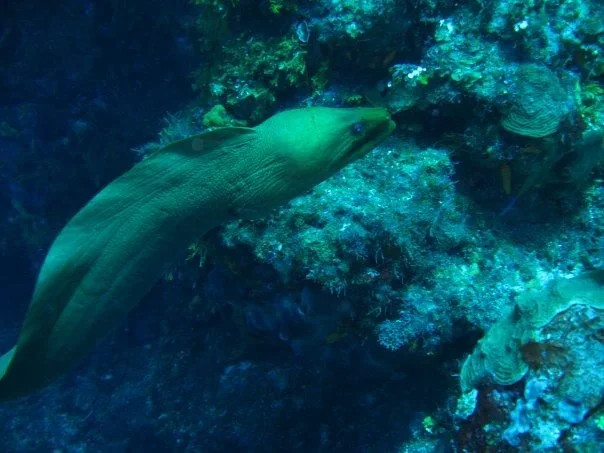
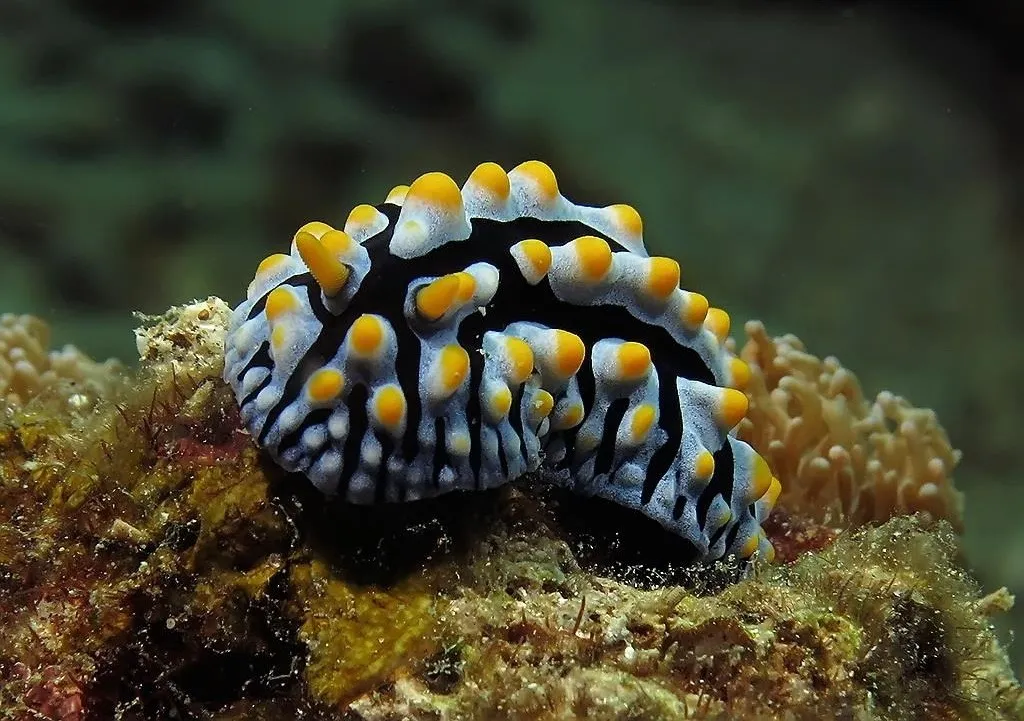
Approaching the wall, divers often first notice the sheer density of coral, a healthy mix of soft and hard varieties. Look closely within the many holes and crevices; moray eels, mantis shrimp, and various nudibranchs are commonly found tucked away.
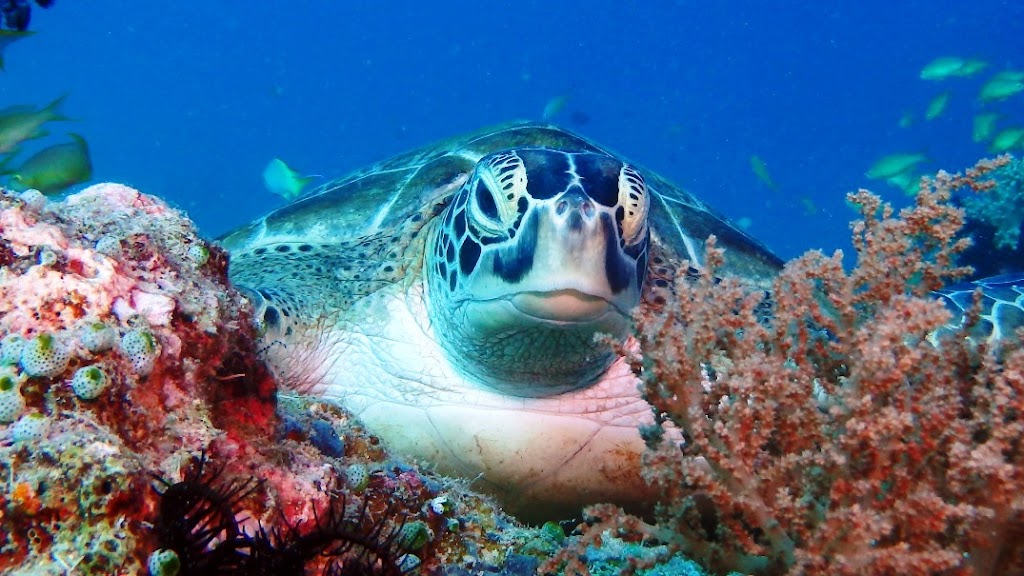
Turtles are also frequent visitors to Tambisan Wall, often spotted grazing or resting on ledges. Further out, keep an eye open for schools of smaller reef fish that add movement and sparkle to the reef scene.
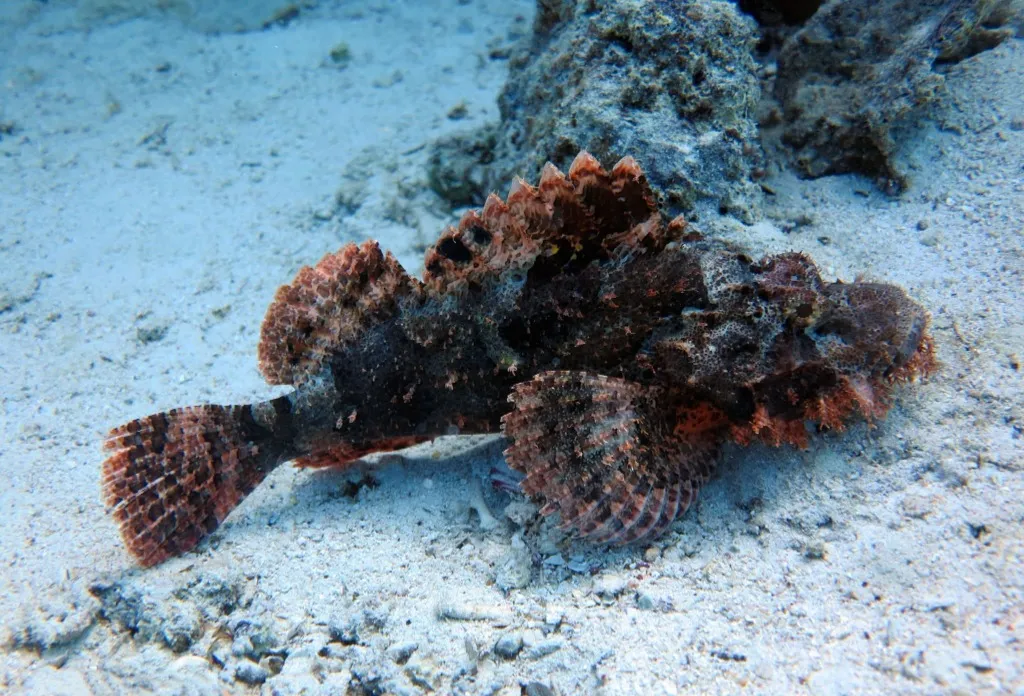
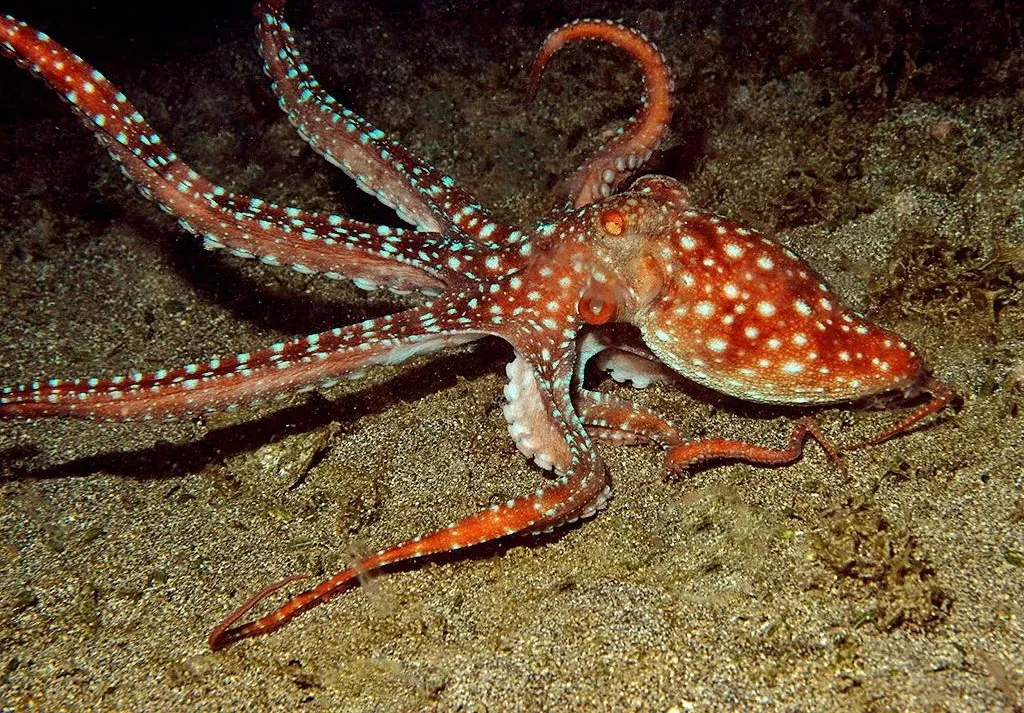
Occasionally, more elusive creatures like scorpionfish and octopuses might be observed blending into the coral. This site is particularly rewarding for macro enthusiasts.

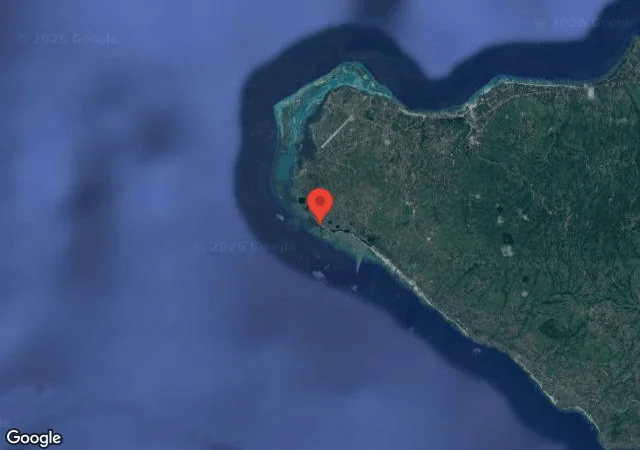
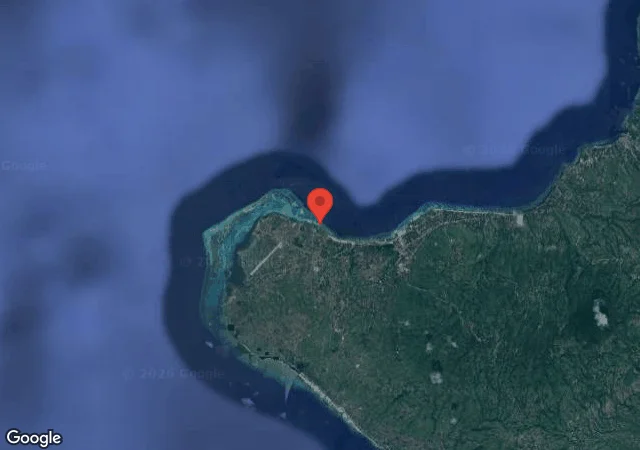
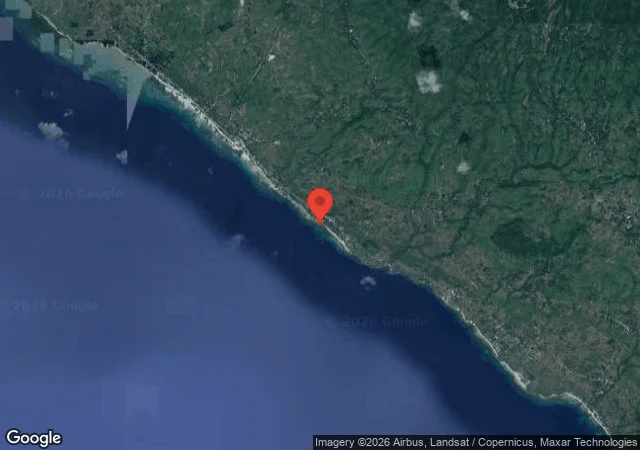
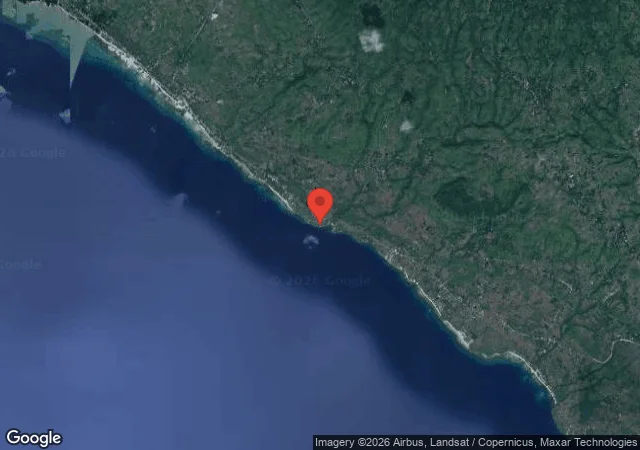
Dive Sites Near Tambisan Wall
View all dive sites in PhilippinesDiscover more underwater gems in this area.
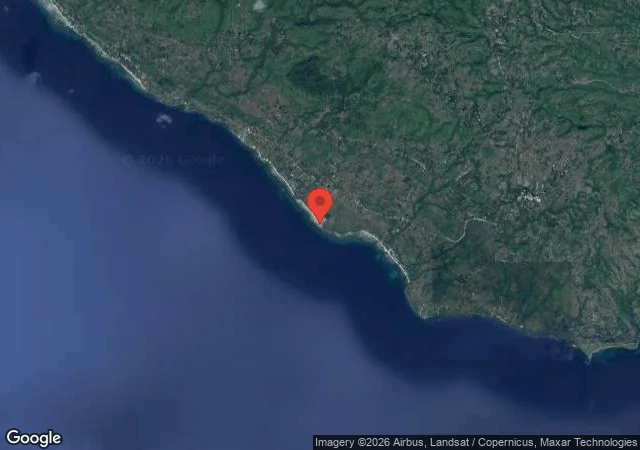
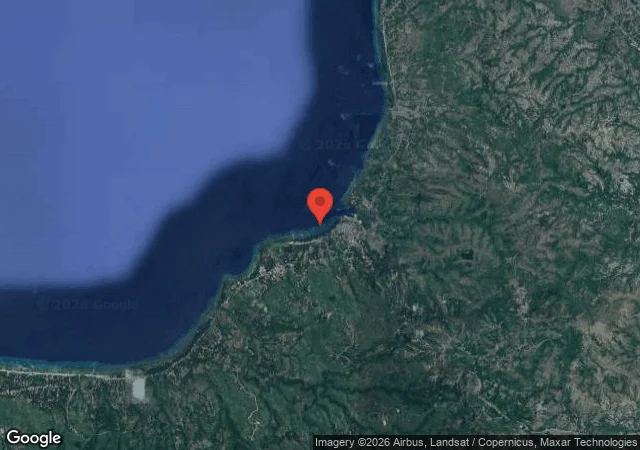
Dive Centers Near Tambisan Wall
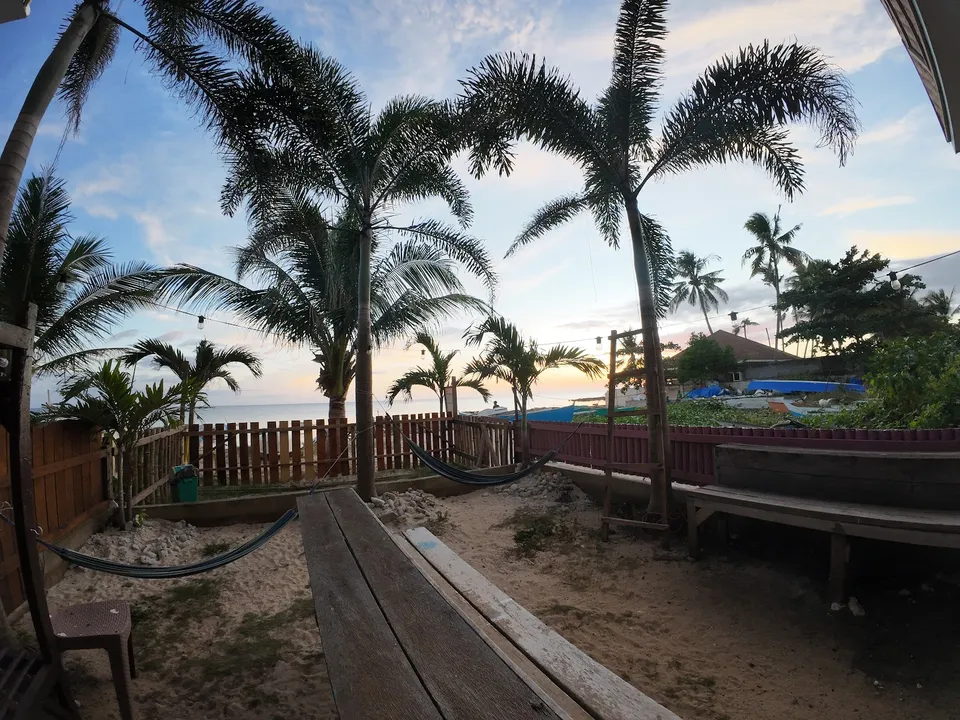
Today: 07:30 - 17:00

Nearest Airports
Nearest airports to help plan travel to this dive area.
Search Flights
Check available flights and routes on Expedia, using the nearby airports listed in this section.
Search Flights on ExpediaFrequently Asked Questions
What is the typical depth range for diving Tambisan Wall?
This wall dive begins shallow, around 7-8 meters, providing easy access to the upper reef. From there, the site descends dramatically to a maximum depth of roughly 40 meters, accommodating divers with varying certification levels.
What are the common marine life sightings at Tambisan Wall?
Divers regularly encounter a variety of reef fish, moray eels, and vibrant nudibranchs nestled within the corals. Turtles are also frequently observed, and diligent searchers might spot mantis shrimp, lionfish, or even octopuses.
How clear is the water usually at this dive site?
Tambisan Wall typically offers clear waters, with visibility often ranging from 10 to 35 meters (33 to 115 ft). Conditions can vary, but generally provide excellent viewing of the extensive coral structures and marine life.
Is Tambisan Wall suitable for all diver levels?
Yes, this site is generally considered suitable for Open Water certified divers and above. Its gentle to moderate currents and shallower sections allow for comfortable exploration, while deeper areas cater to advanced divers.
What kind of currents can be expected?
Currents at Tambisan Wall are typically gentle to moderate. However, conditions can change, so always pay attention to your dive guide's briefing and monitor your surroundings during the dive.
How do I get to Tambisan Wall?
Tambisan Wall is usually accessed by boat from Siquijor Island. Dive shops across the island offer guided trips to this and other nearby sites, often as part of a multi-dive excursion.
What is the water temperature like?
While specific water temperature data for Tambisan Wall isn't consistently reported, the area is tropical. Divers can generally expect warm conditions, typical of Philippine waters.
Planning to dive Tambisan Wall?
Send one inquiry and receive offers directly from the best verified local dive operators.
Conditions are Moderate
High Wind Advisory (41km/h). Unsafe surface.
Current conditions near Tambisan Wall show 27° air, 30° sea temperature, 0.9 m waves, and 41 km/h wind. Forecast data is refreshed regularly to ensure accuracy.