
Diving at Sawang (Philippines)
Sawang, Siquijor, welcomes divers with its typically clear waters, revealing an intricate underwater landscape immediately. This Philippine dive site allows for excellent visibility, often offering unobstructed views of its vibrant coral structures and diverse resident species. Expect conditions that permit thorough exploration, from large boulders to a gradual sandy slope.
Evening condition tracking at Sawang features an air temperature of 26.5°C. We have recorded wave heights measuring 0.8 m during this period. These figures outline the environmental parameters currently present.
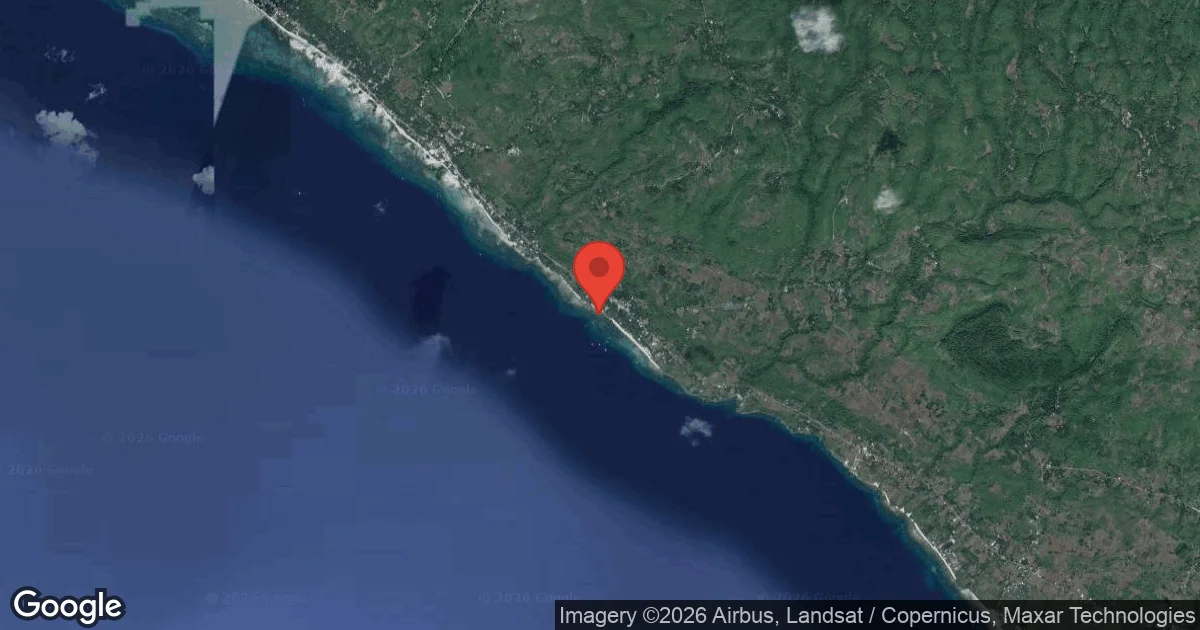
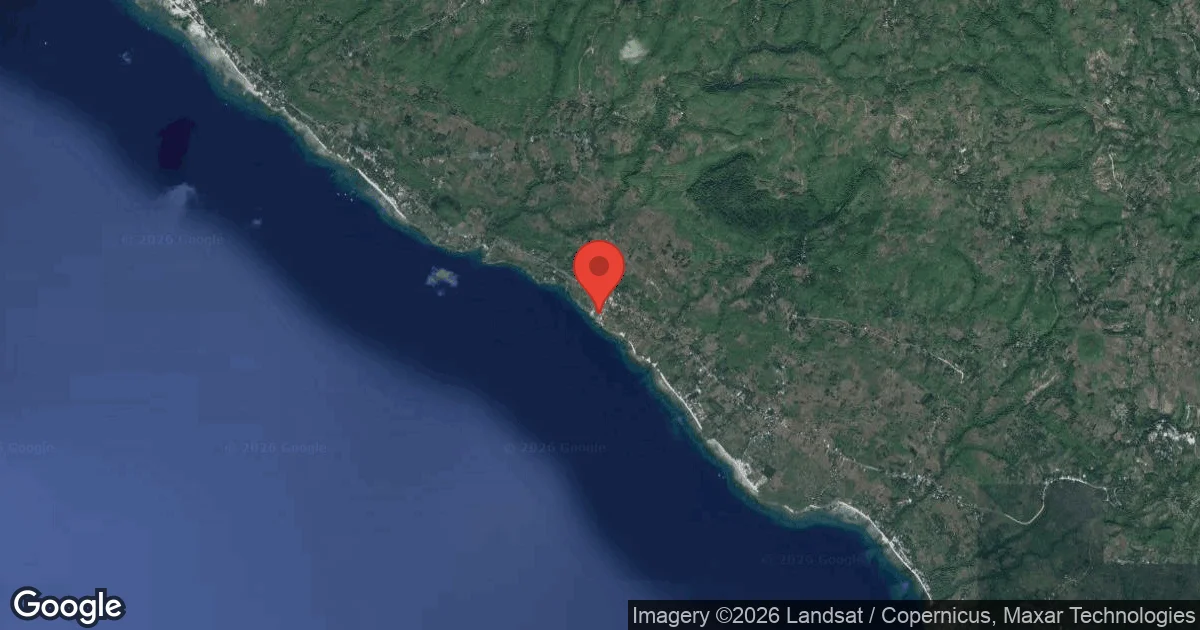
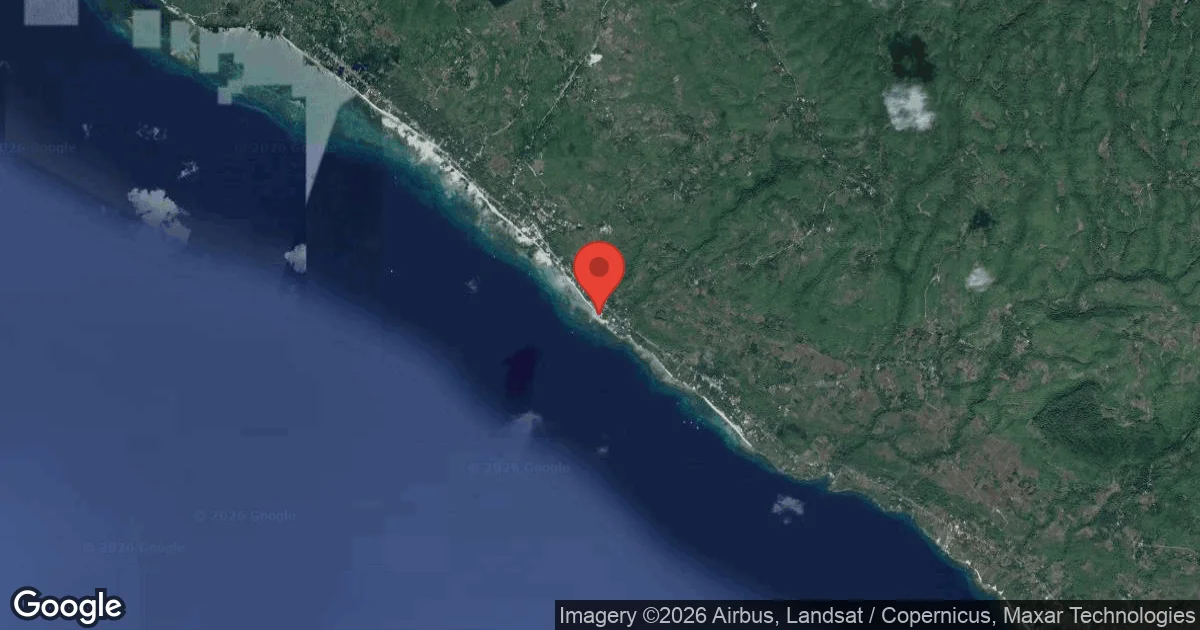
Dive Site Location & Key Facts
Dive Site Overview
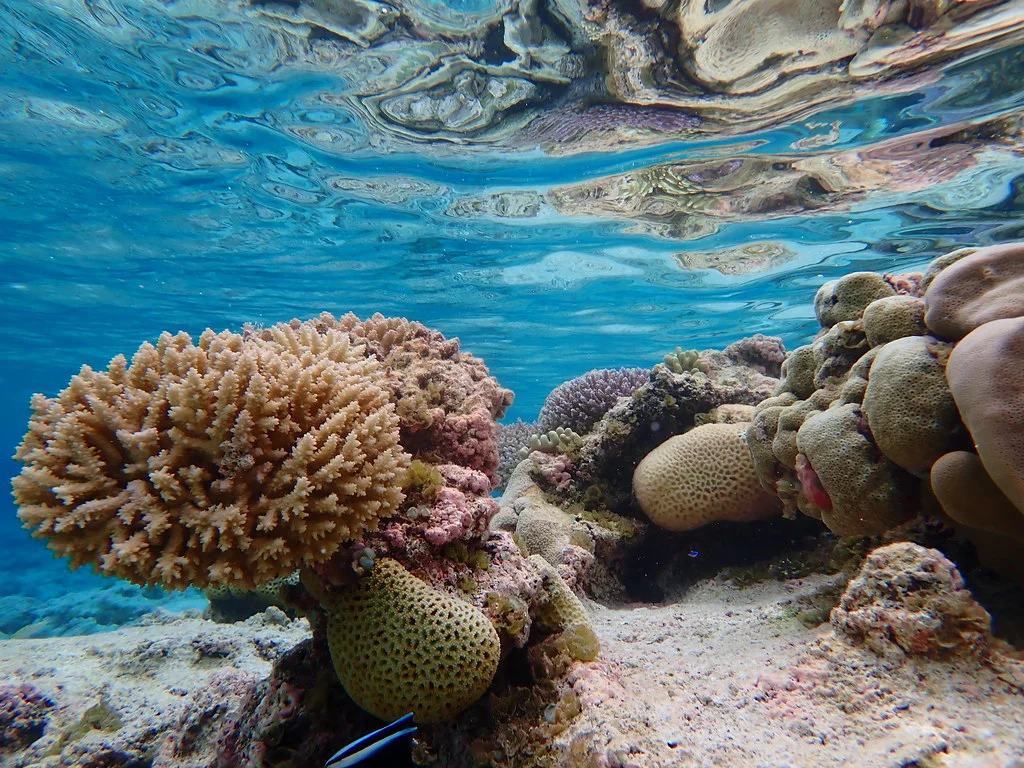
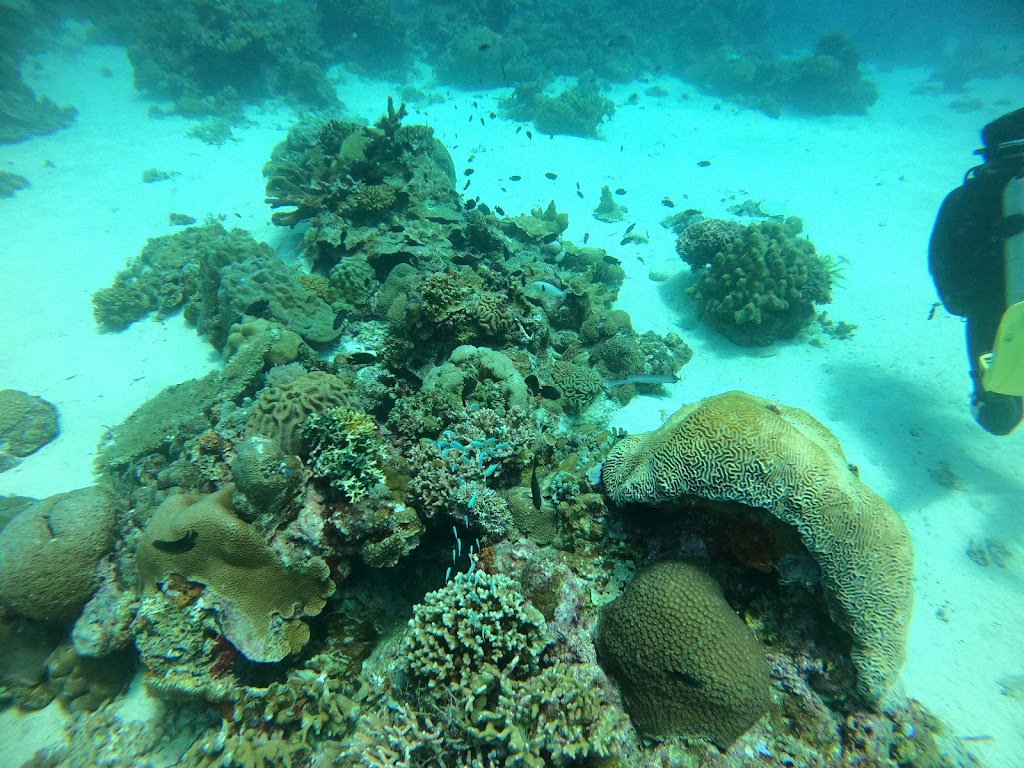
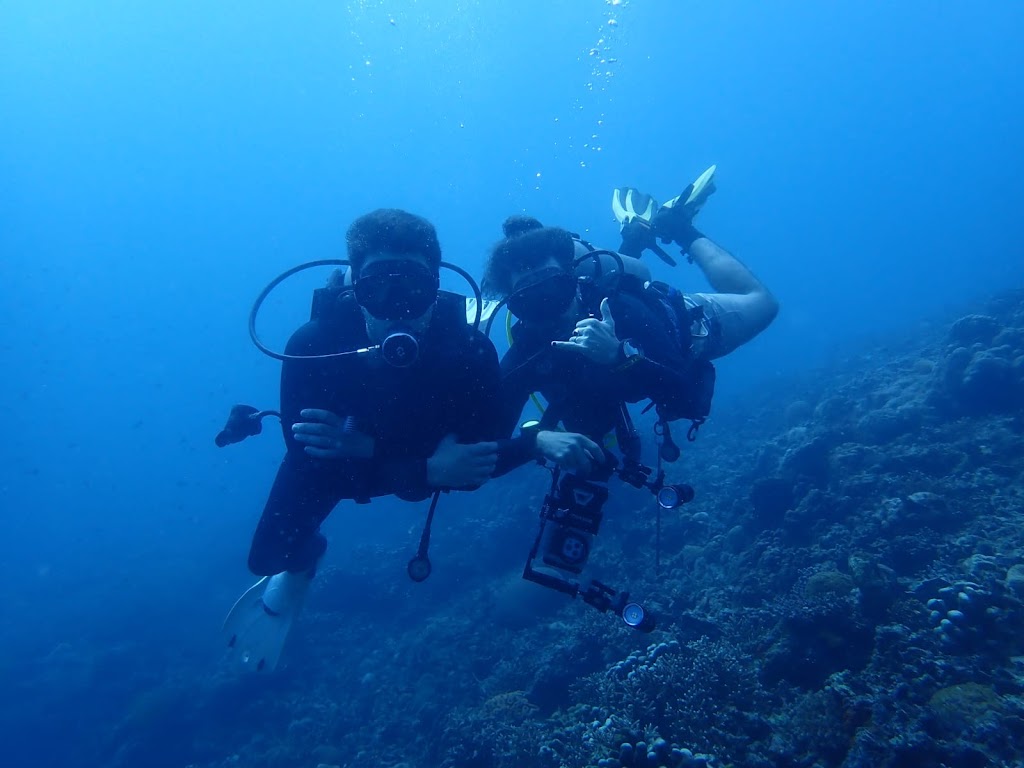
Embarking on a dive at Sawang, Siquijor, presents an engaging journey through varied underwater topography. The site begins with large coral-laden boulders, gradually transitioning into a sandy slope before encountering a small wall adorned with vibrant corals.
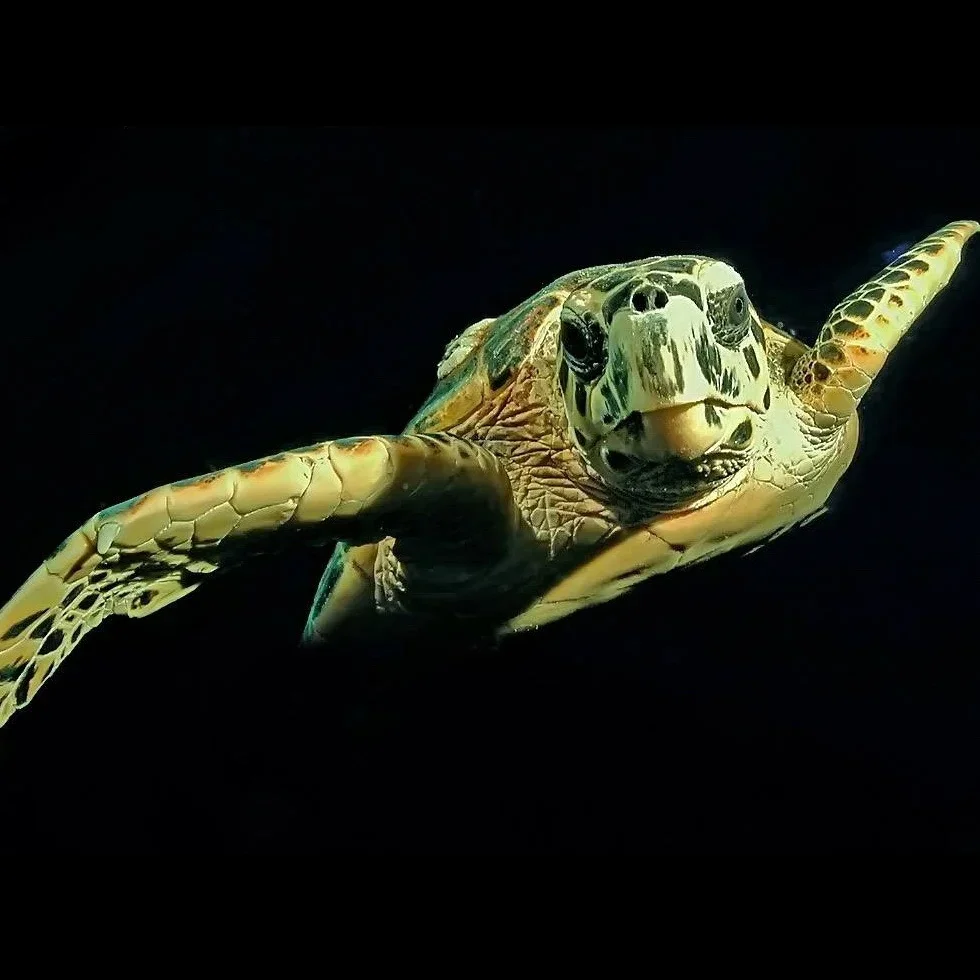
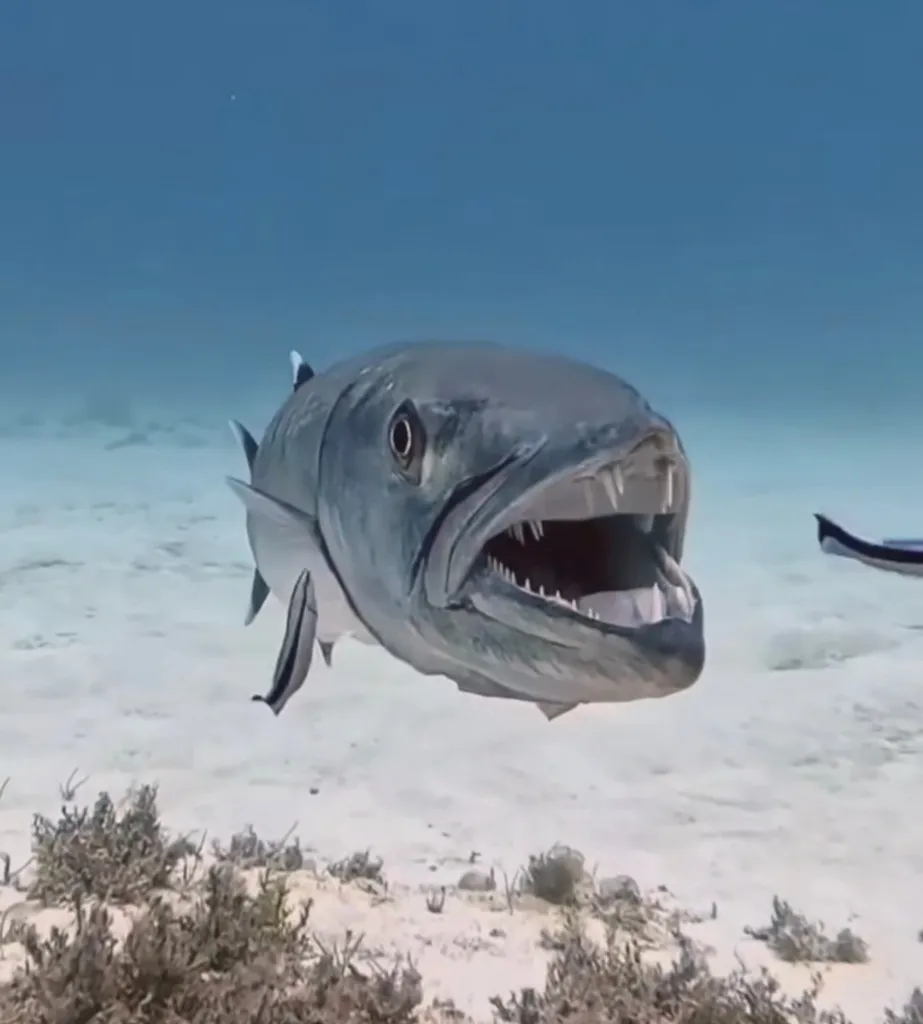
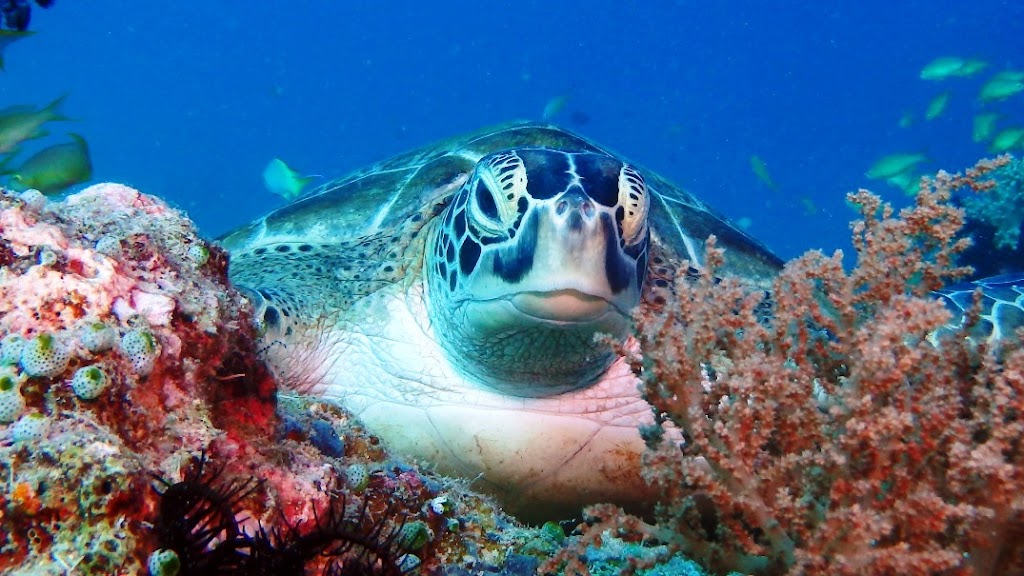
This dynamic structure provides habitat for a rich array of marine species, making each descent an opportunity for new discoveries. Divers can expect to encounter flourishing gardens of both hard and soft corals, alongside notable inhabitants such as barracudas and jackfish cruising the reef. Green turtles and hawksbill turtles are often sighted, gracefully navigating the coral formations.
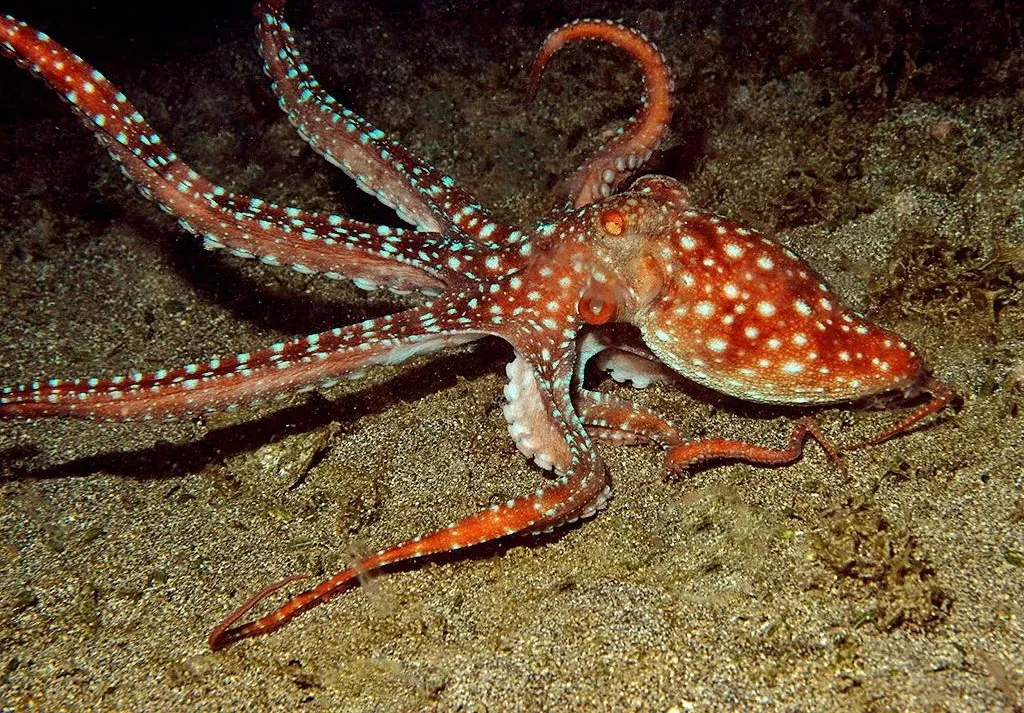
Unique sightings like giant clams and the distinctive electrical clams add intrigue to daytime explorations. For those extending their adventure, night dives transform the site, revealing fascinating nocturnal creatures like blue-ringed octopuses, various nudibranchs, flatworms, and even giant marine worms that can stretch up to 5–7 meters in length. It's a comprehensive experience suitable for a range of certified divers.
Conditions are Good
Optimal conditions expected
Current conditions near Sawang show 26° air, 30° sea temperature, 0.8 m waves, and 34 km/h wind. Forecast data is refreshed regularly to ensure accuracy.
Best Time to Dive
Planning a trip to Sawang benefits from understanding its seasonal patterns to maximize underwater visibility and comfort. The months of April, May, June, and October are consistently rated as excellent for diving, generally experiencing lower rainfall and calmer conditions. During these periods, air temperatures average between 28.5°C (83°F) and 28.5°C (83°F), offering warm surface intervals. Rainfall during these excellent months is typically low, ranging from 2.9 mm to 9.5 mm, which helps maintain clearer waters and reduce runoff that can impact visibility. While specific water temperature data isn't consistently reported, the region's tropical climate suggests consistently warm water, often in the 27-30°C (81-86°F) range, which aligns with air temperatures. Even during the "Good" rated months, dive conditions remain favorable, with air temperatures generally staying above 26.5°C (80°F). However, some months, particularly July through September, may see increased wave activity and wind, which can occasionally affect surface conditions.
PEAK SEASON SCORE
Scores combine air & water temps, waves, wind & rainfall for overall conditions.
BEST MONTHS TO DIVE
Monthly records compiled from satellite and marine observation nodes over the last 3 years. Data provided by Open-Meteo and MET Norway.
Dive Experience & Conditions
Diving at Sawang offers a generally accessible experience suitable for both novice and seasoned certified divers. Entering the water, you'll find conditions that often present good visibility, allowing for expansive views of the immediate reef structures. The underwater terrain starts with large coral-covered boulders before gradually descending along a sandy slope. This slope leads to a compact coral wall, providing a gentle yet engaging progression through different environments. Currents at the site are not consistently reported but can vary depending on local weather patterns and tides, typical of open ocean environments. While "clear waters" are frequently observed, occasional factors like strong winds or heavy rainfall might temporarily influence water clarity. It's an environment that encourages thorough exploration without demanding overly specialized skills, making it a rewarding experience for many.
Dive Difficulty & Safety Guidelines
Navigating Sawang's underwater environment safely requires divers to remain aware of potential challenges. Although specific hazards are not consistently reported for this particular dive site, general ocean diving practices should always be applied. Currents can sometimes be a factor in these waters; divers should assess conditions before entry and consider carrying a surface marker buoy (SMB) for visibility.
When planning night dives, be particularly cautious and maintain proper buoyancy control, as the site is known for blue-ringed octopuses. These creatures are venomous, so observe them from a respectful distance and avoid direct contact.
Always dive within your certification limits and stay vigilant for changes in sea state or weather, especially when planning multi-day trips.
Recommended Equipment
- Dive Computer
- DSMB
This gear list is based on verified equipment signals for Sawang, Philippines. Always confirm final gear choices with your dive operator, guide, or liveaboard.
Recommended Dive Suit
Conditions in the coming days are expected to stay within a similar temperature range.
Many experienced divers would consider dive skin or rash guard an appropriate choice here. Consider warmer surface protection (like a boat coat) due to brisk winds.
At Sawang, the water is currently sitting around 30°C (85°F). Surface air temperatures are resting at 26°C (80°F).
Due to technical issues with our weather providers, live updates are temporarily delayed. The data above reflects the conditions at the time of the last successful fetch.
Emergency & Medical Support
Essential information to help you plan your dive trip to Sawang.

Hyperbaric chambers are a critical part of dive safety infrastructure. Availability varies significantly by region, and not all dive areas have immediate access.
Before diving, it's recommended to:
- confirm nearest medical facilities
- check emergency procedures with local dive operators
- ensure dive insurance covers evacuation if required
Divers Alert Network
Diving emergency assistance available through DAN World.
+1-919-684-9111- 24/7 emergency hotline
- Diving medical assistance
- Evacuation coordination
Emergency contacts are provided for reference. Always verify local emergency services before diving.
Marine Life at Sawang
The marine ecosystem at Sawang is characterized by a vibrant and diverse collection of species. Extensive gardens of both hard and soft corals form the backbone of the reef, providing shelter and sustenance.
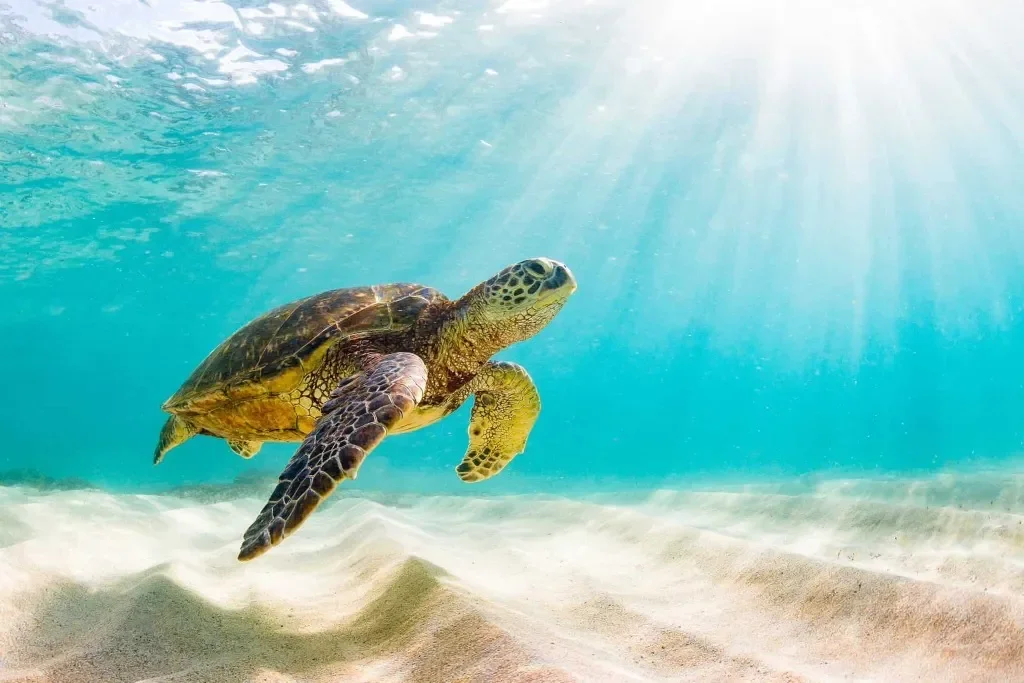
Divers routinely encounter impressive barracudas and schools of jackfish, moving gracefully through the open water. Green and hawksbill turtles are frequent visitors, often seen foraging or resting among the corals.
Close inspection of the reef can reveal fascinating creatures like giant clams and the captivating electrical clams, known for their shimmering mantle. Night dives unveil a different cast of characters, including elusive blue-ringed octopuses, various nudibranchs, flatworms, and notably, giant marine worms that can reach lengths of 5–7 meters.
Dive Sites Near Sawang
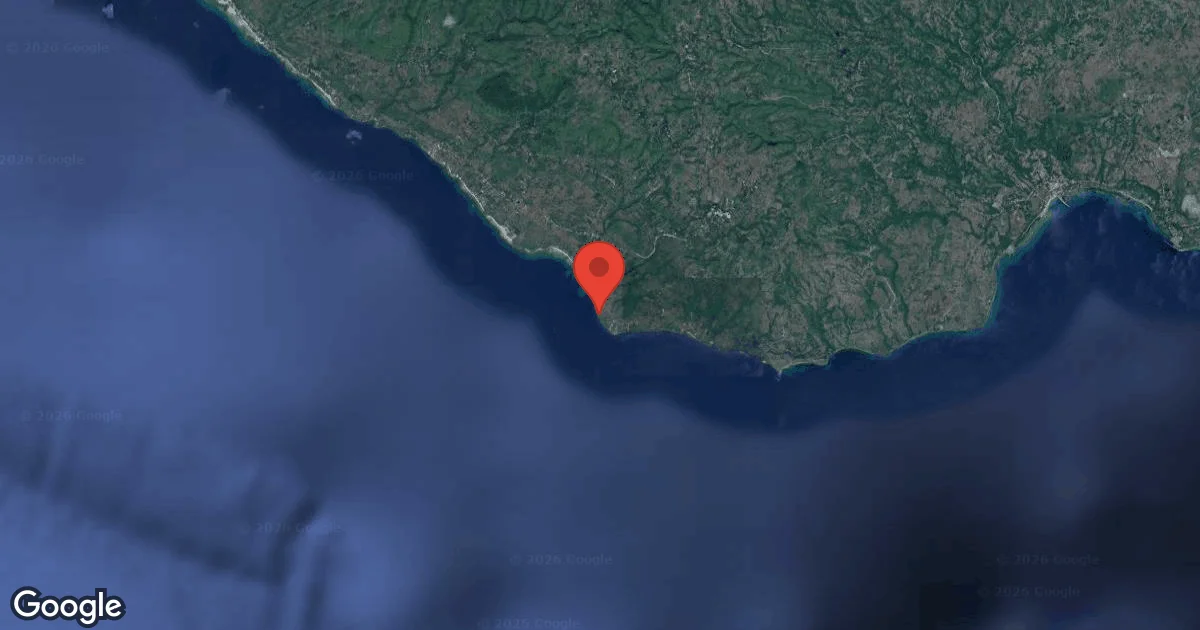
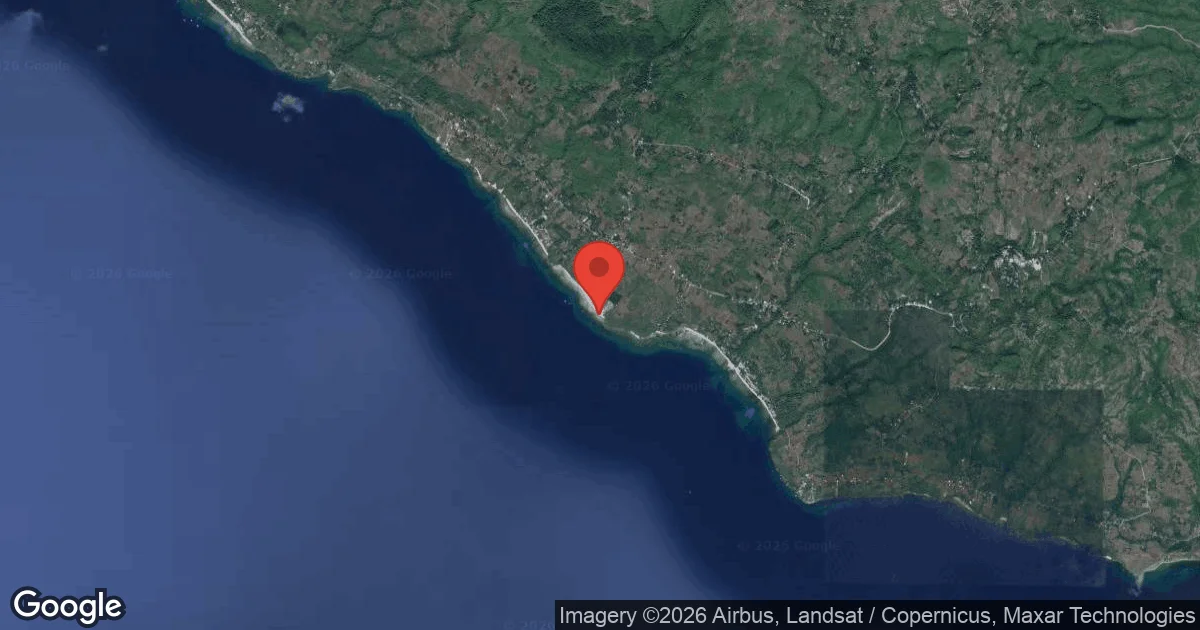
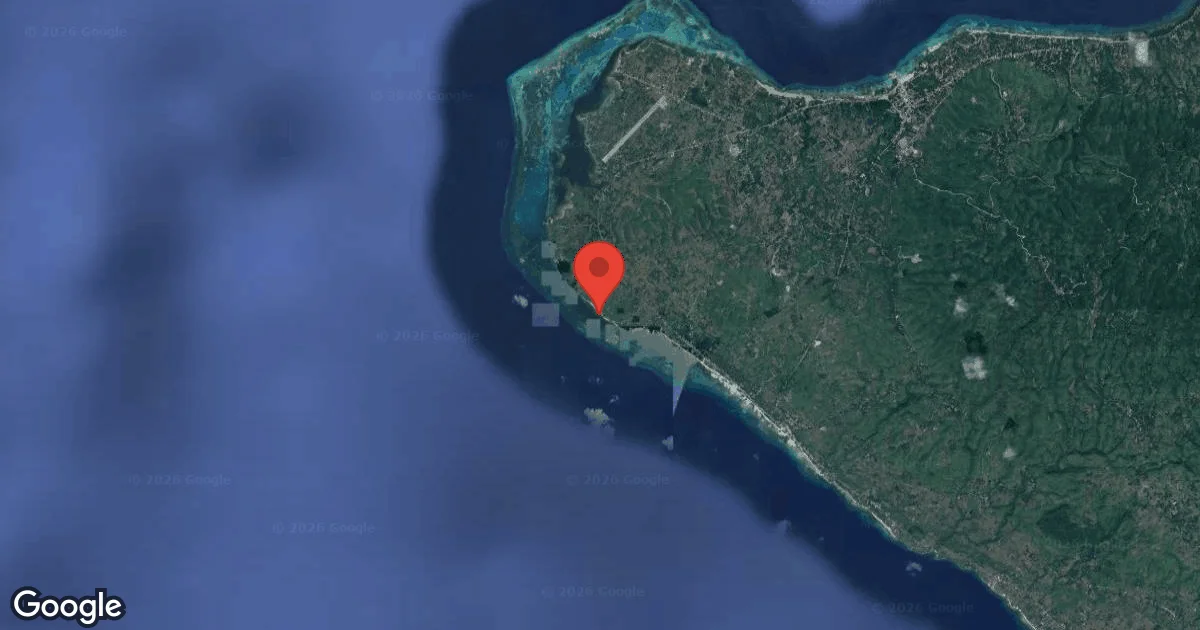
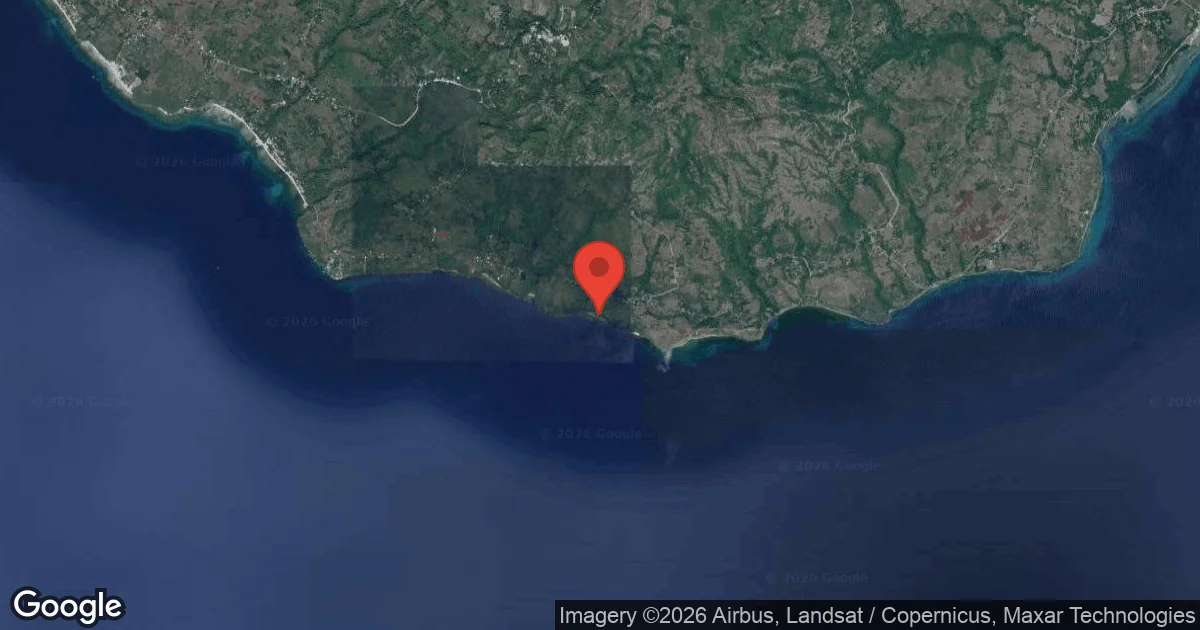
View all dive sites in PhilippinesDiscover more underwater gems in this area.
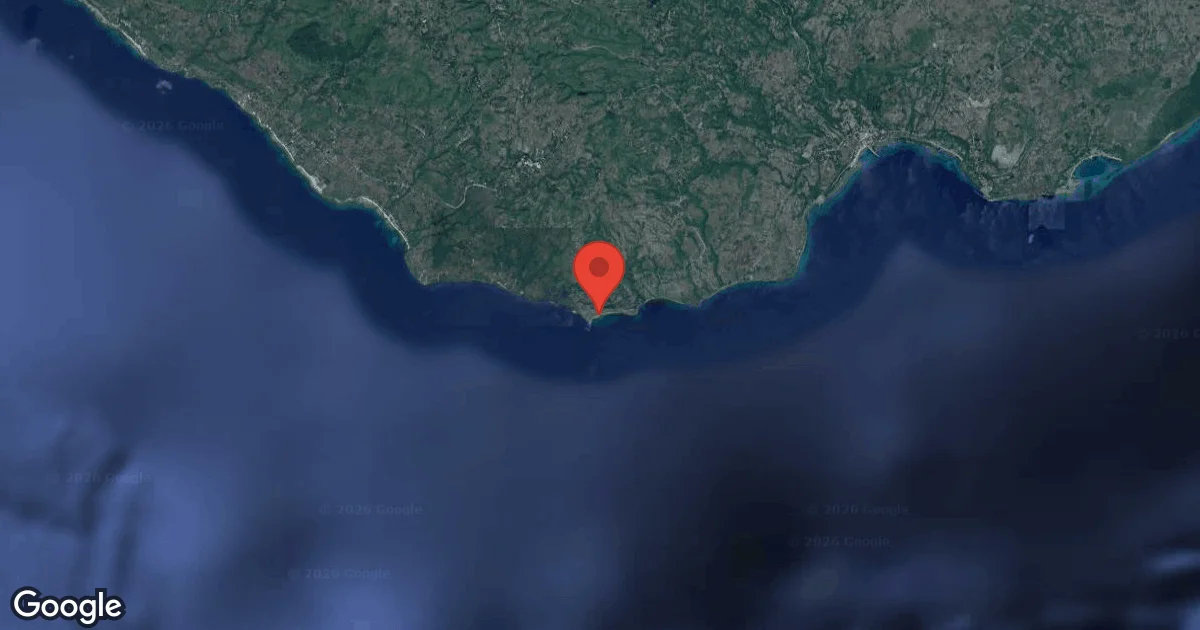
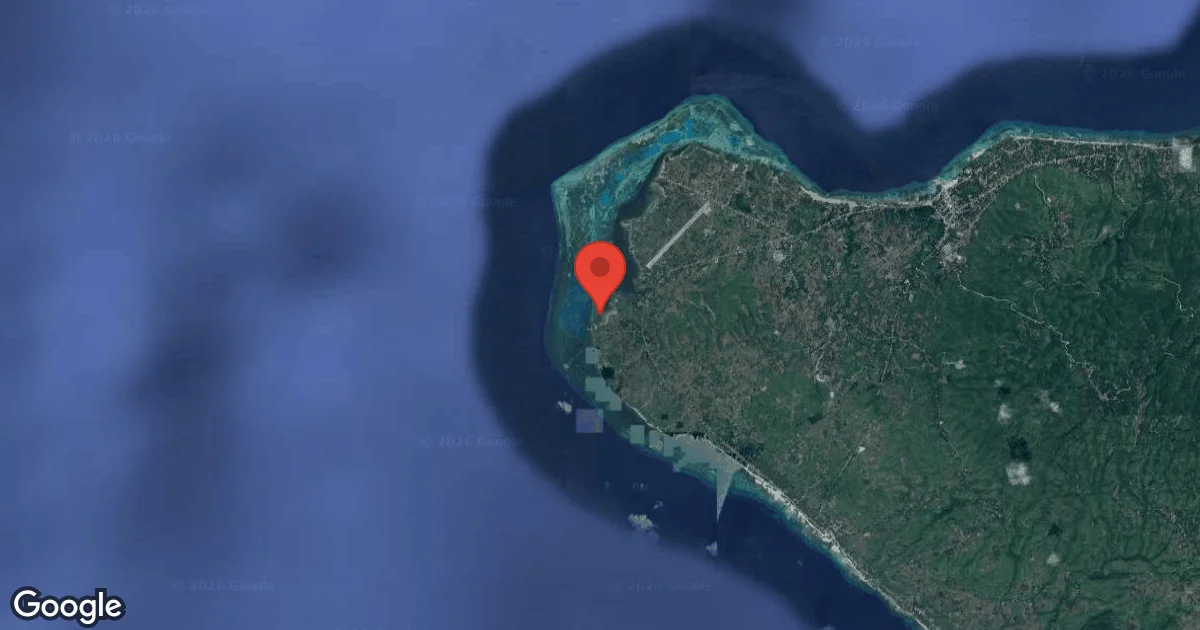
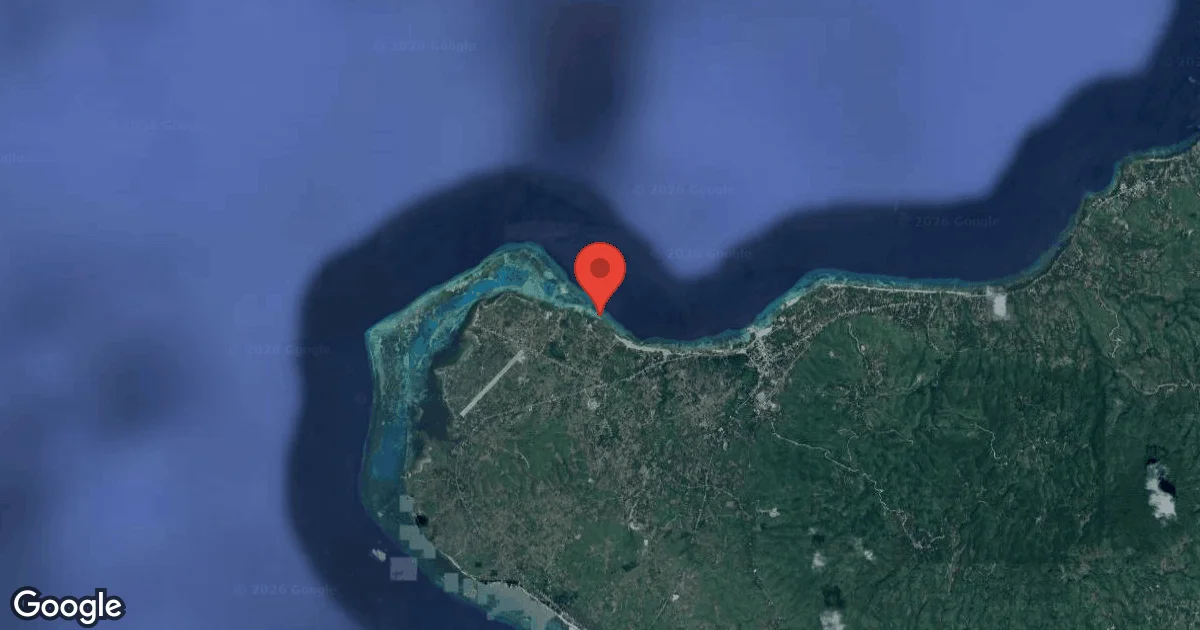
Dive Centers Near Sawang
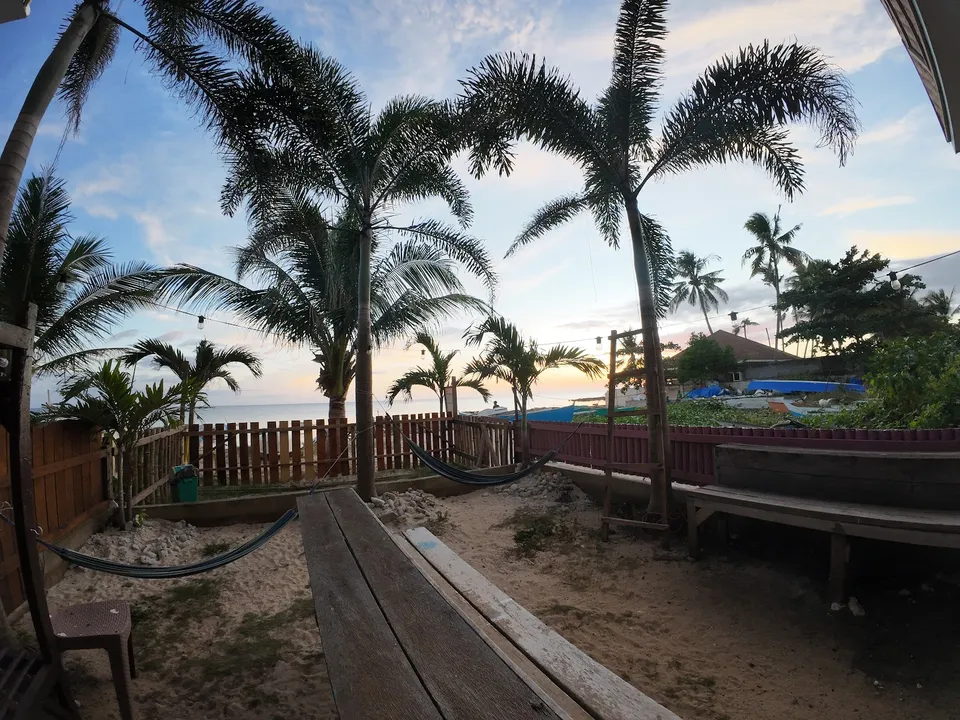
Today: 07:30 - 17:00
Nearest Airports
Nearest airports to help plan travel to this dive area.
Search Flights
Check available flights and routes on Expedia, using the nearby airports listed in this section.
Search Flights on ExpediaFrequently Asked Questions
What types of marine life can I expect to see?
Sawang is home to a diverse range of marine life including barracudas, jackfish, green turtles, and hawksbill turtles. You can also spot giant clams and electrical clams among extensive hard and soft coral gardens.
Is Sawang suitable for beginner divers?
Yes, Sawang offers captivating scuba diving experiences for both beginners and certified divers. The site features varied topography that can be enjoyed by different skill levels.
Are night dives available at Sawang?
Night dives are a notable feature at Sawang, considered spectacular by many. They provide opportunities to see blue-ringed octopuses, giant marine worms, nudibranchs, and flatworms.
What are the typical water conditions?
While specific water temperature data is not consistently reported, the region generally experiences warm water. Visibility is often clear, though currents can vary depending on conditions.
When is the best time of year to dive at Sawang?
The months of April, May, June, and October are rated as excellent for diving, with lower rainfall and generally calmer conditions. These periods offer optimal visibility and comfortable air temperatures.
Are there any specific hazards to be aware of?
Divers should be mindful of potential currents that can vary at the site. During night dives, exercise caution with blue-ringed octopuses, observing them from a safe distance as they are venomous.
What kind of underwater topography will I find?
The dive site features large coral-covered boulders that transition into a sandy slope. This slope eventually leads to a small coral-filled wall, offering a varied and engaging underwater landscape.
Planning to dive Sawang?
Send one inquiry and receive offers directly from the best verified local dive operators.
Conditions are Good
Optimal conditions expected
Current conditions near Sawang show 26° air, 30° sea temperature, 0.8 m waves, and 34 km/h wind. Forecast data is refreshed regularly to ensure accuracy.