
Diving at Inner Jenkins Bay (Puerto Rico)
Inner Jenkins Bay presents itself as a dynamic reef destination on Puerto Rico's southwest coast. Its protected position often provides calmer conditions than offshore sites, making it accessible even when larger swells affect exposed areas. This characteristic ensures a consistent opportunity to explore its vibrant coral formations. While deeper drop-offs are nearby, this inner bay specifically caters to recreational depths, adapting to various diver skill levels.
Evening condition tracking at Inner Jenkins Bay features an air temperature of 28.5°C. We have recorded wave heights measuring 0.9 m during this period. These figures outline the environmental parameters currently present.
Dive Site Location & Key Facts
Dive Site Overview
The reefs in Inner Jenkins Bay have developed over millennia, forming a rich, shallow ecosystem along Puerto Rico's southwestern coast. Historically, this region has been a focal point for local fishing communities and more recently, for marine tourism due to its accessibility.
It's often referenced as part of the broader La Parguera reef system, which includes both shallow reefs and the famed "Wall" – a 450 m (1,500 ft) shelf drop-off located further offshore. While the deep wall diving is a significant draw of the area, Inner Jenkins Bay provides a distinct, more sheltered experience. This particular off-shore reef dive is generally characterized by a maximum depth of around 15 m (50 ft), making it suitable for beginner divers and those preferring shallower profiles.
The reef structure itself is a product of continuous coral growth and deposition, creating a diverse habitat that has sustained a wide array of marine species over time. Its relatively untouched status, despite its popularity, reflects a long-standing appreciation for its ecological value within the diving community.
Conditions are Good
Optimal conditions expected
Current conditions near Inner Jenkins Bay show 29° air, 30° sea temperature, 0.9 m waves, and 22 km/h wind. Forecast data is refreshed regularly to ensure accuracy.
Best Time to Dive
Optimal diving at Inner Jenkins Bay typically aligns with periods of settled weather and lower wave activity, though good conditions occur throughout much of the year. Historically, the months of April, May, September, and November have recorded "Good" dive scores, indicating more favorable overall conditions. During these periods, average air temperatures generally range from 26-28°C (79-82°F). Rainfall is comparatively lower in April and November, averaging around 1.5-2.1 mm, while September sees moderate rain at 2.2 mm. Conversely, January through March and December report "Moderate" scores, often coinciding with slightly higher average wave heights, around 1.5 m (5 ft), and consistent winds. October, despite higher average rainfall at 4.7 mm, still maintains a "Moderate" dive score due to other favorable factors. Water temperature is not consistently reported for this specific site, but typically aligns with regional Caribbean norms for comfort.
PEAK SEASON SCORE
Scores combine air & water temps, waves, wind & rainfall for overall conditions.
BEST MONTHS TO DIVE
Monthly records compiled from satellite and marine observation nodes over the last 3 years. Data provided by Open-Meteo and MET Norway.
Dive Experience & Conditions
Entering the water at Inner Jenkins Bay usually presents a gentle transition into its vibrant underwater world. Conditions here are often characterized by moderate wind speeds, averaging 27-34 km/h (17-21 mph) depending on the month, which can influence surface chop but rarely impacts the underwater experience significantly in this sheltered bay. Maximum depths generally reach around 15 m (50 ft), offering ample light penetration for appreciating the reef's colors. Water visibility varies depending on recent weather patterns and nutrient upwellings, but is generally good. As for water temperature, specific readings for this bay are not consistently reported; however, the tropical climate ensures generally warm and comfortable conditions suitable for prolonged dives. Currents typically remain mild within the inner bay, aiding navigation and allowing divers to explore the coral formations at a relaxed pace.
Dive Difficulty & Safety Guidelines
Diving at Inner Jenkins Bay requires adherence to standard safe diving practices to preserve its delicate ecosystem and ensure diver well-being. Always conduct thorough buddy checks before descending and monitor your air consumption regularly. Maintain neutral buoyancy to avoid contact with the fragile corals and marine life; this protects both the reef and prevents potential injuries.
The site's generally shallow profile, around 15 m (50 ft), makes it accessible, yet proper ascent rates and safety stops are still crucial. Consider bringing a surface marker buoy (SMB) for visibility to boat traffic, especially in busy areas.
Working with PADI Certified Instructors and USCG-licensed operators, like those frequently operating in La Parguera, reinforces safe and environmentally responsible diving.
Recommended Equipment
- Dive Computer
This gear list is based on verified equipment signals for Inner Jenkins Bay, Puerto Rico. Always confirm final gear choices with your dive operator, guide, or liveaboard.
Recommended Dive Suit
The latest conditions reported around Inner Jenkins Bay place the water temperature close to 30°C (85°F). Surface air temperatures are resting at 29°C (84°F).
For the majority of recreational dives here, dive skin or rash guard should provide suitable protection. A hood or vest is suggested for sensitive divers due to surface winds.
Weather models currently point toward consistent diving conditions over the next several days.
Emergency & Medical Support
Essential information to help you plan your dive trip to Inner Jenkins Bay.

Hyperbaric chambers are a critical part of dive safety infrastructure. Availability varies significantly by region, and not all dive areas have immediate access.
Before diving, it's recommended to:
- confirm nearest medical facilities
- check emergency procedures with local dive operators
- ensure dive insurance covers evacuation if required
Divers Alert Network
Diving emergency assistance available through DAN World.
+1-919-684-9111- 24/7 emergency hotline
- Diving medical assistance
- Evacuation coordination
Emergency contacts are provided for reference. Always verify local emergency services before diving.
Marine Life at Inner Jenkins Bay
Upon descending into Inner Jenkins Bay, divers will first notice the varied coral formations that define its underwater landscape. The intricate reef structure provides shelter for abundant reef fish, which are often immediately visible darting among the corals.
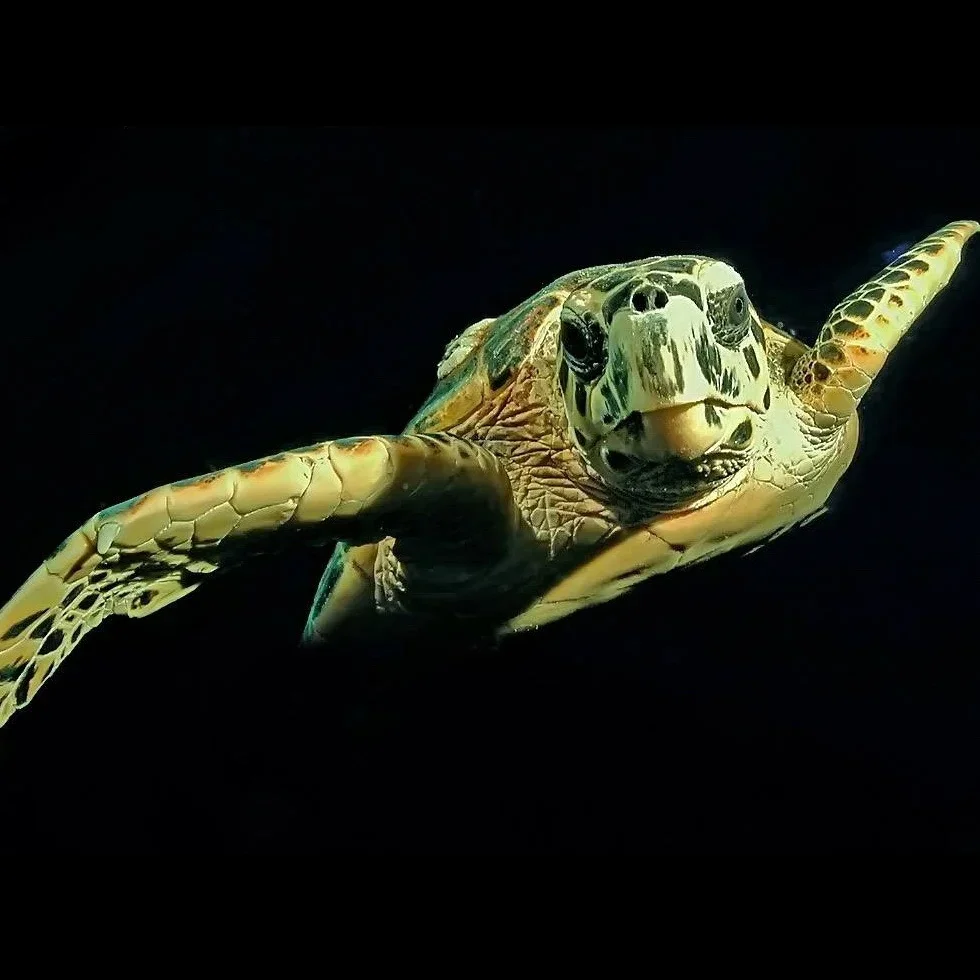
Keep an eye out for resident green and hawksbill turtles gracefully swimming past, a common sight here. Further exploration often reveals sea cucumbers resting on the sandy patches, and various colorful sea stars camouflaged against the substrate.
Less conspicuous but present are eels and rays, which typically prefer the quieter crevices or sandy bottoms.

Dive Sites Near Inner Jenkins Bay
View all dive sites in Puerto RicoDiscover more underwater gems in this area.
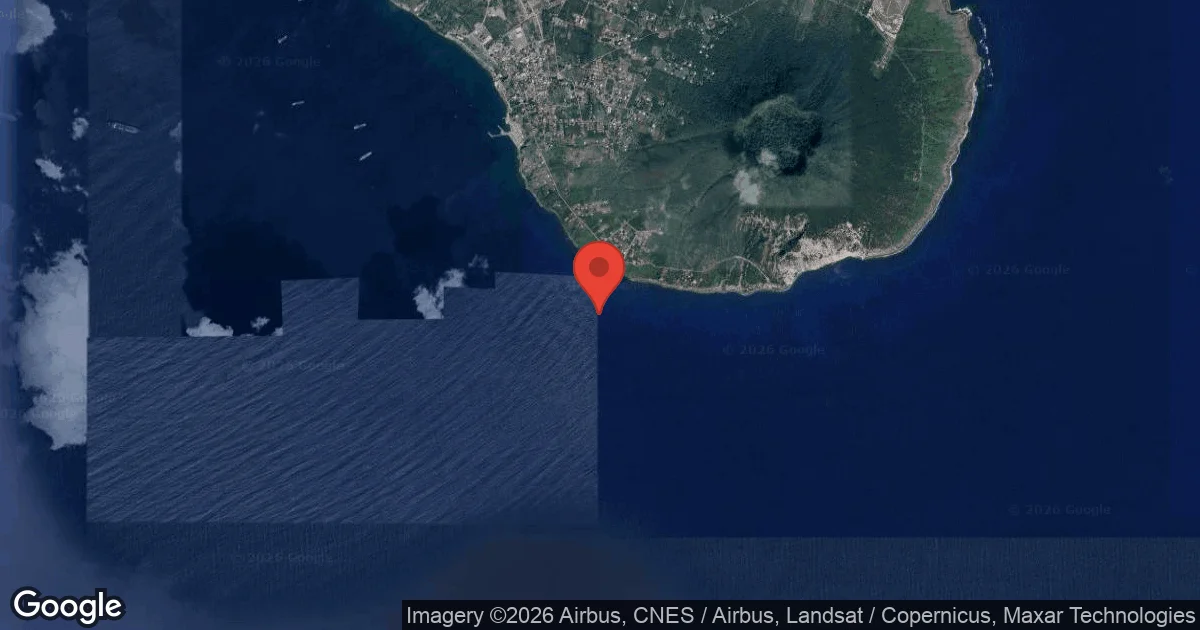
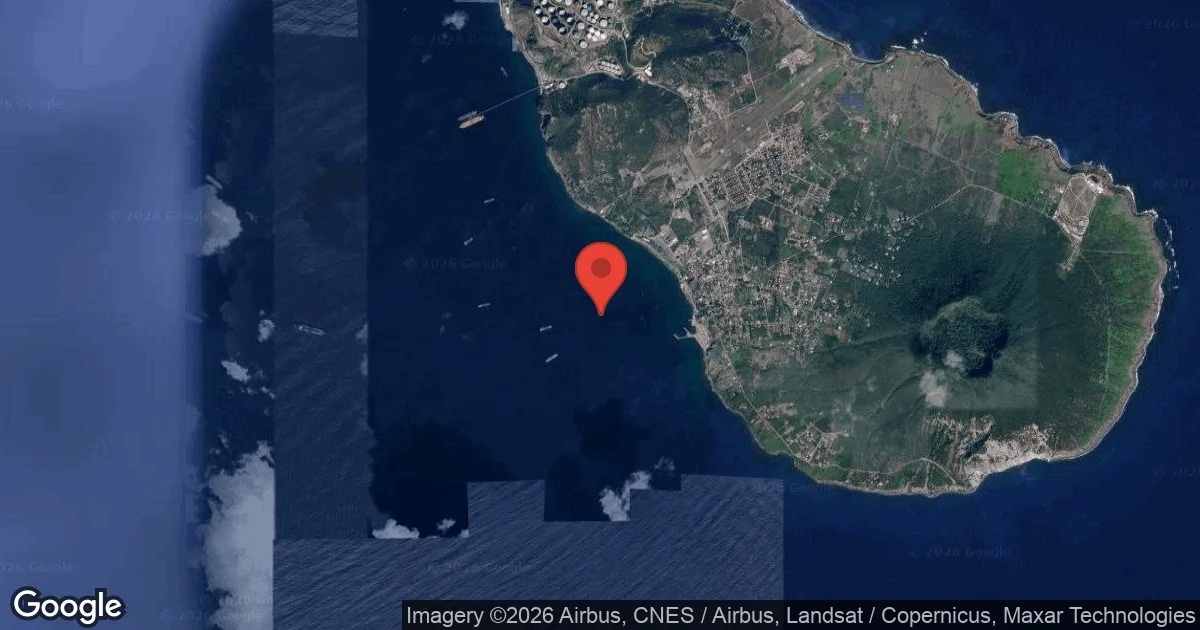
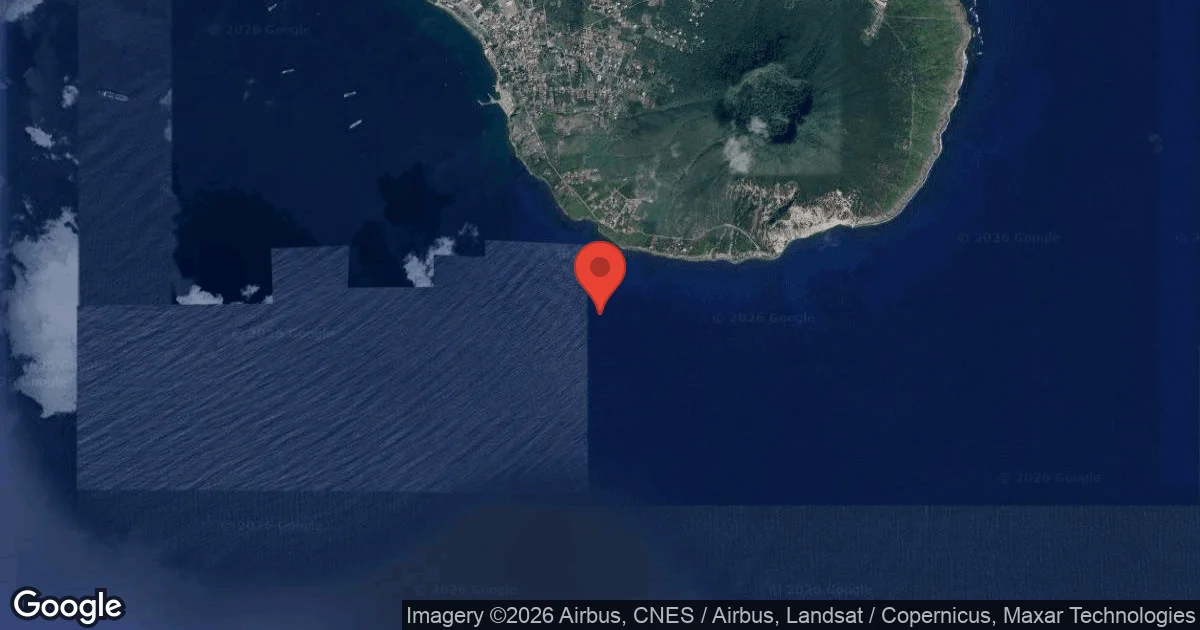
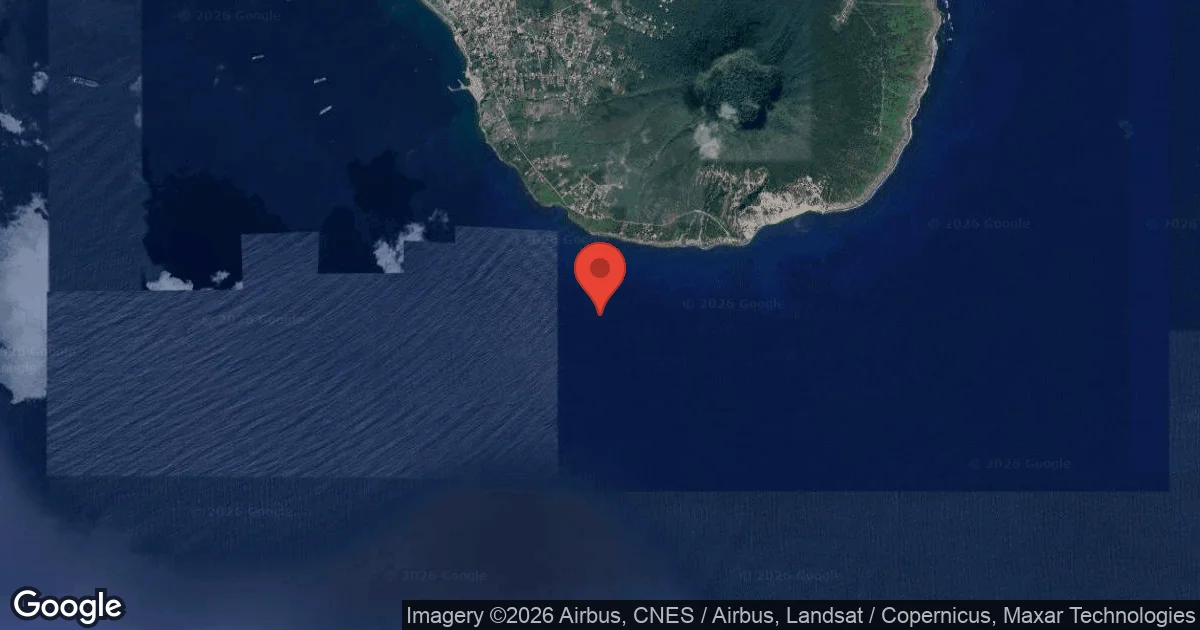
Dive Centers Near Inner Jenkins Bay
No Dive Centers Local To Inner Jenkins Bay
Are you a dive center visiting this location? Get listed to reach divers.
Nearest Airports
Nearest airports to help plan travel to this dive area.
Search Flights
Check available flights and routes on Expedia, using the nearby airports listed in this section.
Search Flights on ExpediaFrequently Asked Questions
What is the typical maximum depth for diving in Inner Jenkins Bay?
This site is primarily a shallow reef dive, with depths generally reaching a maximum of 15 m (50 ft). It's well-suited for recreational and beginner divers.
What are the water temperatures like at Inner Jenkins Bay?
Specific water temperature readings for Inner Jenkins Bay are not consistently reported. However, as a tropical Caribbean location, divers can expect warm and comfortable water conditions throughout the year.
When is the best time to dive here?
The months of April, May, September, and November often offer the best diving conditions, characterized by lower rainfall and favorable wave activity. Good diving is possible year-round, but conditions may vary.
What kind of marine life can I expect to see?
Divers often encounter diverse coral formations, reef fish, green and hawksbill turtles, sea cucumbers, and sea stars. Eels and various rays can also be spotted within the reef's crevices and sandy areas.
Is Inner Jenkins Bay suitable for beginner divers?
Yes, its shallow depth and typically mild currents make it an excellent site for beginner divers or those undergoing certification. It offers a safe and engaging environment to gain experience.
Are there strong currents in Inner Jenkins Bay?
Currents within the inner bay are generally mild, providing comfortable conditions for exploration. This makes it easier for divers to navigate and observe marine life without significant effort.
How do divers usually access Inner Jenkins Bay?
Access to Inner Jenkins Bay is typically via boat tours departing from the nearby fishing village of La Parguera. Several reputable dive operators in the area offer trips to these reefs.
Is Inner Jenkins Bay the same as The Wall at La Parguera?
No, while both are part of the larger La Parguera reef system, Inner Jenkins Bay is a distinct, shallower reef dive. The Wall refers to a dramatic continental shelf drop-off located further offshore, catering to deeper dive profiles.
Planning to dive Inner Jenkins Bay?
Send one inquiry and receive offers directly from the best verified local dive operators.
Conditions are Good
Optimal conditions expected
Current conditions near Inner Jenkins Bay show 29° air, 30° sea temperature, 0.9 m waves, and 22 km/h wind. Forecast data is refreshed regularly to ensure accuracy.