
Diving at Double Wreck (Puerto Rico)
Double Wreck in Puerto Rico invites divers to explore a submerged landscape that holds tales beneath the waves. While specific details on its structure are limited, the site is recognized for its historical intrigue within the island's diverse underwater terrain. Expect a blend of artificial reef structures that often become encrusted with coral, providing habitat for various marine species. The site offers a compelling dive, allowing for observation of how marine life reclaims man-made objects.
Tonight's objective overview for Double Wreck shows an air temperature of 29°C. The measured surface conditions include wave heights around 0.8 m. This environmental data is logged for the close of the day.
Dive Site Location & Key Facts
Dive Site Overview
Exploring the Double Wreck site presents an opportunity to delve into a potentially complex underwater structure, characteristic of some of Puerto Rico's more intricate dive locations. While precise blueprints of these particular wrecks are not consistently reported, such sites typically feature a collection of submerged remains that have become integrated into the local ecosystem.
Divers often find themselves navigating through or around substantial hull sections, machinery, and scattered debris, which creates a dynamic environment. Over time, these metallic forms are transformed into vibrant artificial reefs, attracting a diverse array of schooling fish and sedentary invertebrates. This transformation showcases the resilience of the marine environment.
Visibility around wrecks in Puerto Rico often remains excellent, sometimes extending well beyond 20 m (65 ft), which enhances the experience of observing both the structural integrity and the vibrant marine colonization. Depths at wreck sites across the region can vary significantly, with some accessible in recreational ranges while others may extend to 30 m (100 ft) or deeper, suitable for advanced certification levels.
The thrill of discovery is a constant companion on such dives, as each descent may reveal new details or resident marine inhabitants, offering a tangible connection to maritime history.
Conditions are Excellent
07:00 - 14:00
Optimal conditions expected
Current conditions near Double Wreck show 29° air, 30° sea temperature, 0.8 m waves, and 24 km/h wind. Forecast data is refreshed regularly to ensure accuracy.
Best Time to Dive
Optimizing a dive trip to the Double Wreck often involves balancing weather patterns with marine conditions. The system data suggests favorable diving scores, rated 'Good,' particularly from April through May and again from September through November. During these periods, wind speeds tend to be lower, contributing to calmer surface conditions, with average wave heights potentially decreasing. Air temperatures during these 'Good' months typically range from 26°C to 29°C (79.2°F to 83.9°F), offering comfortable surface intervals. Conversely, other months often present 'Moderate' dive scores, which means conditions may be more challenging. January, February, and March often see higher wave heights, around 1.4 m (4.6 ft), and stronger winds up to 31 km/h (19 mph). Though rain activity is generally low year-round, occasional short, heavy showers can occur, particularly from May to October. Water temperatures generally stay around 27-28°C (81-82°F) throughout the year, making exposure protection a matter of personal comfort rather than absolute necessity. While winter months might bring rougher surface conditions, they also coincide with whale migration season in some areas, offering a different kind of marine experience on surface transits.
PEAK SEASON SCORE
Scores combine air & water temps, waves, wind & rainfall for overall conditions.
BEST MONTHS TO DIVE
Monthly records compiled from satellite and marine observation nodes over the last 3 years. Data provided by Open-Meteo and MET Norway.
Dive Experience & Conditions
Descending toward the Double Wreck site, divers can expect the sensation of history slowly revealing itself beneath the clear Caribbean surface. Water temperature typically hovers around a comfortable 27-28°C (81-82°F), minimizing the need for heavy exposure protection for most. Visibility here can be quite generous, often allowing for expansive views of the wreck's overall layout and any surrounding seabed features. Tidal currents are generally mild, though local conditions can always introduce variations, making drift dives less common but always a possibility. The wreck itself provides a tangible structure. Its metal surfaces now serve as a substrate for vibrant coral growth. Navigating the contours of the submerged vessels reveals the work of time and marine life, transforming utilitarian structures into intricate underwater habitats. Exploring different sections of the wreck, divers may encounter a scattering of debris, offering detailed insights into the forces that brought these structures to rest.
Dive Difficulty & Safety Guidelines
Successfully navigating any wreck site, including the Double Wreck, begins with thorough preparation and adherence to established diving protocols. Due to the potential for varying depths and possible overhead environments, divers should ensure they possess the appropriate certification for wreck diving, especially if planning any penetration. Prior to entry, a comprehensive dive briefing is essential, covering the site layout, potential current patterns, and emergency procedures.
Maintaining situational awareness is crucial when exploring complex structures or confined spaces. It's important to remember that marine environments can shift, so always verify local conditions with dive operators.
Always dive within your training limits and with a buddy. Adherence to responsible diving practices, such as maintaining neutral buoyancy and avoiding contact with delicate corals or potentially unstable wreck components, helps preserve the site for future exploration.
Recommended Equipment
- Dive Computer
This gear list is based on verified equipment signals for Double Wreck, Puerto Rico. Always confirm final gear choices with your dive operator, guide, or liveaboard.
Recommended Dive Suit
For many recreational divers, dive skin or rash guard provides a practical level of insulation in these conditions. A hood or vest is suggested for sensitive divers due to surface winds. Divers who tend to get cold easily may prefer slightly thicker exposure protection.
Conditions at Double Wreck currently place the water temperature near 30°C (85°F). Surface air temperatures are resting at 29°C (84°F).
The next few days appear likely to bring similar environmental conditions.
Emergency & Medical Support
Essential information to help you plan your dive trip to Double Wreck.

Hyperbaric chambers are a critical part of dive safety infrastructure. Availability varies significantly by region, and not all dive areas have immediate access.
Before diving, it's recommended to:
- confirm nearest medical facilities
- check emergency procedures with local dive operators
- ensure dive insurance covers evacuation if required
Divers Alert Network
Diving emergency assistance available through DAN World.
+1-919-684-9111- 24/7 emergency hotline
- Diving medical assistance
- Evacuation coordination
Emergency contacts are provided for reference. Always verify local emergency services before diving.
Marine Life at Double Wreck
The artificial reef formed by the submerged structures at Double Wreck creates a dynamic ecosystem beneath the waves. Hard and soft corals often encrust metal surfaces, attracting a vibrant array of reef fish.
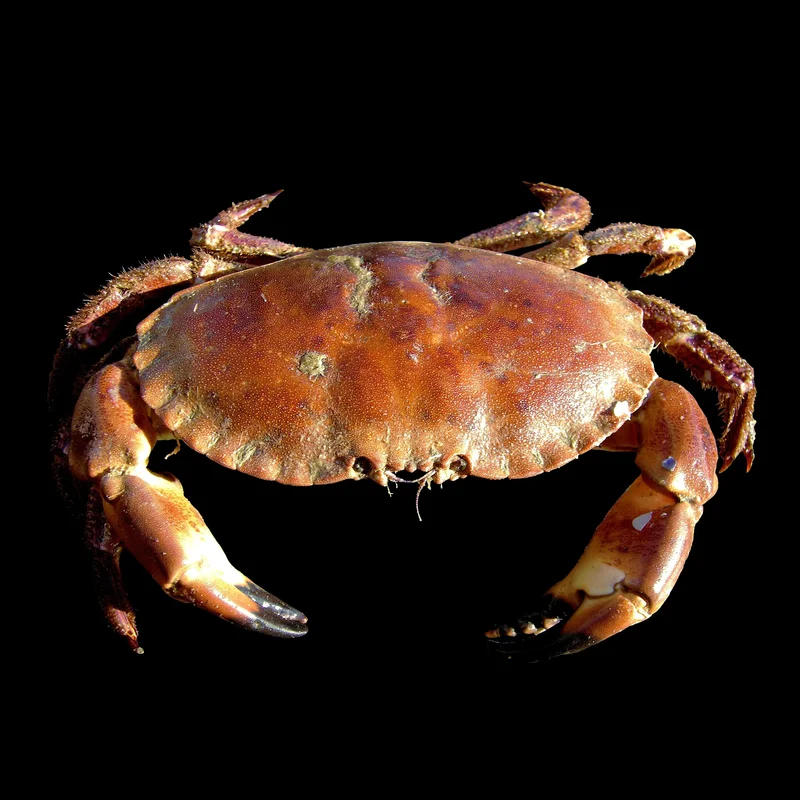
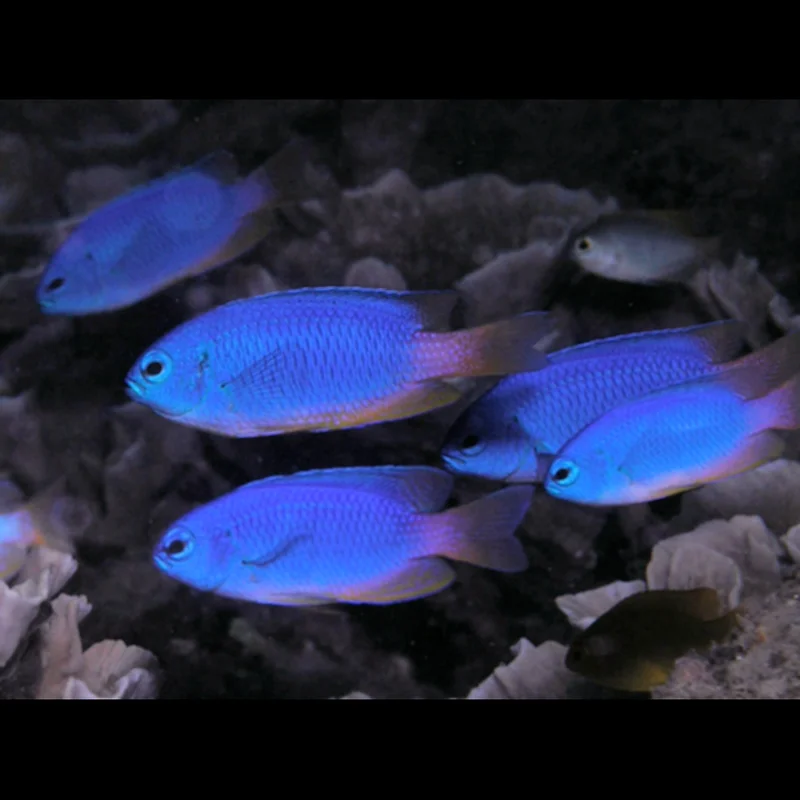
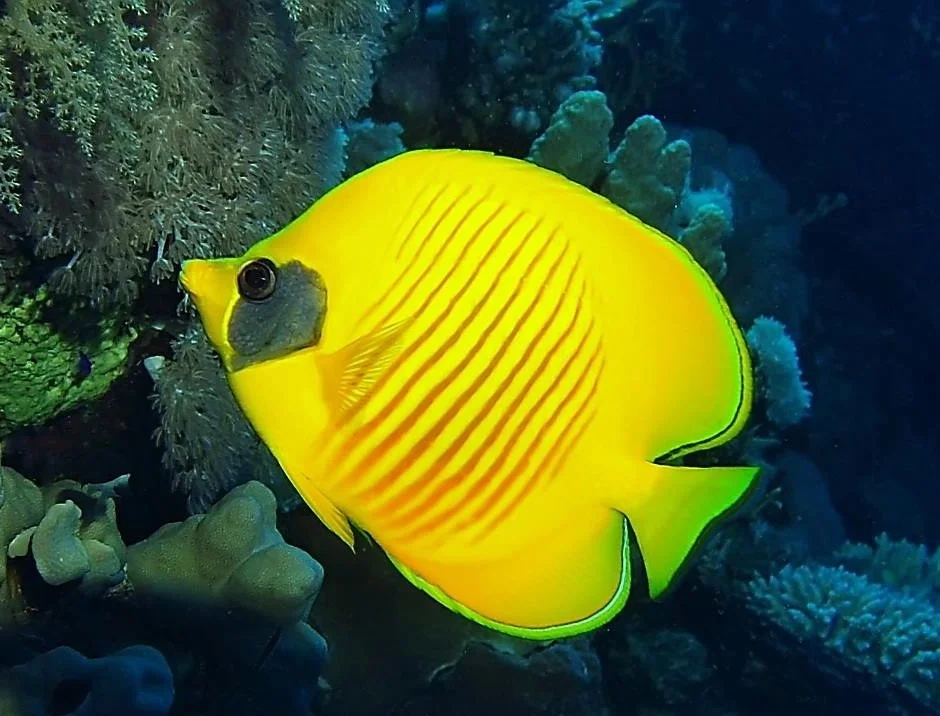
You might observe schools of butterflyfish and damselfish flitting among the growth, alongside larger grey angelfish. Closer inspection of crevices and beneath overhangs may reveal small crabs, lobsters, or shrimp, demonstrating the site's role as a complex habitat.
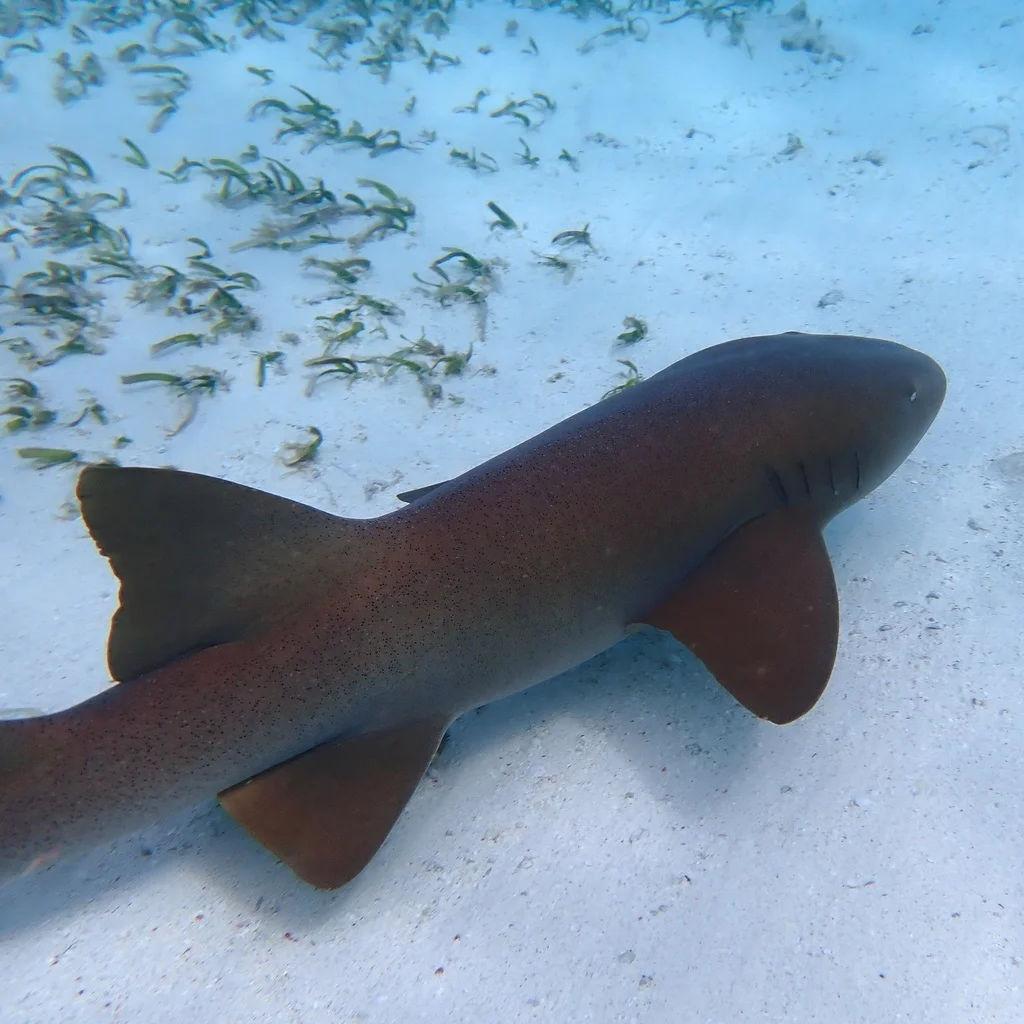
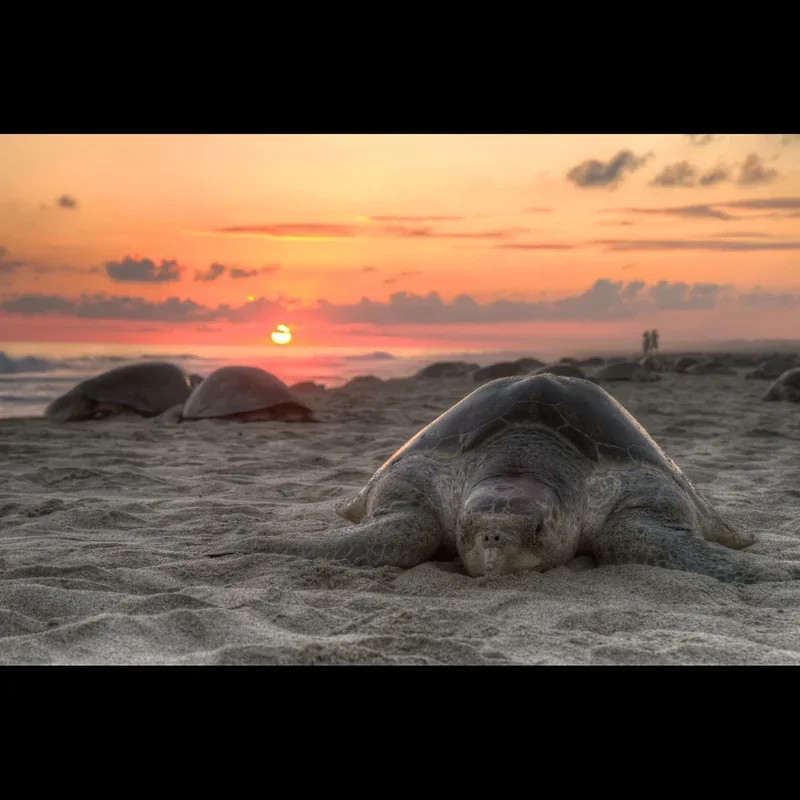
Nurse sharks are known to inhabit some wreck and reef sites in Puerto Rico, occasionally seen resting on the sandy bottom nearby. Jacks and barracuda are also commonly spotted cruising the perimeter, indicating a healthy food web. Divers might even spot sea turtles gliding gracefully through the water column, utilizing the wreck as a temporary resting or feeding area.
Dive Sites Near Double Wreck
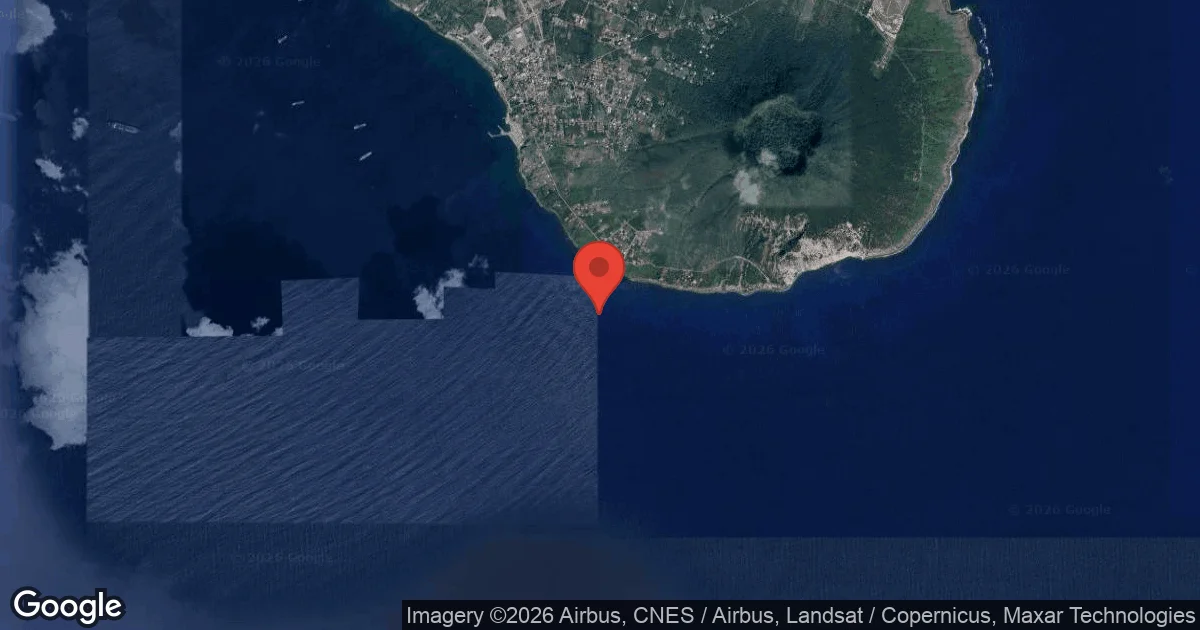
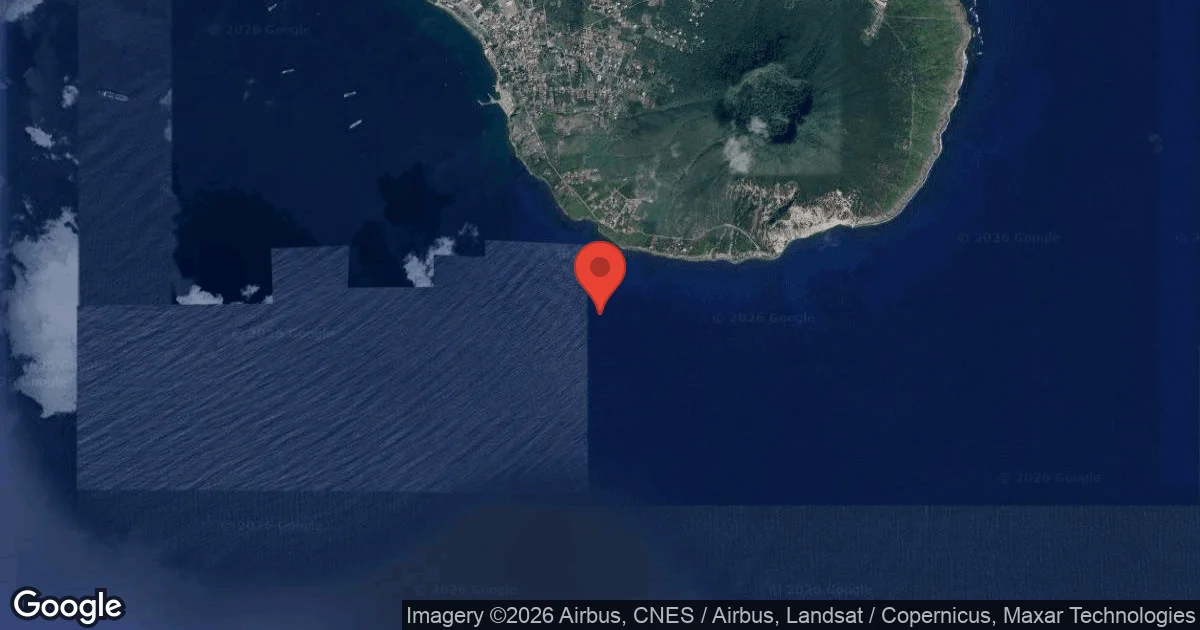
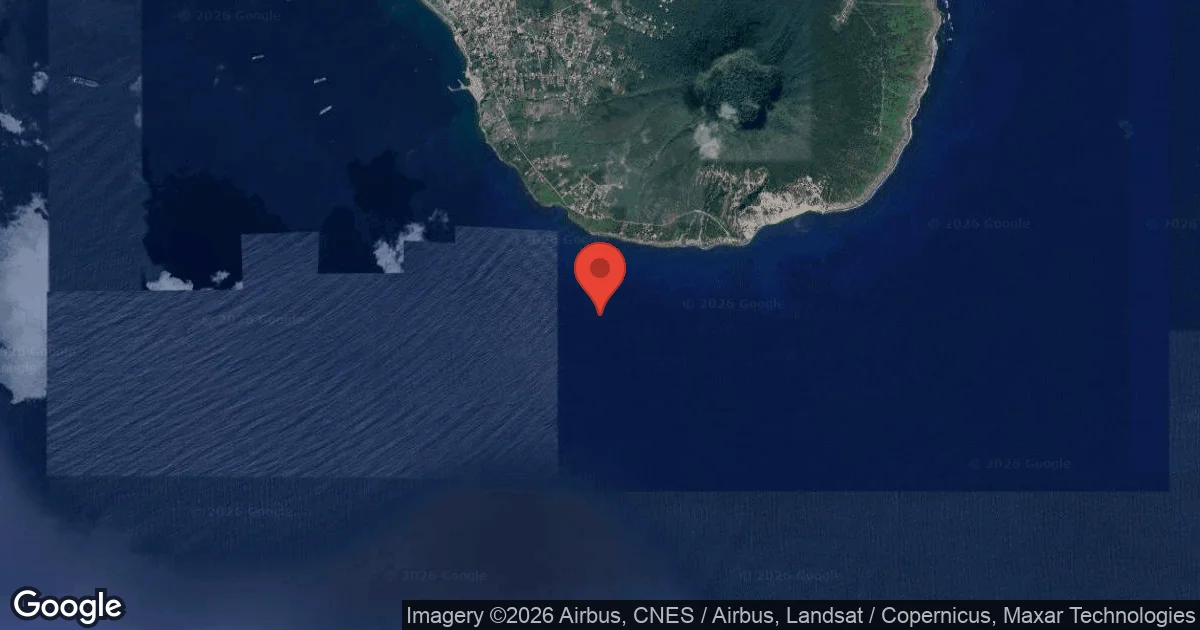
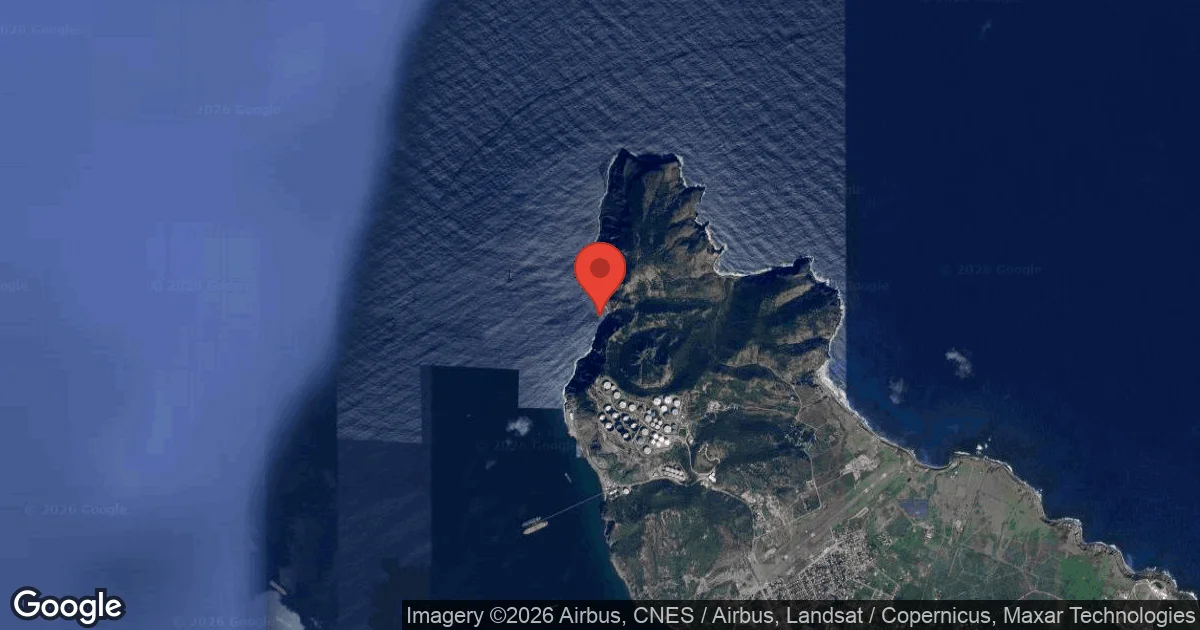
View all dive sites in Puerto RicoDiscover more underwater gems in this area.
Dive Centers Near Double Wreck
No Dive Centers Local To Double Wreck
Are you a dive center visiting this location? Get listed to reach divers.
Nearest Airports
Nearest airports to help plan travel to this dive area.
Search Flights
Check available flights and routes on Expedia, using the nearby airports listed in this section.
Search Flights on ExpediaFrequently Asked Questions
What type of wrecks constitute the Double Wreck site?
Specific historical details and the precise type of vessels comprising the Double Wreck are not consistently reported in available data. However, many wreck sites in Puerto Rico consist of former military aircraft or older ships that have become artificial reefs.
What is the typical depth range for diving the Double Wreck?
The exact depth for the Double Wreck is not universally documented. Wreck sites in Puerto Rico vary significantly, with some accessible in recreational depths between 12-18 m (40-60 ft), while others, like the B-29 bomber wreck, can be found as deep as 34-37 m (111-120 ft). It's advisable to check with local dive operators for the most current site specifics.
What kind of visibility can divers expect at this site?
Visibility around wreck sites in Puerto Rico is generally good. While local conditions can influence clarity, the Caribbean waters typically offer expansive views, enhancing the exploration of the wreck structures.
Are there strong currents typically present at the Double Wreck?
Currents at individual dive sites in Puerto Rico, including wrecks, can vary depending on local weather and tides. While strong currents are not consistently reported as a dominant feature for all sites, divers should always consult with their dive guide for the day's conditions.
Is specialized equipment needed for diving the Double Wreck?
For any wreck dive, particularly if exploring inside or near structural overhangs, a dive light is highly recommended. If planning any penetration into the wreck, appropriate wreck diving certification, along with a reel and line, are essential for safety.
What kind of marine life might I encounter at the Double Wreck?
Wreck sites in Puerto Rico attract a variety of marine life as they form artificial reefs. You might observe various reef fish like butterflyfish, angelfish, and damselfish, as well as crustaceans such as crabs and lobsters. Larger species like nurse sharks, jacks, and barracuda are also commonly seen patrolling these habitats.
What's the average water temperature at the Double Wreck site?
Water temperatures in Puerto Rico are consistently warm, generally ranging between 27-28°C (81-82°F) year-round. This comfortable temperature typically allows for lighter exposure protection, like a 3mm wetsuit or shorty, depending on personal preference.
Planning to dive Double Wreck?
Send one inquiry and receive offers directly from the best verified local dive operators.
Conditions are Excellent
07:00 - 14:00
Optimal conditions expected
Current conditions near Double Wreck show 29° air, 30° sea temperature, 0.8 m waves, and 24 km/h wind. Forecast data is refreshed regularly to ensure accuracy.