
Diving at Barracuda Reef (Puerto Rico)
Visibility at dive sites around Puerto Rico consistently provides clear views into diverse underwater landscapes, frequently exceeding 20 m (65 ft) on calm days. The warm, tropical waters enhance the experience, allowing divers to easily observe vibrant coral formations and various reef inhabitants. Ideal conditions often align with periods of lower wave action, maximizing your time exploring the rich Caribbean ecosystems.
Evening condition tracking at Barracuda Reef features an air temperature of 27°C. We have recorded wave heights measuring 1.3 m during this period. These figures outline the environmental parameters currently present.
Dive Site Location & Key Facts
Dive Site Overview
Exploring a site like Barracuda Reef in Puerto Rico offers a representative experience of the island's dynamic underwater ecosystems. Divers can expect a blend of lively coral formations and rocky outcrops, which serve as natural habitats for a rich diversity of marine life.
While specific structural data for Barracuda Reef isn't consistently reported, typical reef encounters in Puerto Rico often present depths ranging from 9 to 21 m (30 to 70 ft), accommodating various skill levels. The environment here tends to feature extensive coral gardens, often hosting barracuda, which gives the site its name, alongside numerous other species.
Depending on the exact location and conditions, divers might navigate gentle slopes or discover smaller crevices. These reefs contribute significantly to Puerto Rico's reputation for engaging diving, providing both visual appeal and consistent opportunities for marine encounters.
Conditions are Good
Optimal conditions expected
Current conditions near Barracuda Reef show 27° air, 29° sea temperature, 0.8 m waves, and 23 km/h wind. Forecast data is refreshed regularly to ensure accuracy.
Best Time to Dive
Optimizing your dive trip to Barracuda Reef relies heavily on understanding seasonal weather patterns in Puerto Rico, with dive scores rated 'Good' in April, May, September, and November. During these months, wind speeds tend to be lower, generally below 29 km/h (18 mph), which often correlates with calmer surface conditions and enhanced underwater visibility. Air temperatures during these preferred periods are pleasantly warm, ranging from 26°C to 29°C (79-84°F). Rainfall is typically lower or moderate in these 'Good' months, minimizing runoff and contributing to clearer waters. For instance, September and November generally see less rain compared to October. While specific water temperatures aren't always reported in granular detail, the tropical climate ensures comfortably warm waters year-round. Conversely, months with higher average wave heights, such as January or December, may present more challenging surface conditions, although diving is still possible.
PEAK SEASON SCORE
Scores combine air & water temps, waves, wind & rainfall for overall conditions.
BEST MONTHS TO DIVE
Monthly records compiled from satellite and marine observation nodes over the last 3 years. Data provided by Open-Meteo and MET Norway.
Dive Experience & Conditions
Accessing reef sites like Barracuda Reef typically involves a short boat ride from local marinas, though some areas in Puerto Rico also offer accessible shore dives. Entering the water usually presents calm conditions, particularly during periods of lower wind and wave activity, which is common for many popular reef locations. Water temperatures remain consistently warm, reflecting the Caribbean's tropical climate, generally staying within a comfortable range for extended dives. Visibility often ranges from 15 to 30 m (50 to 100 ft), depending on recent weather and currents, making for excellent viewing opportunities. Currents tend to be mild around most recreational reef depths, suitable for divers of all experience levels, but can vary. Always confirm current predictions with local dive operators before your planned entry.
Dive Difficulty & Safety Guidelines
Diving at Barracuda Reef requires adherence to standard safe diving practices to ensure a positive experience. Always dive within your certification limits and maintain conservative bottom times, especially given potential recreational depths. Currents can occasionally be present, so staying alert to water movement and maintaining proper buoyancy control are important.
Protecting the delicate coral formations and marine life is paramount; divers should avoid touching the reef or disturbing its inhabitants. Local dive operators in Puerto Rico are well-versed in site-specific conditions and best practices.
Consulting them for current advisories and always diving with a buddy are essential guidelines for any visit.
Recommended Equipment
Current and surface separation risk. Local briefing strongly recommended.
- Dive Computer
- DSMB
- Reel / Spool
This gear list is based on verified equipment signals for Barracuda Reef, Puerto Rico. Always confirm final gear choices with your dive operator, guide, or liveaboard.
Recommended Dive Suit
Recent conditions suggest the water at Barracuda Reef remains near 29°C (85°F), offering typical conditions for the area. Surface air temperatures are resting at 27°C (81°F).
Weather projections show fairly stable environmental conditions ahead.
Most divers would typically feel comfortable using dive skin or rash guard in these conditions. Consider warmer surface protection (like a boat coat) due to brisk winds. Dive depth and duration can significantly affect perceived warmth. Stronger winds may also make surface intervals feel cooler than usual.
Due to technical issues with our weather providers, data hasn't been fetched for over 48 hours. The data above reflects the conditions at the time of the last successful fetch.
Emergency & Medical Support
Essential information to help you plan your dive trip to Barracuda Reef.

Hyperbaric chambers are a critical part of dive safety infrastructure. Availability varies significantly by region, and not all dive areas have immediate access.
Before diving, it's recommended to:
- confirm nearest medical facilities
- check emergency procedures with local dive operators
- ensure dive insurance covers evacuation if required
Divers Alert Network
Diving emergency assistance available through DAN World.
+1-919-684-9111- 24/7 emergency hotline
- Diving medical assistance
- Evacuation coordination
Emergency contacts are provided for reference. Always verify local emergency services before diving.
Marine Life at Barracuda Reef
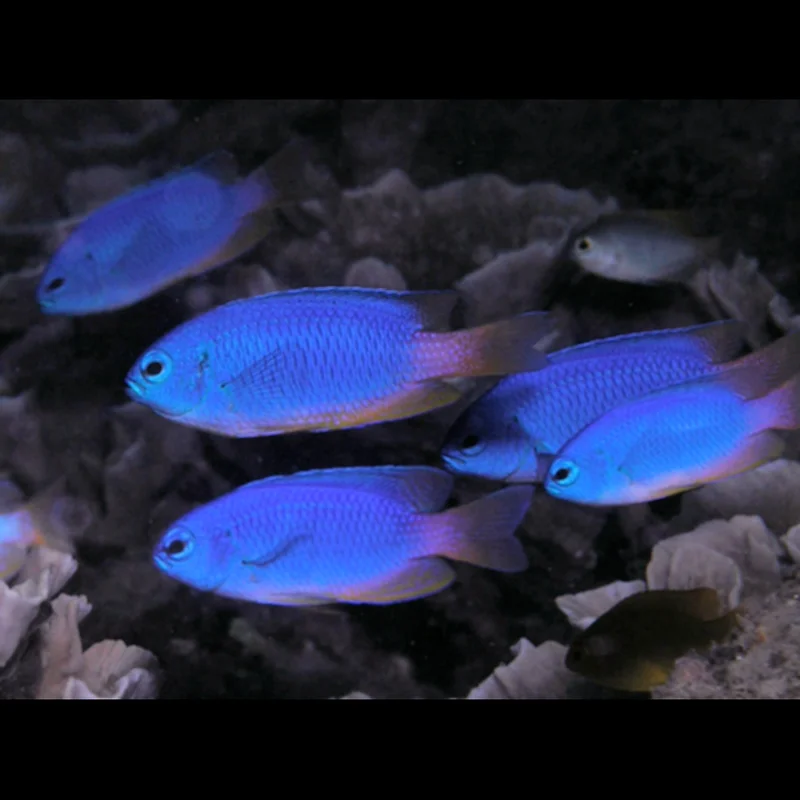
The vibrant marine environment around Barracuda Reef lives up to its name, with barracuda being a common sight, often observed patrolling the reef edges. Encounters with various reef fish are frequent, including colorful parrotfish, angelfish, and damselfish, which populate the coral structures.
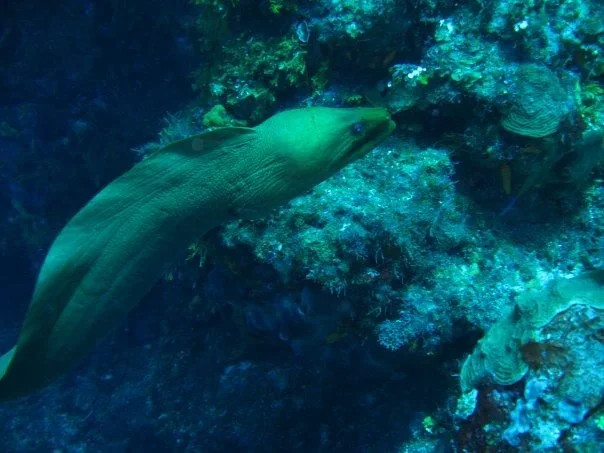
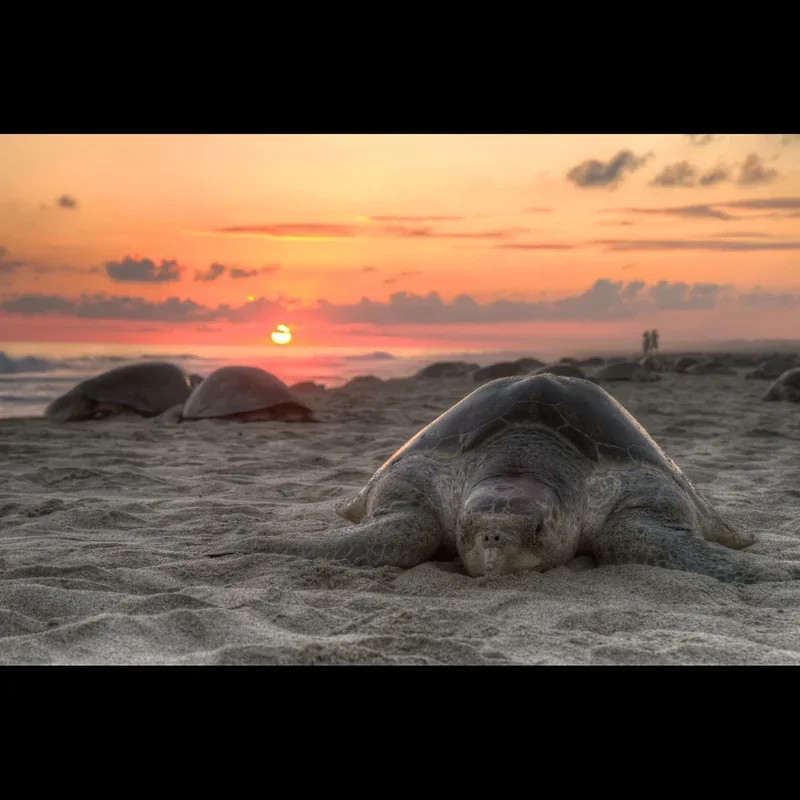
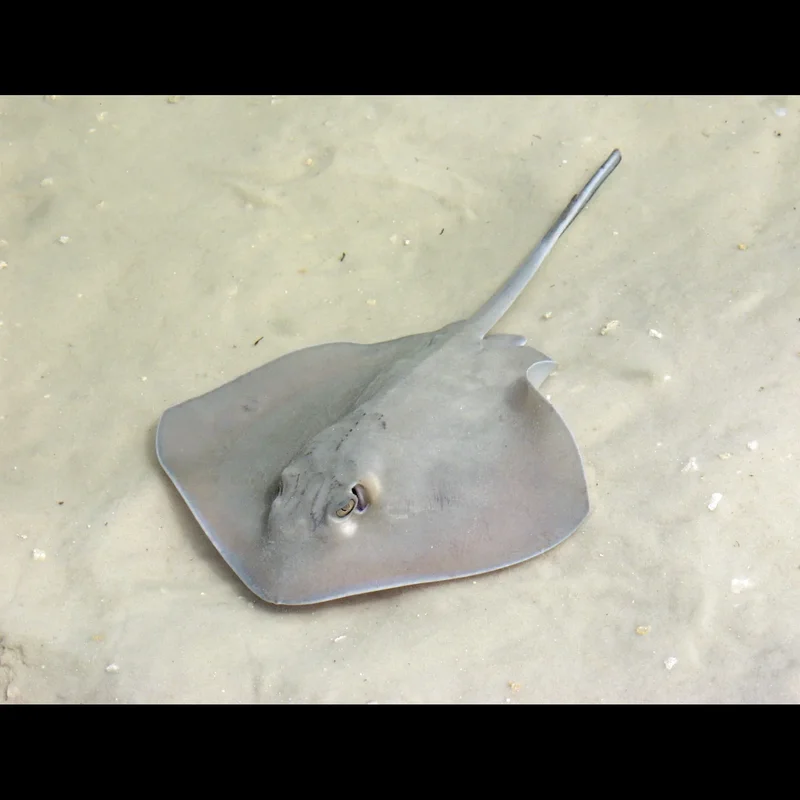
Sea turtles and stingrays are known to glide across the sandy bottoms adjacent to the reef. More attentive divers might also spot lobsters tucked into crevices or moray eels peering from their hideaways.
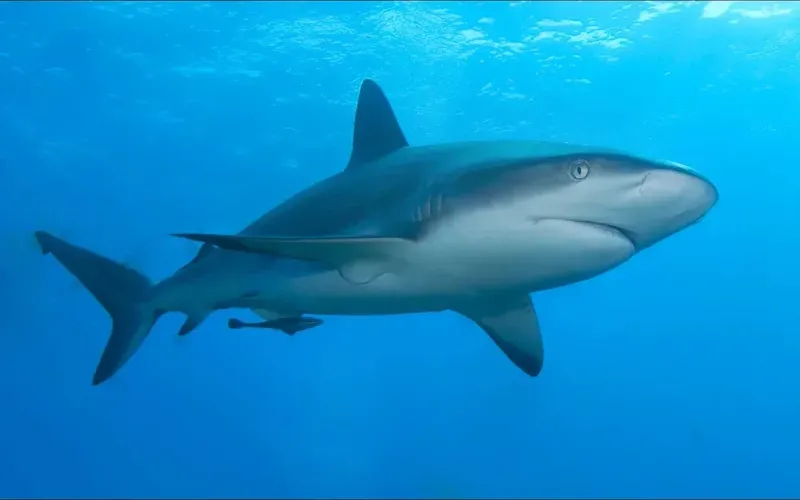
The reef is a mosaic of hard and soft corals, providing shelter and feeding grounds for this diverse array of creatures. Occasional sightings of eagle rays or even juvenile reef sharks add to the excitement of exploring these Caribbean waters.
Dive Sites Near Barracuda Reef
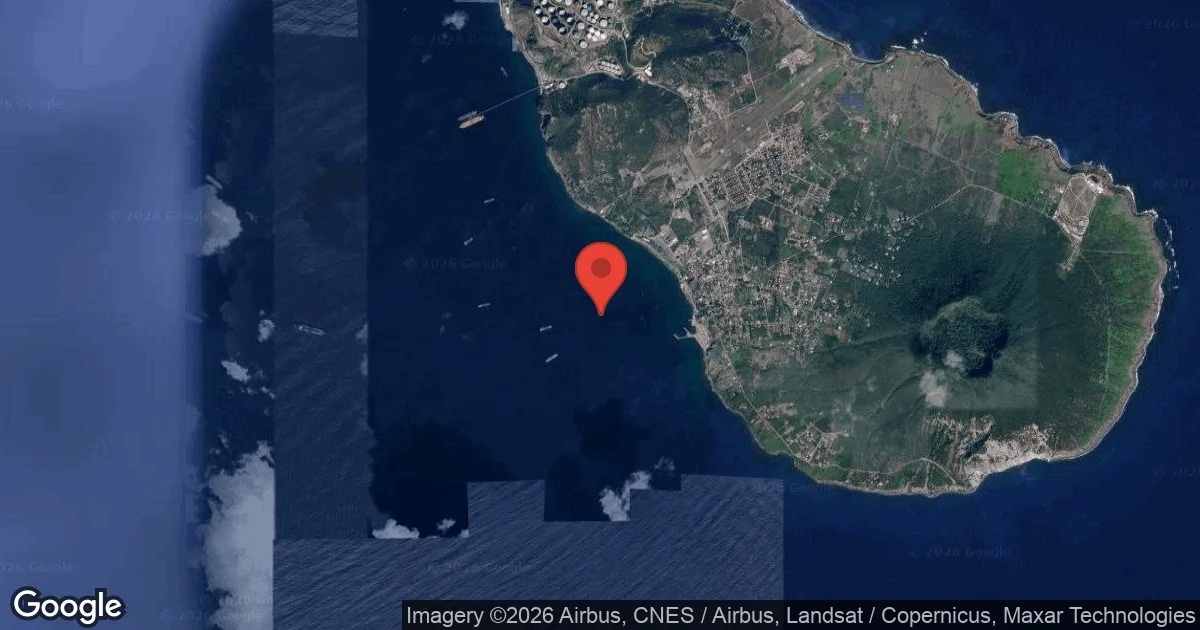
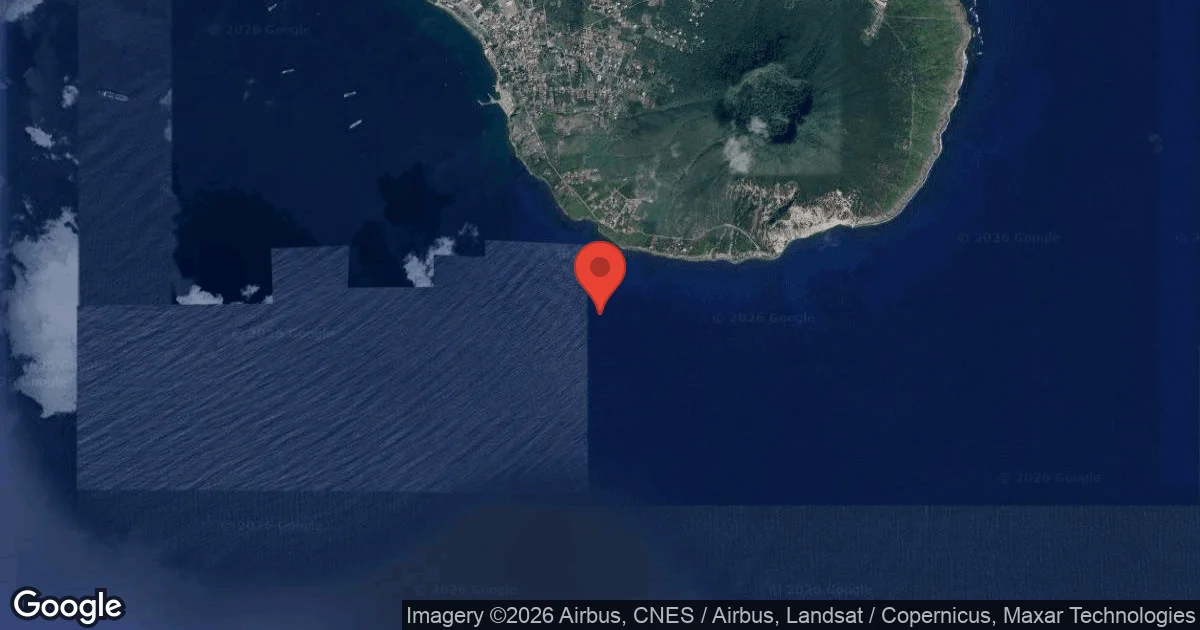
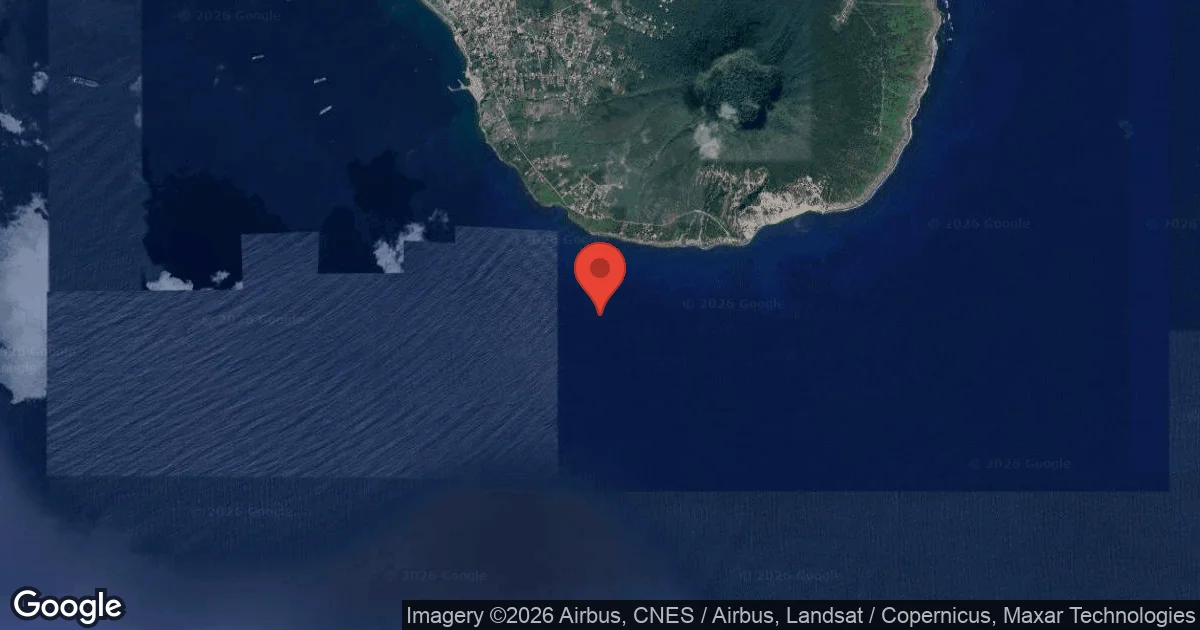
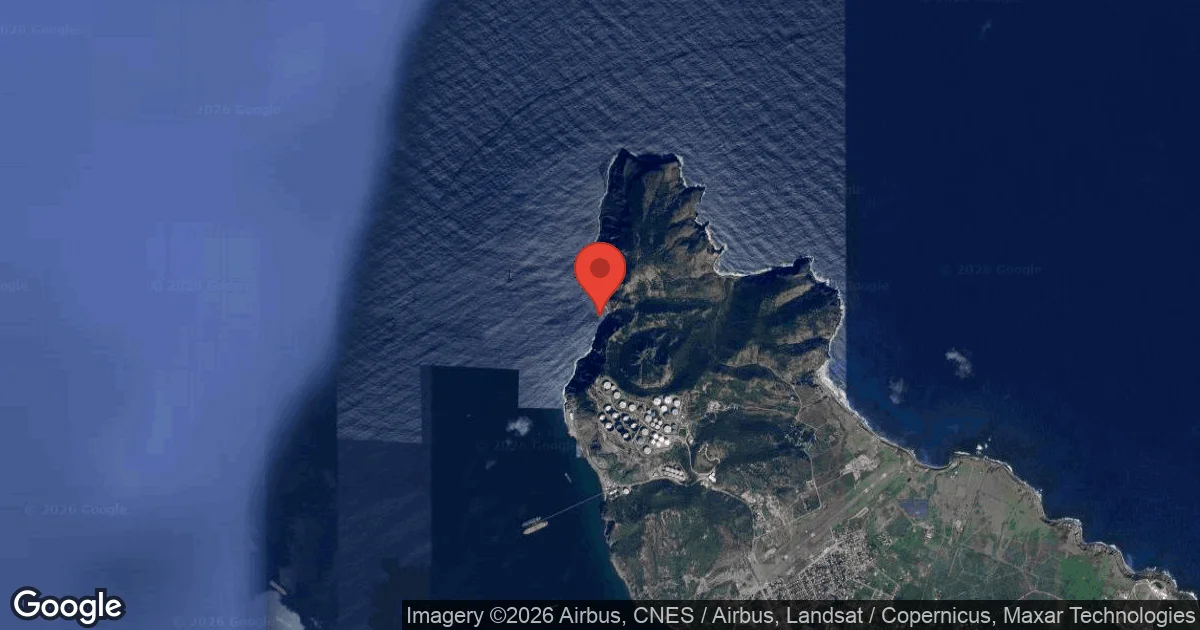
View all dive sites in Puerto RicoDiscover more underwater gems in this area.
Dive Centers Near Barracuda Reef
No Dive Centers Local To Barracuda Reef
Are you a dive center visiting this location? Get listed to reach divers.
Nearest Airports
Nearest airports to help plan travel to this dive area.
Search Flights
Check available flights and routes on Expedia, using the nearby airports listed in this section.
Search Flights on ExpediaFrequently Asked Questions
What are the typical depths for diving at Barracuda Reef?
While exact depths for Barracuda Reef aren't always specified, most reef dives in Puerto Rico are within recreational limits, commonly ranging from 9 to 21 m (30 to 70 ft). This makes the site generally accessible for various certification levels.
What marine life can I expect to see?
You can anticipate seeing barracuda, sea turtles, and stingrays. The reef also hosts numerous tropical fish like parrotfish, angelfish, and damselfish, along with invertebrates such as lobsters and moray eels.
Is Barracuda Reef suitable for beginner divers?
Generally, typical reef dives in Puerto Rico, often featuring mild currents and moderate depths, are suitable for beginner divers. Always check with a local dive operator about current conditions and any specific site requirements.
How do I get to Barracuda Reef?
Most reef sites in Puerto Rico are accessed via boat trips organized by local dive operators from various marinas, such as those in Fajardo or Culebra. Some accessible shore dives are available in other areas, but boat access is common for many prominent reefs.
What are the water conditions like?
Waters around Puerto Rico are typically warm, with good visibility often exceeding 15 meters (50 feet). Currents are usually mild around recreational reef depths, though conditions can vary with weather.
When is the best time of year to dive at Barracuda Reef?
The months of April, May, September, and November are frequently rated 'Good' for diving in Puerto Rico. These periods often feature calmer seas, lower winds, and pleasant air temperatures, contributing to better overall dive conditions.
Planning to dive Barracuda Reef?
Send one inquiry and receive offers directly from the best verified local dive operators.
Conditions are Good
Optimal conditions expected
Current conditions near Barracuda Reef show 27° air, 29° sea temperature, 0.8 m waves, and 23 km/h wind. Forecast data is refreshed regularly to ensure accuracy.