
Diving at Grand Canyon (Puerto Rico)
Approaching Grand Canyon, divers should anticipate conditions that can vary significantly, requiring attention to local forecasts. Wave heights typically range between 1.0 to 1.4 m (3.3 to 4.6 ft) on average, indicating a possibility of moderate surface chop. Persistent winds, often around 26-33 km/h (16-20 mph), can also influence boat accessibility and overall comfort. Careful planning ensures a smoother experience at this Puerto Rican dive site.
Evening condition tracking at Grand Canyon features an air temperature of 29.5°C. We have recorded wave heights measuring 1.1 m during this period. These figures outline the environmental parameters currently present.
Dive Site Location & Key Facts
Dive Site Overview
Divers seeking dramatic topography in Puerto Rico often find a compelling experience at Grand Canyon, a site that evokes imagery of deep geological features. While specific, detailed descriptions of this particular site are not consistently reported, the region's underwater landscape is characterized by diverse formations, including coral gardens, sloping reefs, and pronounced drop-offs.
Imagine exploring an environment where the seabed can transition from shallower, light-filled sections to more profound depths, reminiscent of the wall dives and pinnacles found elsewhere in Puerto Rico. This variability suggests opportunities for various skill levels, from those exploring a vibrant coral reef to advanced divers navigating deeper contours. General visibility across the dive regions of Puerto Rico often reaches 30 meters (100 ft), allowing for broad views of its potential structural grandeur.
Conditions are Good
Optimal conditions expected
Current conditions near Grand Canyon show 29° air, 29° sea temperature, 0.8 m waves, and 23 km/h wind. Forecast data is refreshed regularly to ensure accuracy.
Best Time to Dive
For an optimal experience at Grand Canyon, planning your visit during the months with historically calmer conditions is key. Dive scores are consistently 'Good' in April, May, September, and November, suggesting more favorable underwater conditions during these periods. During May and September, average wave heights are at their lowest, around 1.1 to 1.3 m (3.6 to 4.3 ft), minimizing surface turbulence. Air temperatures remain warm throughout the year, ranging from approximately 26-29°C (79-84°F), making surface intervals comfortable. Rainfall sees a peak in October, so divers might prefer avoiding this month for drier surface conditions, though precipitation isn't consistently heavy enough to deter diving significantly in other periods.
PEAK SEASON SCORE
Scores combine air & water temps, waves, wind & rainfall for overall conditions.
BEST MONTHS TO DIVE
Monthly records compiled from satellite and marine observation nodes over the last 3 years. Data provided by Open-Meteo and MET Norway.
Dive Experience & Conditions
The entry experience at Grand Canyon typically involves boat access, consistent with many premier dive locations across Puerto Rico. Upon arrival, divers prepare for a descent into an underwater landscape that, based on regional patterns, often features a dramatic mix of sloping reefs and deeper wall formations, evocative of a submerged canyon. Expect to explore vibrant coral garden areas in shallower zones, often around 6-18 meters (20-60 ft). From here, the terrain can transition to steeper profiles, potentially reaching the limits of recreational diving. Water temperatures for the region are reliably warm, typically falling between 22-27°C (72-81°F), ensuring comfortable dives year-round. Currents at this site are not consistently reported but can vary with tidal movements and exposure; divers should be prepared for potential moderate drifts, especially along more prominent reef sections or where the topography creates natural funnels. Variable surface conditions, influenced by regional winds, may necessitate careful entry and exit procedures.
Dive Difficulty & Safety Guidelines
Understanding the necessary skill levels before exploring Grand Canyon is crucial for a safe dive, particularly if the site features deeper sections or potential currents. Divers should maintain appropriate buoyancy control, especially when navigating delicate coral formations or steep drop-offs. Always dive within your certification limits; deeper explorations, if available, would necessitate advanced training.
It's advisable to carry a dive computer and surface signaling device. Local dive operators will provide specific guidance tailored to daily conditions at Grand Canyon and other regional sites, emphasizing buddy system adherence and ascent protocols.
Recommended Equipment
- Dive Computer
This gear list is based on verified equipment signals for Grand Canyon, Puerto Rico. Always confirm final gear choices with your dive operator, guide, or liveaboard.
Recommended Dive Suit
Forecast trends indicate little change in overall diving conditions during the next few days.
Divers who prefer a balanced level of warmth often select dive skin or rash guard in water temperatures like this. Consider warmer surface protection (like a boat coat) due to brisk winds.
At Grand Canyon, the water is currently sitting around 29°C (85°F). Surface air temperatures are resting at 29°C (85°F).
Due to technical issues with our weather providers, live updates are temporarily delayed. The data above reflects the conditions at the time of the last successful fetch.
Emergency & Medical Support
Essential information to help you plan your dive trip to Grand Canyon.

Hyperbaric chambers are a critical part of dive safety infrastructure. Availability varies significantly by region, and not all dive areas have immediate access.
Before diving, it's recommended to:
- confirm nearest medical facilities
- check emergency procedures with local dive operators
- ensure dive insurance covers evacuation if required
Divers Alert Network
Diving emergency assistance available through DAN World.
+1-919-684-9111- 24/7 emergency hotline
- Diving medical assistance
- Evacuation coordination
Emergency contacts are provided for reference. Always verify local emergency services before diving.
Marine Life at Grand Canyon
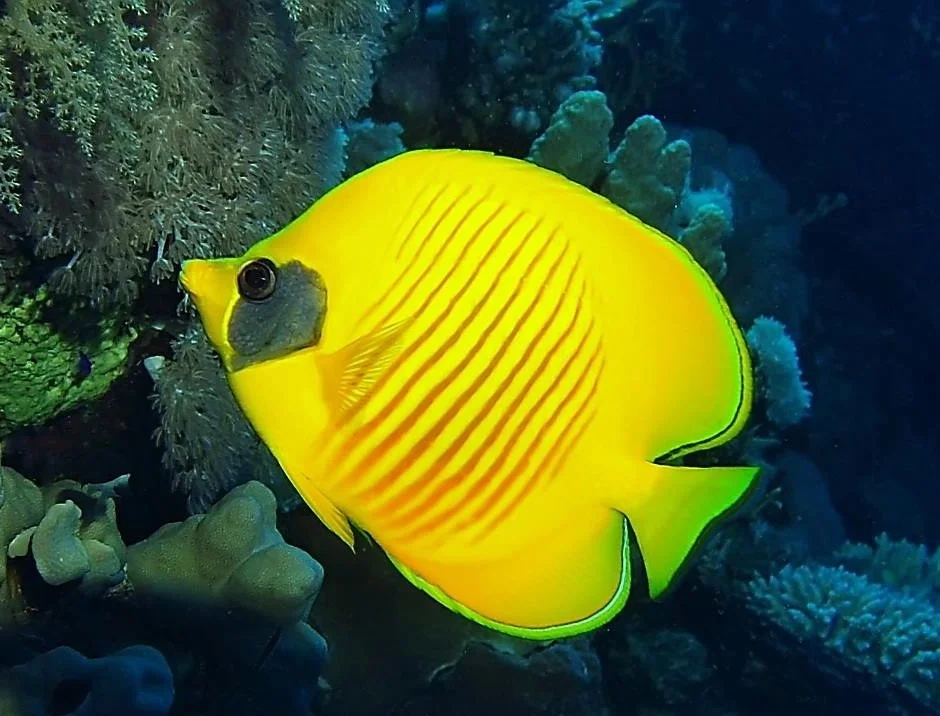
Immediately upon descending into Grand Canyon, the diverse range of reef fish captures attention, much like other vibrant sites in Puerto Rico. Angelfish, parrotfish, and butterflyfish are commonly observed navigating the corals.
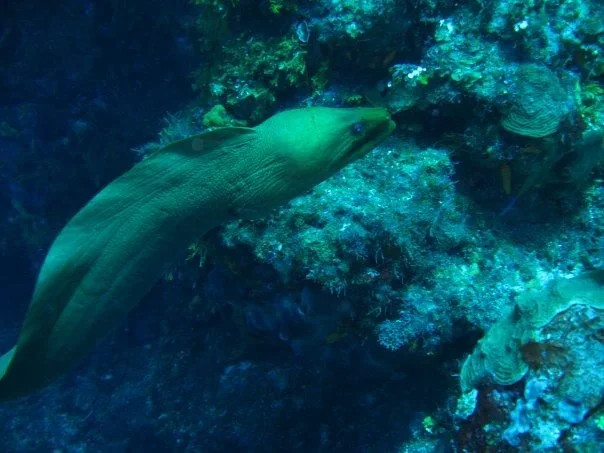
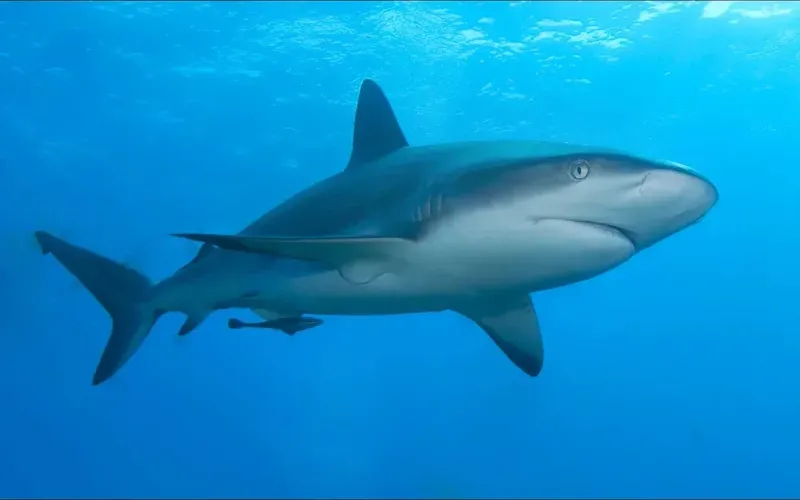
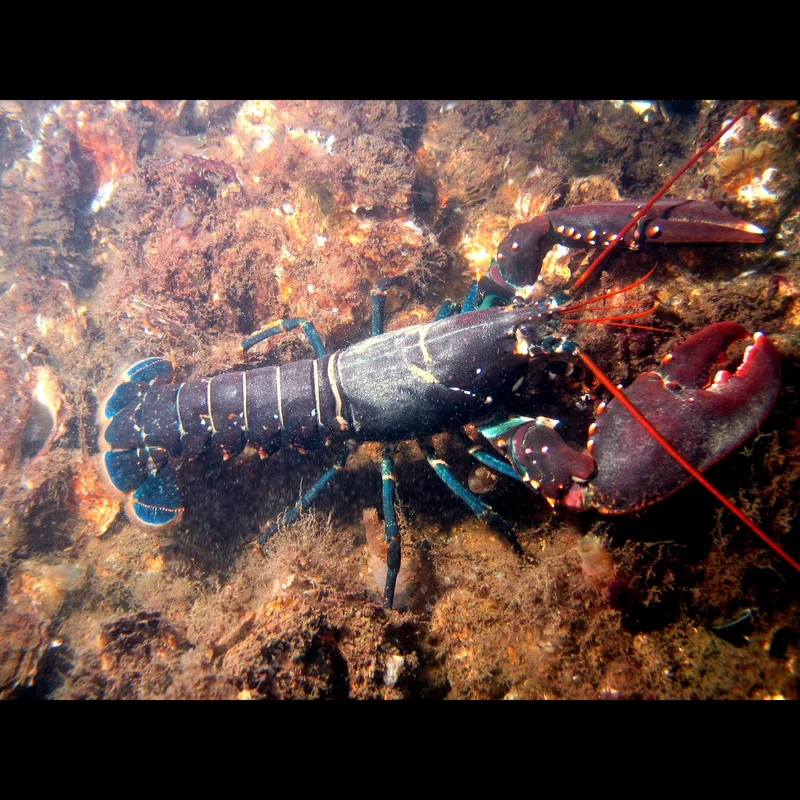
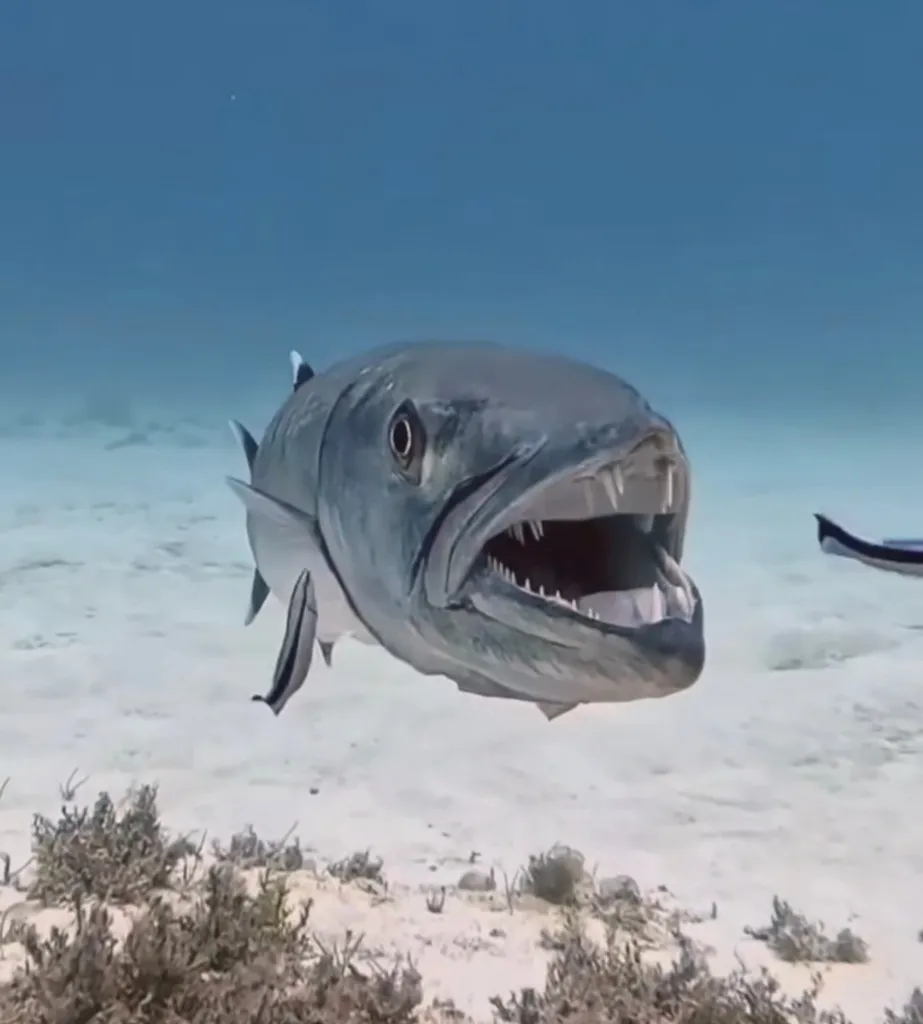
Moving into deeper zones, intermediate divers might encounter moray eels peering from crevices, lobsters tucked into rocky outcrops, and barracuda patrolling the water column. Advanced sections, potentially including deeper walls or pinnacles, could offer glimpses of larger pelagic species such as reef sharks, eagle rays, or schools of jacks, adding an exciting dimension to the underwater journey.
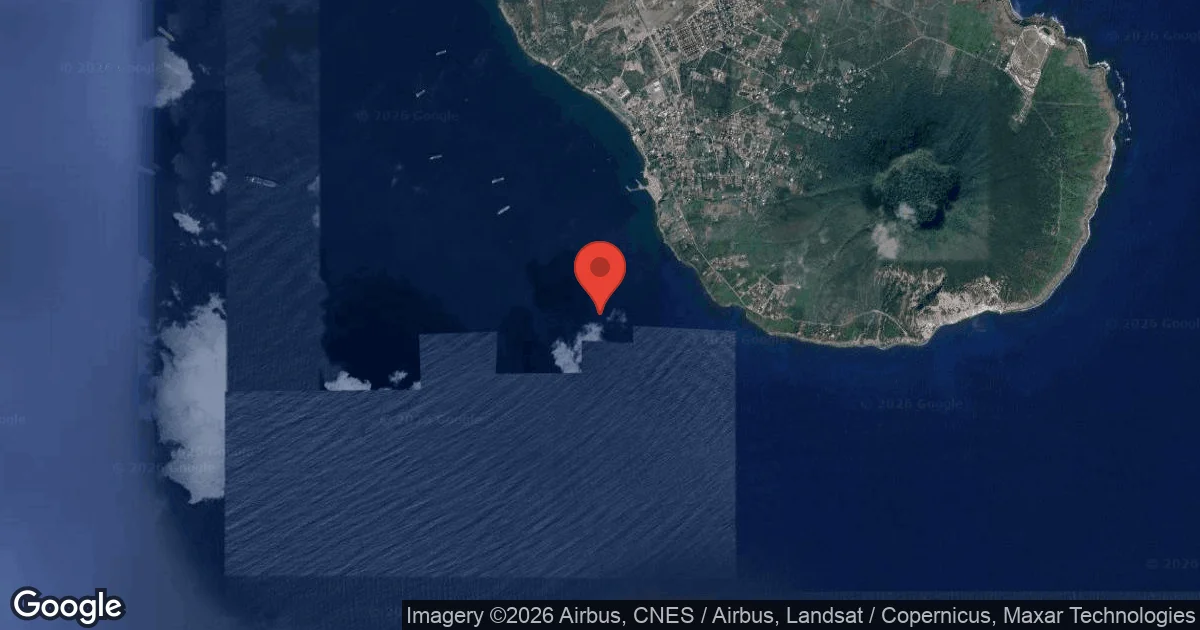
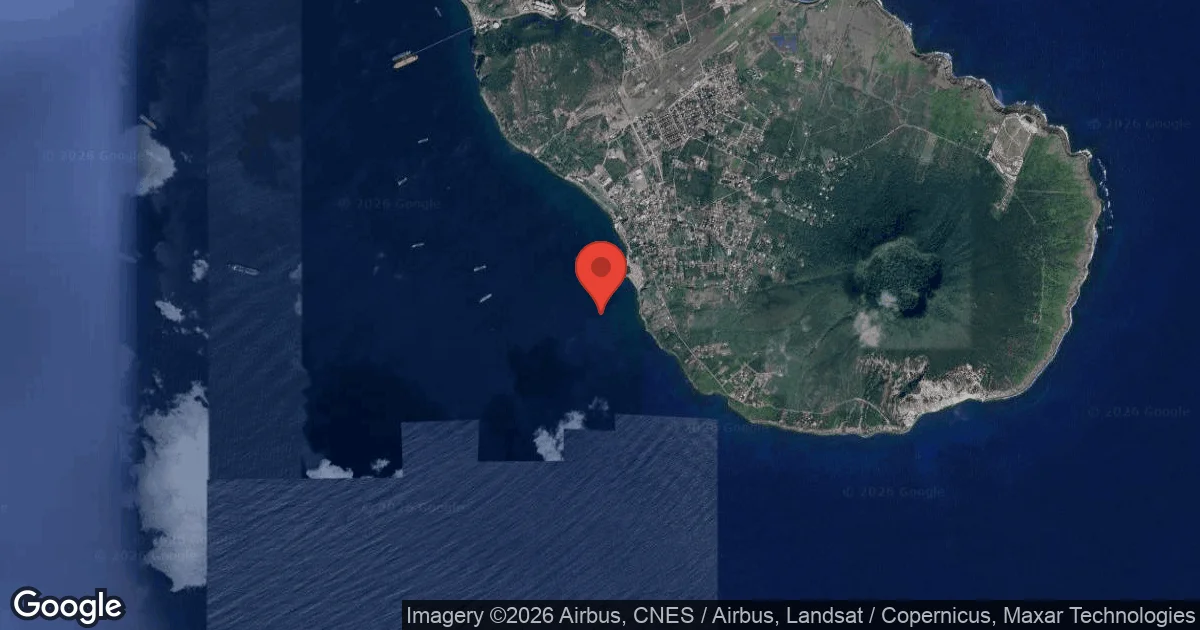
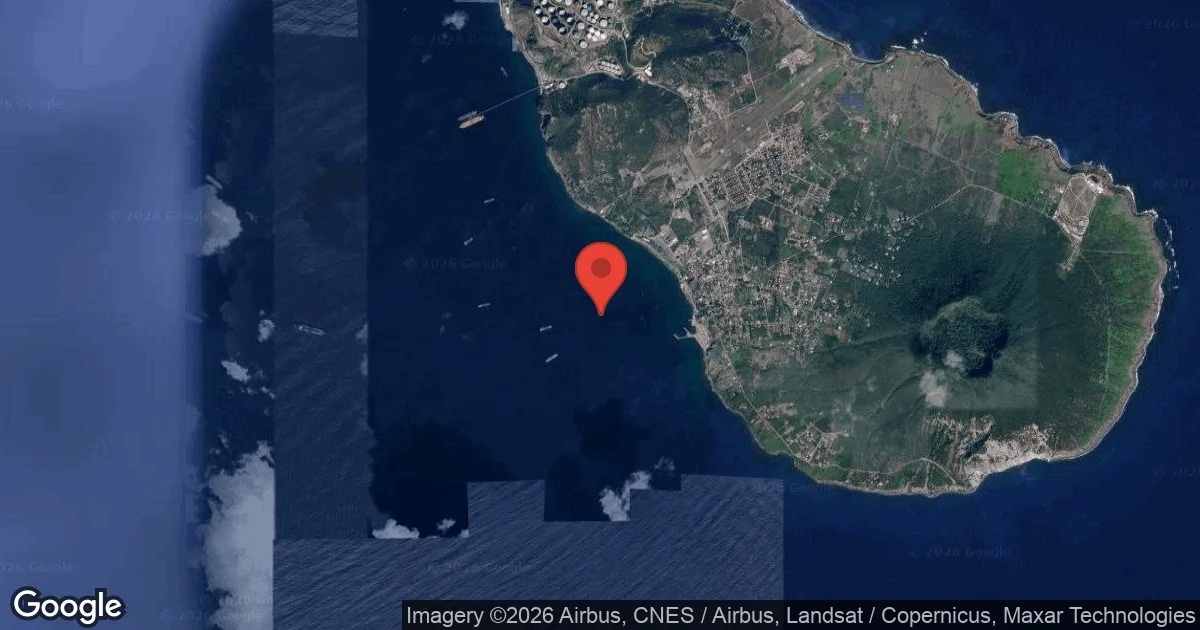
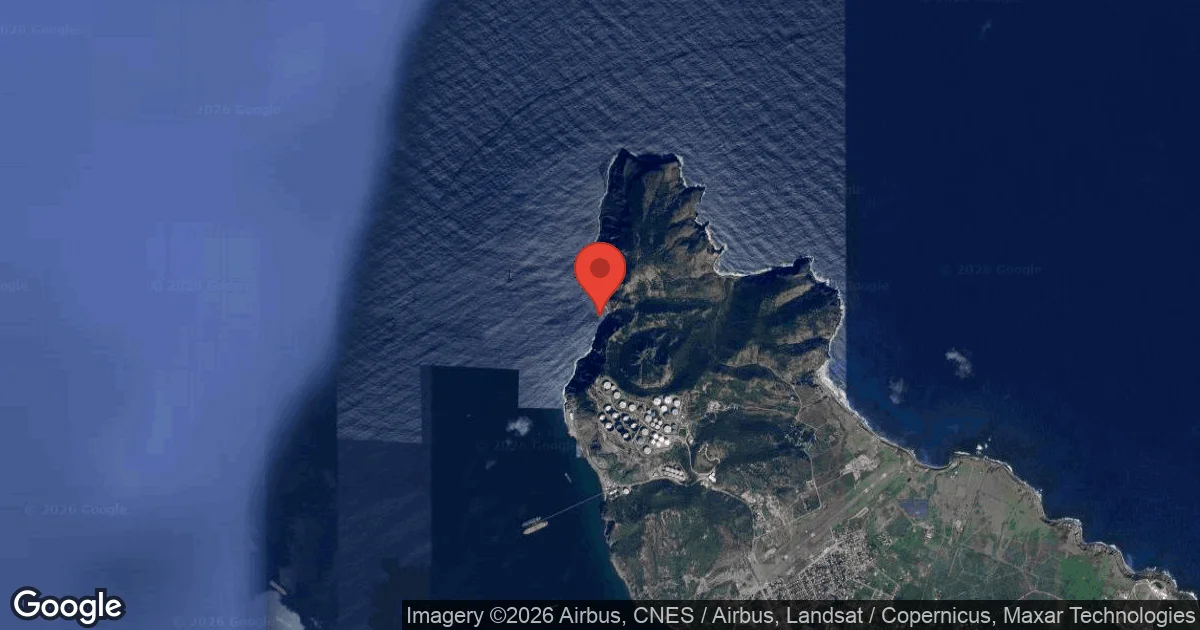
Dive Sites Near Grand Canyon
View all dive sites in Puerto RicoDiscover more underwater gems in this area.
Dive Centers Near Grand Canyon
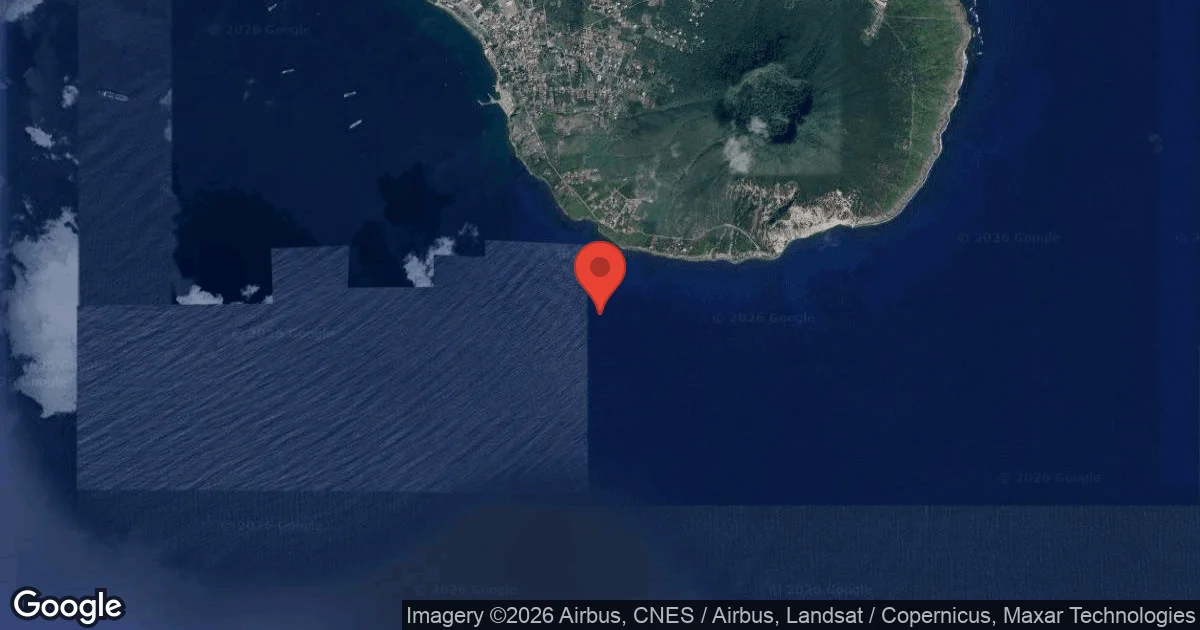
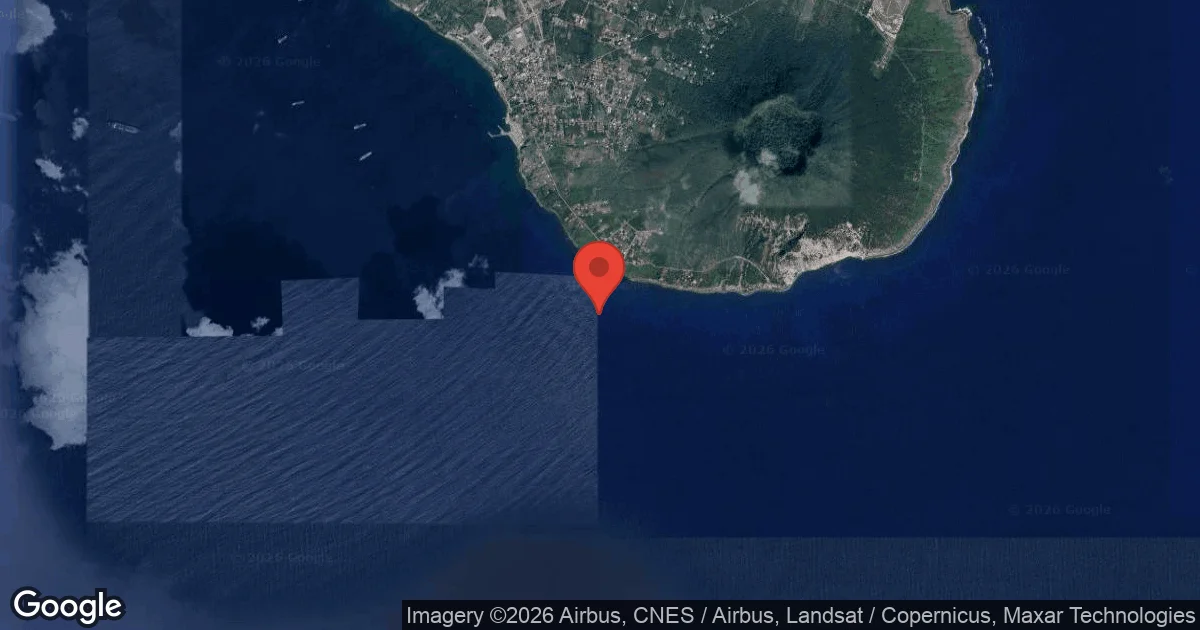
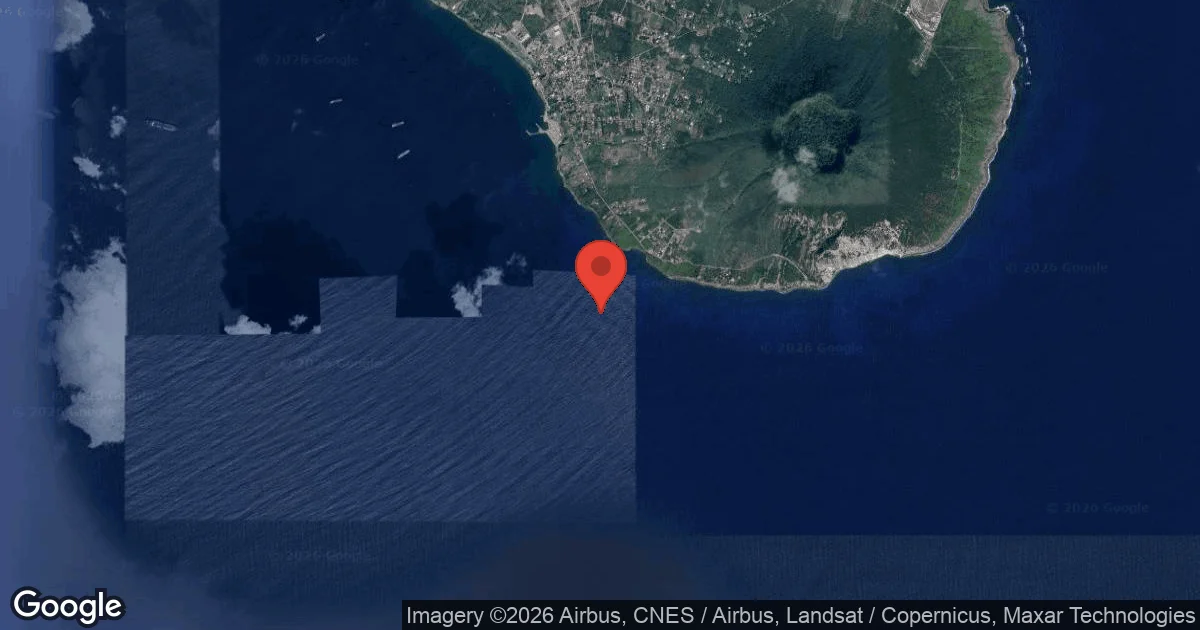
No Dive Centers Local To Grand Canyon
Are you a dive center visiting this location? Get listed to reach divers.
Nearest Airports
Nearest airports to help plan travel to this dive area.
Search Flights
Check available flights and routes on Expedia, using the nearby airports listed in this section.
Search Flights on ExpediaFrequently Asked Questions
What is the typical depth range for diving at Grand Canyon?
Depths at Grand Canyon can vary significantly, reflecting the diverse topography common in Puerto Rico's dive sites. While precise figures for this location aren't consistently reported, explorations in similar regional areas typically range from shallower reef sections around 6-18 meters (20-60 ft), extending into deeper zones that approach recreational depth limits. Always consult with local operators for the most current site-specific depth information.
What marine life can I expect to see at Grand Canyon?
Grand Canyon, like other productive reefs in Puerto Rico, is likely home to a variety of marine species. Divers commonly spot colorful reef fish like angelfish and parrotfish. Deeper sections could offer encounters with moray eels, lobsters, barracuda, and potentially larger pelagics such as reef sharks or eagle rays.
Are there any strong currents at Grand Canyon?
Currents at Grand Canyon, as with many sites, can vary with local conditions and tidal influences. While not consistently reported, divers should be prepared for potential moderate drifts, especially in more exposed areas or during specific tidal phases. Consulting with local dive operators before your dive is recommended for the most current conditions.
Is Grand Canyon suitable for beginner divers?
Suitability for beginner divers at Grand Canyon depends on the specific sections explored and prevailing conditions. If the site includes shallower, calmer coral garden areas, it could be appropriate. However, if the site features deeper drop-offs or stronger currents, it might be more challenging, requiring intermediate or advanced certification.
What is the water temperature like at Grand Canyon?
While precise water temperatures for Grand Canyon aren't available, general averages for diving in Puerto Rico typically fall between 22-27°C (72-81°F). This warm range contributes to comfortable diving throughout the year, though conditions can fluctuate slightly with seasonal changes.
How do I get to Grand Canyon?
Accessing Grand Canyon, like many prominent dive sites in Puerto Rico, is typically done via boat. Dive operators in coastal towns, similar to those serving islands like Palomino or Vieques, would facilitate trips to such offshore locations. Confirming logistics with a local dive shop is the best approach.
Planning to dive Grand Canyon?
Send one inquiry and receive offers directly from the best verified local dive operators.
Conditions are Good
Optimal conditions expected
Current conditions near Grand Canyon show 29° air, 29° sea temperature, 0.8 m waves, and 23 km/h wind. Forecast data is refreshed regularly to ensure accuracy.