
Diving at Sand Slide (Puerto Rico)
Approaching Sand Slide challenges divers with its dynamic depth profile, inviting exploration from shallow reefs to greater depths. This site is defined by its two distinctive sandy slopes and a rich reef system running alongside one. It's an accessible dive, well-suited for a broad range of certified divers seeking varied topography and marine encounters in Puerto Rico's vibrant waters.
Early observations for Sand Slide report a surface air temperature of 29°C. The water surface is currently presenting wave heights of 1.1 m. Consider these environmental metrics before beginning your descent.
Dive Site Location & Key Facts
Dive Site Overview
A dive at Sand Slide offers a progression from vibrant shallow reefs to the site's deeper, intriguing formations. Descending, divers encounter its namesake 'sand slide' feature: two prominent sandy slopes that gently guide explorers downwards.
This area begins comfortably at 4.5 meters (15 ft) and transitions to a maximum depth of 24 meters (80 ft). The significant depth range provides distinct experiences; newer certifications can explore the vibrant, shallower sections, while experienced individuals can venture into the deeper semi-wall structures. Adjacent to these sandy expanses, a thriving reef system parallels the slope.
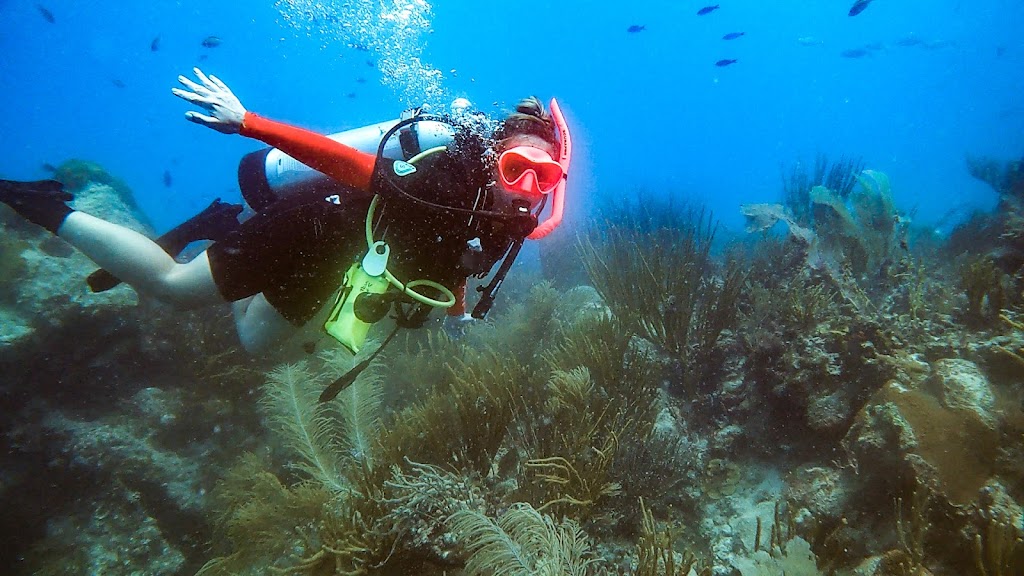
This reef gradually evolves into a semi-wall at its lower end, creating a complex habitat adorned with diverse hard corals, swaying sea fans, and robust sponges. The interplay between expansive sand and intricate reef forms numerous ledges, crevices, and overhangs, ensuring continuous interest and different perspectives on each visit. Divers of varying skill levels find engaging underwater landscapes here.
Conditions are Good
Optimal conditions expected
Current conditions near Sand Slide show 29° air, 31° sea temperature, 0.9 m waves, and 28 km/h wind. Forecast data is refreshed regularly to ensure accuracy.
Best Time to Dive
While Sand Slide offers rewarding dives year-round, certain seasons present contrasting conditions for planning your trip. The period from May through June often sees slightly lower wave heights, averaging around 0.9-1.0 meters, and moderate wind speeds, which could contribute to calmer surface conditions. Air temperatures during these months are comfortably warm, ranging from approximately 26.5-27.5°C (80-82°F). In contrast, winter months like December and February can experience slightly higher average wave heights, around 1.3-1.4 meters, and air temperatures closer to 25-25.5°C (77-78°F). Specific water temperature data for Sand Slide isn't consistently reported, but Caribbean waters generally range from 22-27°C (72-81°F). Overall, dive scores remain consistently good throughout the year, suggesting favorable conditions are frequently present.
PEAK SEASON SCORE
Scores combine air & water temps, waves, wind & rainfall for overall conditions.
BEST MONTHS TO DIVE
Monthly records compiled from satellite and marine observation nodes over the last 3 years. Data provided by Open-Meteo and MET Norway.
Dive Experience & Conditions
The dive at Sand Slide begins in shallower reef areas, with a gentle descent that allows divers to progressively explore increasing depths. It quickly drops from 4.5 meters (15 ft) to its maximum depth of 24 meters (80 ft) via the characteristic sand slide feature. This 'slide' transitions into a semi-wall, providing structural complexity and habitat for various marine organisms. Divers will encounter a large variety of coral formations, along with sea fans and sponges adorning the reef. The site also features intriguing holes and channels, some of which are large enough to swim through, offering opportunities for underwater navigation practice. Brain coral is prevalent throughout the site, and sea fans are a common, swaying sight.
Dive Difficulty & Safety Guidelines
Navigating the varied depths and structures of Sand Slide requires careful planning, particularly given the site's drop-off nature. Due to the diverse depth profile, monitoring your bottom time and air consumption is crucial, especially when exploring deeper sections. While specific current information for Sand Slide isn't always detailed, divers should be prepared for potential mild water movements.
As with any dive site, maintaining buoyancy control is essential to protect the delicate coral and marine life. Always consult with a local dive professional familiar with Sand Slide's present conditions before your dive to ensure you're aware of any specific advisories or environmental factors.
Recommended Equipment
- Dive Computer
This gear list is based on verified equipment signals for Sand Slide, Puerto Rico. Always confirm final gear choices with your dive operator, guide, or liveaboard.
Recommended Dive Suit
Individual comfort in the water can vary significantly from diver to diver, even under the same conditions.
For most recreational dives, dive skin or rash guard should provide comfortable protection. Consider warmer surface protection (like a boat coat) due to brisk winds. Forecast conditions over the next few days suggest temperatures will remain relatively stable.
Water temperatures across the dive area at Sand Slide are presently estimated to be around 31°C (87°F). Surface air temperatures are resting at 29°C (84°F).
Due to technical issues with our weather providers, data hasn't been fetched for over 48 hours. The data above reflects the conditions at the time of the last successful fetch.
Emergency & Medical Support
Essential information to help you plan your dive trip to Sand Slide.

Hyperbaric chambers are a critical part of dive safety infrastructure. Availability varies significantly by region, and not all dive areas have immediate access.
Before diving, it's recommended to:
- confirm nearest medical facilities
- check emergency procedures with local dive operators
- ensure dive insurance covers evacuation if required
Divers Alert Network
Diving emergency assistance available through DAN World.
+1-919-684-9111- 24/7 emergency hotline
- Diving medical assistance
- Evacuation coordination
Emergency contacts are provided for reference. Always verify local emergency services before diving.
Marine Life at Sand Slide
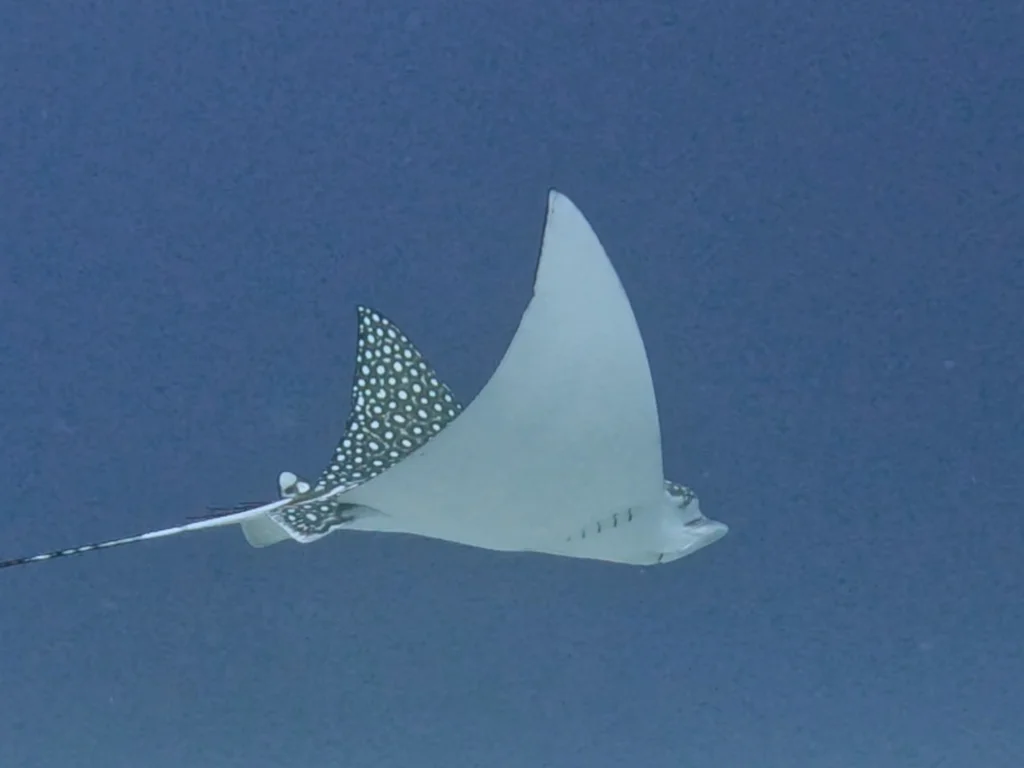
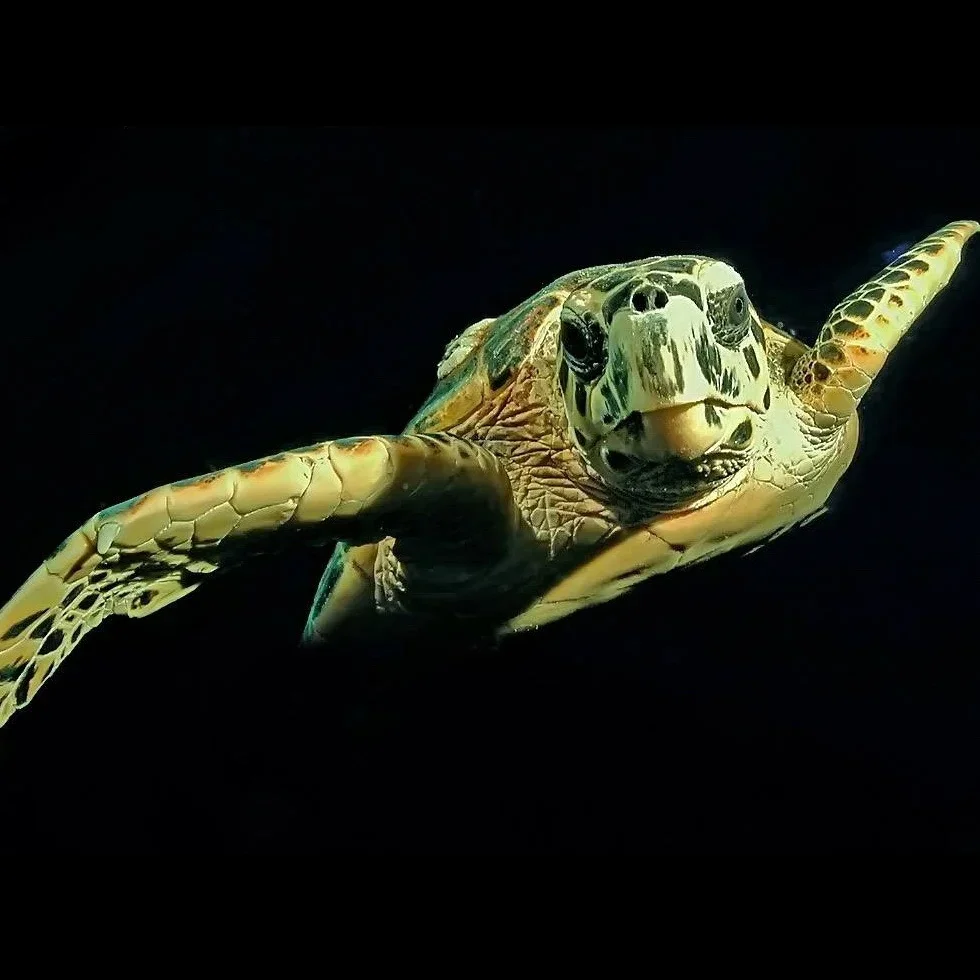
Observing the marine life at Sand Slide reveals a dynamic ecosystem supporting numerous species. Divers often encounter green and hawksbill turtles gracefully patrolling the reef, alongside spotted eagle rays that might cross overhead.
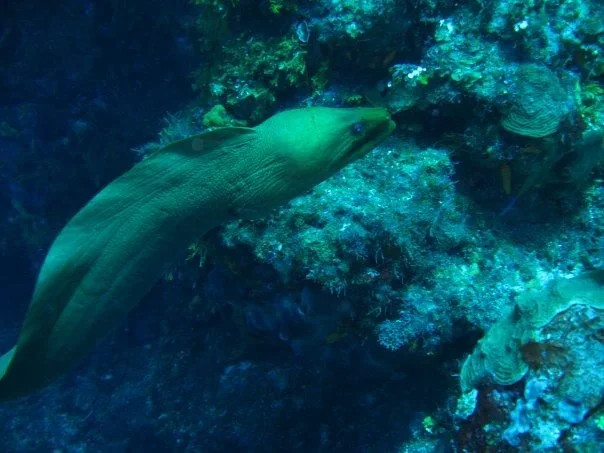
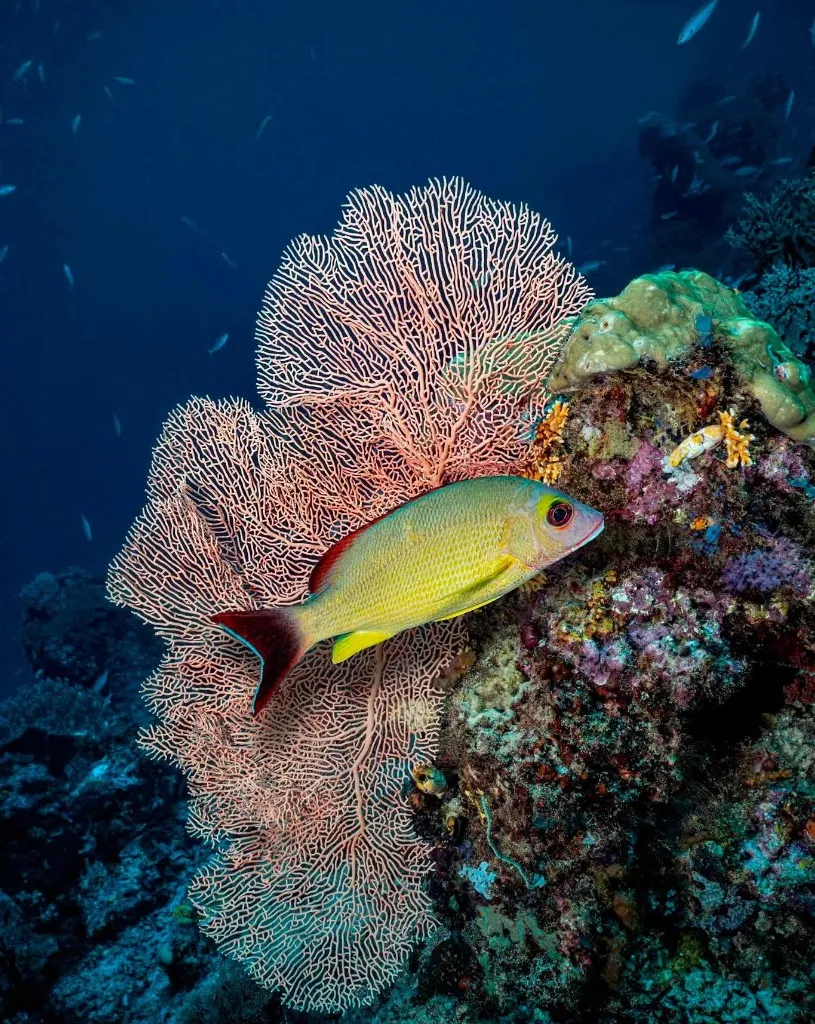
Barracudas and various groupers are common sightings, while yellowtail snappers and blue tangs navigate the coral formations. Little caves and crevices within the reef serve as favored hideouts for lobsters, moray eels, and pufferfish.
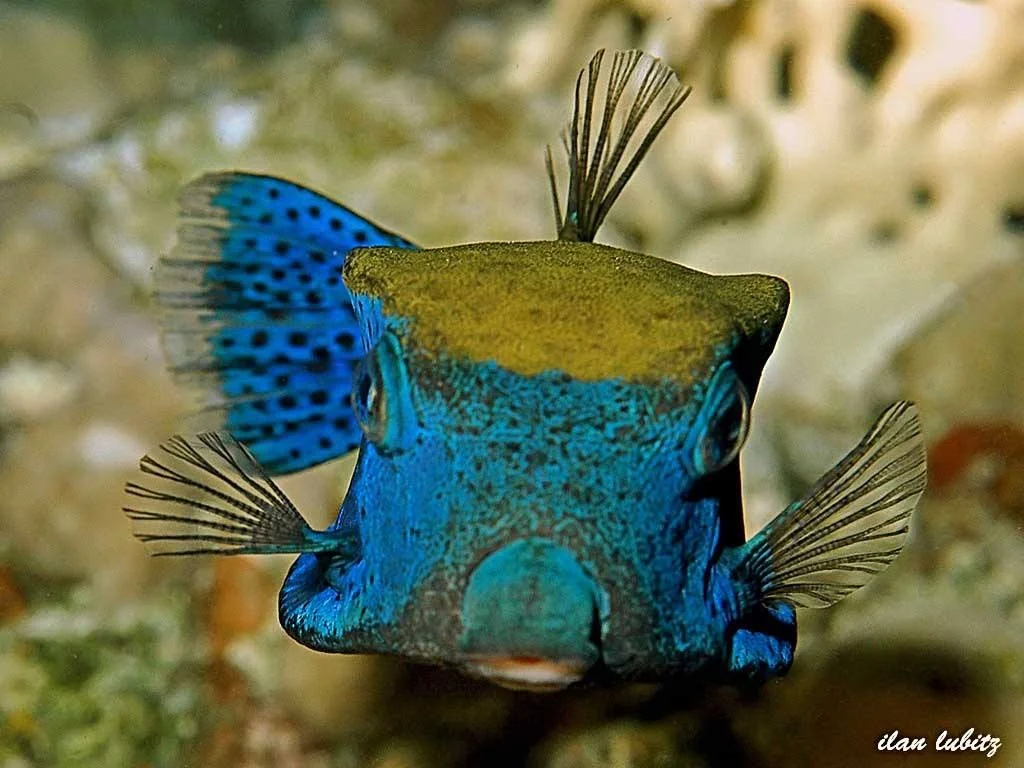
Other intriguing residents include cowfish, boxfish, blowfish, and occasional sightings of squid, reef lobsters, and octopus throughout the diverse habitat.
Dive Sites Near Sand Slide
View all dive sites in Puerto RicoDiscover more underwater gems in this area.
Dive Centers Near Sand Slide
Today: 07:00 - 18:00
Nearest Airports
Nearest airports to help plan travel to this dive area.
Search Flights
Check available flights and routes on Expedia, using the nearby airports listed in this section.
Search Flights on ExpediaFrequently Asked Questions
What is the typical depth range at Sand Slide?
Sand Slide offers a diverse depth profile, beginning around 4.5 meters (15 ft) and gradually sloping down to approximately 24 meters (80 ft). This range caters to different certification levels and interests.
Is Sand Slide suitable for beginner divers?
Yes, Sand Slide is generally considered suitable for all types of divers, including beginners. The shallower sections are quite accessible, while certified divers can explore the deeper parts of the reef and sandy slopes.
What kind of marine life can I expect to see?
You can expect to encounter a wide array of marine life, including green and hawksbill turtles, spotted eagle rays, barracudas, groupers, and various reef fish like yellowtail snapper. Lobsters, moray eels, and pufferfish are also commonly found in the reef's crevices.
Are there strong currents at Sand Slide?
Information on strong currents specific to Sand Slide is not consistently reported. While some nearby sites can have currents, it's generally approached as a site with mild to moderate conditions. Always check with local dive operators for current conditions on your dive day.
What are the main topographical features of the dive site?
The site is characterized by two sandy slopes and an adjacent reef line, giving it its 'sand slide' name. As you descend, you'll encounter a semi-wall with diverse coral, sea fans, and sponges, along with intriguing holes and channels.
Do I need special equipment for this dive?
Standard recreational dive gear is sufficient for Sand Slide. However, given the depth variations, a dive computer is essential for safety. For those planning deeper or longer dives, nitrox might be considered to extend bottom time.
Planning to dive Sand Slide?
Send one inquiry and receive offers directly from the best verified local dive operators.
Conditions are Good
Optimal conditions expected
Current conditions near Sand Slide show 29° air, 31° sea temperature, 0.9 m waves, and 28 km/h wind. Forecast data is refreshed regularly to ensure accuracy.