
Diving at Cala Molins - Cala Carbó (Spain)
Cala Molins and Cala Carbó are distinct coves along Mallorca’s northern coastline, offering sheltered shore diving experiences. These sites present a landscape characterized by rocky sides and expansive sandy bottoms. Cala Molins features inviting, Caribbean-like aesthetics, while Cala Carbó is adjacent with a stonier beach. Both locations maintain a maximum depth of 12 m / 40 ft. They provide an accessible underwater environment, ideal for divers seeking gentle conditions.
Evening condition tracking at Cala Molins - Cala Carbó features an air temperature of 23.5°C. We have recorded wave heights measuring 0.4 m during this period. These figures outline the environmental parameters currently present.
Dive Site Location & Key Facts
Dive Site Overview
Anticipate a tranquil introduction to Mallorca’s underwater world when exploring Cala Molins and Cala Carbó. These twin coves cater well to entry-level experiences, including try dives, refresher courses, and initial certifications.
Cala Molins greets divers with its strikingly clear, almost exotic blue water and a scenic beach entry. Its underwater terrain comprises rocky formations along the cove's edges, gradually transitioning to sandy expanses. Adjacent, Cala Carbó presents a similar profile but with a more prevalent stony beach, adding to its rugged charm.
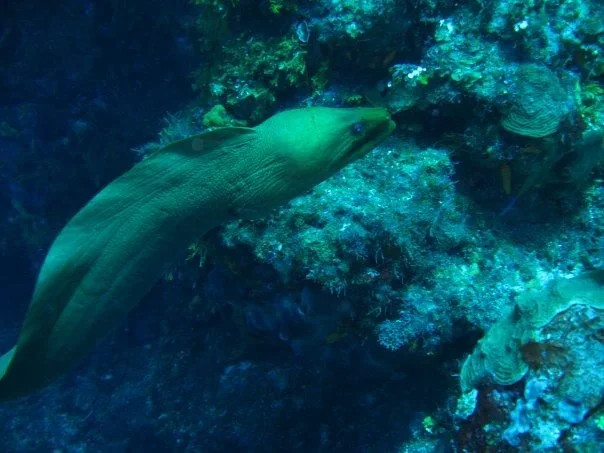
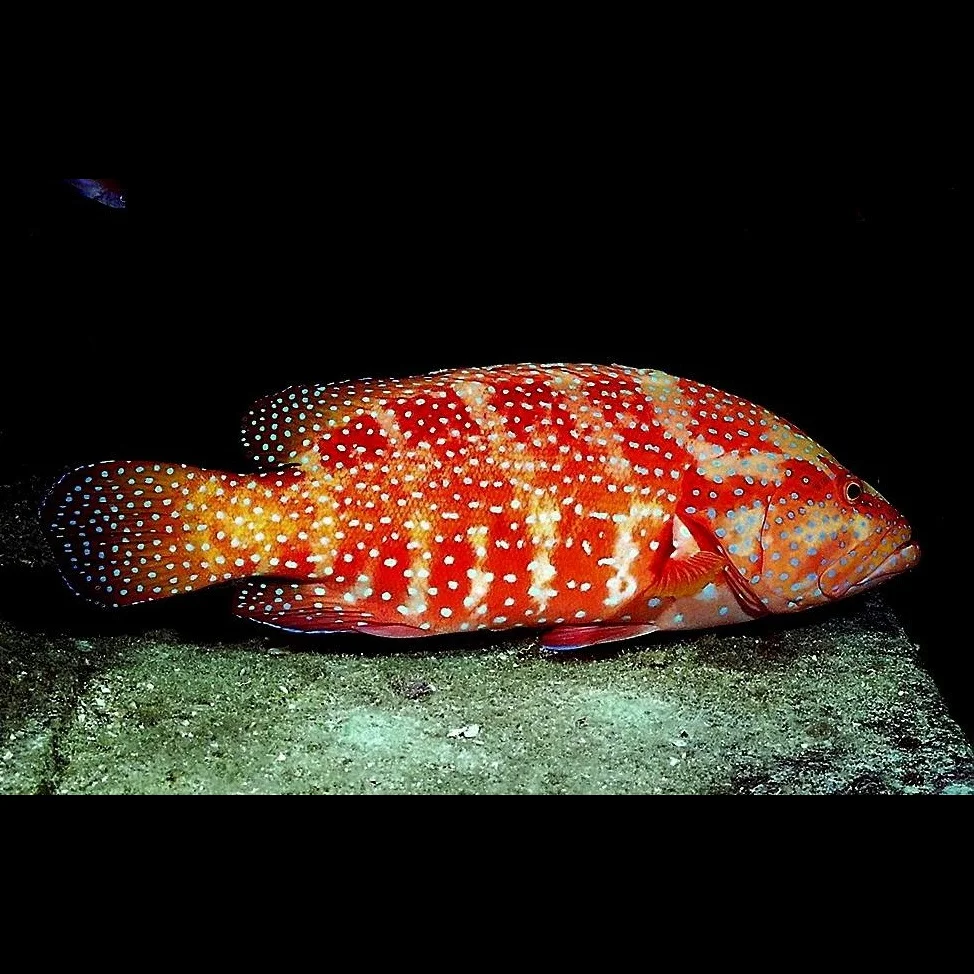
Venturing beneath the surface, you'll navigate a habitat rich in smaller marine species. Look closely among the rocks for octopus, moray eels, and juvenile groupers.
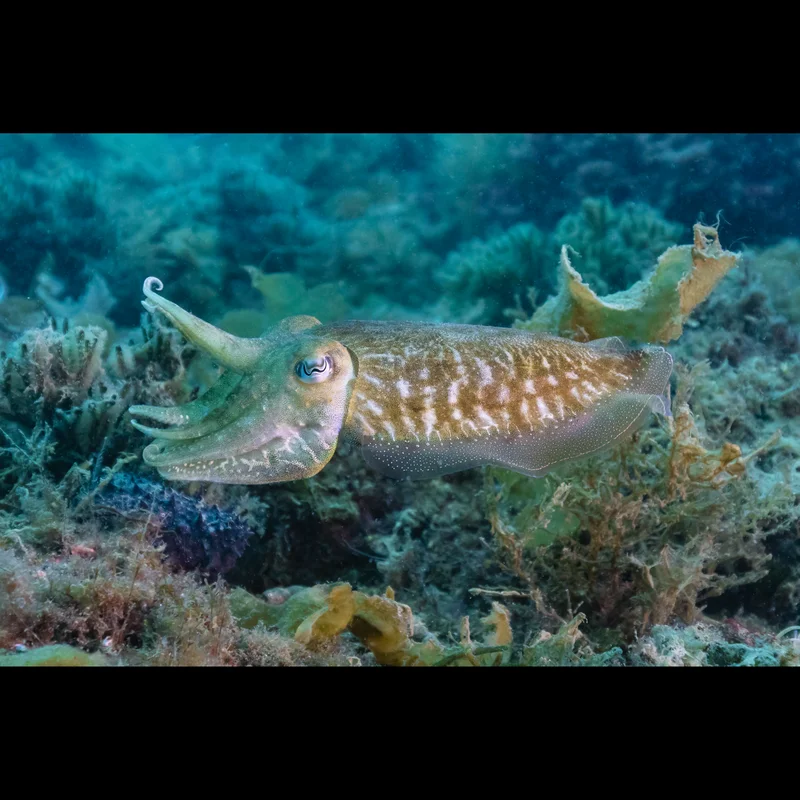
Cuttlefish and squid are also observed here, along with various species of goby and blenny. The sandy areas often reveal razor fish, gurnard mullet, and Wide-Eyed flounder.
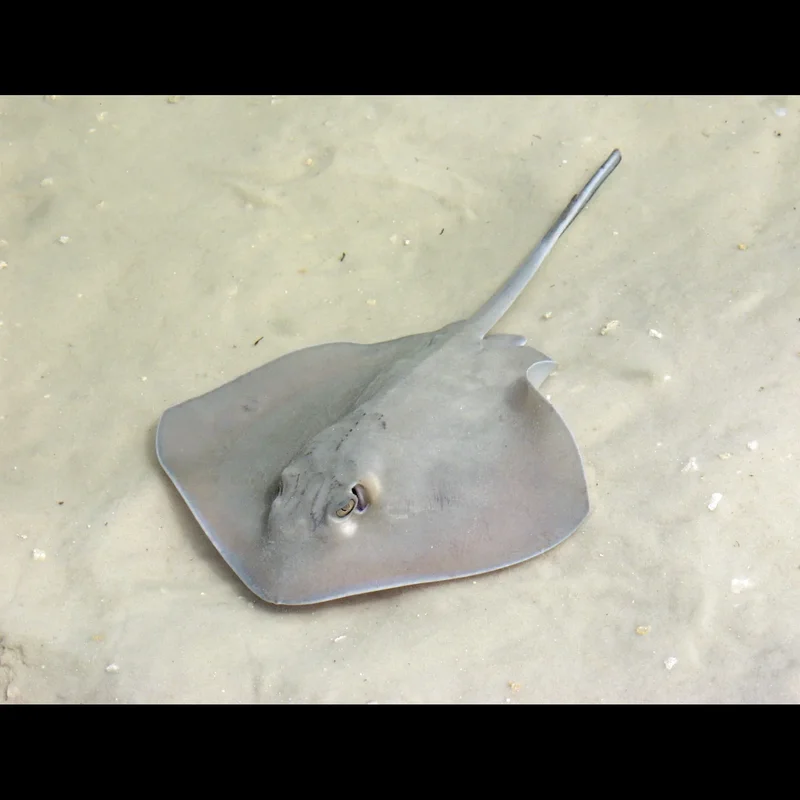
On fortunate dives, you might even spot juvenile stingrays gliding over the seafloor. Cala Carbó notably features more rocks and extensive Posidonia seagrass beds, alongside an intriguing historic element: an old war bunker structure above the waterline. Schools of salema and many colorful wrasse species frequent its waters, enriching the visual experience. Maximum dive depths here reach 12 m / 40 ft, ensuring a relaxed and approachable dive.
Conditions are Excellent
07:00 - 14:00
Optimal conditions expected
Current conditions near Cala Molins - Cala Carbó show 24° air, 27° sea temperature, 0.6 m waves, and 26 km/h wind. Forecast data is refreshed regularly to ensure accuracy.
Best Time to Dive
Optimizing visibility is key for enjoying Cala Molins and Cala Carbó, typically peaking during the warmer months. June through September generally offers excellent dive conditions, with dive scores rated 'Excellent' in June and 'Good' throughout summer. During this period, average wave heights are significantly lower, around 0.4 meters in June, reducing sediment disturbance and promoting clearer water. Rainfall is also minimal, which helps maintain underwater clarity. Air temperatures during these months are comfortably warm, averaging 24-26.5°C / 75-80°F, making topside conditions pleasant. While diving remains 'Good' year-round, winter months bring higher average wave heights, sometimes exceeding 1 meter, and slightly increased wind speeds. These factors can occasionally lead to reduced visibility and more challenging entry/exit conditions. For the most consistently clear and calm diving, targeting late spring through early autumn is advisable.
PEAK SEASON SCORE
Scores combine air & water temps, waves, wind & rainfall for overall conditions.
BEST MONTHS TO DIVE
Monthly records compiled from satellite and marine observation nodes over the last 3 years. Data provided by Open-Meteo and MET Norway.
Dive Experience & Conditions
Diving these coves offers a distinct sense of ease and exploration. The water's coloration in Cala Molins, often described as Caribbean-like, contributes to a bright, inviting underwater ambiance. Shore entries at both sites are straightforward, leading divers into gentle, sheltered waters. Underwater, the topography unfolds as a series of rocky edges giving way to stretches of sand, with Cala Carbó adding the texture of Posidonia seagrass beds. Divers typically find calm conditions ideal for practicing skills or simply observing the diverse small inhabitants. The shallow operational depth ensures dives remain within recreational limits for beginners. While specific water temperatures are not consistently reported, the general Mediterranean climate suggests comfortable conditions during peak season. You'll move through an environment where sunlight often penetrates deeply, illuminating the seabed and its varied residents.
Dive Difficulty & Safety Guidelines
Approaching Cala Molins and Cala Carbó requires a focus on fundamental safe diving practices, despite their beginner-friendly nature. As shore dives, entries and exits demand attention to prevailing wave conditions, which tend to be calmer in summer but can increase during other seasons. Given the shallow depth, maintaining excellent buoyancy control is crucial to protect the delicate Posidonia seagrass and avoid stirring up sediment, which impacts visibility for all.
Always dive with a buddy and conduct thorough pre-dive checks. Familiarity with basic navigation is beneficial when exploring the coves' rocky edges and sandy flats.
Since no specific hazards are reported, adhering to standard recreational diving limits and personal certification levels is paramount. These sites are well-suited for controlled training environments, but responsible individual diving practices are always expected.
Recommended Equipment
- Dive Computer
- Hard-soled Dive Boots
This gear list is based on verified equipment signals for Cala Molins - Cala Carbó, Spain. Always confirm final gear choices with your dive operator, guide, or liveaboard.
Recommended Dive Suit
Recent conditions suggest the water at Cala Molins - Cala Carbó remains near 27°C (80°F), offering typical conditions for the area. Surface air temperatures are resting at 24°C (75°F).
Forecasts suggest rising temperatures later this week. A warming trend is expected over the next few days.
Most divers would typically feel comfortable using 2-3mm shorty or light wetsuit in these conditions. A hood or vest is suggested for sensitive divers due to surface winds. Dive depth and duration can significantly affect perceived warmth.
Emergency & Medical Support
Essential information to help you plan your dive trip to Cala Molins - Cala Carbó.

Hyperbaric chambers are a critical part of dive safety infrastructure. Availability varies significantly by region, and not all dive areas have immediate access.
Before diving, it's recommended to:
- confirm nearest medical facilities
- check emergency procedures with local dive operators
- ensure dive insurance covers evacuation if required
Divers Alert Network
Diving emergency assistance available through DAN Europe.
+39 0642115685- 24/7 emergency hotline
- Diving medical assistance
- Evacuation coordination
Emergency contacts are provided for reference. Always verify local emergency services before diving.
Closest Listed Hyperbaric Chambers
Showing listed hyperbaric chamber facilities within 200 km of this dive site.
Distances are approximate straight-line distances and may not reflect emergency travel time.
Underwater and Hyperbaric Medicine
Palma de Mallorca, Spain•Approx. 53 km straight-line
Underwater and Hyperbaric Medicine
Information is provided for reference and planning purposes only. Dive Navigator does not verify operational status, staffing, availability, or quality of care at listed facilities. In an emergency, contact local emergency services, DAN, your dive operator, or the chamber directly. Do not travel to a facility without calling ahead.
UTH-CSI
24/7 ListedICU CapableSant Joan Despí, Spain•Approx. 182 km straight-line
UTH-CSI
24/7 ListedICU CapableInformation is provided for reference and planning purposes only. Dive Navigator does not verify operational status, staffing, availability, or quality of care at listed facilities. In an emergency, contact local emergency services, DAN, your dive operator, or the chamber directly. Do not travel to a facility without calling ahead.
Marine Life at Cala Molins - Cala Carbó
The underwater realm of Cala Molins and Cala Carbó hosts a captivating array of smaller marine creatures. Divers frequently encounter octopus and moray eels, often found tucked into rocky crevices along the cove's sides.
Juvenile groupers are also present, seeking shelter among the stones. Both cuttlefish and squid make appearances, sometimes camouflaged against the seafloor.
On the sandy expanses, keep an eye out for razor fish, gurnard mullet, and the uniquely shaped Wide-Eyed flounder. Lucky encounters might include spotting graceful baby stingrays. Cala Carbó, with its additional Posidonia beds, attracts schools of salema and a vibrant assortment of colorful wrasse species, adding dynamic movement to the scene.

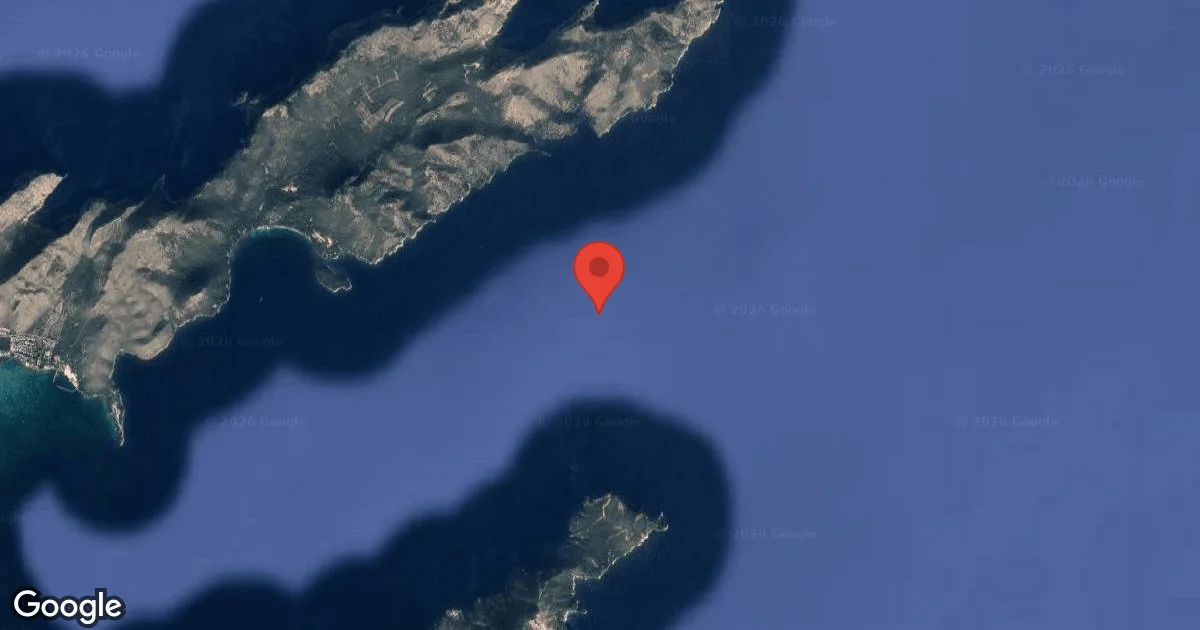
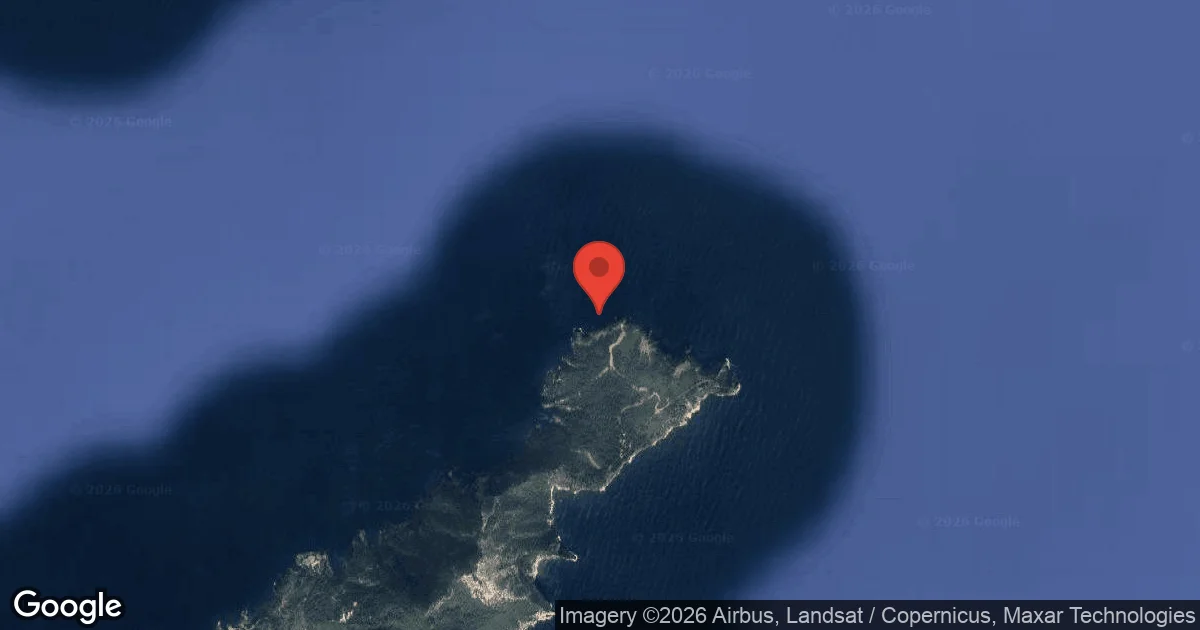
Dive Sites Near Cala Molins - Cala Carbó
View all dive sites in SpainDiscover more underwater gems in this area.
Dive Centers Near Cala Molins - Cala Carbó

Today: 09:00 - 20:00
Nearest Airports
Nearest airports to help plan travel to this dive area.
Search Flights
Check available flights and routes on Expedia, using the nearby airports listed in this section.
Search Flights on ExpediaFrequently Asked Questions
What is the maximum depth at these dive sites?
These sites offer a shallow maximum depth, which contributes to their suitability for entry-level diving.
What kind of marine life can I expect to see?
You might spot octopus, moray eels, and baby groupers among the rocks. On sandy bottoms, look for razor fish, gurnard mullet, Wide-Eyed flounder, and sometimes baby stingrays. Cuttlefish, squid, various gobies, blennies, salema, and wrasse are also common.
When is the best time of year to dive here?
The best time to dive is typically from June through September. During these months, wave heights are lower, rainfall is minimal, and air temperatures are warmer, contributing to better visibility and comfortable conditions.
Are these shore dives or boat dives?
Cala Molins and Cala Carbó are described as shore dives. This means you access the water directly from the beach, making them convenient for independent or training dives.
What makes the underwater topography distinct?
The sites feature rocky formations along the cove edges that transition into sandy bottoms. Cala Carbó also includes significant Posidonia seagrass beds and an interesting old war bunker visible from above.
How clear is the water usually?
Visibility is generally good, especially during the peak diving season from late spring to early autumn, when calmer waters and minimal rain prevent sediment disturbance. Cala Molins is noted for its "exotic colour of the sea."
Planning to dive Cala Molins - Cala Carbó?
Send one inquiry and receive offers directly from the best verified local dive operators.
Conditions are Excellent
07:00 - 14:00
Optimal conditions expected
Current conditions near Cala Molins - Cala Carbó show 24° air, 27° sea temperature, 0.6 m waves, and 26 km/h wind. Forecast data is refreshed regularly to ensure accuracy.