
Diving at Es Castellet - the Pinnacle (Spain)
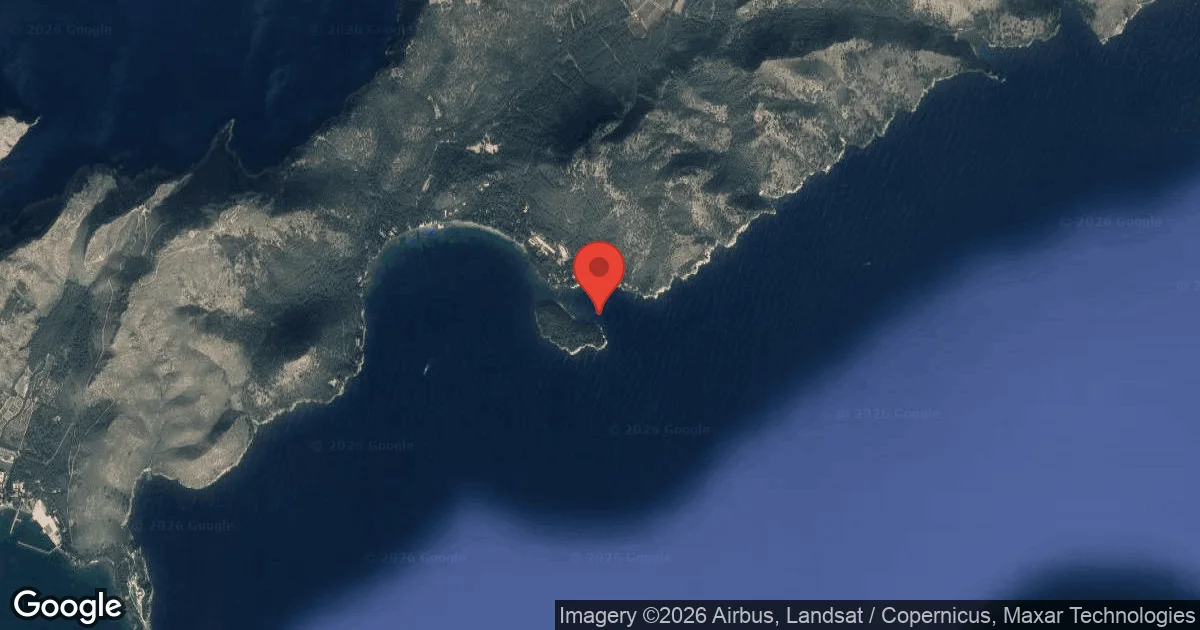
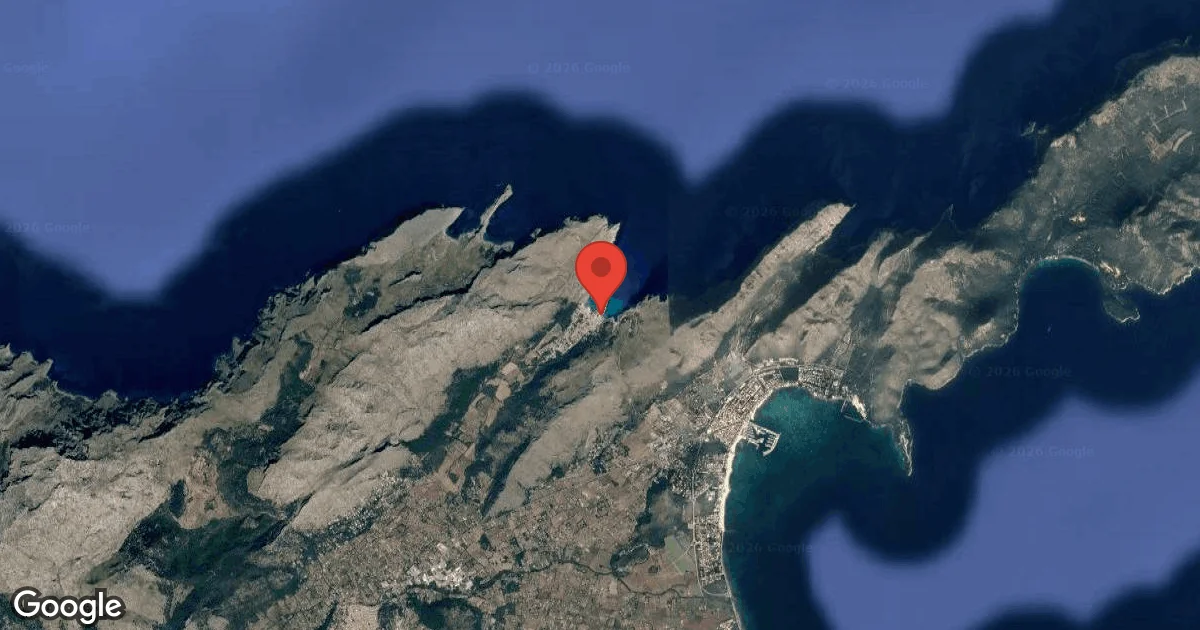
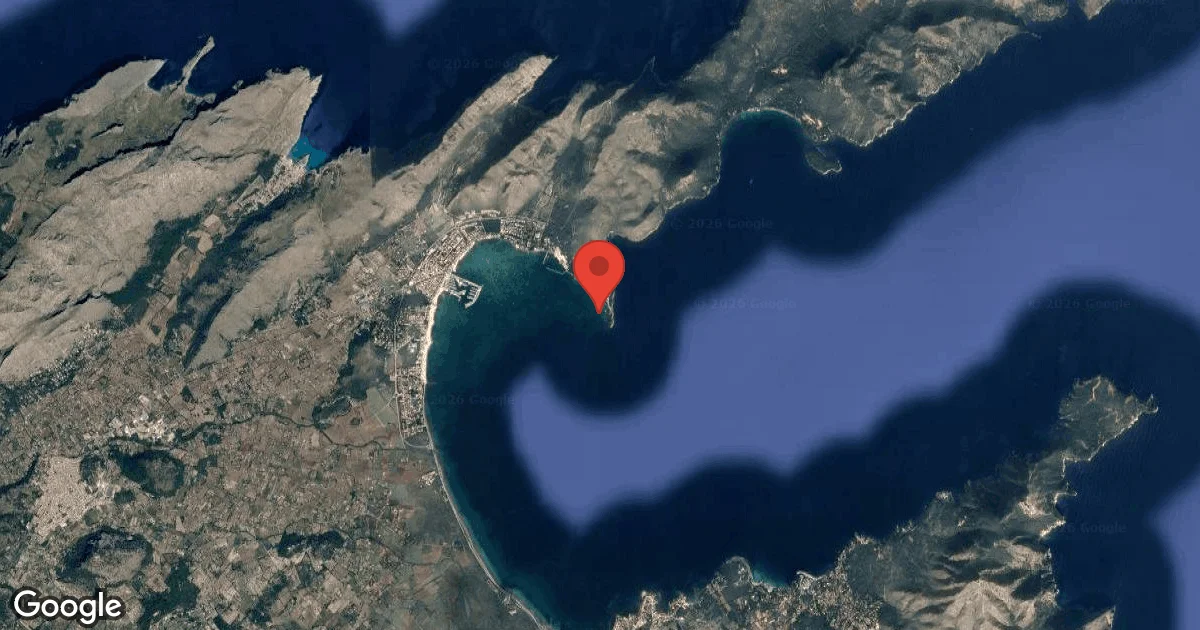
Sheltered within the bay of Cala Engossauba, just beyond Cala Murta, Es Castellet - The Pinnacle offers a dive site often accessible even when broader sea conditions are challenging. Its protection allows for consistent exploration of its underwater structures. This makes it a reliable choice for divers seeking a stable environment to discover Mallorca’s subaquatic world. The site's unique structure contributes to varied dive experiences.
As evening covers Es Castellet - the Pinnacle, the local air temperature is measured at 23°C. The current wave height at the surface is recorded at 0.8 m. These late-day readings characterize the surface conditions for the night.
Dive Site Location & Key Facts
Dive Site Overview
Es Castellet - The Pinnacle presents an engaging dive into a distinct offshore pinnacle, a compelling cone-shaped rock formation rising dramatically from deeper water. Divers often initiate exploration from around a shallow point on its southwest corner, positioned at approximately 6 meters, or 20 feet.
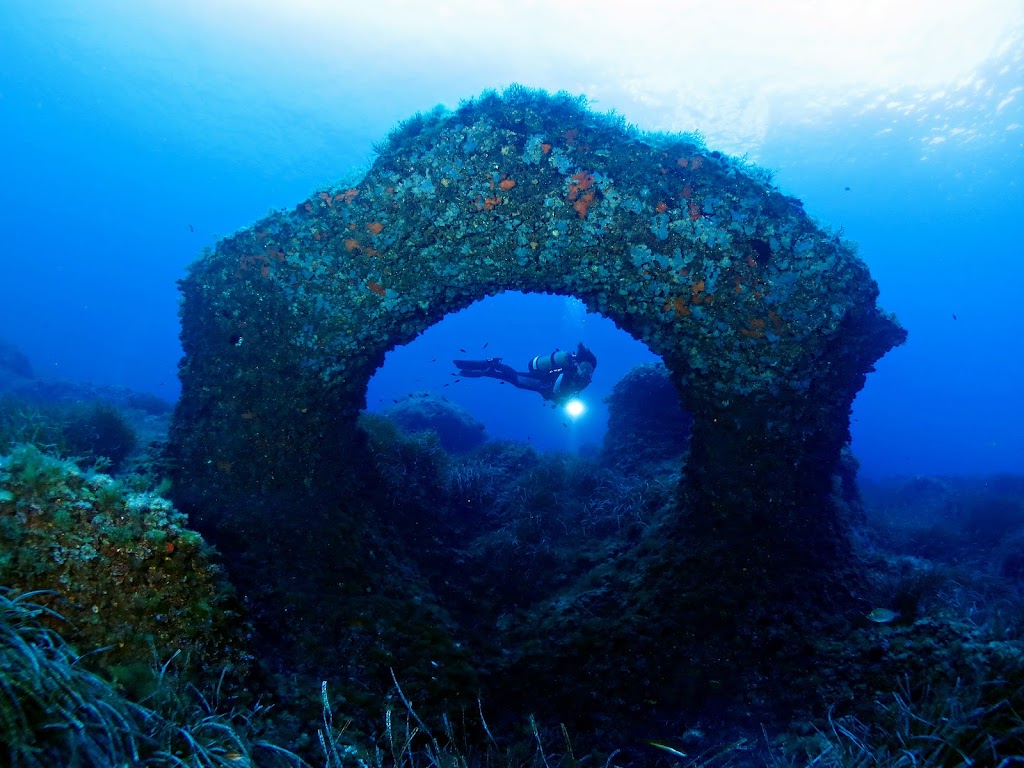
From this starting platform, the dive progresses with a gradual descent, inviting thorough investigation along the pinnacle's imposing, sculpted walls. Site accommodates a broad spectrum of experience levels, from advanced open water divers to those with more specialized training, featuring a dynamic underwater topography that extends to depths approaching 28 m / 92 ft. Primary draw for many is the opportunity to navigate a beautiful, expansive arch that carves through the rock, meticulously scout along varied wall formations, and investigate numerous smaller caverns and overhangs that pepper the structure.
Interplay of light and shadow within these features adds to the dramatic scenery. The experience encourages attentive exploration, rewarding divers with intricate details and diverse marine life within its crevices, rather than a mere passing inspection. Its isolated nature and varied relief create multiple micro-environments for discovery.
Conditions are Good
07:00 - 14:00
Optimal conditions expected
Current conditions near Es Castellet - the Pinnacle show 23° air, 26° sea temperature, 0.8 m waves, and 27 km/h wind. Forecast data is refreshed regularly to ensure accuracy.
Best Time to Dive
Opting to visit Es Castellet between May and October typically yields the most favorable diving conditions. During these months, average air temperatures are considerably warmer, often ranging from 19-26°C / 66-79°F, which enhances surface comfort before and after dives. Rainfall is consistently minimal, frequently staying below 2mm, significantly reducing run-off and contributing to better visibility. Sea conditions during this peak season tend to be noticeably calmer, with average wave heights usually under 0.8 meters, alongside generally lighter winds. These factors collectively create a more comfortable boat journey to the site and smoother entries and exits. While the site remains accessible year-round for certified divers, warmer, drier periods with reduced wave action generally offer the most pleasant and reliable environment for extended underwater exploration. Planning a dive in these months maximizes the likelihood of encountering clear waters and comfortable surface conditions.
PEAK SEASON SCORE
Scores combine air & water temps, waves, wind & rainfall for overall conditions.
BEST MONTHS TO DIVE
Monthly records compiled from satellite and marine observation nodes over the last 3 years. Data provided by Open-Meteo and MET Norway.
Dive Experience & Conditions
Upon entering the water at Es Castellet, the dive experience unfolds along contours of the pinnacle, which features extensive, diverse wall sections. Initial descent often reveals a bottom composed of scattered rocks interspersed with vibrant Posidonia meadows, creating a rich tapestry of habitats for marine life. Exploring the site primarily involves circling this impressive standalone rock formation and passing through its notable arch, a captivating swim-through that defines part of the dive. Currents here are generally mild, especially within the sheltered confines of the bay, though conditions can vary depending on broader weather patterns and tidal influences. Water temperatures are not consistently reported across all seasons, but typically hover between 22-27°C / 72-81°F during the warm peak summer season, gradually cooling during the shoulder months. Good buoyancy control is beneficial to appreciate nuances of the wall and arch without disturbing delicate ecosystem.
Dive Difficulty & Safety Guidelines
Approach Es Castellet with appropriate certification for the intended depth; the site extends to deeper areas but also offers shallower sections suitable for a wider range of divers. Wall and cavern diving inherently require good buoyancy control and awareness. Always dive with a buddy and conduct thorough pre-dive checks.
Given its boat-only access, maintaining visual contact with the dive vessel or deploying a surface marker buoy (SMB) upon ascent is a standard safety practice. Though the bay offers shelter, always assess current conditions before entry.
Recommended Equipment
Overhead environment. Do not enter beyond training and gas planning limits.
- Dive Computer
- DSMB
- Primary & Backup Lights
- Reel / Spool
- Cutting Tool
This gear list is based on verified equipment signals for Es Castellet - the Pinnacle, Spain. Always confirm final gear choices with your dive operator, guide, or liveaboard.
Recommended Dive Suit
A warming trend is expected over the next few days. A warming trend is expected over the next few days.
Some divers prefer slightly warmer exposure protection simply for additional comfort.
2-3mm shorty or light wetsuit usually works well for maintaining comfort during standard dive profiles in these conditions. The surrounding waters at Es Castellet - the Pinnacle are currently registering temperatures of roughly 26°C (80°F). Surface air temperatures are resting at 23°C (74°F).
Due to technical issues with our weather providers, live updates are temporarily delayed. The data above reflects the conditions at the time of the last successful fetch.
Emergency & Medical Support
Essential information to help you plan your dive trip to Es Castellet - The Pinnacle.

Hyperbaric chambers are a critical part of dive safety infrastructure. Availability varies significantly by region, and not all dive areas have immediate access.
Before diving, it's recommended to:
- confirm nearest medical facilities
- check emergency procedures with local dive operators
- ensure dive insurance covers evacuation if required
Divers Alert Network
Diving emergency assistance available through DAN Europe.
+39 0642115685- 24/7 emergency hotline
- Diving medical assistance
- Evacuation coordination
Emergency contacts are provided for reference. Always verify local emergency services before diving.
Closest Listed Hyperbaric Chambers
Showing listed hyperbaric chamber facilities within 200 km of this dive site.
Distances are approximate straight-line distances and may not reflect emergency travel time.
Underwater and Hyperbaric Medicine
Palma de Mallorca, Spain•Approx. 62 km straight-line
Underwater and Hyperbaric Medicine
Information is provided for reference and planning purposes only. Dive Navigator does not verify operational status, staffing, availability, or quality of care at listed facilities. In an emergency, contact local emergency services, DAN, your dive operator, or the chamber directly. Do not travel to a facility without calling ahead.
UTH-CSI
24/7 ListedICU CapableSant Joan Despí, Spain•Approx. 185 km straight-line
UTH-CSI
24/7 ListedICU CapableInformation is provided for reference and planning purposes only. Dive Navigator does not verify operational status, staffing, availability, or quality of care at listed facilities. In an emergency, contact local emergency services, DAN, your dive operator, or the chamber directly. Do not travel to a facility without calling ahead.
Marine Life at Es Castellet - the Pinnacle
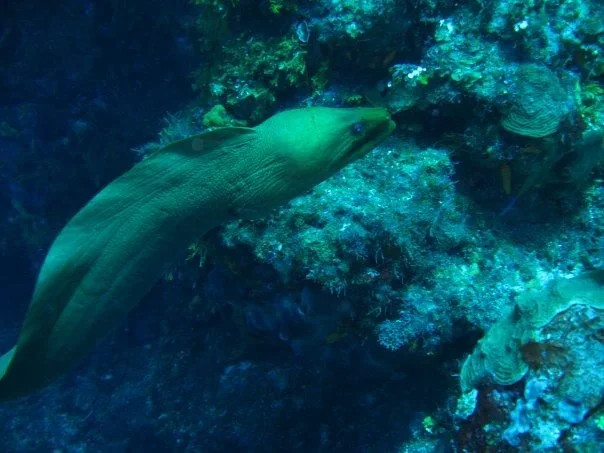
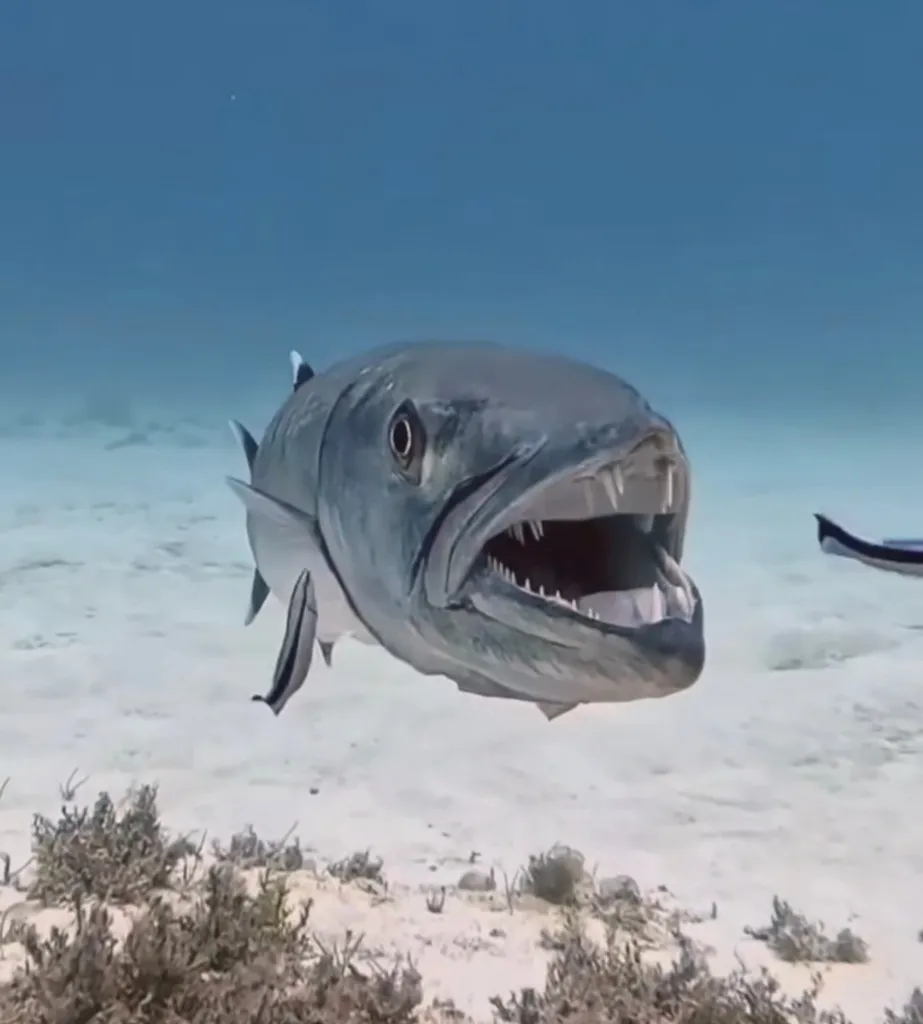
The rugged underwater topography and the site’s isolated position act as a magnet for a variety of marine life. Along the walls and amongst the rocky seafloor, divers frequently encounter schools of barracudas swimming in the blue.
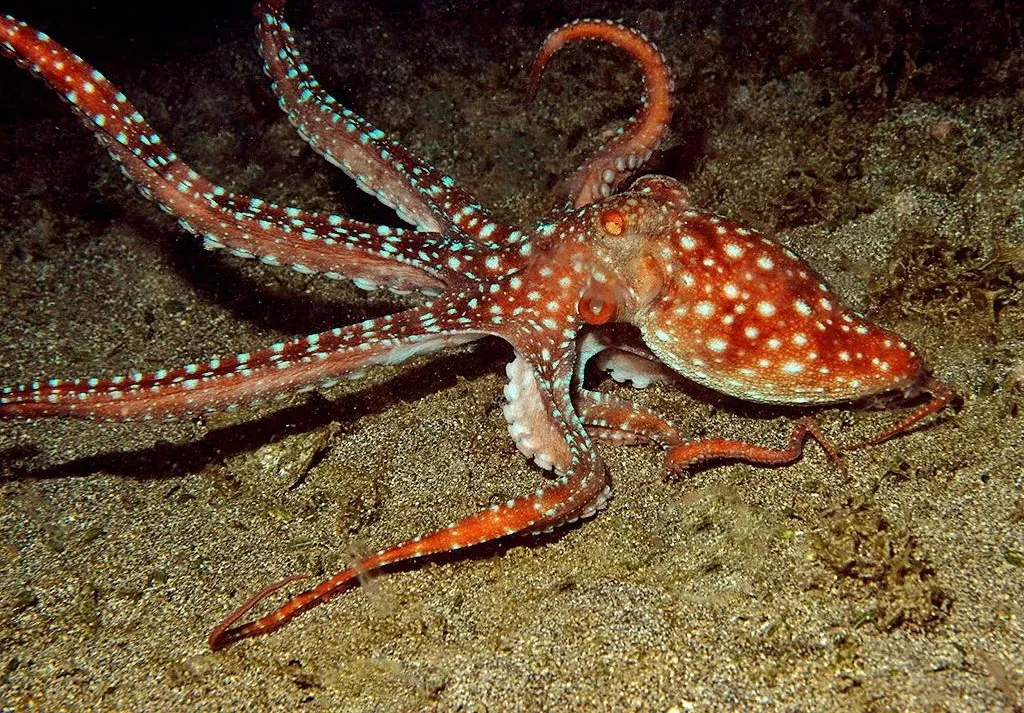
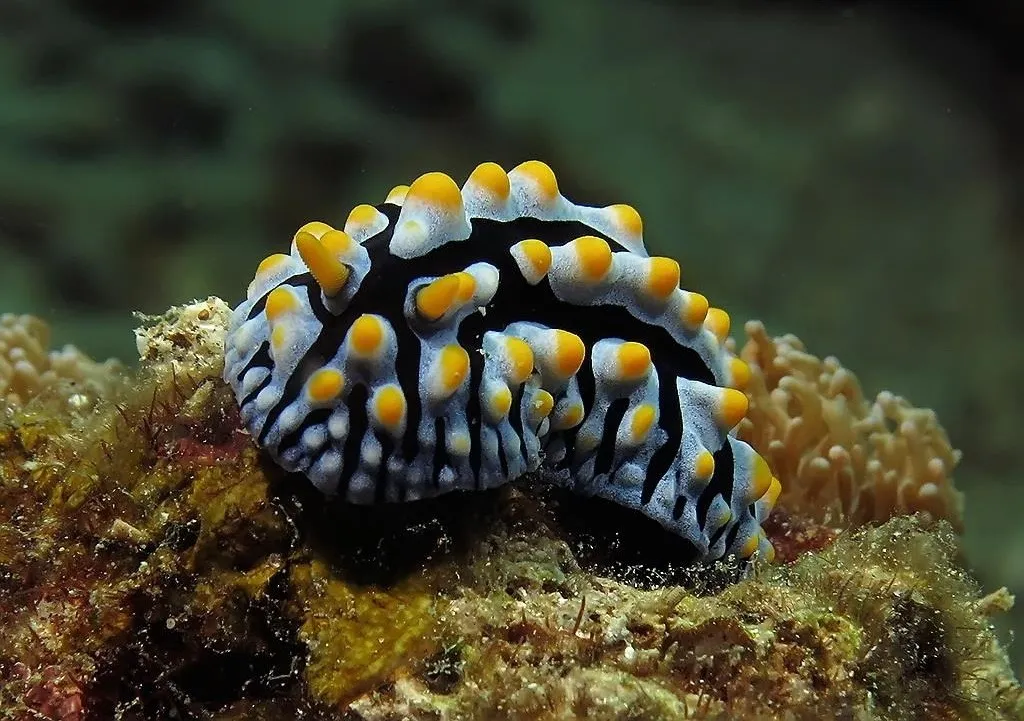
Octopuses and moray eels often shelter within the cracks and crevices, requiring a keen eye to spot them. Nudibranchs are common on closer inspection of the rocks and Posidonia, adding vibrant color to the surroundings.

Dive Sites Near Es Castellet - the Pinnacle
View all dive sites in SpainDiscover more underwater gems in this area.
Dive Centers Near Es Castellet - the Pinnacle

Today: 09:00 - 20:00
Nearest Airports
Nearest airports to help plan travel to this dive area.
Search Flights
Check available flights and routes on Expedia, using the nearby airports listed in this section.
Search Flights on ExpediaFrequently Asked Questions
What is the maximum depth at Es Castellet - The Pinnacle?
The site extends to deeper areas, with a maximum reported depth approaching 28 meters. Shallower zones are also available, including a descent point around 6 meters, offering varied dive profiles.
What types of diving can be done here?
Es Castellet primarily offers wall diving and cavern exploration. The site is characterized by a prominent pinnacle and a beautiful arch that divers can swim through.
Is Es Castellet suitable for beginner divers?
Yes, Es Castellet is considered suitable for all levels, though proficiency in buoyancy control is beneficial for navigating the wall and cavern features. Shallower sections offer a less challenging experience.
How is the visibility typically at this dive site?
While not consistently reported, the waters around Mallorca typically offer good visibility. During ascent at Es Castellet, the water often presents a clear, crystalline blue.
What marine life might I see at Es Castellet?
Common sightings include schools of barracudas, groupers, octopuses, and moray eels. Nudibranchs are also frequently found upon closer inspection of the rocks and seafloor.
Is boat access required to dive Es Castellet?
Yes, Es Castellet - The Pinnacle is exclusively accessible by boat. There are no shore or beach entry options for this site.
Planning to dive Es Castellet - the Pinnacle?
Send one inquiry and receive offers directly from the best verified local dive operators.
Conditions are Good
07:00 - 14:00
Optimal conditions expected
Current conditions near Es Castellet - the Pinnacle show 23° air, 26° sea temperature, 0.8 m waves, and 27 km/h wind. Forecast data is refreshed regularly to ensure accuracy.