Loading...

Diving at Caleta Baja (Spain)
Published
Carved from jet-black basaltic lava flows on Gran Canaria's wild northwest coast near Gáldar, Caleta Baja pairs shallow depths with big-ocean scenery. Sinuous volcanic canyons and a cavernous overhang stuffed with silver grunts open onto a dazzling white sand amphitheater at 18 meters where rays and pelagics glide past.
Early observations for Caleta Baja report a surface air temperature of 21.5°C. The water surface is currently presenting wave heights of 1.2 m. Consider these environmental metrics before beginning your descent.
Dive Site Location & Key Facts
Coordinates28.1640, -15.6802
Estimated Coordinates
Coordinates are estimated from the best available maritime charts and local dive references, as exact GPS pins are not publicly confirmed. Always verify the precise entry or mooring point with a local dive operator.
Site Characteristics
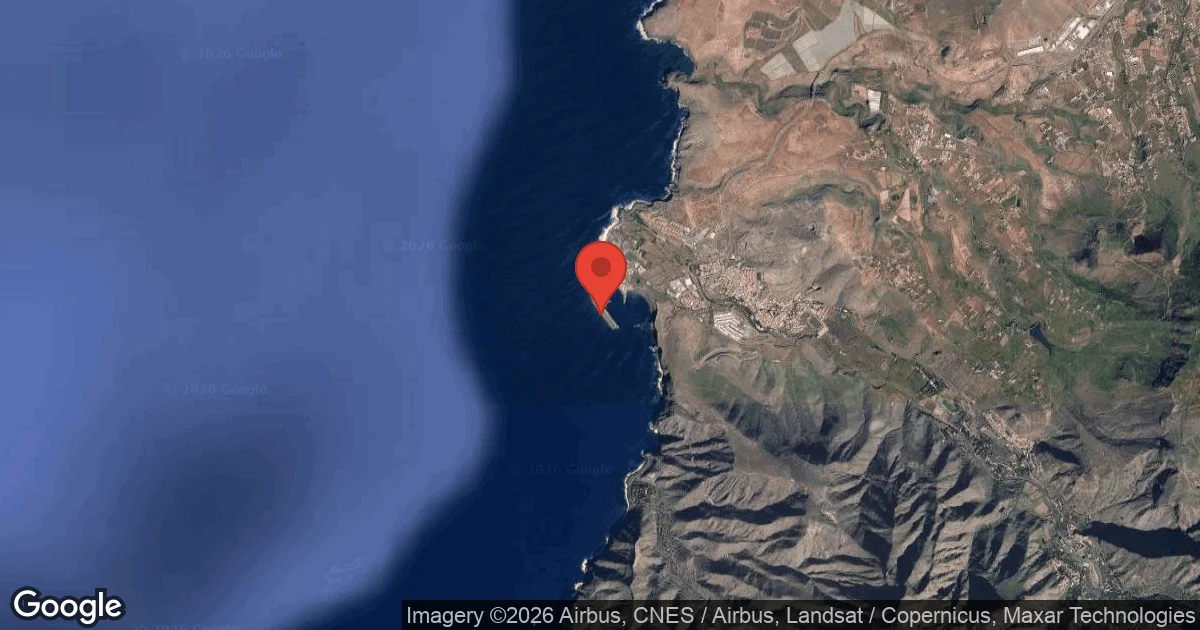
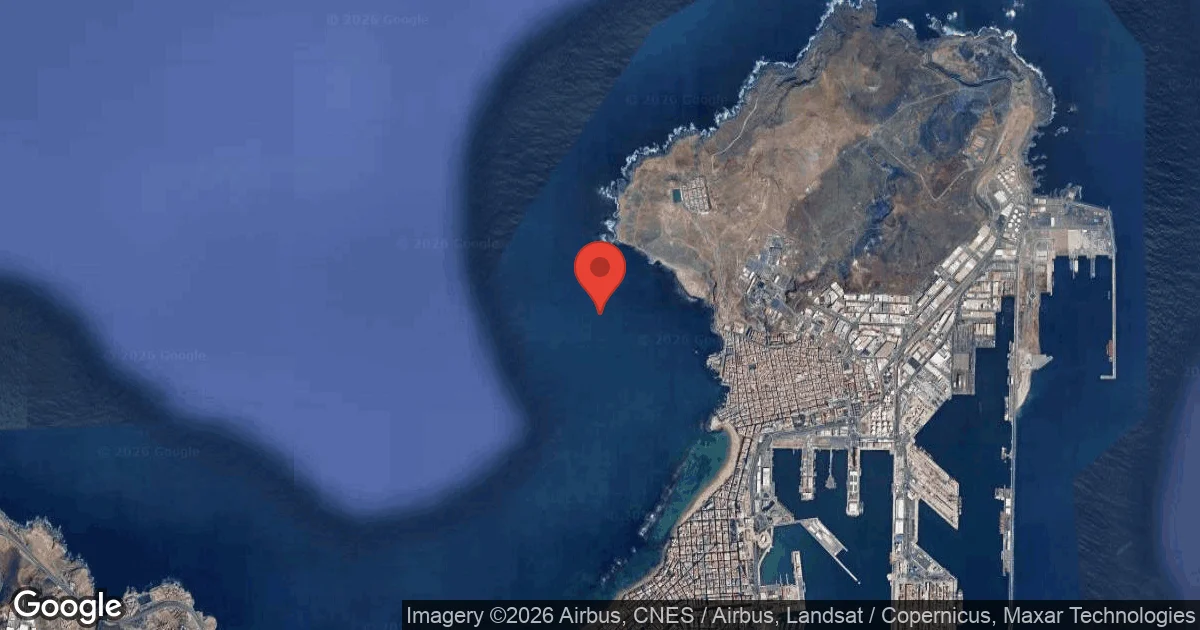
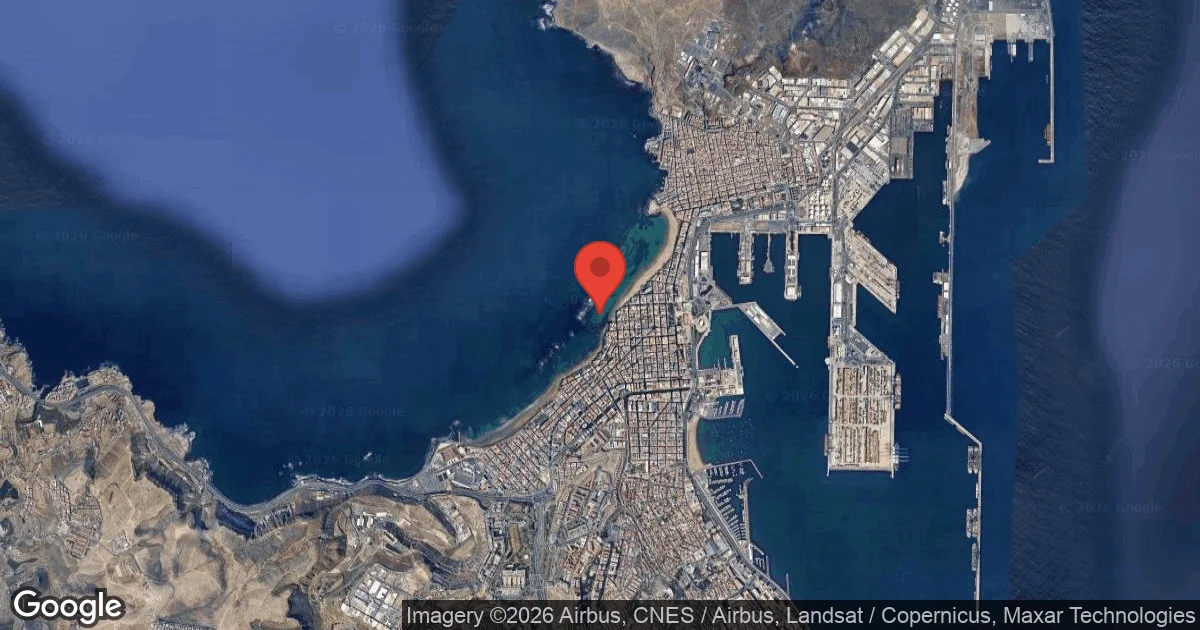
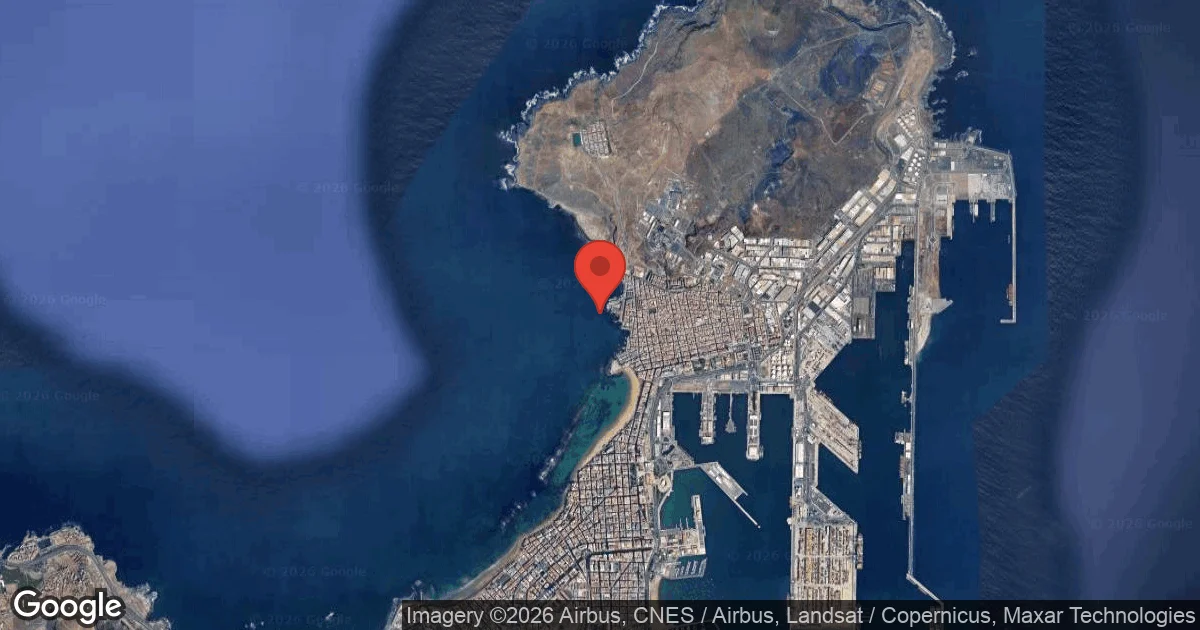
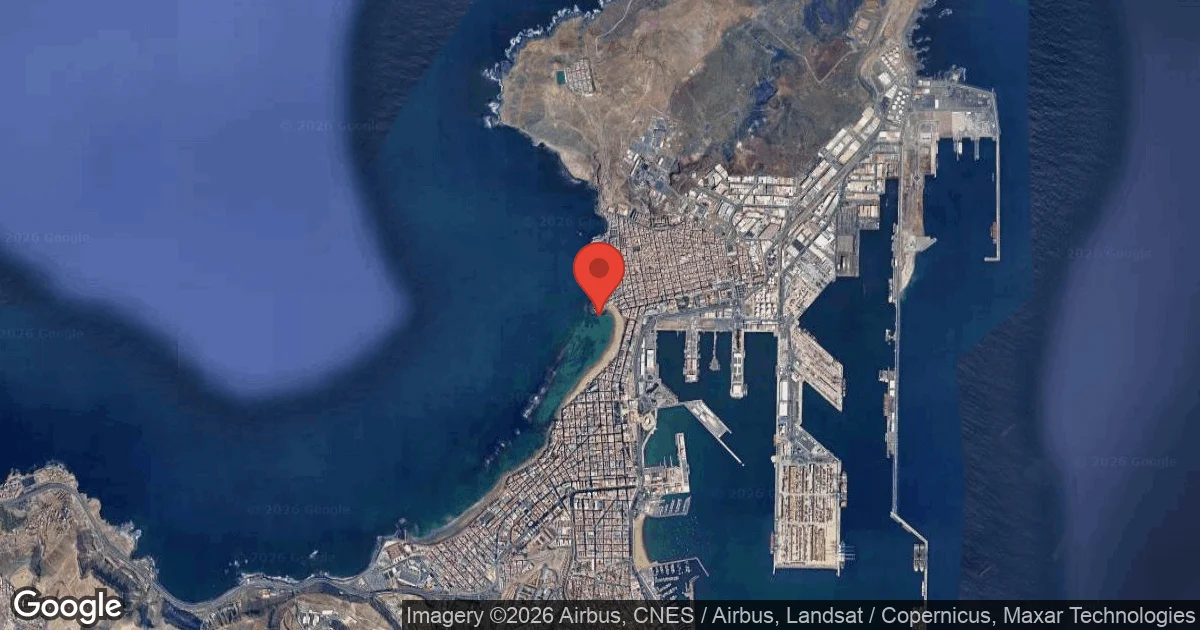
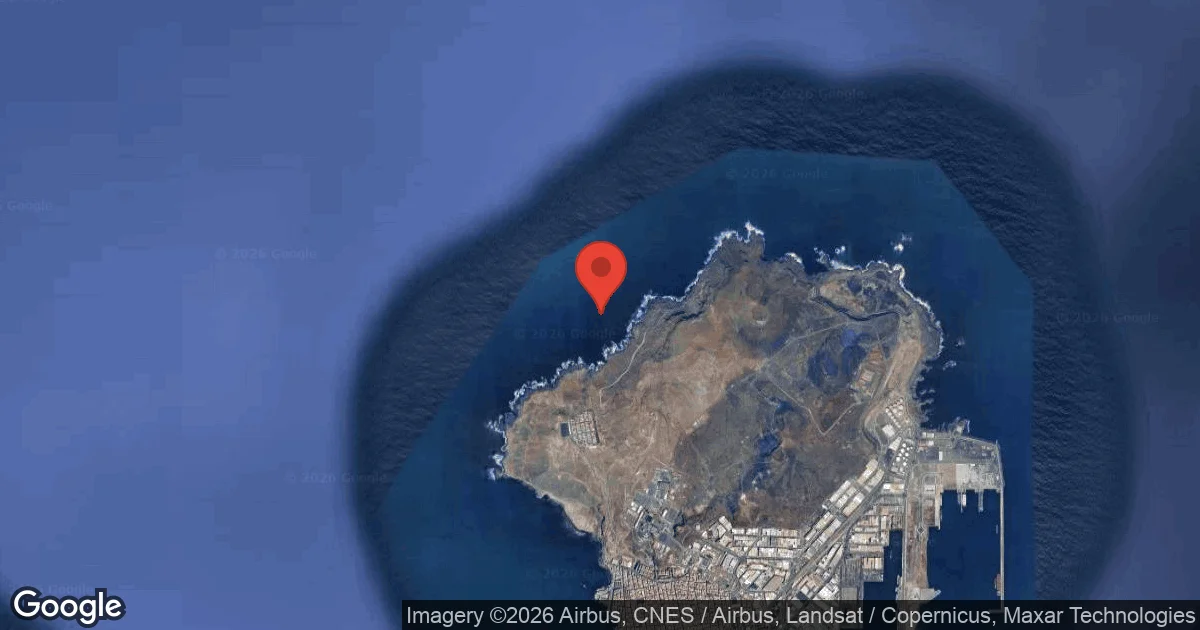
Interactive map & 360° view for Caleta Baja. Alongside the satellite map above, switch to the “360° Shore & Entry” tab (180 m from the estimated map coordinates) when planning your dive at Caleta Baja in Spain to preview the surrounding coastline or surface approach, check the water entry layout, and spot surface landmarks. Because the site coordinates are approximate, the exact dive area may differ slightly from the panorama position. Panorama imagery captured Feb 2026; site access and local conditions may have changed since, so always verify on arrival.
Max Depth
18m59ft
Visibility
20m66ft
Entry TypeShore
Water Typesalt
Dive Types
CavernReefWall
Dive Site Overview
Just northeast of Punta Sardina lighthouse in the coastal hamlet of Caleta de Abajo, ancient lava tongues entered the Atlantic and fractured into steep-walled channels, natural buttresses, and undercut ledges. Once divers step off the volcanic rock shelf into 6 meters of water, the seabed winds seaward through sinuous basaltic canyons whose walls rise sharply on either side.
Two geological landmarks anchor the circuit: a broad, shadowy cavern brimming from floor to ceiling with schooling bastard grunts, and a dramatic rocky cut where the basalt massif gives way to a luminous white sand plain at 18 meters. Because maximum depth never exceeds 18 meters and the average profile hovers around 12 meters, divers enjoy generous no-decompression time to explore every canyon bend.
Far quieter than nearby Sardina del Norte, Caleta Baja feels untamed and oceanic while staying solidly within recreational depth limits.
Caleta Baja
Conditions are Good
7/10
Confidence: 8/10
Indicates meteorological model agreement and data availability.
Best Dive Window
Optimal conditions expected
06:12
18:45
H: 10:45
L: 16:20
Air / Sea Temp
22° / 24°
Wave Height
1.3 m
Wind Speed
36 km/h ENE
Rain Chance
0%
Current conditions near Caleta Baja show 22° air, 24° sea temperature, 1.3 m waves, and 36 km/h wind. Forecast data is refreshed regularly to ensure accuracy.
Radius: ~12km
Updated: Nov 24, 2026, 03:49 local timeMARINE: OPEN-METEOWEATHER: YR.NO
Best Time to Dive
Facing north-northwest into the open Atlantic, Caleta Baja is at its finest from mid-summer through November, peaking during September and October when Atlantic groundswells drop flat and water temperatures climb to 23 to 24°C.
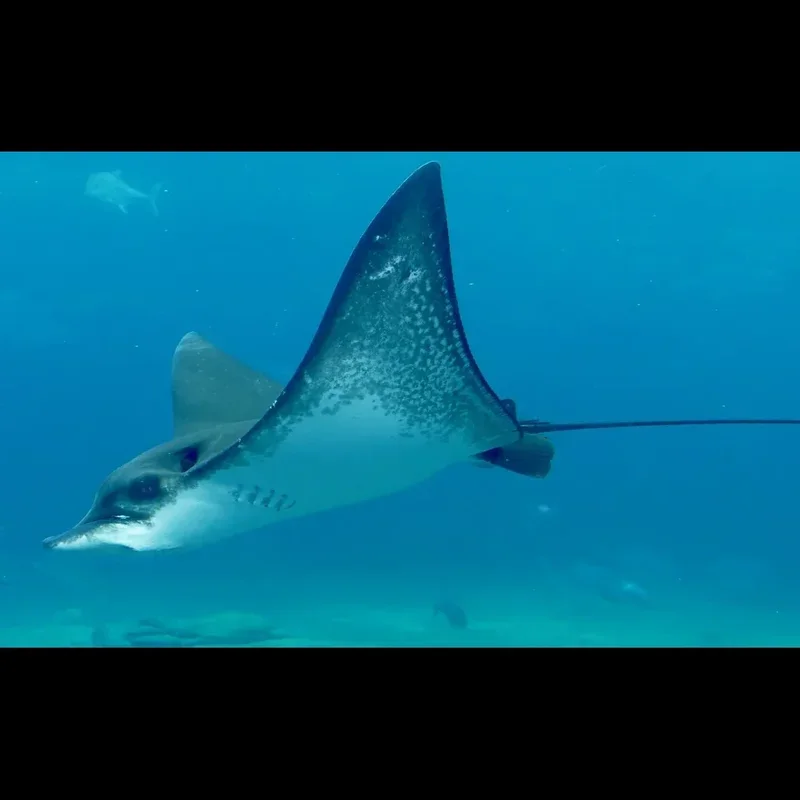
Late summer and early autumn also coincide with sightings of devil rays (mantas) and eagle rays cruising over the 18-meter sand plain, whereas winter northwest swells frequently close the rocky entry.
PEAK SEASON SCORE
65/100
ModerateScores combine air & water temps, waves, wind & rainfall for overall conditions.
BEST MONTHS TO DIVE
MAY
JUN
JUL
DIVE SCORE GUIDE (0–100)
Excellent (90–100)
Very Good (80–89)
Good (70–79)
Moderate (50–69)
Poor (30–49)
Not Recommended (0–29)
Monthly records compiled from satellite and marine observation nodes over the last 3 years. Data provided by Open-Meteo and MET Norway.
Dive Experience & Conditions
Underwater conditions are remarkably serene once below the surface zone, with visibility regularly exceeding 20 meters across the stark contrast of black basalt and white sand. The primary technical demand lies entirely at the water's edge: carrying scuba kit across uneven lava rock and timing entry and exit with tide and surge.
Beneath the surface, currents are typically light, allowing relaxed navigation out through the canyons, past the grunt cave to the sand margin, and back via an adjacent lava corridor.
Dive Difficulty & Safety Guidelines
Evaluate wave sets for several minutes from shore before gearing up; never attempt entry if long-period Atlantic swell is washing across the basaltic shelf, as sheltered Sardina del Norte sits only ten minutes away as an easy backup. Wear thick, grippy hard-soled booties and protective gloves for steadying yourself on sharp volcanic rock during exits.
Inside the grunt cavern, keep fin kicks gentle and avoid blocking the main opening so fish schools can move freely.
Recommended Equipment
Overhead environment. Do not enter beyond training and gas planning limits.
- Dive Computer
- DSMB
- Primary & Backup Lights
- Reel / Spool
- Cutting Tool
- Hard-soled Dive Boots
This gear list is based on verified equipment signals for Caleta Baja, Spain. Always confirm final gear choices with your dive operator, guide, or liveaboard.
Recommended Dive Suit
Forecast trends indicate similar diving conditions over the next few days.
Many experienced divers would consider 3-5mm wetsuit an appropriate choice here. Consider warmer surface protection (like a boat coat) due to brisk winds. Surface intervals may feel cooler.
At Caleta Baja, the water is currently sitting around 24°C (74°F). Surface air temperatures are resting at 22°C (71°F).
Caleta Baja conditions last reviewed: 03:49 local time (UTC-1), Nov 24, 2026
Emergency & Medical Support
Essential information to help you plan your dive trip to Caleta Baja.

Hyperbaric chambers are a critical part of dive safety infrastructure. Availability varies significantly by region, and not all dive areas have immediate access.
Before diving, it's recommended to:
- confirm nearest medical facilities
- check emergency procedures with local dive operators
- ensure dive insurance covers evacuation if required
24/7 Available
Divers Alert Network
Diving emergency assistance available through DAN Europe.
+39 0642115685- 24/7 emergency hotline
- Diving medical assistance
- Evacuation coordination
Emergency contacts are provided for reference. Always verify local emergency services before diving.
Marine Life at Caleta Baja
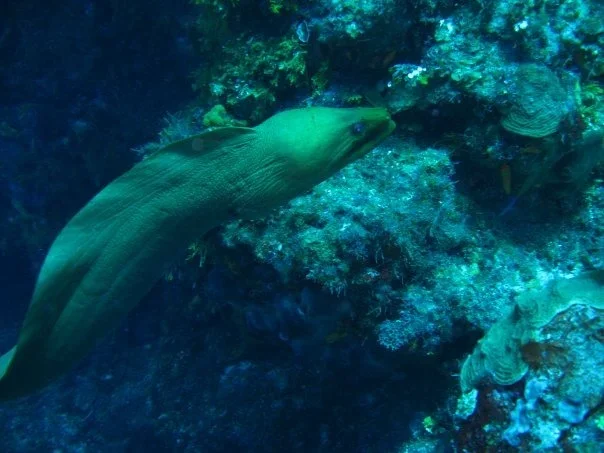
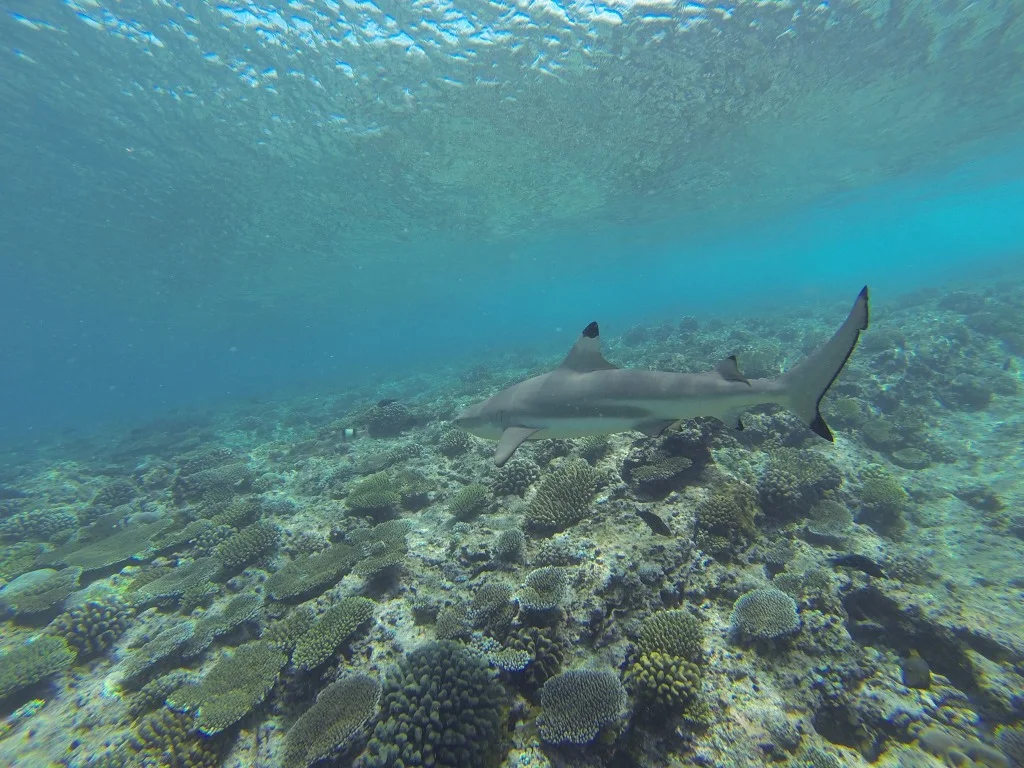
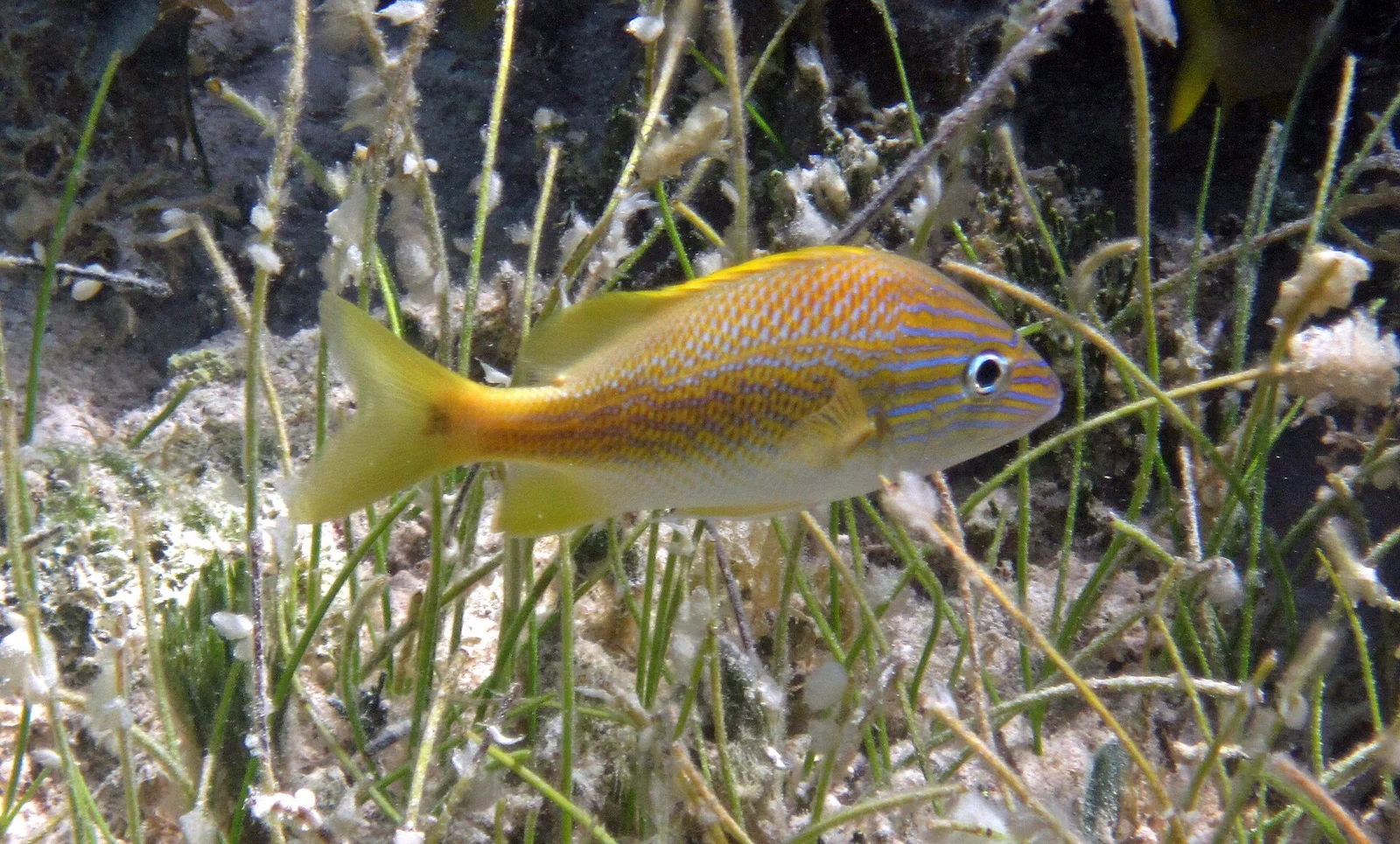
Schools of white trevally, horse mackerel, and yellowmouth barracuda patrol the canyon mouths, while the main cavern shelters dense, swirling masses of bastard grunts, glasseyes, black morays, and cleaner shrimp. Bright Canarian parrotfish, ornate wrasses, and damselfish animate the sunlit 8-meter rock tops.
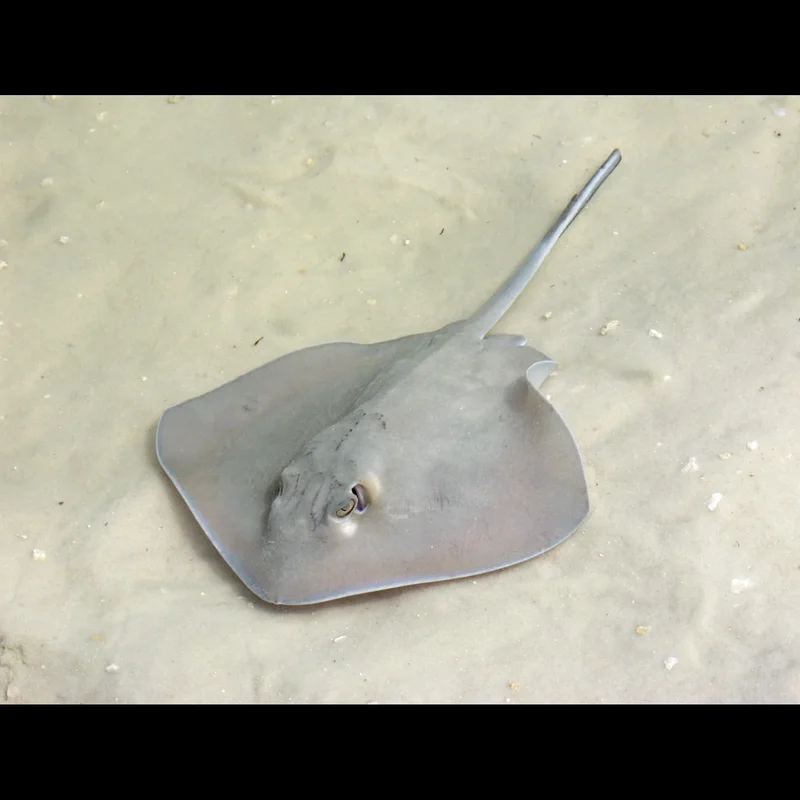
Out across the 18-meter white sand apron rest common and round stingrays, spiny butterfly rays, and angelsharks, with thrilling late-summer passes by eagle rays and devil rays.
1 / 2
Image contributors:James St. John, Wrtiii3644 at English Wikipedia + 4 more
Want to contribute photos or local dive knowledge? Learn how to contributeDive Sites Near Caleta Baja
View all dive sites in SpainDiscover more underwater gems in this area.
Max 12 m
7.9 km
beginnerLas Merinas
BeachCanyon
Max 30 m
23.4 km
intermediateBaja Fernando
BoatOcean
Max 5 m
24 km
360°
beginnerPlaya Chica (Las Canteras)
BeachOcean
Max 12 m
24.2 km
360°
beginnerRoque Matavinos
BoatCanyon
Max 5 m
24.4 km
360°
beginnerPlaya Grande (Las Canteras)
BeachOcean
Max 42 m
24.3 km
advancedLa Catedral (La Isleta)
BoatCanyon
Max 12 m
7.9 km
beginnerLas Merinas
BeachCanyon
Max 30 m
23.4 km
intermediateBaja Fernando
BoatOcean
Max 5 m
24 km
360°
beginnerPlaya Chica (Las Canteras)
BeachOcean
Max 12 m
24.2 km
360°
beginnerRoque Matavinos
BoatCanyon
Max 5 m
24.4 km
360°
beginnerPlaya Grande (Las Canteras)
BeachOcean
Max 42 m
24.3 km
advancedLa Catedral (La Isleta)
BoatCanyon
Dive Centers Near Caleta Baja
Working Hours
SunClosed
Mon09:00 - 18:00
Tue09:00 - 18:00
Wed09:00 - 18:00
Thu09:00 - 18:00
Fri09:00 - 18:00
SatClosed
Today: 09:00 - 18:00
SunClosed
Mon09:00 - 18:00
Tue09:00 - 18:00
Wed09:00 - 18:00
Thu09:00 - 18:00
Fri09:00 - 18:00
SatClosed

4.9| 449 reviews
42.4 km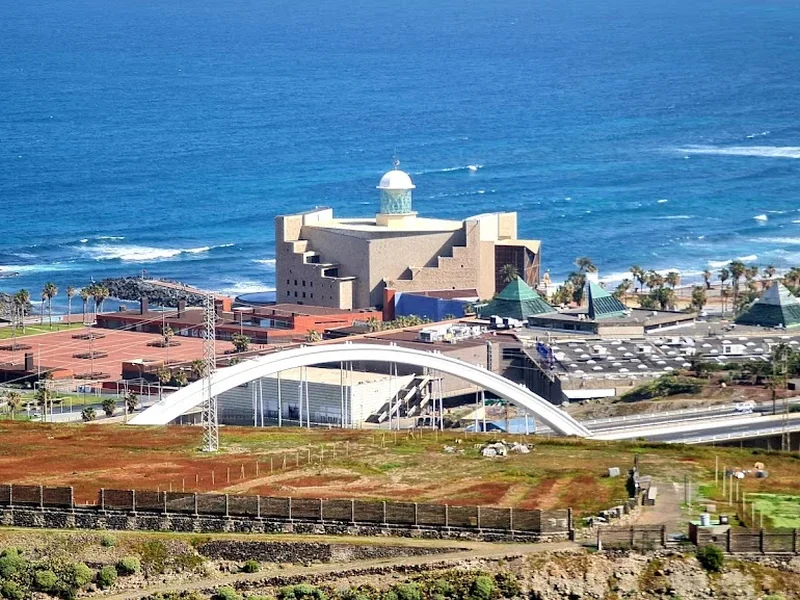
4.7| 500 reviews
39.5 kmNearest Airports
Nearest airports to help plan travel to this dive area.
Gran Canaria Airport LPA
39 km
Tenerife Norte-Ciudad de La Laguna Airport TFN
74 km
Tenerife Sur Airport TFS
89 km
💵 Currency: EUR
Search Flights
Check available flights and routes on Expedia, using the nearby airports listed in this section.
Search Flights on ExpediaAffiliate link · Dive Navigator may earn a commission at no extra cost to you.
Frequently Asked Questions
Why is Caleta Baja rated intermediate despite a maximum depth of 18 meters?
Underwater diving is calm and shallow (averaging 12 meters), but entering and exiting over exposed northwestern volcanic rock ledges requires good balance, physical agility, and careful swell assessment.
When is the best season to dive Caleta Baja?
Late summer and autumn—especially September through November—bring the flattest North Atlantic swells, warmest water, and highest chance of spotting eagle and devil rays.
What are the main underwater features at Caleta Baja?
Winding black basalt canyons, a deep rocky cut opening onto bright white sand at 18 meters, and a spacious cavern packed with bastard grunts.
What is the best backup site if swell makes Caleta Baja's entry rough?
Sardina del Norte lies just ten minutes away on the sheltered western side of Punta Sardina headland and remains calm in virtually all northeast and moderate north swells.
Is a dive torch useful at Caleta Baja?
Yes. A torch illuminates the shaded grunt cavern and deep basaltic overhangs where moray eels, lobsters, and glasseyes hide.
Can devil rays really be seen on a shore dive here?
Yes—between late summer and autumn, eagle rays and occasional devil rays cruise along the 18-meter sand plain just outside the volcanic canyon cut.
Trip Inquiry
Planning to dive Caleta Baja?
Tell us your dates and diving needs. We'll review your request and seek offers from relevant local dive centers.
Request Dive Offers Free request for offers • No booking obligation
Caleta Baja
Conditions are Good
7/10
Confidence: 8/10
Indicates meteorological model agreement and data availability.
Best Dive Window
Optimal conditions expected
06:12
18:45
H: 10:45
L: 16:20
Air / Sea Temp
22° / 24°
Wave Height
1.3 m
Wind Speed
36 km/h ENE
Rain Chance
0%
Current conditions near Caleta Baja show 22° air, 24° sea temperature, 1.3 m waves, and 36 km/h wind. Forecast data is refreshed regularly to ensure accuracy.
Radius: ~12km
Updated: Nov 24, 2026, 03:49 local timeMARINE: OPEN-METEOWEATHER: YR.NO


