Loading...

Diving at Las Merinas (Spain)
Published
Framed above water by the soaring Tamadaba sea cliffs and the famous Roque Partido stack at Agaete, Las Merinas offers a luminous volcanic maze in 12 meters or less. Intersecting basalt corridors, sunlit boulder arches, and anemone-lined crevices make this western Gran Canaria shore dive a gem for relaxed exploration and wide-angle light play.
Current morning readings from Las Merinas indicate an air temperature of 21°C. Surface wave heights are averaging around 1.1 m at this time. These local measurements provide a baseline for your daily dive planning.
Dive Site Location & Key Facts
Site Characteristics
Max Depth
12m39ft
Visibility
18m59ft
Entry TypeShore
Water Typesalt
Dive Types
RecreationalReef
Dive Site Overview
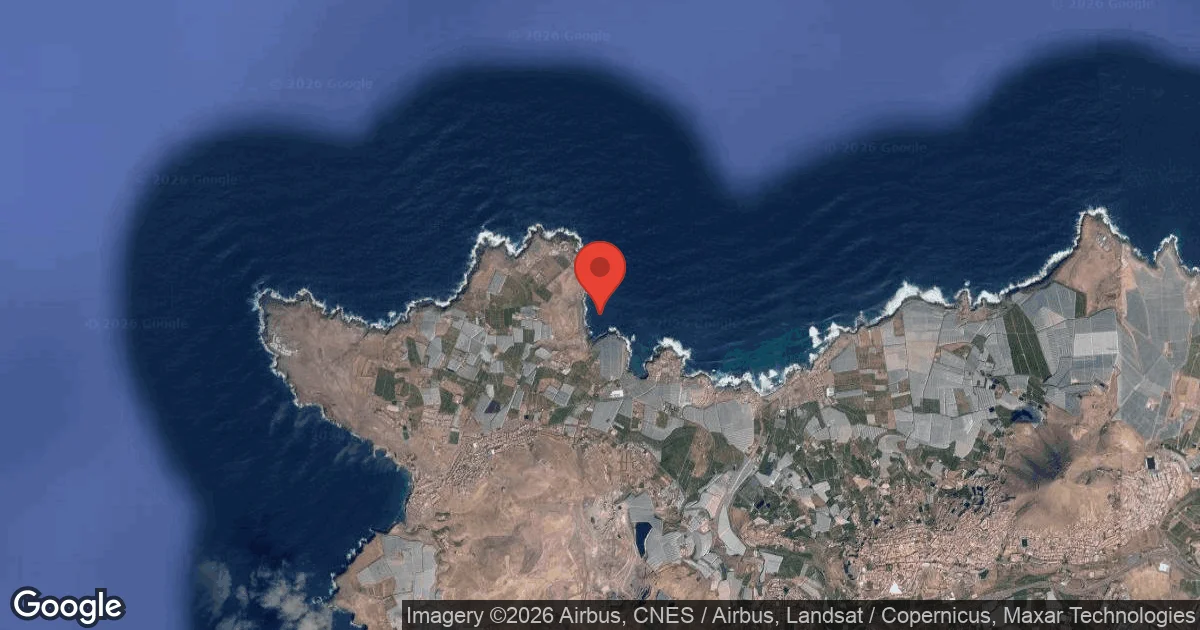
South of Puerto de las Nieves' old pier, a cluster of dark volcanic pinnacles—Las Merinas—pierces the surface directly beneath Gran Canaria's dramatic western massif, steps from the sea stack once topped by the basalt spire Dedo de Dios ('God's Finger', toppled by Tropical Storm Delta in 2005). Entering off the cobble-and-volcanic beach of Las Nieves, divers swim a short distance to where the emergent stacks drop into 5 to 12 meters of water.
Beneath the waterline, the stacks are split by a network of clean, open-topped volcanic canyons, narrow rock alleys, and rounded basalt boulders polished smooth by winter surf. Sunlight dancing down between the rock walls creates shifting cathedral beams across dark lava surfaces.
Averaging just 7 meters in depth, Las Merinas allows unhurried, single-tank meanders around the entire rock cluster with virtually no decompression concern.
Las Merinas
Conditions are Good
7/10
Confidence: 8/10
Indicates meteorological model agreement and data availability.
Best Dive Window
Optimal conditions expected
06:12
18:45
H: 10:45
L: 16:20
Air / Sea Temp
21° / 24°
Wave Height
1.3 m
Wind Speed
36 km/h ENE
Rain Chance
0%
Current conditions near Las Merinas show 21° air, 24° sea temperature, 1.3 m waves, and 36 km/h wind. Forecast data is refreshed regularly to ensure accuracy.
Radius: ~12km
Updated: Nov 23, 2026, 23:32 local timeMARINE: OPEN-METEOWEATHER: YR.NO
Best Time to Dive
Sheltered by Gran Canaria's western cliffs from northeast trade winds, Las Merinas enjoys calm, clear mornings from late spring through November, with water temperatures rising from 19°C in May to 24°C in early autumn.
Avoid winter days with westerly or northwesterly Atlantic groundswell, when surf funnels directly between the emergent stacks and stirs cobbles along the entry beach.
PEAK SEASON SCORE
74/100
GoodScores combine air & water temps, waves, wind & rainfall for overall conditions.
BEST MONTHS TO DIVE
SEP
OCT
NOV
DIVE SCORE GUIDE (0–100)
Excellent (90–100)
Very Good (80–89)
Good (70–79)
Moderate (50–69)
Poor (30–49)
Not Recommended (0–29)
Monthly records compiled from satellite and marine observation nodes over the last 3 years. Data provided by Open-Meteo and MET Norway.
Dive Experience & Conditions
Shore entry crosses rounded volcanic cobbles along Playa de las Nieves before dropping into 3 meters of clear water. Visibility routinely reaches 15 to 22 meters against the clean basalt rock.
Currents around the stacks are light, though mild surge sways gently through the narrower 5-meter rock alleys—adding natural rhythm so long as divers time their passes through narrow slots.
Dive Difficulty & Safety Guidelines
Stay strictly south and inshore of the main harbor breakwater: high-speed inter-island catamarans connecting Agaete with Tenerife enter and exit Puerto de las Nieves on regular schedules, so tow a surface marker buoy with flag and never stray north toward the port mouth.
Wear sturdy neoprene booties for walking across rounded volcanic beach stones, and avoid diving inside narrow rock slots if ocean swell exceeds half a meter.
Recommended Equipment
- Dive Computer
- Hard-soled Dive Boots
This gear list is based on verified equipment signals for Las Merinas, Spain. Always confirm final gear choices with your dive operator, guide, or liveaboard.
Recommended Dive Suit
Divers planning relaxed exploration may appreciate the warmth of 3-5mm wetsuit. A hood or vest is suggested for sensitive divers due to surface winds. Surface intervals may feel cooler. Divers often notice that perceived temperature can feel cooler during deeper or longer dives.
The waters surrounding Las Merinas are currently maintaining temperatures close to 24°C (74°F). Surface air temperatures are resting at 21°C (70°F).
Weather projections show fairly stable environmental conditions ahead.
Las Merinas conditions last reviewed: 23:32 local time (UTC-1), Nov 23, 2026
Emergency & Medical Support
Essential information to help you plan your dive trip to Las Merinas.

Hyperbaric chambers are a critical part of dive safety infrastructure. Availability varies significantly by region, and not all dive areas have immediate access.
Before diving, it's recommended to:
- confirm nearest medical facilities
- check emergency procedures with local dive operators
- ensure dive insurance covers evacuation if required
24/7 Available
Divers Alert Network
Diving emergency assistance available through DAN Europe.
+39 0642115685- 24/7 emergency hotline
- Diving medical assistance
- Evacuation coordination
Emergency contacts are provided for reference. Always verify local emergency services before diving.
Marine Life at Las Merinas
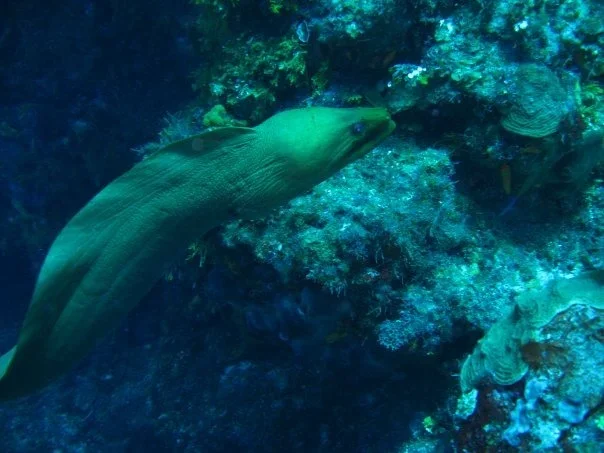
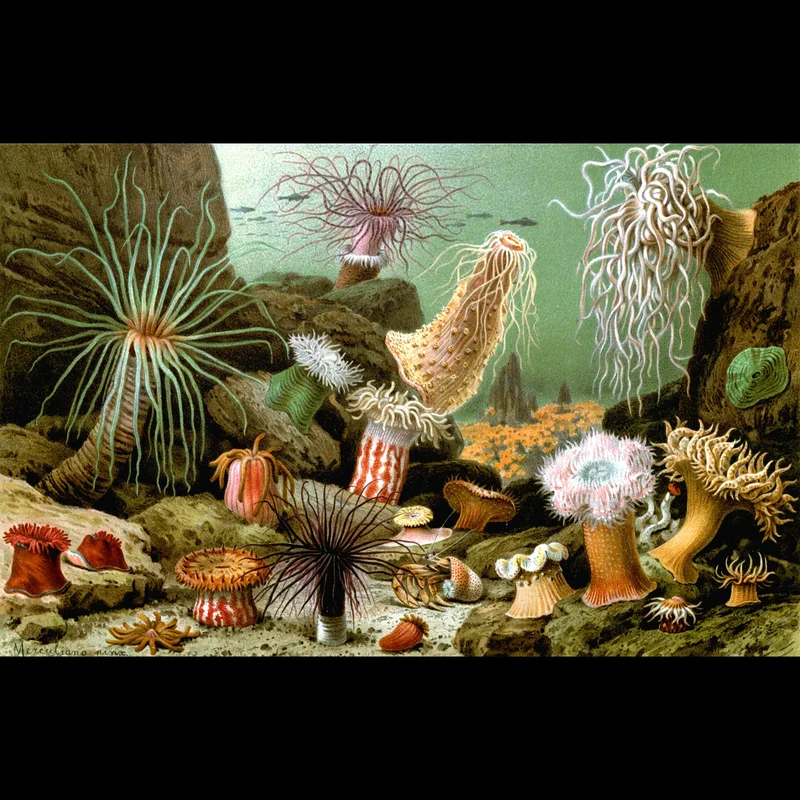
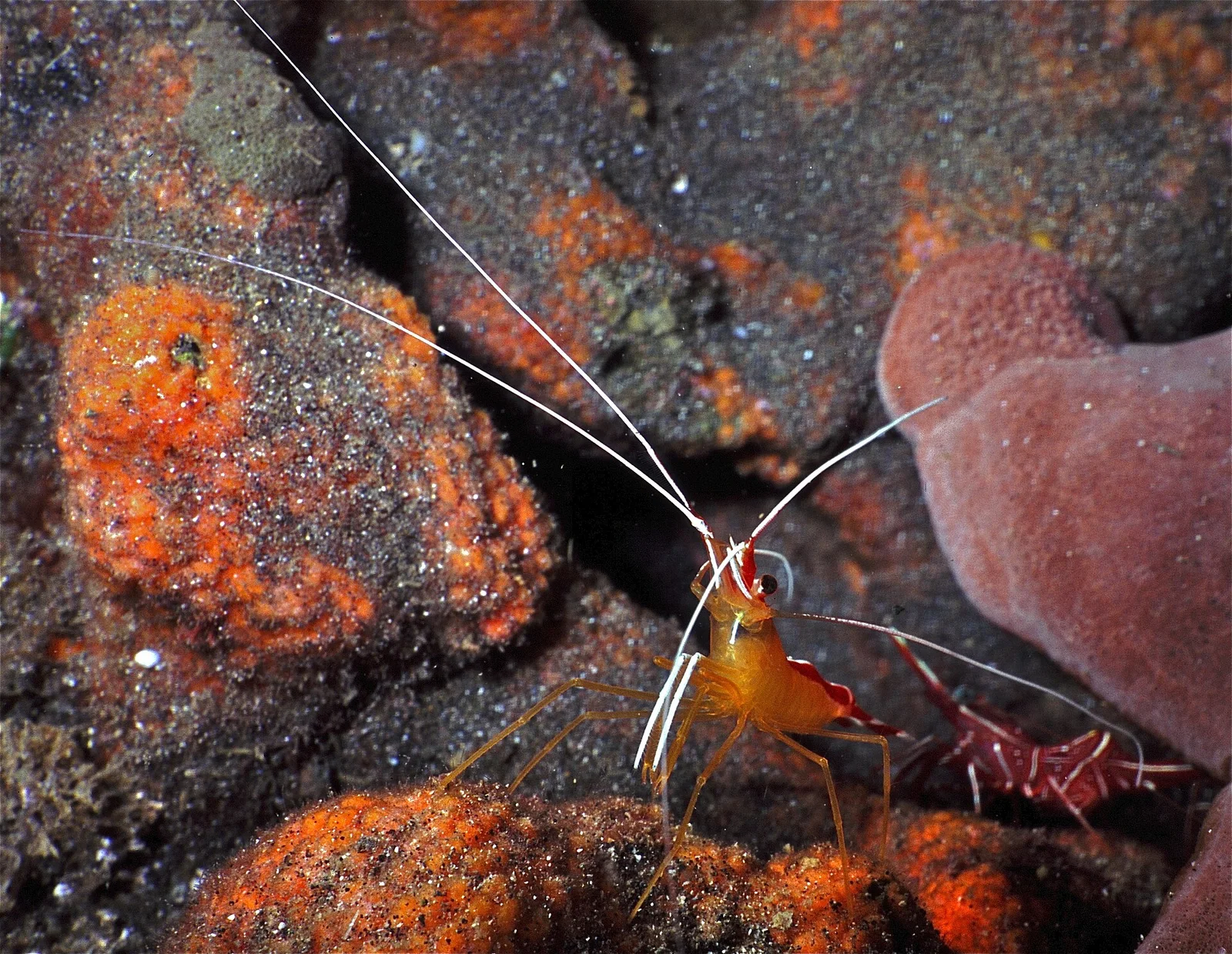
Shaded vertical cracks and overhangs inside the basalt canyons hold bright orange cup corals, colorful encrusting sponges, and giant club-tipped anemones shared by pairs of white-antennaed scarlet cleaner shrimp and arrow crabs. Black morays, octopuses, and scorpionfish tuck into basal holes.
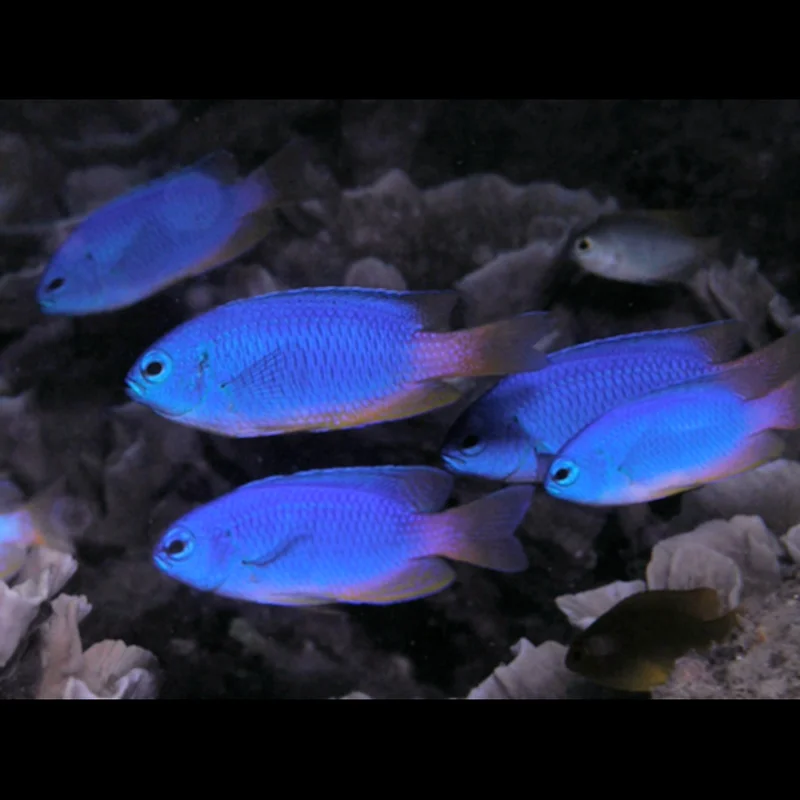
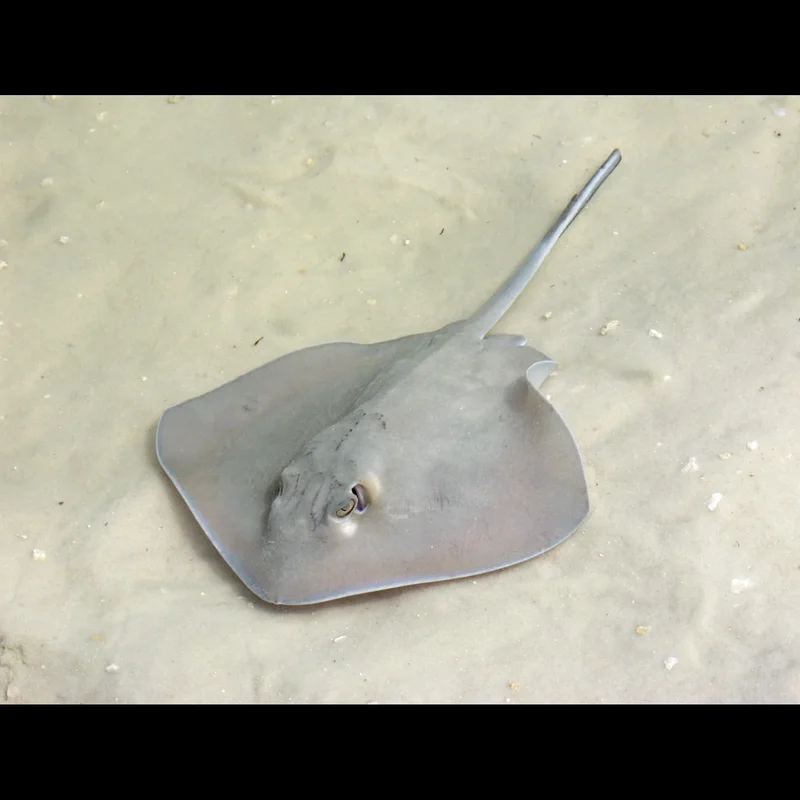
Out in the sunlit corridors cruise vivid red parrotfish, ornate wrasses, Canary damsels, salemas, and two-banded seabream, while late-afternoon dives frequently reveal common stingrays gliding quietly through the sand-floored gullies.
1 / 2
Image contributors:Giacomo Merculiano, Bernard DUPONT + 4 more
Want to contribute photos or local dive knowledge? Learn how to contributeDive Sites Near Las Merinas
View all dive sites in SpainDiscover more underwater gems in this area.
Dive Centers Near Las Merinas
Working Hours
SunClosed
Mon09:00 - 18:00
Tue09:00 - 18:00
Wed09:00 - 18:00
Thu09:00 - 18:00
Fri09:00 - 18:00
SatClosed
Today: 09:00 - 18:00
SunClosed
Mon09:00 - 18:00
Tue09:00 - 18:00
Wed09:00 - 18:00
Thu09:00 - 18:00
Fri09:00 - 18:00
SatClosed
4.9| 449 reviews
35 km
4.7| 500 reviews
31.8 kmNearest Airports
Nearest airports to help plan travel to this dive area.
Gran Canaria Airport LPA
37 km
Tenerife Norte-Ciudad de La Laguna Airport TFN
75 km
Tenerife Sur Airport TFS
85 km
💵 Currency: EUR
Search Flights
Check available flights and routes on Expedia, using the nearby airports listed in this section.
Search Flights on ExpediaAffiliate link · Dive Navigator may earn a commission at no extra cost to you.
Frequently Asked Questions
Where is Las Merinas located in Agaete?
It sits immediately south of Puerto de las Nieves beach around the emergent volcanic sea stacks beside Roque Partido, site of the historic Dedo de Dios spire.
What is the depth of the Las Merinas dive?
Maximum depth is 12 meters (39 feet) with an average depth around 7 meters (23 feet), providing bright natural light and long bottom times.
Is Las Merinas suitable for beginner divers and snorkelers?
Yes—on calm days, both Open Water divers and confident snorkelers enjoy the shallow, open-topped volcanic canyons surrounding the emergent rocks.
When is the best time of day to spot rays at Las Merinas?
Late afternoon and dusk dives offer the highest chance of encountering common stingrays foraging through the sandy canyon floors.
What boat traffic precaution applies at Puerto de las Nieves?
High-speed Tenerife ferries operate from the adjacent harbor to the north, so divers stay south around the rock stacks and carry a surface marker buoy.
Which macro subjects stand out inside the basalt crevices?
Club-tipped anemones (Telmatactis cricoides) hosting scarlet lady cleaner shrimp, arrow crabs, and bright orange cup corals line shaded rock cracks.
Trip Inquiry
Planning to dive Las Merinas?
Tell us your dates and diving needs. We'll review your request and seek offers from relevant local dive centers.
Request Dive Offers Free request for offers • No booking obligation
Las Merinas
Conditions are Good
7/10
Confidence: 8/10
Indicates meteorological model agreement and data availability.
Best Dive Window
Optimal conditions expected
06:12
18:45
H: 10:45
L: 16:20
Air / Sea Temp
21° / 24°
Wave Height
1.3 m
Wind Speed
36 km/h ENE
Rain Chance
0%
Current conditions near Las Merinas show 21° air, 24° sea temperature, 1.3 m waves, and 36 km/h wind. Forecast data is refreshed regularly to ensure accuracy.
Radius: ~12km
Updated: Nov 23, 2026, 23:32 local timeMARINE: OPEN-METEOWEATHER: YR.NO


