
Diving at El Ascensor & Puerto Moro (Spain)
Formed when molten rivers from the Monte Corona volcano cooled beneath the Atlantic, El Ascensor ('The Elevator') & Puerto Moro showcase Lanzarote's submerged volcanic plumbing at its most theatrical. Skylight-pierced lava tubes drop from 15 to 30 meters like a natural underwater elevator shaft beside sunlit stone arches and shrimp-lined caverns.
During this afternoon at El Ascensor & Puerto Moro, the recorded air temperature stands at 23.5°C. The water surface currently features wave heights of 0.6 m. These conditions reflect the midday climate for this dive site.
Dive Site Location & Key Facts
Dive Site Overview
Just south of Charco del Palo along the unpaved lava track of Mala (note that the printed Lanzarote guide contains a one-minute longitude typo placing the pin inland; the true entry sits directly on the Mala basalt coast), a sheltered notch in the black lava cliff unlocks two distinct compass routes.
Swimming roughly 200 meters on a 170-degree heading brings Advanced teams to Ascensor Grande: a wide volcanic lava tube opening in the reef roof at 15 meters, illuminated along its ceiling by natural collapsed skylights (jameos) before exiting onto the deep sand-and-boulder base at 30 meters.
Alternatively, following a 65-degree heading for 100 meters toward an emergent coastal sea stack leads into the Puerto Moro amphitheater, featuring vaulted caverns, wide stone arches, and Ascensor Chico—a compact lava chimney under 10 meters long emerging at 30 meters.
Conditions are Excellent
07:00 - 14:00
Optimal conditions expected
Current conditions near El Ascensor & Puerto Moro show 23° air, 23° sea temperature, 0.8 m waves, and 23 km/h wind. Forecast data is refreshed regularly to ensure accuracy.
Best Time to Dive
September through November provides the glassy east-coast mornings essential for stepping off Mala's volcanic rock ledge and descending cleanly through the lava tubes in 25-to-30-meter visibility.
Calm high-pressure days in winter and spring also reward divers with crisp water and angelsharks on the deeper sand apron, whereas summer northeast trade winds frequently whip surf against the Mala cliffs.
PEAK SEASON SCORE
Scores combine air & water temps, waves, wind & rainfall for overall conditions.
BEST MONTHS TO DIVE
Monthly records compiled from satellite and marine observation nodes over the last 3 years. Data provided by Open-Meteo and MET Norway.
Dive Experience & Conditions
Because reaching Ascensor Grande requires a 200-meter navigational swim each way plus dropping to 30 meters inside an overhead volcanic tube, disciplined gas planning, low air consumption, and accurate compass work define the dive.
Inside the tube, cobalt beams pouring through overhead jameos create unforgettable silhouettes as divers glide downward—or rise upward like an elevator—through crystal Atlantic water.
Dive Difficulty & Safety Guidelines
Never attempt the Mala rock entry or enter either lava tube if northeast swell is creating surge along the cliff; rising and falling wave pressure is amplified inside volcanic chimneys. Maintain single-file spacing inside Ascensor Grande with effortless frog kicks so fine volcanic sediment on the tube floor remains undisturbed.
Carry both primary and backup torches, apply rule-of-thirds gas management for the return swim to the exit notch, and wear sturdy hard-soled booties and gloves for the lava shoreline.
Recommended Equipment
Overhead environment. Do not enter beyond training and gas planning limits.
- Dive Computer
- DSMB
- Primary & Backup Lights
- Reel / Spool
- Cutting Tool
- Hard-soled Dive Boots
This gear list is based on verified equipment signals for El Ascensor & Puerto Moro, Spain. Always confirm final gear choices with your dive operator, guide, or liveaboard.
Recommended Dive Suit
In conditions like these, many divers prefer diving with 3-5mm wetsuit. A hood or vest is suggested for sensitive divers due to surface winds.
Divers entering the water at El Ascensor & Puerto Moro today can expect temperatures near 23°C (73°F) beneath the surface. Surface air temperatures are resting at 23°C (74°F).
Environmental conditions appear stable for the near future.
Emergency & Medical Support
Essential information to help you plan your dive trip to El Ascensor & Puerto Moro.

Hyperbaric chambers are a critical part of dive safety infrastructure. Availability varies significantly by region, and not all dive areas have immediate access.
Before diving, it's recommended to:
- confirm nearest medical facilities
- check emergency procedures with local dive operators
- ensure dive insurance covers evacuation if required
Divers Alert Network
Diving emergency assistance available through DAN Europe.
+39 0642115685- 24/7 emergency hotline
- Diving medical assistance
- Evacuation coordination
Emergency contacts are provided for reference. Always verify local emergency services before diving.
Marine Life at El Ascensor & Puerto Moro
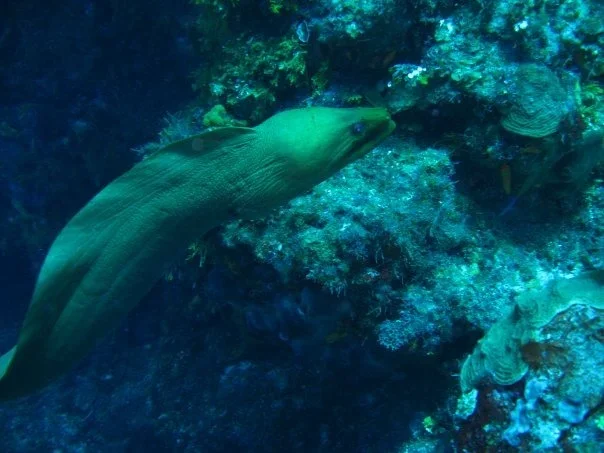
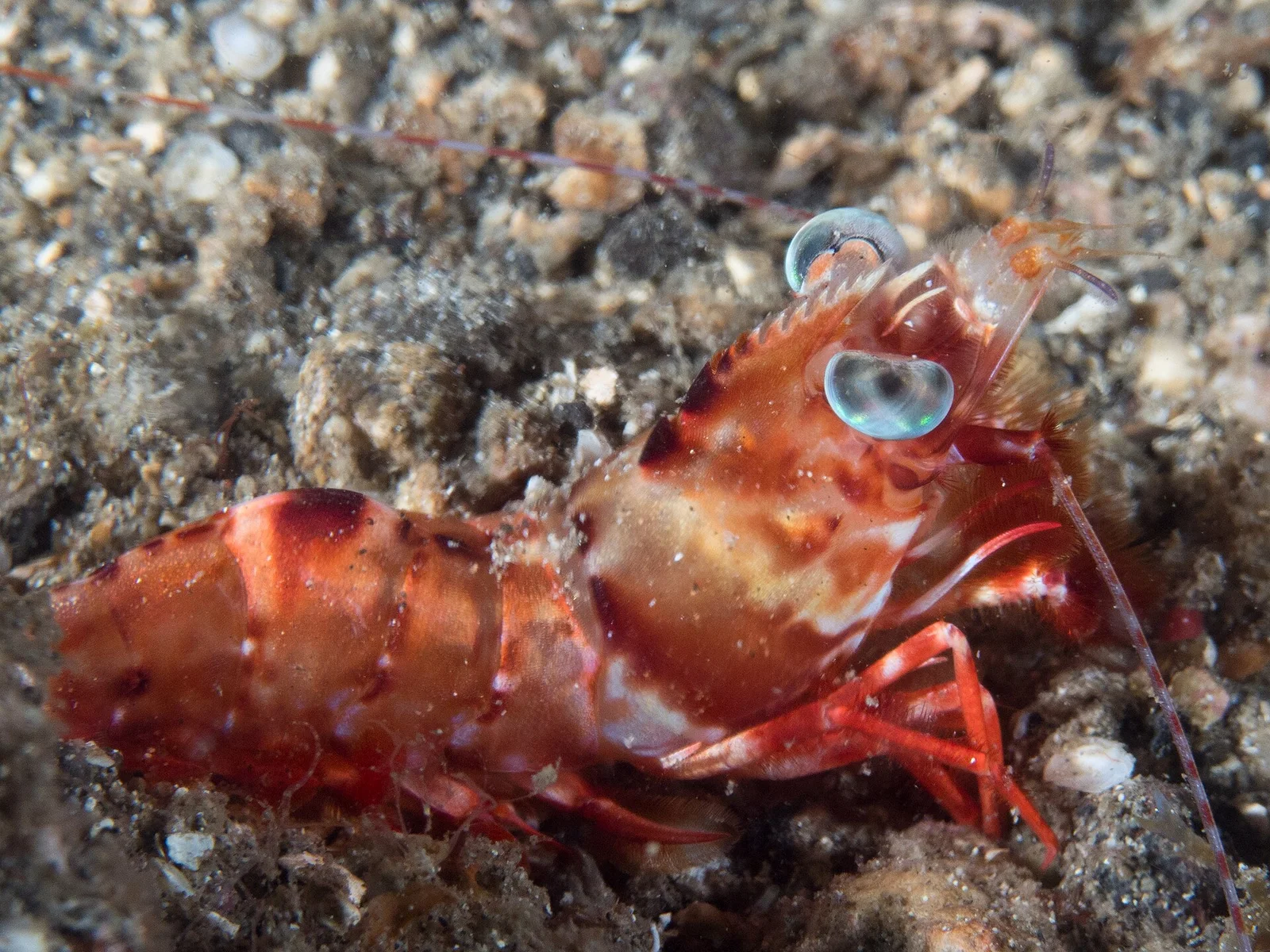
Inside the shaded walls of Ascensor Grande and Puerto Moro's caverns congregate dense clouds of translucent red-striped narwhal shrimp, arrow crabs, ruby glasseyes, nocturnal forkbeards, and fangtooth tiger morays.
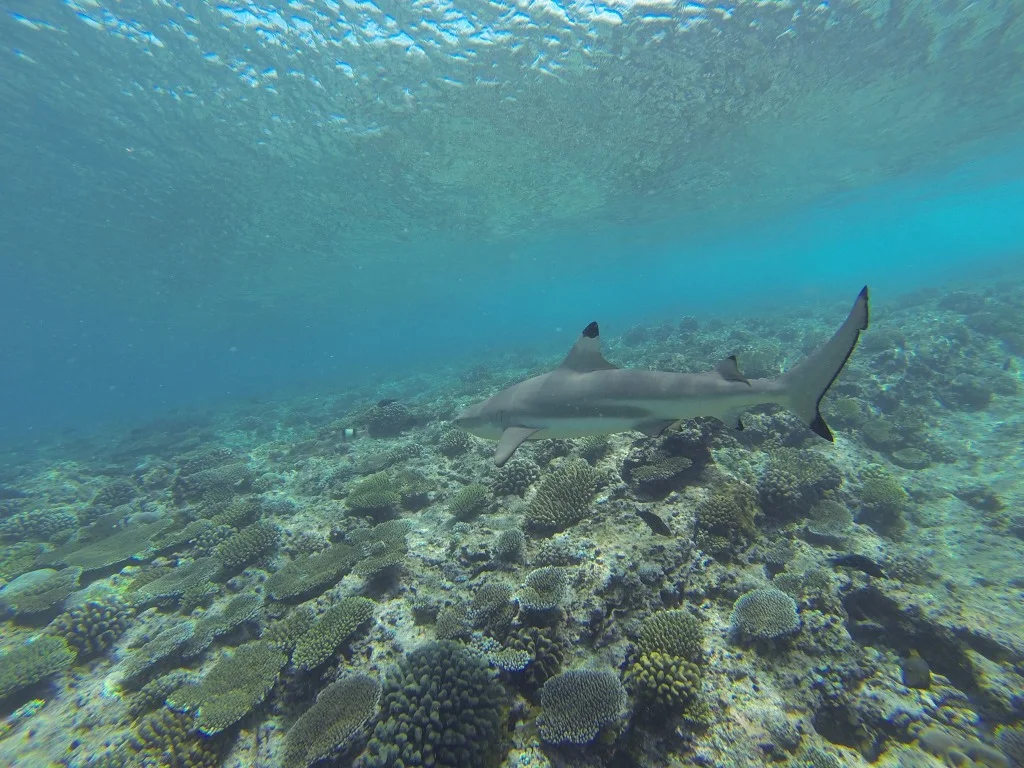
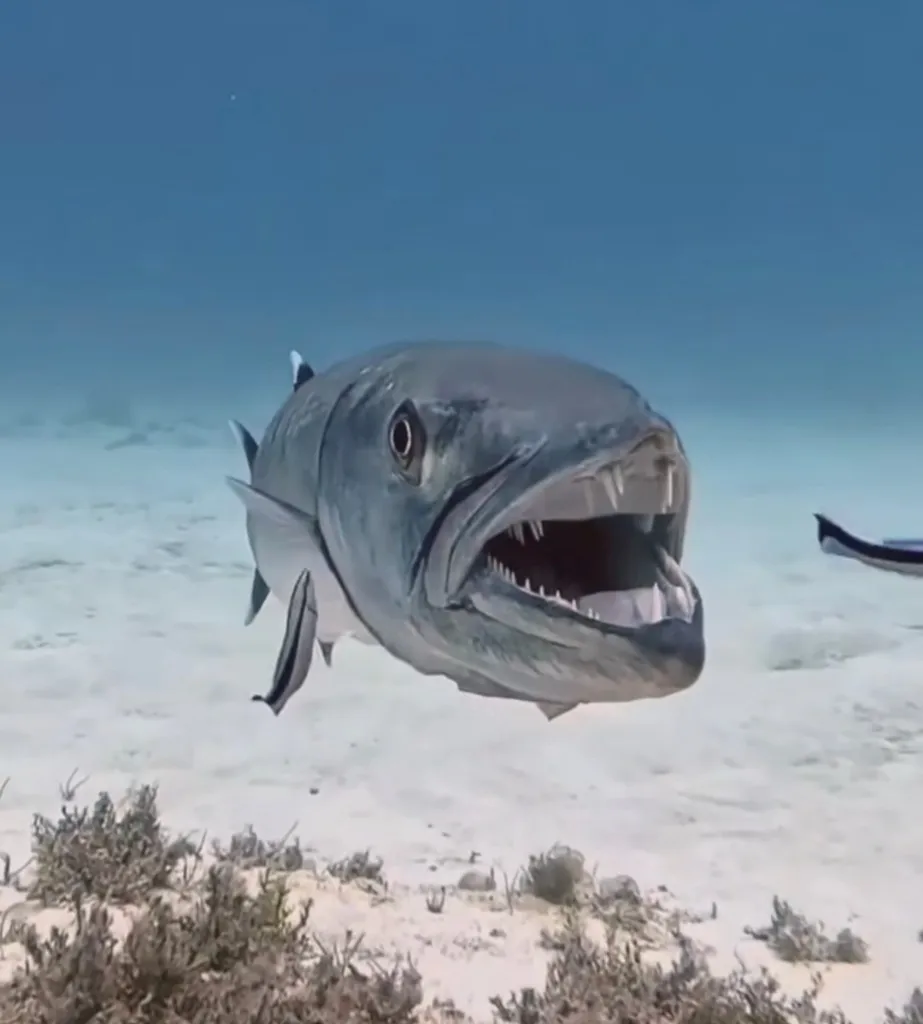
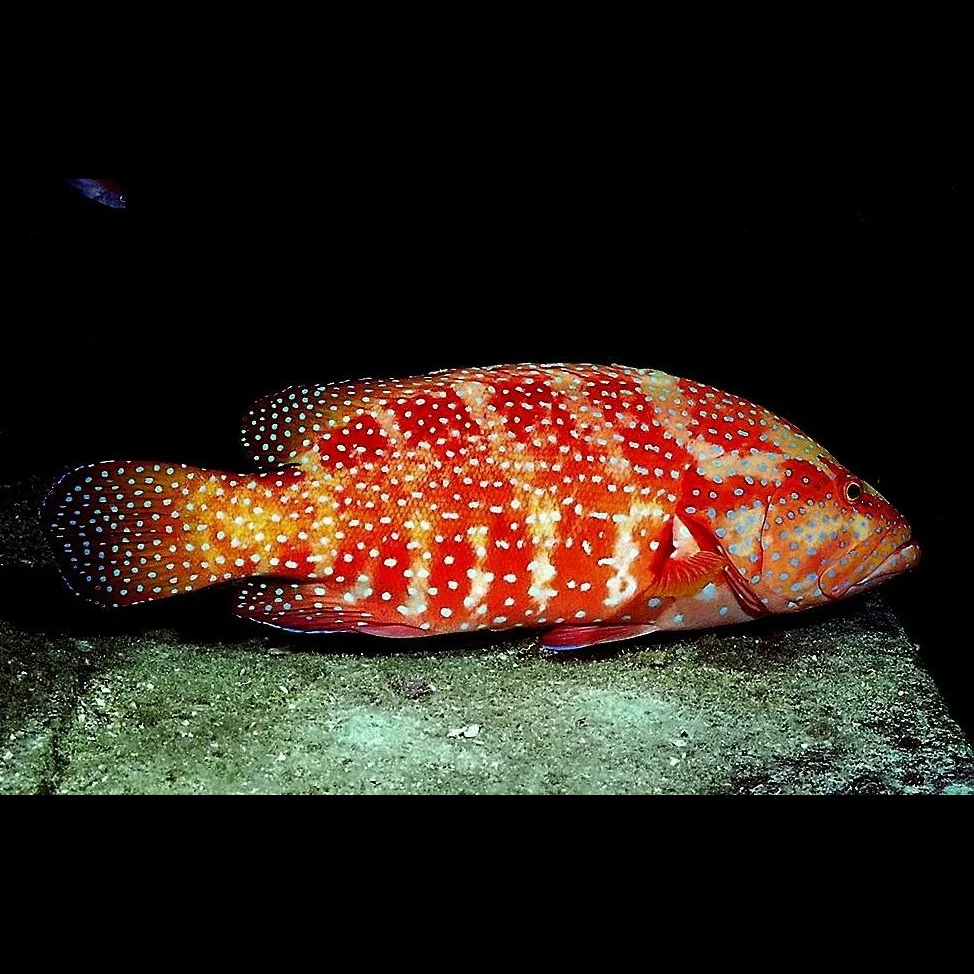
Outside the 30-meter mouth of the lava tubes cruise island groupers, dusky groupers, barred hogfish, and yellowmouth barracuda, while angelsharks and stingrays rest on adjacent white sand patches.
Dive Sites Near El Ascensor & Puerto Moro
View all dive sites in SpainDiscover more underwater gems in this area.
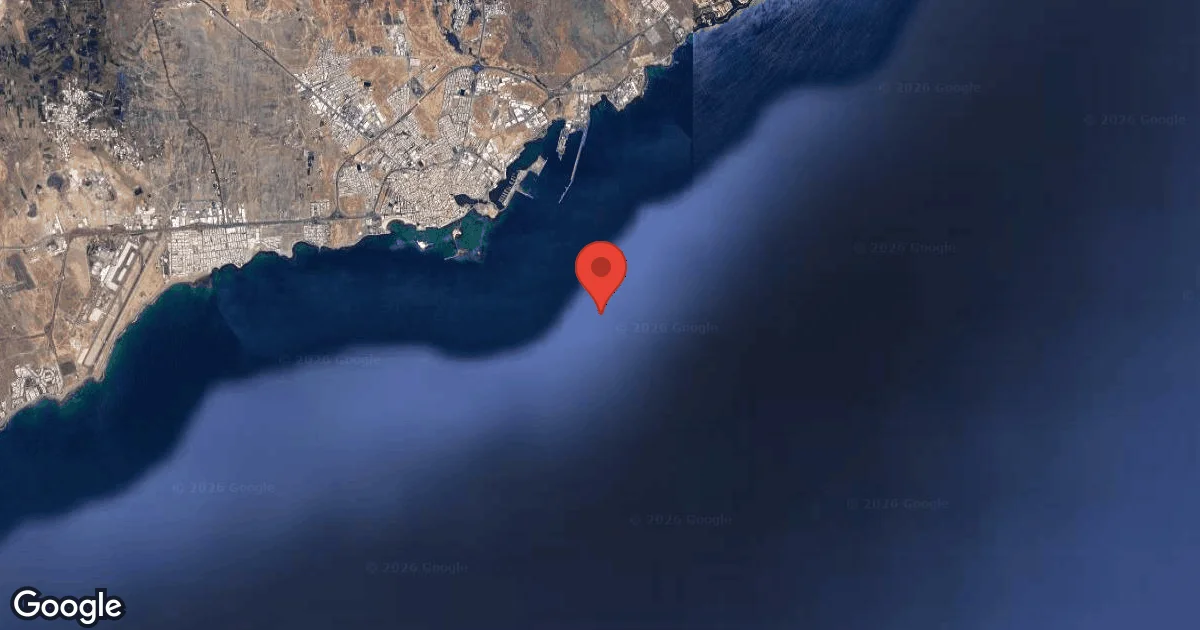
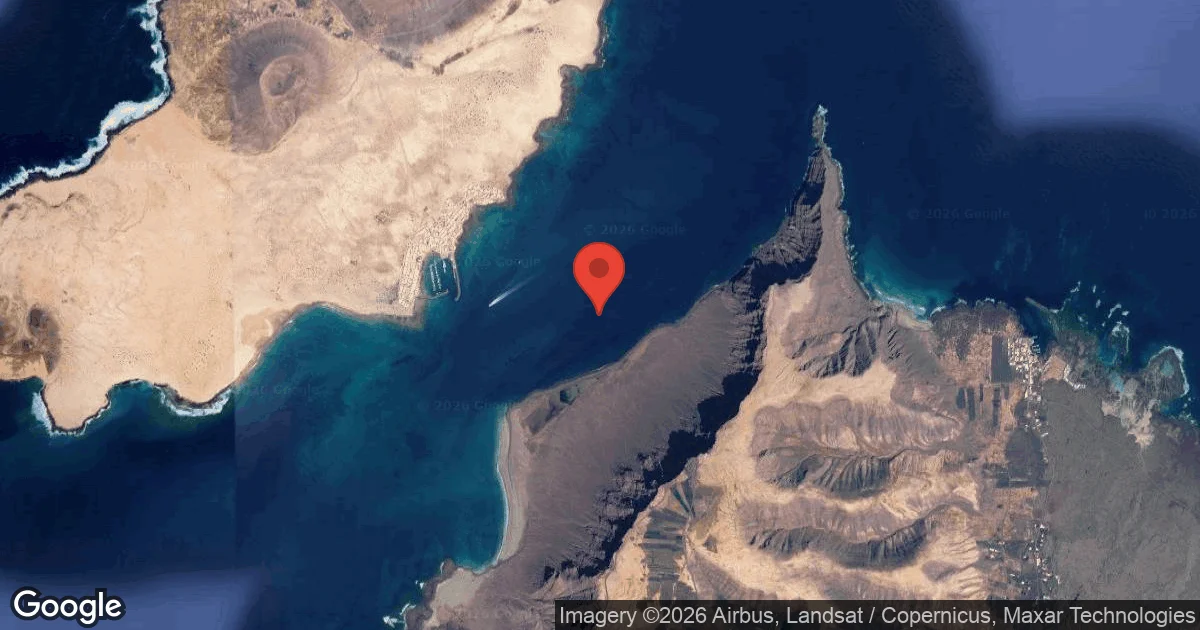
Dive Centers Near El Ascensor & Puerto Moro
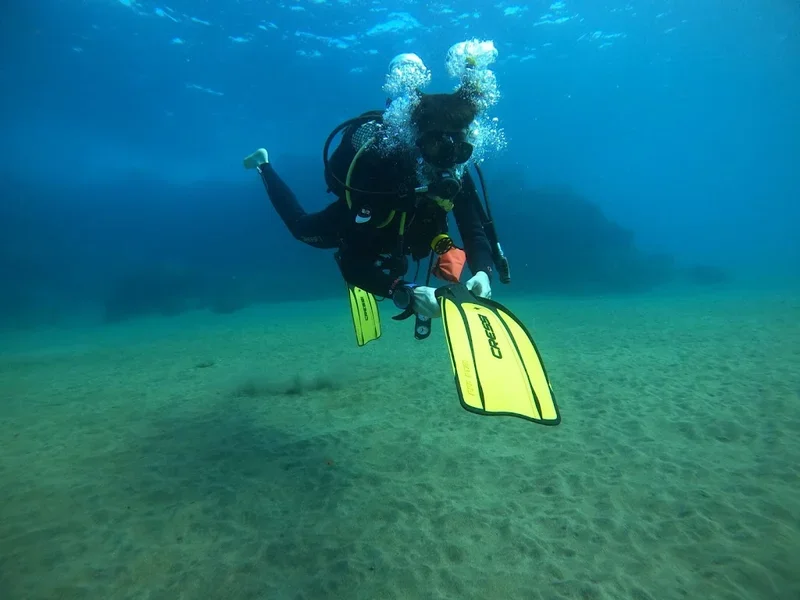
Today: 09:30 - 17:30
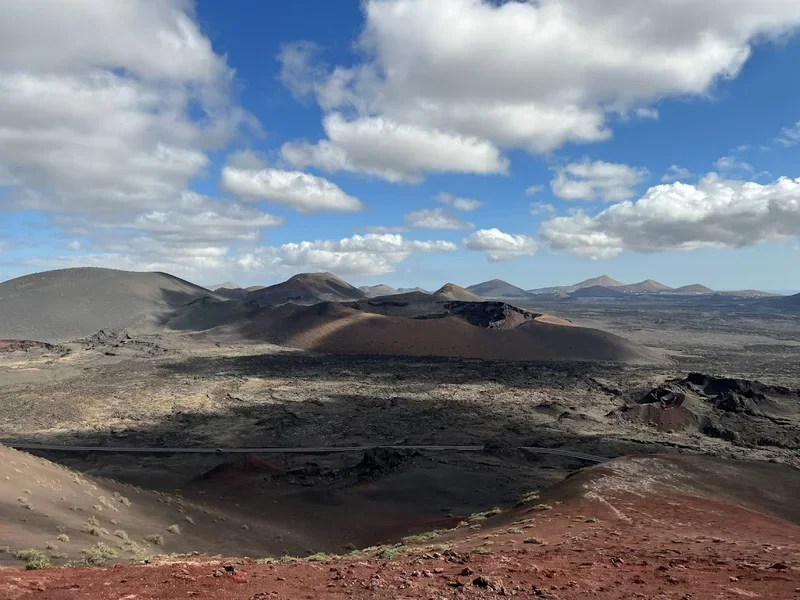
Nearest Airports
Nearest airports to help plan travel to this dive area.
Search Flights
Check available flights and routes on Expedia, using the nearby airports listed in this section.
Search Flights on ExpediaAffiliate link · Dive Navigator may earn a commission at no extra cost to you.
Frequently Asked Questions
Why is this site called El Ascensor ('The Elevator')?
Divers drop into a vertical-to-sloping volcanic lava tube at 15 meters and glide down through skylight-lit rock chambers to exit at 30 meters—or reverse the route upward—like riding a natural underwater elevator.
What is the difference between Ascensor Grande and Puerto Moro?
Ascensor Grande lies 200 meters south (170° bearing) and features the longer skylight lava tube from 15 to 30 meters, while Puerto Moro lies 100 meters northeast (65° bearing) with arches, caves, and the shorter Ascensor Chico chimney.
What certification level is needed to dive Ascensor Grande?
Advanced Open Water certification with at least 35 logged dives, confident overhead buoyancy control, and strong compass navigation are required.
What are the 'jameos' visible in the roof of the tunnel?
Jameos are natural skylights formed where sections of a volcanic lava tube roof collapsed, letting beams of sunlight stream into the dark tunnel.
Why did the printed guidebook coordinates point inland?
A single-digit longitude misprint shifted the published coordinate one arcminute west into Mala village; the actual shore entry sits directly on the volcanic coastline south of Charco del Palo.
When should divers avoid entering at Mala?
Whenever northeast trade winds or Atlantic groundswell send breaking waves onto the rocky entry shelf or generate surge inside the lava tubes.
Planning to dive El Ascensor & Puerto Moro?
Tell us your dates and diving needs. We'll review your request and seek offers from relevant local dive centers.
Request Dive OffersConditions are Excellent
07:00 - 14:00
Optimal conditions expected
Current conditions near El Ascensor & Puerto Moro show 23° air, 23° sea temperature, 0.8 m waves, and 23 km/h wind. Forecast data is refreshed regularly to ensure accuracy.