
Diving at La Corbera (Spain)
La Corbera's underwater landscape is defined by an intricate network of geological features, including dramatic caves, expansive caverns, and narrow channels. Divers navigate through natural rock formations and around impressive pinnacles, showcasing a Mediterranean seascape shaped by ancient forces. It's a site characterized by its structural diversity.
Evening condition tracking at La Corbera features an air temperature of 18.5°C. We have recorded wave heights measuring 2.3 m during this period. These figures outline the environmental parameters currently present.
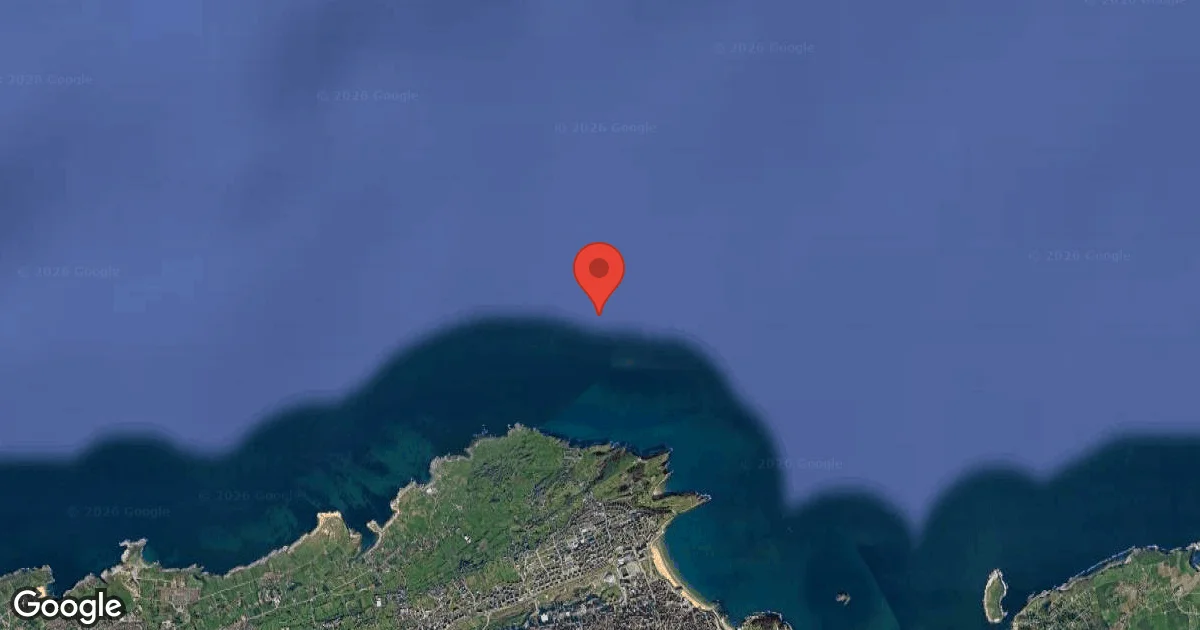
Dive Site Location & Key Facts
Dive Site Overview
A dive into La Corbera unfolds as a varied exploration, moving through intricate geological features that define this Mediterranean site. Divers navigate a compelling underwater journey, starting often in more open waters before transitioning into confined spaces.
The primary allure stems from its extensive system of caves and expansive caverns, some with multiple entry and exit points. Exploring these requires careful finning and good buoyancy, especially when traversing narrower sections or avoiding potential silt. Further into the site, divers encounter distinct channels that weave between impressive rock formations, creating a labyrinthine experience.
Prominent pinnacles rise from the seabed, drawing attention to the scale of the underwater landscape and providing reference points. Typical dive profiles here might descend to a maximum depth of 30 m (100 ft) within some of the deeper caverns or along the base of pinnacles, though shallower explorations are also rewarding.
This structural complexity offers a multi-faceted experience, appealing to those who appreciate the physical challenge and aesthetic of the geological environment. It's a locale that consistently emphasizes the interaction between diver and terrain, with ample opportunities for discovery.
Conditions are Moderate
High Swell Advisory. Not recommended.
Current conditions near La Corbera show 18° air, 21° sea temperature, 2.4 m waves, and 28 km/h wind. Forecast data is refreshed regularly to ensure accuracy.
Best Time to Dive
Planning a dive at La Corbera is generally best between May and October, when conditions tend to be more favorable for visibility. During these months, the average air temperatures are pleasant, ranging from approximately 15°C (59°F) in May up to 21°C (70°F) in August, gradually cooling to 17°C (63°F) by October. Rainfall is significantly lower in the summer, helping to maintain clearer waters. Wave heights also tend to be less pronounced, especially from June through August, typically averaging around 1.0 to 1.4 meters (3-4.5 ft). This combination of warmer air, reduced precipitation, and calmer seas generally contributes to better underwater clarity and a more comfortable overall dive experience.
PEAK SEASON SCORE
Scores combine air & water temps, waves, wind & rainfall for overall conditions.
BEST MONTHS TO DIVE
Monthly records compiled from satellite and marine observation nodes over the last 3 years. Data provided by Open-Meteo and MET Norway.
Dive Experience & Conditions
Navigating La Corbera typically involves mild current dynamics, allowing for relaxed exploration of its various structures. Local reports indicate the coastline generally experiences no strong ocean currents, which simplifies dive planning and execution. However, localized, minor surges can sometimes occur near exposed points or within narrower channels, requiring occasional attention. Visibility here commonly ranges from good to excellent, often exceeding 15 m (50 ft), though it can be temporarily reduced following heavy rainfall or prolonged strong winds, particularly closer to the surface. Water temperatures follow a distinct seasonal pattern; winter sees temperatures around 14°C (57°F), rising to approximately 19°C (66°F) in spring and autumn, and reaching up to 26°C (79°F) during the summer months. These seasonal shifts directly influence thermal protection needs. Divers exploring the site's channels, pinnacles, and interior sections of caverns generally find conditions manageable, allowing them to focus on observation and navigation rather than battling external forces.
Dive Difficulty & Safety Guidelines
Approaching La Corbera requires careful attention, particularly when exploring its caves and caverns. Divers should possess appropriate training and experience for overhead environments, ensuring they follow established cavern or cave diving protocols. It's crucial to maintain excellent buoyancy control to avoid disturbing the fragile environment or silting out visibility in enclosed spaces.
Always dive within your certification limits and with a buddy. Familiarity with local conditions and consulting with dive operators before entering the water is always a prudent step for managing potential challenges at this site.
Recommended Equipment
Overhead environment. Do not enter beyond training and gas planning limits.
- Dive Computer
- DSMB
- Primary & Backup Lights
- Reel / Spool
- Cutting Tool
This gear list is based on verified equipment signals for La Corbera, Spain. Always confirm final gear choices with your dive operator, guide, or liveaboard.
Recommended Dive Suit
A warming trend is expected over the next few days. A warming trend is expected over the next few days.
Even in warm destinations, extended dives can gradually draw heat away from the body.
Exposure protection such as 3-5mm wetsuit is commonly used when diving in waters of this temperature. Surface intervals may feel cooler. The latest environmental readings for La Corbera suggest water temperatures around 21°C (70°F). Surface air temperatures are resting at 18°C (65°F).
Emergency & Medical Support
Essential information to help you plan your dive trip to La Corbera.

Hyperbaric chambers are a critical part of dive safety infrastructure. Availability varies significantly by region, and not all dive areas have immediate access.
Before diving, it's recommended to:
- confirm nearest medical facilities
- check emergency procedures with local dive operators
- ensure dive insurance covers evacuation if required
Divers Alert Network
Diving emergency assistance available through DAN Europe.
+39 0642115685- 24/7 emergency hotline
- Diving medical assistance
- Evacuation coordination
Emergency contacts are provided for reference. Always verify local emergency services before diving.
Closest Listed Hyperbaric Chambers
Showing listed hyperbaric chamber facilities within 200 km of this dive site.
Distances are approximate straight-line distances and may not reflect emergency travel time.
UMSHE
24/7 ListedICU CapableSan Sebastian, Spain•Approx. 147 km straight-line
UMSHE
24/7 ListedICU CapableInformation is provided for reference and planning purposes only. Dive Navigator does not verify operational status, staffing, availability, or quality of care at listed facilities. In an emergency, contact local emergency services, DAN, your dive operator, or the chamber directly. Do not travel to a facility without calling ahead.
Marine Life at La Corbera
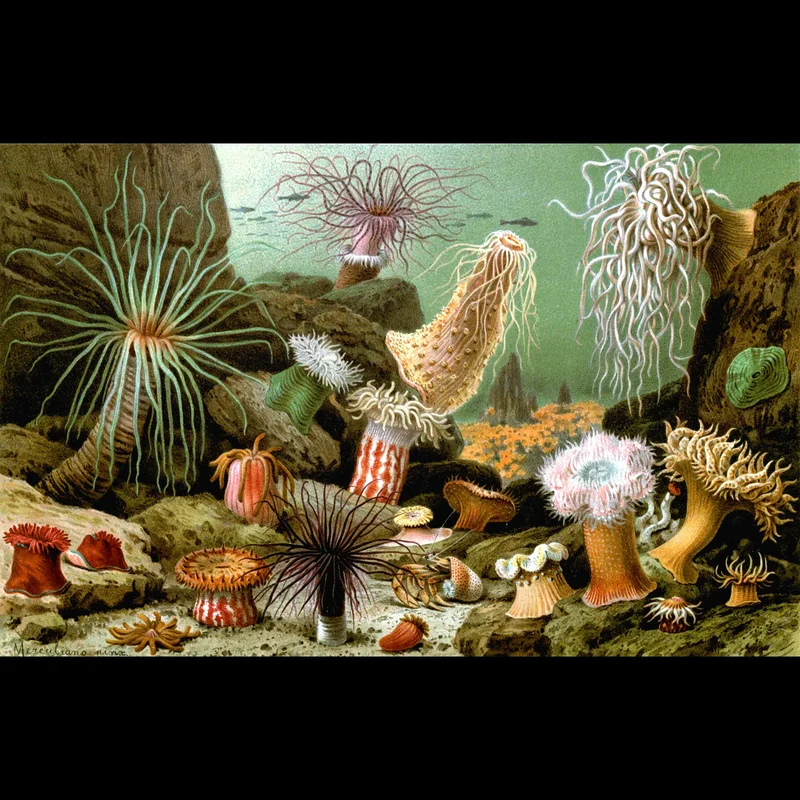
Observing marine life at La Corbera reveals various species adapted to its rocky and structured environment. Divers can often spot sea anemones clinging to rock surfaces within the caves and along the pinnacles.
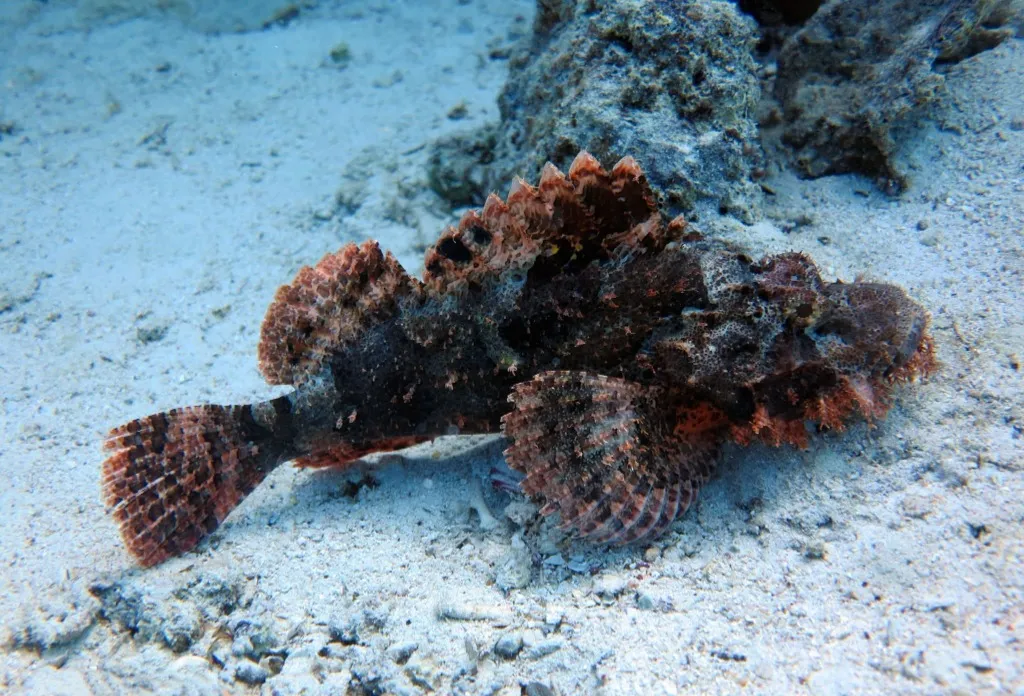
The area's wider Mediterranean context also suggests encounters with silvery salema, sargo, and two-banded sea bream. Scorpionfish may also be present, blending into the rocky substrate.
These creatures add dynamic elements to the geological features, providing interesting points of focus throughout the dive.

Dive Sites Near La Corbera
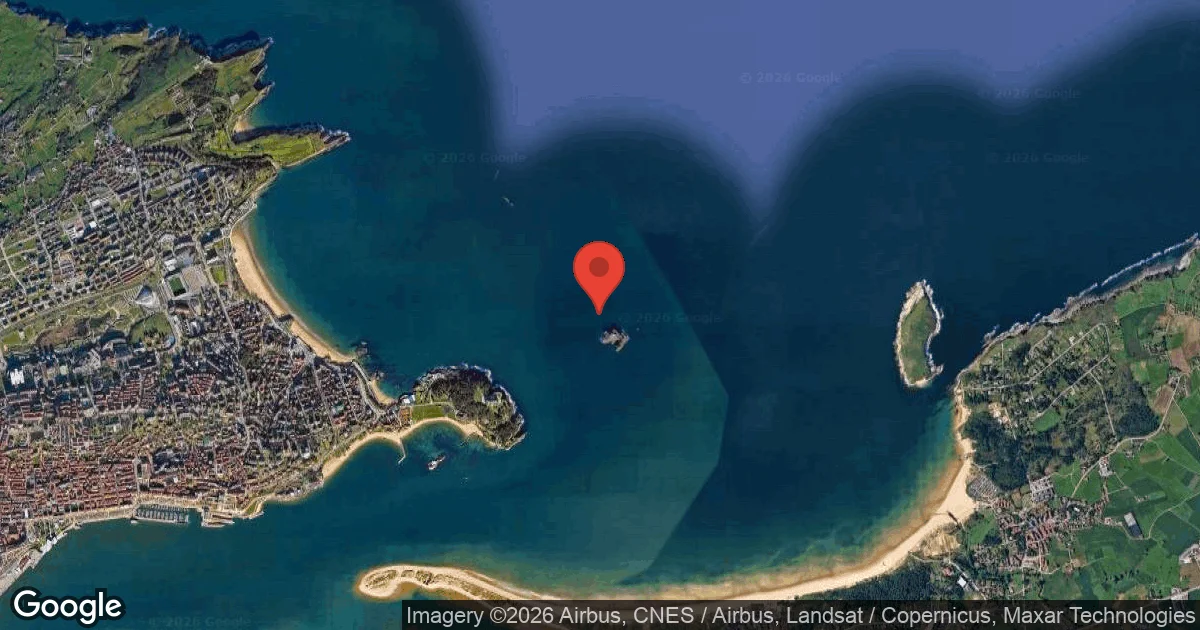
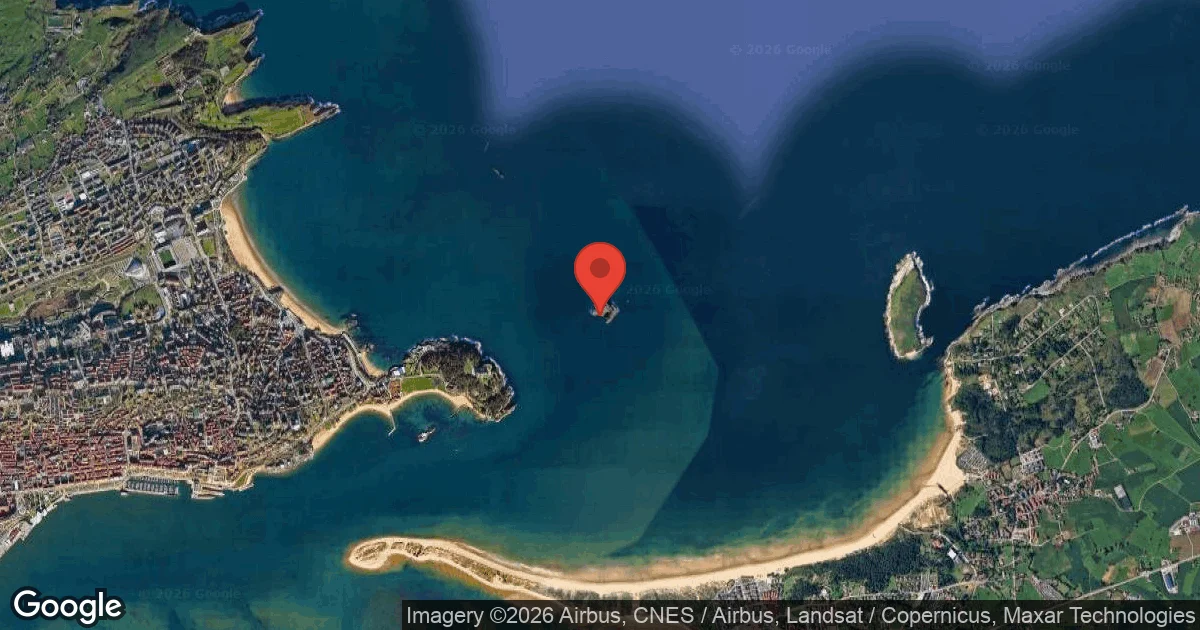
View all dive sites in SpainDiscover more underwater gems in this area.
Dive Centers Near La Corbera
Nearest Airports
Nearest airports to help plan travel to this dive area.
Search Flights
Check available flights and routes on Expedia, using the nearby airports listed in this section.
Search Flights on ExpediaFrequently Asked Questions
What level of diving experience is recommended for La Corbera?
La Corbera is best suited for advanced recreational divers who are comfortable with overhead environments. Specific training in cavern or cave diving is strongly advised for exploring deeper or more enclosed sections to ensure safety and proper navigation protocols are followed.
What are the typical water temperatures at La Corbera?
Water temperatures at La Corbera vary significantly by season. Divers can expect cooler conditions around 14°C (57°F) in winter, rising to approximately 19°C (66°F) in spring and autumn, and reaching a comfortable 26°C (79°F) during summer peak.
Are there strong currents at the dive site?
The site generally experiences mild current dynamics, which simplifies dive planning and allows for relaxed exploration. While strong ocean currents are not consistently reported, localized minor surges can occasionally occur, especially near more exposed geological features.
What kind of marine life can I expect to see?
Divers may encounter sea anemones, which commonly adhere to rock surfaces within the caves and along the pinnacles. Fish species like silvery salema, sargo, and two-banded sea bream are also present, often along with scorpionfish blending into the rocky substrate.
Is specialized equipment required for diving here?
Yes, due to the presence of caves and caverns, a reliable dive light is essential for illumination and safety. Additionally, a wetsuit appropriate for the seasonal water temperatures, ranging from 14-26°C (57-79°F), is necessary to ensure thermal comfort during the dive.
What is the typical visibility at La Corbera?
Visibility at La Corbera is commonly good to excellent, often exceeding 15 m (50 ft) on clear days. However, it can occasionally be reduced following periods of heavy rainfall or strong winds, particularly in shallower areas of the site.
Planning to dive La Corbera?
Send one inquiry and receive offers directly from the best verified local dive operators.
Conditions are Moderate
High Swell Advisory. Not recommended.
Current conditions near La Corbera show 18° air, 21° sea temperature, 2.4 m waves, and 28 km/h wind. Forecast data is refreshed regularly to ensure accuracy.