
Diving at Las Agujas (Spain)
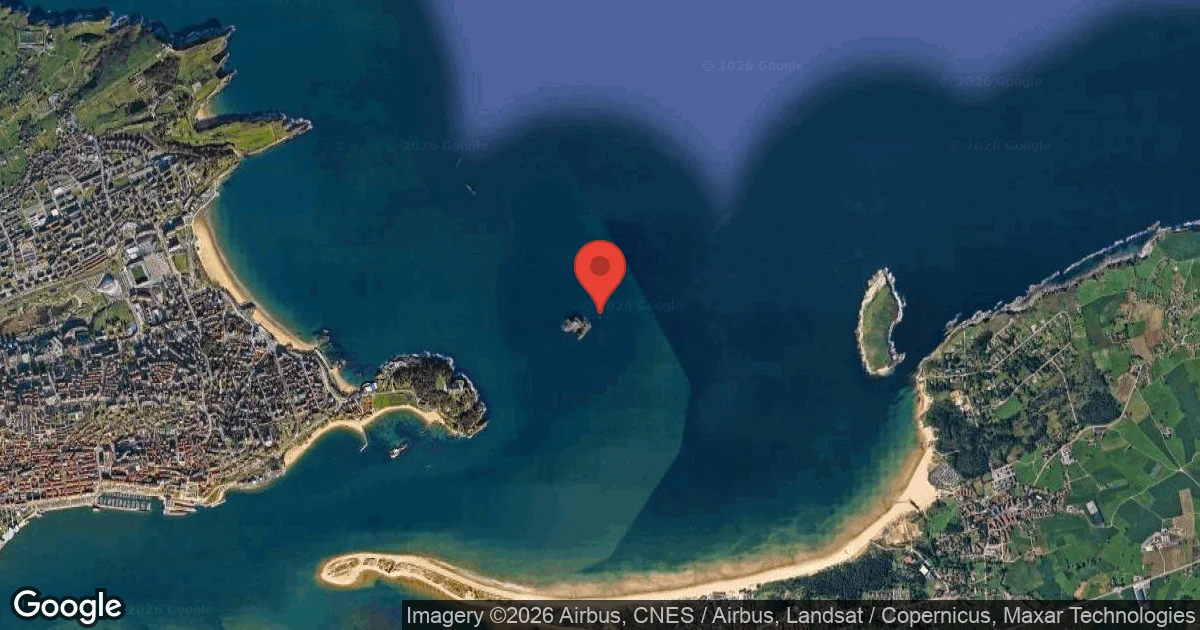
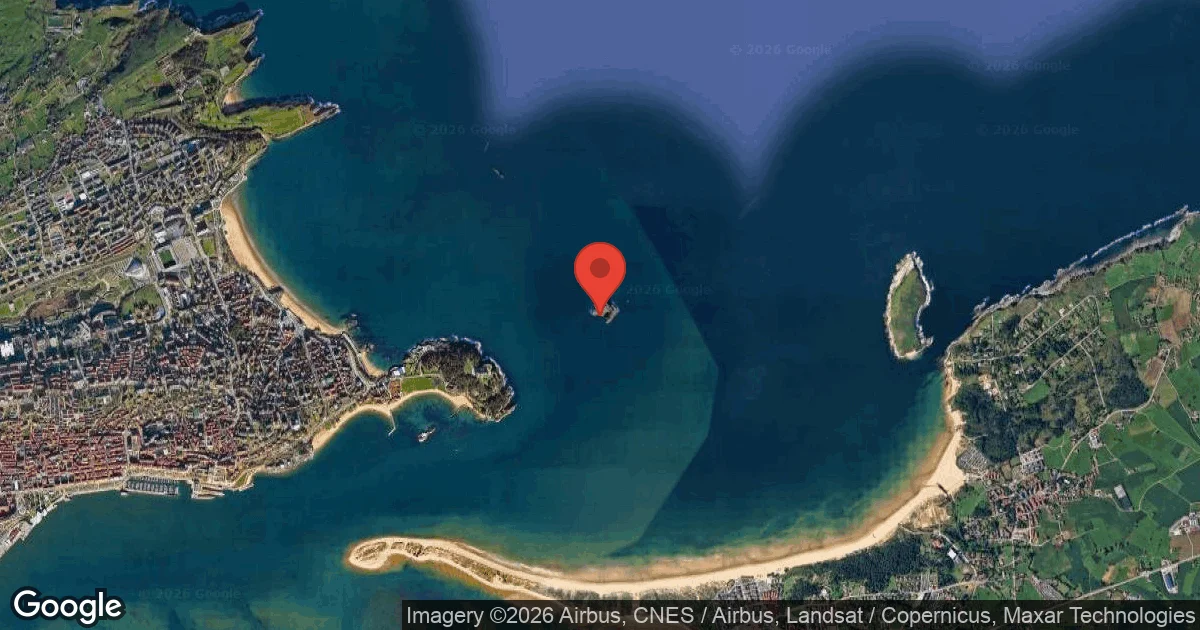
Las Agujas, or "The Needles," presents a stark yet inviting underwater landscape off the coast of Santander, Spain. These two prominent rock formations dramatically project towards the surface, with their upper sections just 7 meters (23 ft) below. This striking geological feature creates a unique diving experience, blending accessible shallow exploration with the thrill of navigating around significant underwater topography. It stands as a distinctive site for divers exploring the Cantabrian Sea.
As evening covers Las Agujas, the local air temperature is measured at 15°C. The current wave height at the surface is recorded at 2.4 m. These late-day readings characterize the surface conditions for the night.
Dive Site Location & Key Facts
Dive Site Overview
Prominently featuring two towering rock pinnacles, Las Agujas offers a captivating circular dive around these natural formations. Divers typically begin their immersion directly over the "needles," whose upper parts approach within 7 m (23 ft) of the surface.
From this shallow starting point, the standard progression involves navigating south towards the island of Mouro, where the dive concludes in "la Cala" and the boat awaits. This trajectory allows for a comprehensive exploration of the pinnacles and the surrounding underwater environment. The terrain primarily consists of substantial rock formations, which create numerous crevices and sheltered areas.
While no explicit maximum depth is provided for this specific site, it generally supports a recreational depth range, allowing exploration of deeper sections around the pinnacle bases. Navigating these impressive geological features provides both structural interest and potential shelter for various marine inhabitants.
It's a journey through a fascinating underwater sculpture garden, shifting from the exposed peaks to the more secluded island vicinity.
Conditions are Moderate
High Swell Advisory. Not recommended.
Current conditions near Las Agujas show 15° air, 21° sea temperature, 2.4 m waves, and 28 km/h wind. Forecast data is refreshed regularly to ensure accuracy.
Best Time to Dive
Optimal diving at Las Agujas generally aligns with the warmer, calmer months when visibility tends to be at its best. Based on climate averages, May through August offer the most favorable conditions, with a consistent "Good" dive score. During this period, air temperatures are milder, ranging from approximately 15°C (59°F) in May to over 21°C (70°F) in August, and rainfall is minimal. Wave heights are typically lower, reducing surge and enhancing underwater clarity. As water temperature data isn't consistently reported for this specific site, divers should prepare for variable conditions, though warmer air temperatures often correspond with more pleasant water. Planning dives from late spring into early autumn, particularly May, June, July, and August, significantly increases the likelihood of enjoyable visibility and comfortable surface intervals. Moderate dive scores continue into September and October, reflecting slightly increased rain and wave activity but still offering viable opportunities.
PEAK SEASON SCORE
Scores combine air & water temps, waves, wind & rainfall for overall conditions.
BEST MONTHS TO DIVE
Monthly records compiled from satellite and marine observation nodes over the last 3 years. Data provided by Open-Meteo and MET Norway.
Dive Experience & Conditions
Currents are a notable factor when diving Las Agujas; divers may encounter strong opposing currents, particularly around the pinnacles. For this reason, carrying a dive compass is advisable to maintain orientation and avoid disorientation during the drift. While the site is generally suitable for certified divers, those with experience in navigating moderate currents will find it more manageable. Depths primarily extend within standard recreational limits, with the pinnacle tops visible just below the surface at 7 m (23 ft). Surrounding the rock formations, the seafloor gradually slopes, providing opportunities to explore various depths. Visibility levels generally remain good, especially during periods of low wave action, though this can vary with local conditions and recent weather patterns. Understanding the potential for currents helps divers anticipate and plan their trajectory around these impressive underwater structures.
Dive Difficulty & Safety Guidelines
Given the potential for substantial currents, careful dive planning at Las Agujas is paramount. Divers should always carry a compass and understand its use for navigation, especially when currents are present. It's crucial to stay aware of the dive boat's position and to communicate any concerns about current strength.
Divers are advised to conduct thorough pre-dive checks and briefings, ensuring everyone understands the planned route and emergency procedures. Maintaining appropriate buoyancy control around the rock formations prevents accidental contact and protects the delicate marine ecosystem.
Always dive within your certification limits and consider refresher training if you've had a break from diving in similar conditions. Prioritizing safety ensures an enjoyable exploration of this dynamic Spanish dive site.
Recommended Equipment
Current and surface separation risk. Local briefing strongly recommended.
- Dive Computer
- DSMB
- Reel / Spool
This gear list is based on verified equipment signals for Las Agujas, Spain. Always confirm final gear choices with your dive operator, guide, or liveaboard.
Recommended Dive Suit
Divers planning relaxed exploration may appreciate the warmth of 5mm wetsuit. A hood or vest is suggested for sensitive divers due to surface winds. A thermal robe or jacket is recommended between dives. Divers often notice that perceived temperature can feel cooler during deeper or longer dives.
The waters surrounding Las Agujas are currently maintaining temperatures close to 21°C (70°F). Surface air temperatures are resting at 15°C (59°F).
Temperatures look set to gradually increase over the next several days. A warming trend is expected over the next few days.
Emergency & Medical Support
Essential information to help you plan your dive trip to Las Agujas.

Hyperbaric chambers are a critical part of dive safety infrastructure. Availability varies significantly by region, and not all dive areas have immediate access.
Before diving, it's recommended to:
- confirm nearest medical facilities
- check emergency procedures with local dive operators
- ensure dive insurance covers evacuation if required
Divers Alert Network
Diving emergency assistance available through DAN Europe.
+39 0642115685- 24/7 emergency hotline
- Diving medical assistance
- Evacuation coordination
Emergency contacts are provided for reference. Always verify local emergency services before diving.
Closest Listed Hyperbaric Chambers
Showing listed hyperbaric chamber facilities within 200 km of this dive site.
Distances are approximate straight-line distances and may not reflect emergency travel time.
UMSHE
24/7 ListedICU CapableSan Sebastian, Spain•Approx. 147 km straight-line
UMSHE
24/7 ListedICU CapableInformation is provided for reference and planning purposes only. Dive Navigator does not verify operational status, staffing, availability, or quality of care at listed facilities. In an emergency, contact local emergency services, DAN, your dive operator, or the chamber directly. Do not travel to a facility without calling ahead.
Marine Life at Las Agujas
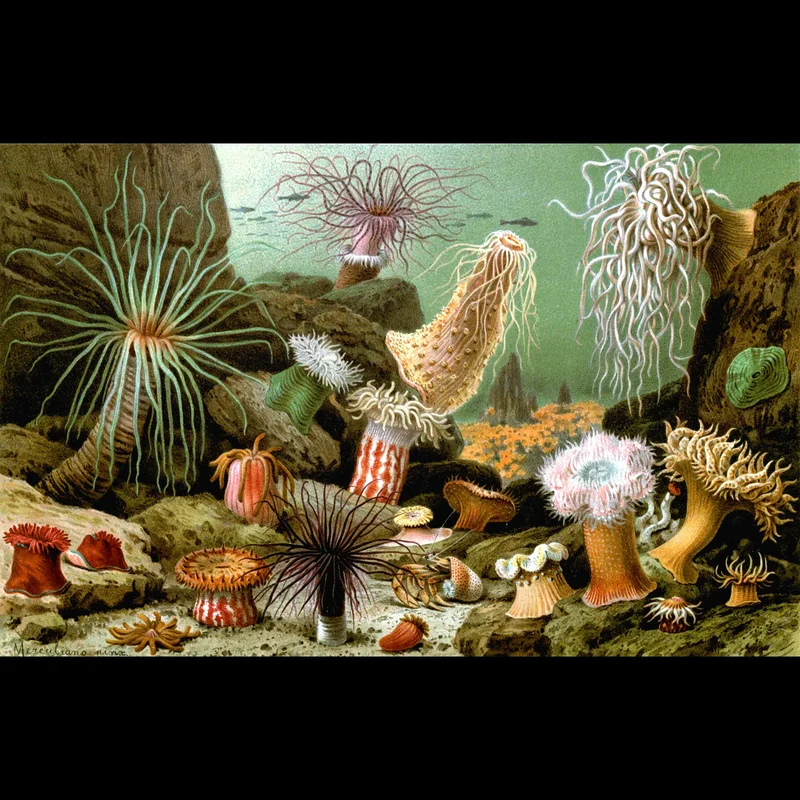
Upon approaching the rock formations of Las Agujas, divers will initially notice the diverse life clinging to the pinnacles and sheltered crevices. Sea anemones, for instance, are common residents, adding patches of color to the rocky surfaces.
As you navigate around the "needles," the intricate rock structures create numerous hiding spots, attracting various smaller fish and invertebrates. While specific large species aren't consistently documented for this precise location, the general biodiversity of the area means observing typical Mediterranean reef inhabitants is likely.
Keep an eye on the transition zones between rock and sand, as these often reveal interesting bottom dwellers.
Dive Sites Near Las Agujas
View all dive sites in SpainDiscover more underwater gems in this area.
Dive Centers Near Las Agujas
Nearest Airports
Nearest airports to help plan travel to this dive area.
Search Flights
Check available flights and routes on Expedia, using the nearby airports listed in this section.
Search Flights on ExpediaFrequently Asked Questions
What are Las Agujas?
Las Agujas, meaning "The Needles," refers to two distinct rock pinnacles projecting near the surface off the coast of Santander, Spain. They serve as the central feature of this dive site.
What are the typical depths for diving at Las Agujas?
The upper sections of the pinnacles are found at approximately 7 m (23 ft), with the dive generally exploring deeper sections around their bases within a recreational depth range.
Are currents a factor at this dive site?
Yes, divers can encounter significant currents, sometimes against them. It's recommended to carry a compass for navigation due to these dynamic conditions.
When is the best time to dive Las Agujas?
The most favorable months are typically from May through August, when air temperatures are higher, rainfall is low, and wave action is calmer, leading to better visibility.
What level of diving experience is recommended?
The site is generally suitable for certified divers, but those comfortable with current navigation will have a more enjoyable experience. Awareness of conditions is key.
What marine life can divers expect to see?
Divers will likely encounter various reef inhabitants utilizing the rock formations for shelter. Sea anemones are notably present, among other smaller fish and invertebrates.
How is navigation typically managed during the dive?
The usual dive plan involves the boat dropping divers over the pinnacles, then drifting or navigating south towards "la Cala" near Mouro island. A compass is advised, especially in currents.
Planning to dive Las Agujas?
Send one inquiry and receive offers directly from the best verified local dive operators.
Conditions are Moderate
High Swell Advisory. Not recommended.
Current conditions near Las Agujas show 15° air, 21° sea temperature, 2.4 m waves, and 28 km/h wind. Forecast data is refreshed regularly to ensure accuracy.