
Diving at La Cala (Spain)
Across Spain's diverse coastline, the various 'La Cala' dive sites present a dynamic range of underwater experiences for certified divers. From the shallower, sheltered coves ideal for novices to more exposed wall dives and tunnel systems, the conditions encountered can shift significantly. These locations offer a mosaic of opportunities, influenced by regional currents, recent weather, and specific site topography.
Tonight's objective overview for La Cala shows an air temperature of 15°C. The measured surface conditions include wave heights around 2.3 m. This environmental data is logged for the close of the day.
Dive Site Location & Key Facts
Dive Site Overview
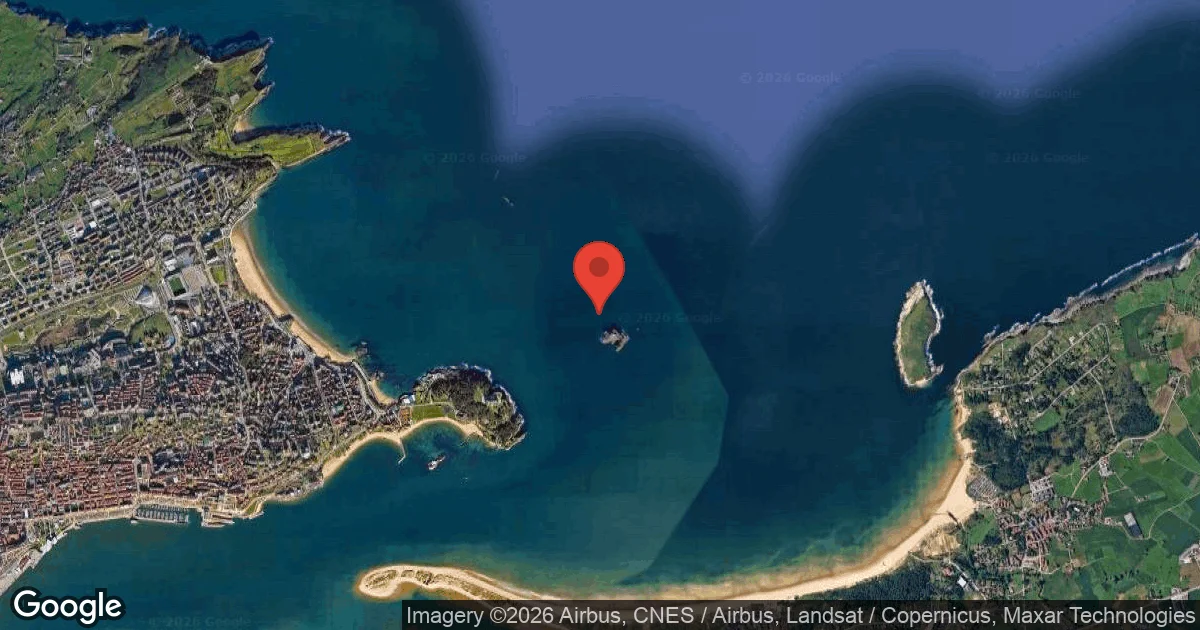
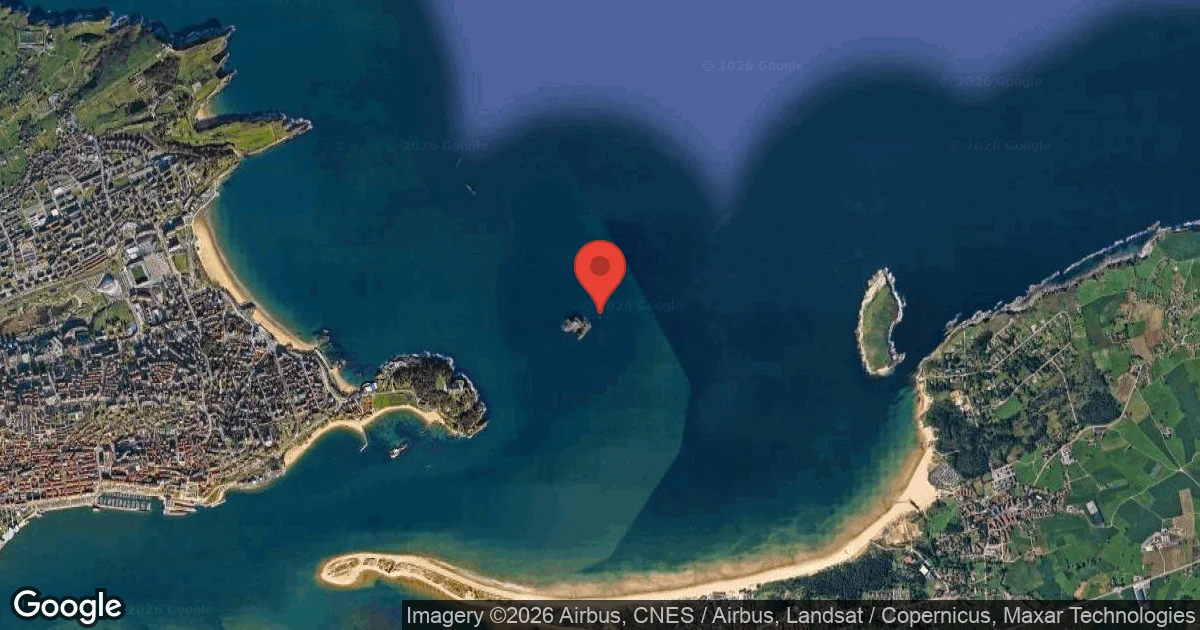
Exploring La Cala as a collective dive destination in Spain reveals a rich tapestry of underwater landscapes, each with its distinct characteristics. Off Santander, one 'La Cala' site near Mouro Island features depths varying between 5 and 9 meters (16-30 ft) depending on the tide, presenting a mix of sand and rock with native species.
Further south, La Cala del Peñon in Almeria is known as a simple yet biodiverse site, reaching a maximum depth of 14 meters (45 ft). This area hosts expansive Posidonia meadows and scattered rock formations. The Costa Brava also offers 'La Cala' experiences, such as La Pedrosa/Cala Pedrosa, a compelling wall dive that includes a wide tunnel system.
Its chimney descends 8-10 meters (26-33 ft), providing a different kind of exploration. Collectively, these sites accommodate a spectrum of diving proficiencies, from those comfortable in shallower, protected waters to divers seeking the intricacies of deeper rock structures and more complex routes.
Conditions are Moderate
High Swell Advisory. Not recommended.
Current conditions near La Cala show 15° air, 21° sea temperature, 2.4 m waves, and 28 km/h wind. Forecast data is refreshed regularly to ensure accuracy.
Best Time to Dive
Planning your dive around La Cala is best focused on the late spring through summer months, when conditions are generally more hospitable for underwater activities. May to August consistently earns a 'Good' dive score, with air temperatures ranging from approximately 15°C (59°F) in May to over 21°C (70°F) in August. During this period, wave heights tend to be lower, averaging 1.0 to 1.4 meters, and wind speeds are typically lighter, enhancing boat comfort and visibility. As autumn approaches, conditions become 'Moderate' in April, September, and October. Rain amounts are also at their lowest from June to August, minimizing runoff and potentially improving visibility. However, water temperatures are not consistently reported and will vary seasonally, influencing wetsuit thickness requirements.
PEAK SEASON SCORE
Scores combine air & water temps, waves, wind & rainfall for overall conditions.
BEST MONTHS TO DIVE
Monthly records compiled from satellite and marine observation nodes over the last 3 years. Data provided by Open-Meteo and MET Norway.
Dive Experience & Conditions
Descending into the waters around La Cala often reveals a striking contrast in underwater environments, depending on your chosen site. Some locations provide a simple, calm feel, perfect for honing buoyancy over extensive Posidonia meadows where sunlight filters through gently. Other areas plunge into more dramatic rock formations, featuring intricate wall sections and even wide tunnel systems, creating a sense of intimate exploration. You might navigate through sandy bottoms that transition into rugged rocky zones, requiring attention to surroundings. Visibility can vary, but generally, the diverse depths, which can range from a shallow 5 meters (16 ft) to around 30 meters (100 ft) at more advanced sites, offer different perspectives on the marine terrain. The water throughout these sites is consistently saltwater.
Dive Difficulty & Safety Guidelines
Approaching any 'La Cala' dive site with an understanding of its specific characteristics is crucial for a safe experience. Many of these locations, especially those further offshore or with significant features, typically require boat entry. Divers should be prepared for varying depths and potential open sea conditions where currents might be encountered, particularly at less sheltered sites.
Carrying a dive computer, surface marker buoy (SMB), and a dive knife is standard practice. For exploring tunnels, chimneys, or deeper rock crevices, a torch becomes an essential piece of equipment to illuminate hidden areas and marine life.
Always consult with local dive centers for the most current conditions and site-specific guidance, as topography and accessibility can differ considerably between the various 'La Cala' locations.
Recommended Equipment
- Dive Computer
- DSMB
This gear list is based on verified equipment signals for La Cala, Spain. Always confirm final gear choices with your dive operator, guide, or liveaboard.
Recommended Dive Suit
In these water temperatures, 5mm wetsuit is a common choice for recreational diving. A hood or vest is suggested for sensitive divers due to surface winds. A thermal robe or jacket is recommended between dives. Longer dive profiles can make thermal protection more important than short exploratory dives.
Conditions at La Cala currently place the water temperature near 21°C (70°F). Surface air temperatures are resting at 15°C (59°F).
Temperatures look set to gradually increase over the next several days. A warming trend is expected over the next few days.
Emergency & Medical Support
Essential information to help you plan your dive trip to La Cala.

Hyperbaric chambers are a critical part of dive safety infrastructure. Availability varies significantly by region, and not all dive areas have immediate access.
Before diving, it's recommended to:
- confirm nearest medical facilities
- check emergency procedures with local dive operators
- ensure dive insurance covers evacuation if required
Divers Alert Network
Diving emergency assistance available through DAN Europe.
+39 0642115685- 24/7 emergency hotline
- Diving medical assistance
- Evacuation coordination
Emergency contacts are provided for reference. Always verify local emergency services before diving.
Closest Listed Hyperbaric Chambers
Showing listed hyperbaric chamber facilities within 200 km of this dive site.
Distances are approximate straight-line distances and may not reflect emergency travel time.
UMSHE
24/7 ListedICU CapableSan Sebastian, Spain•Approx. 147 km straight-line
UMSHE
24/7 ListedICU CapableInformation is provided for reference and planning purposes only. Dive Navigator does not verify operational status, staffing, availability, or quality of care at listed facilities. In an emergency, contact local emergency services, DAN, your dive operator, or the chamber directly. Do not travel to a facility without calling ahead.
Marine Life at La Cala
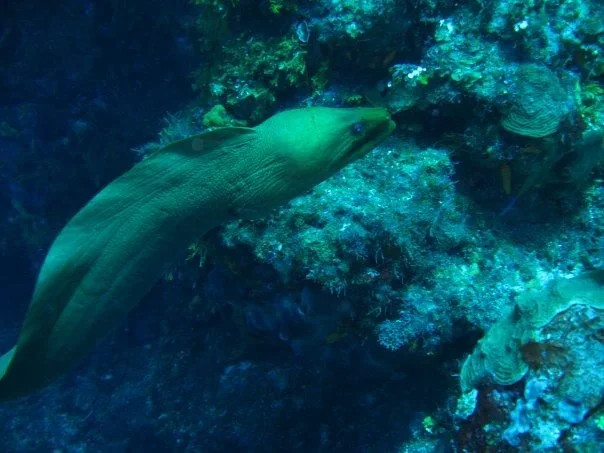
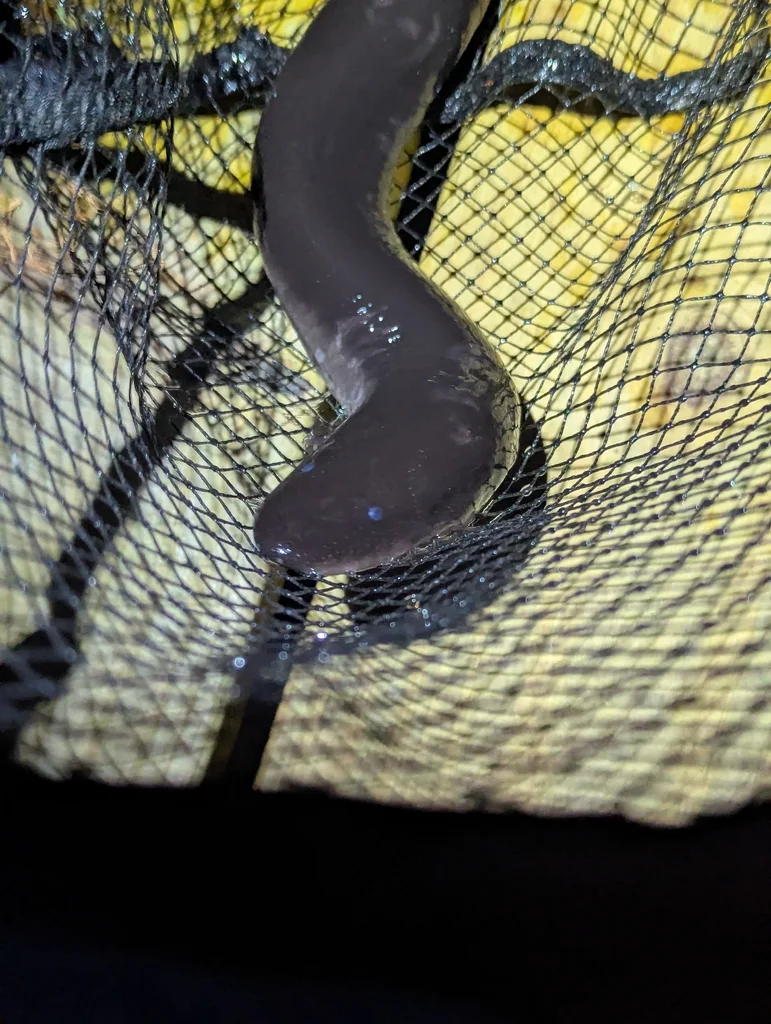
The underwater landscape at La Cala provides a backdrop for a surprising array of marine life. Within the Posidonia meadows and rocky areas, you're likely to encounter species such as false haddock, groupers, octopus, and conger eels.
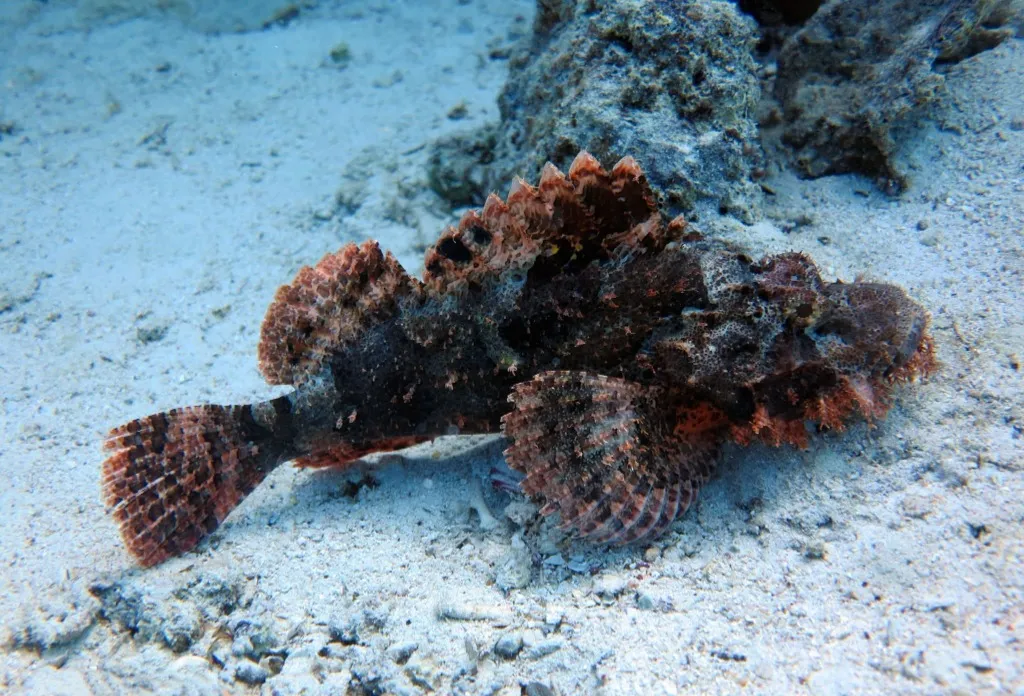
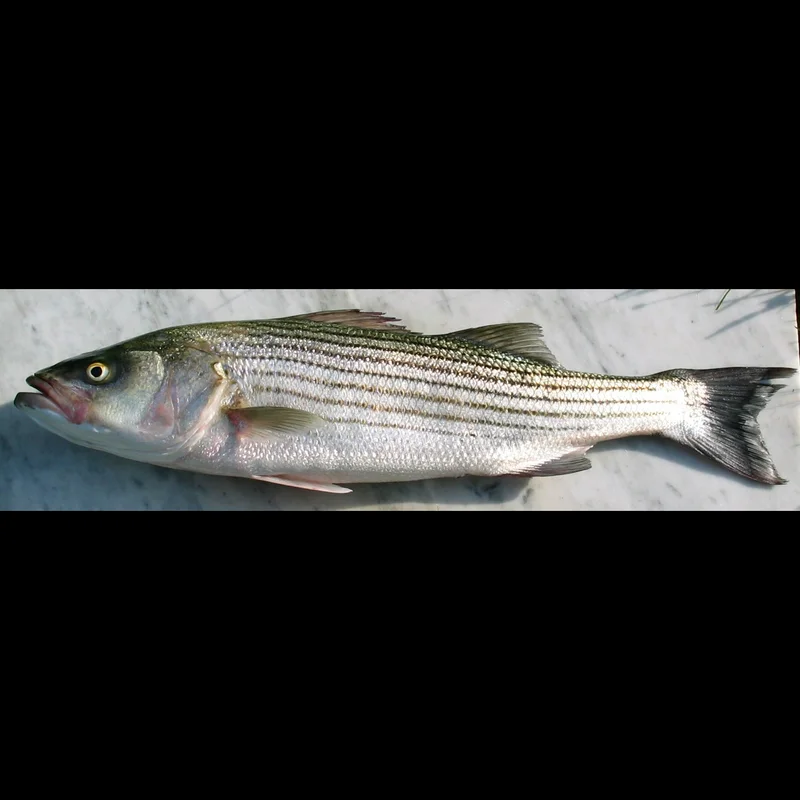
More intricate formations, like those found in wall dives and tunnels, often house vibrant yellow nudibranchs, scorpions, and various polyps. Keep an eye out for moray eels tucked into crevices, as well as bream and sea bass patrolling the open water.
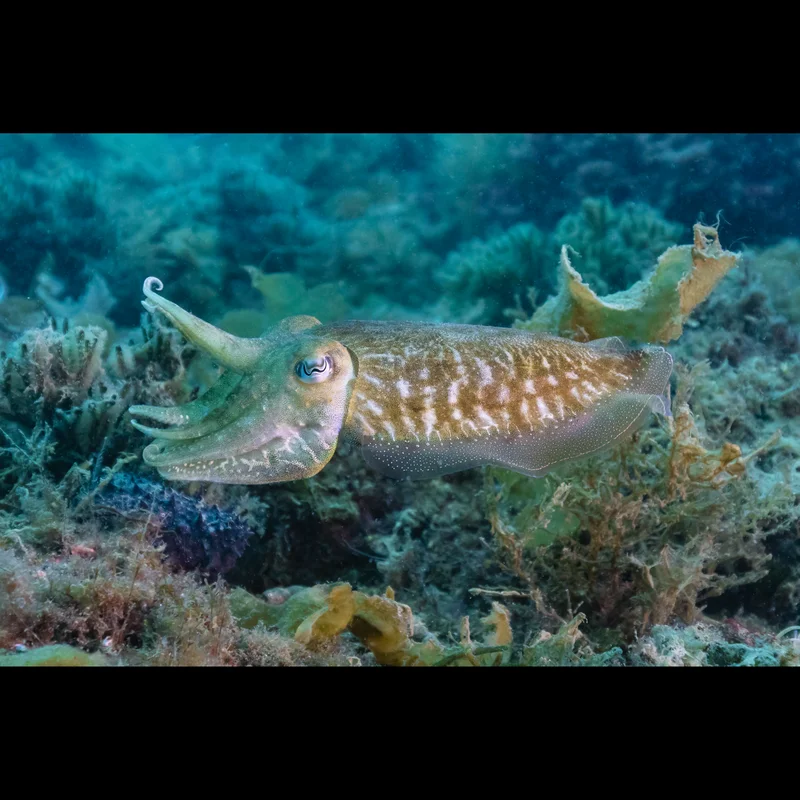
Scorpionfish are well-camouflaged residents, and lucky divers might even spot cuttlefish or, on rare occasions, seahorses amidst the seagrass.
Dive Sites Near La Cala
View all dive sites in SpainDiscover more underwater gems in this area.
Dive Centers Near La Cala
Nearest Airports
Nearest airports to help plan travel to this dive area.
Search Flights
Check available flights and routes on Expedia, using the nearby airports listed in this section.
Search Flights on ExpediaFrequently Asked Questions
What is the typical maximum depth for diving at La Cala?
The maximum depth varies significantly depending on the specific 'La Cala' dive site you choose. Some sites, like those near Santander, range from 5 to 9 meters (16-30 ft). Others, such as La Cala del Peñon, reach around 14 meters (45 ft), while certain Costa Brava sites may extend to 30 meters (100 ft) or more.
Is La Cala suitable for beginner divers?
Yes, many 'La Cala' sites are well-suited for beginner divers, especially those with shallower depths and simpler navigation like La Cala del Peñon. However, some locations feature wall dives or deeper areas that are more appropriate for advanced divers. Always check site-specific recommendations.
What kind of underwater topography can I expect?
You can expect a diverse range of topographies, from sandy bottoms and extensive Posidonia meadows to rocky reefs, wall dives, and even tunnels or chimneys. The specific features depend entirely on which 'La Cala' site you are visiting.
Are there strong currents at La Cala?
While many sites are relatively sheltered, open sea areas can experience currents. It's always advisable to check local conditions and forecasts with a dive center before planning your dive, especially for sites exposed to the open ocean.
What marine life is commonly seen?
Common sightings include false haddock, groupers, octopus, conger eels, and various nudibranchs. In rocky and wall areas, you might also spot moray eels, bream, sea bass, scorpionfish, and cuttlefish.
Do I need a torch for diving at La Cala?
A torch is highly recommended, especially if you plan to explore sites with tunnels, chimneys, or deeper rock crevices. It helps illuminate hidden areas and brings out the vibrant colors of marine life.
Is shore entry common for these dive sites?
Most of the described 'La Cala' dive sites are accessed via boat. While some locations may offer shore or beach entry, boat diving is the predominant method for reaching the most popular spots.
Planning to dive La Cala?
Send one inquiry and receive offers directly from the best verified local dive operators.
Conditions are Moderate
High Swell Advisory. Not recommended.
Current conditions near La Cala show 15° air, 21° sea temperature, 2.4 m waves, and 28 km/h wind. Forecast data is refreshed regularly to ensure accuracy.