
Diving at Moraig (Spain)
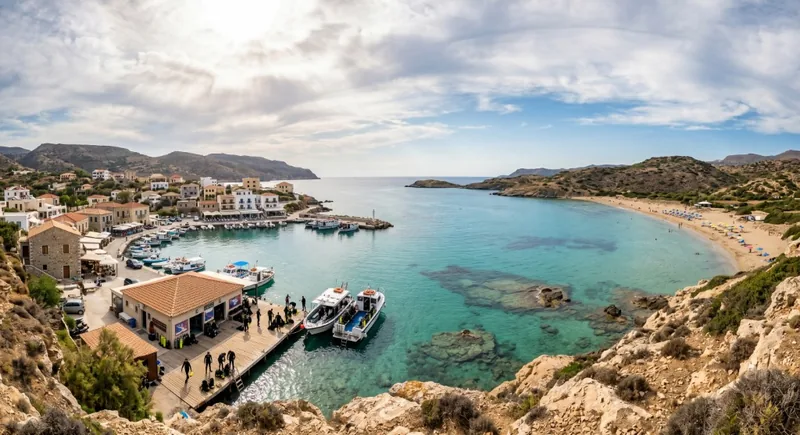
Moraig Cave presents a distinctive dive experience along Spain's Mediterranean coast, inviting divers into its captivating underground passages. Its accessible cavern environment makes it particularly notable, suitable for various certification levels. Divers seeking the allure of overhead environments, without the complexities of deep cave diving, find this a key destination. Clear waters and unique geological formations ensure a memorable underwater journey.
Current morning readings from Moraig indicate an air temperature of 19.5°C. Surface wave heights are averaging around 0.7 m at this time. These local measurements provide a baseline for your daily dive planning.
Dive Site Location & Key Facts
Dive Site Overview
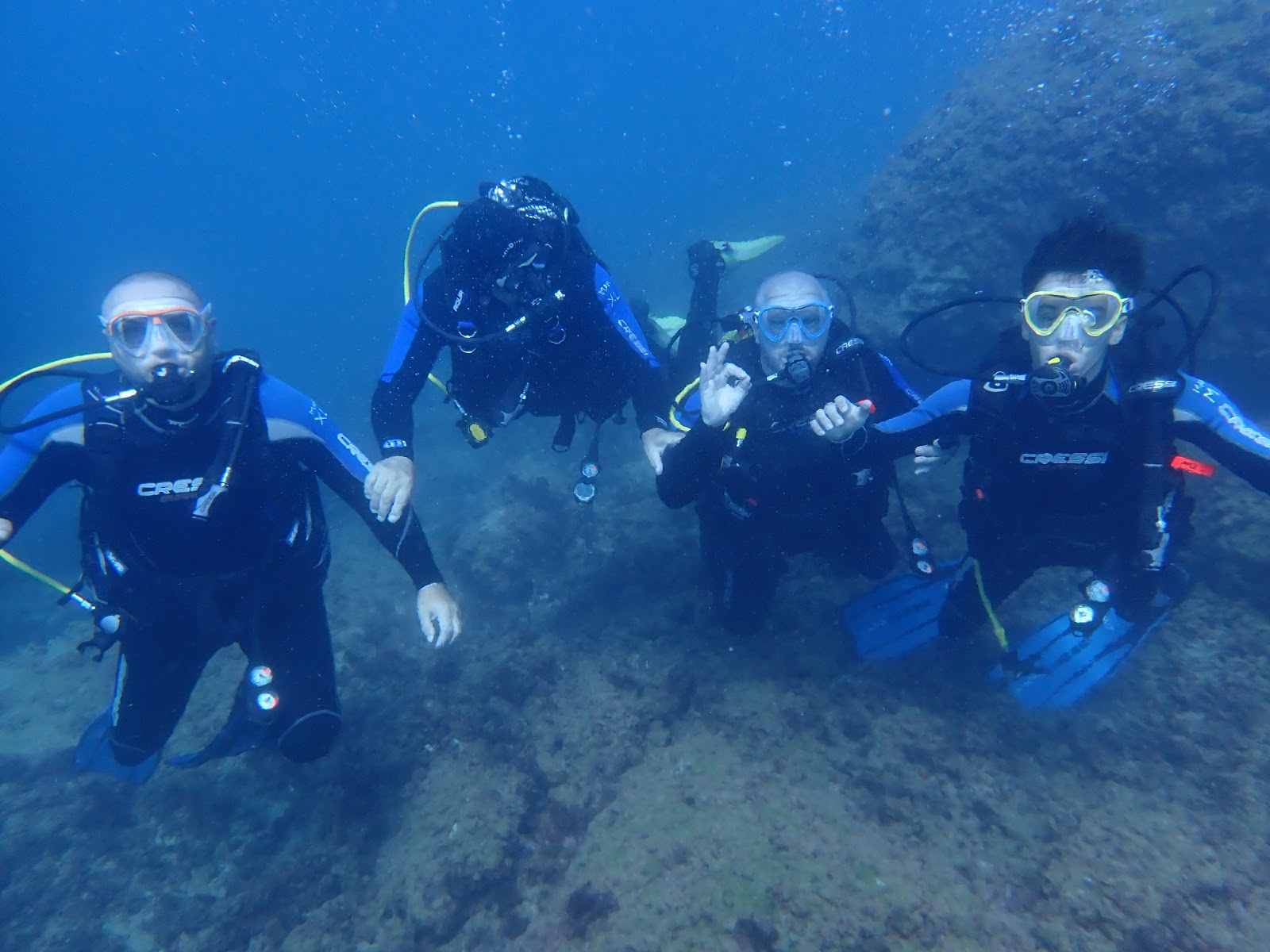
Exploring Moraig Cave involves navigating an intricate network of underwater chambers and tunnels. Entry into cavern diving is possible for novice divers here, providing a supervised introduction.
Divers often reach a maximum depth of 14 m (46 ft), ensuring a recreational profile with ample bottom time. Visibility commonly extends up to 30 m (100 ft), dependent on water conditions, showcasing impressive geological formations and facilitating easy navigation. An architectural transition occurs from brightly lit entrance zones, bathed in natural sunlight, to deeper, more shaded areas where robust dive lights become indispensable.
Movement within the cavern necessitates following established guidelines, ensuring both safety and orientation through the complex passages. Many divers utilize this location to refine their overhead environment skills.
It provides a practical understanding of cavern protocols and the unique sensation of exploring submerged geological wonders. Expect an immersive journey, with structural beauty prioritized over extensive marine biodiversity.
Conditions are Good
Optimal conditions expected
Current conditions near Moraig show 19° air, 25° sea temperature, 0.9 m waves, and 29 km/h wind. Forecast data is refreshed regularly to ensure accuracy.
Best Time to Dive
Planning a dive at Moraig is generally rewarding throughout the year, but some months offer a more comfortable experience. The summer months, from June to September, feature the warmest air temperatures, averaging 23.5-27°C (74-81°F), making surface intervals more pleasant. Rain consistently remains low during this period, typically under 1.7 mm per month, ensuring minimal runoff affecting visibility. Wave heights are also at their lowest, often around 0.7 m (2 ft), contributing to calmer entry and exit conditions. While diving is rated 'Good' year-round, spring and autumn, particularly April, May, and October, provide a comfortable balance with pleasant air temperatures between 16.5-20.5°C (62-69°F) and similar calm sea states, often with fewer crowds. Winter months, though cooler with air temperatures around 12.5-13.5°C (54-56°F), still offer good diving conditions, though thicker exposure protection might be preferred.
PEAK SEASON SCORE
Scores combine air & water temps, waves, wind & rainfall for overall conditions.
BEST MONTHS TO DIVE
Monthly records compiled from satellite and marine observation nodes over the last 3 years. Data provided by Open-Meteo and MET Norway.
Dive Experience & Conditions
Upon entering Moraig Cave, divers will immediately notice the impressive visibility, frequently reaching up to 30 m (100 ft) in stable conditions. The environment transitions from brightly lit entrance zones to progressively darker cavern areas, where the geology takes center stage. Divers will explore a maximum depth of 14 m (46 ft), making bottom time management straightforward. Water temperature is not consistently reported but generally varies with the Mediterranean seasonal cycle, typically warmer in summer and cooler in winter months. Its relatively shallow depth and good visibility contribute to a relaxed experience, allowing divers to appreciate the cavern's intricate structure. It's an accessible site for novice divers, provided they are comfortable in overhead environments and adhere to standard cavern diving protocols.
Dive Difficulty & Safety Guidelines
Careful planning and adherence to established protocols are required for any overhead environment like Moraig Cave. Always dive with a reliable buddy and maintain situational awareness, especially concerning your gas supply and depth within the 14 m (46 ft) maximum. While suitable for novice divers, proper training for cavern diving is strongly recommended; this ensures familiarity with essential skills like line following, light signaling, and emergency procedures.
Avoid penetration beyond the cavern zone into areas requiring full cave diving certification unless properly trained and equipped. Respect the environment; do not touch or disturb geological formations or any potential marine life.
Always consult with local dive centers for the most current conditions and any specific site-based recommendations.
Recommended Equipment
- Dive Computer
This gear list is based on verified equipment signals for Moraig, Spain. Always confirm final gear choices with your dive operator, guide, or liveaboard.
Recommended Dive Suit
Temperatures look set to gradually increase over the next several days. A warming trend is expected over the next few days.
For typical recreational dives, 3mm wetsuit generally provides comfortable insulation. Surface intervals may feel cooler.
Recent environmental data from Moraig indicates water temperatures near 25°C (77°F). Surface air temperatures are resting at 19°C (67°F).
Due to technical issues with our weather providers, live updates are temporarily delayed. The data above reflects the conditions at the time of the last successful fetch.
Emergency & Medical Support
Essential information to help you plan your dive trip to Moraig.

Hyperbaric chambers are a critical part of dive safety infrastructure. Availability varies significantly by region, and not all dive areas have immediate access.
Before diving, it's recommended to:
- confirm nearest medical facilities
- check emergency procedures with local dive operators
- ensure dive insurance covers evacuation if required
Divers Alert Network
Diving emergency assistance available through DAN Europe.
+39 0642115685- 24/7 emergency hotline
- Diving medical assistance
- Evacuation coordination
Emergency contacts are provided for reference. Always verify local emergency services before diving.
Closest Listed Hyperbaric Chambers
Showing listed hyperbaric chamber facilities within 200 km of this dive site.
Distances are approximate straight-line distances and may not reflect emergency travel time.
Unidad Hiperbarica Hospital de Castellon UTH-HGUCS
24/7 ListedICU CapableCastellon, Spain•Approx. 145 km straight-line
Unidad Hiperbarica Hospital de Castellon UTH-HGUCS
24/7 ListedICU CapableInformation is provided for reference and planning purposes only. Dive Navigator does not verify operational status, staffing, availability, or quality of care at listed facilities. In an emergency, contact local emergency services, DAN, your dive operator, or the chamber directly. Do not travel to a facility without calling ahead.
Marine Life at Moraig
The underwater landscape within Moraig Cave primarily showcases unique geological features, sculpted by water flow over millennia. Cavern diving here emphasizes the intricate rock formations, diverse textures, and the interplay of light and shadow filtering from the entrance.
While direct reports of specific marine life are limited, Mediterranean caverns often host resilient species adapted to these environments. Look for small crustaceans, sponges, and various types of sessile invertebrates clinging to walls, often in crevices.
Occasional small fish might seek shelter in the quieter, darker sections, creating subtle focal points against the impressive backdrop of the cave structure itself. The experience is more about the geological grandeur than prolific biodiversity.
Dive Sites Near Moraig
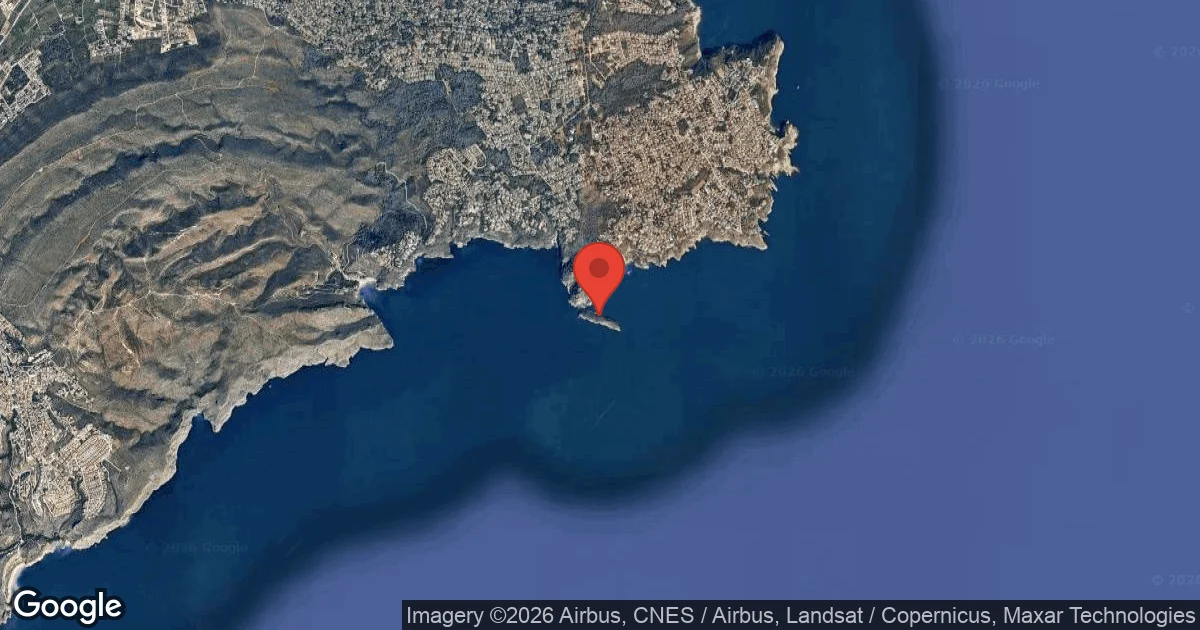
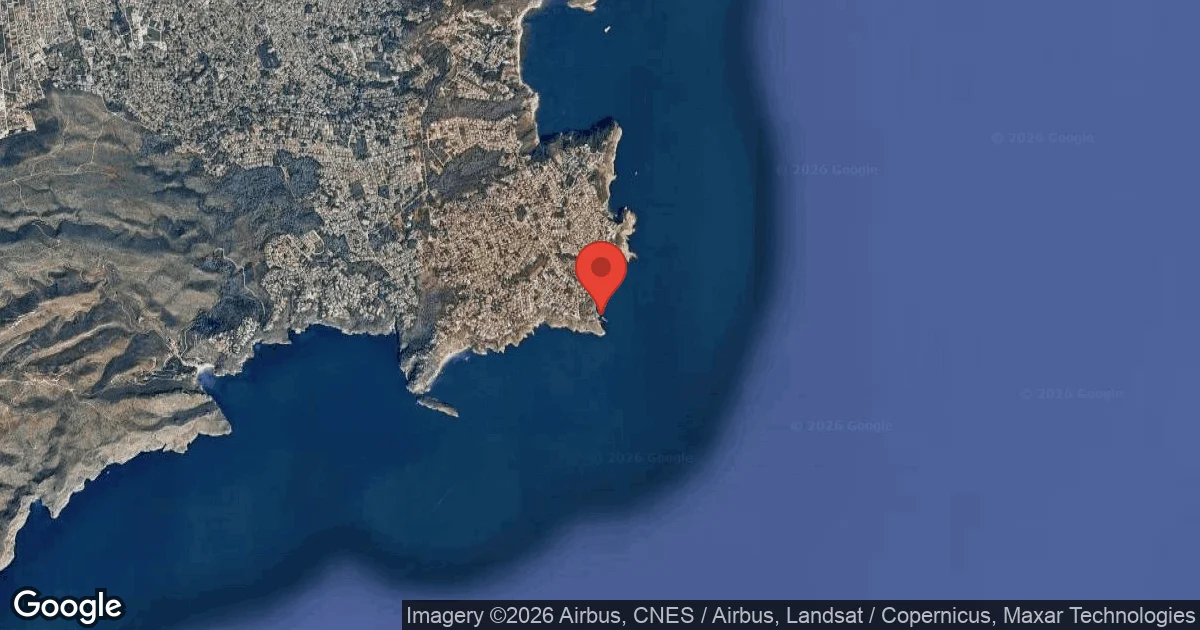
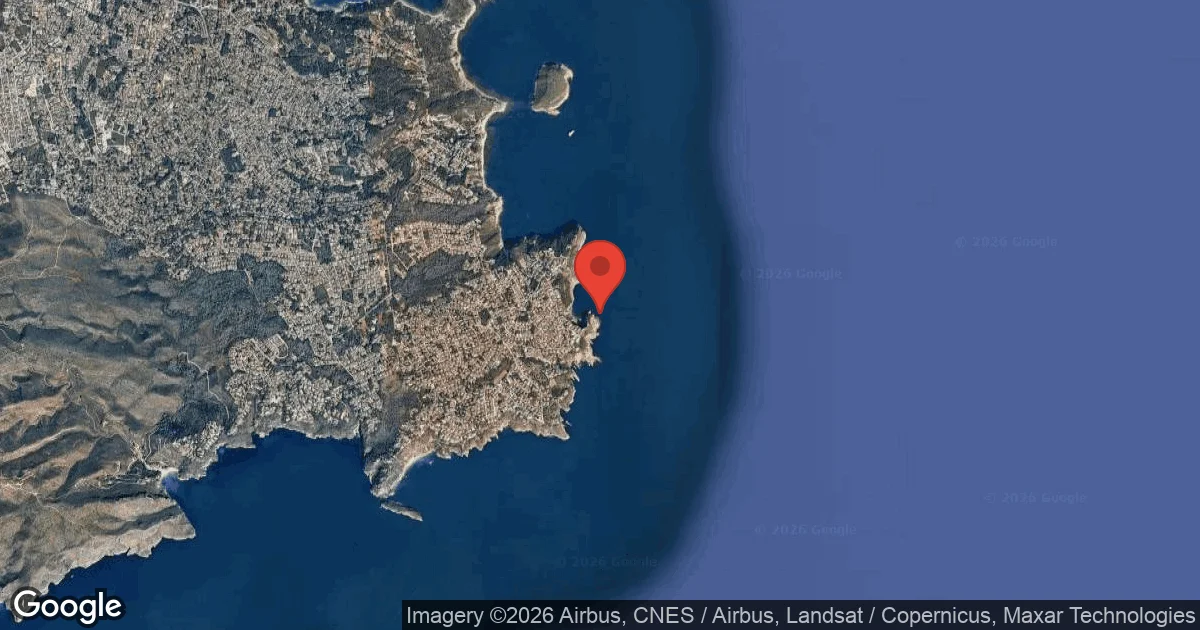
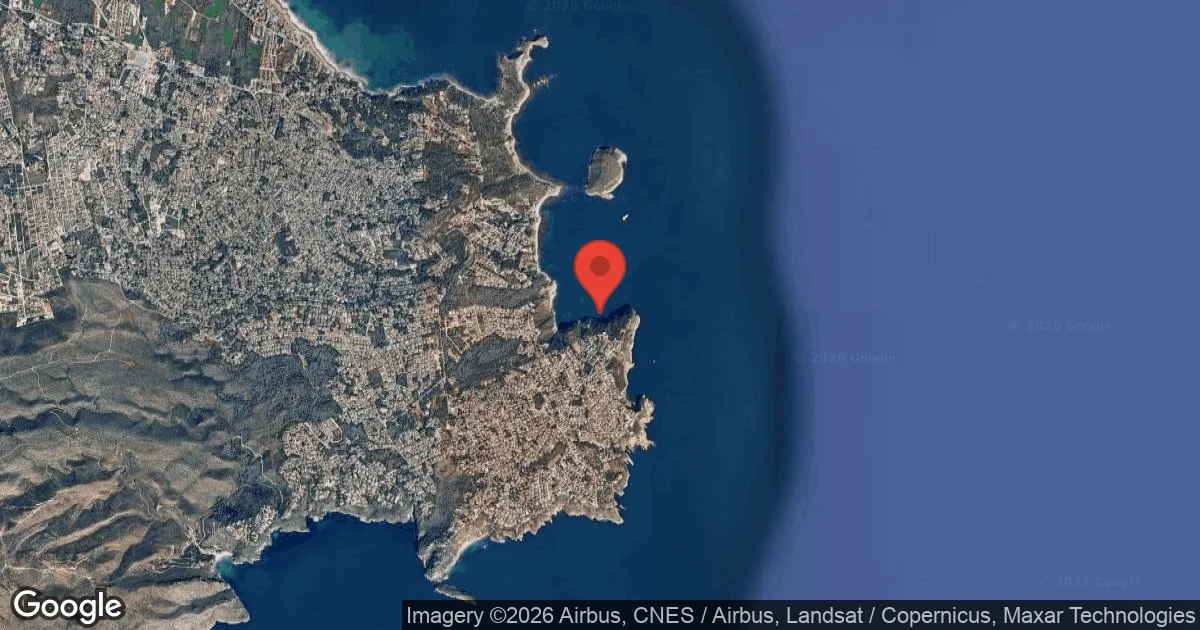
View all dive sites in SpainDiscover more underwater gems in this area.
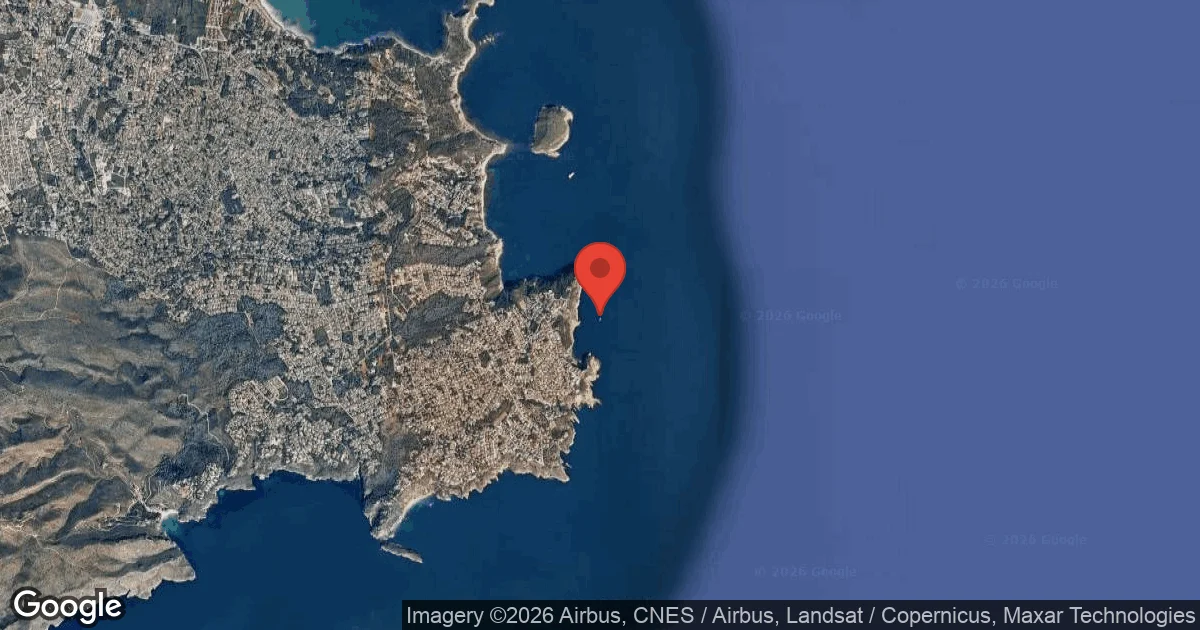
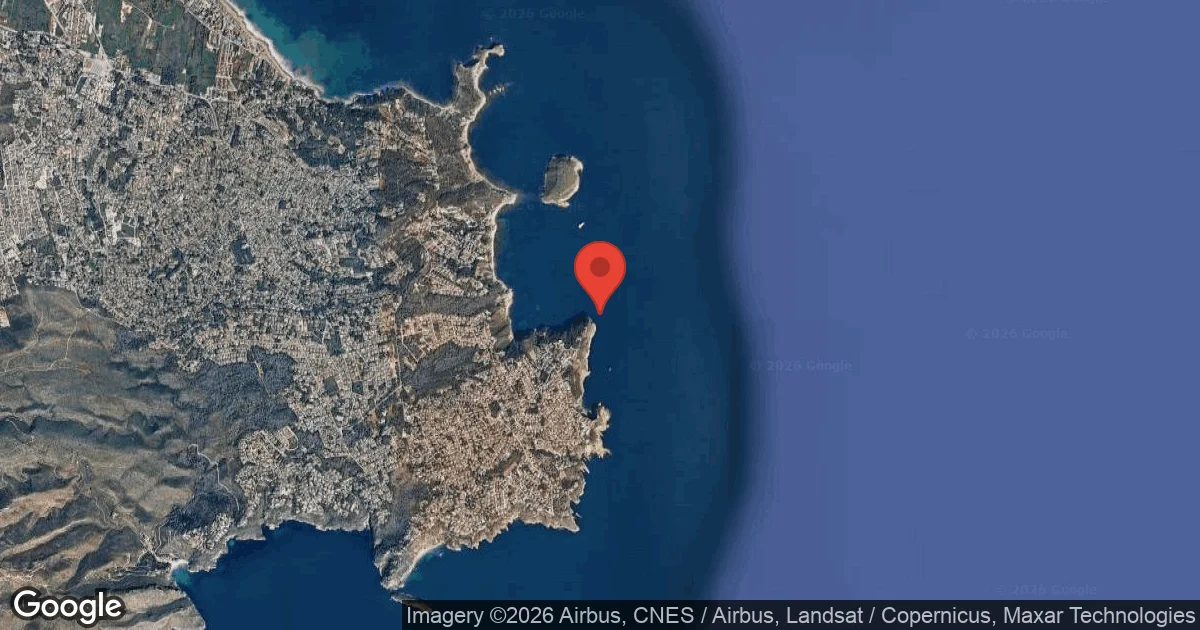
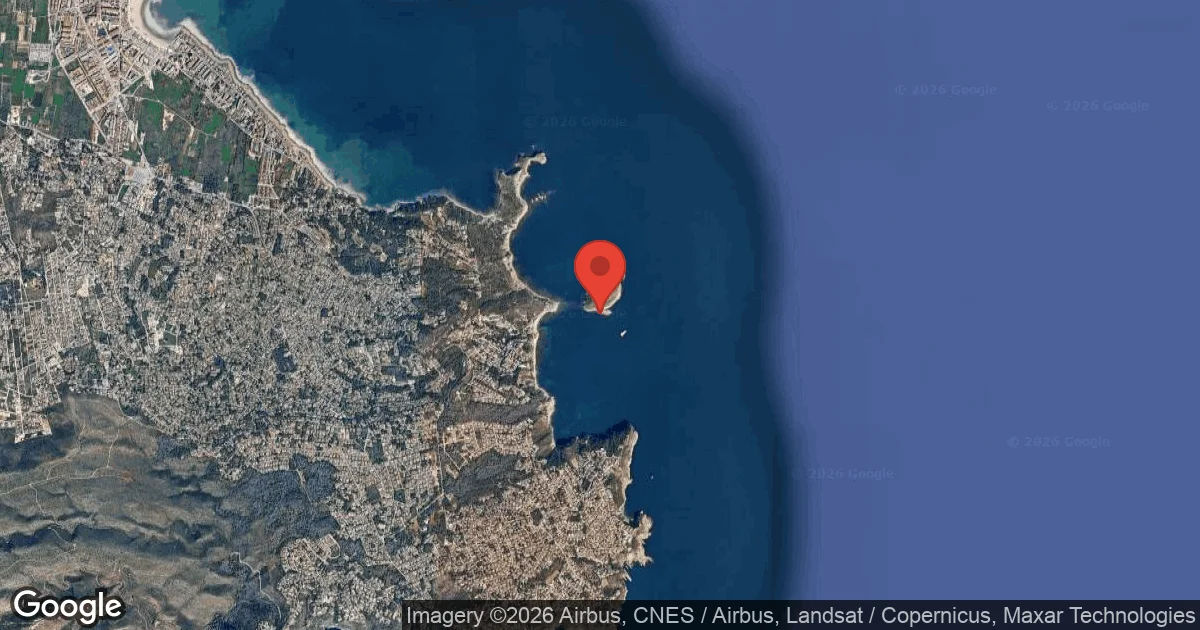
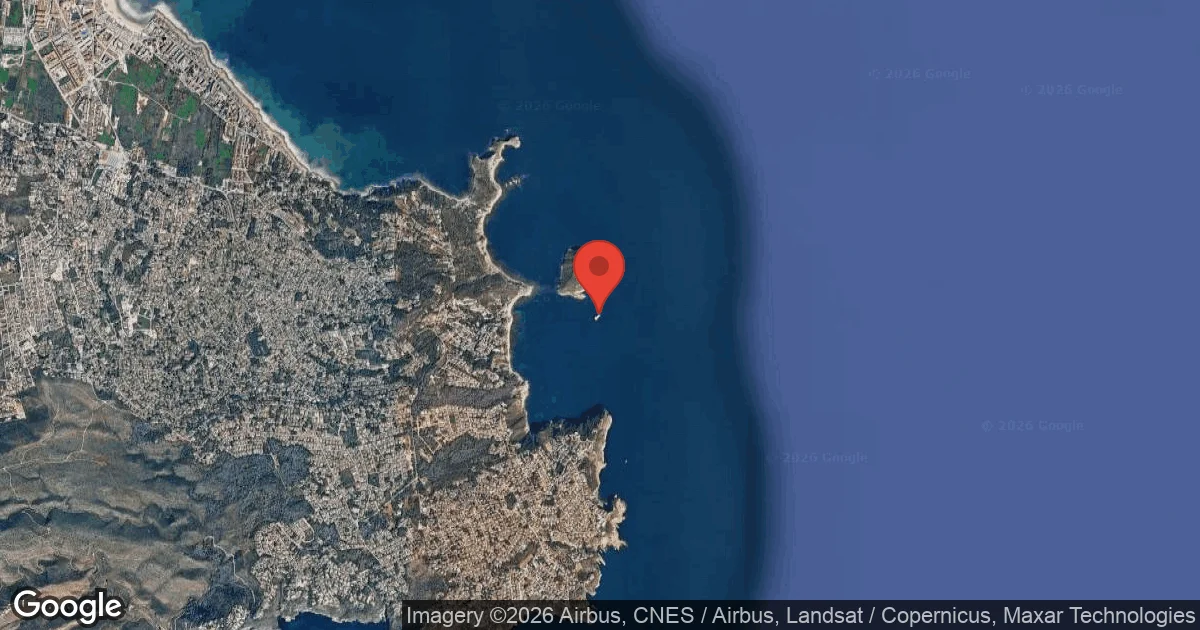
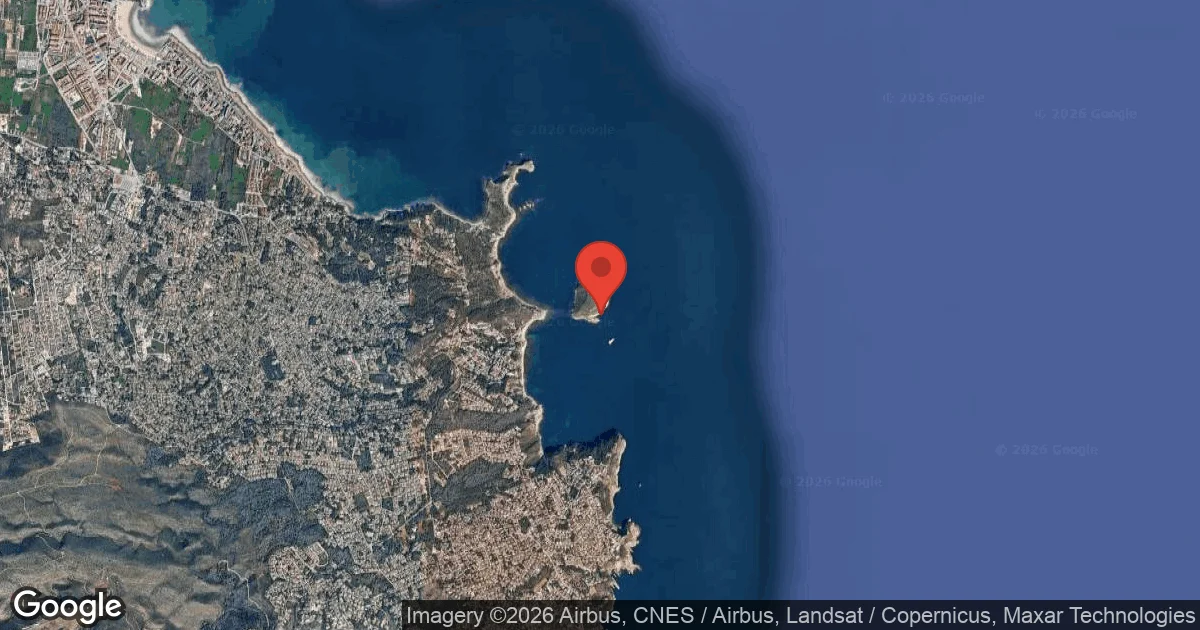
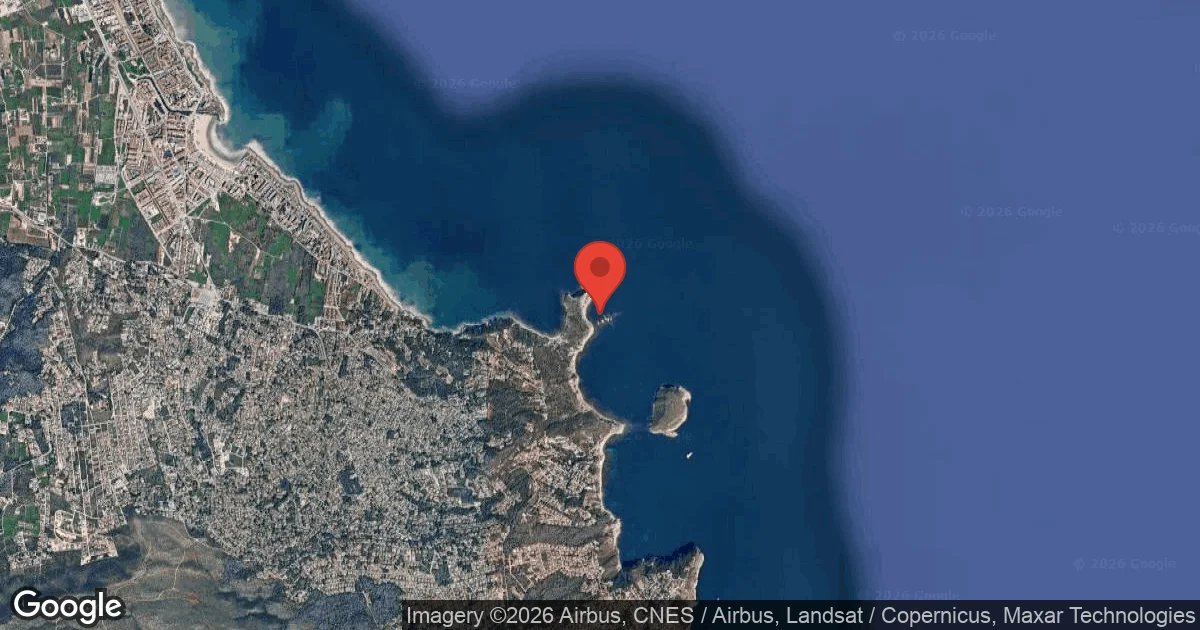
Dive Centers Near Moraig
Today: 09:00 - 15:00
Nearest Airports
Nearest airports to help plan travel to this dive area.
Search Flights
Check available flights and routes on Expedia, using the nearby airports listed in this section.
Search Flights on ExpediaFrequently Asked Questions
What type of dive site is Moraig?
Moraig is primarily known as a cave/cavern dive site. It features underwater passages and chambers that offer an accessible overhead environment for certified divers.
What is the maximum depth at Moraig Cave?
The maximum depth recorded for diving at Moraig Cave is 14 m (46 ft). This keeps the dive within recreational limits, allowing for more conservative bottom times.
What visibility can I expect?
Visibility at Moraig is often excellent, with reports of up to 30 m (100 ft). This clarity enhances the experience of exploring the cave's geological formations.
What diver level is required for Moraig Cave?
Moraig is suitable for novice divers, particularly those with proper cavern diving training. It's a good location to gain experience in overhead environments under supervision.
When is the best time of year to dive Moraig?
Diving at Moraig is generally good year-round, with high dive scores across all months. For warmer surface conditions and calmer seas, the summer months (June-September) are often preferred, though spring and autumn offer a pleasant balance with fewer crowds.
Are there any specific safety guidelines for diving Moraig?
Always dive with a buddy, carry appropriate lighting, and adhere strictly to cavern diving protocols. It's crucial not to penetrate beyond the cavern zone into full cave environments without specific training and equipment. Consult local dive centers for up-to-date conditions.
What kind of marine life might I see?
While the primary attraction is the geological structure, you might observe small crustaceans, sponges, and other sessile invertebrates adapted to cavern environments. Small fish occasionally seek refuge in the quieter sections of the cave.
Planning to dive Moraig?
Send one inquiry and receive offers directly from the best verified local dive operators.
Conditions are Good
Optimal conditions expected
Current conditions near Moraig show 19° air, 25° sea temperature, 0.9 m waves, and 29 km/h wind. Forecast data is refreshed regularly to ensure accuracy.