
Diving at Isla del Descubridor (Spain)
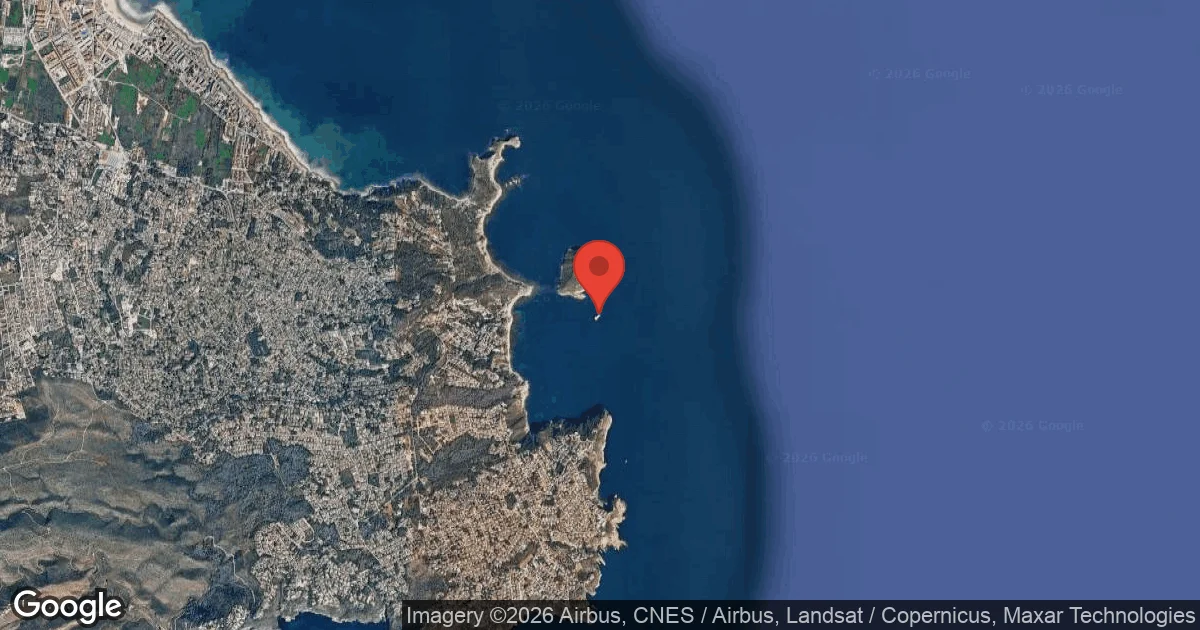
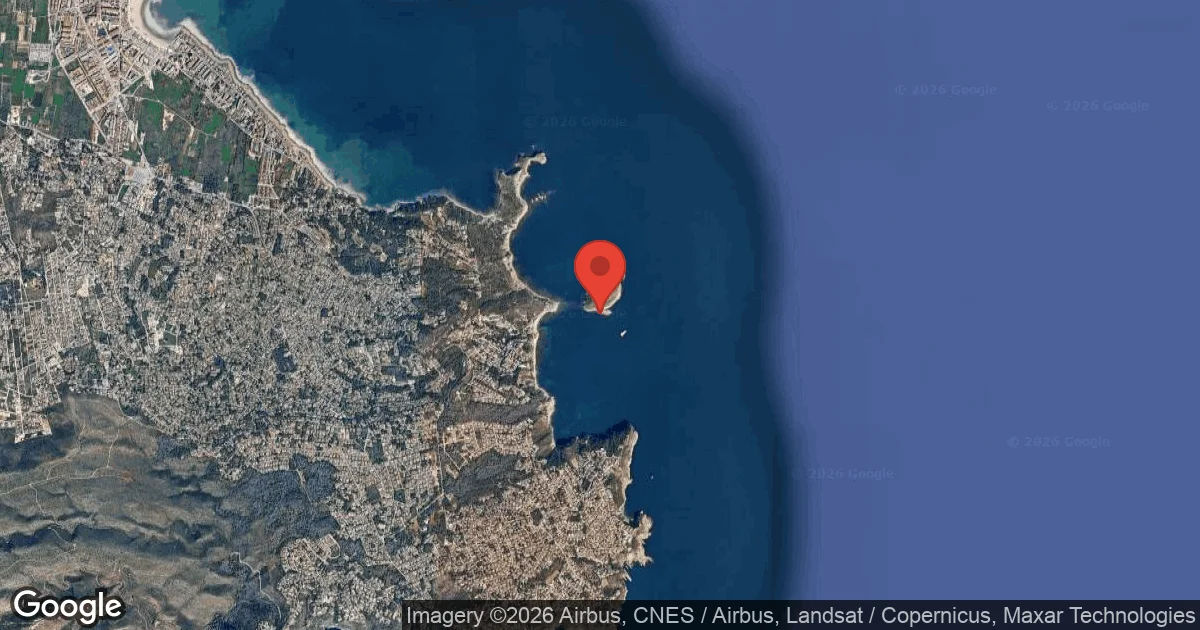
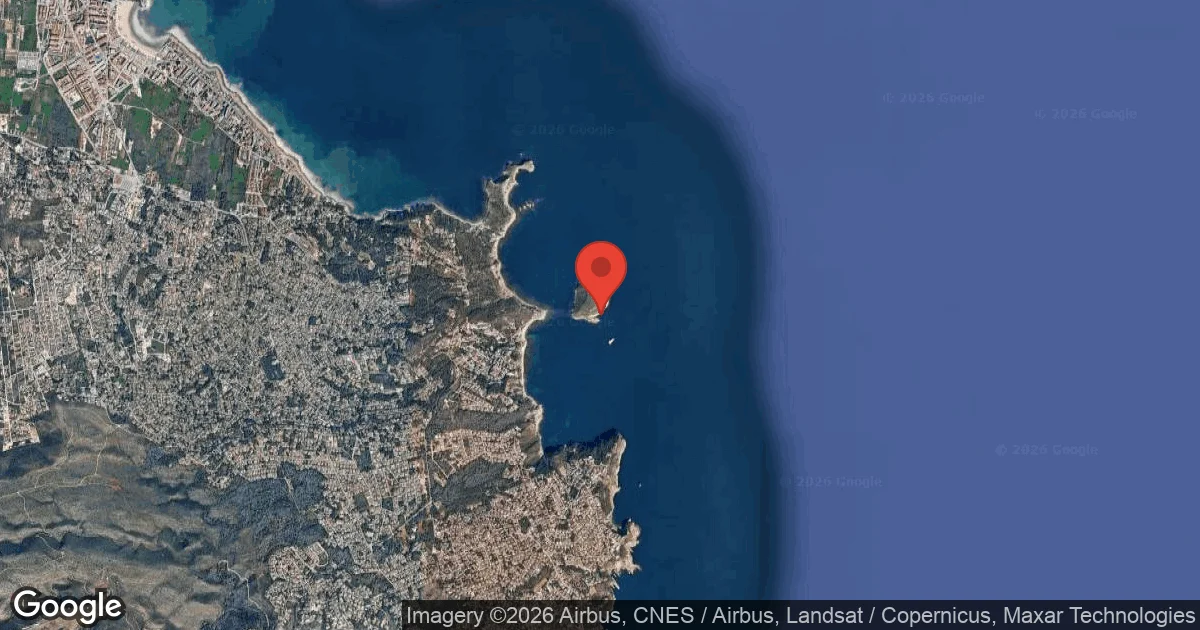
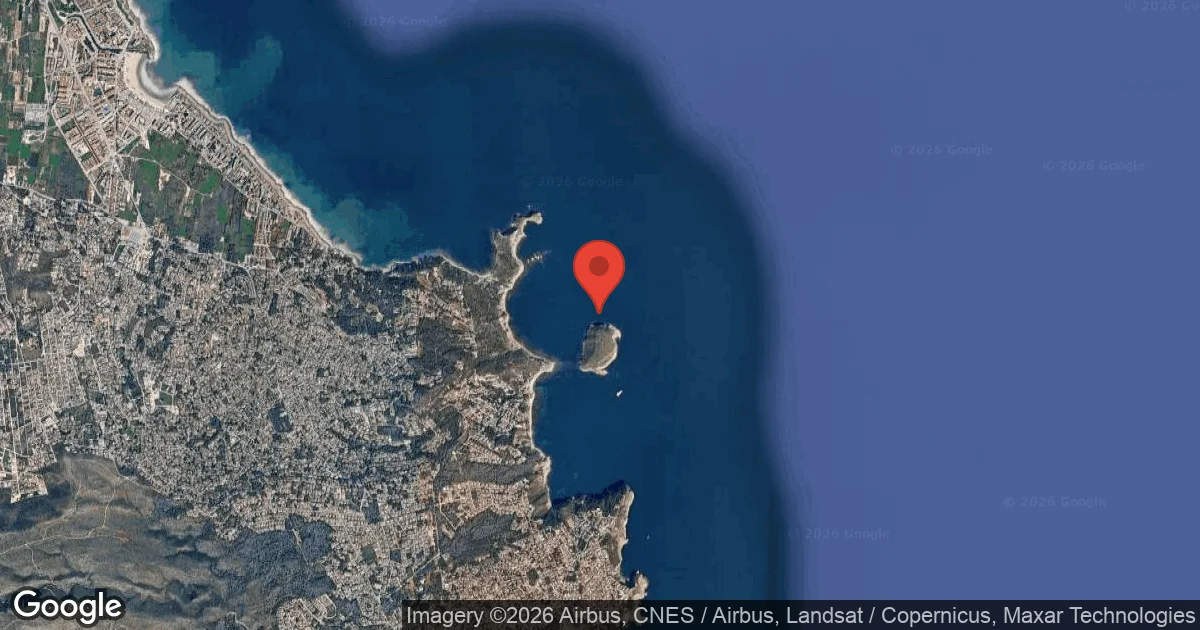
Isla del Descubridor currently acts as a natural buffer, positioned on the southern part of Javea near Cabo de la Nao, immediately adjacent to Cala Ambolo. This island dynamically protects Cala Ambolo from adverse maritime conditions, particularly waves and wind from the south, creating a more tranquil environment. It functions as a significant ecological habitat, ensuring its shores remain inaccessible to preserve the ecosystem.
Evening condition tracking at Isla del Descubridor features an air temperature of 25°C. We have recorded wave heights measuring 0.5 m during this period. These figures outline the environmental parameters currently present.
Dive Site Location & Key Facts
Dive Site Overview
Named 'Island of the Discoverer,' Isla del Descubridor carries a historical echo, reportedly inspired by Bartolomé, a Javea sailor who joined Christopher Columbus's voyage. Today, it invites exploration of a different kind: underwater.
Stretching over 330 meters laterally and covering more than 2.5 hectares, this site presents a deep diving experience characterized by varied slopes and intricate rock formations, providing shelter for a wide array of marine life. A notable feature is the eastern tip, where a vertical wall descends to 19 meters (62 ft), adorned with colorful anemones and sponges. Divers might also discover the small sandy 'Dolphin Cave' on the southern side, where a spotlight may reveal the skeleton of a dolphin.
The island's northern wall offers consistently protected conditions, contributing to clearer visibility, making it an ideal spot for observing underwater organisms. Its proximity to other dive locations like Cala Ambolo and Cala Granadella further establishes it as a key destination for divers.
Conditions are Good
Optimal conditions expected
Current conditions near Isla del Descubridor show 25° air, 26° sea temperature, 0.8 m waves, and 26 km/h wind. Forecast data is refreshed regularly to ensure accuracy.
Best Time to Dive
Planning an experience at Isla del Descubridor generally benefits from calmer conditions, with consistently good dive scores reported year-round. The most comfortable surface conditions typically occur from June through August, when average air temperatures range from 24-27°C (75-81°F) and wave heights are at their lowest, around 0.7 meters (2.3 ft). Spring, particularly April and May, also provides excellent conditions with moderate air temperatures and reduced rainfall. While specific water temperature data isn't consistently reported, the sheltered northern wall often maintains calm conditions regardless of the broader sea state, making diving feasible even outside the peak summer months. Rain is generally minimal across all months, ensuring few disruptions to visibility from surface runoff.
PEAK SEASON SCORE
Scores combine air & water temps, waves, wind & rainfall for overall conditions.
BEST MONTHS TO DIVE
Monthly records compiled from satellite and marine observation nodes over the last 3 years. Data provided by Open-Meteo and MET Norway.
Dive Experience & Conditions
Beginning a dive at Isla del Descubridor, the northern wall offers an immediate sense of calm; it's virtually always protected from waves and wind, often presenting clear visibility for descent. The site's character unfolds into a deep dive with notable slopes and varied rock formations that create complex underwater topography. As you explore, the eastern tip reveals a wall falling vertically to a maximum depth of 19 meters (62 ft), an area densely populated by colorful anemones and sponges. On the southern side, adventurers can locate the small sandy 'Dolphin Cave,' an intriguing feature that requires a dive light to fully appreciate its interior, potentially revealing a dolphin skeleton. The narrow channel separating the island from the mainland is not navigable, guiding divers to explore the island's primary dive areas.
Dive Difficulty & Safety Guidelines
Diving at Isla del Descubridor requires adherence to standard safe diving practices and an awareness of the site's unique characteristics. While the northern wall is often protected and calm, divers should be prepared for deeper sections and navigating complex rock formations and slopes. Access to the island itself is restricted to protect its important ecosystem, so all diving operations must be conducted from a boat, respecting the protected status of the area.
It is important to note that the narrow channel between the island and the mainland is not usable for passage. Divers venturing into the 'Dolphin Cave' should possess appropriate training for overhead environments and carry a reliable dive light.
Always dive within your certification limits, especially given the site's potential for recreational depth ranges and deeper sections.
Recommended Equipment
- Dive Computer
- DSMB
This gear list is based on verified equipment signals for Isla del Descubridor, Spain. Always confirm final gear choices with your dive operator, guide, or liveaboard.
Recommended Dive Suit
The latest conditions reported around Isla del Descubridor place the water temperature close to 26°C (78°F). Surface air temperatures are resting at 25°C (77°F).
3mm wetsuit generally offers enough warmth for most dives under these conditions. A hood or vest is suggested for sensitive divers due to surface winds.
Surface conditions are expected to warm up slightly in the coming days. A warming trend is expected over the next few days.
Emergency & Medical Support
Essential information to help you plan your dive trip to ISLA DEL DESCUBRIDOR.

Hyperbaric chambers are a critical part of dive safety infrastructure. Availability varies significantly by region, and not all dive areas have immediate access.
Before diving, it's recommended to:
- confirm nearest medical facilities
- check emergency procedures with local dive operators
- ensure dive insurance covers evacuation if required
Divers Alert Network
Diving emergency assistance available through DAN Europe.
+39 0642115685- 24/7 emergency hotline
- Diving medical assistance
- Evacuation coordination
Emergency contacts are provided for reference. Always verify local emergency services before diving.
Closest Listed Hyperbaric Chambers
Showing listed hyperbaric chamber facilities within 200 km of this dive site.
Distances are approximate straight-line distances and may not reflect emergency travel time.
Unidad Hiperbarica Hospital de Castellon UTH-HGUCS
24/7 ListedICU CapableCastellon, Spain•Approx. 143 km straight-line
Unidad Hiperbarica Hospital de Castellon UTH-HGUCS
24/7 ListedICU CapableInformation is provided for reference and planning purposes only. Dive Navigator does not verify operational status, staffing, availability, or quality of care at listed facilities. In an emergency, contact local emergency services, DAN, your dive operator, or the chamber directly. Do not travel to a facility without calling ahead.
Marine Life at Isla del Descubridor
Upon entering the water at Isla del Descubridor, you'll first notice a diverse array of marine species thriving amidst the geological features. Slopes and rock formations serve as vital refuges, supporting various underwater organisms and colorful fish.
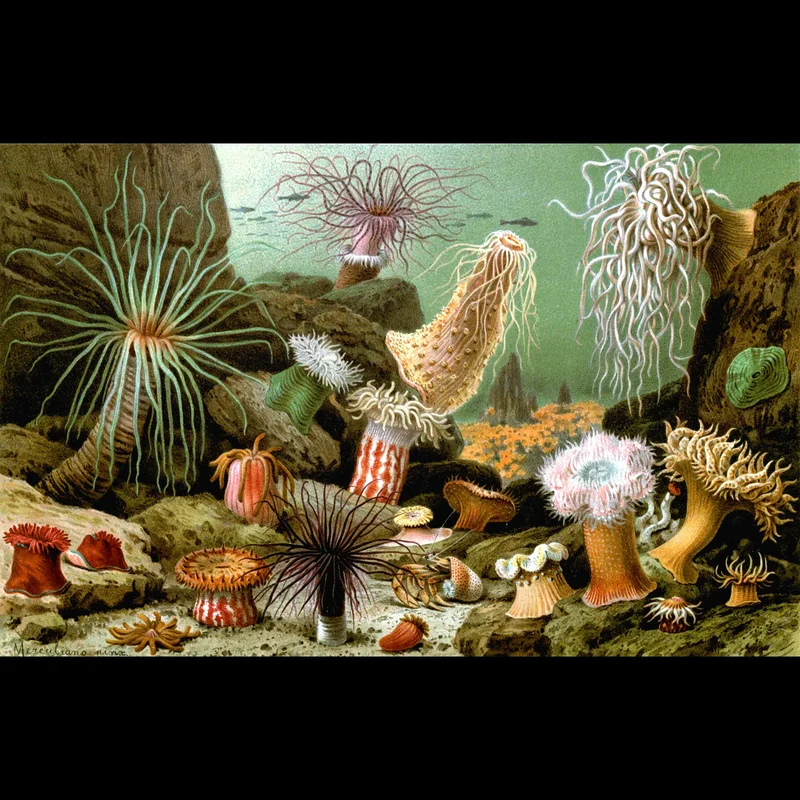
An eastern wall is particularly vibrant, covered with numerous anemones and sponges. Exploring the 'Dolphin Cave' allows for a distinct observation, with a spotlight often revealing a dolphin skeleton resting within.
Above the water, the island also provides significant habitat for bird species, including cormorants and seagulls, indicating a healthy surrounding ecosystem.
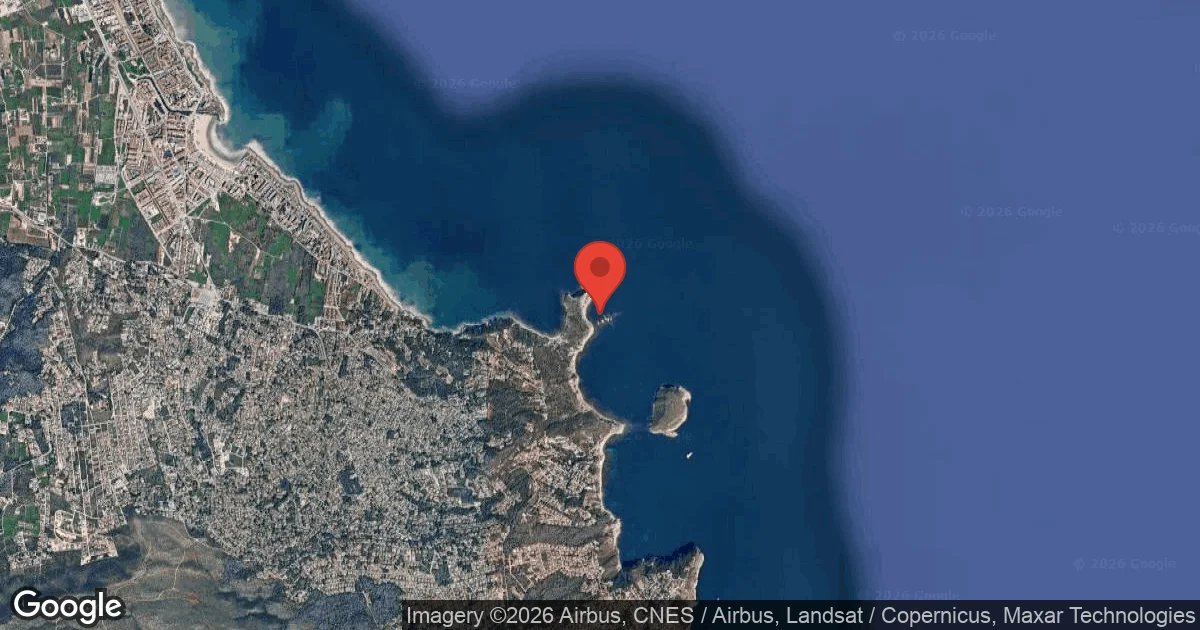
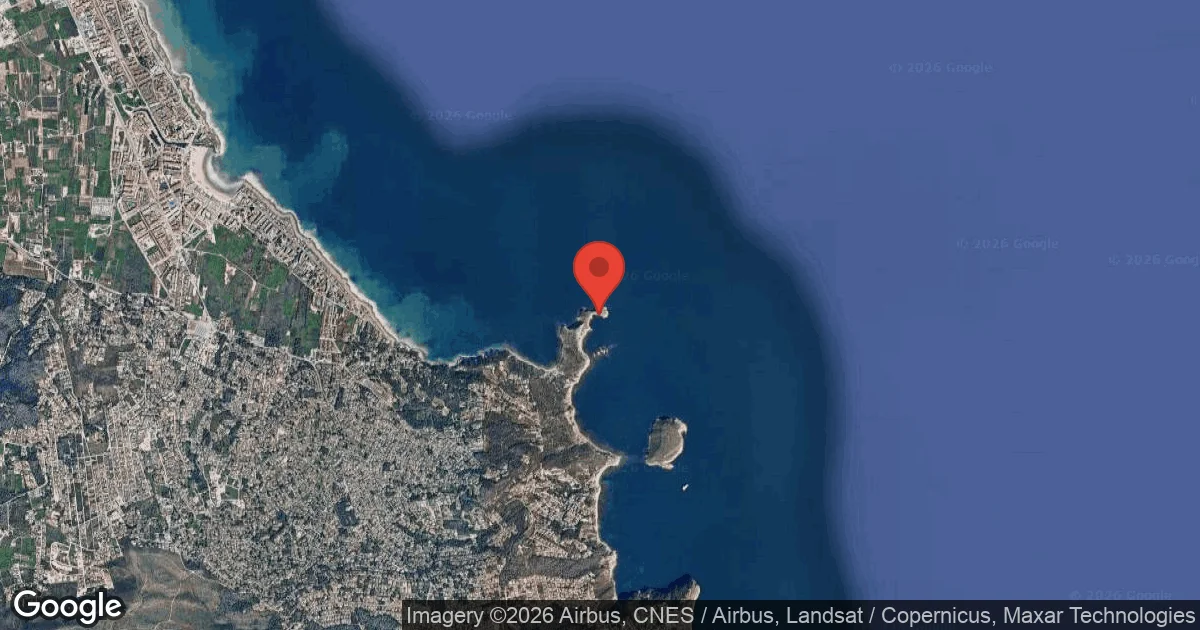
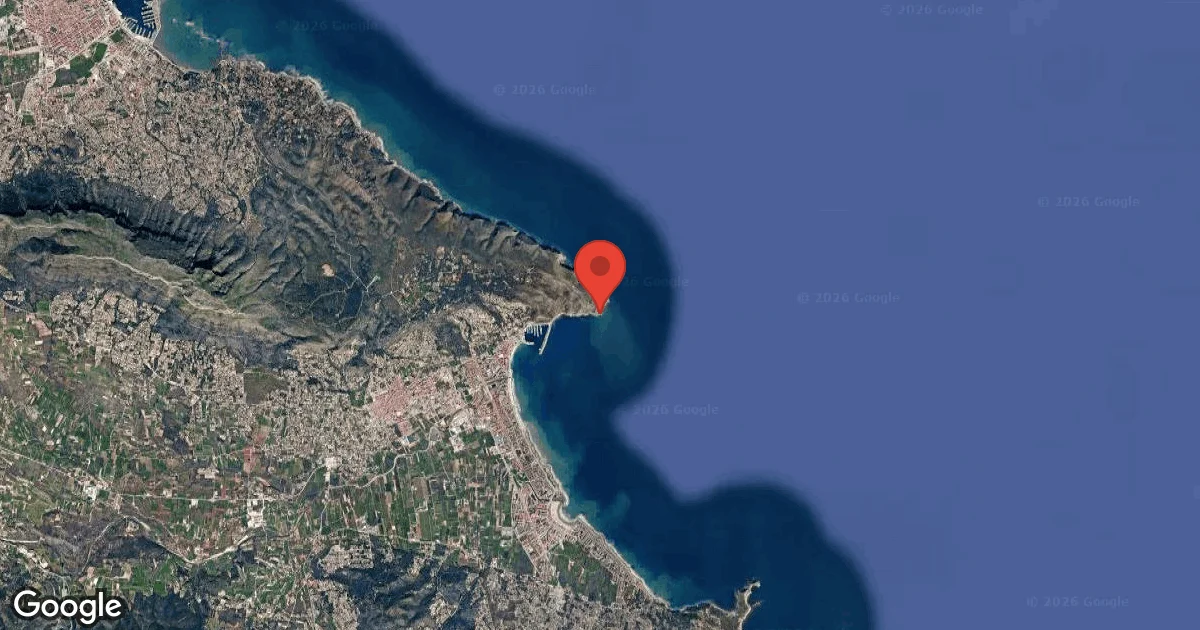
Dive Sites Near Isla del Descubridor
View all dive sites in SpainDiscover more underwater gems in this area.
Dive Centers Near Isla del Descubridor

Nearest Airports
Nearest airports to help plan travel to this dive area.
Search Flights
Check available flights and routes on Expedia, using the nearby airports listed in this section.
Search Flights on ExpediaFrequently Asked Questions
What is Isla del Descubridor known for?
Isla del Descubridor is recognized for its role in shielding Cala Ambolo from waves and wind, alongside its diverse marine ecosystem and historical namesake. Divers encounter a deep diving experience featuring distinct geological formations and abundant marine life.
Is it possible to access the island itself?
No, access to Isla del Descubridor is not permitted. An important habitat for various plant and animal species, its ecosystem is protected, restricting shore access for preservation.
What are the main diving features at Isla del Descubridor?
Key diving features include the consistently calm and protected northern wall, a vertical wall at the eastern tip reaching 19 meters (62 ft) covered in anemones and sponges, and the 'Dolphin Cave' on the southern side. Slopes and varied rock formations are also present.
How deep are the dives here?
Isla del Descubridor is characterized as a deep dive site. For instance, an eastern wall descends vertically to a depth of 19 meters (62 ft), with other areas also offering deeper sections for exploration.
What marine life can be seen?
Divers can expect a diverse array of marine species, including colorful fish and various underwater organisms. Walls are notably covered with anemones and sponges, and a dolphin skeleton is present within the 'Dolphin Cave'.
Are there any specific hazards to be aware of?
Divers should be prepared for deeper sections and navigating complex rock formations, even though the northern wall often offers protection. A narrow channel separates the island from the mainland and is not usable for passage. Access to the island itself is prohibited; exploring the 'Dolphin Cave' demands appropriate overhead environment training and a reliable dive light.
Why is the northern wall good for diving?
Northern wall is highly regarded for diving because it's virtually always protected from waves and wind. Calm, safe conditions are consistently present, often providing clear visibility, making it an ideal entry point and observation area.
Planning to dive Isla del Descubridor?
Send one inquiry and receive offers directly from the best verified local dive operators.
Conditions are Good
Optimal conditions expected
Current conditions near Isla del Descubridor show 25° air, 26° sea temperature, 0.8 m waves, and 26 km/h wind. Forecast data is refreshed regularly to ensure accuracy.