Loading...

Diving at El Cabrón (Spain)
Published
Widely acclaimed as Gran Canaria's richest underwater landscape, El Cabrón delivers ten distinct dive routes along a dramatic 23-meter volcanic drop-off north of Arinaga. Basaltic arches, brotula-filled caverns, and sweeping blond sand plains support a staggering concentration of Atlantic marine life—from swirling walls of thousands of grunts to angelsharks and hunting barracudas.
Starting the day at El Cabrón, the ambient air temperature is recorded at 21°C. Ongoing monitoring shows wave heights measuring 0.9 m. This data represents the current surface conditions for early activities.
Dive Site Location & Key Facts
Site Characteristics
Interactive map & 360° view for El Cabrón. Planning a dive at El Cabrón in Spain? Together with the dive site map above, use the interactive “360° Shore & Entry” view (145 m from the map pin) to inspect the real-world surroundings, coastal or boat approach, water entry layout, and surface conditions. Panorama imagery captured Sep 2022; site access and local conditions may have changed since, so always verify on arrival.
Max Depth
23m75ft
Visibility
20m66ft
Entry TypeShore
Water Typesalt
Dive Types
CavernReefWall
Dive Site Overview
Approached across an arid coastal volcanic badland beneath the Arinaga lighthouse, the El Cabrón marine conservation area encompasses an expansive underwater volcanic terrace that shelves gradually to 12 meters before dropping vertically to 22 and 23 meters. Over millennia, Atlantic surf and currents have carved the cliff face into dramatic stone arches, chimney swim-throughs, boulder labyrinths, and dark basal caverns.
Different shore entry cuts—such as El Agujero, Punta de la Monja, and Playa del Cabrón—unlock distinct underwater circuits, including the celebrated Gerardia gorgonian arch, the Roncadores sand amphitheater, and deep basal caves inhabited by nocturnal fishes. Along the cliff foot, vast white sand flats dotted with volcanic boulders and garden-eel colonies stretch seaward.
Protected within a Natura 2000 Special Area of Conservation, the reef sustains more than 400 documented species of Macaronesian fish and invertebrates, offering big-ocean drama within recreational shore-diving depths.
El Cabrón
Conditions are Moderate
6/10
Confidence: 8/10
Indicates meteorological model agreement and data availability.
DIVE WARNING
High Wind Advisory (42km/h). Unsafe surface.
06:12
18:45
H: 10:45
L: 16:20
Air / Sea Temp
21° / 23°
Wave Height
1.1 m
Wind Speed
42 km/h N
Rain Chance
0%
Current conditions near El Cabrón show 21° air, 23° sea temperature, 1.1 m waves, and 42 km/h wind. Forecast data is refreshed regularly to ensure accuracy.
Radius: ~12km
Updated: Nov 24, 2026, 05:52 local timeMARINE: OPEN-METEOWEATHER: YR.NO
Best Time to Dive
Autumn (September through November) and spring (March through May) deliver El Cabrón's finest combination of calm seas, light winds, and 20-to-30-meter visibility. Water temperatures range from 18°C in late winter to 23.5°C in October.
Winter months turn the sandy base of the cliff into an important nursery and resting ground for angelsharks and large stingrays, whereas July and August bring brisk northeast alisios trade winds that require early-morning high-tide entries.
PEAK SEASON SCORE
78/100
GoodScores combine air & water temps, waves, wind & rainfall for overall conditions.
BEST MONTHS TO DIVE
MAY
OCT
NOV
DIVE SCORE GUIDE (0–100)
Excellent (90–100)
Very Good (80–89)
Good (70–79)
Moderate (50–69)
Poor (30–49)
Not Recommended (0–29)
Monthly records compiled from satellite and marine observation nodes over the last 3 years. Data provided by Open-Meteo and MET Norway.
Dive Experience & Conditions
Shore entries use specific natural rock channels and keyhole pools cut into the lava shelf; timing stride entries and exits with high or mid-rising tide makes crossing the intertidal zone far smoother. Once submerged in the entry channel, divers follow sand-bottomed gullies out over the 12-meter lip and drop down the main wall.
Visibility regularly reaches 18 to 25 meters. Longshore currents along the 23-meter wall are mild to moderate, nourishing filter-feeding anemones and bringing pelagic hunters close to the cliff face.
Dive Difficulty & Safety Guidelines
Never attempt El Cabrón's rock-shelf entries for the first time without a local briefing on exact entry and exit gullies, tidal timing, and emergency bailout beaches such as Playa del Cabrón. Wear sturdy hard-soled booties for walking across sharp volcanic lava rock.
Bring a primary torch when peering into the basal caves at 20 to 23 meters, avoid stirring floor silt inside overhangs where bearded brotula and glasseyes shelter, and keep comfortable gas reserves for swimming back across the shallow 8-meter rock terrace.
Recommended Equipment
Overhead environment. Do not enter beyond training and gas planning limits.
- Dive Computer
- DSMB
- Primary & Backup Lights
- Reel / Spool
- Cutting Tool
- Hard-soled Dive Boots
This gear list is based on verified equipment signals for El Cabrón, Spain. Always confirm final gear choices with your dive operator, guide, or liveaboard.
Recommended Dive Suit
Subtle variations in currents or depth can sometimes influence perceived water temperature.
3-5mm wetsuit tends to perform well in water temperatures like those currently observed here. Consider warmer surface protection (like a boat coat) due to brisk winds. Surface intervals may feel cooler. Forecast models show minimal temperature variation in the coming days.
Current temperature readings suggest that the water at El Cabrón is around 23°C (74°F). Surface air temperatures are resting at 21°C (70°F).
El Cabrón conditions last reviewed: 05:52 local time (UTC-1), Nov 24, 2026
Emergency & Medical Support
Essential information to help you plan your dive trip to El Cabrón.

Hyperbaric chambers are a critical part of dive safety infrastructure. Availability varies significantly by region, and not all dive areas have immediate access.
Before diving, it's recommended to:
- confirm nearest medical facilities
- check emergency procedures with local dive operators
- ensure dive insurance covers evacuation if required
24/7 Available
Divers Alert Network
Diving emergency assistance available through DAN Europe.
+39 0642115685- 24/7 emergency hotline
- Diving medical assistance
- Evacuation coordination
Emergency contacts are provided for reference. Always verify local emergency services before diving.
Marine Life at El Cabrón
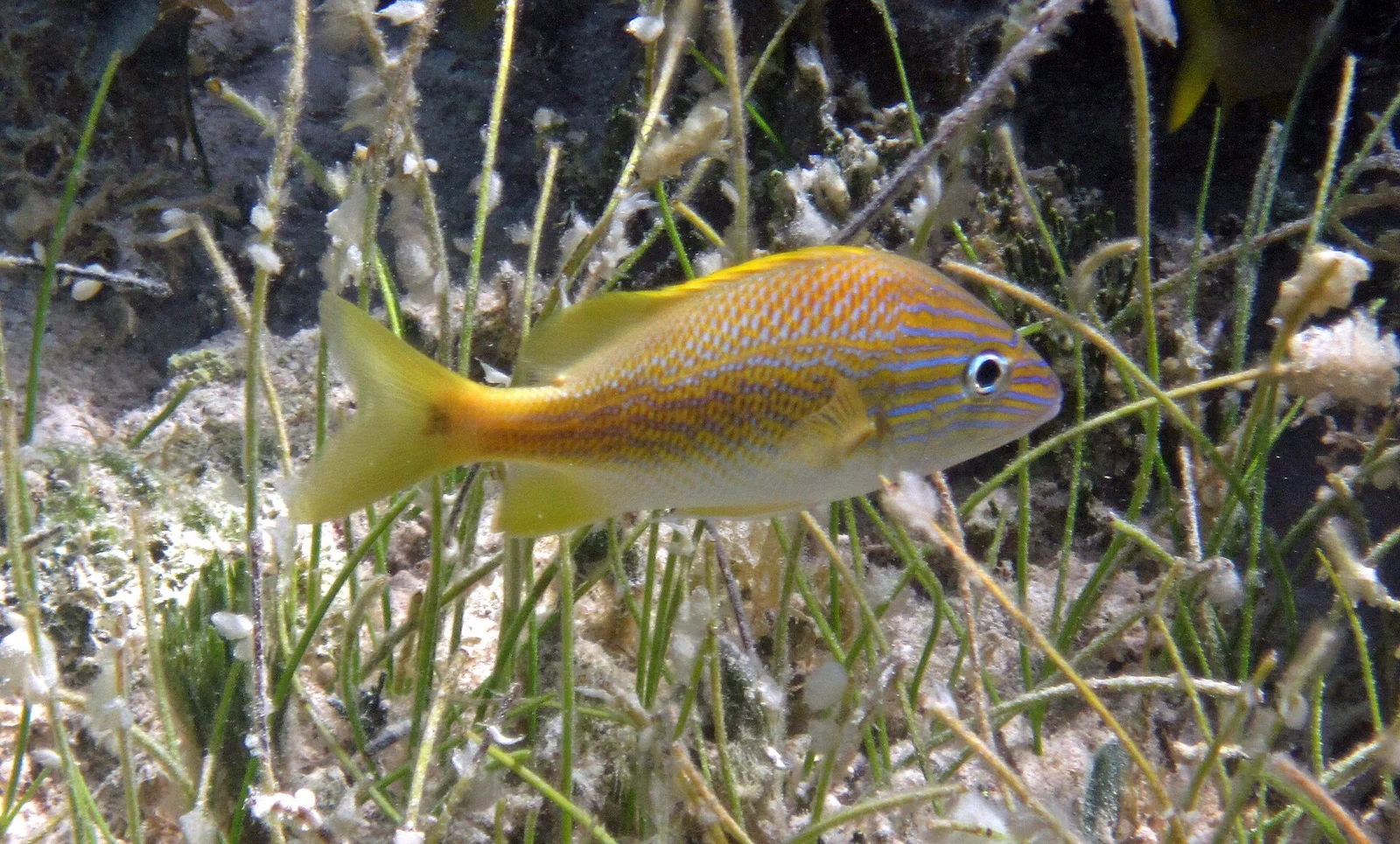
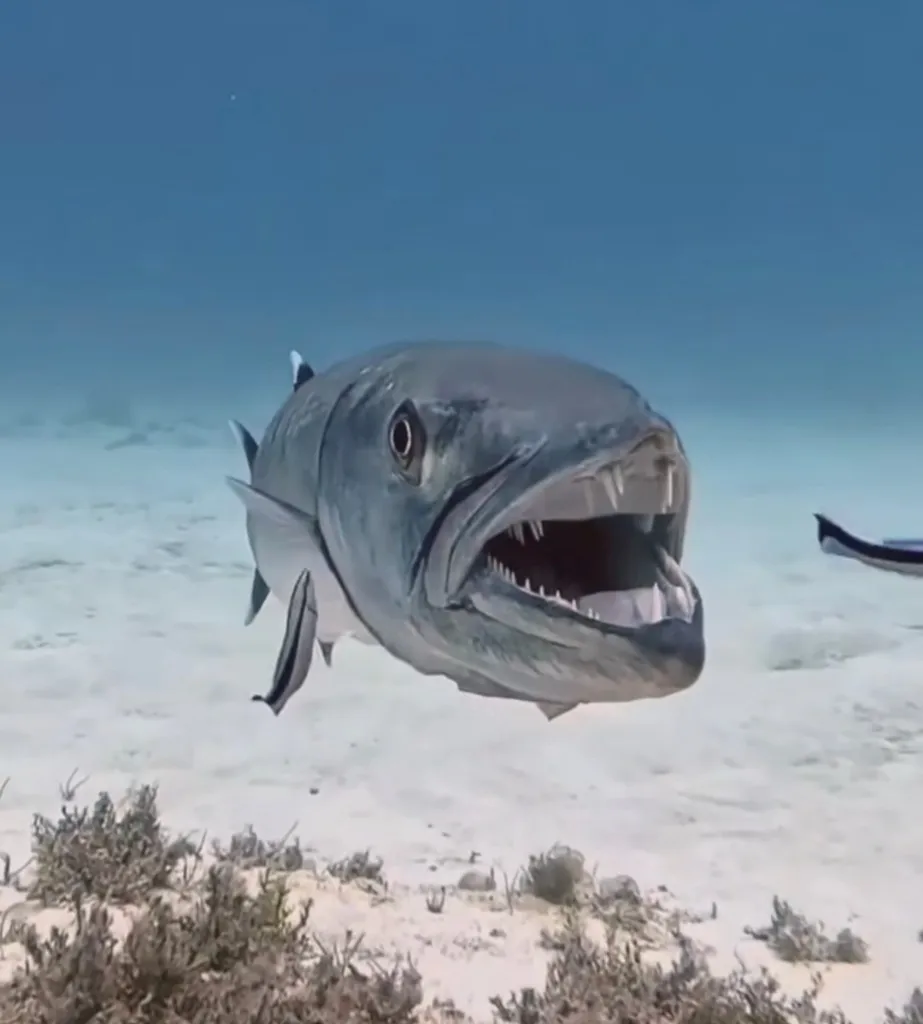
Nothing defines El Cabrón quite like its signature wall of bastard grunts (roncadores): thousands of silver-gold fish hang in dense, stationary ribbons over the sand off the southern cliff face alongside striped seabream, red mullet, and white trevally. Overhead, yellowmouth barracuda, greater amberjack, and Atlantic bonito slice through clouds of bogues and damselfish.
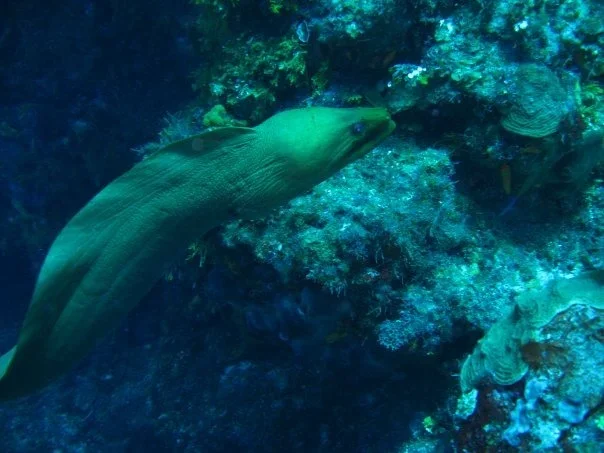
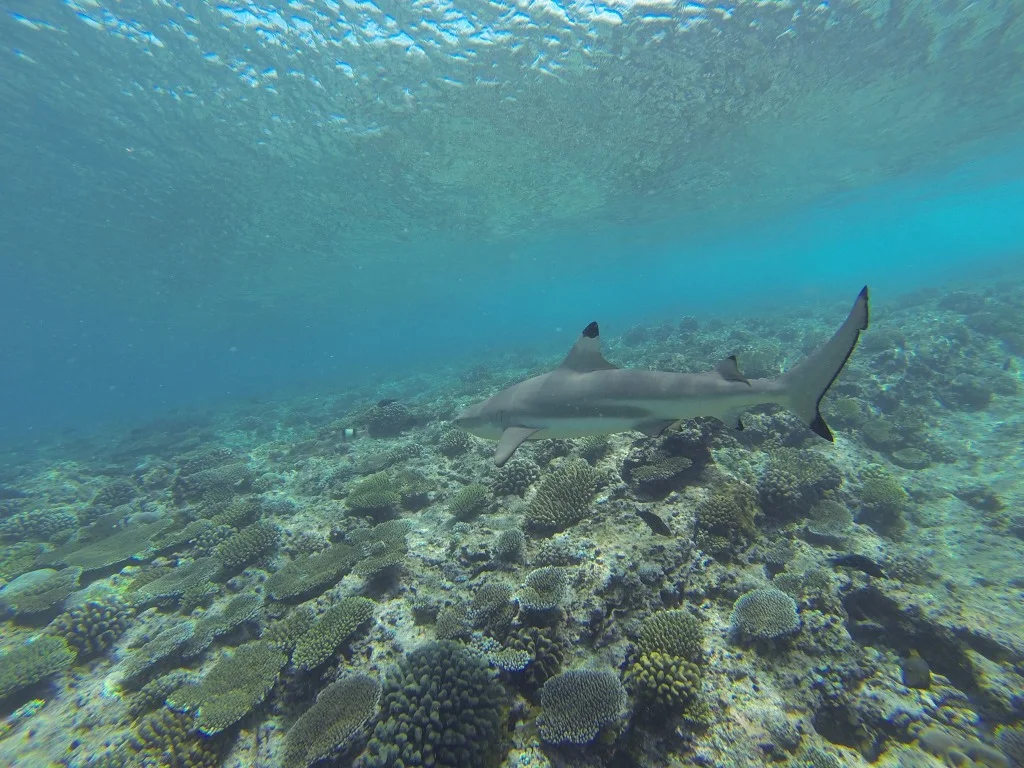
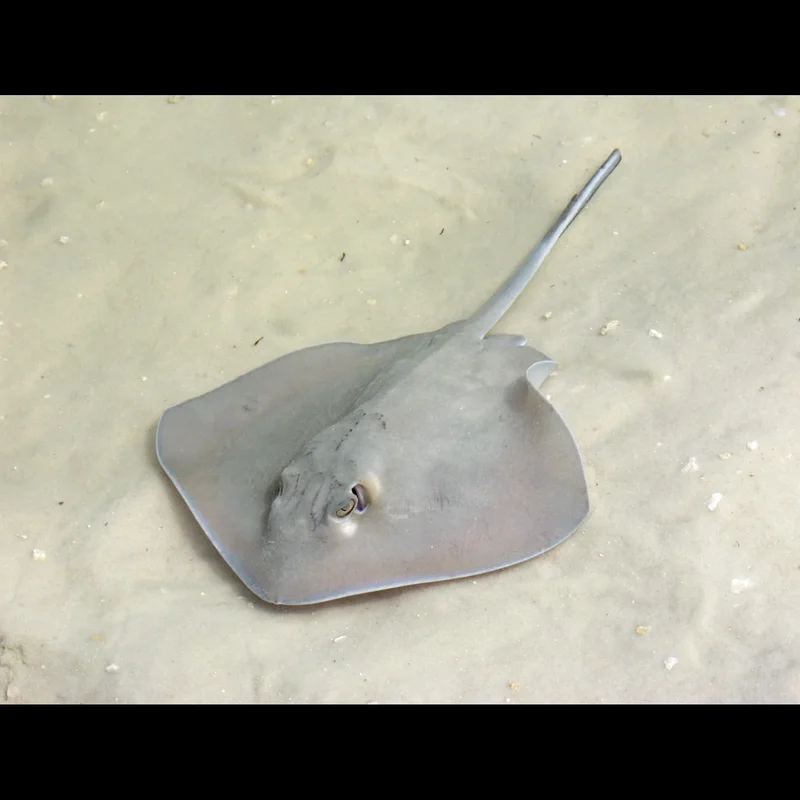
Shaded caverns at the base of the drop-off shelter black drum, rare bearded brotulas, ruby-red glasseyes, fangtooth tiger morays, and Canary slipper lobsters, while island groupers, barred hogfish, angelsharks, spiny butterfly rays, and round stingrays patrol the reef-to-sand border.
1 / 2
Image contributors:James St. John, Wrtiii3644 at English Wikipedia + 1 more
Want to contribute photos or local dive knowledge? Learn how to contributeDive Sites Near El Cabrón
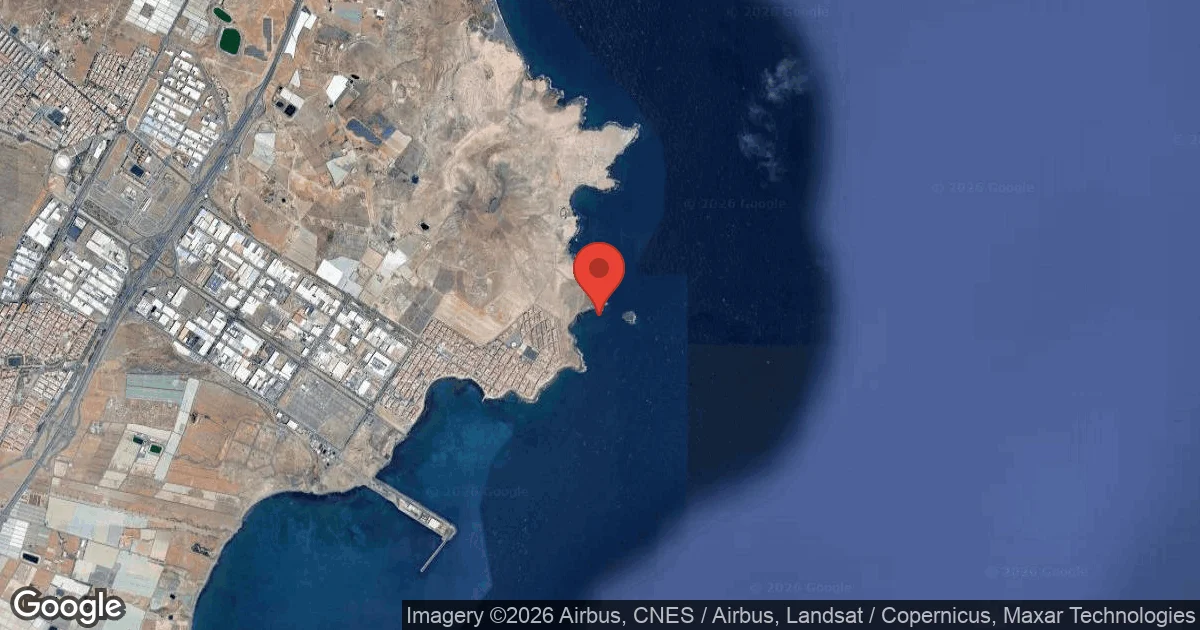
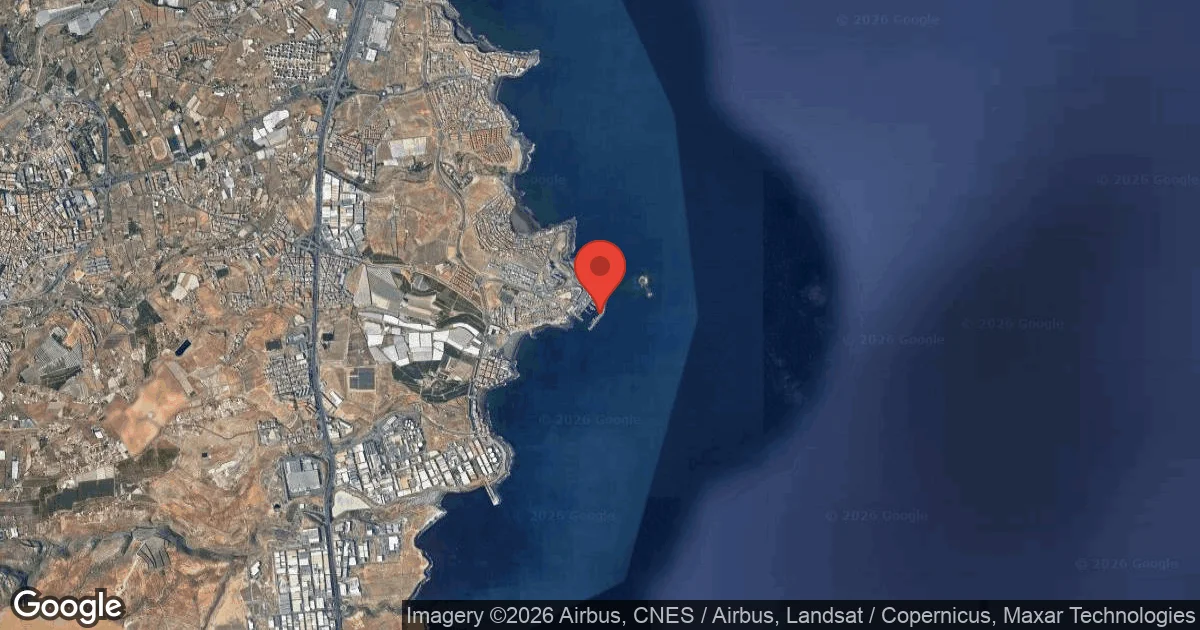
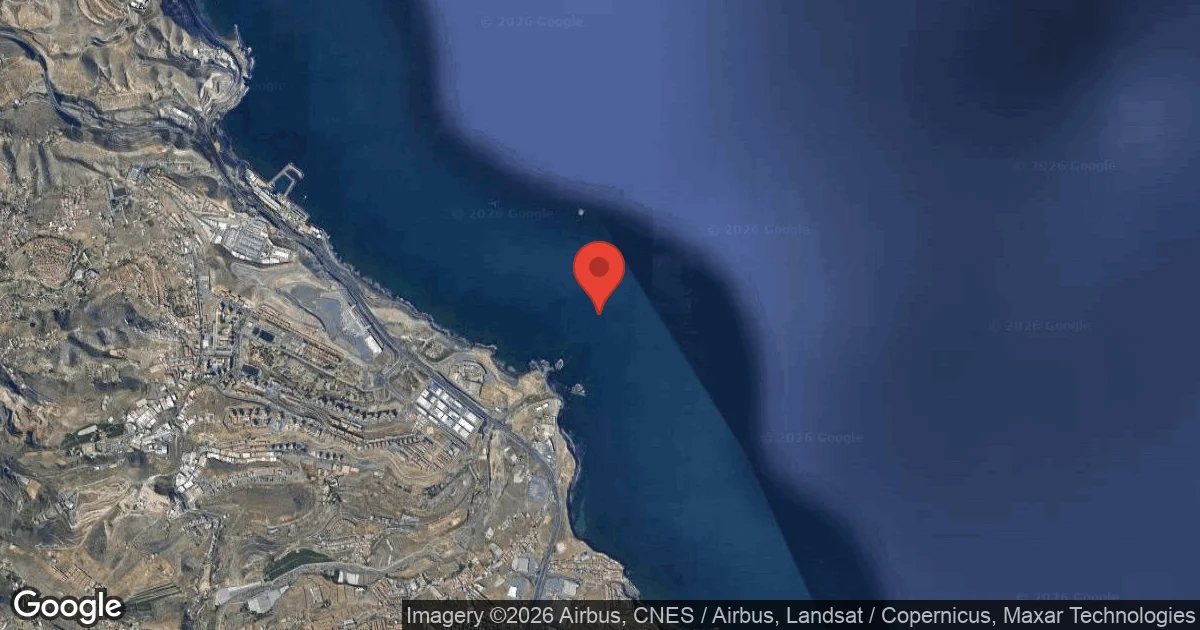
View all dive sites in SpainDiscover more underwater gems in this area.
Dive Centers Near El Cabrón
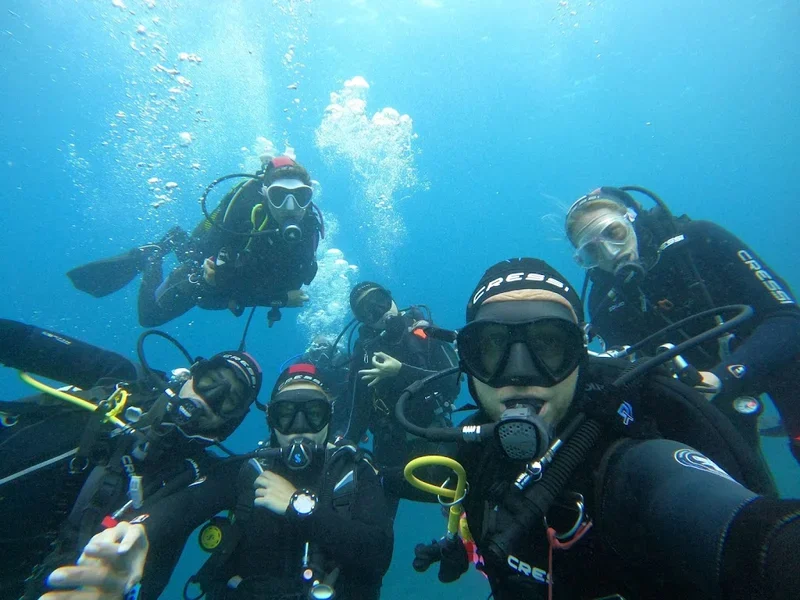
Working Hours
SunClosed
Mon09:00 - 18:00
Tue09:00 - 18:00
Wed09:00 - 18:00
Thu09:00 - 18:00
Fri09:00 - 18:00
SatClosed
Today: 09:00 - 18:00
SunClosed
Mon09:00 - 18:00
Tue09:00 - 18:00
Wed09:00 - 18:00
Thu09:00 - 18:00
Fri09:00 - 18:00
SatClosed
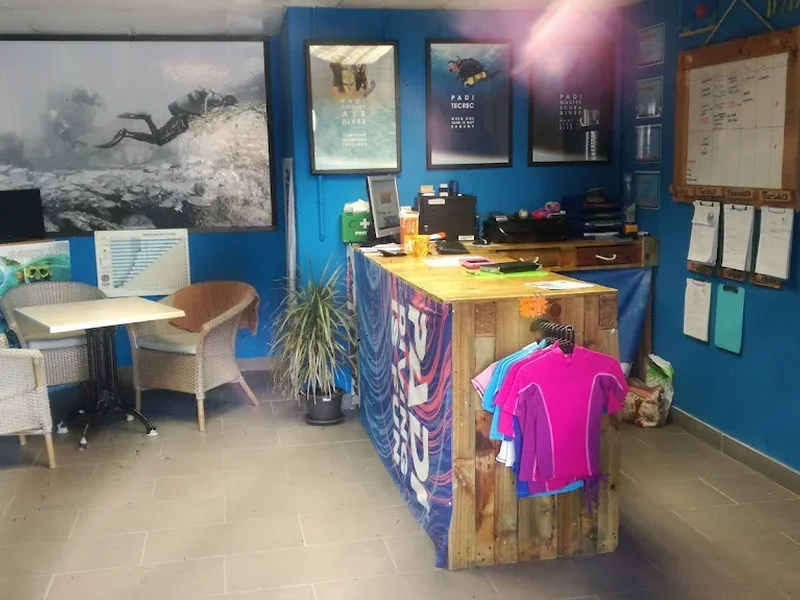
4.9| 449 reviews
34.1 km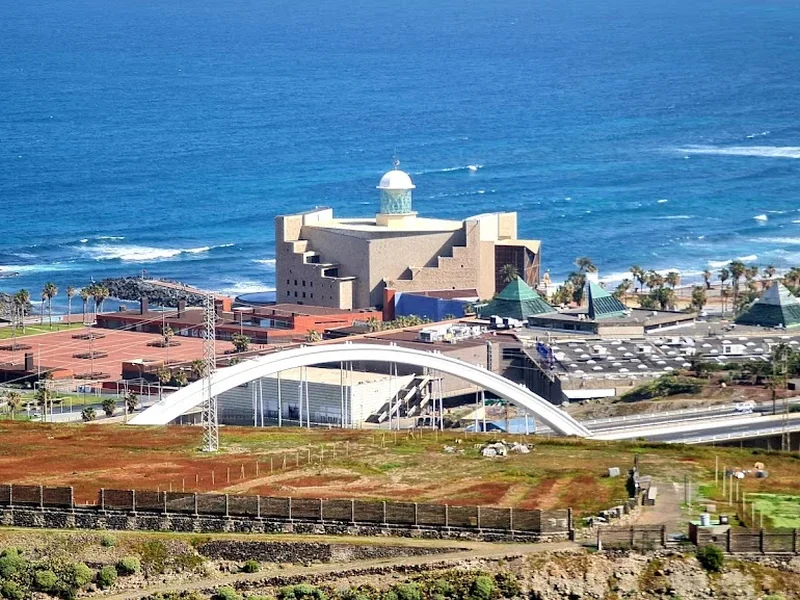
4.7| 500 reviews
36.9 kmNearest Airports
Nearest airports to help plan travel to this dive area.
Gran Canaria Airport LPA
7 km
Tenerife Norte-Ciudad de La Laguna Airport TFN
116 km
Tenerife Sur Airport TFS
119 km
💵 Currency: EUR
Search Flights
Check available flights and routes on Expedia, using the nearby airports listed in this section.
Search Flights on ExpediaAffiliate link · Dive Navigator may earn a commission at no extra cost to you.
Frequently Asked Questions
Why is El Cabrón considered Gran Canaria's top shore dive?
It combines dramatic volcanic topography—vertical walls to 23 meters, natural rock arches, caves, and boulder fields—with exceptional Macaronesian fish biomass and frequent ray and angelshark encounters.
What makes the shore entry at El Cabrón challenging?
Divers gear up after driving an unpaved coastal track and enter through wave-carved volcanic rock channels where surge and low-tide ledges require careful footwork and local timing.
What certification level is recommended for El Cabrón?
Confident Open Water divers with at least 20 logged dives or Advanced Open Water divers thrive here, especially when accompanied by a guide familiar with the entry gullies.
How deep are the arches and caves at El Cabrón?
The upper volcanic terrace sits at 6 to 12 meters, while the basal caves, arches, and famous grunt-filled sand amphitheater lie between 18 and 23 meters (59 to 75 feet).
When is the best season to see angelsharks at El Cabrón?
Angelsharks can be spotted year-round, with highest numbers resting and mating on the sandy plain between November and April.
Can divers explore El Cabrón on multiple dives without repeating routes?
Easily—local dive guides run roughly ten distinct underwater routes radiating north, east, and south from several different rock entry points.
Trip Inquiry
Planning to dive El Cabrón?
Tell us your dates and diving needs. We'll review your request and seek offers from relevant local dive centers.
Request Dive Offers Free request for offers • No booking obligation
El Cabrón
Conditions are Moderate
6/10
Confidence: 8/10
Indicates meteorological model agreement and data availability.
DIVE WARNING
High Wind Advisory (42km/h). Unsafe surface.
06:12
18:45
H: 10:45
L: 16:20
Air / Sea Temp
21° / 23°
Wave Height
1.1 m
Wind Speed
42 km/h N
Rain Chance
0%
Current conditions near El Cabrón show 21° air, 23° sea temperature, 1.1 m waves, and 42 km/h wind. Forecast data is refreshed regularly to ensure accuracy.
Radius: ~12km
Updated: Nov 24, 2026, 05:52 local timeMARINE: OPEN-METEOWEATHER: YR.NO


