
Diving at Katana (Sri Lanka)
Katana offers a captivating underwater landscape, combining expansive sandy bottoms with intriguing rock formations. This site presents a gentle topography, ideal for exploring diverse habitats. Divers navigate between scattered rocky outcrops and open sandy areas. The varied structure supports both reef-dwelling species and those preferring substrate. It's a setting where geological features dictate the flow of exploration, inviting closer inspection of cracks and crevices, creating a subtly dynamic environment for underwater discovery.
Tonight's objective overview for Katana shows an air temperature of 28.5°C. The measured surface conditions include wave heights around 1.9 m. This environmental data is logged for the close of the day.
Dive Site Location & Key Facts
Dive Site Overview
An inviting dive environment awaits at Katana, often regarded as an excellent choice for divers seeking a relaxed and accessible experience. Elements of reef and ocean diving merge here, primarily over a vast sandy bottom, offering distinct and varied exploration opportunities.
Divers will find themselves descending into notably shallow waters, typically reaching a maximum depth of 5 meters / 18 feet. Such a shallow profile makes the site particularly well-suited for maximizing bottom time, allowing extensive exploration and ample opportunity to refine fundamental diving skills in a comfortable setting. Boat entry reliably facilitates access to Katana's primary points of interest, streamlining operations for dive groups and ensuring convenient transitions into the water.
Intriguing rock formations punctuate the underwater landscape, creating natural shelter and serving as essential hunting grounds for smaller marine creatures, inviting closer inspection. Expansive sandy areas are a significant draw, frequently providing opportunities to spot various species of rays gracefully gliding across the seafloor or burying themselves partially.
It's a notably calm setting, ideal for practicing precise buoyancy control or simply immersing oneself in the tranquil marine atmosphere without additional complexities of deep or strong current conditions. Interaction between these sandy zones and scattered rocky outcrops fosters a subtly diverse ecosystem, where patience often rewards keen observers.
An emphasis on leisurely observation and confident skill development defines the overall experience within this serene habitat.
Conditions are Poor
Optimal conditions expected
Current conditions near Katana show 29° air, 29° sea temperature, 1.8 m waves, and 36 km/h wind. Forecast data is refreshed regularly to ensure accuracy.
Best Time to Dive
Optimal diving conditions at Katana typically unfold from February through April, when the dive score rates as 'Good'. During these months, air temperatures are pleasantly warm, averaging around 27-29°C / 81-84°F, coinciding with some of the lowest reported rainfall, often less than 3mm per month. This period generally brings calmer sea states and less suspended particulate matter, which contributes positively to underwater visibility. While no consistently reported water temperature data exists, warmer air and reduced rainfall suggest comfortable surface conditions. Conversely, months from June through September are rated 'Poor' for diving, characterized by higher wave heights and stronger winds, which can significantly impact visibility and overall dive comfort. Remaining months fall into a 'Moderate' category, presenting a mixed bag of conditions where careful planning around daily weather forecasts becomes essential.
PEAK SEASON SCORE
Scores combine air & water temps, waves, wind & rainfall for overall conditions.
BEST MONTHS TO DIVE
Monthly records compiled from satellite and marine observation nodes over the last 3 years. Data provided by Open-Meteo and MET Norway.
Dive Experience & Conditions
Upon descending into Katana's waters, divers will find themselves in a relatively shallow environment, staying within the site's maximum limit. Immediate experience involves transitioning from the boat directly into a sandy bottom interspersed with rock formations. Expect gentle currents most of the time, allowing for a relaxed exploration pace. Underwater visibility varies depending on conditions, but during favorable periods, it allows for clear views of the site's distinct features: undulating sandy plains and darker, more intricate rock structures. These formations create natural navigation points and offer hideouts for various marine life. Calm conditions mean buoyancy control becomes a primary focus, especially when maneuvering close to the seabed to spot cryptic creatures.
Dive Difficulty & Safety Guidelines
Diving at Katana requires adherence to standard safe diving practices, even given its shallow maximum depth of 5 meters / 18 feet. While general hazards aren't consistently reported, always perform thorough buddy checks and plan your dive within your certification limits. Given the boat entry, proficient boat diving skills are beneficial.
Maintain good buoyancy control to avoid contact with the sandy bottom or fragile rock formations. Even in calmer waters, understanding and anticipating slight currents is prudent.
Always carry a Delayed Surface Marker Buoy (DSMB) for surface visibility, especially when diving from a boat. Familiarizing yourself with local conditions through a reputable dive operator is always advised to mitigate any minor challenges that might arise.
Recommended Equipment
- Dive Computer
- DSMB
This gear list is based on verified equipment signals for Katana, Sri Lanka. Always confirm final gear choices with your dive operator, guide, or liveaboard.
Recommended Dive Suit
Forecast trends indicate similar diving conditions over the next few days.
Many experienced divers would consider dive skin or rash guard an appropriate choice here. A hood or vest is suggested for sensitive divers due to surface winds.
Current dive conditions indicate that water temperatures around Katana are sitting at roughly 29°C (85°F). Surface air temperatures are resting at 29°C (84°F).
Emergency & Medical Support
Essential information to help you plan your dive trip to Katana.

Hyperbaric chambers are a critical part of dive safety infrastructure. Availability varies significantly by region, and not all dive areas have immediate access.
Before diving, it's recommended to:
- confirm nearest medical facilities
- check emergency procedures with local dive operators
- ensure dive insurance covers evacuation if required
Divers Alert Network
Diving emergency assistance available through DAN World.
+1-919-684-9111- 24/7 emergency hotline
- Diving medical assistance
- Evacuation coordination
Emergency contacts are provided for reference. Always verify local emergency services before diving.
Marine Life at Katana
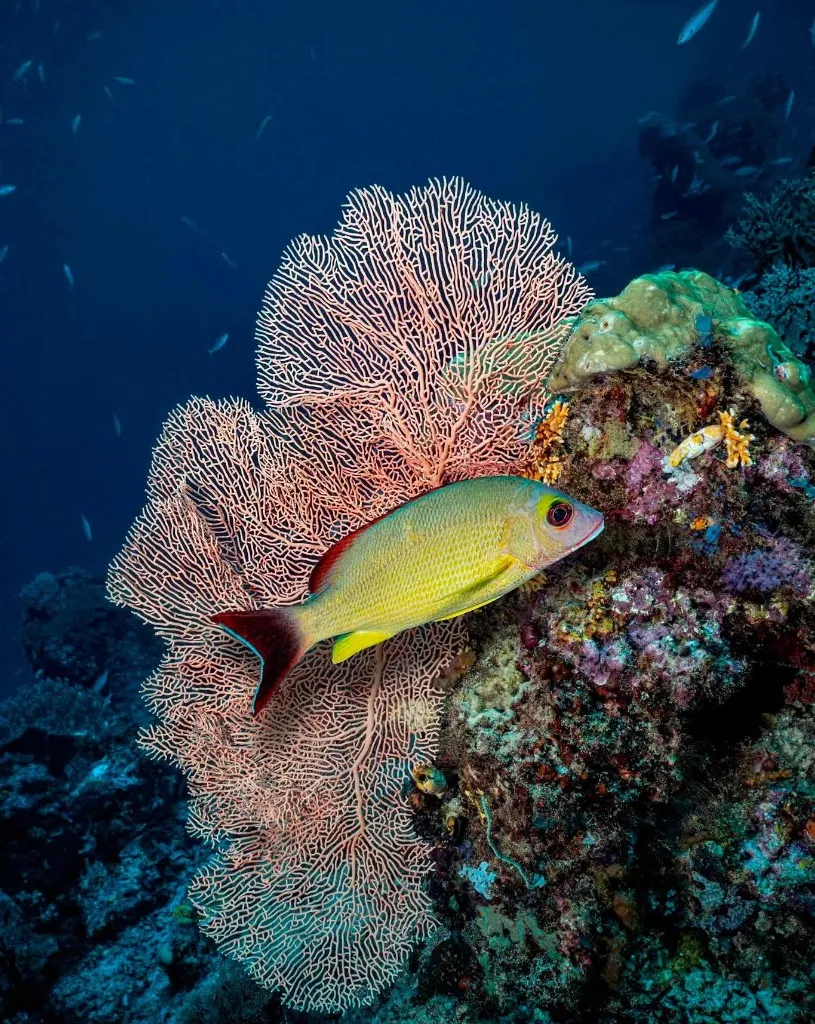
Exploring Katana, divers often first notice the variety of reef fish darting amongst the rock formations and the potential for larger encounters over the sandy expanses. Snappers are a common sight, often observed in small groups.
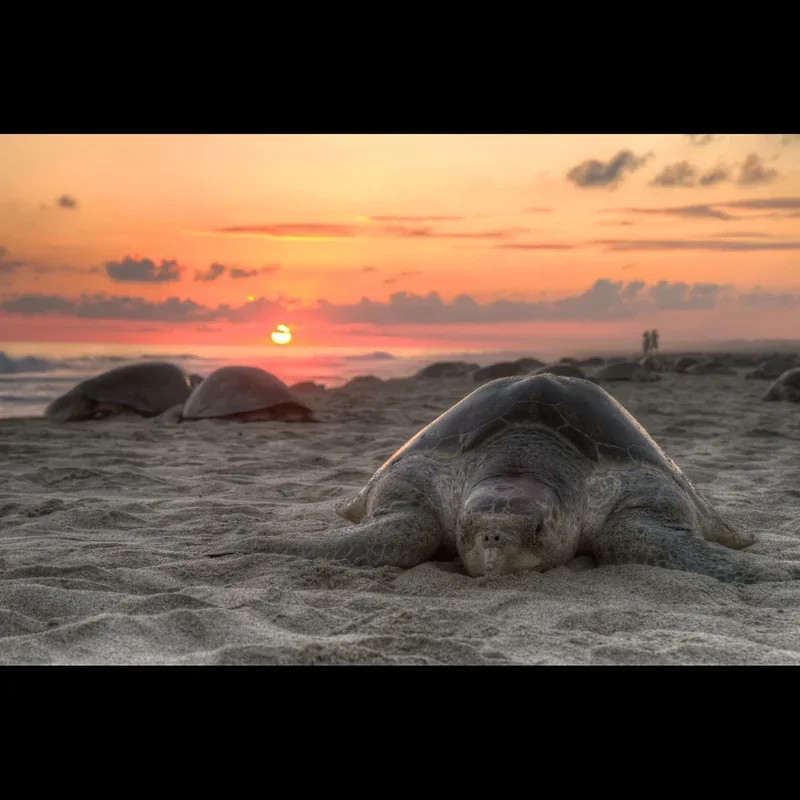
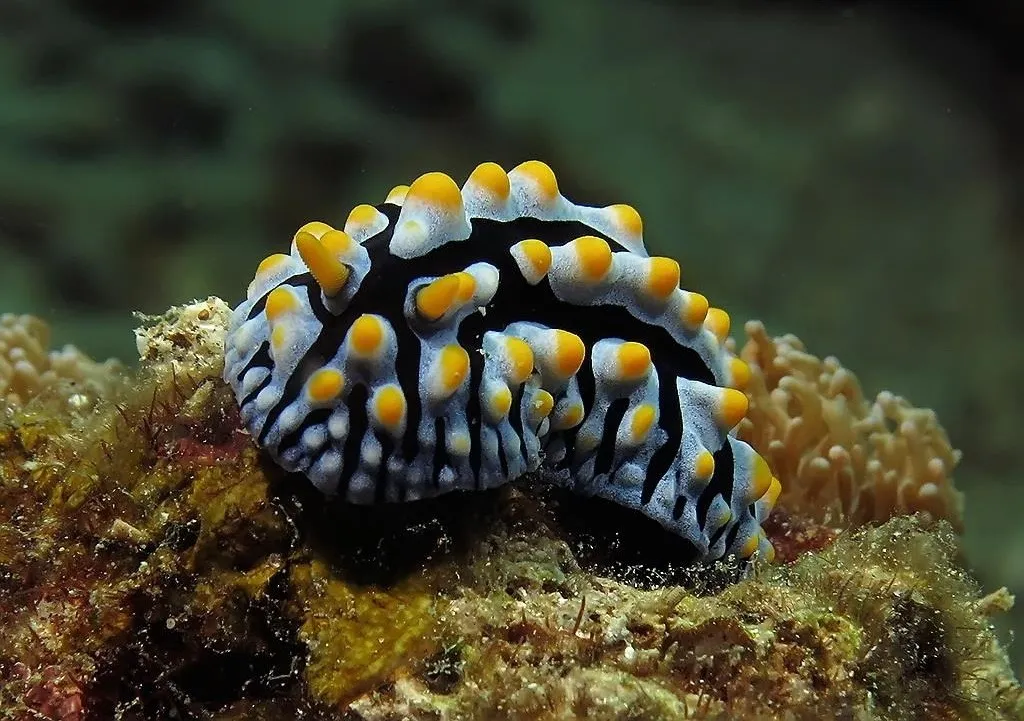
Keep an eye out for sea turtles gracefully moving through the water or resting on the seabed. Nudibranchs, with their vibrant colors, are frequently spotted near rocky crevices, requiring a keen eye.
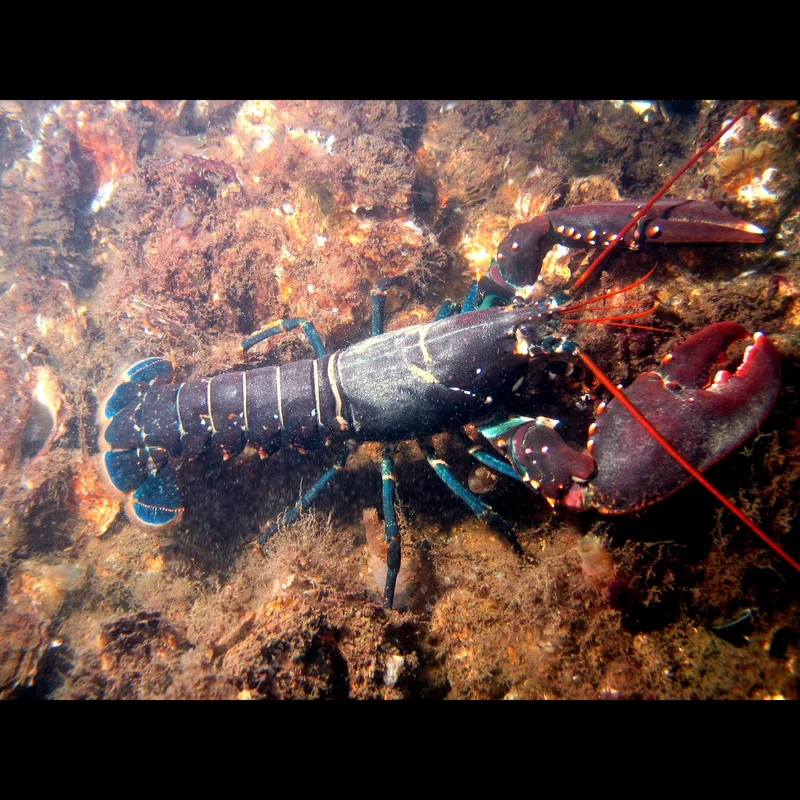
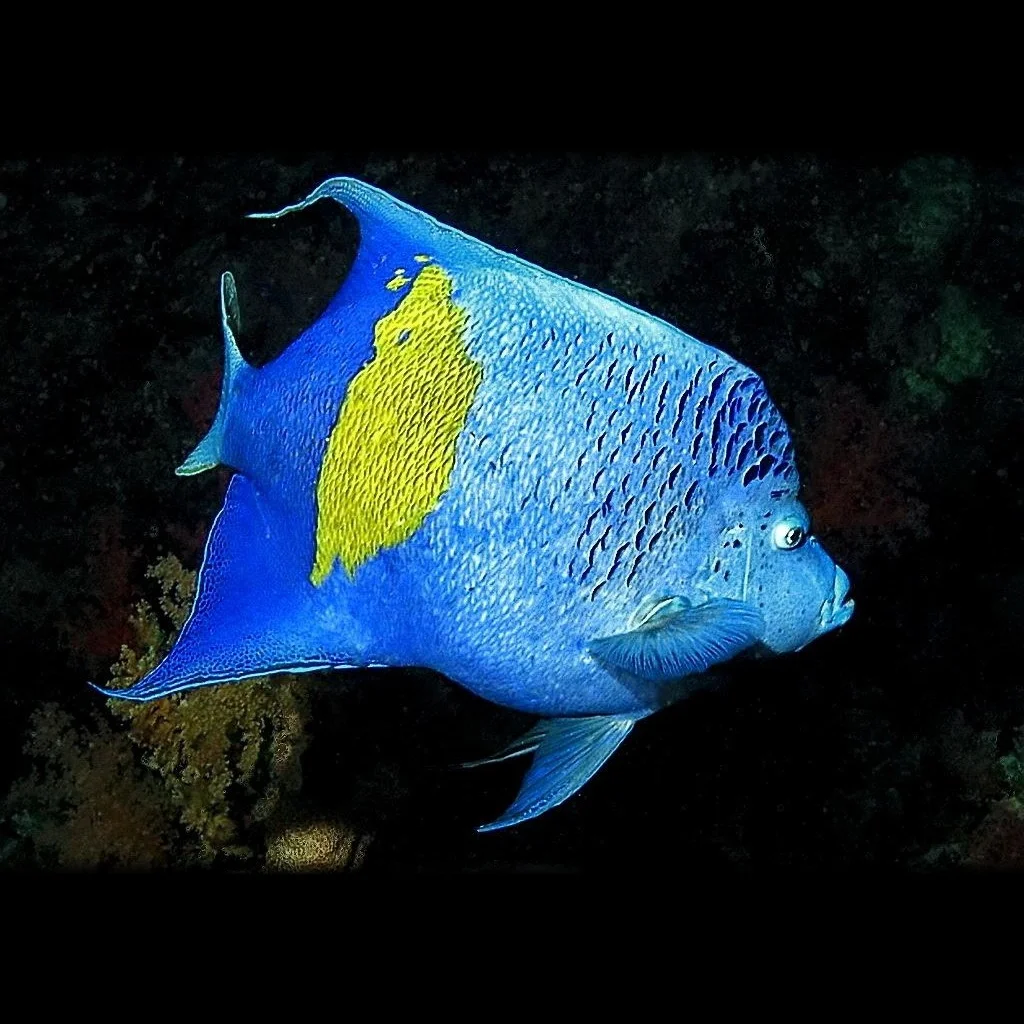
Lobster might be glimpsed in their hideaways. Angelfish add splashes of color against the coral and rock.
Dive Centers Near Katana
No Dive Centers Local To Katana
Are you a dive center visiting this location? Get listed to reach divers.
Nearest Airports
Nearest airports to help plan travel to this dive area.
Search Flights
Check available flights and routes on Expedia, using the nearby airports listed in this section.
Search Flights on ExpediaFrequently Asked Questions
What is the maximum depth at Katana?
The maximum depth reported for diving at Katana is 5 meters, which is approximately 18 feet. This shallow profile makes it a comfortable site for divers of various experience levels.
What types of diving can be done at Katana?
Katana offers a combination of reef, sandy bottom, and ocean diving experiences. The site features interesting rock formations along with wide sandy areas to explore.
Is Katana suitable for beginner divers?
Yes, Katana is considered a great spot for beginner divers due to its shallow depth and generally calm conditions. It's an ideal location for practicing fundamental dive skills.
How do divers access the Katana dive site?
Entry to the dive site at Katana is typically done via boat. This allows for convenient access to the various exploration points within the site.
What kind of marine life might I see at Katana?
Divers commonly encounter snapper, angelfish, and various reef fish. You might also spot sea turtles, lobster, and colorful nudibranchs among the rock formations.
When is the best time of year to dive at Katana?
The optimal period for diving is generally from February through April. These months offer 'Good' dive conditions with warmer air temperatures and minimal rainfall, contributing to better visibility.
Are there any specific PADI courses recommended for Katana?
Courses like PADI Open Water Diver, PADI Discover Scuba Diving, and PADI Advanced Open Water Diver are highly relevant. PADI Boat Diver, Underwater Naturalist, and Fish Identification also enhance the experience at this site.
Planning to dive Katana?
Send one inquiry and receive offers directly from the best verified local dive operators.
Conditions are Poor
Optimal conditions expected
Current conditions near Katana show 29° air, 29° sea temperature, 1.8 m waves, and 36 km/h wind. Forecast data is refreshed regularly to ensure accuracy.