
Diving at Rock Wall (Sri Lanka)
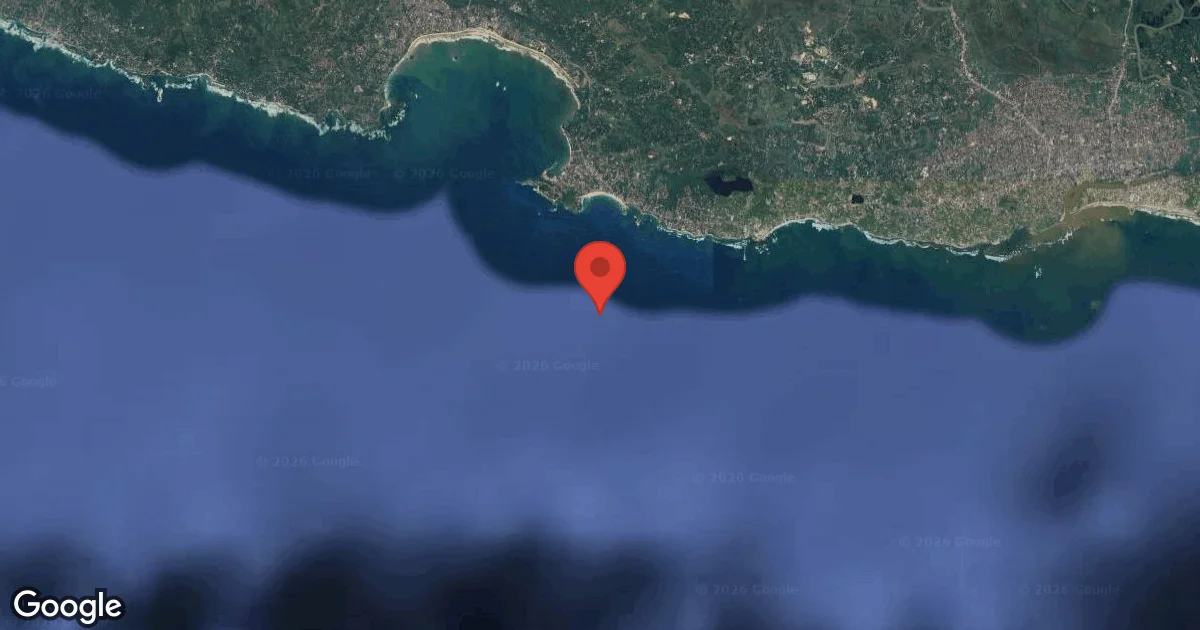
Rock Wall, situated off Matara, presents a dynamic underwater route defined by impressive rock boulders. Divers can navigate and explore these distinct geological formations, which create an intricate reef system. This site provides an engaging experience for those keen to discover the varied marine habitats of southern Sri Lanka, making it an accessible and rewarding dive.
Tonight's objective overview for Rock Wall shows an air temperature of 28.5°C. The measured surface conditions include wave heights around 2.1 m. This environmental data is logged for the close of the day.
Dive Site Location & Key Facts
Dive Site Overview
Sri Lanka, historically a vital waypoint on the ancient Silk Road, has long held significance both above and below its waters. Known as the 'Pearl of the Indian Ocean,' the island offers a diverse underwater landscape, from historic wrecks to vibrant reef systems, caves, and dramatic offshore features.
Rock Wall contributes to this reputation as a prominent rocky reef, characterized by massive boulders that create numerous swim-throughs and exploratory opportunities. While many of Sri Lanka's dive sites are approached from small boats, typically involving a 10 to 45-minute journey, Rock Wall promises a truly engaging experience for divers. It exemplifies the island's commitment to protecting its marine environments, with efforts by local divers contributing to ocean conservation.
Average visibility here is consistently reported between 25-30 meters (80-100 feet), allowing for clear views of the site's structural complexity and inhabitants.
Conditions are Poor
High Swell Advisory. Not recommended.
Current conditions near Rock Wall show 29° air, 28° sea temperature, 2.6 m waves, and 35 km/h wind. Forecast data is refreshed regularly to ensure accuracy.
Best Time to Dive
Planning a dive at Rock Wall is best aligned with the dry season, maximizing both comfort and underwater visibility. Conditions are generally most favorable from December through April, when the 'Good' dive score indicates optimal conditions. During these months, average air temperatures comfortably sit around 25-27°C (77-81°F). Rainfall is minimal, with averages typically below 7-8 mm, ensuring clearer surface conditions. Wave heights remain manageable, usually around 1.2-1.4 meters (4-4.6 feet), which contributes to smoother boat rides and easier entry and exit from the water. Conversely, the period from May to September often experiences 'Poor' dive scores due to increased rain and higher wave activity, impacting overall dive quality.
PEAK SEASON SCORE
Scores combine air & water temps, waves, wind & rainfall for overall conditions.
BEST MONTHS TO DIVE
Monthly records compiled from satellite and marine observation nodes over the last 3 years. Data provided by Open-Meteo and MET Norway.
Dive Experience & Conditions
The structural composition of Rock Wall primarily features massive rock boulders, inviting exploration through various nooks and crannies. Depths at this reef site typically range within recreational limits, often between 10 to 30 meters (33-100 feet), suitable for a wide range of certified divers. Water temperatures are quite consistent and inviting, averaging around 27-28°C (81-82°F) throughout the year. Visibility here is generally excellent, often reported between 25-30 meters (80-100 feet), which allows for expansive views of the rocky formations and marine inhabitants. While specific current reports for Rock Wall vary, many Sri Lankan sites can experience moderate or unpredictable currents, so it's wise to be prepared for dynamic water movement, particularly in deeper sections.
Dive Difficulty & Safety Guidelines
An expert tip for diving at Rock Wall involves maintaining situational awareness, especially concerning boat traffic and potential currents. While the site itself isn't explicitly noted for strong currents, other dive locations in Sri Lanka can feature unpredictable water movement, warranting careful planning with your dive guide. Ensure you're working with a reputable operator, as their local knowledge is invaluable for assessing daily conditions and selecting optimal entry and exit points.
Divers should always adhere to established safety protocols, including buddy system procedures and conservative dive profiles. Being prepared for varying conditions, even on a generally calm reef, enhances the overall safety and enjoyment of the dive.
Recommended Equipment
- Dive Computer
This gear list is based on verified equipment signals for Rock Wall, Sri Lanka. Always confirm final gear choices with your dive operator, guide, or liveaboard.
Recommended Dive Suit
With water temperatures around 28°C (83°F), many divers find a 2-3mm shorty or light wetsuit provides comfortable protection.
Being prepared with flexible exposure options is a common approach among experienced divers.
A modest cooling trend is expected in the upcoming forecast. Cooler days are ahead; you might want a warmer option for later in the week. A warmer option can provide additional comfort if conditions shift.
Emergency & Medical Support
Essential information to help you plan your dive trip to Rock Wall.

Hyperbaric chambers are a critical part of dive safety infrastructure. Availability varies significantly by region, and not all dive areas have immediate access.
Before diving, it's recommended to:
- confirm nearest medical facilities
- check emergency procedures with local dive operators
- ensure dive insurance covers evacuation if required
Divers Alert Network
Diving emergency assistance available through DAN World.
+1-919-684-9111- 24/7 emergency hotline
- Diving medical assistance
- Evacuation coordination
Emergency contacts are provided for reference. Always verify local emergency services before diving.
Marine Life at Rock Wall
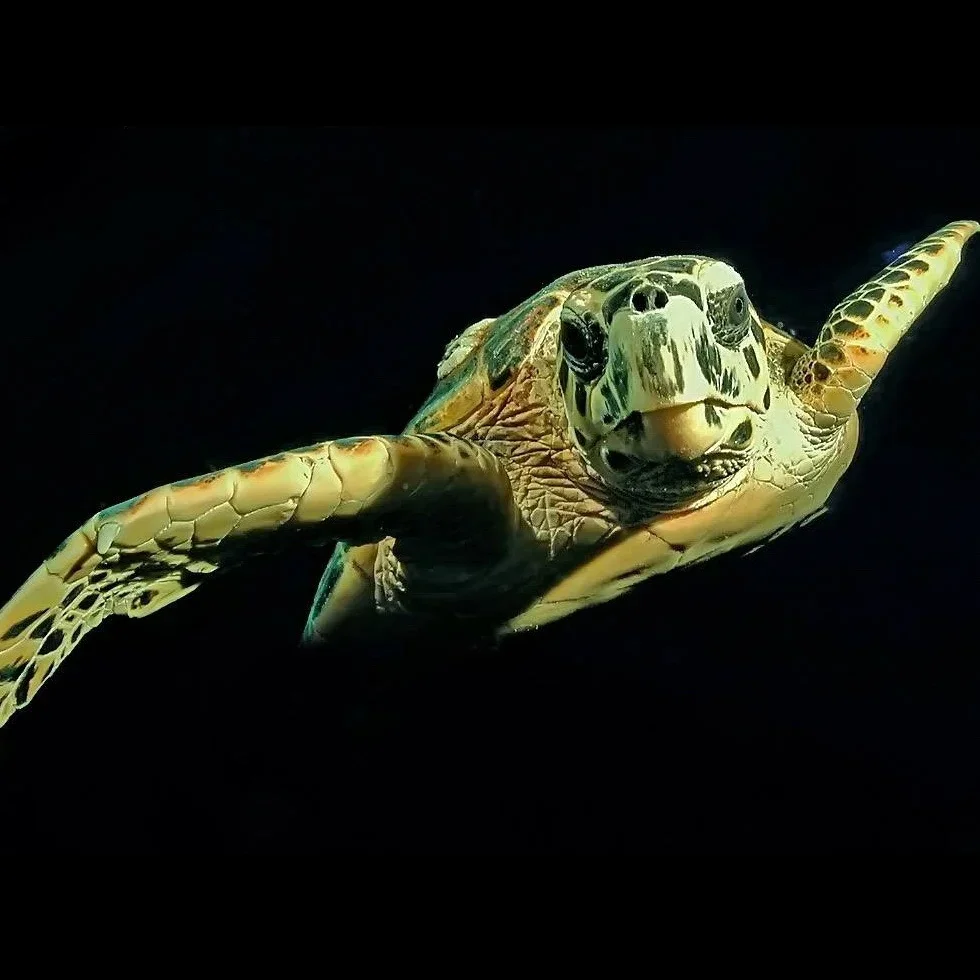
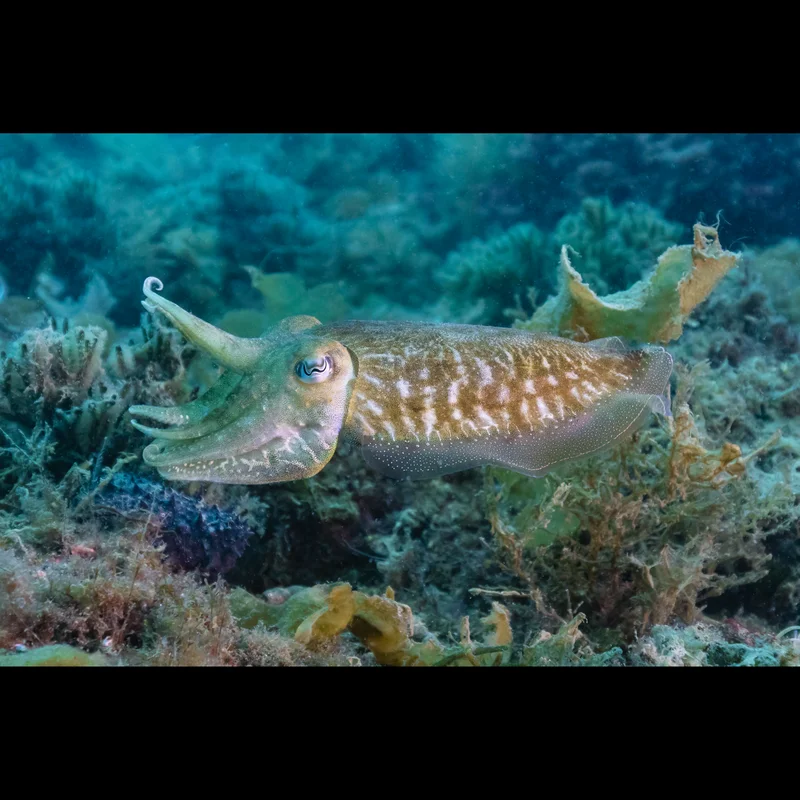
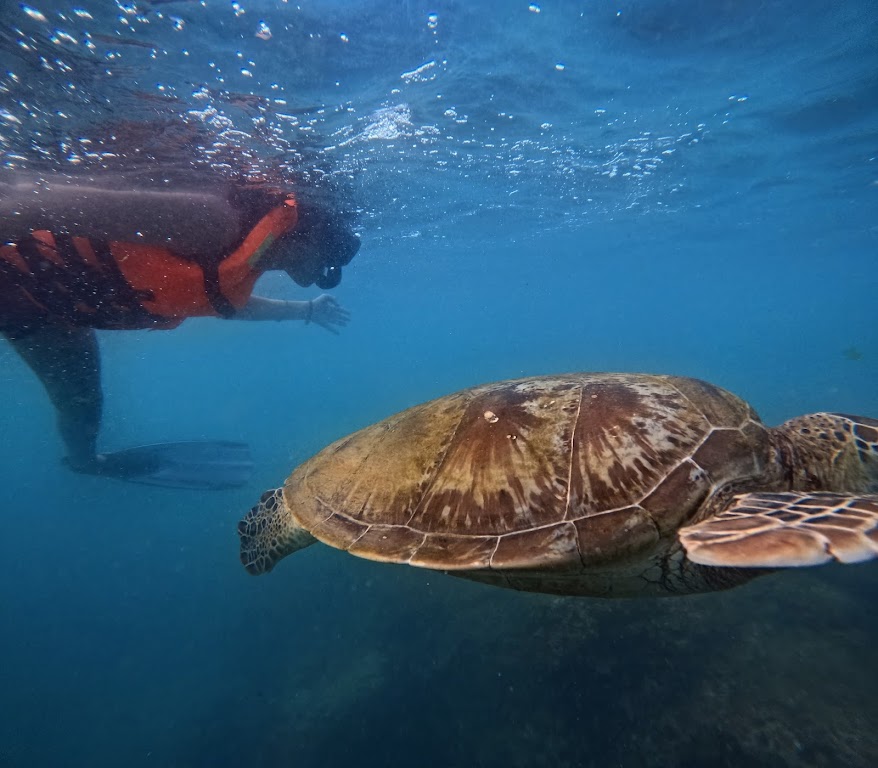
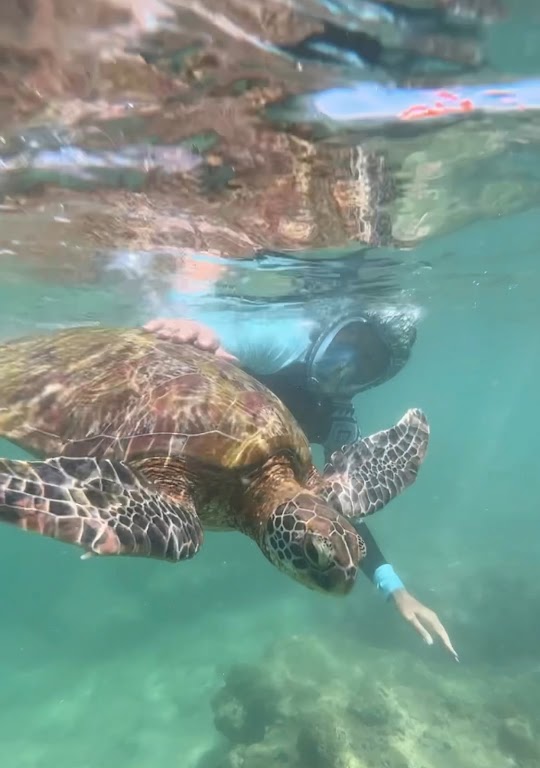
Rock Wall offers a reliable encounter with several notable species, most consistently visited by hawksbill turtles and cuttlefish. These engaging creatures navigate the reef's distinctive massive boulders, providing excellent photographic opportunities.
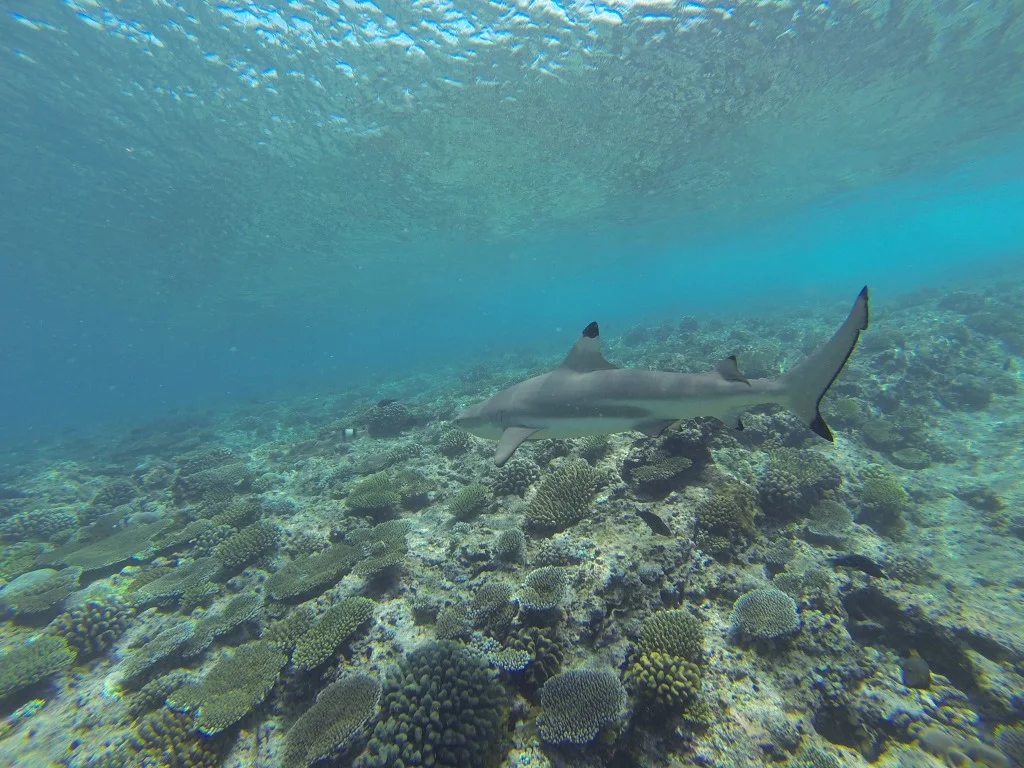
While the site primarily showcases reef-dwelling species, the broader Matara region, like other parts of Sri Lanka, sees occasional sightings of larger pelagics such as sharks, whales, and dolphins. You might also spot a variety of Indian Ocean reef fish navigating the rocky landscape, contributing to the site's vibrant ecosystem. The reef environment supports a diverse community, making each dive unique.
Dive Sites Near Rock Wall
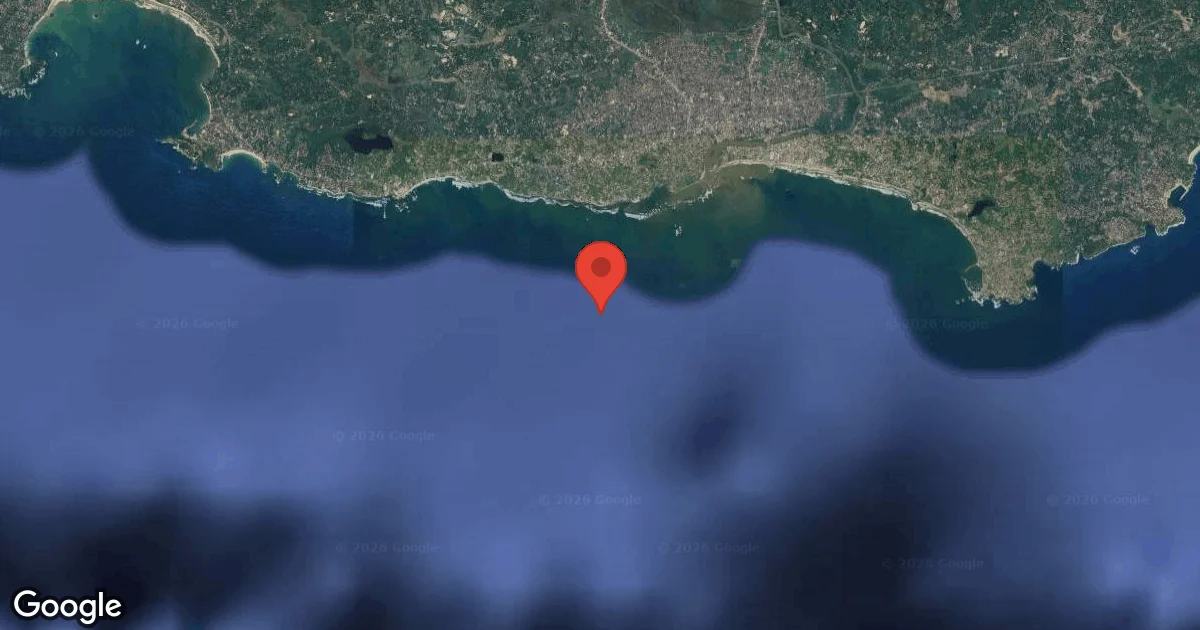
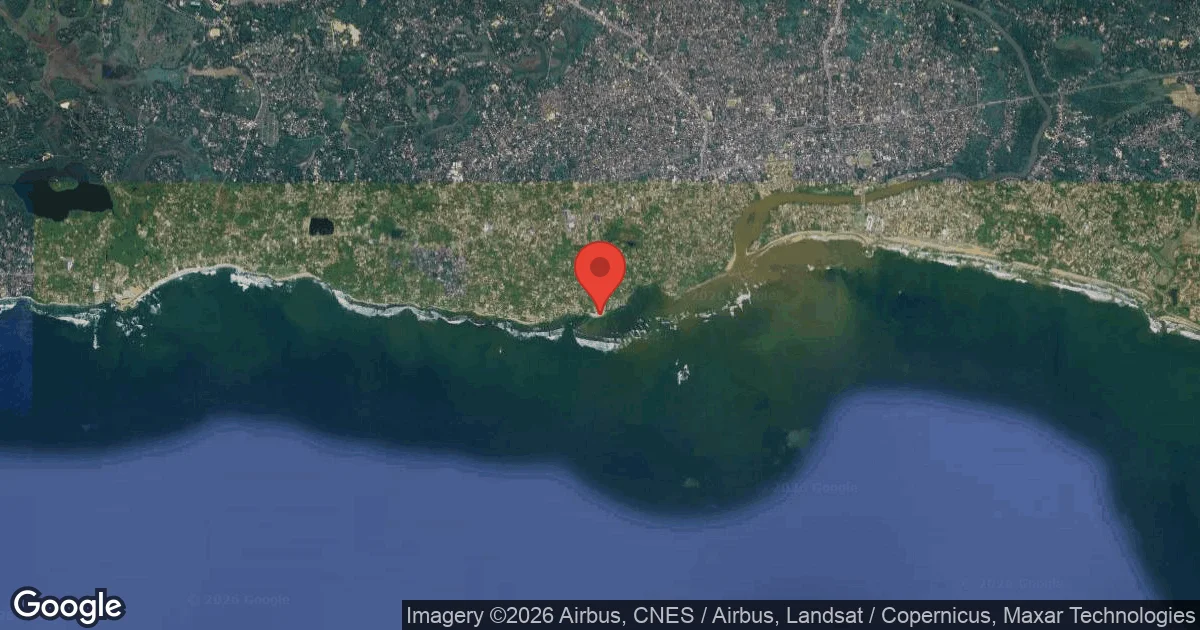
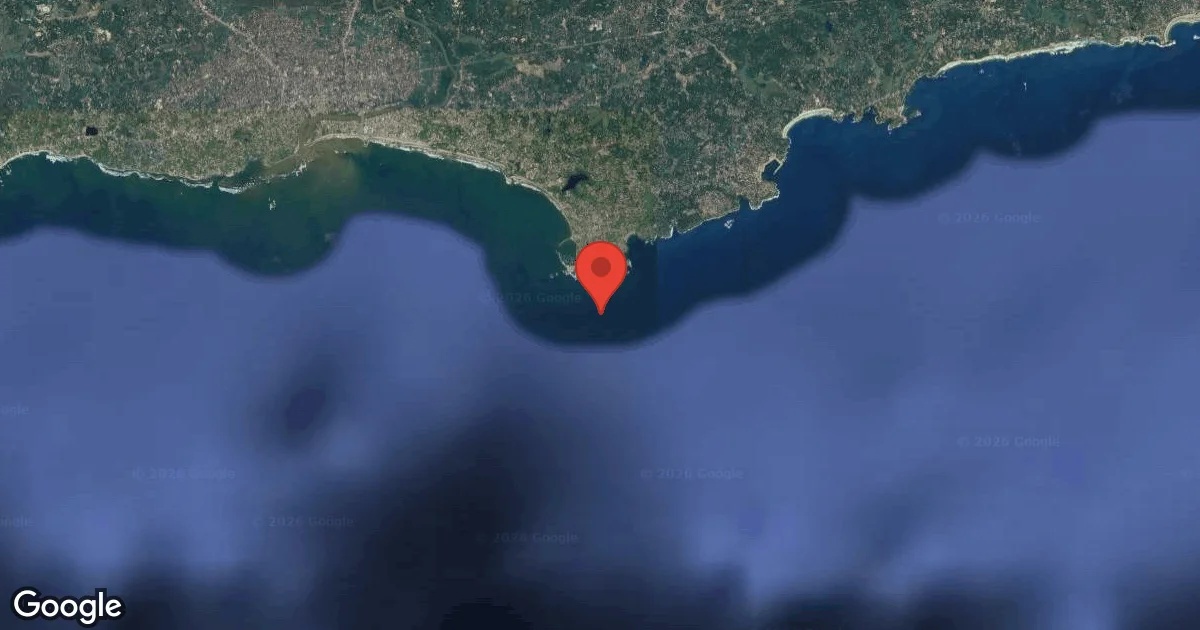
View all dive sites in Sri LankaDiscover more underwater gems in this area.
Dive Centers Near Rock Wall
Nearest Airports
Nearest airports to help plan travel to this dive area.
Search Flights
Check available flights and routes on Expedia, using the nearby airports listed in this section.
Search Flights on ExpediaFrequently Asked Questions
What marine life can I expect to see at Rock Wall?
Rock Wall is particularly known for frequent sightings of hawksbill turtles and cuttlefish. The site also supports a variety of reef fish. While less common, the wider area can offer glimpses of sharks, whales, and dolphins.
What is the typical depth range for diving at Rock Wall?
Dives at Rock Wall generally stay within recreational depths, typically ranging from 10 to 30 meters (33-100 feet). This makes the site suitable for divers with various certification levels.
How is the water temperature and visibility at Rock Wall?
You can expect comfortable water temperatures around 27-28°C (81-82°F). Visibility at Rock Wall is often excellent, typically between 25-30 meters (80-100 feet), providing clear views of the underwater landscape.
Are there any specific hazards to be aware of?
While Rock Wall itself doesn't have unique hazards, divers should be mindful of potential boat traffic in the area and be prepared for variable currents, which can occur at many Sri Lankan dive sites. Always dive with a reputable operator and follow your guide's instructions.
What makes Rock Wall a unique dive site?
Its most distinctive feature is the presence of massive rock boulders that form an intricate reef system, allowing for extensive exploration and swim-throughs. This geological structure creates a dynamic and engaging environment for divers.
Do I need any special certification for Rock Wall?
Given its recreational depth range, an Open Water Diver certification is generally sufficient to explore many parts of Rock Wall. However, advanced certifications can enhance your experience and comfort in varied conditions or deeper sections.
Planning to dive Rock Wall?
Send one inquiry and receive offers directly from the best verified local dive operators.
Conditions are Poor
High Swell Advisory. Not recommended.
Current conditions near Rock Wall show 29° air, 28° sea temperature, 2.6 m waves, and 35 km/h wind. Forecast data is refreshed regularly to ensure accuracy.