
Diving at Moray Point (Sri Lanka)
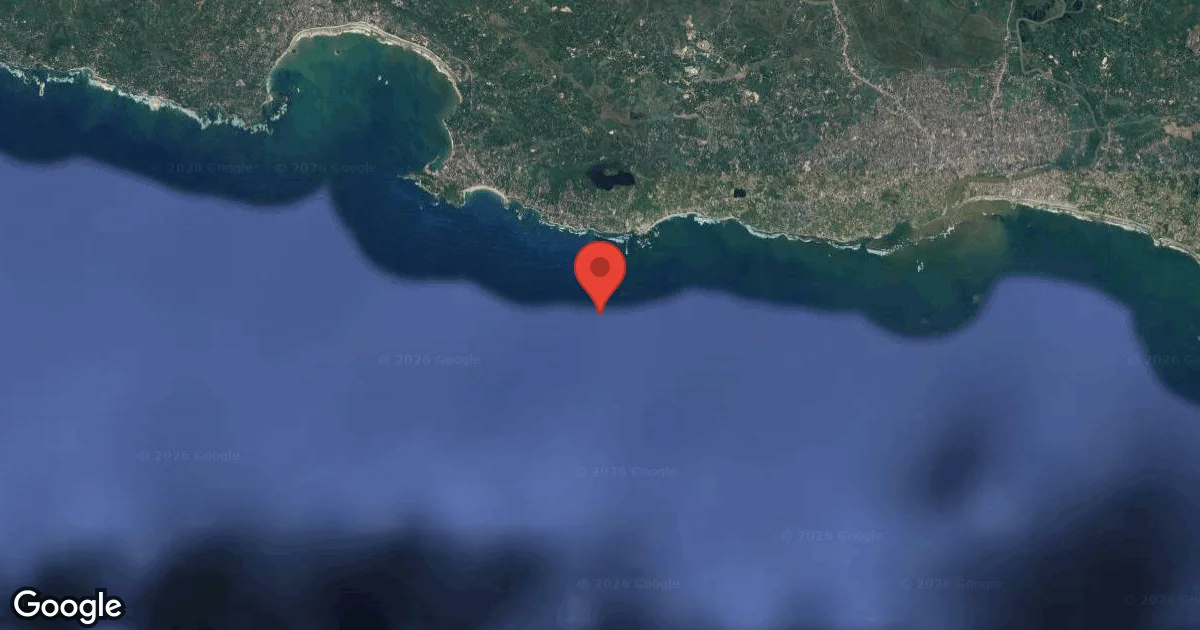
Moray Point offers a significant dive experience on Sri Lanka's south coast, particularly suited for those seeking a more challenging offshore reef. Accessed by boat from the Dondra–Matara area, it appeals to divers comfortable with deeper profiles. Its structure provides a compelling environment where the reef slopes, inviting exploration. This site promises a journey into a hard reef ecosystem with varied topography.
Tonight's objective overview for Moray Point shows an air temperature of 28.5°C. The measured surface conditions include wave heights around 2.1 m. This environmental data is logged for the close of the day.
Dive Site Location & Key Facts
Dive Site Overview
Moray Point presents itself as a significant deep offshore reef and pinnacle, distinguishing Sri Lanka’s south coast for advanced recreational divers. An extensive rocky reef ridge stretches for approximately 2 kilometers (1.2 miles), offering a substantial area for exploration by boat in settled weather.
It's generally approached as a sloping reef, initially around 14 m (46 ft) deep, which gradually steepens into deeper sections well beyond recreational limits. Hard reef topography defines the site, featuring numerous boulders and ledges that create ideal shaded pockets and overhangs. Such crevices are perfectly suited for morays and other crevice-dwelling species, offering a glimpse into their preferred habitats and providing shelter from currents.
Deeper sections of the reef's face reveal larger reef fish, particularly when visibility and current conditions align favorably. This environment demands a keen eye for detail and the ability to manage potentially varying conditions.
Dive operators frequently brief Moray Point as an advanced recreational dive. Rapid depth increases and the potential for changing swell and current conditions necessitate advanced diver skills and careful planning.
Current patterns can shift, sometimes requiring divers to adapt their trajectory or use negative entry techniques. Visibility typically ranges from 8 to 15 meters, which can influence the perceived scale and experience of the deeper sections.
Conditions are Poor
High Swell Advisory. Not recommended.
Current conditions near Moray Point show 29° air, 28° sea temperature, 2.6 m waves, and 35 km/h wind. Forecast data is refreshed regularly to ensure accuracy.
Best Time to Dive
For an optimal diving experience at Moray Point, the period from December through April typically offers the most favorable conditions. During these months, the dive scores are consistently rated "Good," reflecting a reduced likelihood of strong waves and challenging currents. Air temperatures remain warm, averaging between 25.5°C and 27°C (77.86-80.92°F), making surface intervals comfortable. Rainfall is also generally lower, contributing to better overall visibility. Wave heights average around 1.3 to 1.5 meters (4.3 to 4.9 ft) in this window, compared to the much higher waves seen from May to September. Conversely, May through September sees "Poor" dive scores, with significantly higher wave heights reaching averages of 2.0 to 2.3 meters (6.6 to 7.5 ft) and increased wind speeds up to 23.69 km/h (14.7 mph). October and November fall into a "Moderate" category, acting as transitional months with improving conditions. Planning your trip during the peak season helps ensure calmer waters suitable for this offshore site.
PEAK SEASON SCORE
Scores combine air & water temps, waves, wind & rainfall for overall conditions.
BEST MONTHS TO DIVE
Monthly records compiled from satellite and marine observation nodes over the last 3 years. Data provided by Open-Meteo and MET Norway.
Dive Experience & Conditions
Exploring Moray Point offers a journey across a gradually sloping reef that quickly gains significant depth. Divers will find the topography transitions from shallower sections to hard reef, marked by numerous boulders and intricate ledges. As one descends, the structure becomes more pronounced, providing a complex environment where specific marine life seeks refuge. The deeper face of the reef extends beyond 40 meters, making it primarily suitable for experienced recreational divers with appropriate certifications. Visibility often ranges from 8 to 15 meters. Currents can be unpredictable and are frequently a factor, requiring careful attention to dive planning and buoyancy control. Swell conditions also play a significant role, affecting the overall stability and ease of the dive, particularly when accessing the offshore site. Settled weather is crucial for both access and safe diving.
Dive Difficulty & Safety Guidelines
Moray Point's nature as a deep offshore reef necessitates specific safety considerations for divers. Dive operators commonly brief this as an advanced recreational dive; therefore, ensuring you possess the necessary experience and certifications for advanced depths is crucial. Conditions can change rapidly with swell and current, making diligent monitoring of weather reports essential before setting out.
Always dive with a reputable operator familiar with the site, as local knowledge of current patterns and boat traffic is invaluable. Excellent buoyancy control becomes particularly important where depth increases quickly and strong currents may be present.
Divers should plan their bottom time conservatively and manage gas supplies appropriately for deeper profiles.
Recommended Equipment
- Dive Computer
This gear list is based on verified equipment signals for Moray Point, Sri Lanka. Always confirm final gear choices with your dive operator, guide, or liveaboard.
Recommended Dive Suit
The coming days appear slightly cooler according to the latest forecast. Cooler days are ahead; you might want a warmer option for later in the week. Divers planning multiple dives may appreciate having a warmer option available.
Two divers in the same water temperature may experience very different comfort levels. Stronger winds may also make surface intervals feel cooler than usual.
Many divers find that 2-3mm shorty or light wetsuit offers the right level of insulation for conditions like these. Consider warmer surface protection (like a boat coat) due to brisk winds. Divers preparing to enter the water at Moray Point will likely find temperatures around 28°C (83°F) today. Surface air temperatures are resting at 29°C (83°F).
Emergency & Medical Support
Essential information to help you plan your dive trip to Moray Point.

Hyperbaric chambers are a critical part of dive safety infrastructure. Availability varies significantly by region, and not all dive areas have immediate access.
Before diving, it's recommended to:
- confirm nearest medical facilities
- check emergency procedures with local dive operators
- ensure dive insurance covers evacuation if required
Divers Alert Network
Diving emergency assistance available through DAN World.
+1-919-684-9111- 24/7 emergency hotline
- Diving medical assistance
- Evacuation coordination
Emergency contacts are provided for reference. Always verify local emergency services before diving.
Marine Life at Moray Point
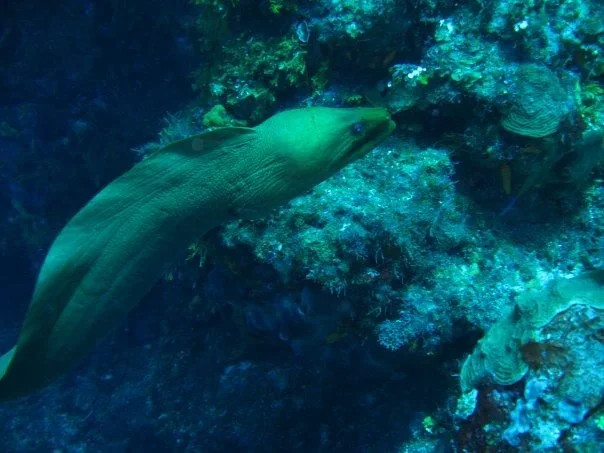
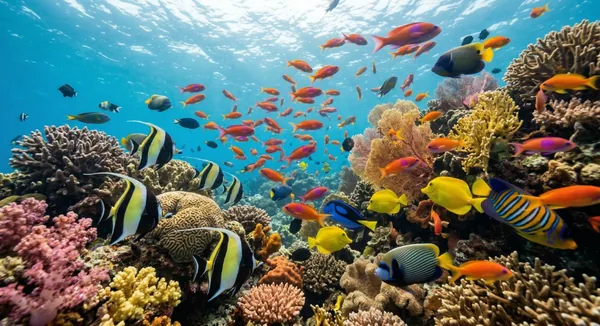
Life at Moray Point centers around its hard reef topography, especially the numerous boulders and ledges. These structures create shaded pockets that serve as excellent habitats for morays and other crevice-dwelling creatures.
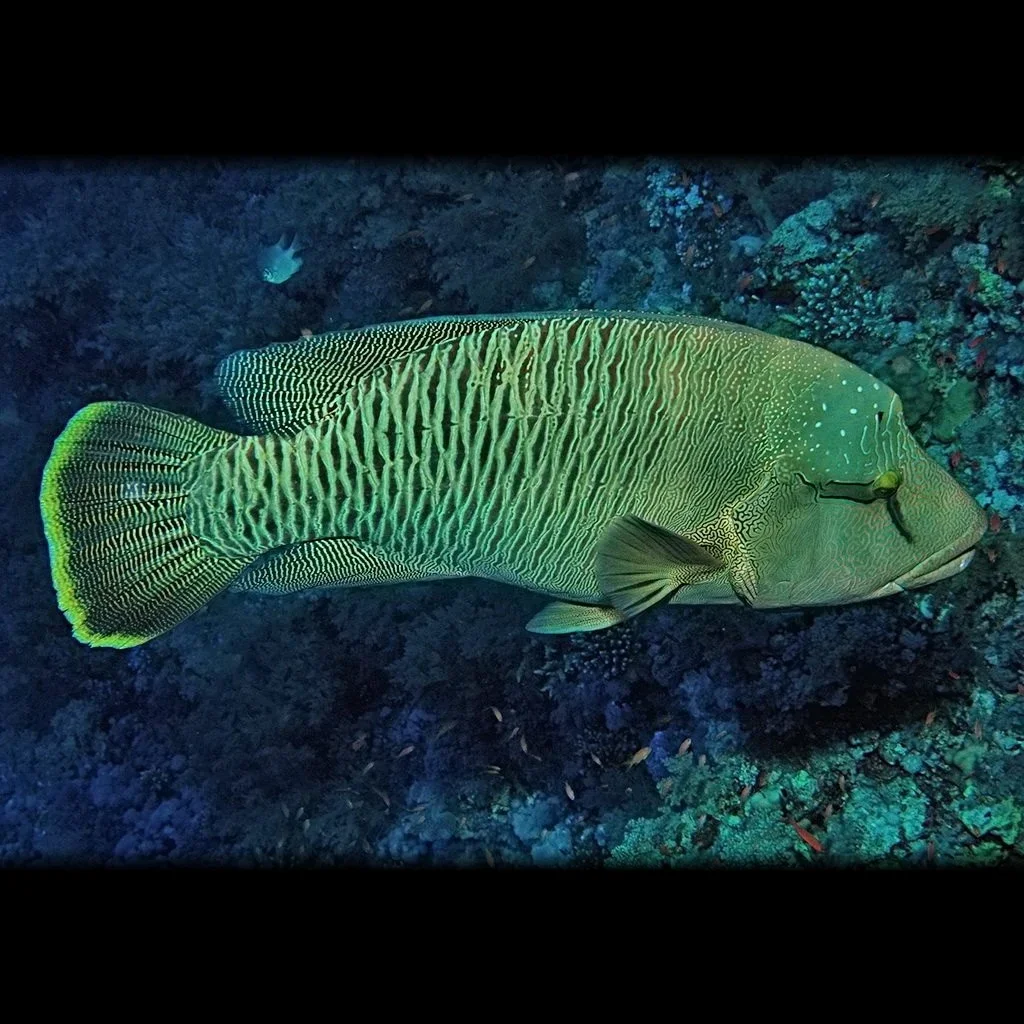
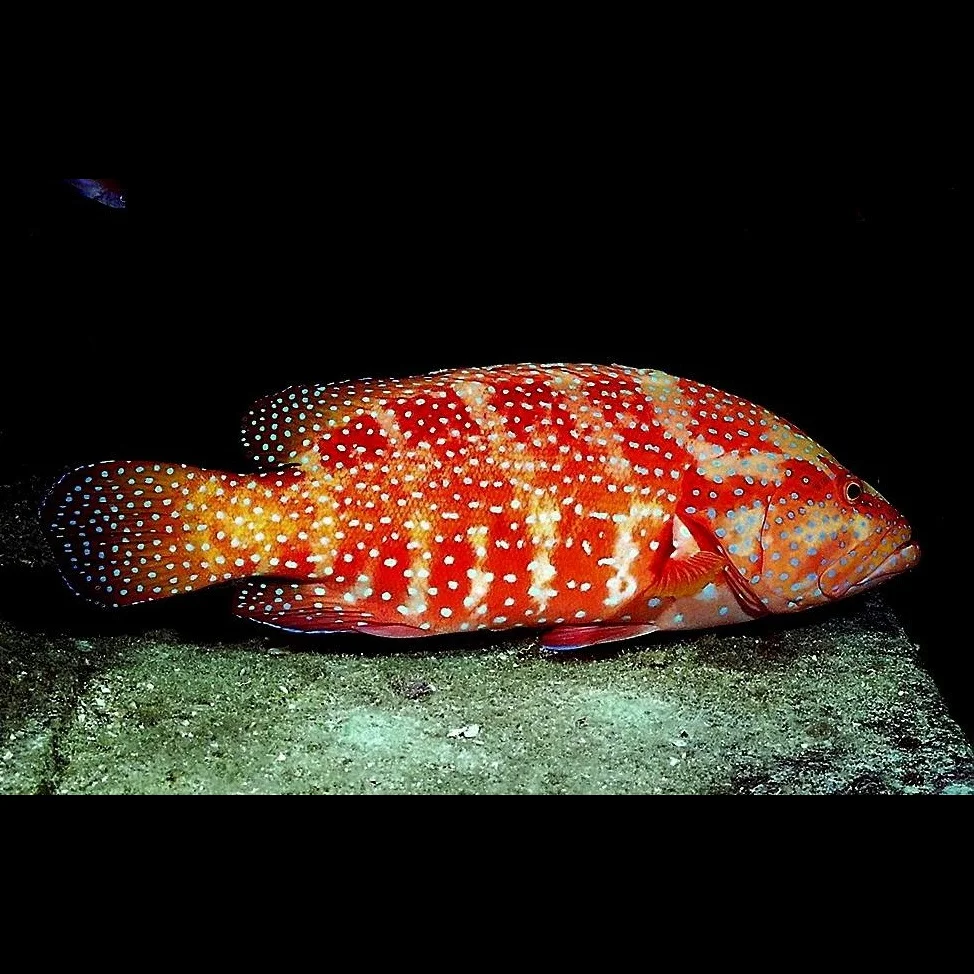
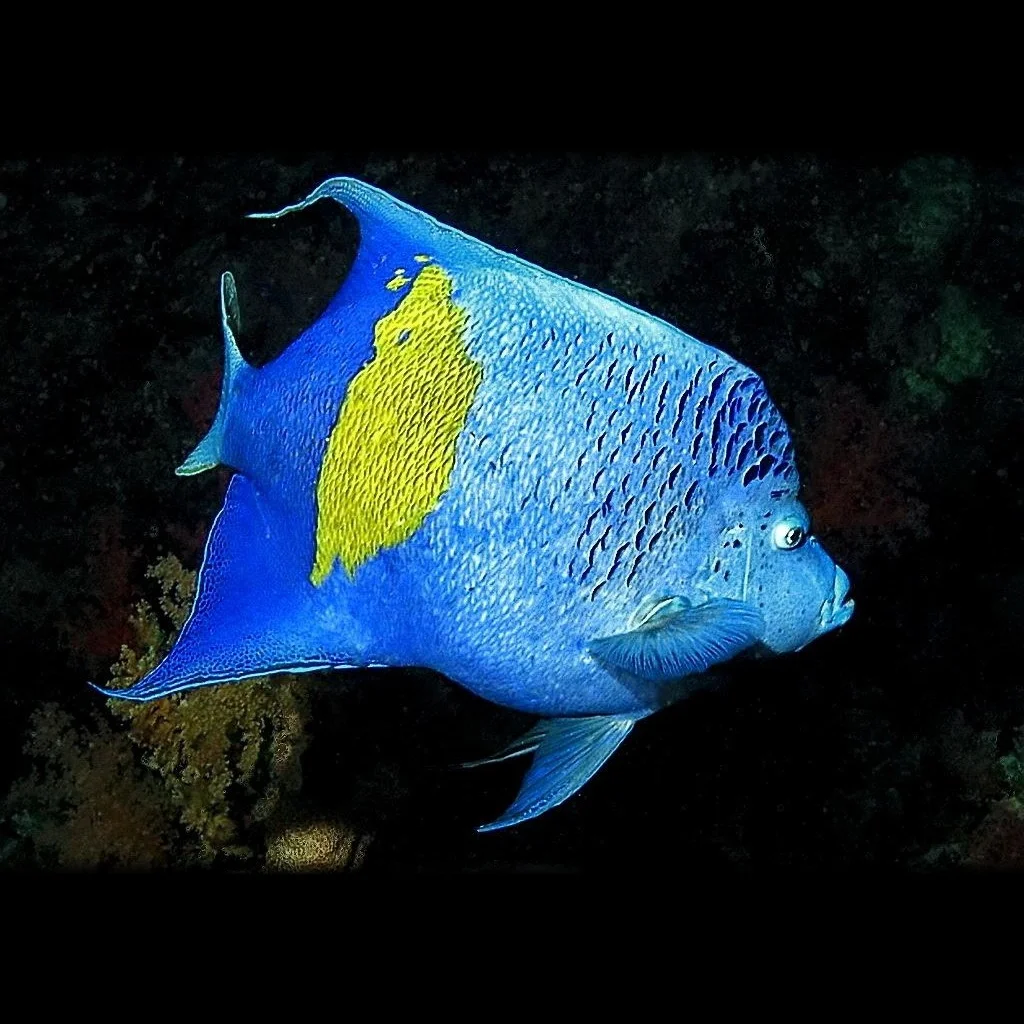
Divers frequently observe Titan Triggerfish, Blue-ringed Angelfish, and Oriental Sweetlips navigating the reef. Groups of Humphead Wrasses and Groupers can also be seen.
For those with a keen eye, the site reveals smaller critters such as dancing shrimps and harlequin shrimps, tucked away in the reef's intricate network. The deeper areas, when conditions allow, may attract larger reef fish.
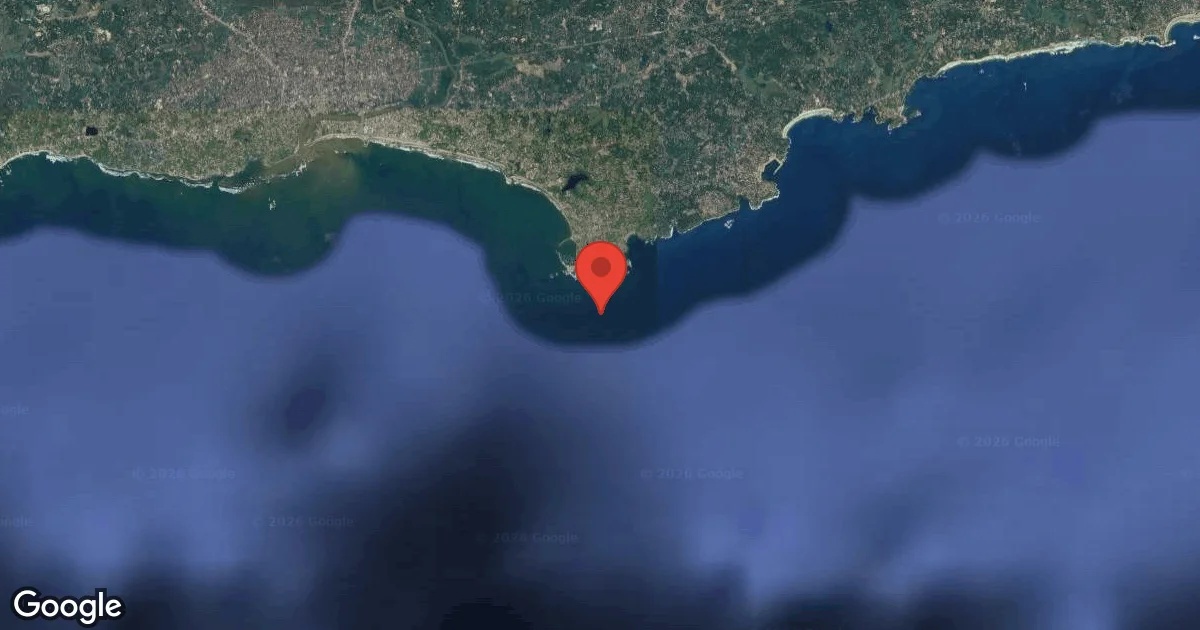
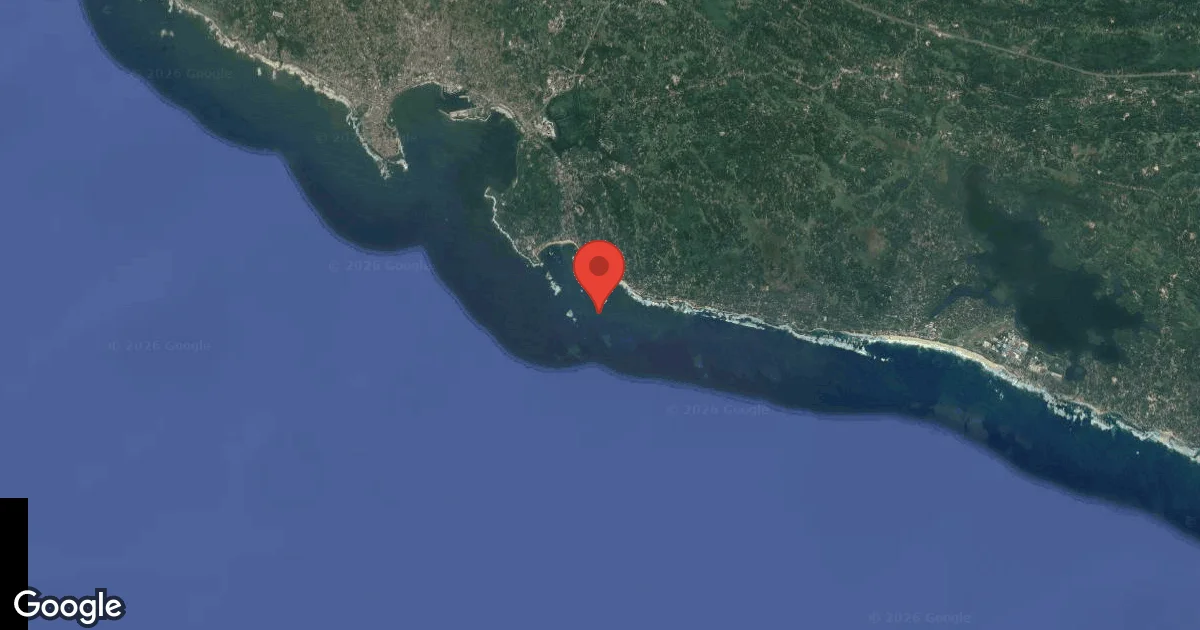
Dive Sites Near Moray Point
View all dive sites in Sri LankaDiscover more underwater gems in this area.
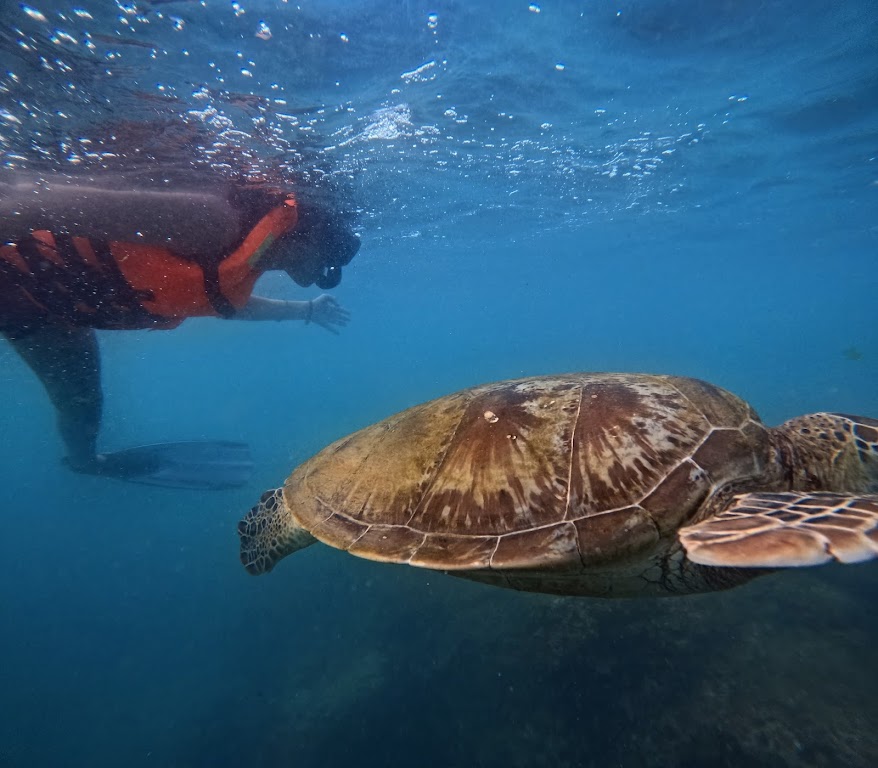
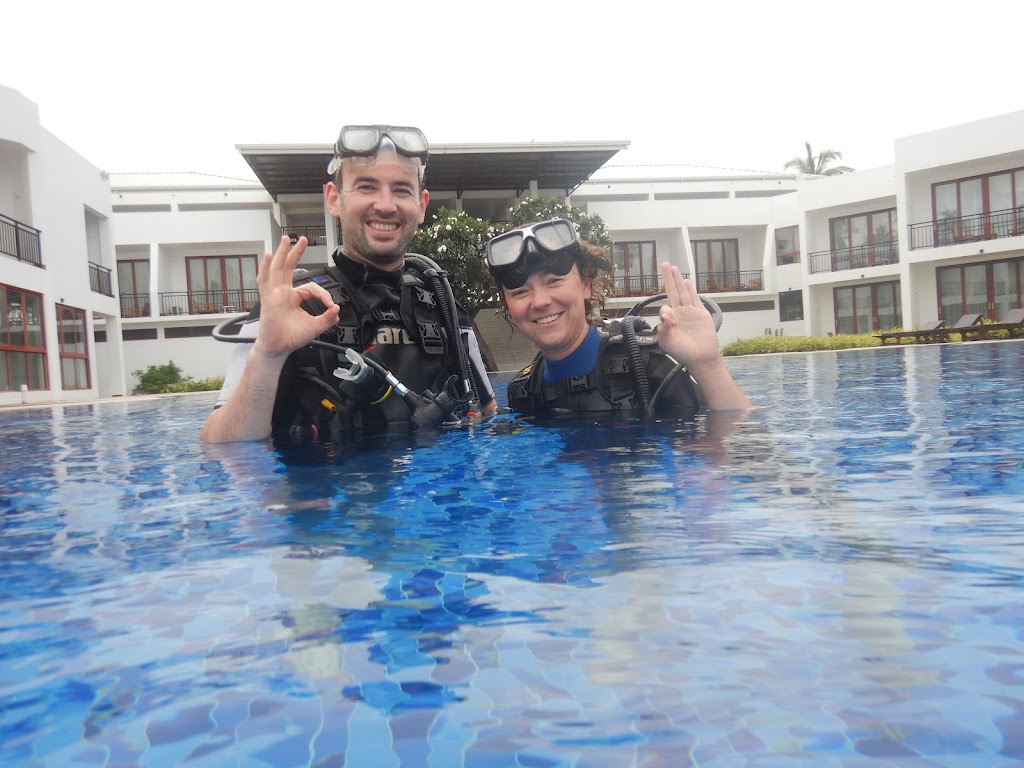
Dive Centers Near Moray Point
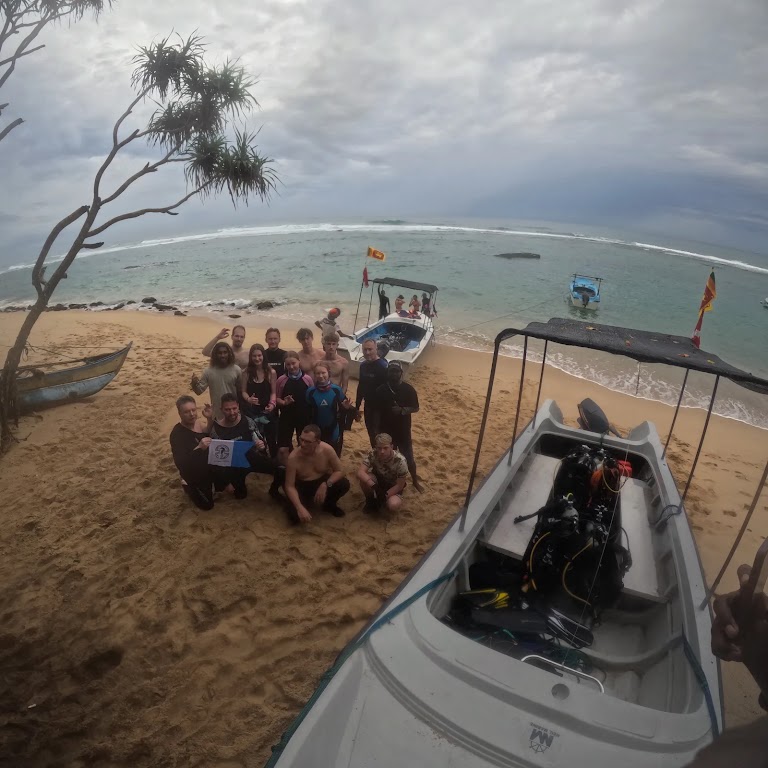
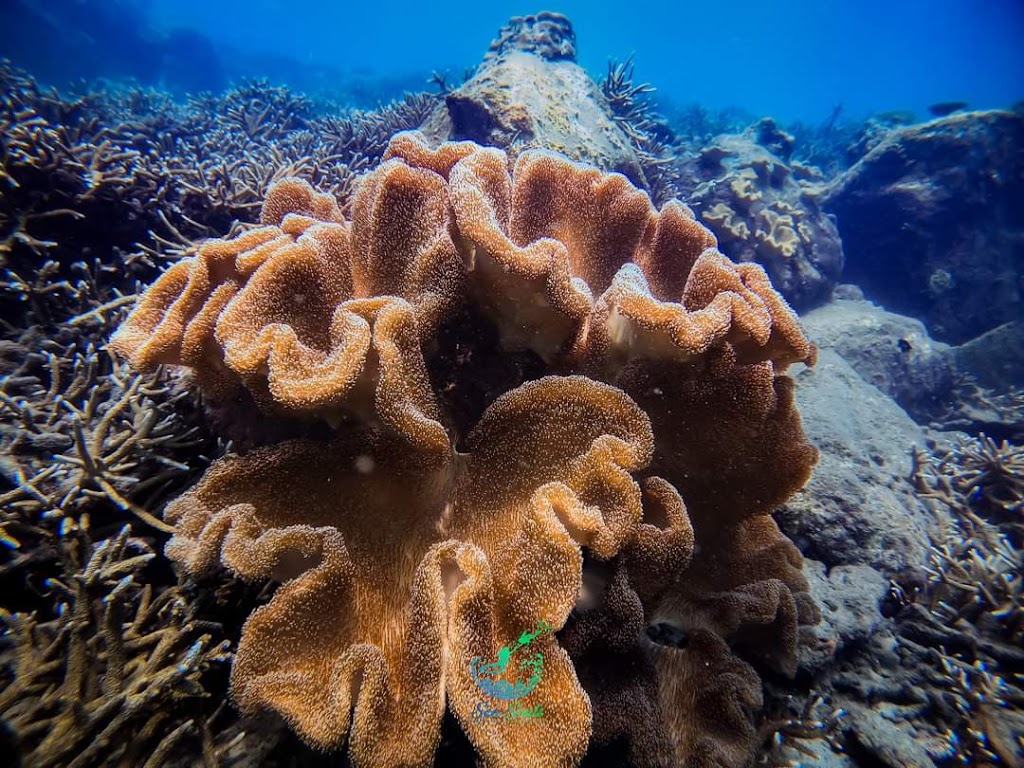
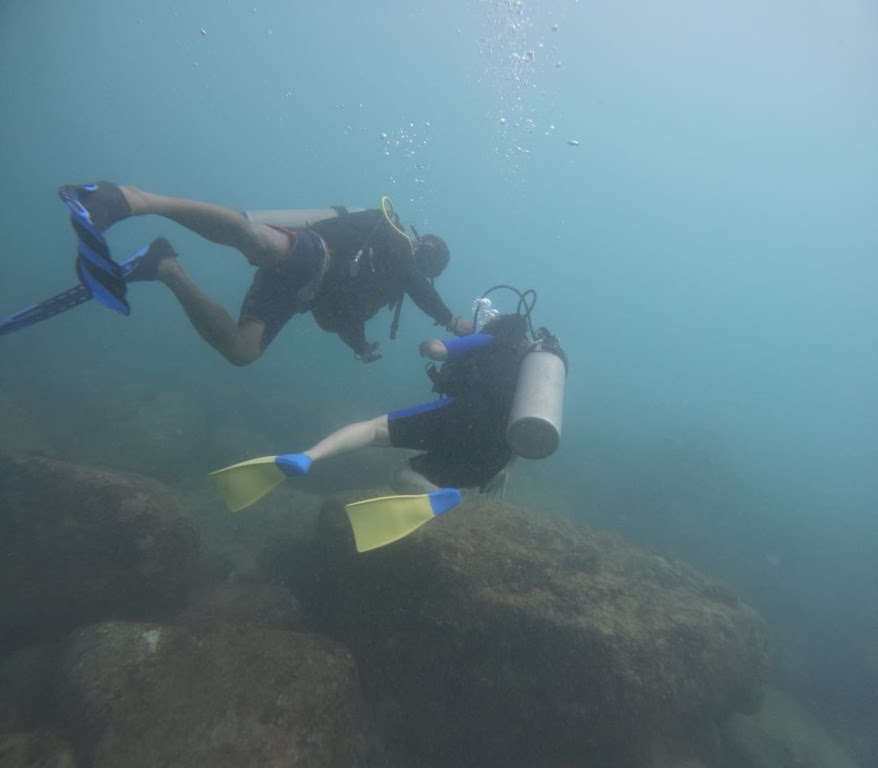

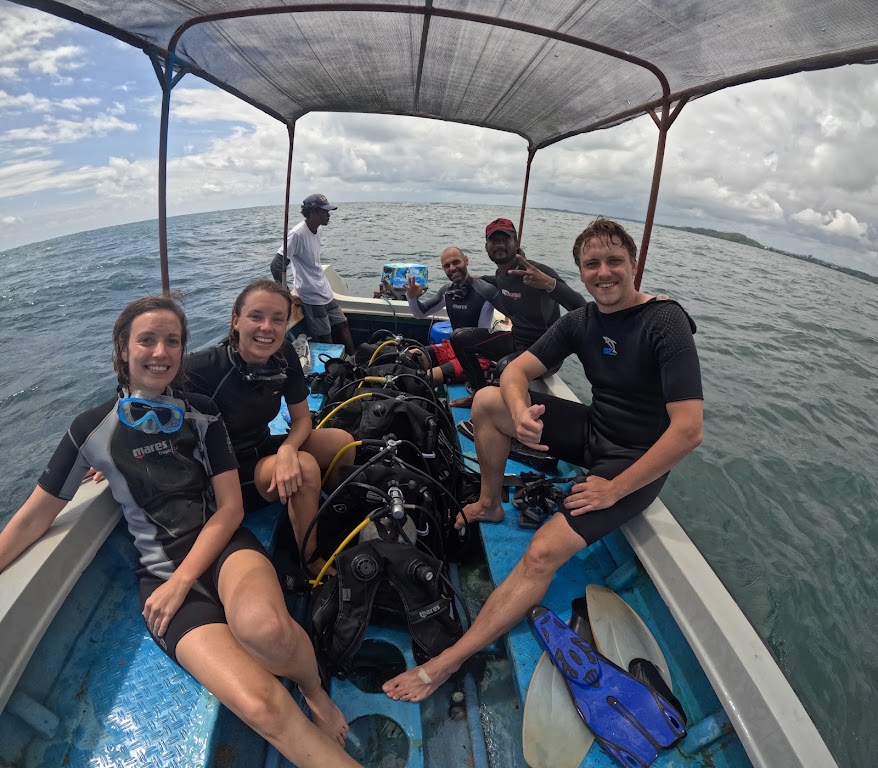
Nearest Airports
Nearest airports to help plan travel to this dive area.
Search Flights
Check available flights and routes on Expedia, using the nearby airports listed in this section.
Search Flights on ExpediaFrequently Asked Questions
What is the maximum depth at Moray Point?
Moray Point starts around 14 meters and descends beyond 40 meters (130 ft). This profile caters to advanced recreational divers and those comfortable with deeper exploration.
What kind of marine life can I expect to see?
Moray Point is home to creatures that favor crevices, like morays and various shrimps. You can also spot Titan Triggerfish, Blue-ringed Angelfish, Oriental Sweetlips, Humphead Wrasses, and Groupers.
How is the visibility at this dive site?
Visibility at Moray Point usually ranges from 8 to 15 meters (26 to 49 ft). Conditions such as current and swell can influence this range.
Are there strong currents at Moray Point?
Currents at Moray Point can be unpredictable and are frequently present. Dive operators often brief it as an advanced recreational dive due to these potential conditions.
What is the best time of year to dive Moray Point?
Diving conditions are generally best from December to April. Wave heights are lower in these months, and dive scores consistently rate "Good."
Is Moray Point suitable for beginner divers?
No, Moray Point is commonly briefed as an advanced recreational dive. Its deep offshore nature, rapid depth increases, and potential for challenging currents require experienced divers.
What type of reef is Moray Point?
It is a deep offshore reef/pinnacle and a rocky reef ridge. The topography is characterized by hard reef with boulders and ledges, creating many shaded pockets.
What are the typical water temperatures?
Water temperature data for Moray Point is not consistently reported within the available datasets. However, air temperatures during prime dive months range from 25.5°C to 27°C (78-81°F), suggesting generally warm conditions.
Planning to dive Moray Point?
Send one inquiry and receive offers directly from the best verified local dive operators.
Conditions are Poor
High Swell Advisory. Not recommended.
Current conditions near Moray Point show 29° air, 28° sea temperature, 2.6 m waves, and 35 km/h wind. Forecast data is refreshed regularly to ensure accuracy.