
Diving at Polhena Reef (Sri Lanka)
For new divers or those seeking tranquil exploration, Polhena Reef offers an ideal introduction to Sri Lanka's underwater world. This site provides a safe and inviting environment to develop confidence, practice fundamental skills, and immerse oneself in a thriving coastal ecosystem. Its gentle conditions and accessible depths make it a favored spot for discovery dives and guided snorkeling adventures, creating memorable first encounters with marine life.
Tonight's objective overview for Polhena Reef shows an air temperature of 27.5°C. The measured surface conditions include wave heights around 1.9 m. This environmental data is logged for the close of the day.
Dive Site Location & Key Facts
Dive Site Overview
Polhena Reef presents a shallow, vibrant coral reef system, known for its protective embrace of the coastline. This extensive fringing reef forms a natural barrier against stronger ocean swells, creating consistently calm, sheltered waters ideal for initial underwater exploration and training.
Divers exploring this site will find depths generally shallow, catering primarily to beginners and snorkelers, typically ranging up to 6-10 meters (20-33 ft) in its more accessible sections close to shore. Beyond the immediate reef, specific sites further offshore, such as Moray Point near Mirissa, extend the recreational diving opportunities for more experienced individuals, offering a chance to explore slightly greater depths and different reef structures.
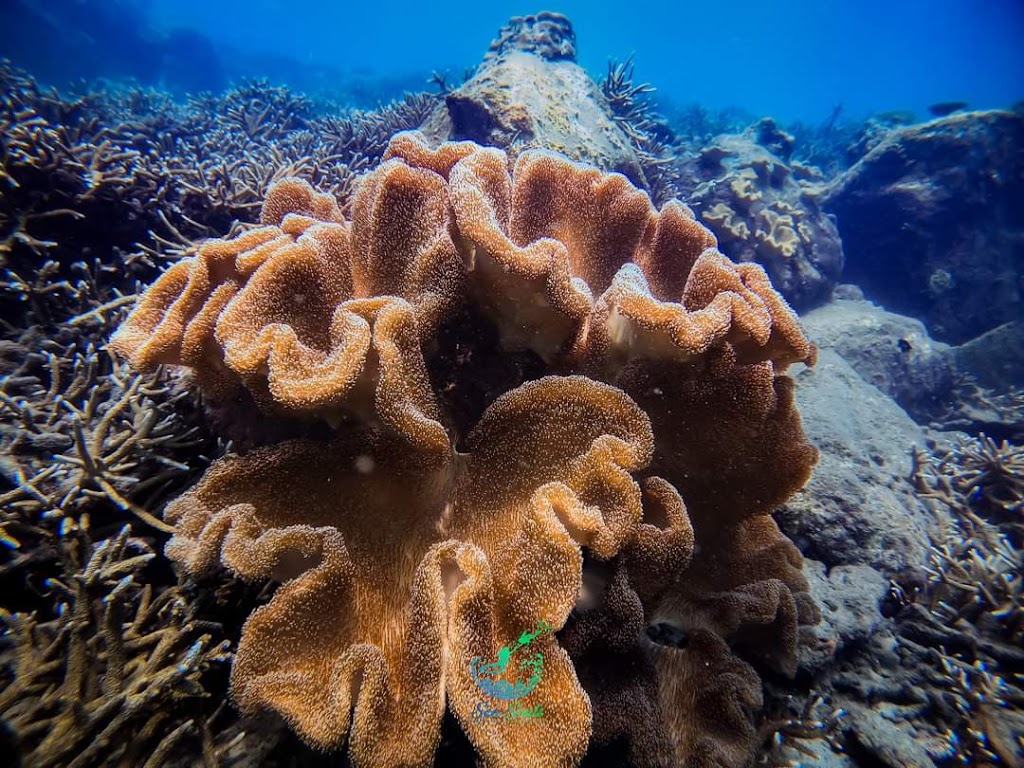
Navigating the Polhena Reef, divers encounter diverse hard and soft coral formations, complemented by a series of rocky outcrops. These structures collectively form crucial habitats for a rich variety of smaller reef inhabitants and juvenile fish species.
The gentle, sloping topography of this expansive reef structure makes for a very comfortable and unhurried experience for those discovering Sri Lanka's southern coast. Its naturally protected nature also contributes to generally good visibility within the reef system, allowing for clear views of the intricate marine life and the subtle contours of the underwater landscape.
These calm conditions persist for much of the year, establishing a consistent and inviting environment for both learning new skills and enjoying leisurely, observation-focused dives.
Conditions are Poor
High Swell Advisory. Not recommended.
Current conditions near Polhena Reef show 27° air, 28° sea temperature, 2.5 m waves, and 36 km/h wind. Forecast data is refreshed regularly to ensure accuracy.
Best Time to Dive
Planning a dive at Polhena Reef means aligning with the calmer seasons for optimal visibility. The best conditions for diving typically occur from January to April and again in December, months characterized by a 'Good' dive score. During these periods, air temperatures average a comfortable 25.5-27°C (78-81°F) with minimal rainfall, which contributes to clearer water. Wave heights are generally lower, and wind speeds are moderate, reducing surface chop and enhancing underwater clarity. Conversely, the monsoon season from May to September sees higher rainfall, increased wave action, and stronger winds, often leading to poorer visibility and less favorable diving conditions.
PEAK SEASON SCORE
Scores combine air & water temps, waves, wind & rainfall for overall conditions.
BEST MONTHS TO DIVE
Monthly records compiled from satellite and marine observation nodes over the last 3 years. Data provided by Open-Meteo and MET Norway.
Dive Experience & Conditions
Beginning the descent at Polhena Reef, divers immediately notice the calm water and often excellent visibility, creating a welcoming environment for all skill levels. Most dives are conducted from the beach, allowing for a comfortable and easy entry into the ocean. The shallow reef depth, typically not exceeding 10 meters (33 ft), supports extended bottom times and relaxed exploration. Water temperatures are not consistently reported but generally remain warm throughout the year, suitable for comfortable diving with minimal thermal protection. Divers can practice essential skills like buoyancy control in a gentle current environment, making it an ideal location for entry-level training and guided discovery experiences.
Dive Difficulty & Safety Guidelines
Ensuring safety at Polhena Reef emphasizes adherence to standard dive practices and respect for the marine environment. The reef's naturally sheltered configuration creates a safe swimming and diving area, particularly beneficial for beginners. All dive operations prioritize small group sizes and personalized attention from PADI-certified instructors, ensuring direct supervision and guidance during every underwater activity.
Divers are instructed on safe equipment use, underwater communication, and critical reef etiquette to protect the delicate coral ecosystems. While no specific hazards are consistently reported, maintaining awareness of your surroundings and following your instructor's guidance remains paramount for an enjoyable experience.
Recommended Equipment
- Dive Computer
This gear list is based on verified equipment signals for Polhena Reef, Sri Lanka. Always confirm final gear choices with your dive operator, guide, or liveaboard.
Recommended Dive Suit
Weather models currently point toward consistent diving conditions over the next several days.
For typical recreational dives, 2-3mm shorty or light wetsuit generally provides comfortable insulation. Consider warmer surface protection (like a boat coat) due to brisk winds.
Current dive conditions indicate that water temperatures around Polhena Reef are sitting at roughly 28°C (83°F). Surface air temperatures are resting at 27°C (81°F).
Emergency & Medical Support
Essential information to help you plan your dive trip to Polhena Reef.

Hyperbaric chambers are a critical part of dive safety infrastructure. Availability varies significantly by region, and not all dive areas have immediate access.
Before diving, it's recommended to:
- confirm nearest medical facilities
- check emergency procedures with local dive operators
- ensure dive insurance covers evacuation if required
Divers Alert Network
Diving emergency assistance available through DAN World.
+1-919-684-9111- 24/7 emergency hotline
- Diving medical assistance
- Evacuation coordination
Emergency contacts are provided for reference. Always verify local emergency services before diving.
Marine Life at Polhena Reef
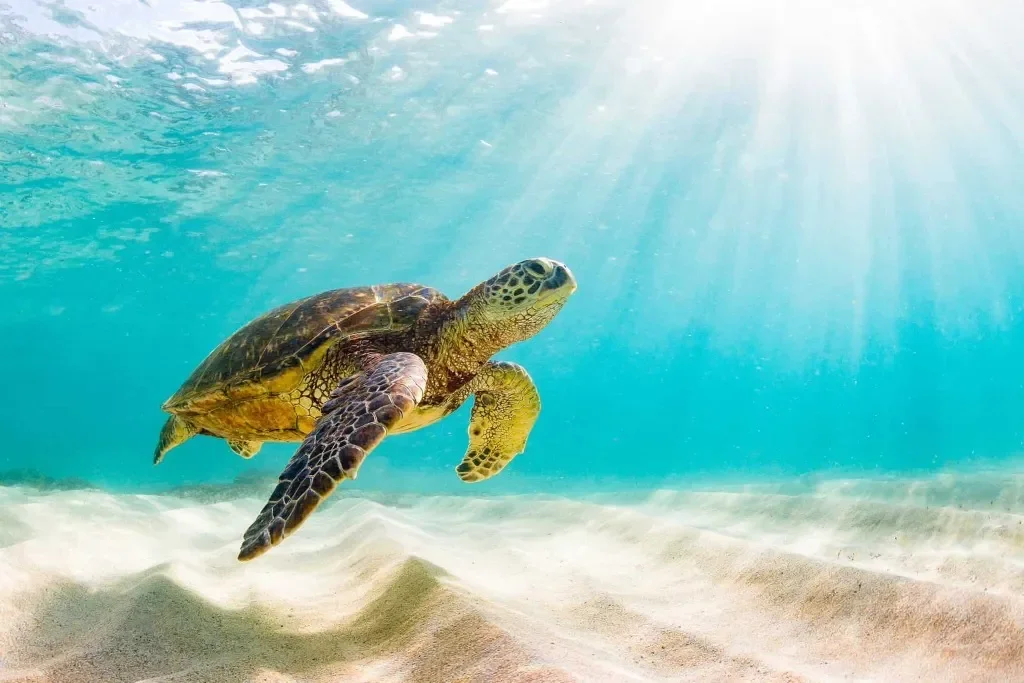
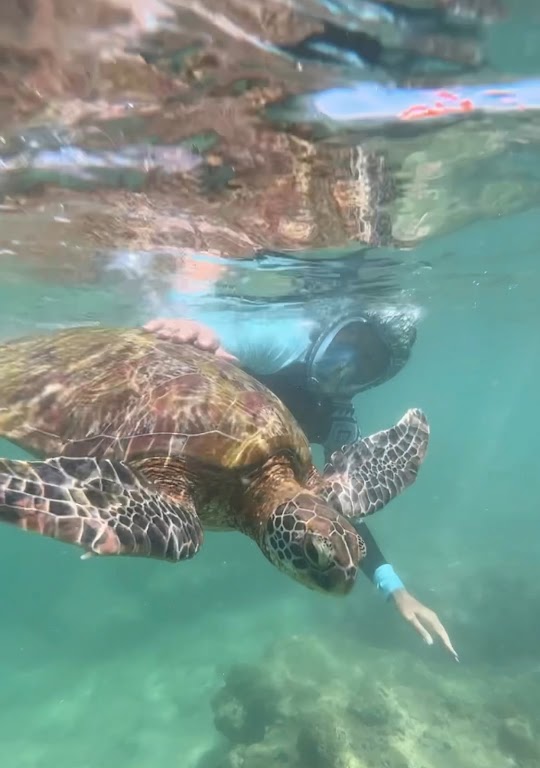
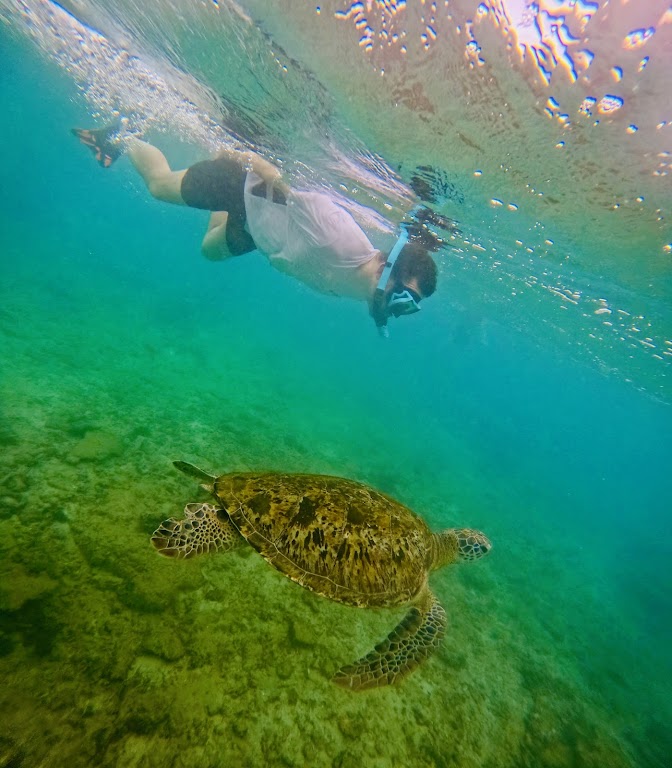
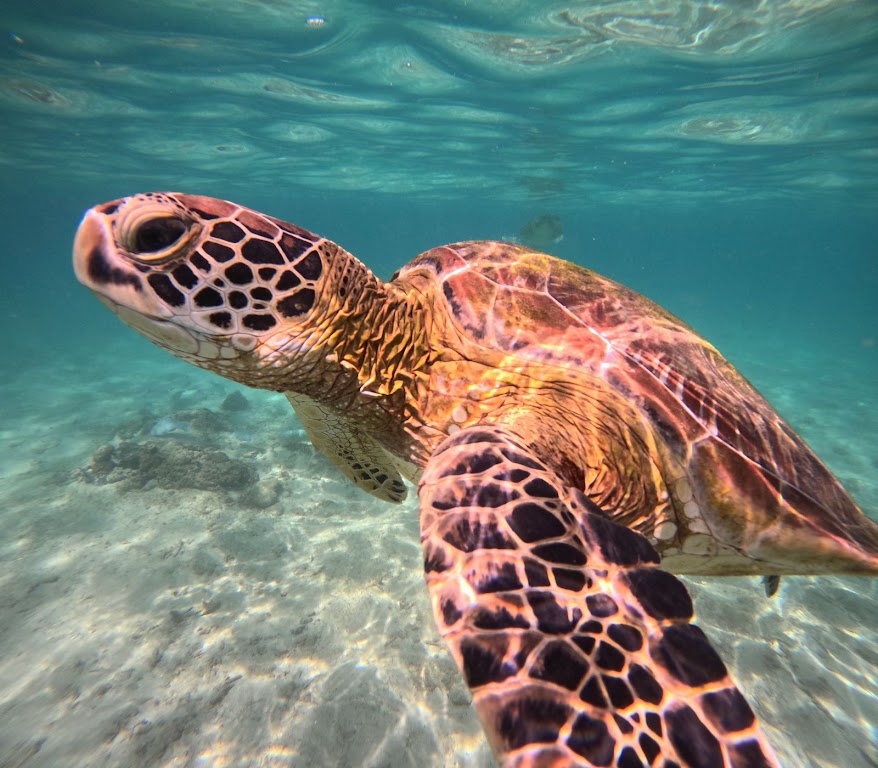
Navigating the underwater landscape of Polhena Reef reveals a thriving ecosystem, most notably serving as a recognized home for many green turtles. Divers frequently encounter these majestic creatures gliding effortlessly through the reef.
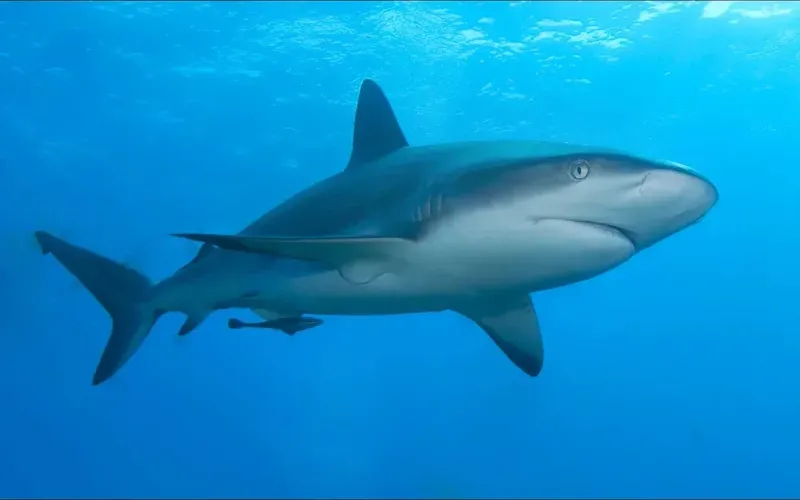
While a reef environment, the area around Polhena Reef is also a common sighting point for a variety of pelagic species. Smaller reef sharks are sometimes observed patrolling the coral formations, adding an exciting dimension to the dive.
The vibrant coral reef acts as a magnet for a multitude of colorful reef fish, making every exploration visually engaging.
Dive Sites Near Polhena Reef
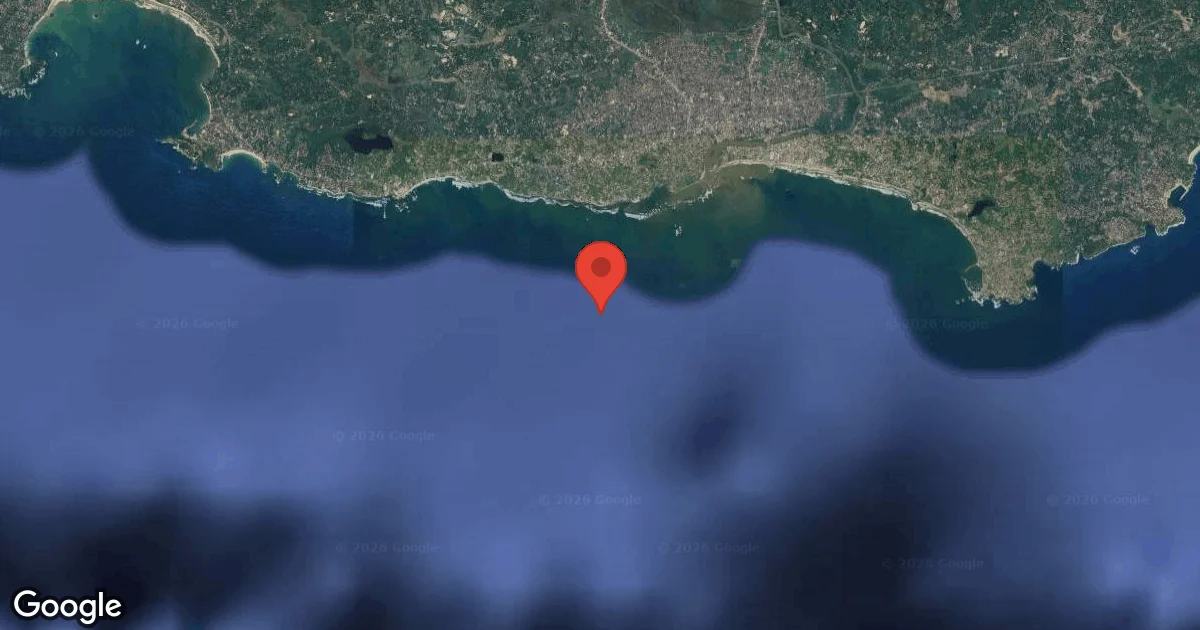
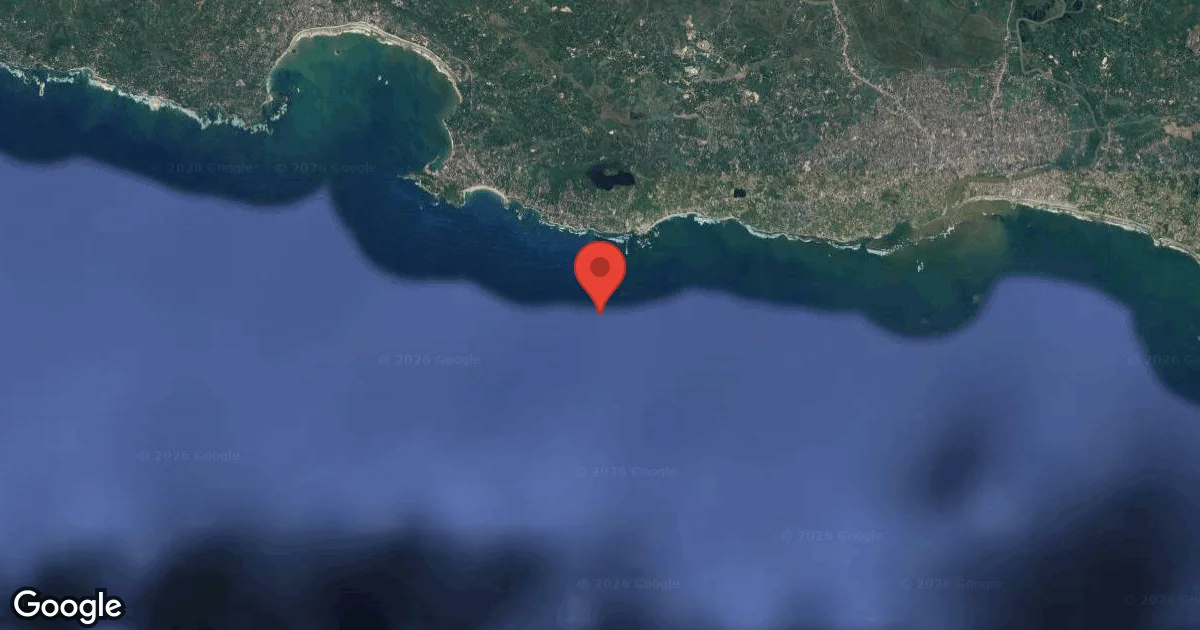
View all dive sites in Sri LankaDiscover more underwater gems in this area.
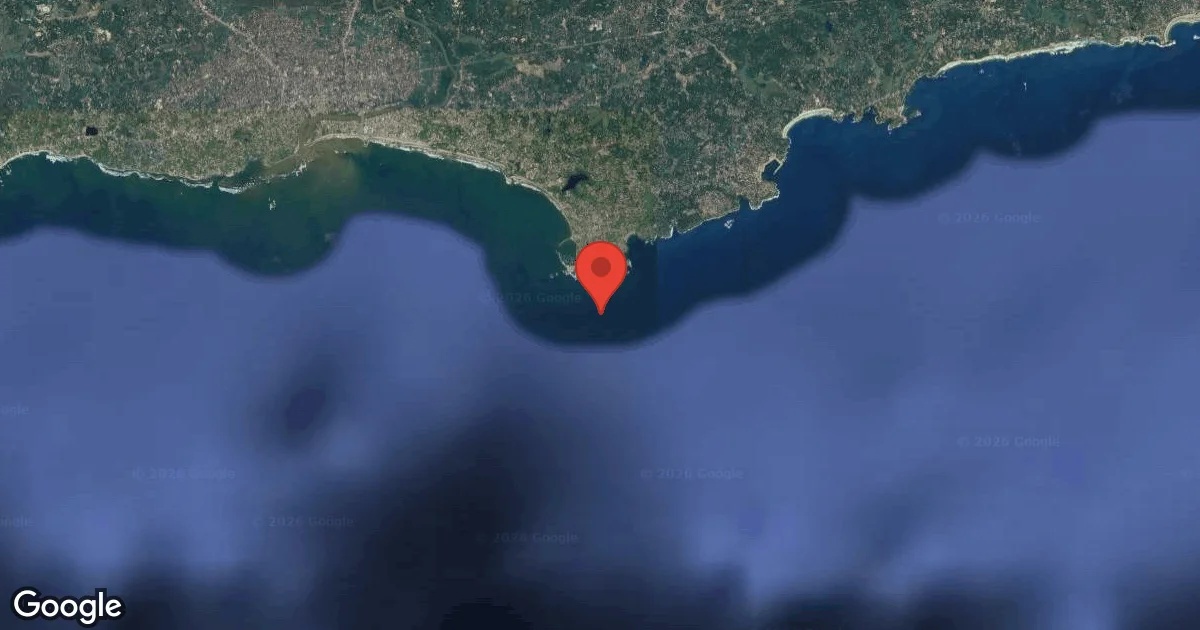
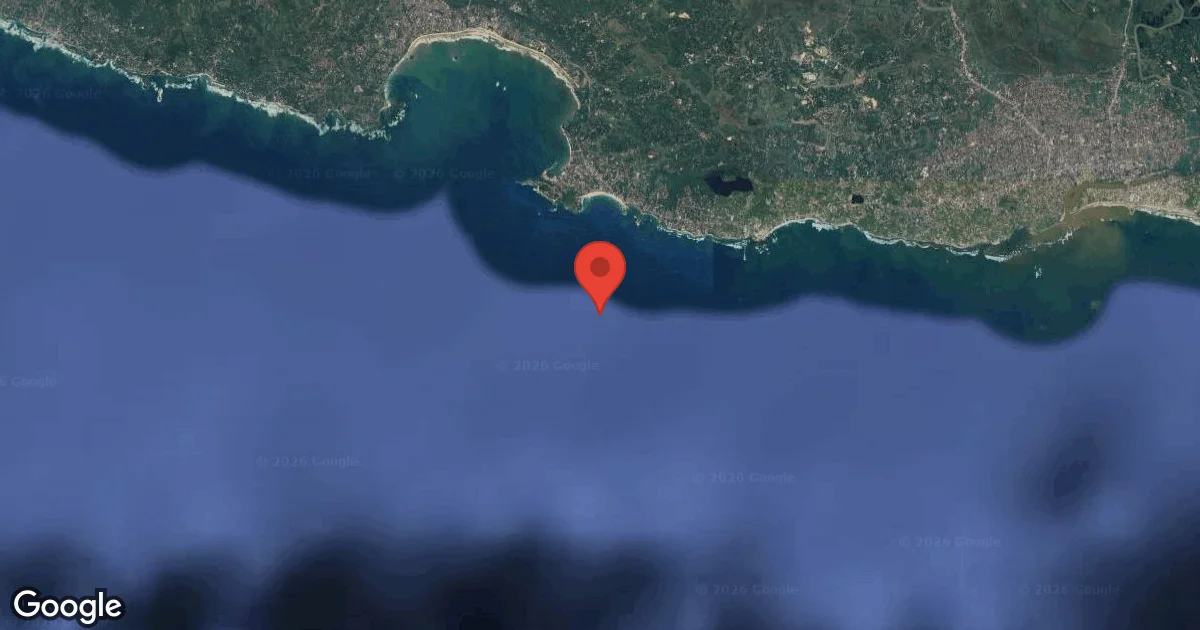
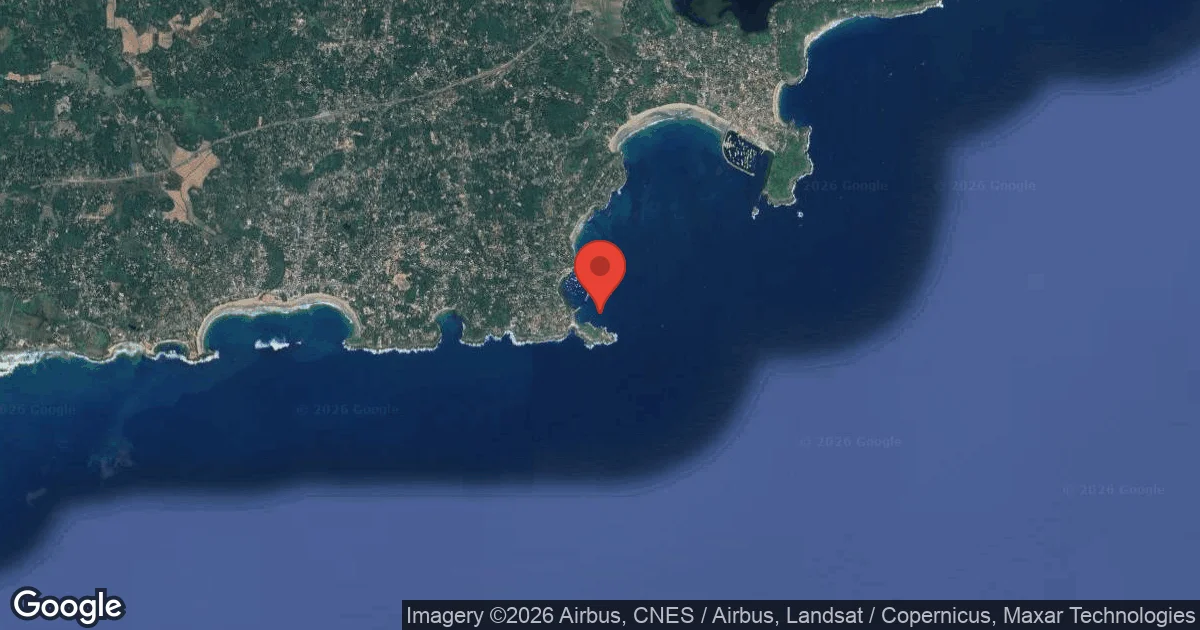
Dive Centers Near Polhena Reef
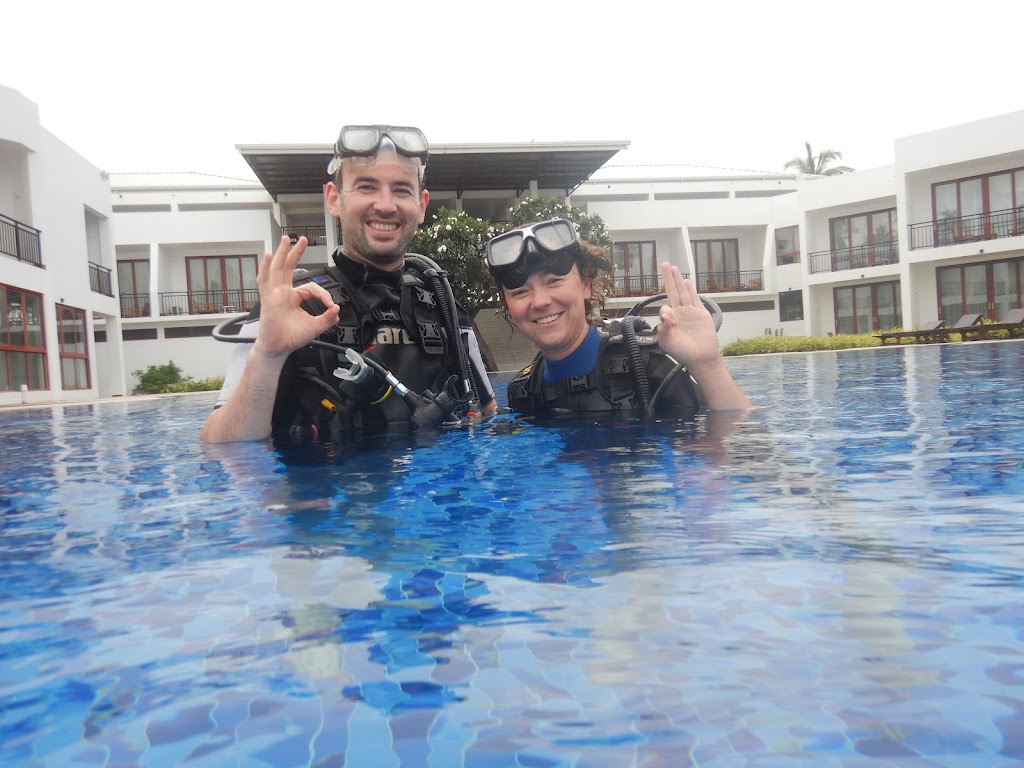
Today: Open 24 hours
Nearest Airports
Nearest airports to help plan travel to this dive area.
Search Flights
Check available flights and routes on Expedia, using the nearby airports listed in this section.
Search Flights on ExpediaFrequently Asked Questions
Is Polhena Reef suitable for beginner divers?
Absolutely. Polhena Reef is widely considered one of the safest and most beginner-friendly dive sites in Sri Lanka. Its calm, shallow waters and professional PADI instruction create an ideal learning environment for first-time divers.
What is the maximum depth at Polhena Reef?
Dives at Polhena Reef are typically shallow, reaching depths of up to 6-10 meters (20-33 ft), depending on the specific dive spot and diver comfort level. This recreational depth range is perfect for training and leisurely exploration.
Can I see turtles at Polhena Reef?
Yes, Polhena Reef is well-known for being a home to many green turtles. Sightings are very common, making it a highlight for both snorkelers and divers visiting the area.
What are the best months to dive here?
The most favorable diving conditions occur from January to April and again in December. These months typically offer the clearest visibility, calmer waters, and pleasant air temperatures for an optimal dive experience.
Do I need to be a strong swimmer to dive at Polhena Reef?
Basic comfort in the water is generally sufficient for discovery diving at Polhena Reef. Instructors provide thorough guidance, and the calm conditions reduce the need for advanced swimming skills, focusing on enjoying the underwater world.
Does Polhena Reef offer PADI certification courses?
Yes, Polhena Diving Center, a PADI 5-Star Dive Resort, offers a range of PADI courses, including Open Water Diver certification. Their experienced instructors guide students through theory and practical dives in the local reef environment.
Planning to dive Polhena Reef?
Send one inquiry and receive offers directly from the best verified local dive operators.
Conditions are Poor
High Swell Advisory. Not recommended.
Current conditions near Polhena Reef show 27° air, 28° sea temperature, 2.5 m waves, and 36 km/h wind. Forecast data is refreshed regularly to ensure accuracy.