
Diving at Octopus Reef (Sri Lanka)
Divers at Octopus Reef should be aware of a unique geological feature: harmless sulfur bubbles can cause temporary tarnishing of silver jewelry. While not a direct diving hazard, it's prudent to remove such items beforehand. The site itself offers a calm, sheltered bay for newer divers, though octopus sightings are less common during summer due to local fishing activities. Deeper sections are available for more experienced individuals.
Evening condition tracking at Octopus Reef features an air temperature of 26.5°C. We have recorded wave heights measuring 2.1 m during this period. These figures outline the environmental parameters currently present.
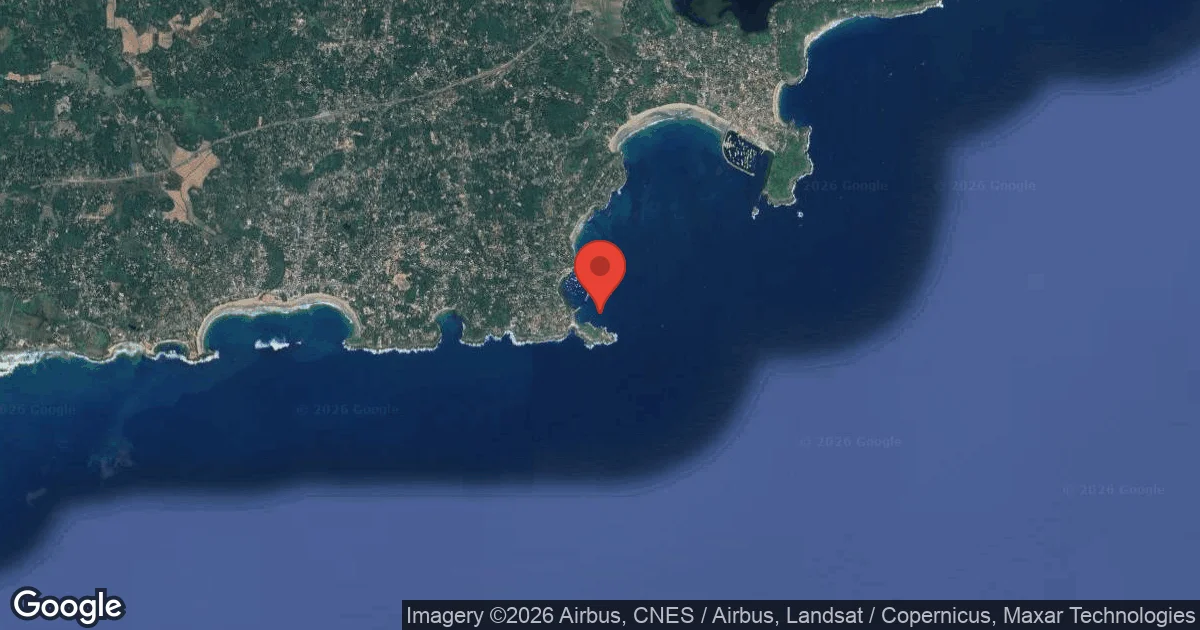
Dive Site Location & Key Facts
Dive Site Overview
Octopus Reef distinguishes itself with both a serene shallow bay and progressively deeper areas, accommodating a range of certification levels. It takes its name from the octopuses that historically sought shelter here during winter for breeding.
Sheltered by an underwater wall rising from 10 m (33 ft) to just 2.5 meters, the inner bay maintains calmer, slightly warmer water conditions, fostering diverse marine life within its protected confines. One of its fascinating natural phenomena involves tiny, hand-sized white bubbles, a blend of saltwater and sulfur, which create an interactive underwater experience as they gently emanate from the seabed.
Certified divers can follow a gentle slope that extends from about 8 meters to 14 meters, averaging around 16 meters beyond the bay’s confines. The topography features intricate rock formations, providing ample hiding spots for smaller species.
A small, inviting cavity found at about 18 meters depth often conceals interesting creatures, inviting closer inspection. Exploring the protected bay or venturing into the deeper walls offers an engaging and varied dive opportunity, presenting different challenges and rewards.
This site provides a distinct feel of natural exploration for those seeking more than just a typical reef dive.
Conditions are Poor
High Swell Advisory. Not recommended.
Current conditions near Octopus Reef show 26° air, 28° sea temperature, 2.7 m waves, and 43 km/h wind. Forecast data is refreshed regularly to ensure accuracy.
Best Time to Dive
Optimizing a visit to Octopus Reef largely aligns with the regional dry season, providing the most favorable diving conditions. The period from January through April and again in December generally offers good dive scores. During these months, air temperatures hover comfortably around 25.5-27°C (78-81°F), paired with minimal rainfall, typically less than 7 mm (0.3 inches) in January to April. Wave heights tend to remain manageable, averaging between 1.2 and 1.5 meters. Wind speeds typically stay below 17 km/h (10 mph). As with many coastal sites, water temperature specifics are not consistently reported for this exact location, but the sheltered bay environment likely contributes to stable conditions. Conversely, the period from May to September experiences higher wave activity and stronger winds, generally resulting in poorer dive scores.
PEAK SEASON SCORE
Scores combine air & water temps, waves, wind & rainfall for overall conditions.
BEST MONTHS TO DIVE
Monthly records compiled from satellite and marine observation nodes over the last 3 years. Data provided by Open-Meteo and MET Norway.
Dive Experience & Conditions
The depth profile at Octopus Reef caters distinctively to various diver proficiencies. For snorkelers and Discover Scuba Divers, the bay offers a maximum depth of 10 meters, providing a secure and visually appealing environment. Certified divers typically begin their exploration by exiting the bay, navigating a gentle slope that extends from about 8 meters to 14 meters, with an average depth around 16 meters. Keeping the bay wall on the right, divers encounter a small cavity at approximately 18 meters, which is accessible to all certified divers and often hosts intriguing marine life. Open Water divers then return along the outer side of the bay's protective wall, while Advanced and Deep certified divers can continue their descent towards a 34 m (112 ft) drop-off. These deeper sections frequently reveal lobsters and other larger species navigating the more exposed terrain. While specific water temperature data for Octopus Reef isn't consistently reported, the sheltered bay often feels slightly warmer than surrounding open waters, contributing to overall diver comfort.
Dive Difficulty & Safety Guidelines
Approaching Octopus Reef requires adherence to standard diving safety protocols, particularly given the varying depth profiles. For newer divers or snorkelers, the maximum depth in the bay is 10 meters, a safe zone for introductory experiences. All certified divers can access a cavity around 18 meters.
Beyond this point, groups often split; Open Water divers should respect their certification limits and proceed back, exploring the protective wall's exterior. Advanced and Deep certified divers, however, are equipped to continue towards the site's deeper sections, which can extend to 34 meters.
An important, non-diving-related guideline concerns the natural sulfur bubbles present: it's advisable to remove silver jewelry before entering the water, as the sulfur content may cause temporary tarnishing. This simple precaution prevents cosmetic issues with personal items.
Recommended Equipment
- Dive Computer
- DSMB
This gear list is based on verified equipment signals for Octopus Reef, Sri Lanka. Always confirm final gear choices with your dive operator, guide, or liveaboard.
Recommended Dive Suit
Recent conditions suggest the water at Octopus Reef remains near 28°C (83°F), offering typical conditions for the area. Surface air temperatures are resting at 26°C (80°F).
Environmental conditions appear stable for the near future.
In water temperatures like these, 2-3mm shorty or light wetsuit typically offers sufficient warmth for most recreational dives. Consider warmer surface protection (like a boat coat) due to brisk winds. Some divers naturally tolerate cooler water better than others. Stronger winds may also make surface intervals feel cooler than usual.
Due to technical issues with our weather providers, live updates are temporarily delayed. The data above reflects the conditions at the time of the last successful fetch.
Emergency & Medical Support
Essential information to help you plan your dive trip to Octopus Reef.

Hyperbaric chambers are a critical part of dive safety infrastructure. Availability varies significantly by region, and not all dive areas have immediate access.
Before diving, it's recommended to:
- confirm nearest medical facilities
- check emergency procedures with local dive operators
- ensure dive insurance covers evacuation if required
Divers Alert Network
Diving emergency assistance available through DAN World.
+1-919-684-9111- 24/7 emergency hotline
- Diving medical assistance
- Evacuation coordination
Emergency contacts are provided for reference. Always verify local emergency services before diving.
Marine Life at Octopus Reef
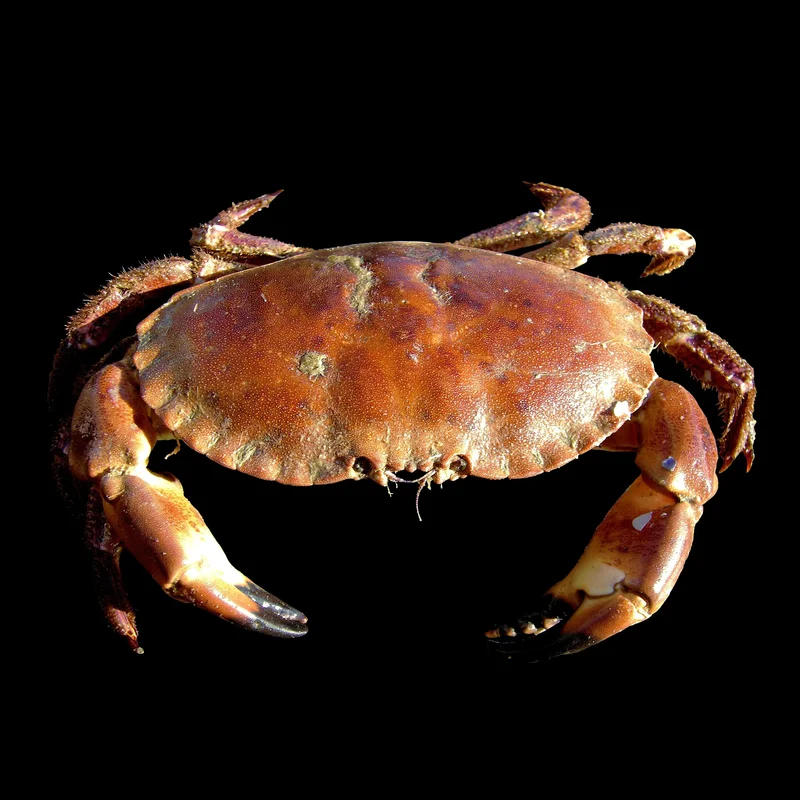
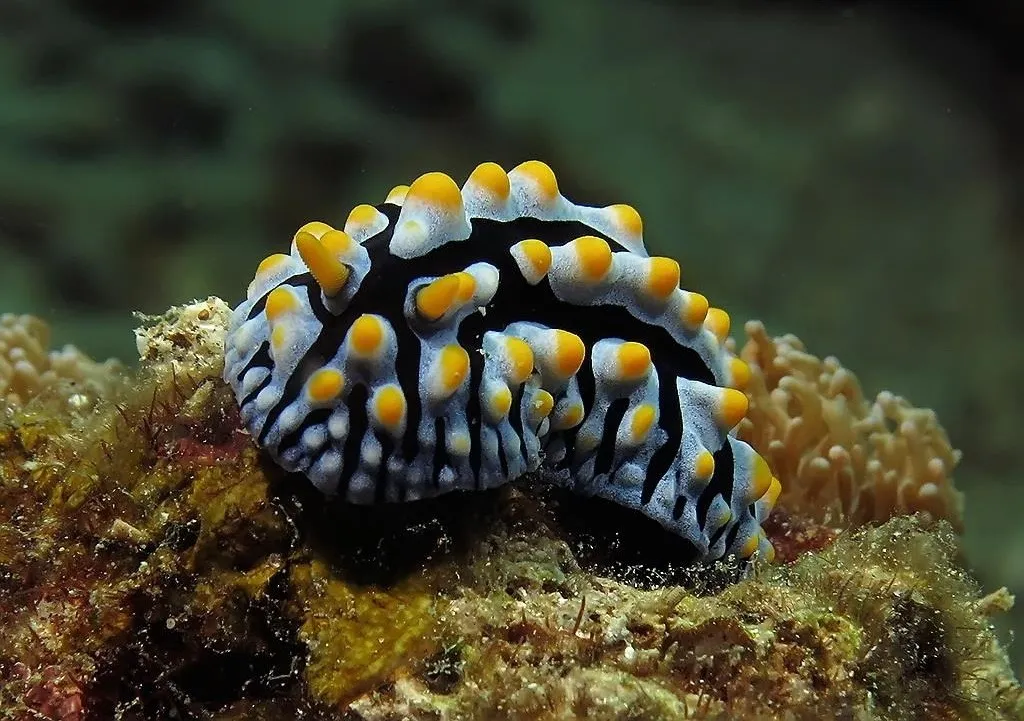
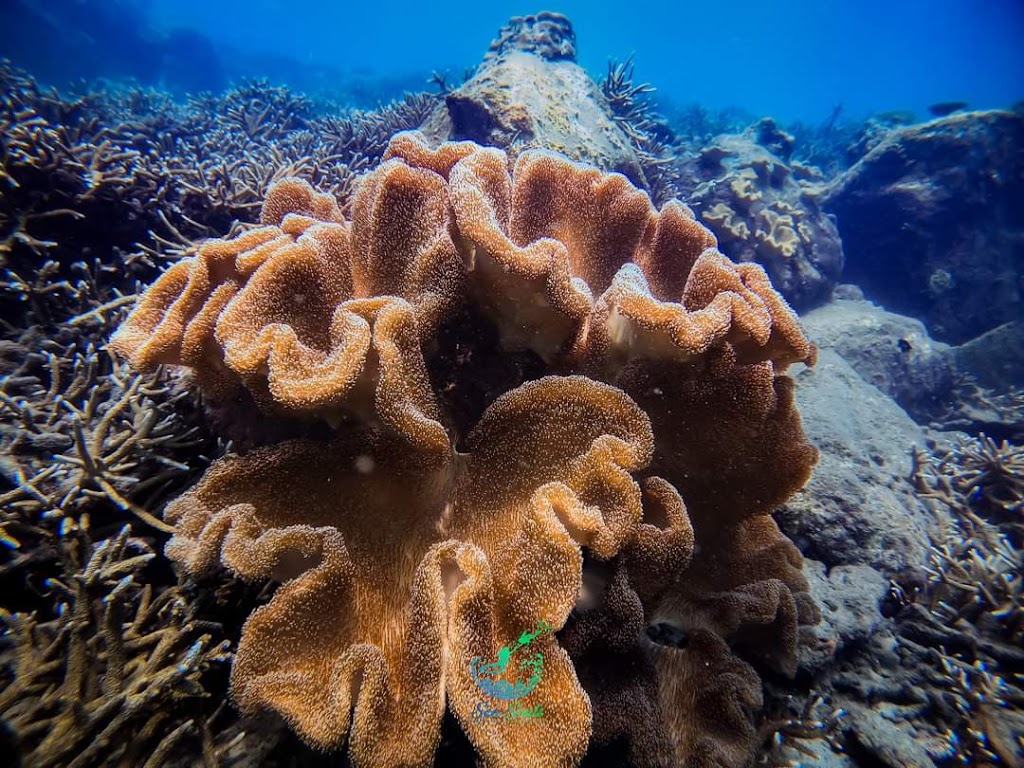
The underwater landscape of Octopus Reef is structured to shelter a variety of marine inhabitants. Rocky seabeds, riddled with numerous cracks and crevices, serve as natural homes for small crabs and other elusive creatures.
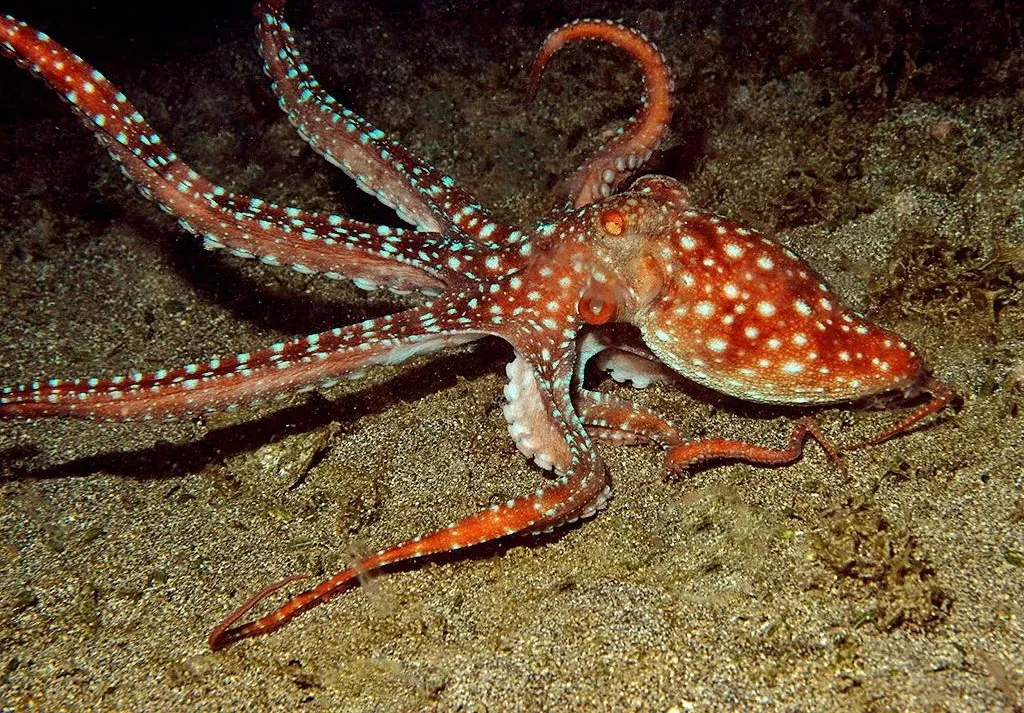
Earning its name, the reef is a historical refuge for octopuses, especially during the winter months when they seek suitable spots to lay eggs. While sightings of these cephalopods are less frequent in summer due to local fishing, the site remains engaging for its diverse smaller life forms.
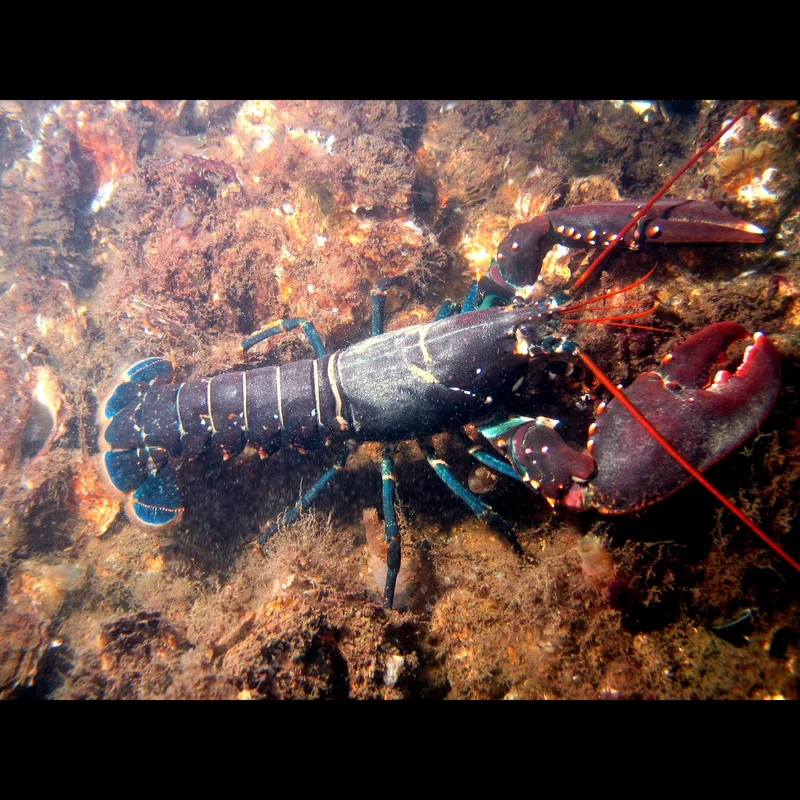
In the deeper sections, particularly around the drop-off extending to 34 meters, divers often encounter larger species such as lobsters navigating the deeper terrain. A small cavity around 18 meters is another key area frequently hiding interesting marine life, rewarding patient observation.
Dive Sites Near Octopus Reef
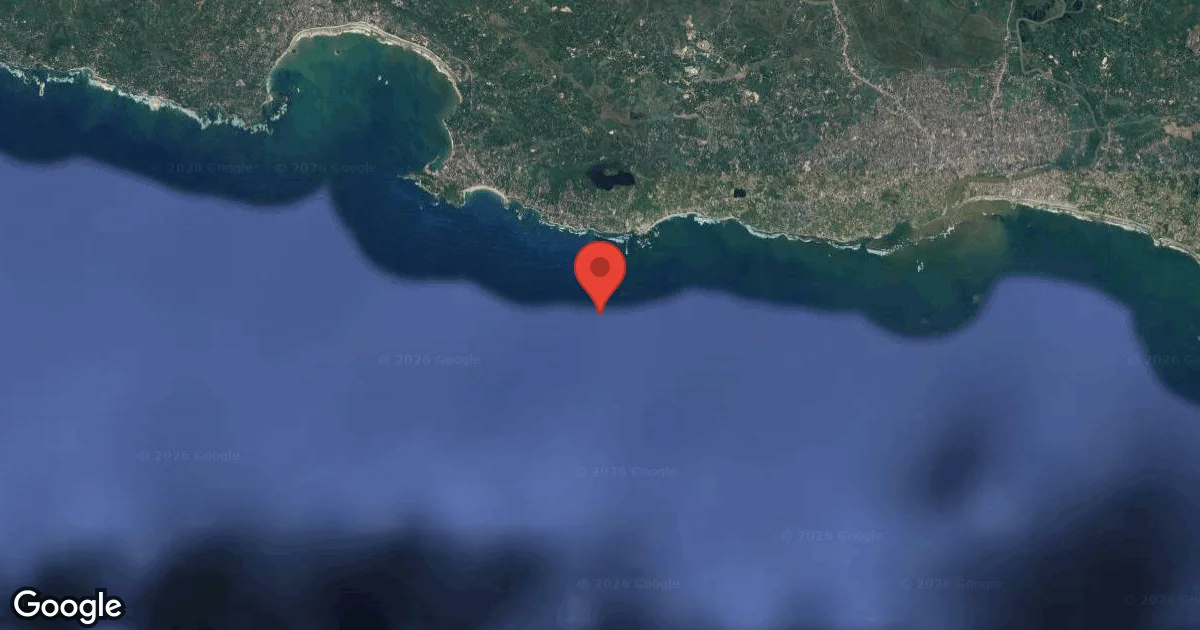
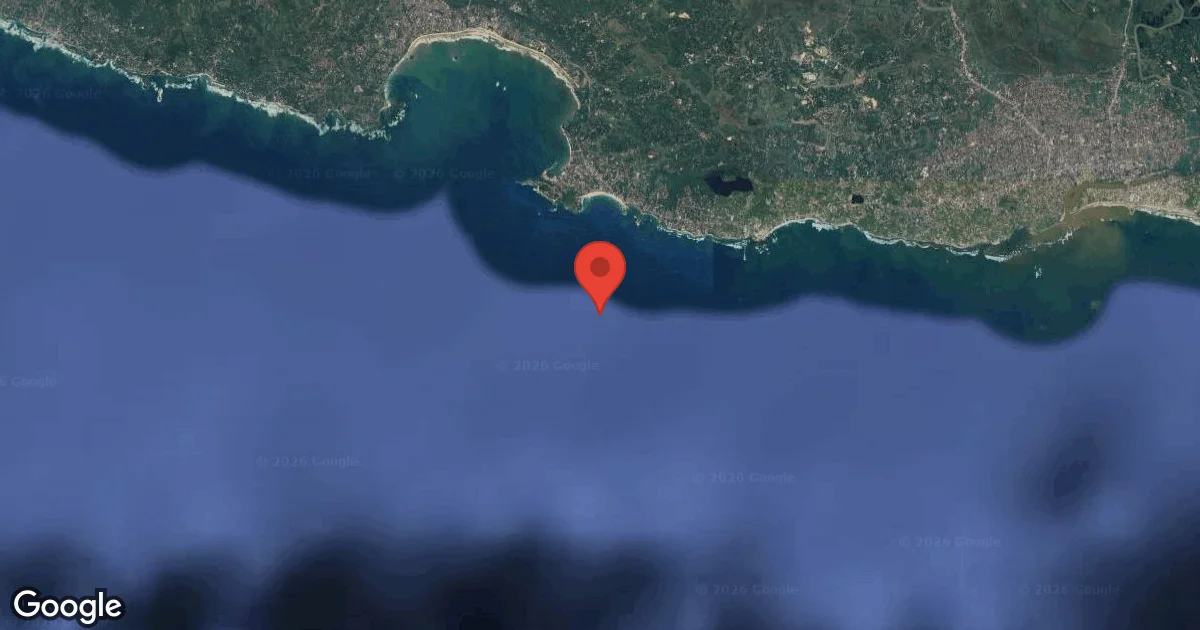
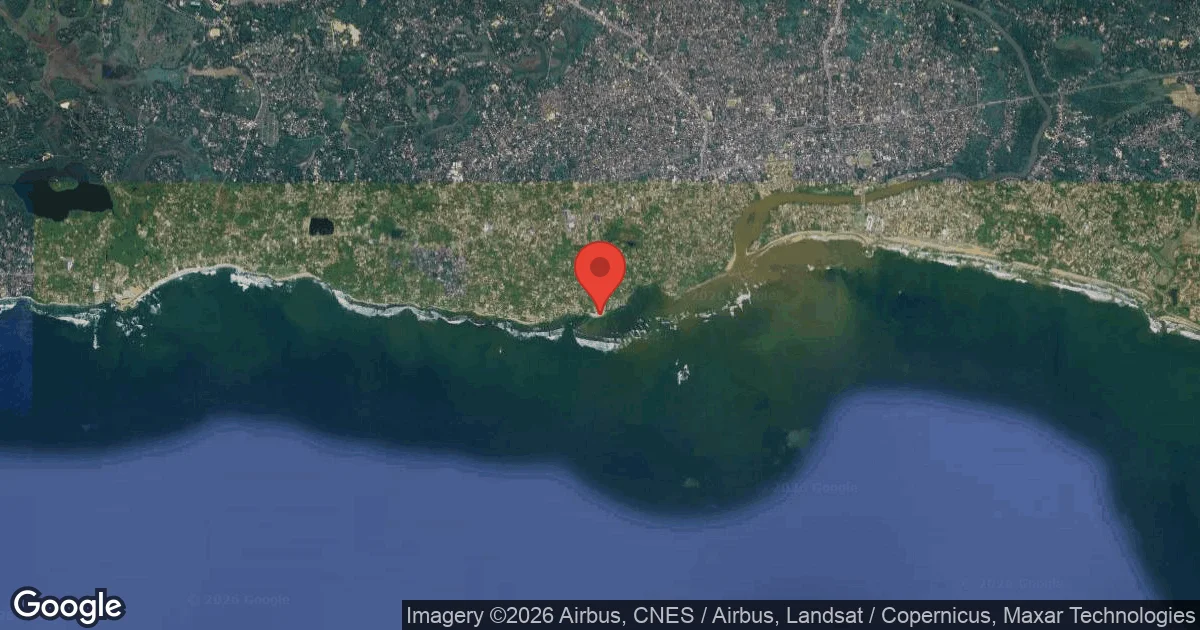
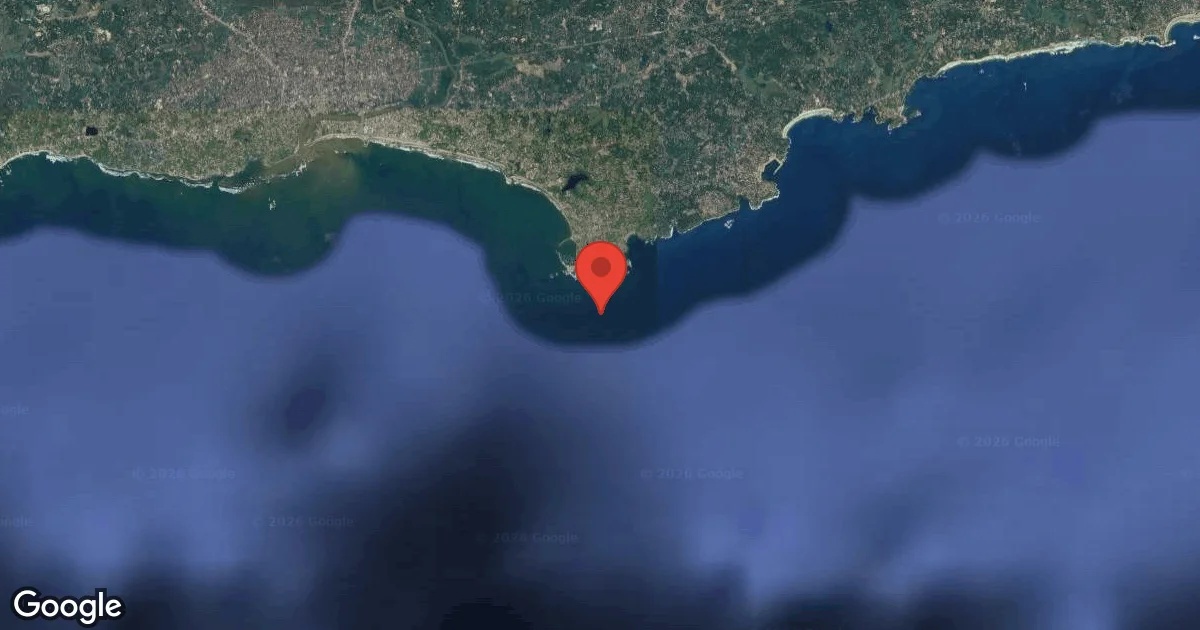
View all dive sites in Sri LankaDiscover more underwater gems in this area.
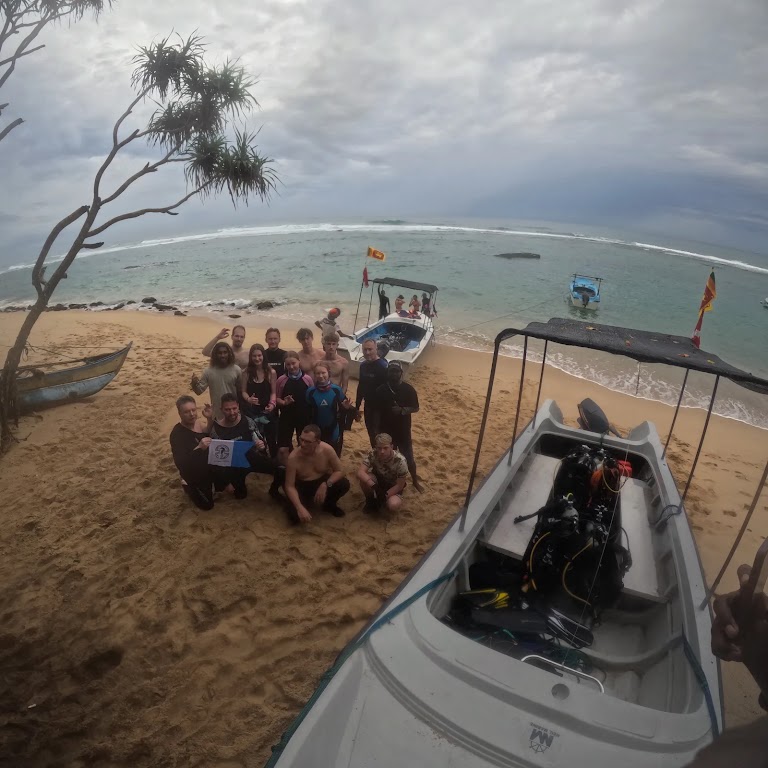
Dive Centers Near Octopus Reef
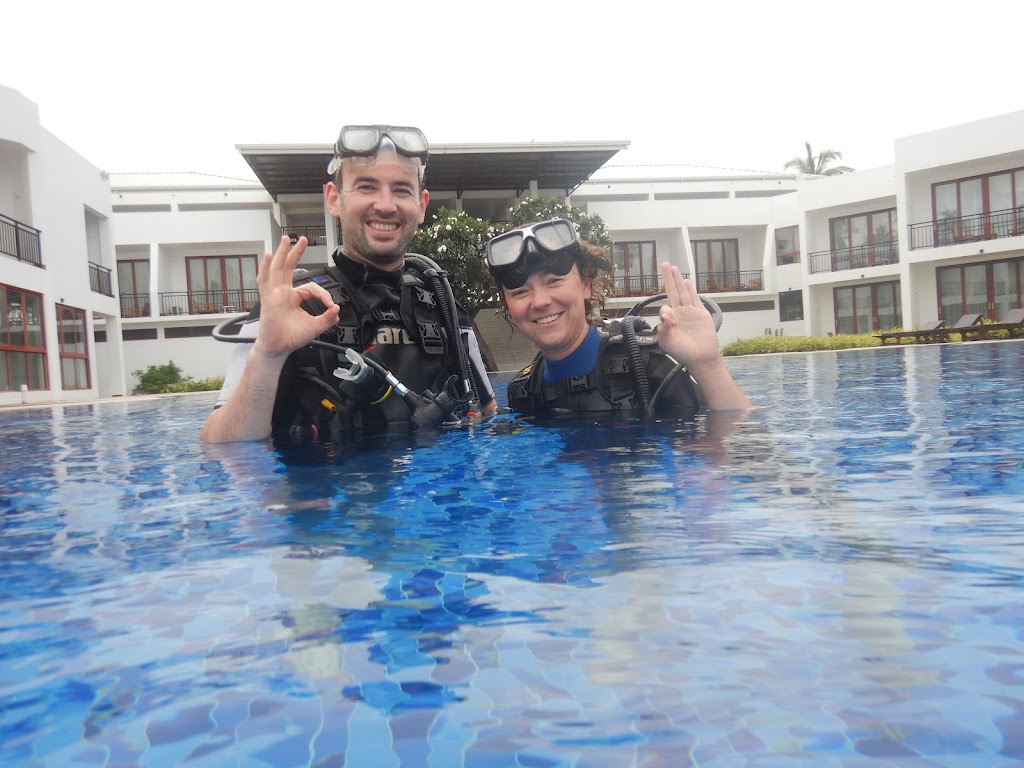
Today: Open 24 hours


Nearest Airports
Nearest airports to help plan travel to this dive area.
Search Flights
Check available flights and routes on Expedia, using the nearby airports listed in this section.
Search Flights on ExpediaFrequently Asked Questions
What is Octopus Reef best known for?
Octopus Reef is known for its resident octopuses, which historically sought shelter here during the winter to lay eggs. It also features unique sulfur bubbles and distinct depth profiles catering to various diver levels.
What depths can be explored at Octopus Reef?
The inner bay reaches a maximum of 10 meters for snorkelers and Discover Scuba Divers. Certified divers can explore a gentle slope from 8 to 14 meters, alongside a cavity around 18 meters. Advanced divers can extend their dive to a max depth of 34 meters.
Is Octopus Reef suitable for beginner divers?
Yes, the sheltered inner bay, with a maximum depth of 10 meters, provides a safe and scenic environment perfect for snorkelers and Discover Scuba Divers. Open Water certified divers can also explore areas up to 18 meters.
When is the best time to dive at Octopus Reef?
The most favorable diving conditions typically occur from January to April and again in December. These months generally offer good dive scores, with comfortable air temperatures, lower rainfall, and calmer seas.
What are the sulfur bubbles mentioned?
The sulfur bubbles are a unique natural phenomenon at Octopus Reef, a fascinating mix of saltwater and sulfur. They are harmless, but divers are advised to remove silver jewelry as the sulfur can temporarily tarnish it.
What marine life can be seen at Octopus Reef?
The reef hosts octopuses (especially in winter), small crabs, and other curious creatures in its cracks and crevices. Deeper sections, towards the 34-meter drop-off, often reveal lobsters and larger species, with a cavity around 18 meters frequently harboring interesting marine life.
Should I remove jewelry before diving here?
Yes, it is recommended to remove silver jewelry before diving at Octopus Reef. The natural sulfur content in the water, particularly around the unique sulfur bubbles, can cause temporary tarnishing of silver items.
Planning to dive Octopus Reef?
Send one inquiry and receive offers directly from the best verified local dive operators.
Conditions are Poor
High Swell Advisory. Not recommended.
Current conditions near Octopus Reef show 26° air, 28° sea temperature, 2.7 m waves, and 43 km/h wind. Forecast data is refreshed regularly to ensure accuracy.