
Diving at Buddha Island (Thailand)
Buddha Island offers a diverse depth profile, catering to various certification levels. While the core rock formations provide excellent exploration within recreational limits, typically around 14 m (46 ft), certified Advanced Open Water divers can extend their exploration to a maximum depth of 30 m (100 ft) at nearby deeper sections. This variability allows for different dive plans, from shallower photographic opportunities to deeper penetration dives around the site's periphery.
Tonight's objective overview for Buddha Island shows an air temperature of 28°C. The measured surface conditions include wave heights around 1.3 m. This environmental data is logged for the close of the day.
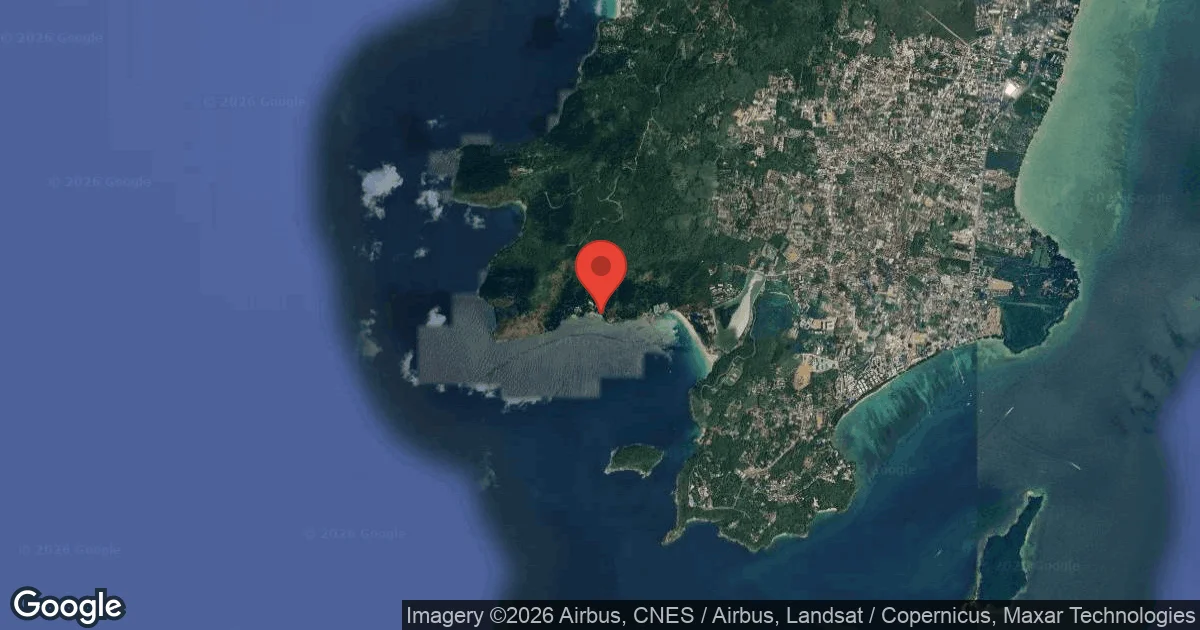
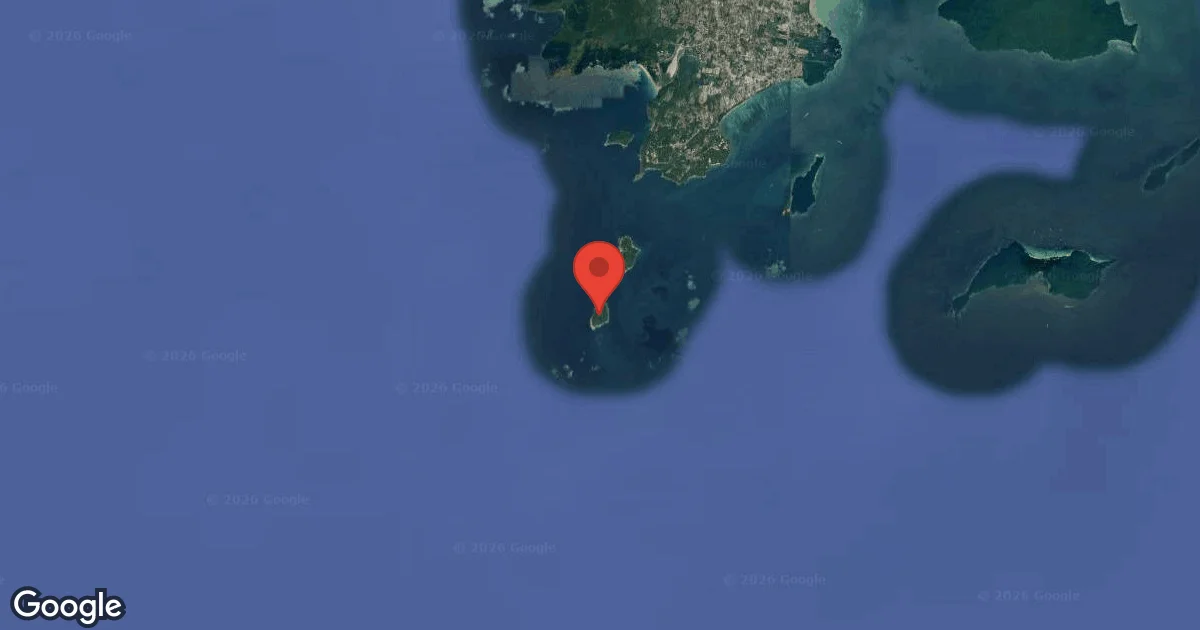
Dive Site Location & Key Facts
Dive Site Overview
Rock formations primarily define the underwater topography of Buddha Island, creating an engaging environment for divers. These structures are often covered in soft and hard corals, contributing to a rich visual landscape.
The site functions as a natural channel in some areas, influencing local currents. Visibility at Buddha Island can vary significantly, ranging from 2 to 20 m (7 to 66 ft) depending on prevailing conditions and recent weather patterns. A typical dive often presents clearer conditions, averaging around 10-20 m (33-66 ft).
Divers can enter the water either directly from a boat or, for some sections, from the shore. Exploring the varied terrain, from sandy bottoms near the base of the rocks to the more intricate coral-encrusted walls, reveals different ecosystems.
This dynamic environment supports a wide array of marine life, making each visit potentially different based on the specific currents and visibility encountered on a given day. These diverse features ensure that each dive offers new observations.
Conditions are Moderate
Optimal conditions expected
Current conditions near Buddha Island show 28° air, 30° sea temperature, 1.7 m waves, and 31 km/h wind. Forecast data is refreshed regularly to ensure accuracy.
Best Time to Dive
Planning a dive to Buddha Island is generally favorable from January through August and again from October through December, with dive scores rated 'Good' for these months. Air temperatures during these periods consistently hover between 27°C (81°F) and 29°C (84°F), creating comfortable surface conditions. In contrast, September experiences a slightly reduced 'Moderate' dive score, accompanied by increased rainfall, averaging around 10.2 mm (0.4 inches) compared to less than 7 mm (0.3 inches) in other months. Wind speeds are also typically lower from March to May, which can contribute to calmer surface conditions. For optimal experiences, targeting the dry season months when rainfall is minimal offers the best chance for good visibility and settled seas.
PEAK SEASON SCORE
Scores combine air & water temps, waves, wind & rainfall for overall conditions.
BEST MONTHS TO DIVE
Monthly records compiled from satellite and marine observation nodes over the last 3 years. Data provided by Open-Meteo and MET Norway.
Dive Experience & Conditions
Navigating Buddha Island offers a range of experiences, from quiet, peaceful exploration to more dynamic drifts. Currents, influenced by the site's channel environment, are often a factor and can be strong, adding an element of excitement for more experienced divers. However, some areas may experience negligible current, especially in sheltered spots. Visibility here is not consistently reported but generally ranges between ten to twenty meters on average, though it can dip as low as a few meters under specific conditions. Water temperatures are generally warm, reflecting the tropical climate. Divers should be prepared for variable conditions, ensuring comfort with potential drift diving techniques if currents are pronounced. The pleasant conditions reported for some sections make it accessible for different skill levels.
Dive Difficulty & Safety Guidelines
Currents at Buddha Island can be strong, presenting a primary consideration for dive planning. Divers should always assess the conditions before entering the water and remain vigilant about their positioning relative to the main rock formations and any potential drift. Maintaining proper buoyancy control is crucial to avoid contact with the fragile coral ecosystems.
It's important to respect marine life and refrain from touching any underwater structures or creatures. Adhering to established dive plans and monitoring air consumption are standard safety practices.
Always dive within your certification limits; deeper sections may require advanced training and experience to navigate safely.
Recommended Equipment
- Dive Computer
- DSMB
This gear list is based on verified equipment signals for Buddha Island, Thailand. Always confirm final gear choices with your dive operator, guide, or liveaboard.
Recommended Dive Suit
According to recent observations, water temperatures near Buddha Island are approximately 30°C (86°F). Surface air temperatures are resting at 28°C (82°F).
Current forecasts indicate relatively stable conditions for the coming days.
Most divers exploring waters at this temperature rely on dive skin or rash guard for effective insulation. A hood or vest is suggested for sensitive divers due to surface winds. Water temperature is only one factor influencing overall comfort during a dive.
Due to technical issues with our weather providers, live updates are temporarily delayed. The data above reflects the conditions at the time of the last successful fetch.
Emergency & Medical Support
Essential information to help you plan your dive trip to Buddha Island.

Hyperbaric chambers are a critical part of dive safety infrastructure. Availability varies significantly by region, and not all dive areas have immediate access.
Before diving, it's recommended to:
- confirm nearest medical facilities
- check emergency procedures with local dive operators
- ensure dive insurance covers evacuation if required
Divers Alert Network
Diving emergency assistance available through DAN World.
+1-919-684-9111- 24/7 emergency hotline
- Diving medical assistance
- Evacuation coordination
Emergency contacts are provided for reference. Always verify local emergency services before diving.
Marine Life at Buddha Island
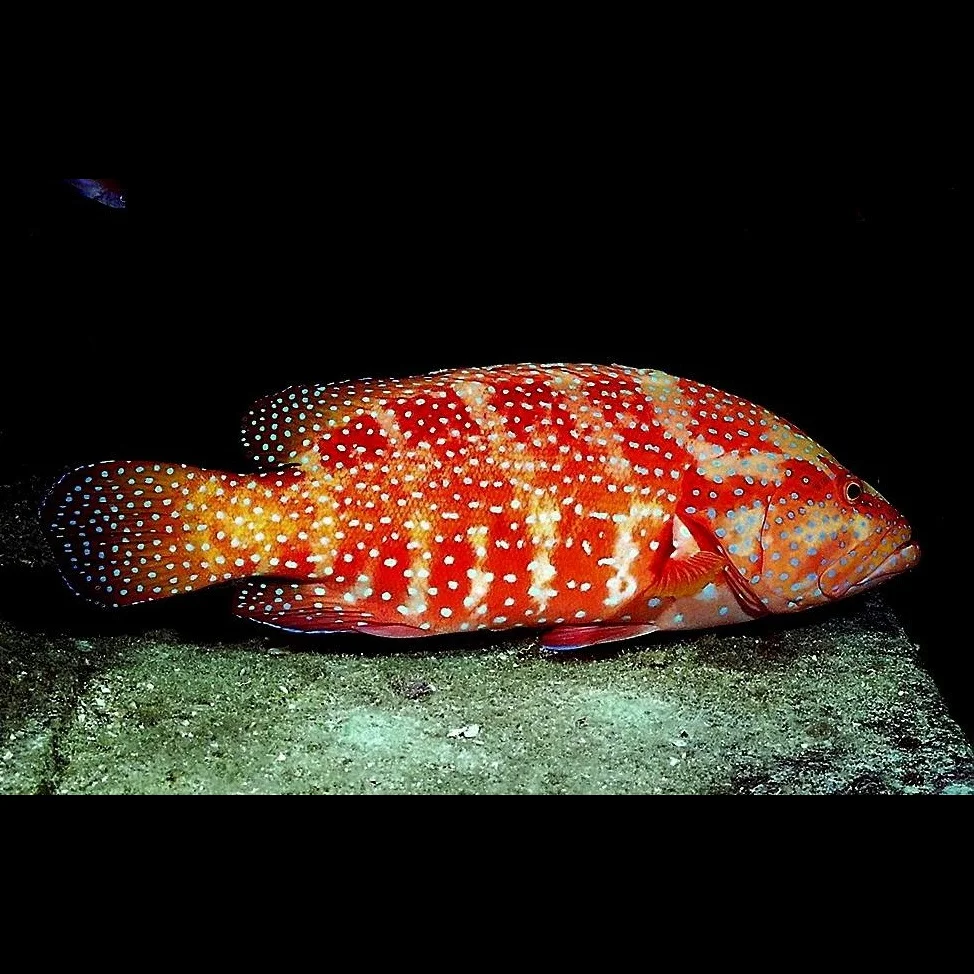
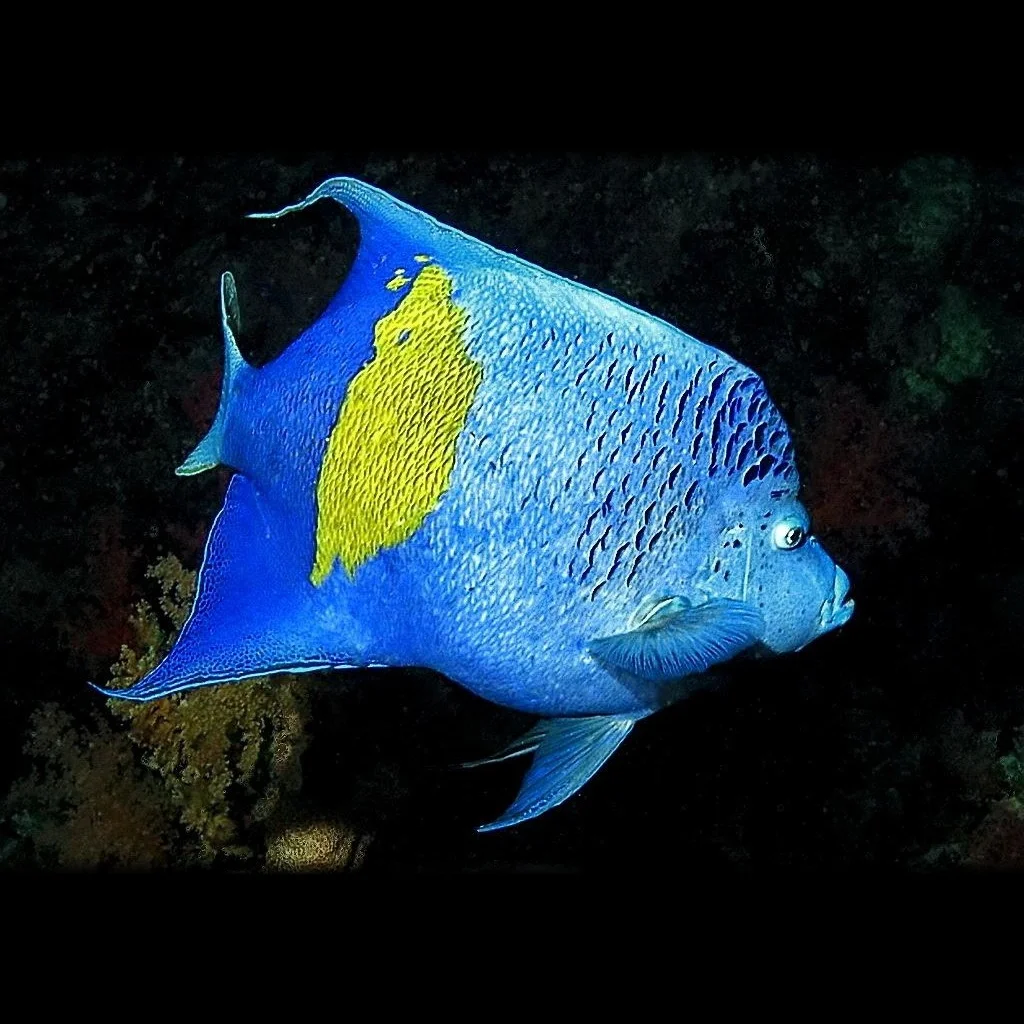
The underwater landscape at Buddha Island sustains a diverse community of fish species, thriving among the coral-covered rock formations. Divers frequently observe bannerfish and various angelfish moving gracefully through the water.
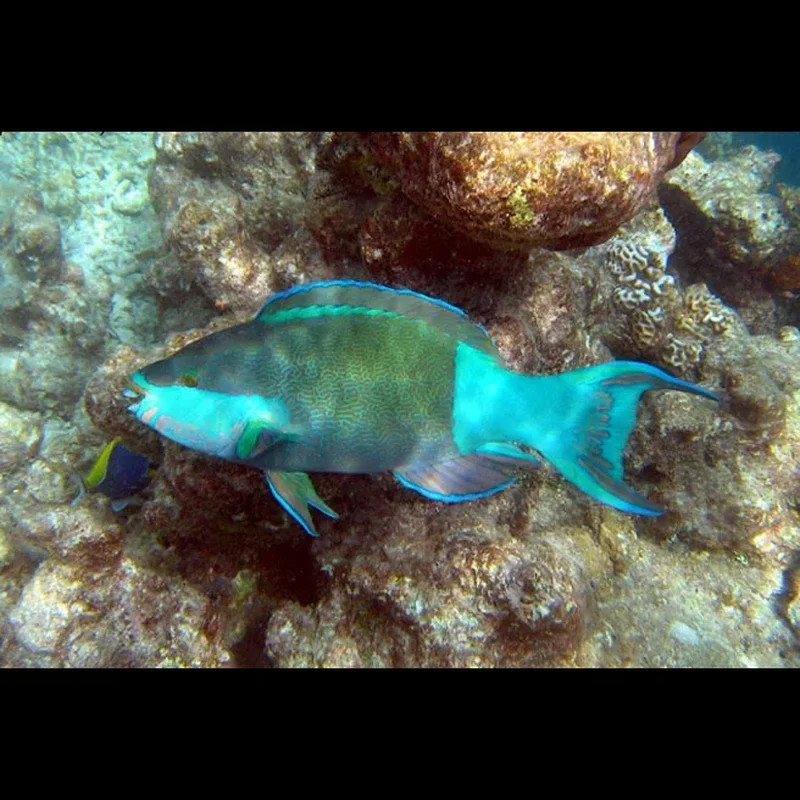
Near the substrate, yellow goatfish and gobies are common sights, often foraging for food. Larger species such as groupers and parrotfish inhabit the deeper sections and along the reef edges.
This vibrant array of marine life contributes significantly to the site's appeal, showcasing typical Thai reef inhabitants in their natural habitat.

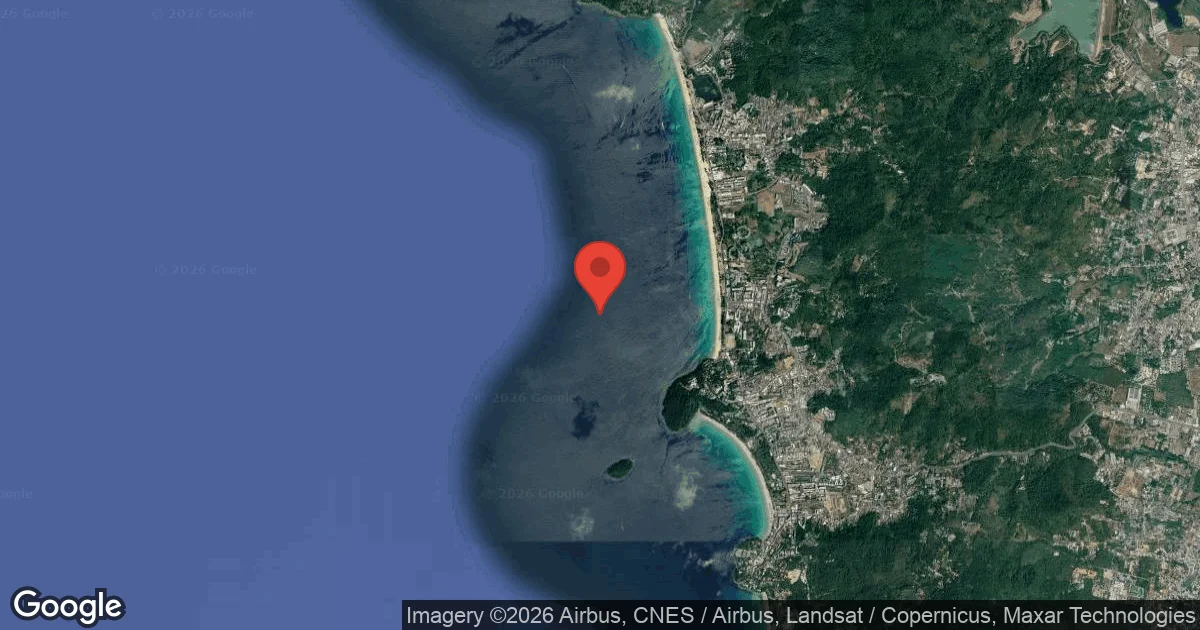
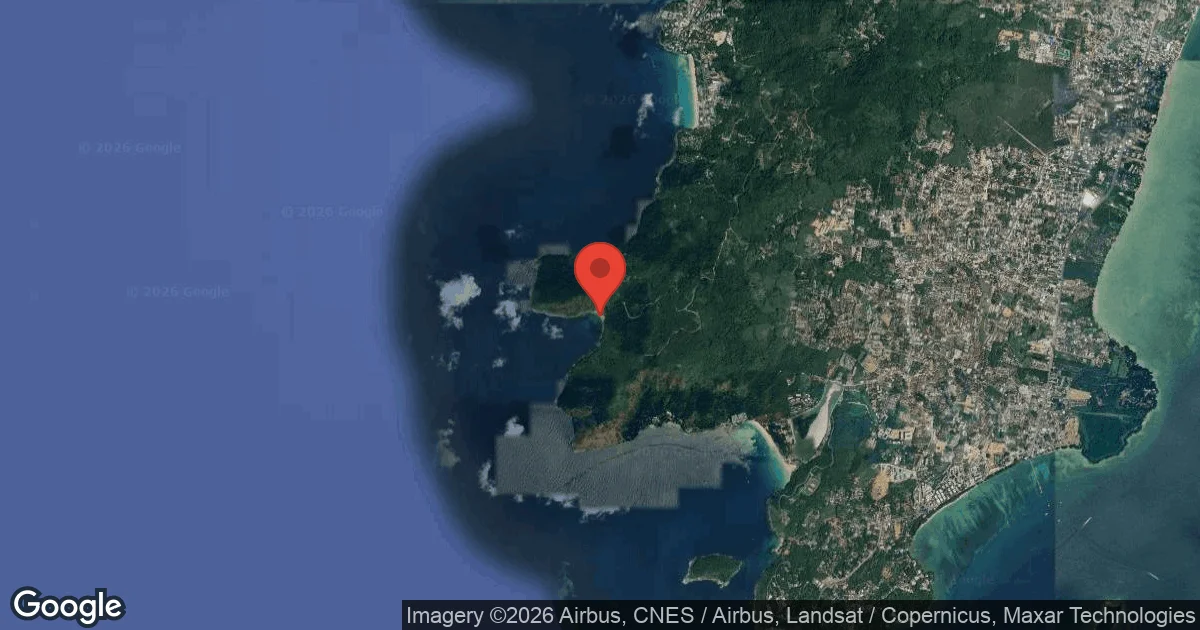
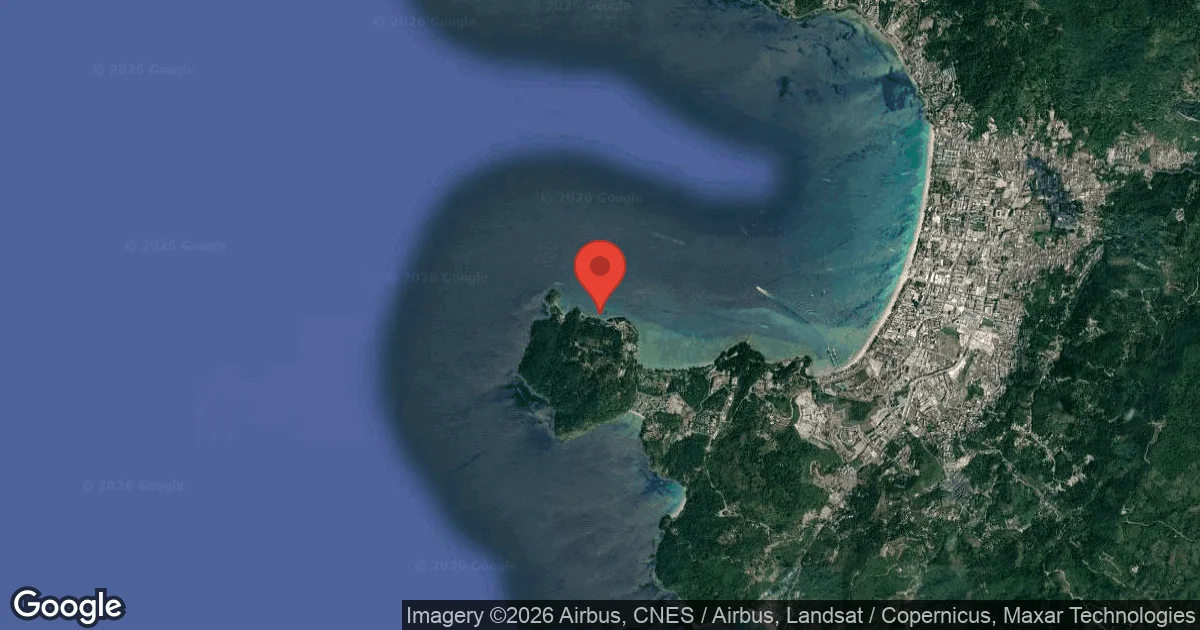
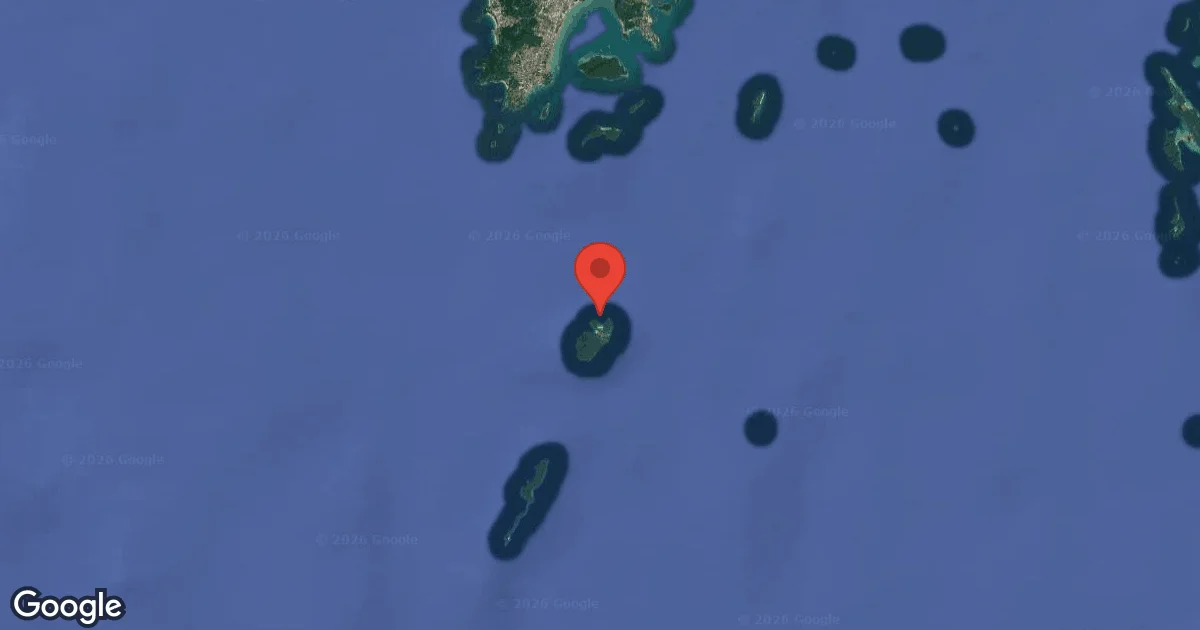
Dive Sites Near Buddha Island
View all dive sites in ThailandDiscover more underwater gems in this area.
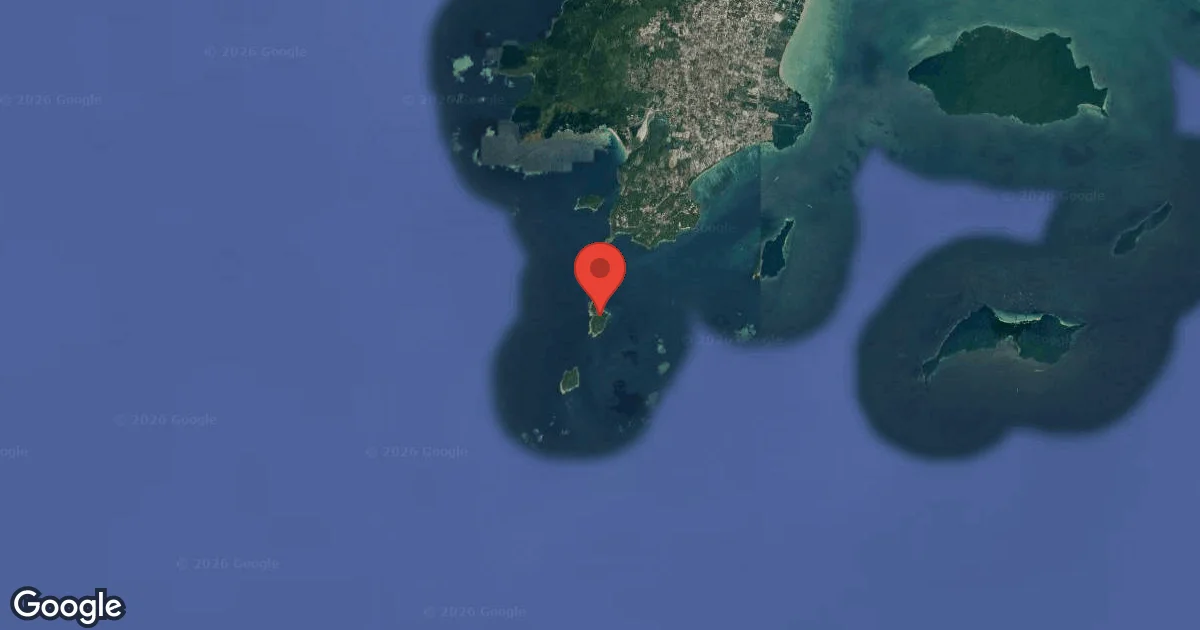
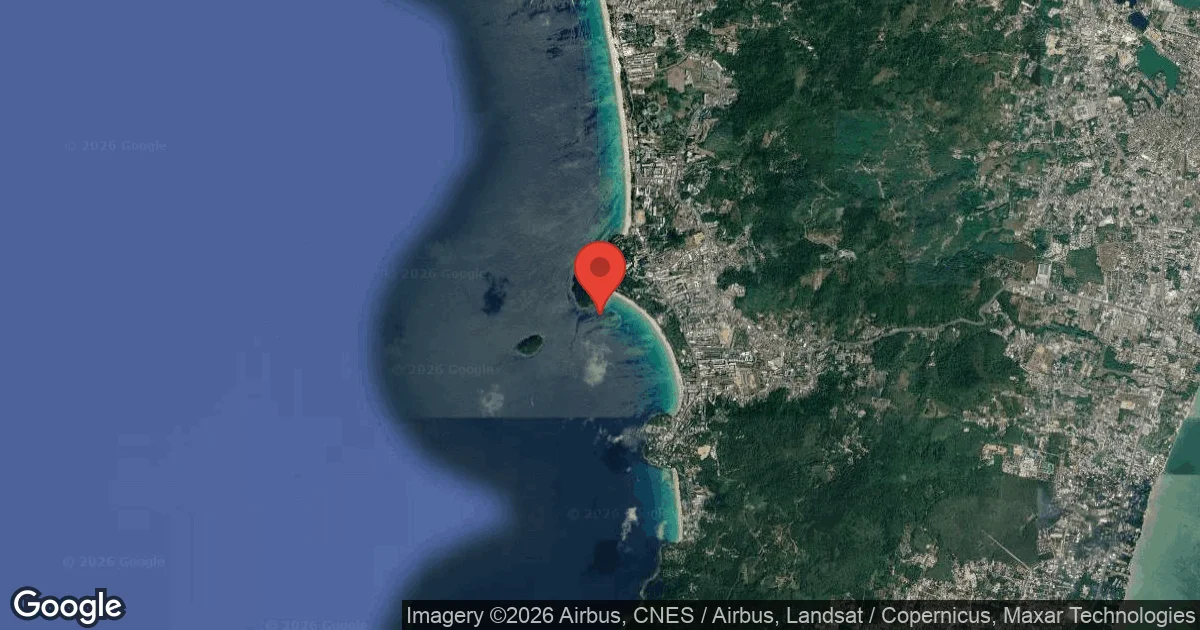
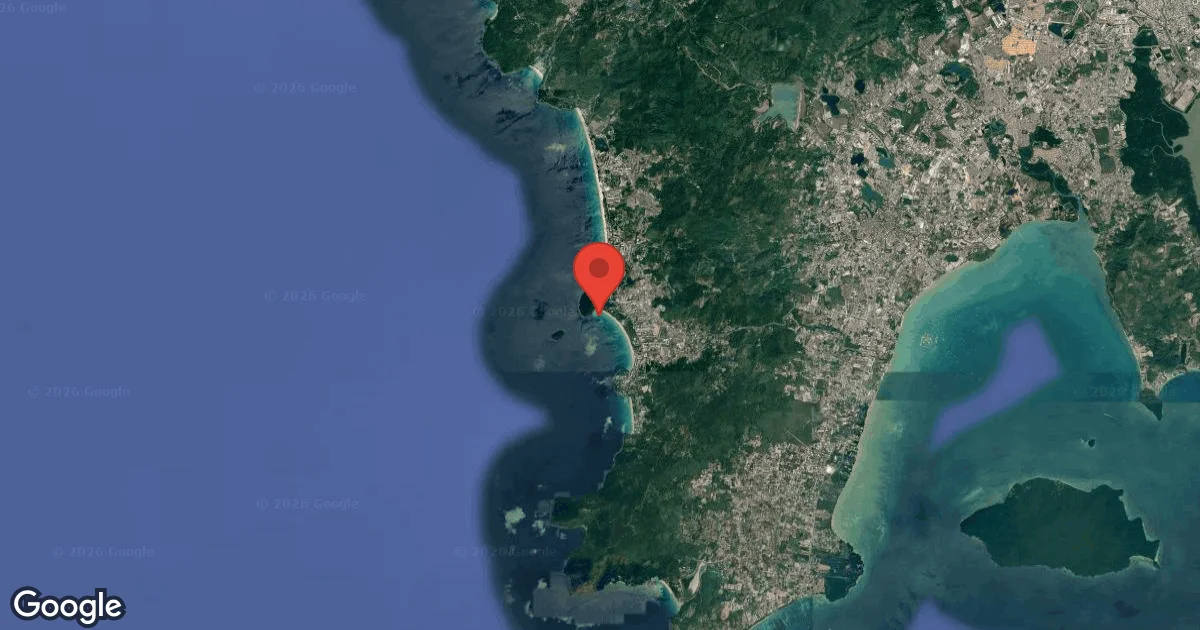
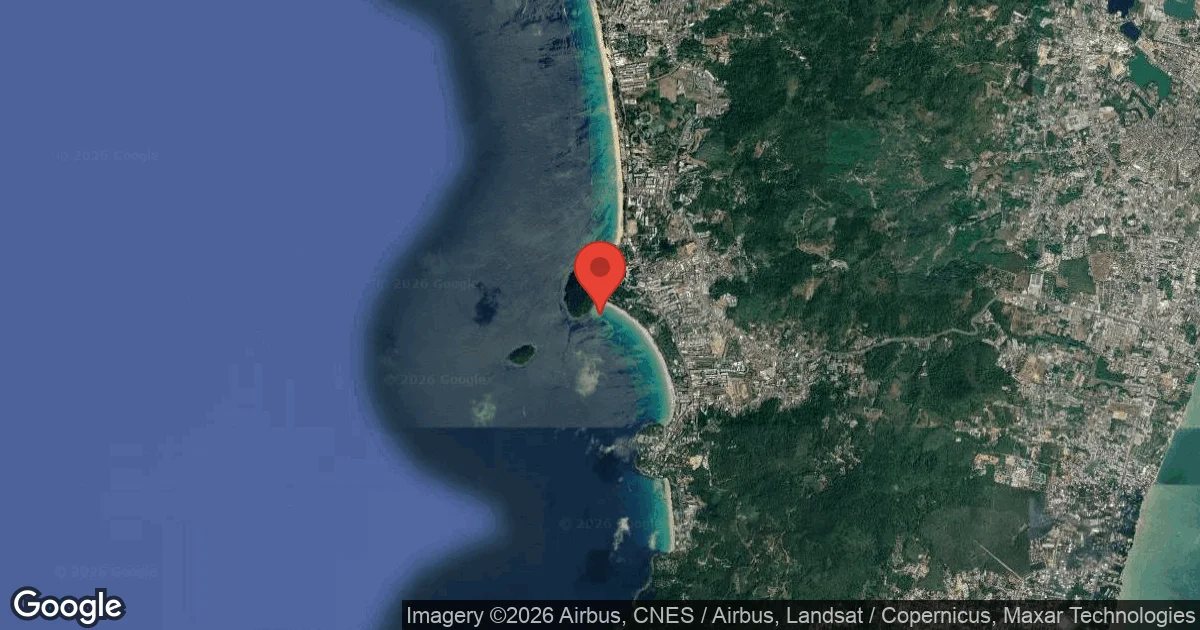
Dive Centers Near Buddha Island

Nearest Airports
Nearest airports to help plan travel to this dive area.
Search Flights
Check available flights and routes on Expedia, using the nearby airports listed in this section.
Search Flights on ExpediaFrequently Asked Questions
What is the typical depth at Buddha Island?
Main rock formations are commonly explored around 14 meters. Advanced Open Water divers can extend their exploration to a maximum depth of 30 meters in deeper sections nearby.
Are there strong currents at Buddha Island?
Currents at Buddha Island can vary. The site's topography often creates areas where strong currents are present. Divers should be prepared for potential drift and plan their dives accordingly.
What is the visibility like?
Visibility at the site is variable, generally ranging from ten to twenty meters. On some occasions, it can be as low as two meters, while exceptional days may offer clearer views.
What marine life can I expect to see?
Divers commonly encounter bannerfish, angelfish, yellow goatfish, gobies, groupers, and parrotfish. The rock and coral structures provide habitats for a variety of reef fish.
Is Buddha Island suitable for all diver levels?
Some sections of Buddha Island, especially those with calmer conditions and shallower depths, are suitable for all levels. However, areas with strong currents or deeper profiles are better suited for more experienced or advanced divers.
What is the best time of year to dive here?
The periods from January to August and October to December are generally considered good for diving at Buddha Island. September has a moderate dive score due to increased rainfall.
Planning to dive Buddha Island?
Send one inquiry and receive offers directly from the best verified local dive operators.
Conditions are Moderate
Optimal conditions expected
Current conditions near Buddha Island show 28° air, 30° sea temperature, 1.7 m waves, and 31 km/h wind. Forecast data is refreshed regularly to ensure accuracy.