
Diving at Racha Noi (Thailand)
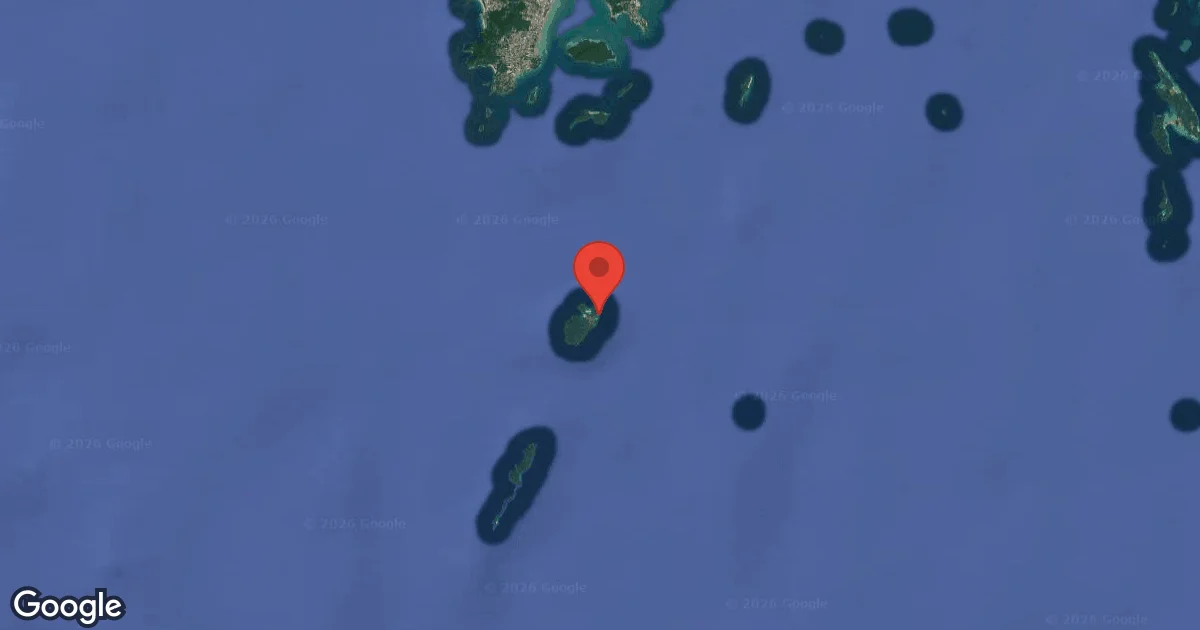
For divers considering Racha Noi, approach it as a diverse island destination rather than a single site. It's crucial to understand that different bays and tips cater to varying experience levels, from introductory dives in sheltered coves to advanced drift diving around deeper granite structures. Proper site selection based on current conditions and diver certifications ensures an optimal experience here, approximately 10-15 miles south of Phuket.
As evening covers Racha Noi, the local air temperature is measured at 27.5°C. The current wave height at the surface is recorded at 1.5 m. These late-day readings characterize the surface conditions for the night.
Dive Site Location & Key Facts
Dive Site Overview
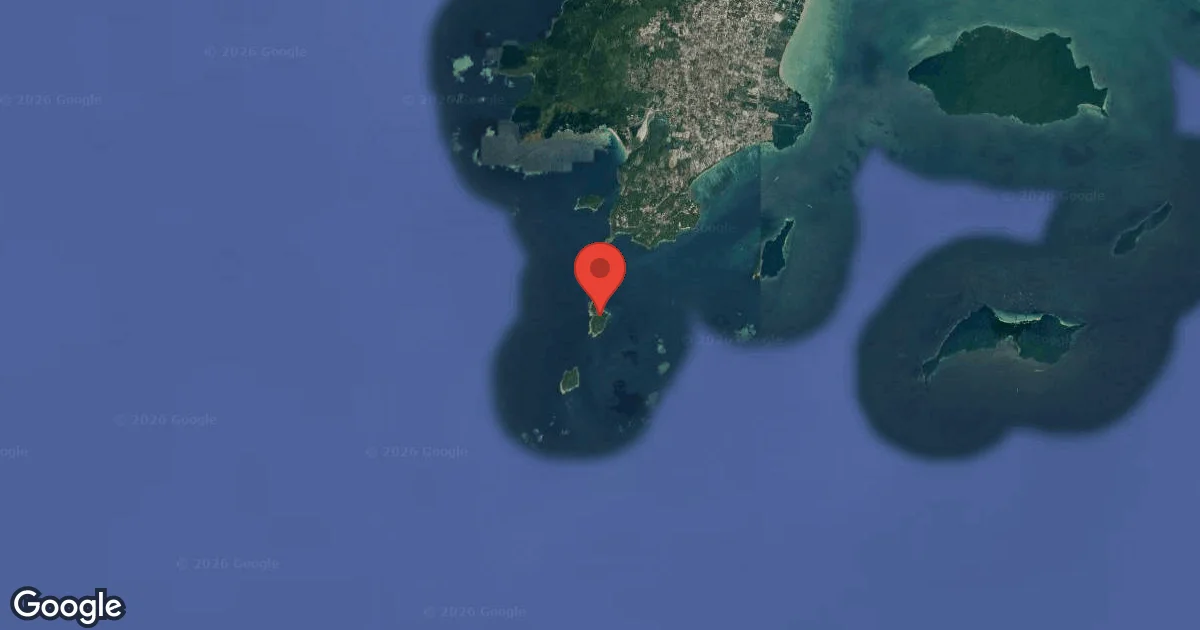
Racha Noi, an island approximately 2 hours and 15 minutes by boat from Chalong Bay, serves as a crucial transitional zone. It connects the shallower sites of Racha Yai with the deeper, pelagic-rich waters further south, offering more varied and often more challenging conditions.
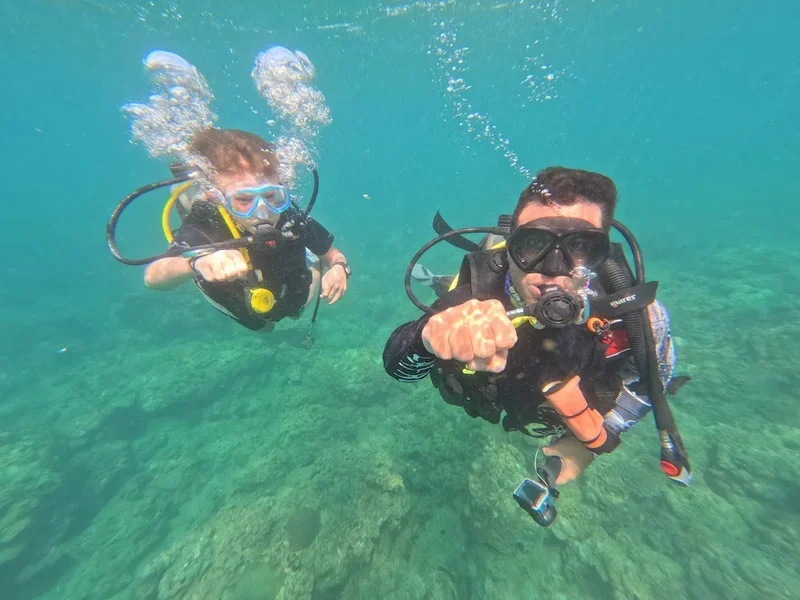
Divers here encounter a diverse underwater landscape, a mix of gentle sloping sandy bottoms, robust coral fields, and impressive granite boulder formations, particularly evident at its southern reaches. For instance, Banana Bay on the east, recognized for its banana-like shape, accommodates novice divers in its sheltered sections, providing ideal conditions for introductory experiences.
Inside the bay, depths typically range from 3 to 10 meters, with a gently sloping reef extending down to around 25 to 30 meters outside. This gradual descent supports a range of reef inhabitants.
On the west coast, Marina Bay features a distinct rocky terrain, offering numerous swim-throughs and descending from shallow areas to its maximum recreational depth. Experienced divers often gravitate towards the exposed South Tip.
This area plunges well beyond 30 meters, revealing huge granite boulders that evoke the dramatic underwater topography found at the Similan Islands, often with stronger currents. Each bay presents a unique set of challenges and attractions, necessitating careful dive site selection.
Conditions are Moderate
Optimal conditions expected
Current conditions near Racha Noi show 27° air, 29° sea temperature, 1.6 m waves, and 34 km/h wind. Forecast data is refreshed regularly to ensure accuracy.
Best Time to Dive
While Racha Noi welcomes divers year-round from Phuket, specific months offer superior conditions, particularly during the dry season. The period from October to May generally sees better visibility, often between 20-30m (65-98ft), aligning with consistently high dive scores. During these months, average air temperatures range comfortably from 27-29°C (81-84°F), with significantly lower rainfall. For instance, January averages only 0.85mm of rain, while April sees about 4.1mm. Conversely, the "low season," typically from June through September, experiences increased rainfall, peaking at 10.2mm in September, alongside higher waves and wind speeds, which can affect surface conditions and visibility. Dive scores are moderate in September, reflecting these changes. Despite this, Banana Bay, located on the east coast, often remains diveable in the low season due to prevailing westerly winds.
PEAK SEASON SCORE
Scores combine air & water temps, waves, wind & rainfall for overall conditions.
BEST MONTHS TO DIVE
Monthly records compiled from satellite and marine observation nodes over the last 3 years. Data provided by Open-Meteo and MET Norway.
Dive Experience & Conditions
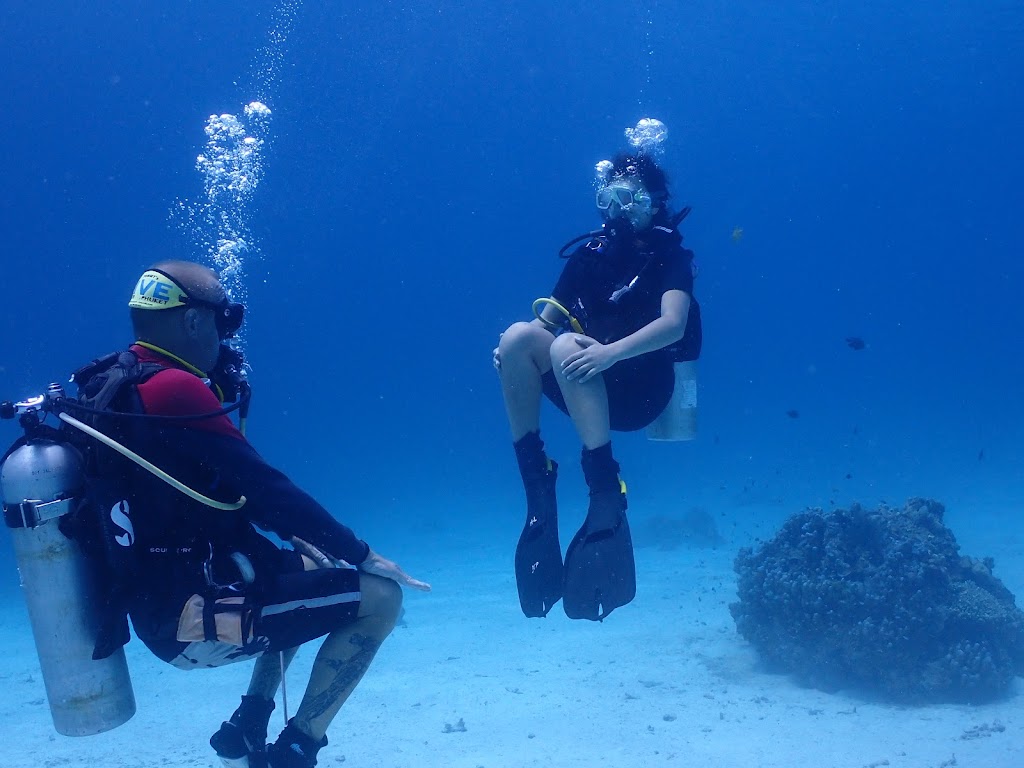
Whether you're taking your first fin strokes or are an experienced technical diver, Racha Noi accommodates a broad spectrum of diving proficiencies. Banana Bay, with its shallow 3-10 meter (10-33 ft) depth and gentle sandy bottom, is ideal for PADI Discover Scuba Diving and Open Water courses. Beyond the sheltered bay, a gradually sloping reef reaches a maximum depth of 30 meters (98 ft), suitable for advanced certifications. Conditions can vary; visibility is generally good, often ranging from 10-30m (33-98ft), particularly from October to May. Water temperatures are consistently warm, typically 27-29°C (81-84°F). Currents at Racha Noi are sometimes stronger than its sister island, Racha Yai, particularly at exposed sites like the South Tip, making some areas excellent for drift dives.
Dive Difficulty & Safety Guidelines
Navigating the varied currents around Racha Noi requires attentive dive planning and awareness, especially at deeper, more exposed sites such as the South Tip. This particular location, with its substantial granite boulders and greater depths, is generally recommended for Advanced Open Water divers or those with equivalent experience. Currents can shift, making proper risk assessment vital before entry.
Divers should always be mindful of boat traffic, particularly in popular bays. Staying within no-decompression limits and conservative depth profiles is advised, given the greater depths encountered at certain dive sites around the island.
Always dive with a reliable buddy and carry appropriate safety equipment, including a surface marker buoy. Regular practice with deployment ensures readiness for any surface signaling needs.
Recommended Equipment
Deep dive hazard. Increased narcosis and gas consumption risk.
Overhead / entanglement risk. Wreck penetration requires proper training.
- Dive Computer
- DSMB
- Primary & Backup Lights
- Wreck Reel
- Cutting Tool
This gear list is based on verified equipment signals for Racha Noi, Thailand. Always confirm final gear choices with your dive operator, guide, or liveaboard.
Recommended Dive Suit
Divers planning relaxed exploration may appreciate the warmth of dive skin or rash guard. Consider warmer surface protection (like a boat coat) due to brisk winds. Divers often notice that perceived temperature can feel cooler during deeper or longer dives.
The waters surrounding Racha Noi are currently maintaining temperatures close to 29°C (85°F). Surface air temperatures are resting at 27°C (81°F).
Weather projections show fairly stable environmental conditions ahead.
Emergency & Medical Support
Essential information to help you plan your dive trip to racha noi.

Hyperbaric chambers are a critical part of dive safety infrastructure. Availability varies significantly by region, and not all dive areas have immediate access.
Before diving, it's recommended to:
- confirm nearest medical facilities
- check emergency procedures with local dive operators
- ensure dive insurance covers evacuation if required
Divers Alert Network
Diving emergency assistance available through DAN World.
+1-919-684-9111- 24/7 emergency hotline
- Diving medical assistance
- Evacuation coordination
Emergency contacts are provided for reference. Always verify local emergency services before diving.
Marine Life at Racha Noi
Beneath the surface, Racha Noi's diverse topography, from sandy slopes to massive granite boulders and coral pinnacles, supports a rich array of marine life. Shallower areas of Banana Bay feature extensive Staghorn Coral fields, often hosting turtles.
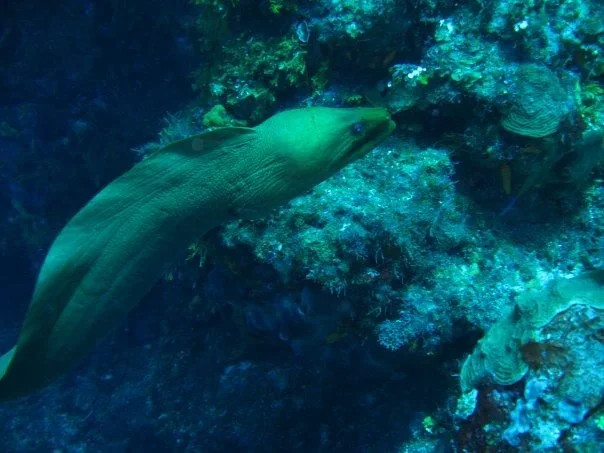
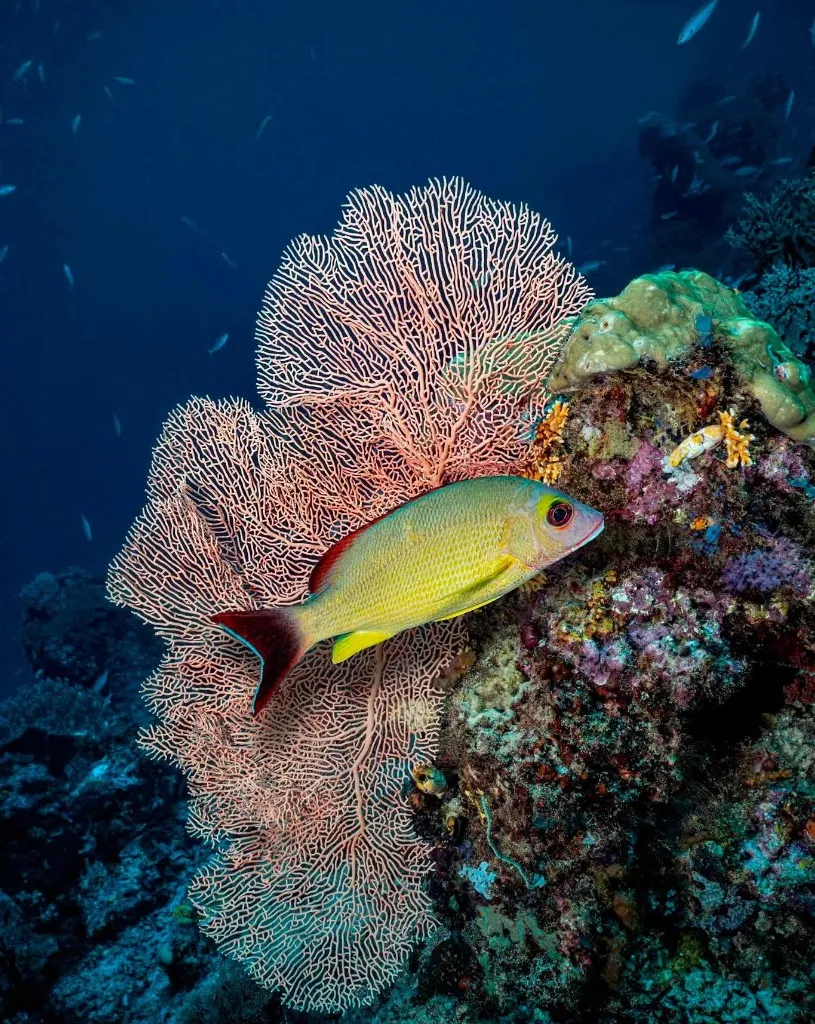
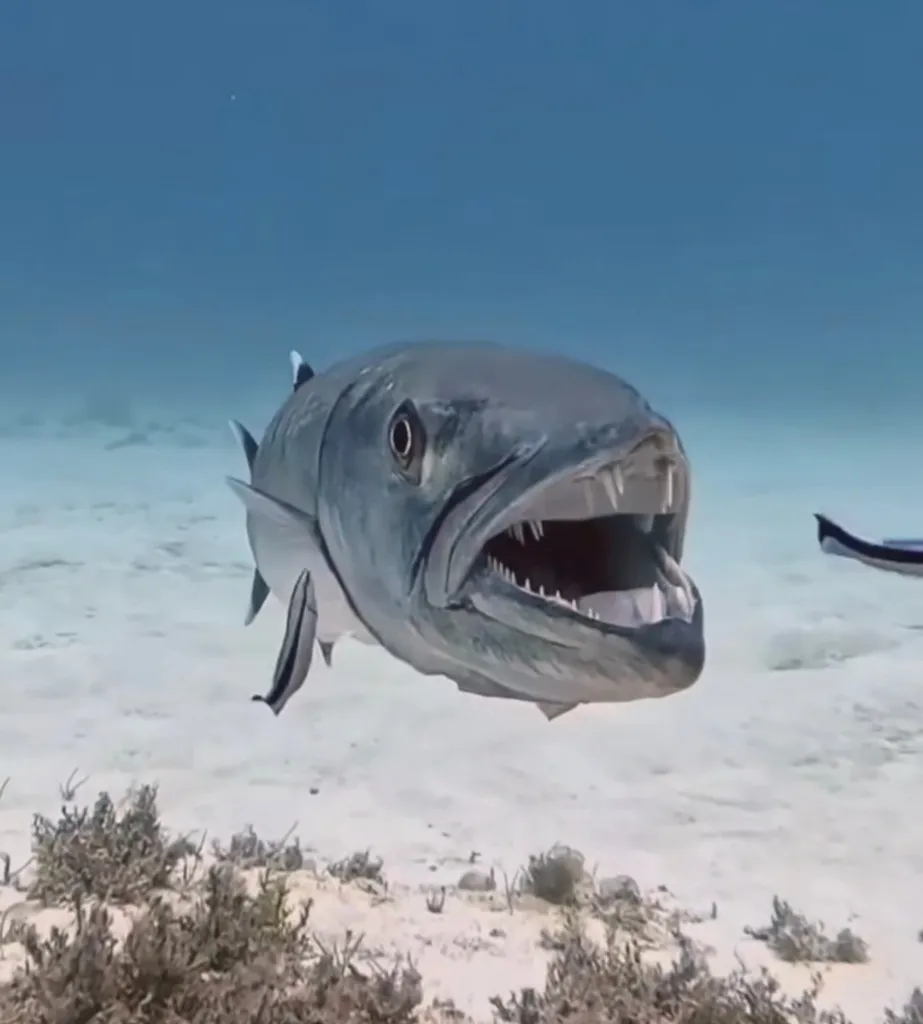
Look out for schools of snappers, small barracudas, and moray eels navigating the reef structures. Deeper sections and the blue water surrounding the island present opportunities for larger pelagic encounters.
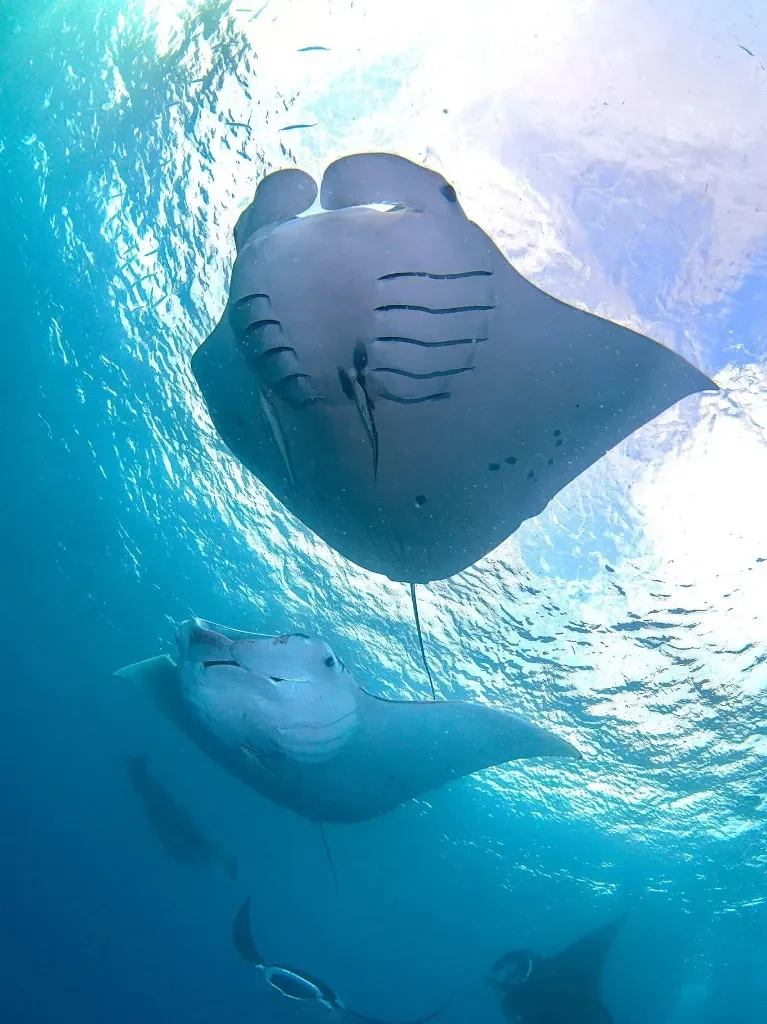
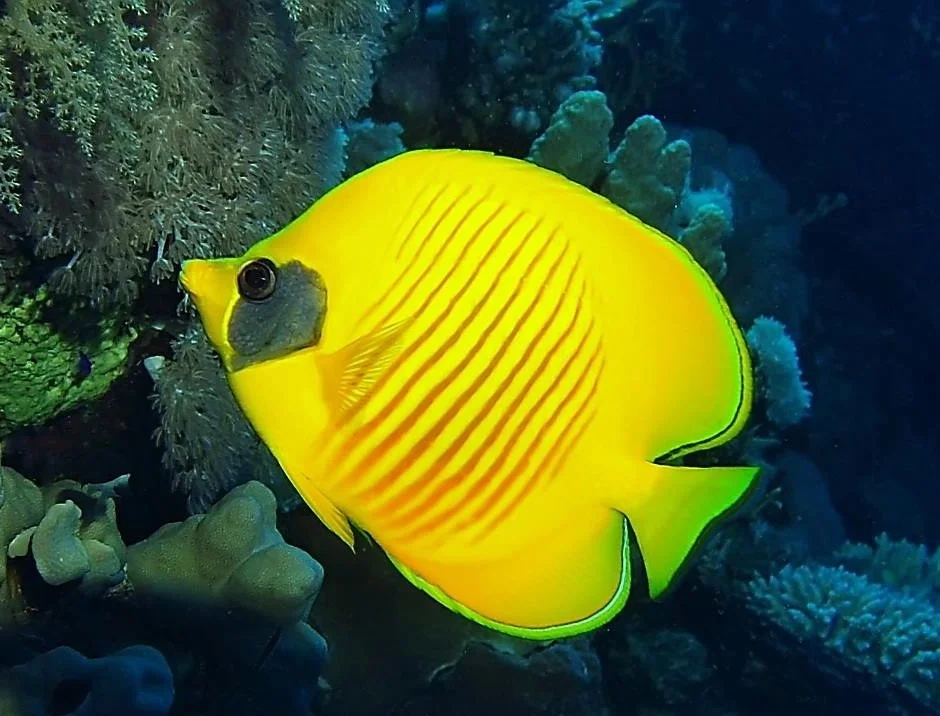
Eagle rays are frequently sighted in Banana Bay, and while not a daily occurrence, manta rays are known to 'fly' past Marina Bay and are sometimes seen at the South Tip. Keep an eye out for triggerfish, butterflyfish, and bannerfish throughout the sites, adding to the vibrant underwater scenery.
Dive Sites Near Racha Noi
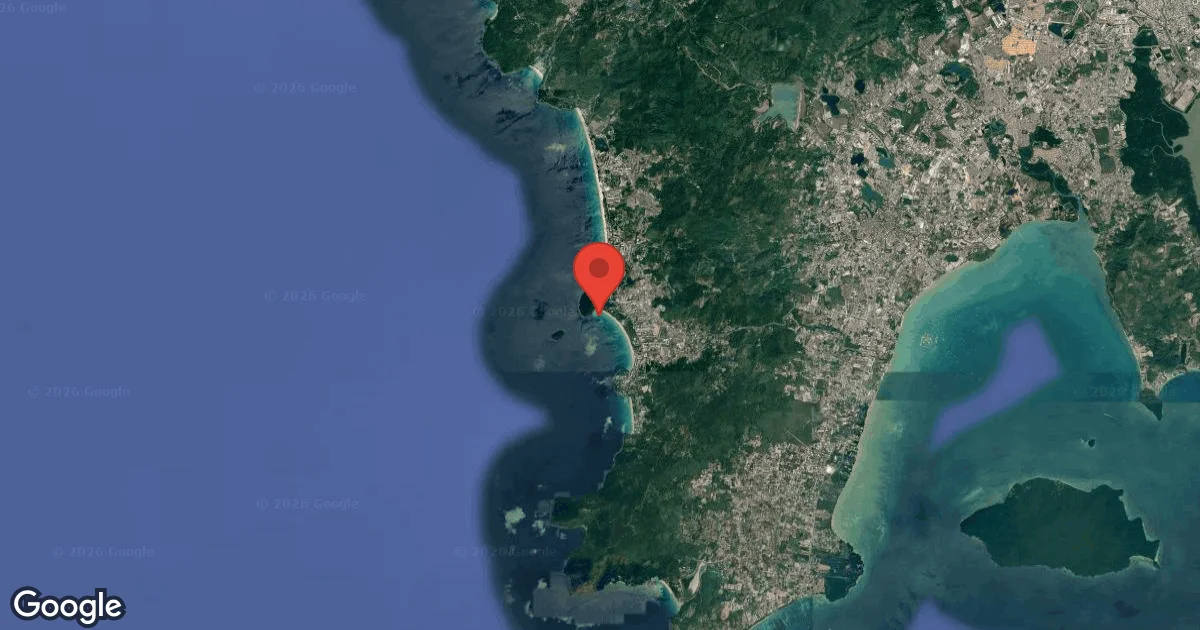
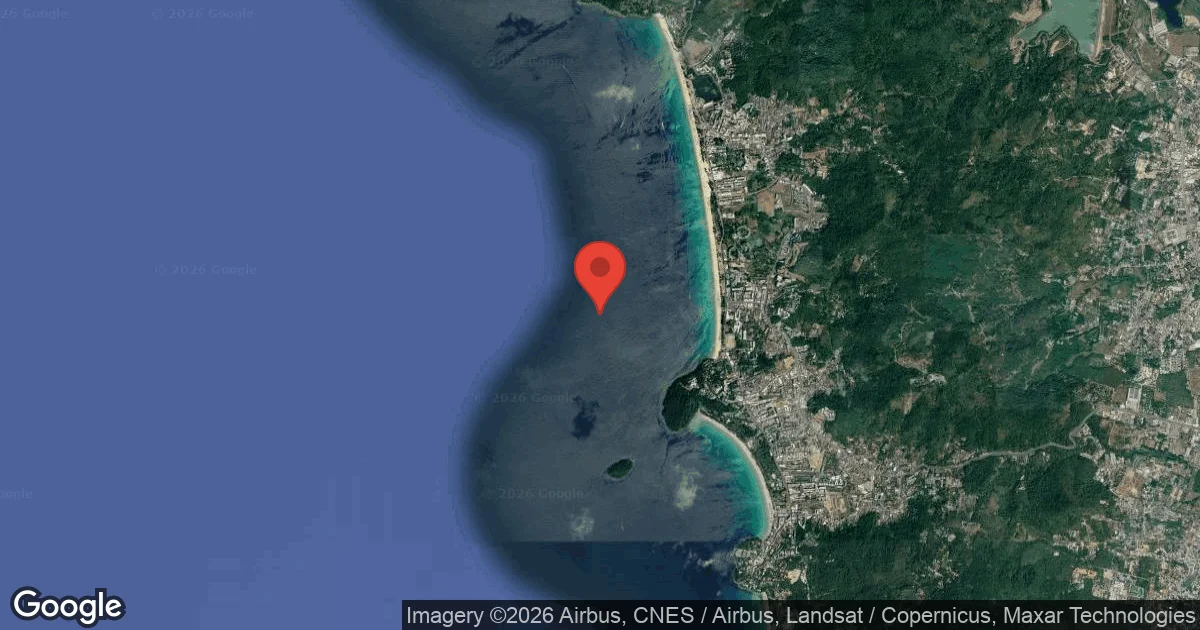
View all dive sites in ThailandDiscover more underwater gems in this area.
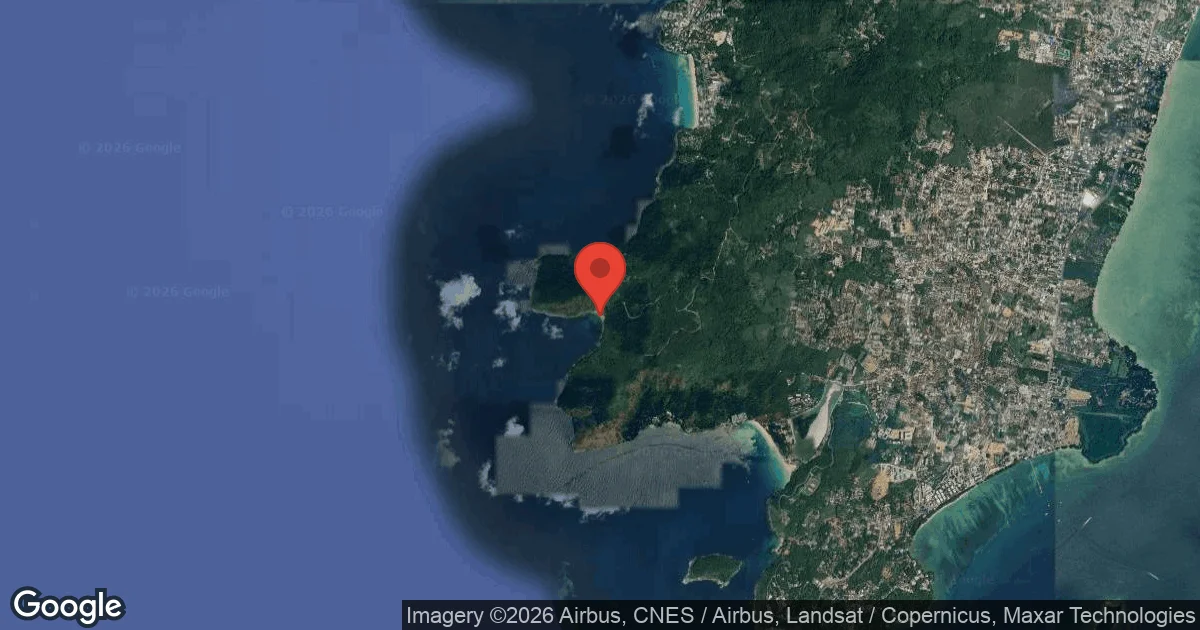
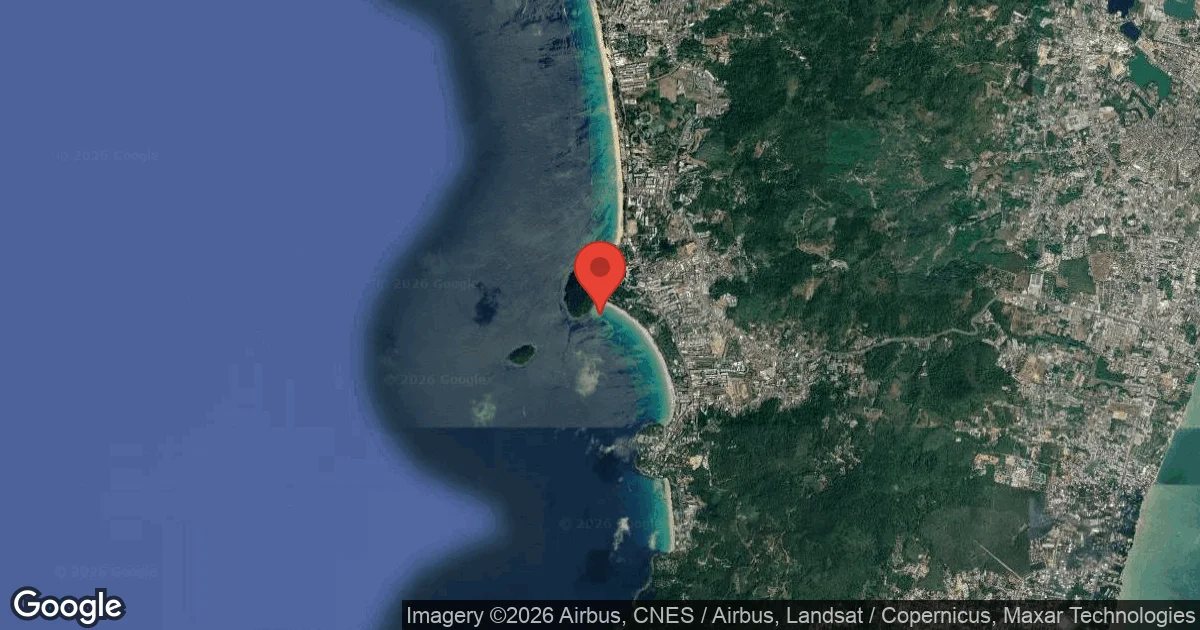
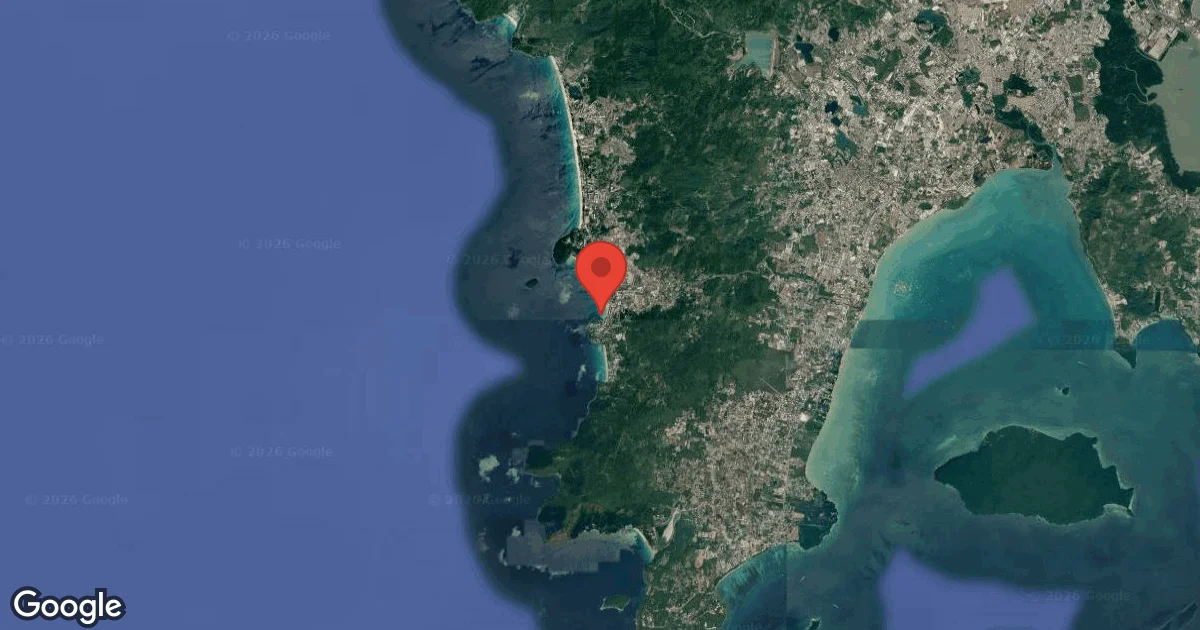
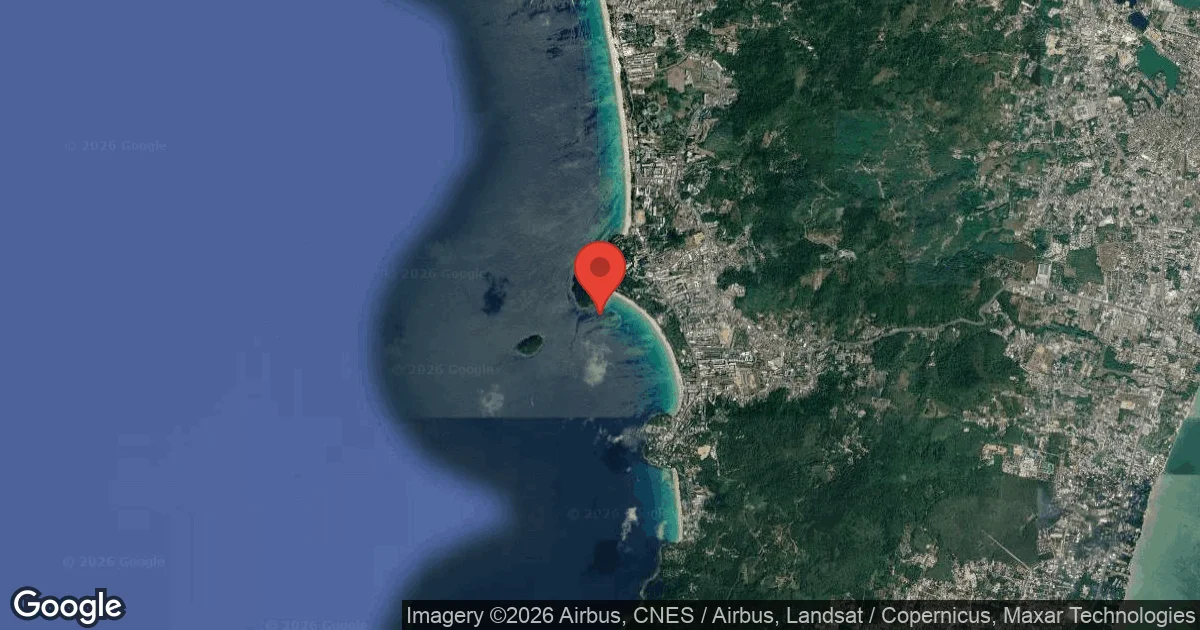
Dive Centers Near Racha Noi

Nearest Airports
Nearest airports to help plan travel to this dive area.
Search Flights
Check available flights and routes on Expedia, using the nearby airports listed in this section.
Search Flights on ExpediaFrequently Asked Questions
How does Racha Noi compare to Racha Yai for diving?
Racha Noi generally offers more challenging dives with deeper sites and potentially stronger currents, appealing to advanced divers. Racha Yai, located closer to Phuket, typically features shallower, calmer conditions, making it more suitable for beginners and training dives. The underwater topography at Racha Noi also includes more dramatic granite boulder formations.
Are strong currents common at Racha Noi?
Currents can vary significantly, ranging from mild in sheltered bays like Banana Bay to strong at exposed sites like the South Tip. Drift diving is common in certain areas, providing exhilarating experiences. Always consult your dive guide for the latest conditions and site recommendations.
What's the typical underwater visibility like?
Visibility at Racha Noi is often very good, particularly during the dry season from October to May, frequently exceeding 20 meters. During the low season, increased rainfall and winds can reduce visibility, though it often remains acceptable. Conditions are site-dependent and can vary daily.
What marine life should I look out for?
The island's diverse habitats support a wide range of species. Expect to see reef fish such as snappers, barracudas, and moray eels in shallower coral gardens. Deeper sections and open water offer opportunities for pelagic encounters, including eagle rays and occasional manta rays.
Is Racha Noi suitable for beginner divers?
Yes, certain sheltered bays, particularly Banana Bay, provide excellent conditions for beginner divers and open water training with depths around 3-10 meters. More advanced sites, such as the South Tip, require higher certification levels and experience with deeper dives and potential currents. Choosing the right site for your skill level is crucial here.
What is the average water temperature?
Water temperatures at Racha Noi are consistently warm throughout the year, typically ranging from 27-29°C (81-84°F). This comfortable range allows for extended dive times. Most divers find a 3mm shorty or full wetsuit sufficient for thermal protection.
Can I see manta rays or whale sharks at Racha Noi?
While not guaranteed, manta rays are occasionally sighted around Marina Bay and the South Tip, especially during specific seasons. Whale shark sightings are less common but possible in the deeper, pelagic-rich waters surrounding the island. These encounters depend heavily on chance and the specific time of year.
What kind of dive topography dominates the sites?
Racha Noi features a striking mix of granite boulder formations, particularly prominent at its southern end, alongside extensive coral fields and sandy slopes in its shallower bays. Swim-throughs are also a common feature in several locations, adding to the varied underwater terrain.
Planning to dive Racha Noi?
Send one inquiry and receive offers directly from the best verified local dive operators.
Conditions are Moderate
Optimal conditions expected
Current conditions near Racha Noi show 27° air, 29° sea temperature, 1.6 m waves, and 34 km/h wind. Forecast data is refreshed regularly to ensure accuracy.