
Diving at Karon Rock (Thailand)
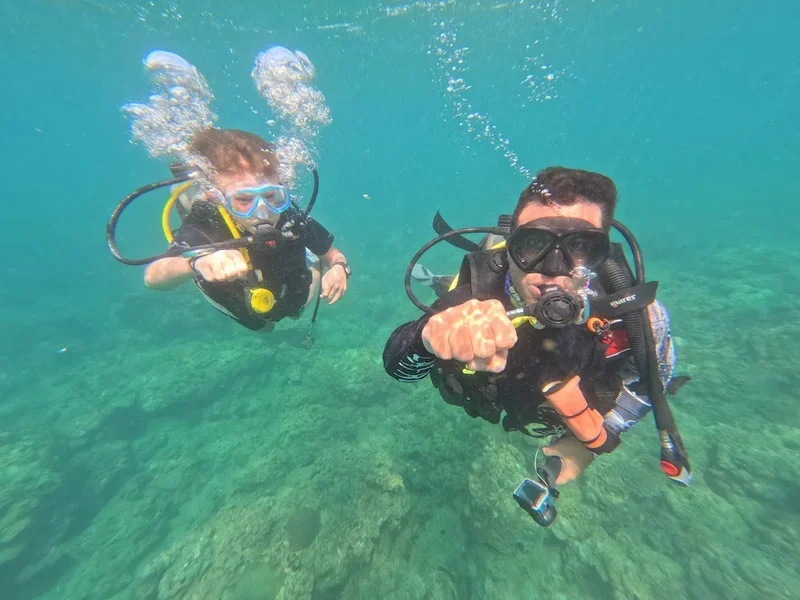
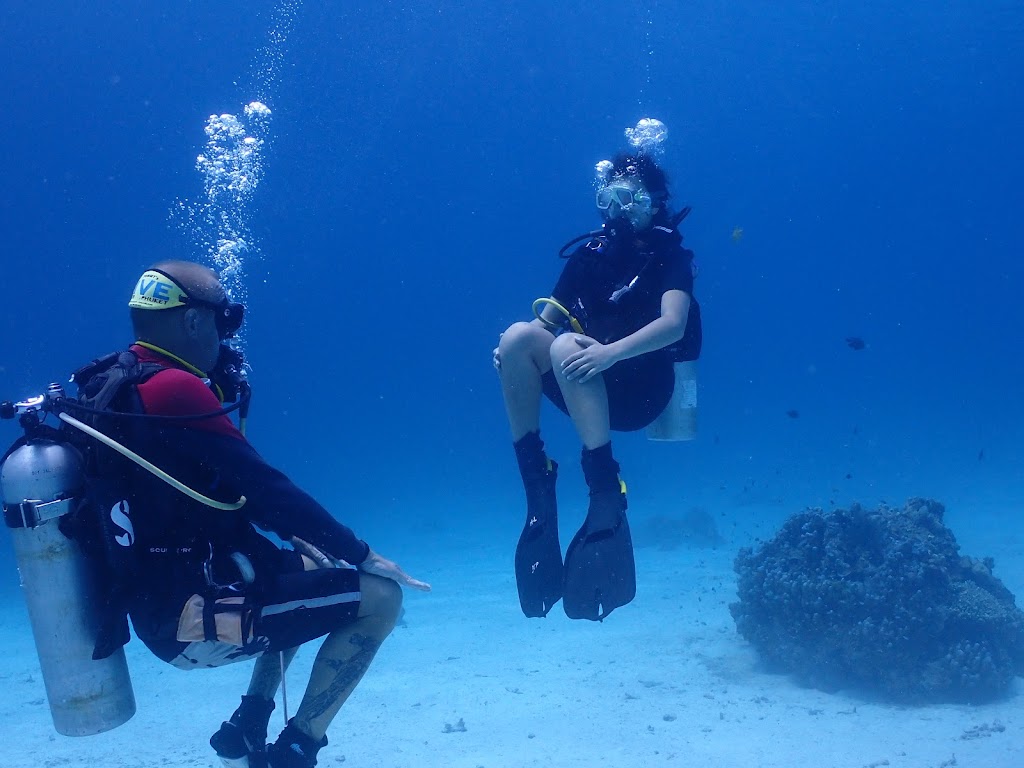
Karon Rock offers a convenient half-day dive experience, particularly appealing for those looking to maximize holiday time. It's often reached by local longtail boats, providing direct access to a local pinnacle and reef environment. This site caters well to divers seeking a less crowded option, allowing for flexible morning, afternoon, or night dives. Certified divers can enjoy quick refreshers or fun dives here. It’s also a common training ground for Open Water and Advanced courses.
Evening condition tracking at Karon Rock features an air temperature of 26.5°C. We have recorded wave heights measuring 1.9 m during this period. These figures outline the environmental parameters currently present.
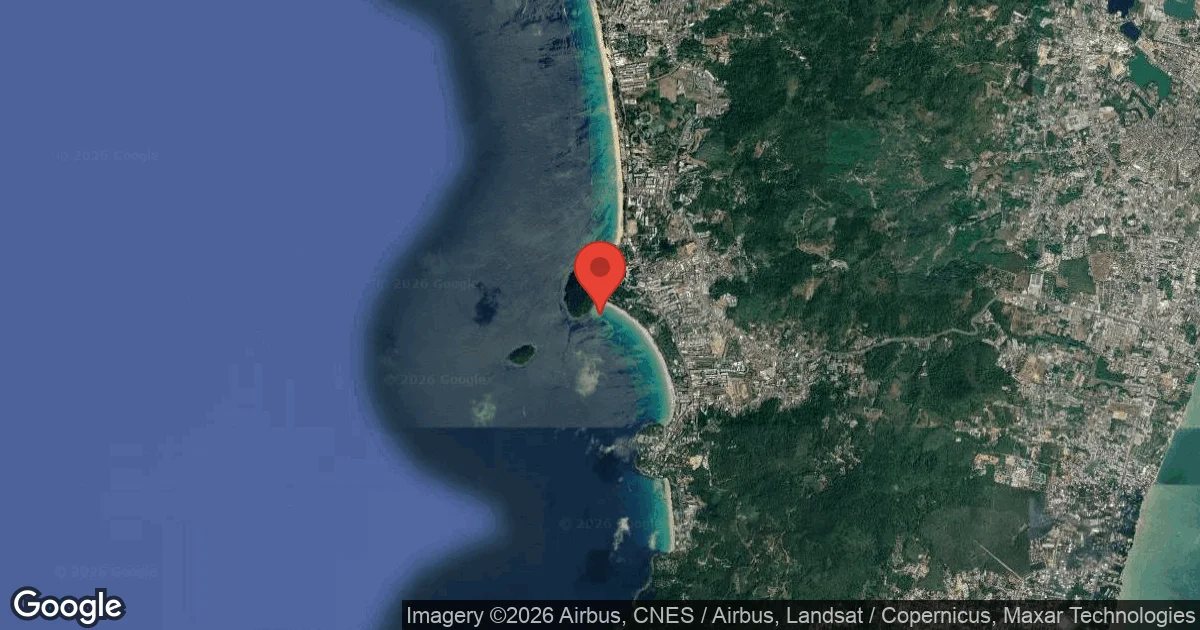
Dive Site Location & Key Facts
Dive Site Overview
Divers exploring Karon Rock will discover a distinct boulder formation, rising from a sandy bottom. Its pinnacle reaches a shallowest point around 6 m / 20 ft, then descends gradually to a maximum of 19 m / 62 ft.
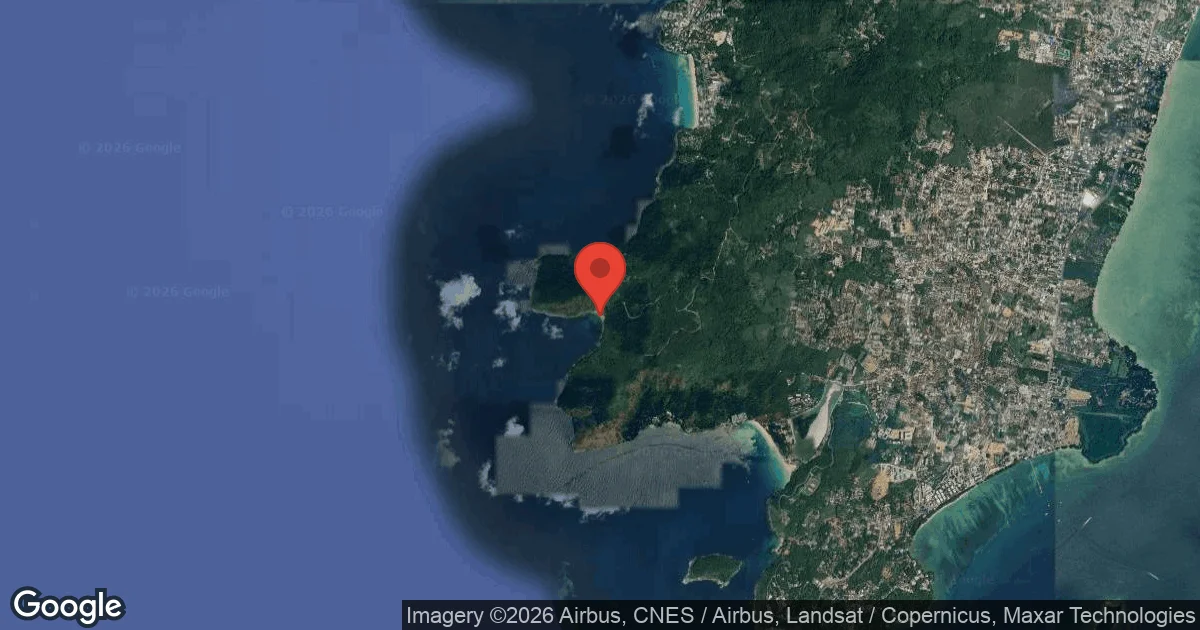
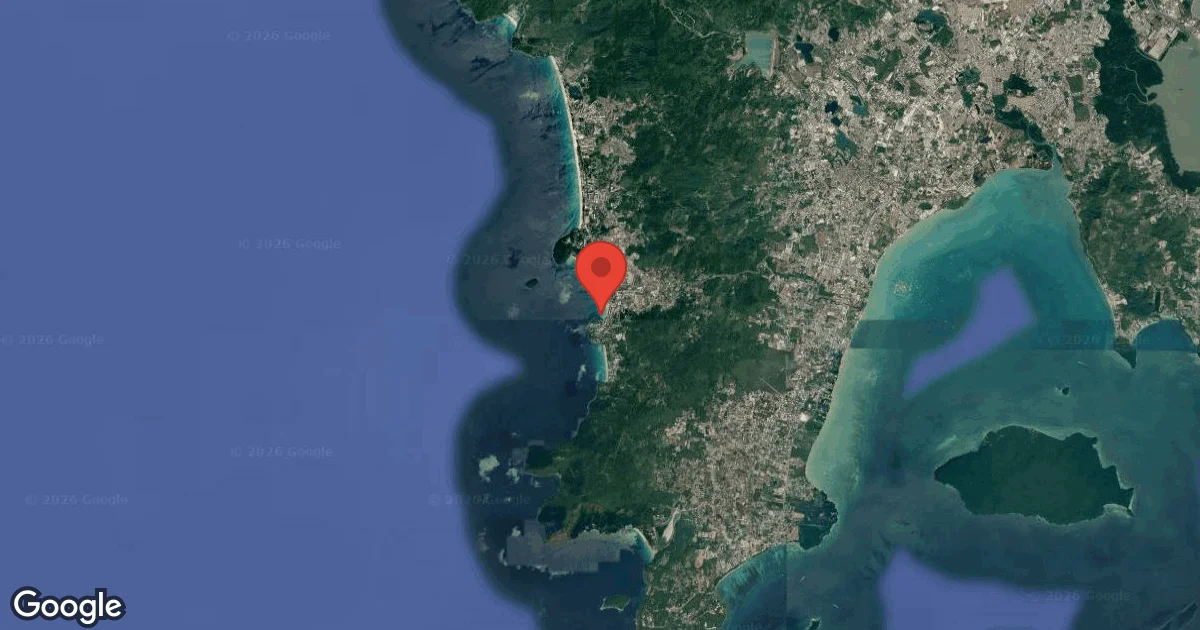
As part of Karon reef system, local longtail boats typically provide access from Karon Beach after a short journey. Encounters often involve a mix of reef sections and sandy seabed, supporting diverse marine habitats. Mild currents are generally reported here, suiting various skill levels, including Open Water and Advanced certifications.
This site accommodates both exploratory fun dives and focused training. Water temperatures, while not consistently reported for this specific location, generally reflect Andaman Sea's warmth, often ranging 27-29°C / 81-84°F.
Visibility varies with local weather and tidal movements, yet usually offers ample scope for exploring rock features. A localized offshore dive, it provides a rewarding experience without extensive travel; its relatively shallow profile allows for extended bottom times.
Conditions are Moderate
Optimal conditions expected
Current conditions near Karon Rock show 26° air, 30° sea temperature, 1.9 m waves, and 31 km/h wind. Forecast data is refreshed regularly to ensure accuracy.
Best Time to Dive
Planning a dive at Karon Rock is best done from late October through June, a period offering most favorable conditions. Monsoon season, from July to September, typically brings higher rainfall and increased wave action, affecting dive suitability. Peak diving months, specifically November through April, consistently see air temperatures around 27-29°C / 81-84°F. Rainfall remains notably low during this period, often under 5 mm, which improves underwater visibility and promotes calmer seas. January, for example, often records minimal rain at just 0.85 mm, alongside air temperatures nearing 28°C / 82°F. Wave heights are also considerably reduced, averaging 0.5-0.6 meters / 1.6-2.0 feet, in contrast to 1.2-1.3 meter / 3.9-4.3 foot conditions common in September. Diving remains possible outside this prime window, though it depends on beach conditions and local weather evaluations.
PEAK SEASON SCORE
Scores combine air & water temps, waves, wind & rainfall for overall conditions.
BEST MONTHS TO DIVE
Monthly records compiled from satellite and marine observation nodes over the last 3 years. Data provided by Open-Meteo and MET Norway.
Dive Experience & Conditions
Conditions at Karon Rock are generally manageable, though mild currents can sometimes arise. Reaching this site typically involves a short journey by local longtail boat from Karon Beach. With a maximum depth around 19 meters, longer bottom times and less strenuous dives are common. Water temperatures usually range between 27-29°C / 81-84°F, which makes a 3mm wetsuit or rash guard sufficient for most divers. While visibility varies, it's often adequate for clear views of rock formations and marine life. Many divers choose this location for refresher sessions and open water training, reflecting generally accessible and predictable conditions. Night dives here present a distinct perspective, revealing nocturnal species.
Dive Difficulty & Safety Guidelines
Maintaining awareness of local boat traffic is crucial here, as dive operations frequently use longtail boats for access. Currents, while typically mild, can occasionally increase, requiring divers to be prepared for potential drift and maintain proper buoyancy control.
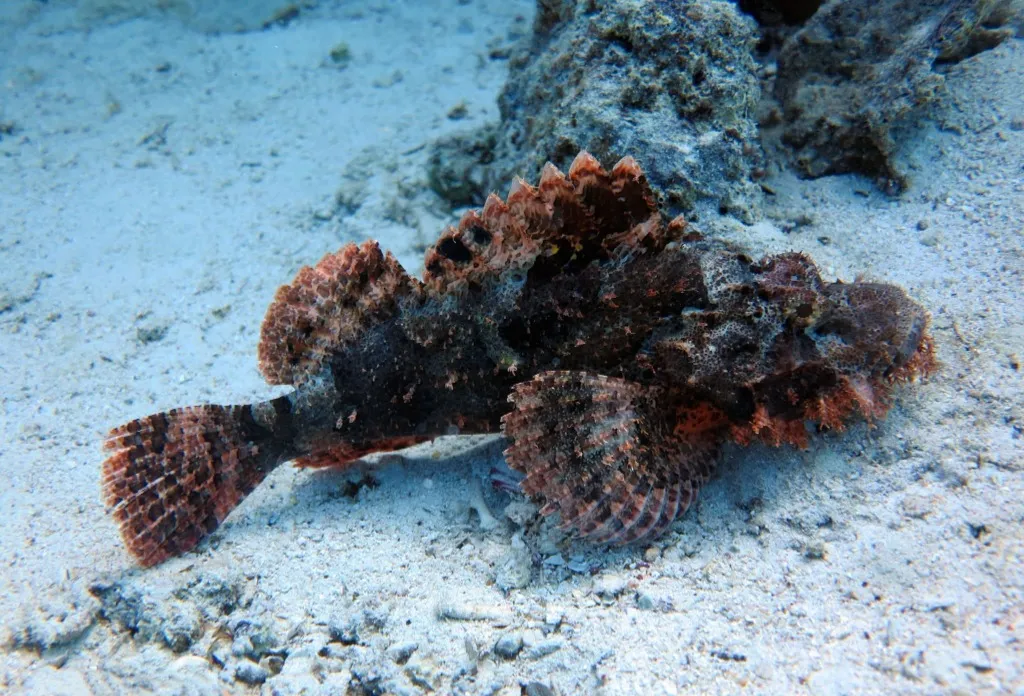
Rocky structures can conceal marine life needing respectful distance, such as scorpionfish, recognized for their camouflage and venomous spines. Always dive with a local professional who understands specific site conditions and entry/exit points.
Carrying a surface marker buoy (SMB) enhances safety, particularly if surfacing away from the boat. No specific hazards beyond typical reef environment considerations are consistently reported for Karon Rock.
Recommended Equipment
- Dive Computer
- DSMB
This gear list is based on verified equipment signals for Karon Rock, Thailand. Always confirm final gear choices with your dive operator, guide, or liveaboard.
Recommended Dive Suit
Dive skin or rash guard is often considered an appropriate level of exposure protection for conditions like these. Consider warmer surface protection (like a boat coat) due to brisk winds.
Divers planning a dive at Karon Rock today will likely encounter water temperatures close to 30°C (85°F). Surface air temperatures are resting at 26°C (80°F).
The forecast outlook suggests that temperatures will stay close to current levels.
Emergency & Medical Support
Essential information to help you plan your dive trip to Karon rock.

Hyperbaric chambers are a critical part of dive safety infrastructure. Availability varies significantly by region, and not all dive areas have immediate access.
Before diving, it's recommended to:
- confirm nearest medical facilities
- check emergency procedures with local dive operators
- ensure dive insurance covers evacuation if required
Divers Alert Network
Diving emergency assistance available through DAN World.
+1-919-684-9111- 24/7 emergency hotline
- Diving medical assistance
- Evacuation coordination
Emergency contacts are provided for reference. Always verify local emergency services before diving.
Marine Life at Karon Rock
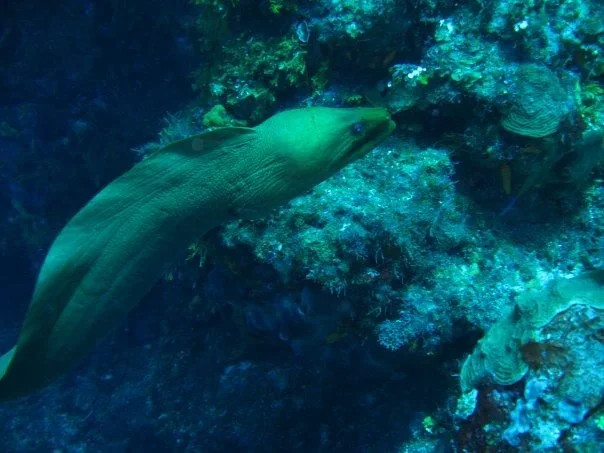
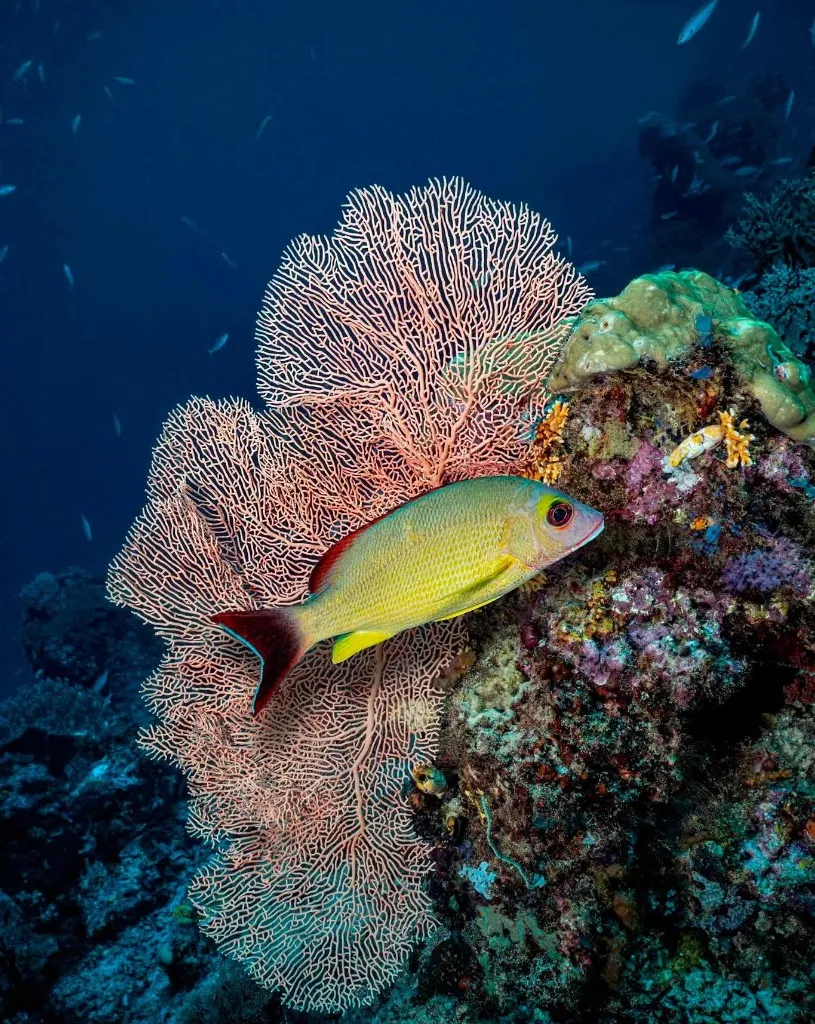
Divers often first notice a vibrant array of reef fish moving around boulder formations, with common sightings including snapper and various grouper. Closer inspection of reef structures can reveal camouflaged scorpionfish, robust ghost pipefish, and fascinating nudibranchs like the Blue Dragon.
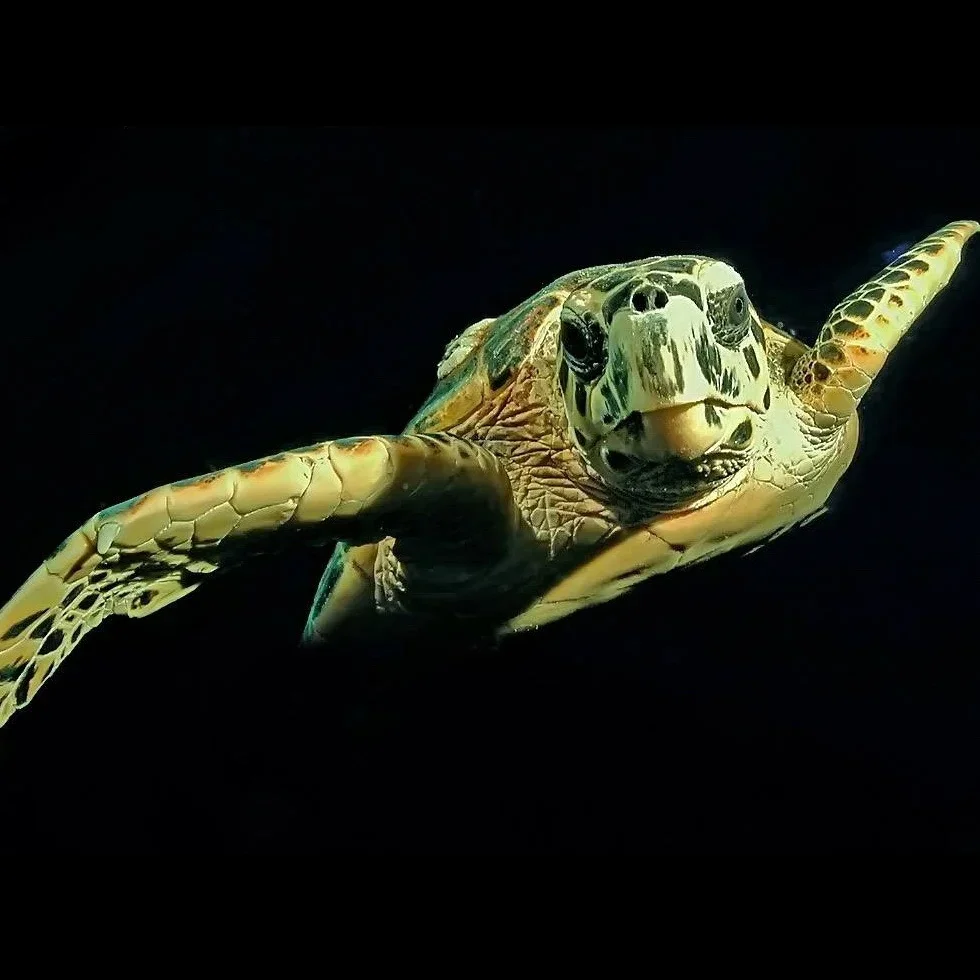
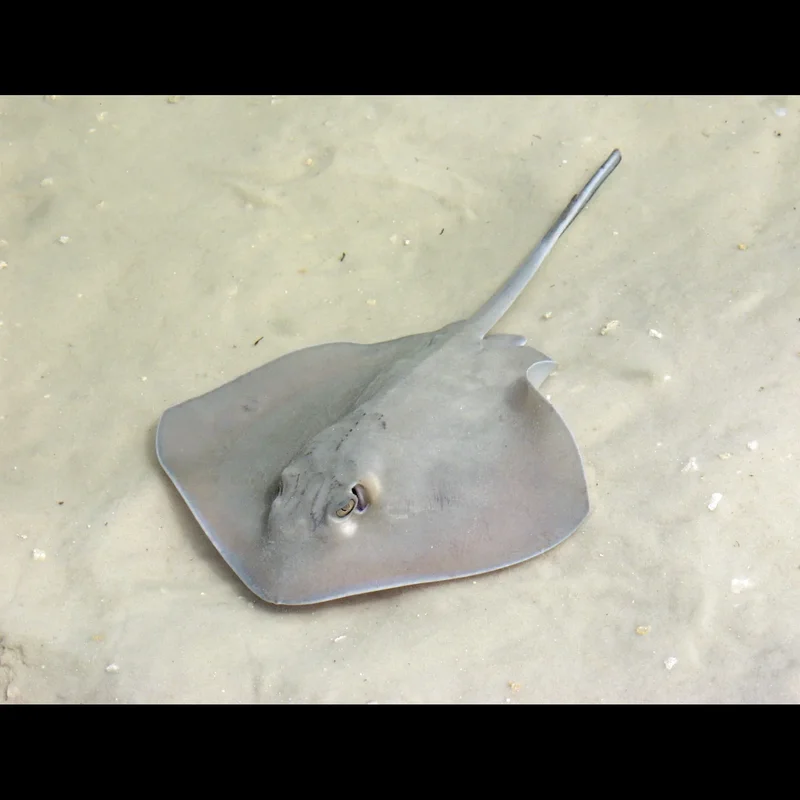
Encounters with larger species like small barracudas, hump-head parrotfish, and emperor angelfish are also quite possible. Keep an eye out for diverse moray eels peeking from crevices, alongside occasional Hawksbill turtles or stingrays resting on sandy bottom.
Night dives enhance opportunities to observe nocturnal feeders, including lionfish and Durban dancer shrimps.
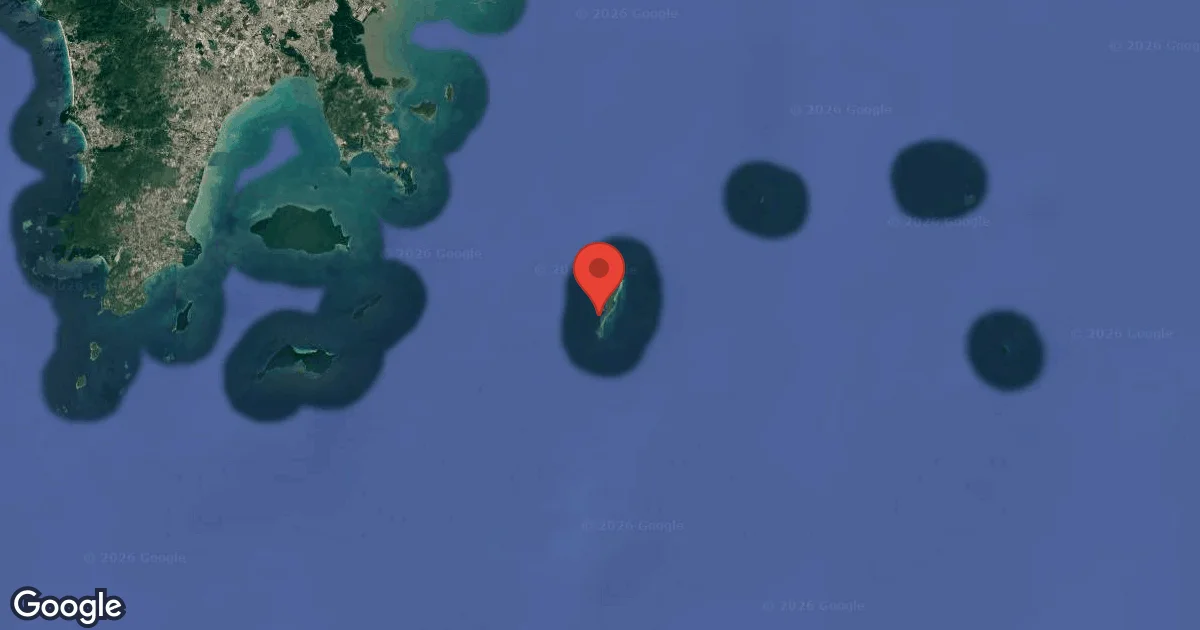
Dive Sites Near Karon Rock
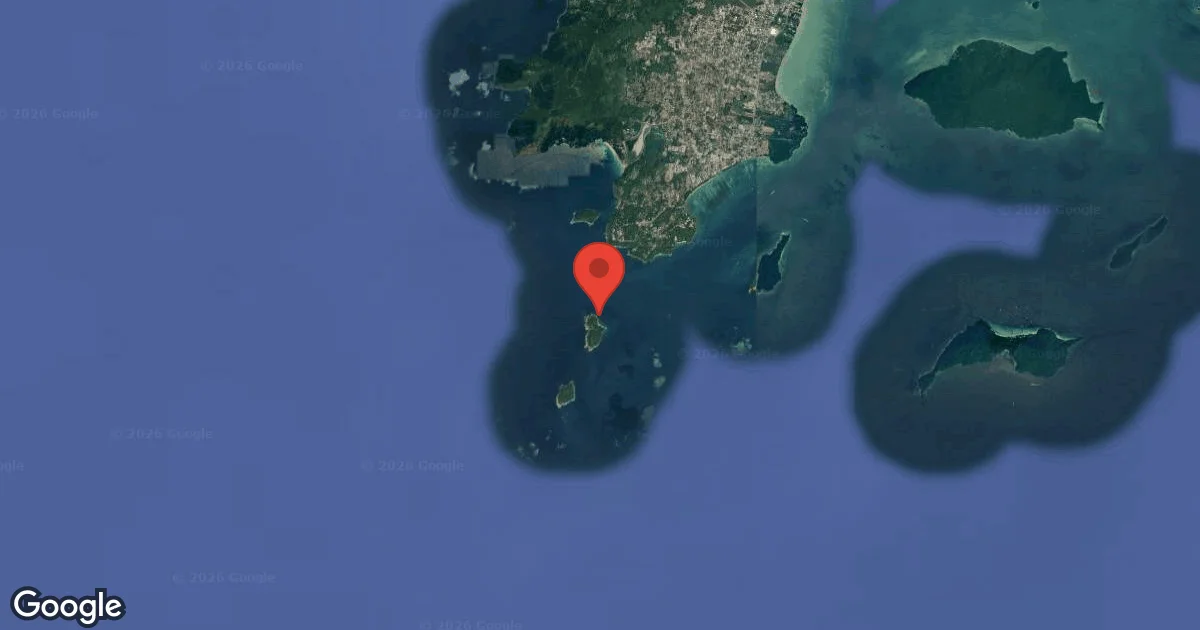
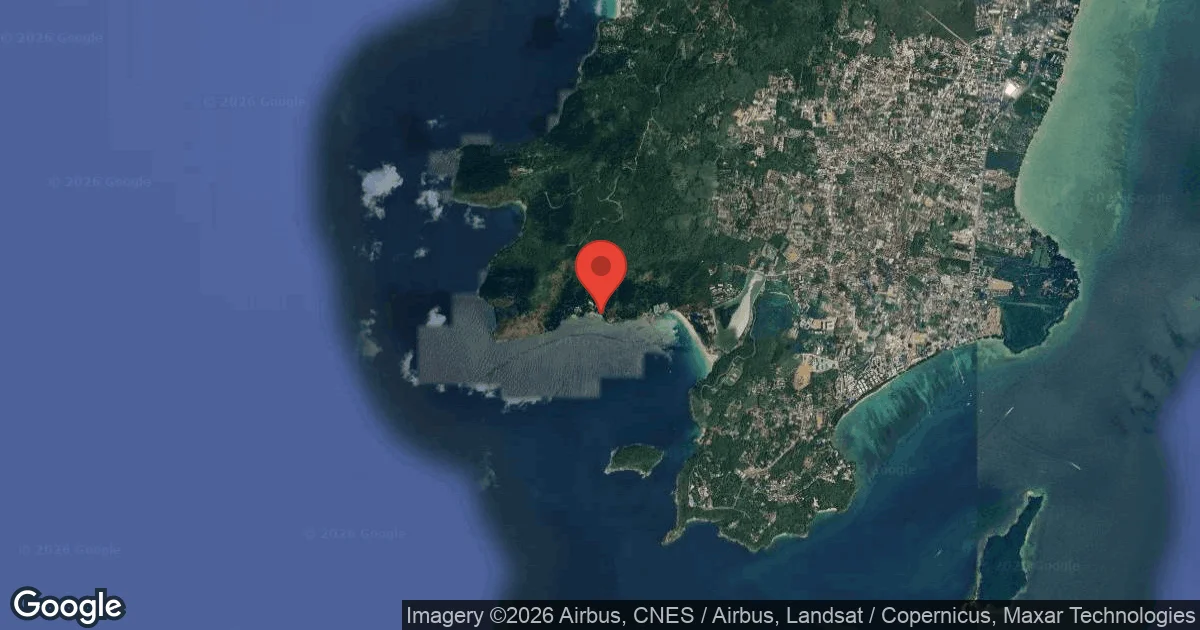
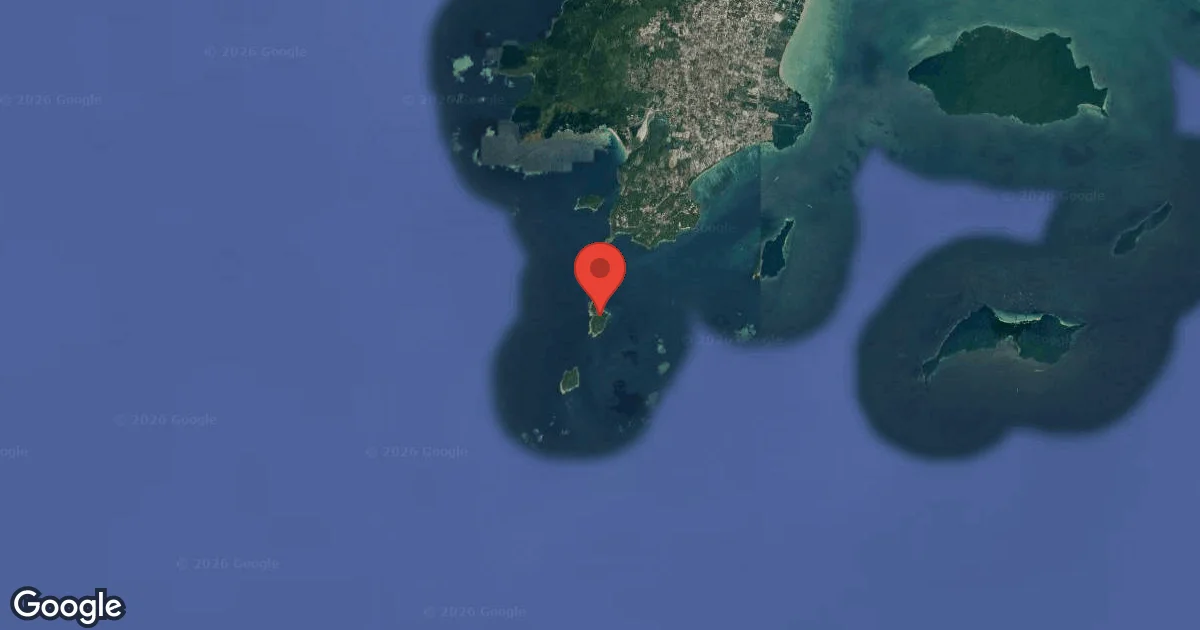
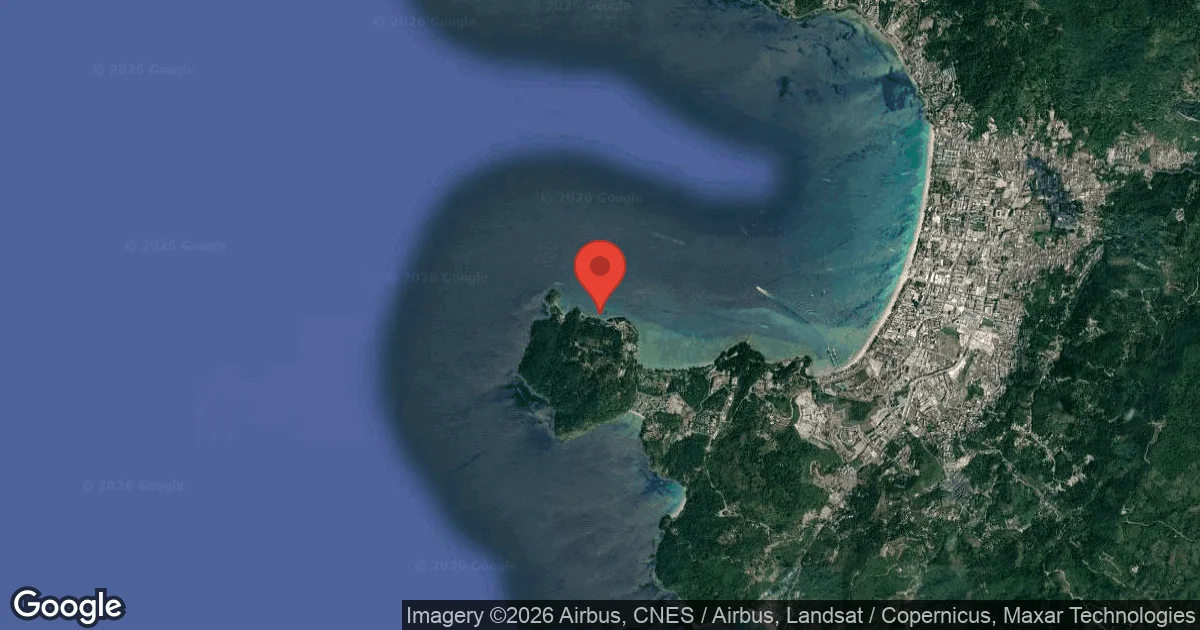
View all dive sites in ThailandDiscover more underwater gems in this area.
Dive Centers Near Karon Rock

Nearest Airports
Nearest airports to help plan travel to this dive area.
Search Flights
Check available flights and routes on Expedia, using the nearby airports listed in this section.
Search Flights on ExpediaFrequently Asked Questions
What is the maximum depth at Karon Rock?
Karon Rock reaches a maximum depth of 19 meters, with its shallowest point typically around 6 meters. This range makes it suitable for both Open Water and Advanced divers.
Are there strong currents at Karon Rock?
Conditions at Karon Rock usually feature mild currents. However, as with any ocean dive site, currents can vary, so divers should always be prepared and follow their dive guide's instructions.
What kind of marine life can I expect to see?
Divers can expect to see diverse marine creatures, including snapper, scorpionfish, various moray eels, ghost pipefish, and occasionally Hawksbill turtles. Spotting cuttlefish, small barracudas, and nudibranchs is also possible.
Is Karon Rock suitable for beginner divers?
Yes, Karon Rock is considered ideal for Open Water Diver training and refresher dives due to its manageable depth and generally mild conditions. Local dive professionals provide guidance.
How do divers access Karon Rock?
Divers typically reach Karon Rock via local longtail boats from Karon Beach. This short boat ride provides direct access to the offshore pinnacle.
Can I do night dives at Karon Rock?
Yes, Karon Rock is a popular site for night dives. During these dives, divers can observe nocturnal marine life such as lionfish and various shrimps that are more active after sunset.
Planning to dive Karon Rock?
Send one inquiry and receive offers directly from the best verified local dive operators.
Conditions are Moderate
Optimal conditions expected
Current conditions near Karon Rock show 26° air, 30° sea temperature, 1.9 m waves, and 31 km/h wind. Forecast data is refreshed regularly to ensure accuracy.