
Diving at Hin Muang (Thailand)
Hin Muang draws divers with its reputation as a magnet for large pelagic life, frequently hosting manta rays at its cleaning stations. Extensive formations of purple, red, and lilac soft corals further distinguish the site, blanketing its underwater pinnacles. These vibrant hues create a dramatic backdrop, attracting diverse schools of fish, alongside the potential for sightings of whale sharks and various reef sharks. A key destination for experiencing both macro and significant open-water marine species, it promises exciting encounters.
Tonight's objective overview for Hin Muang shows an air temperature of 26.5°C. The measured surface conditions include wave heights around 1.7 m. This environmental data is logged for the close of the day.
Dive Site Location & Key Facts
Dive Site Overview
Prepare for an immersion into one of Thailand's more dynamic dive environments at Hin Muang, an entirely submerged pinnacle named for its prolific purple soft corals. Extending over 65 meters (213 ft) into the depths, the site presents an elongated rock formation punctuated by ridges, ledges, and sheer vertical walls.
Dives often commence around the 12-meter (40 ft) mark at the pinnacle's highest points, where currents typically introduce a steady flow of nutrients, supporting an array of plankton feeders. While often dived independently, Hin Muang forms part of a larger, deep-water ridge connecting it to the nearby Hin Daeng, around 40 meters (130 ft) deep, creating a singular, long rocky dive site hundreds of meters in length.
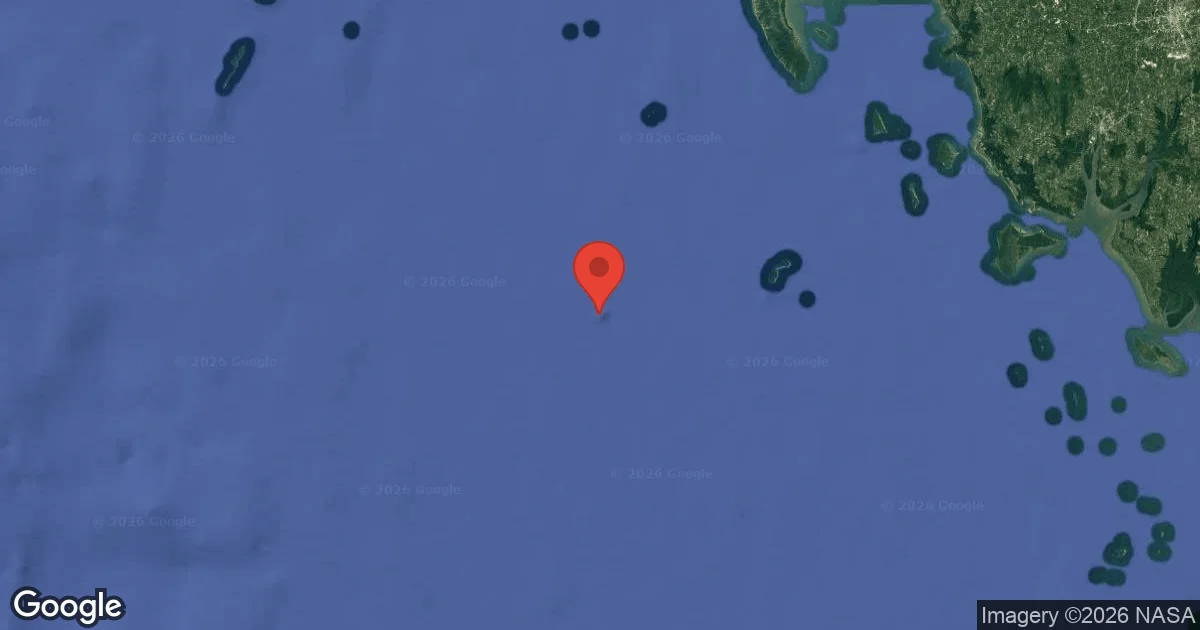
This remote location, situated approximately 55 km from Koh Lanta within the Mu Ko Lanta National Park, promises rewarding encounters for those prepared for its specific conditions. A speedboat journey usually takes 60-75 minutes, making it an accessible offshore adventure for certified divers.
Expect an expansive underwater landscape with rich coral coverage and frequent pelagic activity, where schools of trevallies, fusiliers, and barracudas are common sights. This vibrant ecosystem is constantly shaped by prevailing currents.
Conditions are Moderate
Optimal conditions expected
Current conditions near Hin Muang show 27° air, 30° sea temperature, 1.7 m waves, and 22 km/h wind. Forecast data is refreshed regularly to ensure accuracy.
Best Time to Dive
Visibility is often a primary consideration for planning a dive at Hin Muang, typically ranging from 10 to over 30 meters (33 to 100 ft). The prime diving season generally runs from mid-October to mid-May, aligning with conditions that favor clearer waters. During these months, the region experiences lower rainfall, with January through March reporting minimal averages of 0.85 mm to 1.43 mm. In contrast, heavier precipitation periods, such as September to November, can see rain average 9.7 mm to over 12 mm. Air temperatures during the optimal season are consistently warm, averaging between 27.5°C and 29°C (84°F)and 83.8°F). While specific water temperature data isn't consistently reported, waters are typically warm. Best overall dive scores are recorded from January to May, with March often marked as excellent. During the monsoon season, from June to September, conditions can be more challenging with increased wave heights and potentially reduced visibility, making dive operations less consistent. Planning your trip within the high season offers the most reliable conditions for maximizing your dive experience.
PEAK SEASON SCORE
Scores combine air & water temps, waves, wind & rainfall for overall conditions.
BEST MONTHS TO DIVE
Monthly records compiled from satellite and marine observation nodes over the last 3 years. Data provided by Open-Meteo and MET Norway.
Dive Experience & Conditions
Upon entering the water at Hin Muang, divers will navigate directly towards the pinnacle, often initiating their descent at the top of the structure, around 12 meters (40 ft) below the surface. Here, the characteristic purple soft corals are most abundant and vibrant. Currents are a defining feature of diving here; they can range from medium to strong, often dictating the dive profile as a drift. Maintaining good buoyancy control is crucial, especially when transitioning along the ledges and walls that plunge beyond 60 meters (200 ft). Divers must be comfortable performing mid-water ascents and safety stops without relying on a physical reference in strong currents. Site's open-sea exposure means conditions can sometimes be challenging, even during peak season. Excellent air consumption is essential given the potential for longer drifts and deeper exploration, making dives less suitable for those who may experience equalization difficulties.
Dive Difficulty & Safety Guidelines
Approaching Hin Muang requires a clear understanding of its inherent challenges, particularly the medium to strong currents that define many dives. Due to these conditions and depths extending beyond 60 meters (200 ft), dives here are suitable for experienced divers only. It's imperative to be proficient in drift diving techniques and comfortable with performing safety stops and ascents in open water without fixed reference points.
All divers must hold a minimum certification of SSI/PADI Open Water Diver, CMAS 1 Star Diver, BSAC Ocean Diver, or equivalent. For those with less deep diving experience in strong currents, completing an SSI Advanced Adventurer course is recommended to prepare for these conditions.
Good air consumption is also a practical necessity. Adhering to Mu Ko Lanta National Park regulations, including paying the foreigner marine park diving fee of ฿600 per day, is mandatory to support conservation efforts.
Recommended Equipment
Current and surface separation risk. Local briefing strongly recommended.
- Dive Computer
- DSMB
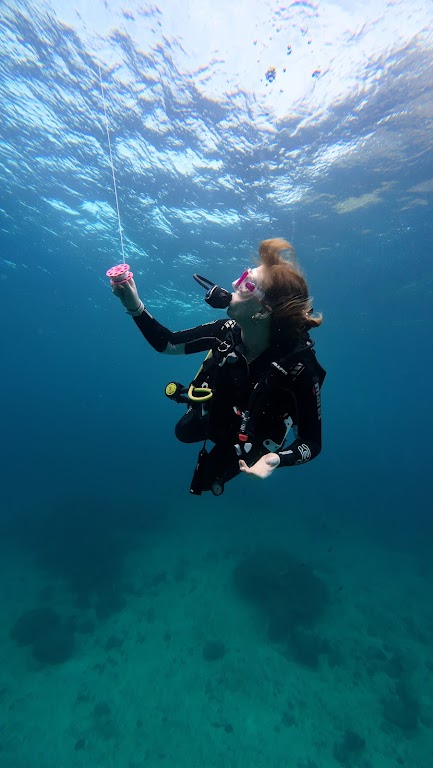
- Reel / Spool
This gear list is based on verified equipment signals for Hin Muang, Thailand. Always confirm final gear choices with your dive operator, guide, or liveaboard.
Recommended Dive Suit
Subtle variations in currents or depth can sometimes influence perceived water temperature.
Dive skin or rash guard tends to perform well in water temperatures like those currently observed here. A hood or vest is suggested for sensitive divers due to surface winds. Short-term weather patterns suggest stable conditions for divers visiting the area.
Current temperature readings suggest that the water at Hin Muang is around 30°C (86°F). Surface air temperatures are resting at 27°C (80°F).
Emergency & Medical Support
Essential information to help you plan your dive trip to Hin Muang.

Hyperbaric chambers are a critical part of dive safety infrastructure. Availability varies significantly by region, and not all dive areas have immediate access.
Before diving, it's recommended to:
- confirm nearest medical facilities
- check emergency procedures with local dive operators
- ensure dive insurance covers evacuation if required
Divers Alert Network
Diving emergency assistance available through DAN World.
+1-919-684-9111- 24/7 emergency hotline
- Diving medical assistance
- Evacuation coordination
Emergency contacts are provided for reference. Always verify local emergency services before diving.
Marine Life at Hin Muang
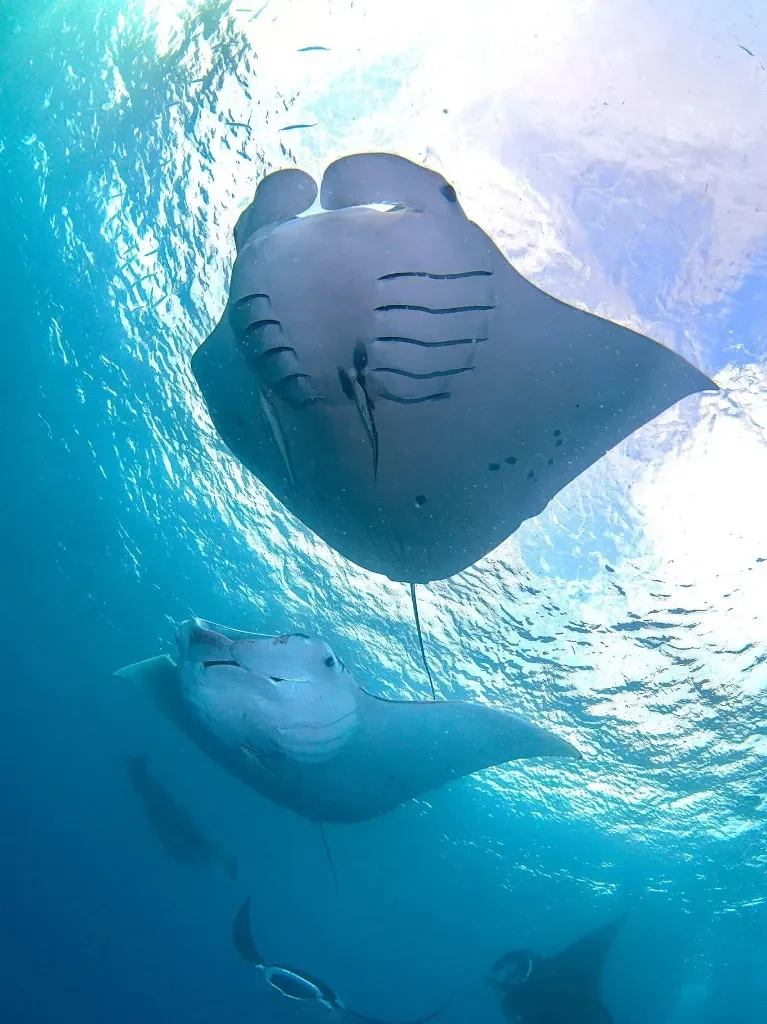
Underwater landscapes at Hin Muang provide an exceptional habitat, fostering a diverse marine ecosystem. Its nutrient-rich waters attract large pelagic species; manta rays are frequent visitors, often using pinnacles as cleaning stations.
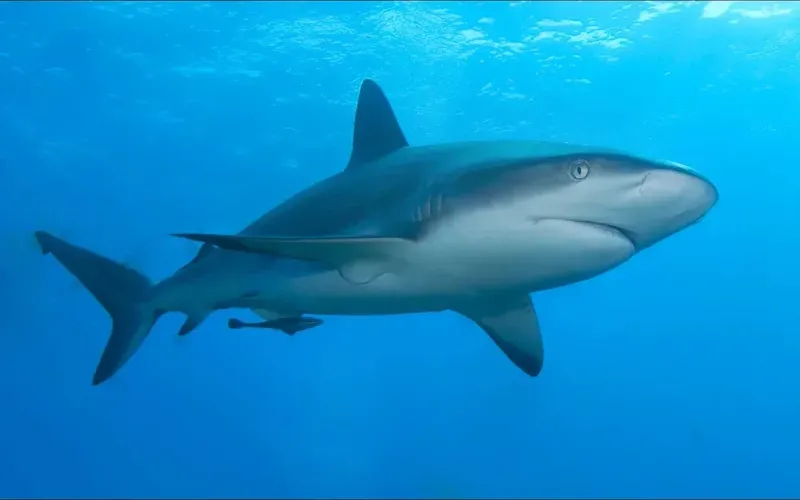
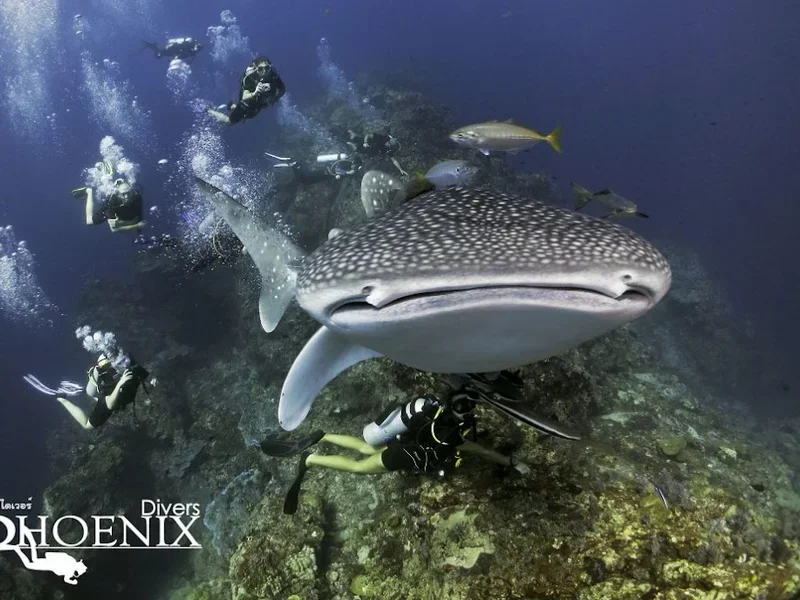
Divers also have the exciting possibility of encountering whale sharks, alongside resident reef sharks and leopard sharks. Vibrant soft corals, in hues of purple, red, and lilac, form a living tapestry on the ridges and walls, attracting schools of trevallies, fusiliers, and barracudas.
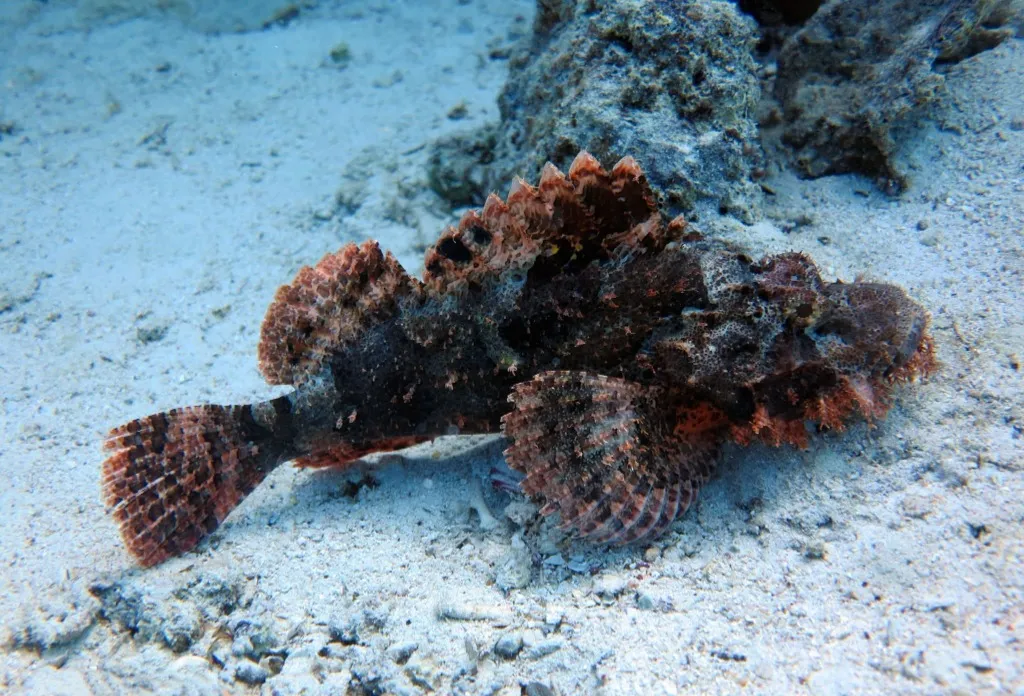
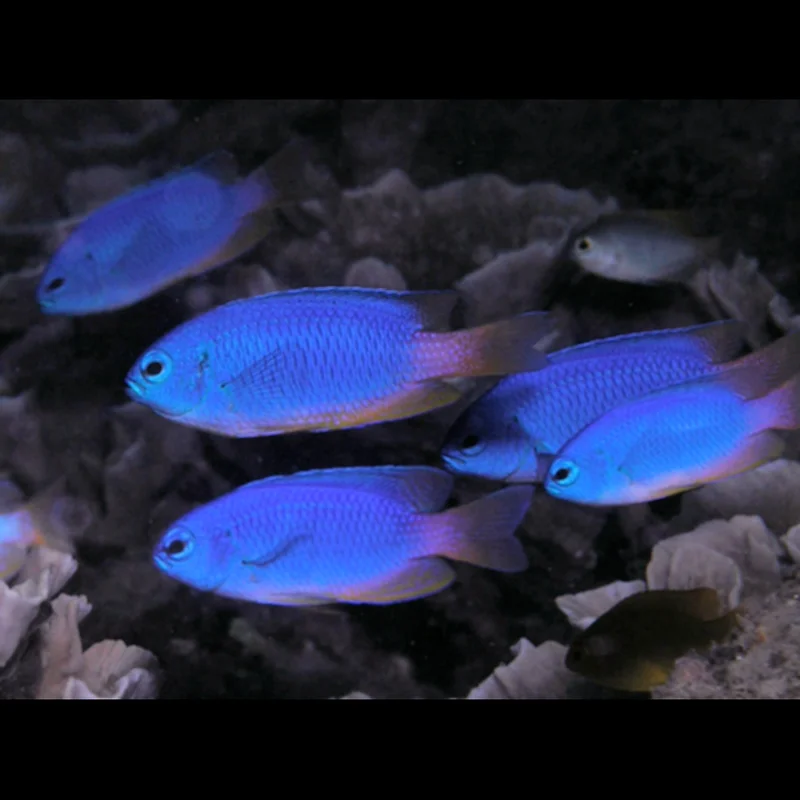
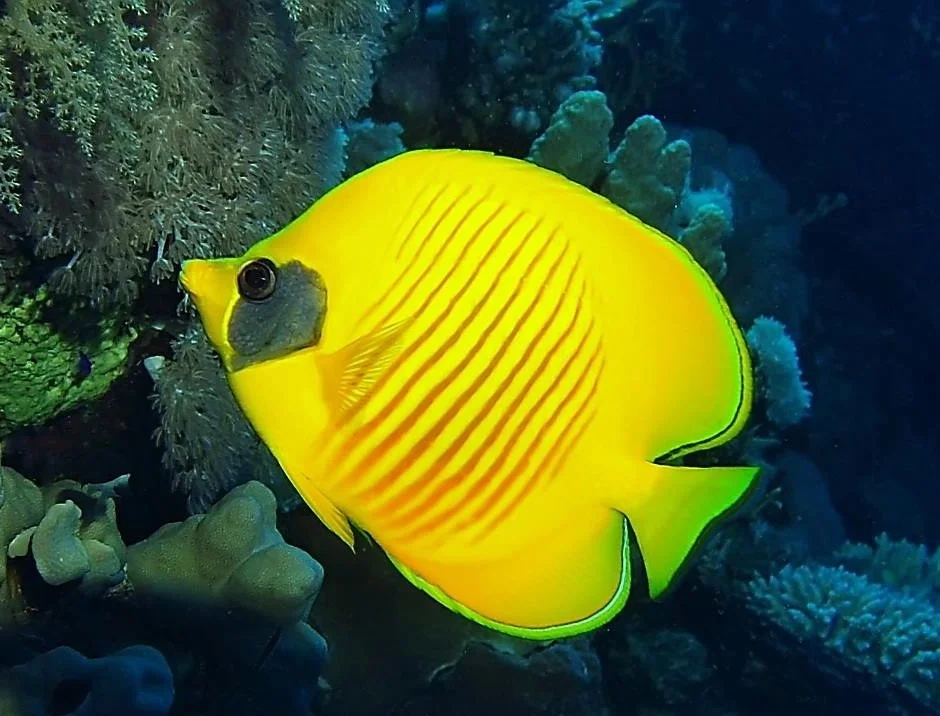
Closer inspection reveals smaller predators like lionfish and scorpionfish, nestled among coral formations, alongside damselfish and butterflyfish contributing to the bustling reef environment.
Dive Sites Near Hin Muang
View all dive sites in ThailandDiscover more underwater gems in this area.
Dive Centers Near Hin Muang
Today: 10:00 - 18:00
Nearest Airports
Nearest airports to help plan travel to this dive area.
Search Flights
Check available flights and routes on Expedia, using the nearby airports listed in this section.
Search Flights on ExpediaFrequently Asked Questions
What certification level is required for Hin Muang?
You need to be a certified SSI/PADI Open Water Diver, CMAS 1 Star Diver, BSAC Ocean Diver, or equivalent. Given the conditions, the site is generally recommended for experienced divers, with an Advanced Adventurer course suggested for those less familiar with deeper, stronger current dives.
What kind of currents can be expected at Hin Muang?
Divers should anticipate medium to strong currents at Hin Muang. This often results in drift dives, requiring proficiency in buoyancy control and comfort with mid-water ascents without physical references.
Is Hin Muang suitable for snorkeling?
No, snorkeling is not recommended at Hin Muang. The site's open-sea exposure, depths, and strong currents make it unsuitable for snorkelers.
What types of coral can be seen at Hin Muang?
Hin Muang is covered in a mix of hard and soft corals. The site is particularly known for its vibrant purple, red, and lilac soft corals that give the pinnacle its name and provide shelter for diverse marine species.
What large marine life might I encounter at Hin Muang?
The nutrient-rich waters attract large pelagics, with manta rays frequently visiting the site's cleaning stations. There's also a possibility of spotting whale sharks, reef sharks, and leopard sharks.
How long is the boat journey to Hin Muang from Koh Lanta?
A speedboat journey from Koh Lanta to Hin Muang typically takes between 60 to 75 minutes. This relatively short travel time allows more opportunity for diving at the site.
Is there a marine park fee for diving at Hin Muang?
Yes, Hin Muang is part of the Mu Ko Lanta National Park, so a marine park diving fee applies. For foreigners, this fee is currently ฿600 per day.
What is the typical dive depth range at Hin Muang?
The dive site begins around 12 meters (40 ft) at its highest point. The pinnacle walls drop steeply, allowing dives to depths of over 65 meters (213 ft).
Planning to dive Hin Muang?
Send one inquiry and receive offers directly from the best verified local dive operators.
Conditions are Moderate
Optimal conditions expected
Current conditions near Hin Muang show 27° air, 30° sea temperature, 1.7 m waves, and 22 km/h wind. Forecast data is refreshed regularly to ensure accuracy.