
Diving at Hin Daeng - Hin Muang (Thailand)
The vibrant underwater landscape of Hin Daeng – 'Red Rock' – and Hin Muang – 'Purple Rock' – tells a striking story through its namesake corals. These distinctive pinnacles, bathed in rich hues of soft red and purple, signify two of Thailand's most celebrated dive destinations. Their vivid coloration guides divers, setting a dramatic stage for exploration and attracting diverse marine life. It's a truly picturesque setting.
Tonight's objective overview for Hin Daeng - Hin Muang shows an air temperature of 29.5°C. The measured surface conditions include wave heights around 1.8 m. This environmental data is logged for the close of the day.
Dive Site Location & Key Facts
Dive Site Overview
Forming an integral part of the Mu Koh Lanta National Marine Park, Hin Daeng and Hin Muang emerge from the open sea, their remote location fostering an exceptional marine ecosystem. These majestic rock formations are nourished by plankton-rich currents, creating an explosion of marine biodiversity.
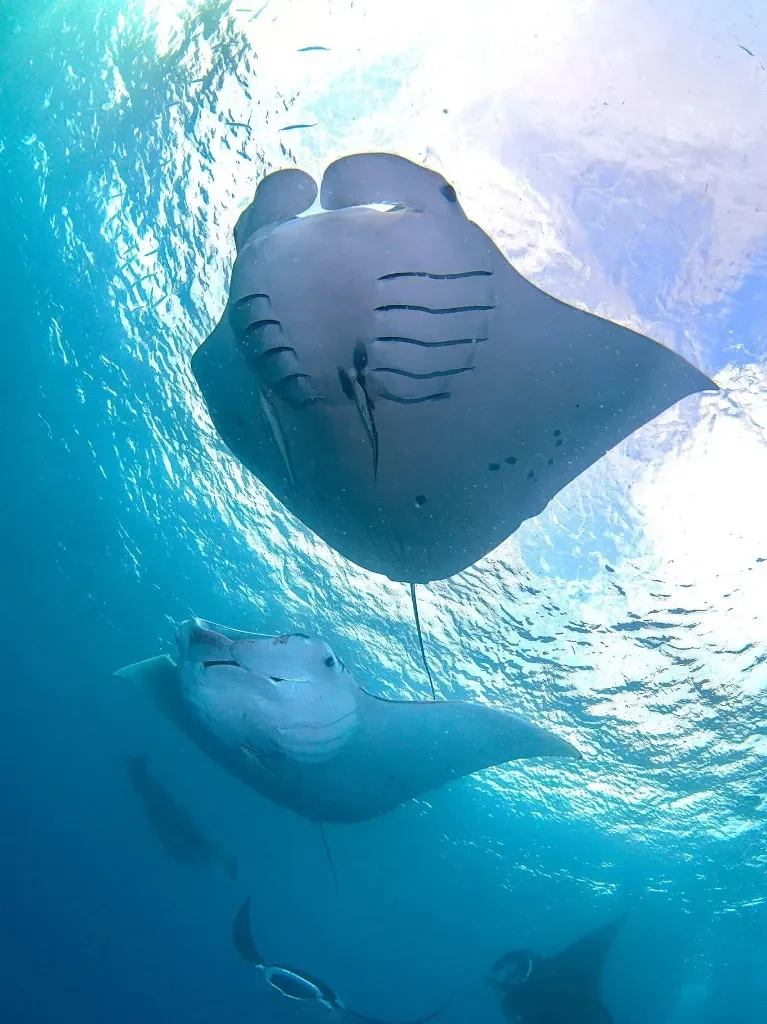
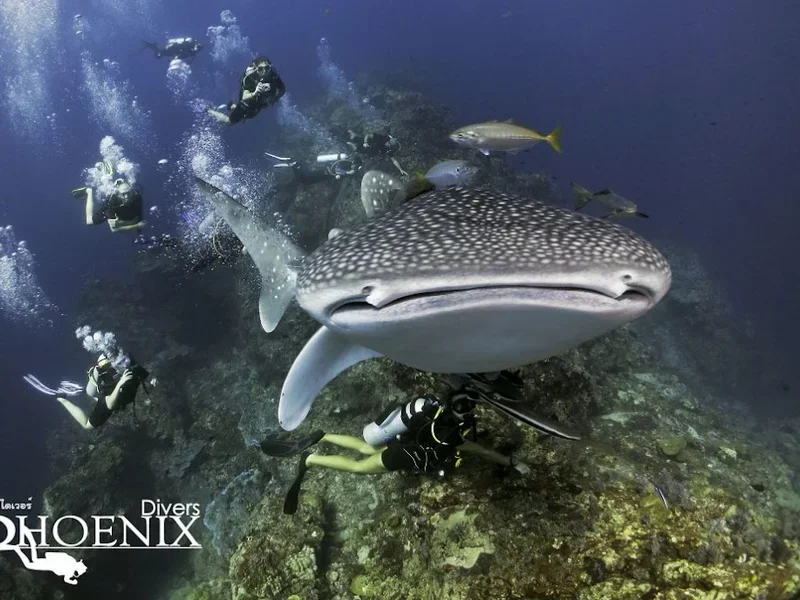
A unique geological feature connects both pinnacles, a long ridge around 40 m (130 ft) deep, uniting them into a single, extensive dive site that stretches for hundreds of meters. Within this vast underwater environment, massive oceanic manta rays gather to feed and utilize the pinnacles as cleaning stations. Whale sharks are also frequently observed, often displaying curiosity towards divers, particularly during their peak season.
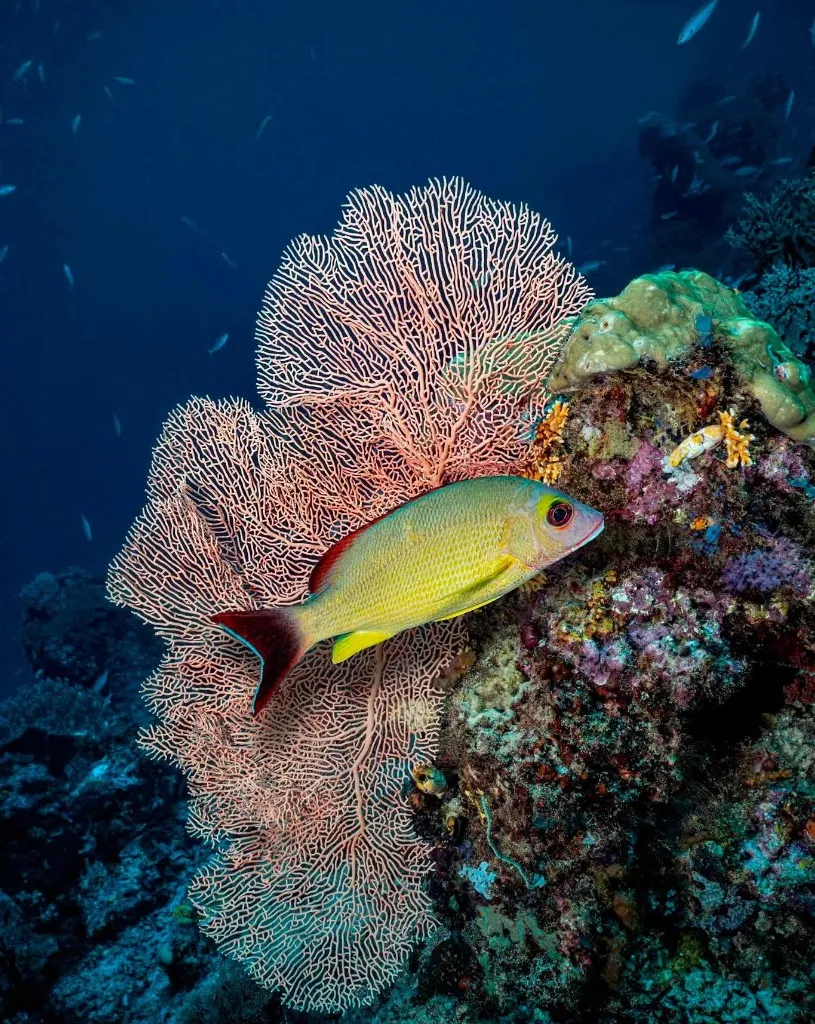
Beyond these pelagic giants, the coral reefs themselves are in excellent health, boasting a diverse array of both hard and soft corals that blanket the structures from top to bottom.
Conditions are Moderate
Optimal conditions expected
Current conditions near Hin Daeng - Hin Muang show 29° air, 30° sea temperature, 1.9 m waves, and 29 km/h wind. Forecast data is refreshed regularly to ensure accuracy.
Best Time to Dive
Optimal diving conditions typically occur between January and May, with March often presenting an excellent window for exploration. During this period, average air temperatures hover around 28-29°C (82-84°F), and rainfall is minimal. March, in particular, shows significantly lower wave heights, averaging about 0.5 m, and reduced wind speeds around 23.46 km/h, contributing to a smoother experience. While good conditions extend through the beginning of May, that month marks an increase in wave activity and rain. The season for observing whale sharks is generally at its peak from early February through late April, though sightings can occur year-round. Conversely, the months from June to September often see moderate dive scores due to increased wave heights, sometimes exceeding 1 meter, and higher wind speeds, which can affect surface conditions.
PEAK SEASON SCORE
Scores combine air & water temps, waves, wind & rainfall for overall conditions.
BEST MONTHS TO DIVE
Monthly records compiled from satellite and marine observation nodes over the last 3 years. Data provided by Open-Meteo and MET Norway.
Dive Experience & Conditions
Entering the waters of Hin Daeng and Hin Muang, divers experience notable depth changes. Hin Daeng's wall gently slopes from a shallower 5 meters down to about 20-25 meters before plunging almost vertically to a maximum depth of 45 m (148 ft). Hin Muang features even deeper sections, extending well past 60 meters. Visibility generally ranges from 10 meters up to 30 m (100 ft), depending on local conditions. Expect moderate to strong currents; these are a defining characteristic of these exposed pinnacles. Efficiently managing drift and performing mid-water ascents without fixed references are essential skills here. Therefore, these sites are generally not suited for Open Water Divers. An Advanced Open Water certification, or comparable deep diving experience, is highly advised.
Dive Difficulty & Safety Guidelines
Approaching Hin Daeng and Hin Muang requires a certain level of diver proficiency due to their open-sea location and prevailing conditions. Experienced divers are strongly advised to ensure they have recent practice with deeper dives and navigating stronger currents. Comfort with mid-water ascents and safety stops, even when strong currents are present, is essential for a safe experience.
Good air consumption and efficient equalization are important considerations, as these dives can be demanding. Furthermore, snorkeling is not advised or typically possible at these sites due to the depth, currents, and exposure.
Recommended Equipment
Current and surface separation risk. Local briefing strongly recommended.
- Dive Computer
- DSMB
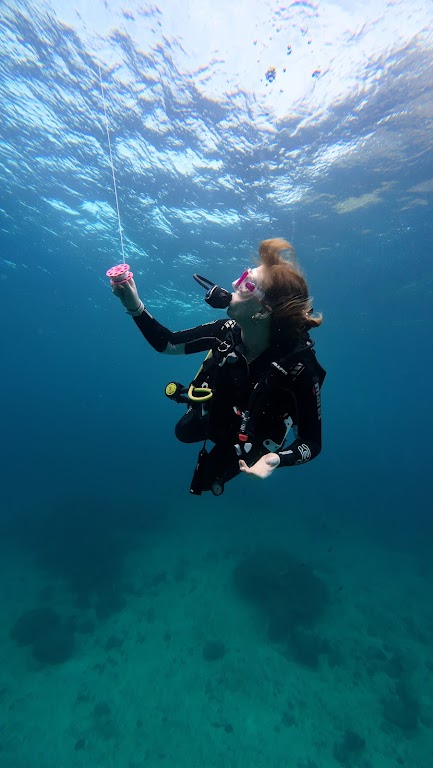
- Reel / Spool
This gear list is based on verified equipment signals for Hin Daeng - Hin Muang, Thailand. Always confirm final gear choices with your dive operator, guide, or liveaboard.
Recommended Dive Suit
Environmental conditions are expected to remain consistent in the short-term outlook.
For typical recreational dives, dive skin or rash guard generally provides comfortable insulation. A hood or vest is suggested for sensitive divers due to surface winds.
Current dive conditions indicate that water temperatures around Hin Daeng - Hin Muang are sitting at roughly 30°C (86°F). Surface air temperatures are resting at 29°C (85°F).
Emergency & Medical Support
Essential information to help you plan your dive trip to Hin Daeng - Hin Muang.

Hyperbaric chambers are a critical part of dive safety infrastructure. Availability varies significantly by region, and not all dive areas have immediate access.
Before diving, it's recommended to:
- confirm nearest medical facilities
- check emergency procedures with local dive operators
- ensure dive insurance covers evacuation if required
Divers Alert Network
Diving emergency assistance available through DAN World.
+1-919-684-9111- 24/7 emergency hotline
- Diving medical assistance
- Evacuation coordination
Emergency contacts are provided for reference. Always verify local emergency services before diving.
Marine Life at Hin Daeng - Hin Muang
These nutrient-rich pinnacles are a magnet for an incredible array of marine life. Oceanic manta rays are frequent visitors, often observed utilizing the sites as cleaning stations, while the majestic whale sharks make regular appearances, especially between February and April.
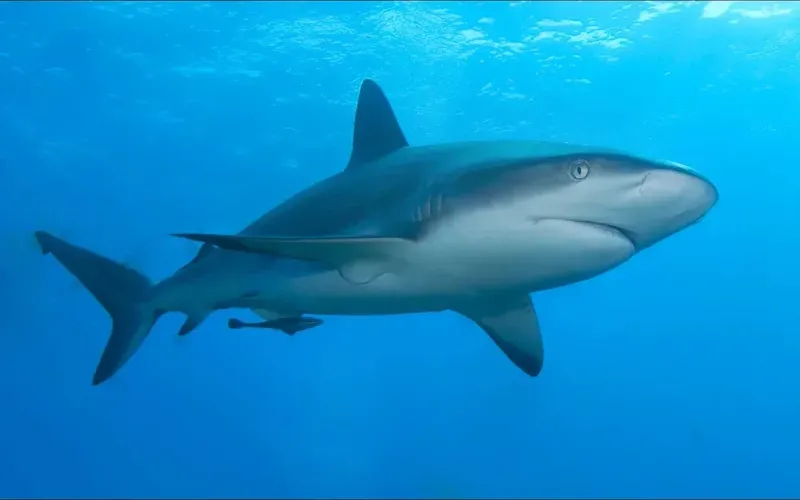
Exploring the reef, divers may encounter reef sharks and leopard sharks. Larger predators such as great barracuda and schools of large trevallies actively hunt in the outer reef areas.
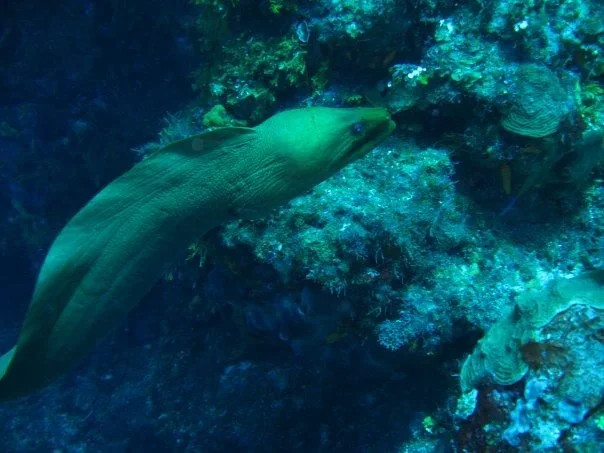
Closer to the coral, expect to find various types of groupers, snappers, and large moray eels inhabiting crevices. The site also caters to macro enthusiasts, with clownfish, batfish, ghost pipefish, diverse nudibranchs, starfish, crinoids, and the striking harlequin prawn present among the vibrant soft corals.
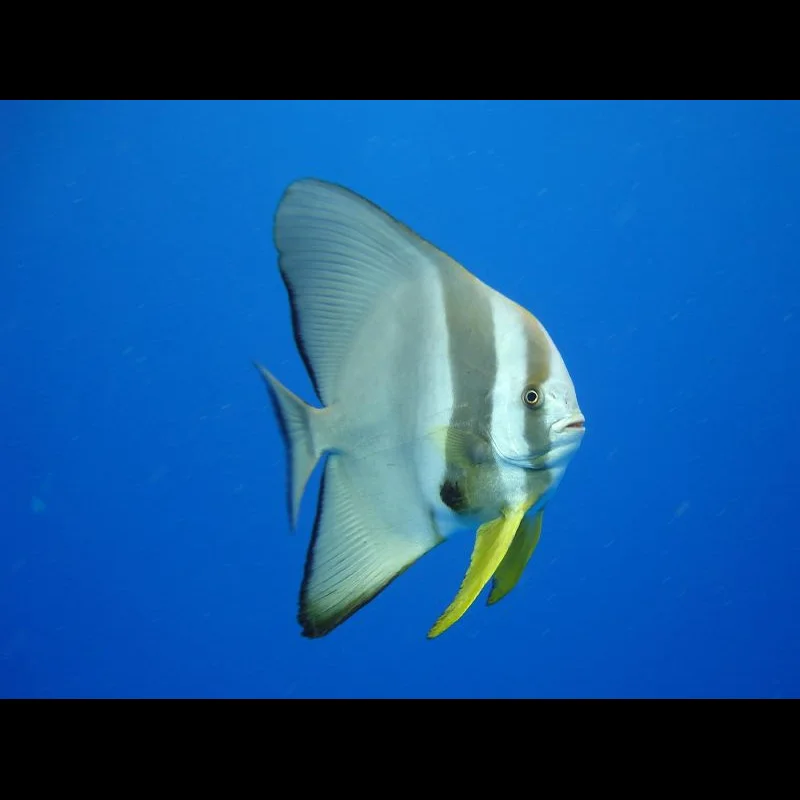
Dive Sites Near Hin Daeng - Hin Muang
View all dive sites in ThailandDiscover more underwater gems in this area.
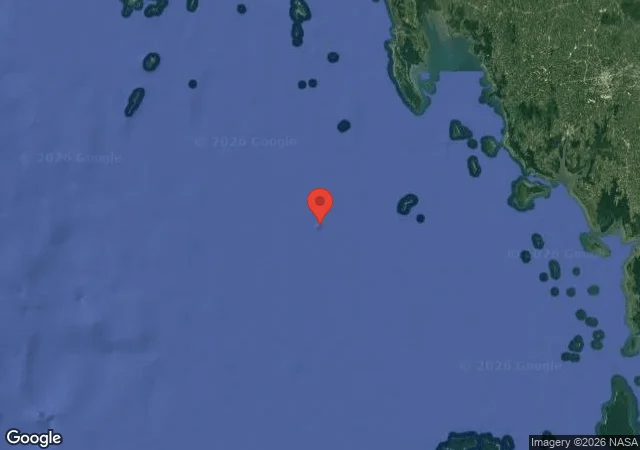
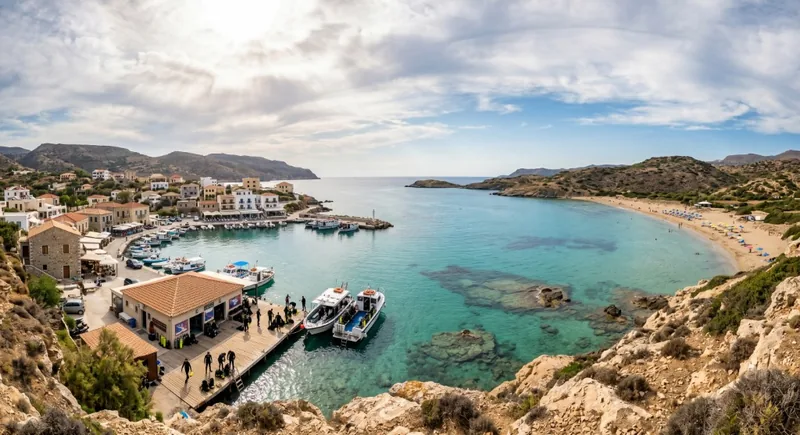
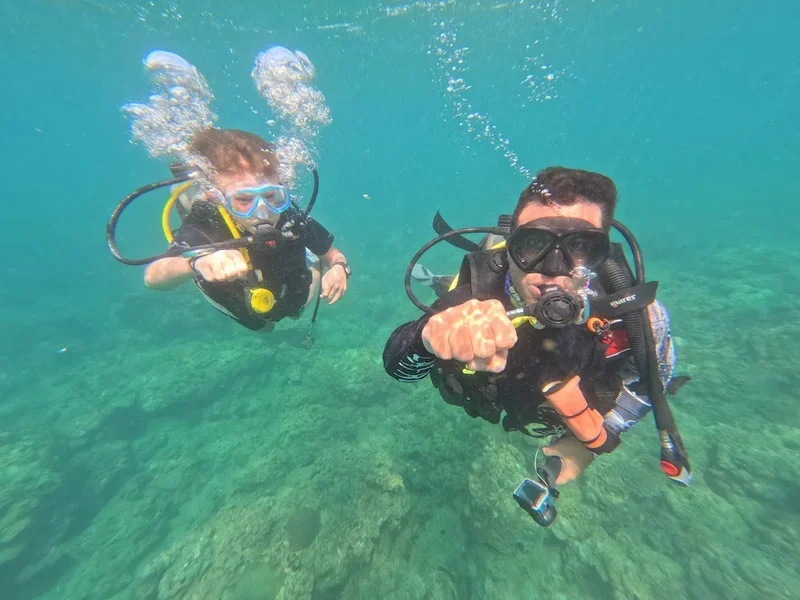
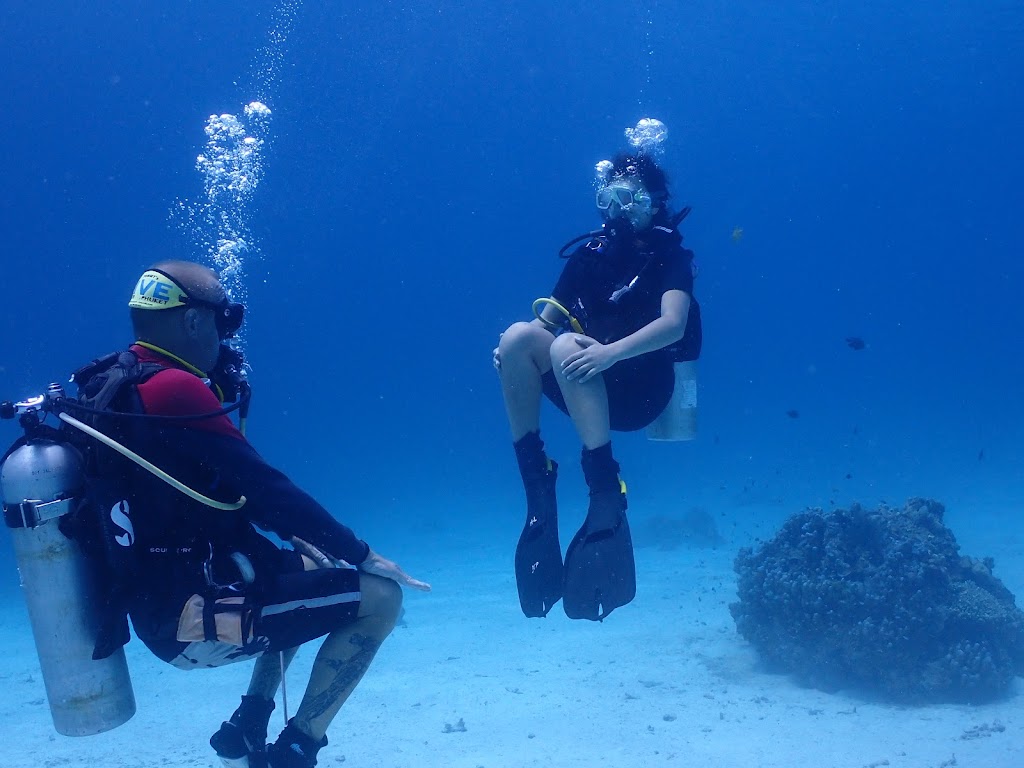
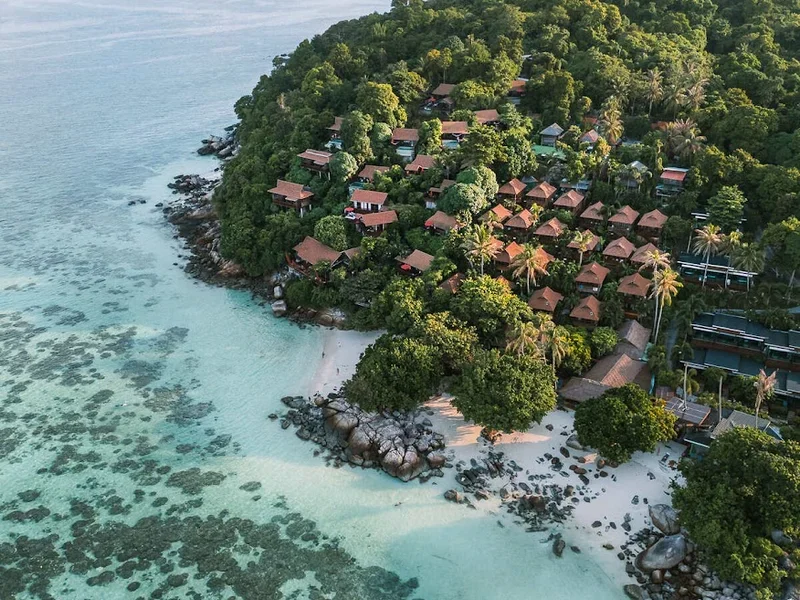
Dive Centers Near Hin Daeng - Hin Muang

Today: 10:00 - 18:00
Nearest Airports
Nearest airports to help plan travel to this dive area.
Search Flights
Check available flights and routes on Expedia, using the nearby airports listed in this section.
Search Flights on ExpediaFrequently Asked Questions
What is the typical depth range at Hin Daeng and Hin Muang?
Hin Daeng's reef gradually descends to about 20-25 meters, then drops vertically to a maximum depth of 45 m (148 ft). Hin Muang offers deeper sections, generally starting around 12 meters and extending well beyond 60 meters.
Are the currents always strong at these dive sites?
Divers should be prepared for moderate to strong currents. Conditions can vary, but these open-ocean pinnacles are known for their significant water movement. Experience with drift diving and mid-water ascents is crucial.
Is Hin Daeng - Hin Muang suitable for Open Water Divers?
No, these sites are generally not recommended for Open Water Divers. The depths, strong currents, and exposure require an Advanced Open Water Diver certification or equivalent experience with deep diving and challenging conditions.
What marine life can I expect to see here?
These sites are popular for large pelagic encounters, including manta rays and whale sharks. Additionally, divers commonly spot reef sharks, barracudas, large trevally schools, groupers, moray eels, ghost pipefish, and various nudibranchs amidst the vibrant corals.
Why are the sites called Hin Daeng and Hin Muang?
Their names, meaning 'Red Rock' and 'Purple Rock' in Thai, directly reflect the dominant soft coral colors covering each pinnacle. Hin Daeng is covered in red soft corals, while Hin Muang is carpeted with vast purple soft corals.
Is snorkeling possible at Hin Daeng - Hin Muang?
Snorkeling is generally not possible at these locations. The deep nature of the pinnacles, combined with strong and unpredictable currents, makes it unsuitable for snorkelers.
Planning to dive Hin Daeng - Hin Muang?
Send one inquiry and receive offers directly from the best verified local dive operators.
Conditions are Moderate
Optimal conditions expected
Current conditions near Hin Daeng - Hin Muang show 29° air, 30° sea temperature, 1.9 m waves, and 29 km/h wind. Forecast data is refreshed regularly to ensure accuracy.