
Diving at Htms Sattakut (Thailand)
HTMS Sattakut, a deliberately sunk former US Navy vessel, now anchors Koh Tao's dive landscape as a vibrant artificial reef. This site actively supports marine conservation and eco-tourism, drawing divers to its evolving structure. It continues to serve as both an exploration ground for experienced divers and a training platform for new enthusiasts, influencing the local dive scene.
Evening condition tracking at Htms Sattakut features an air temperature of 29°C. We have recorded wave heights measuring 0.3 m during this period. These figures outline the environmental parameters currently present.
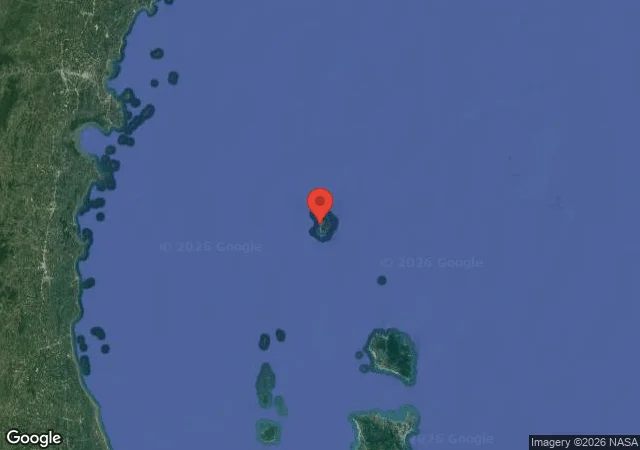
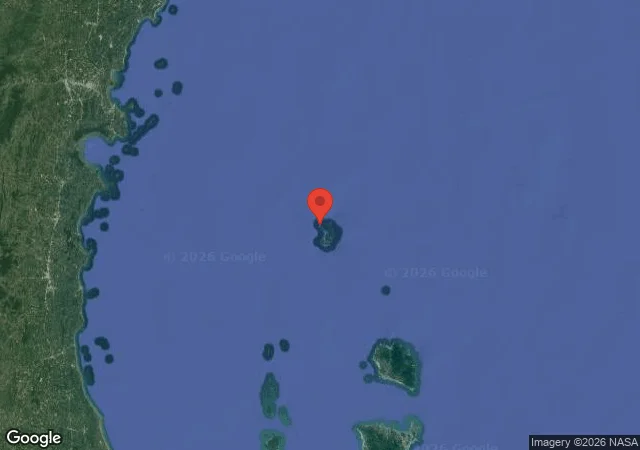
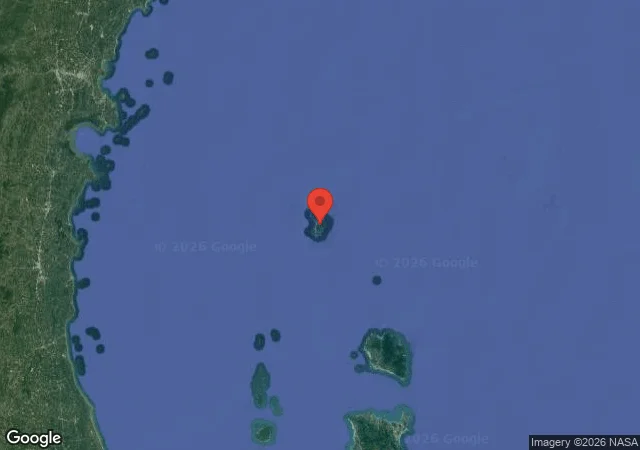
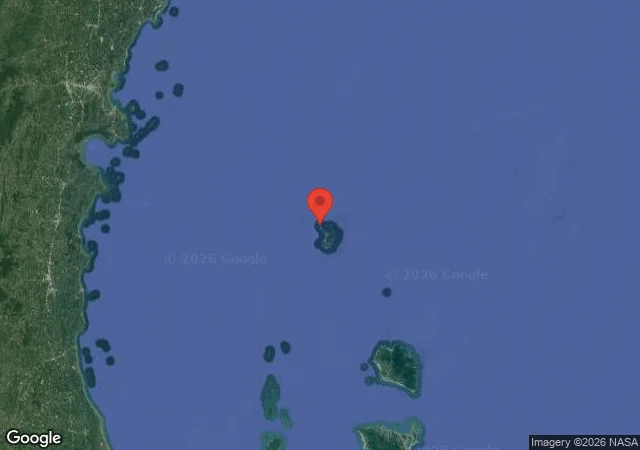
Dive Site Location & Key Facts
Dive Site Overview
Diving the HTMS Sattakut presents an immersive experience, blending historical intrigue with a flourishing artificial reef ecosystem. Sunk in 2011 to promote marine life and diversify dive sites, this retired patrol boat rests on its starboard side, offering varied exploration opportunities.
Its top deck sits at approximately 18 m / 60 ft, with the deepest point reaching 30 m / 100 ft. The wreck's intact features, including the bow, stern, and superstructure, allow for exploration of its compartments and exterior.
Divers can observe two prominent anti-aircraft Bofor 40mm cannons, which remain at the bow and stern. This site is particularly valued for advanced diver training and technical wreck penetration, while still remaining accessible for more novice certified divers to explore its exterior.
Its proximity to the Hin Pee Wee reef offers the advantage of combining a wreck dive with a coral reef exploration in a single outing.
Conditions are Moderate
Optimal conditions expected
Current conditions near Htms Sattakut show 29° air, 30° sea temperature, N/A waves, and 31 km/h wind. Forecast data is refreshed regularly to ensure accuracy.
Best Time to Dive
Optimal conditions for visiting HTMS Sattakut typically fall between January and April. Air temperatures during this period are pleasantly warm, ranging from 27°C to 29.5°C (85°F)to 85°F), creating comfortable surface conditions. Rainfall is minimal, often less than 2 mm, which generally contributes to better underwater visibility. March and April specifically stand out, consistently receiving 'Excellent' dive scores, indicating calm seas and good diving conditions with average wave heights typically below 0.5 meters. While diving is feasible year-round, the wetter season from May to November brings increased precipitation and potentially stronger winds, though many months still offer 'Good' dive scores.
PEAK SEASON SCORE
Scores combine air & water temps, waves, wind & rainfall for overall conditions.
BEST MONTHS TO DIVE
Monthly records compiled from satellite and marine observation nodes over the last 3 years. Data provided by Open-Meteo and MET Norway.
Dive Experience & Conditions
Approaching the HTMS Sattakut, divers are greeted by the impressive form of the wreck, now adorned with nascent marine growth. The vessel's lean to its starboard side creates an interesting orientation, with the top deck accessible in shallower waters. Exploring its exterior allows for a sense of navigating a submerged monument, with sunlight filtering through the water, illuminating schools of fish around the superstructure. Water conditions are generally warm and inviting, consistent with tropical environments, typically 27-30°C / 81-86°F. Visibility varies depending on plankton blooms and recent weather, but clear days allow for expansive views of the entire wreck. The depth profile provides distinct levels of engagement for different certification comfort levels, with both shallower areas and deeper sections for exploration, catering to various skill levels within the certified diving community.
Dive Difficulty & Safety Guidelines
Diving the HTMS Sattakut requires adherence to standard safety protocols and respect for its depth profile. The wreck is accessible to certified divers, with exterior exploration suitable for those with less experience.
However, penetration into the ship's interior compartments should only be undertaken by divers holding appropriate wreck or technical diving certifications. Before its sinking, all hazardous materials were meticulously removed, ensuring an environmentally safe dive site.
Local dive operators on Koh Tao provide guided trips and specific training for this site, which is highly recommended. Always maintain proper buoyancy control and never exceed your training limits.
Recommended Equipment
Overhead / entanglement risk. Wreck penetration requires proper training.
- Dive Computer
- DSMB
- Primary & Backup Lights
- Wreck Reel
- Cutting Tool
This gear list is based on verified equipment signals for Htms Sattakut, Thailand. Always confirm final gear choices with your dive operator, guide, or liveaboard.
Recommended Dive Suit
Exposure protection is partly a personal preference.
Dive skin or rash guard typically provides a reliable level of thermal protection for dives here. Consider warmer surface protection (like a boat coat) due to brisk winds. Environmental conditions are expected to remain consistent in the short-term outlook.
Water temperatures across the dive area at Htms Sattakut are presently estimated to be around 30°C (87°F). Surface air temperatures are resting at 29°C (84°F).
Emergency & Medical Support
Essential information to help you plan your dive trip to HTMS Sattakut.

Hyperbaric chambers are a critical part of dive safety infrastructure. Availability varies significantly by region, and not all dive areas have immediate access.
Before diving, it's recommended to:
- confirm nearest medical facilities
- check emergency procedures with local dive operators
- ensure dive insurance covers evacuation if required
Divers Alert Network
Diving emergency assistance available through DAN World.
+1-919-684-9111- 24/7 emergency hotline
- Diving medical assistance
- Evacuation coordination
Emergency contacts are provided for reference. Always verify local emergency services before diving.
Marine Life at Htms Sattakut
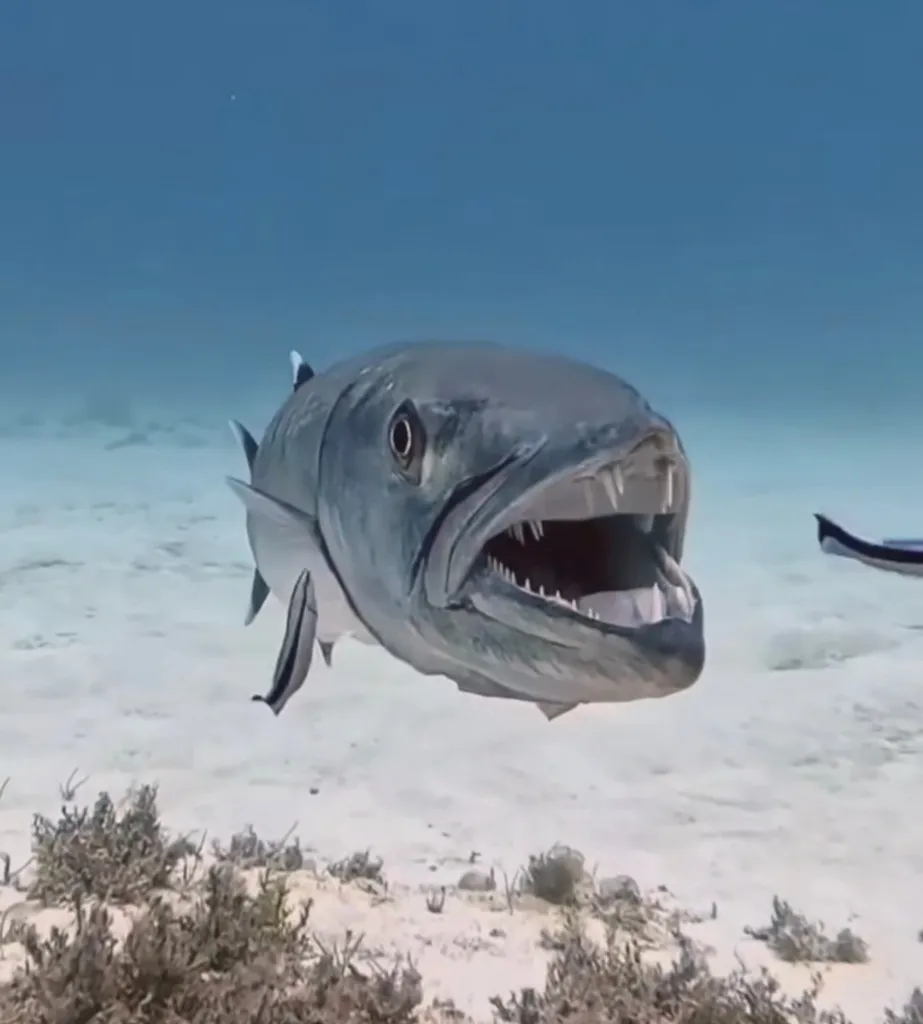
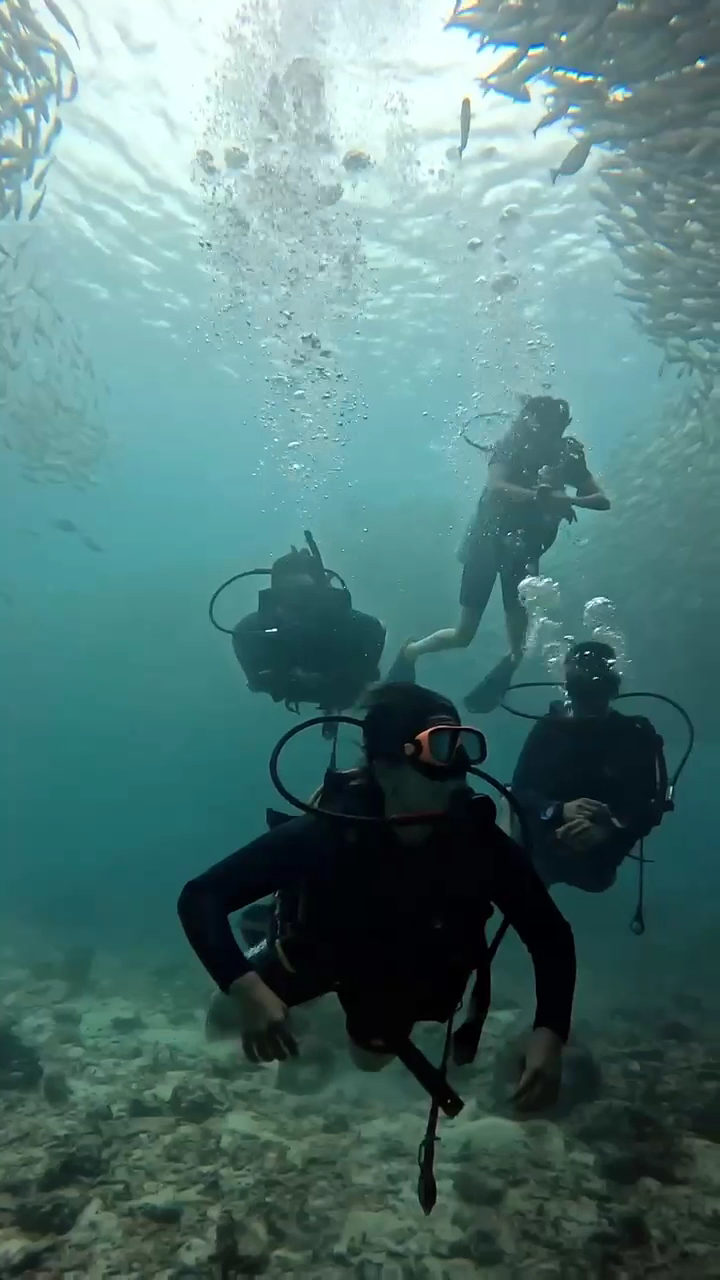
Observing the marine life at HTMS Sattakut reveals a thriving ecosystem that has rapidly colonized the former naval vessel. Schools of yellowtail barracudas often cruise around the wreck, creating dynamic formations.
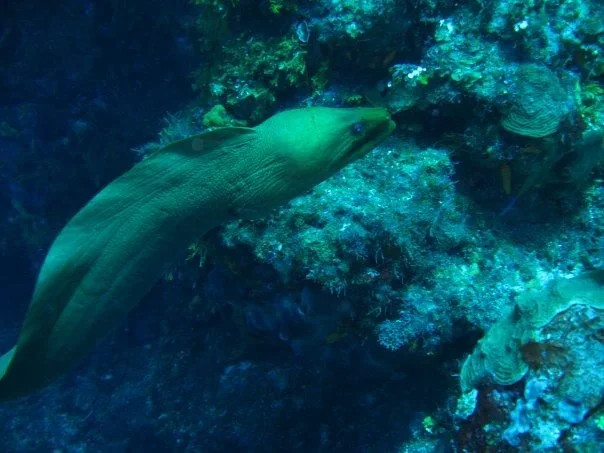
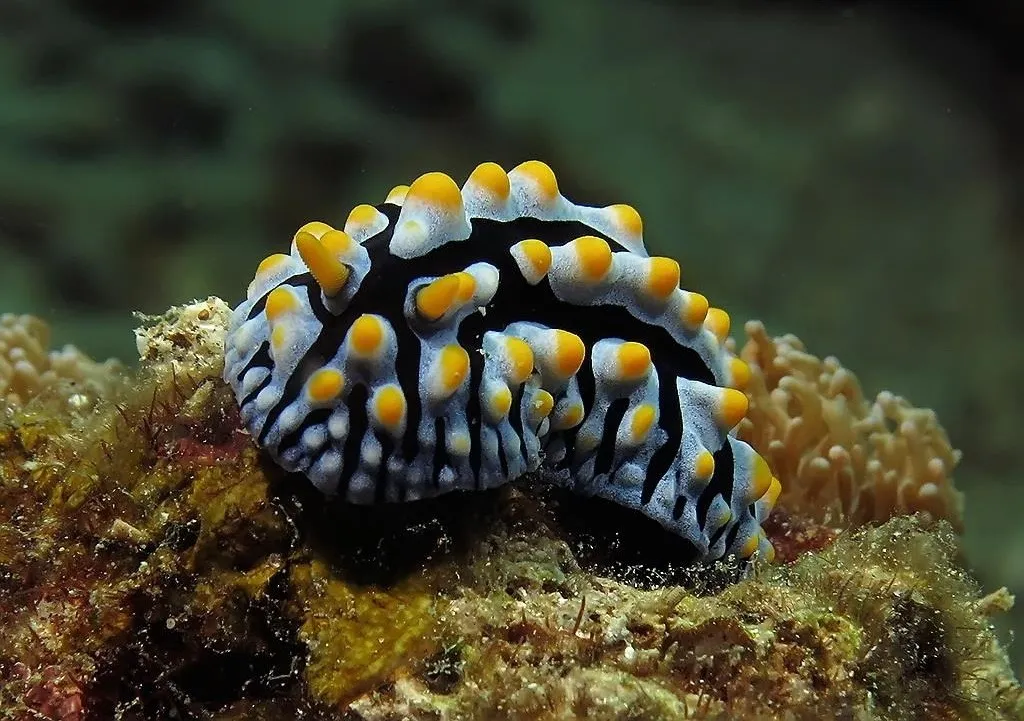
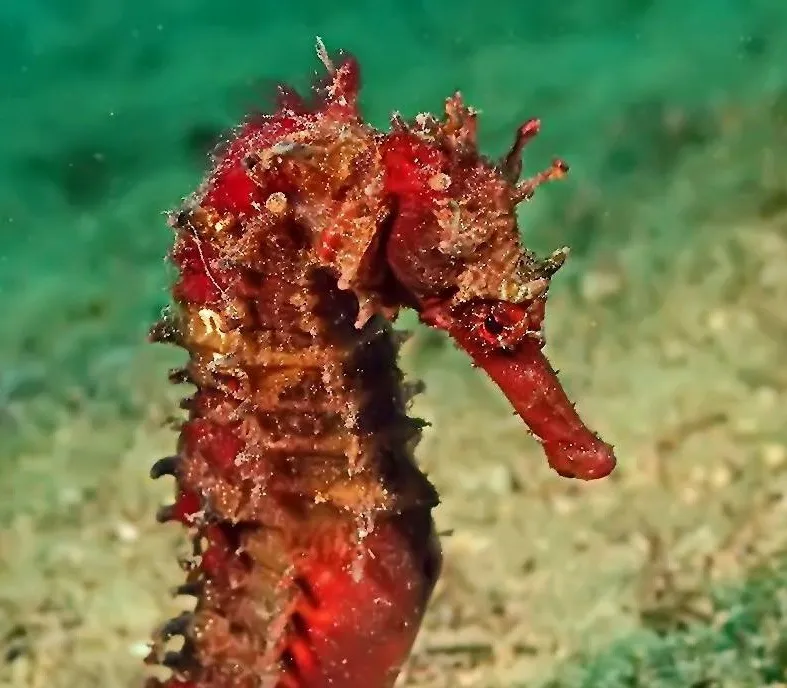
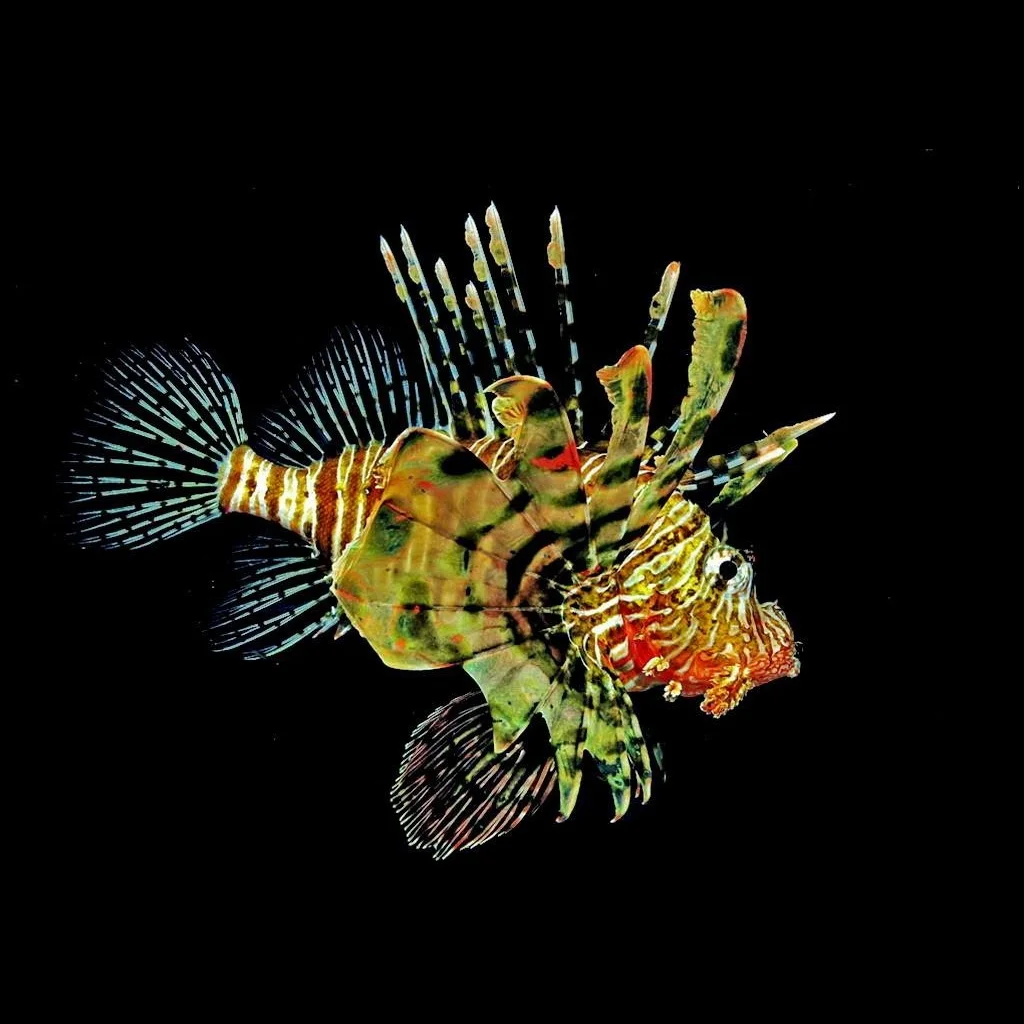
Divers frequently spot lionfish found among the structures, alongside moray eels peeking from various openings. Look closely for smaller inhabitants such as seahorses, bannerfish, and vibrant nudibranchs that graze on the developing coral formations.
Larger species like giant groupers and Jenkins rays are also resident here, making each dive a discovery.
Dive Sites Near Htms Sattakut
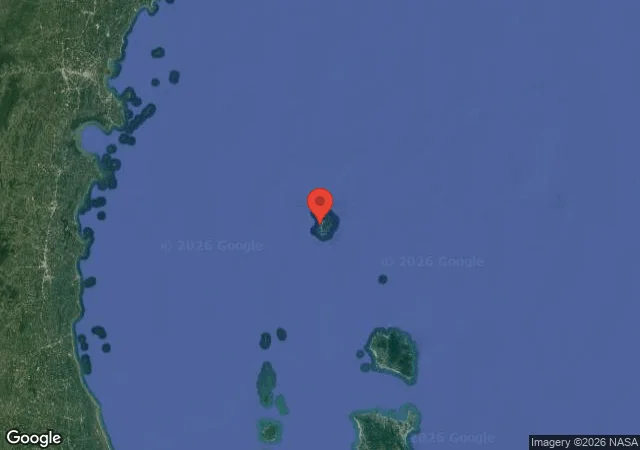
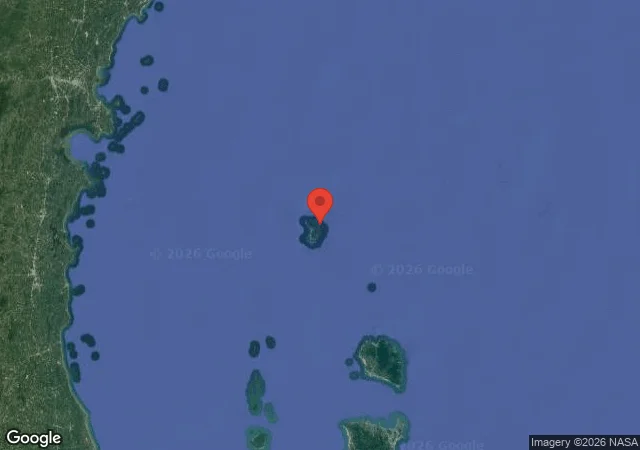
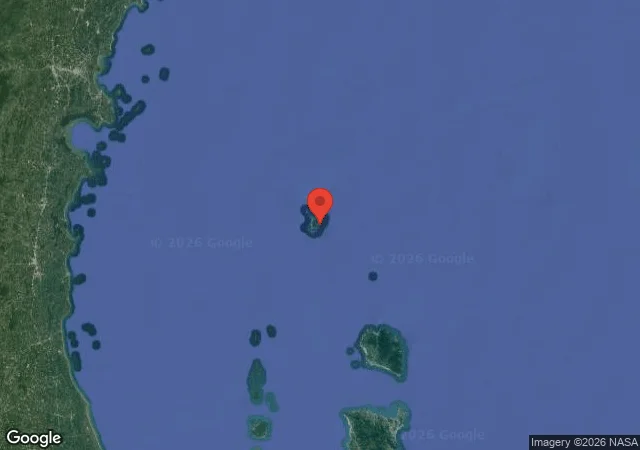
View all dive sites in ThailandDiscover more underwater gems in this area.
Dive Centers Near Htms Sattakut
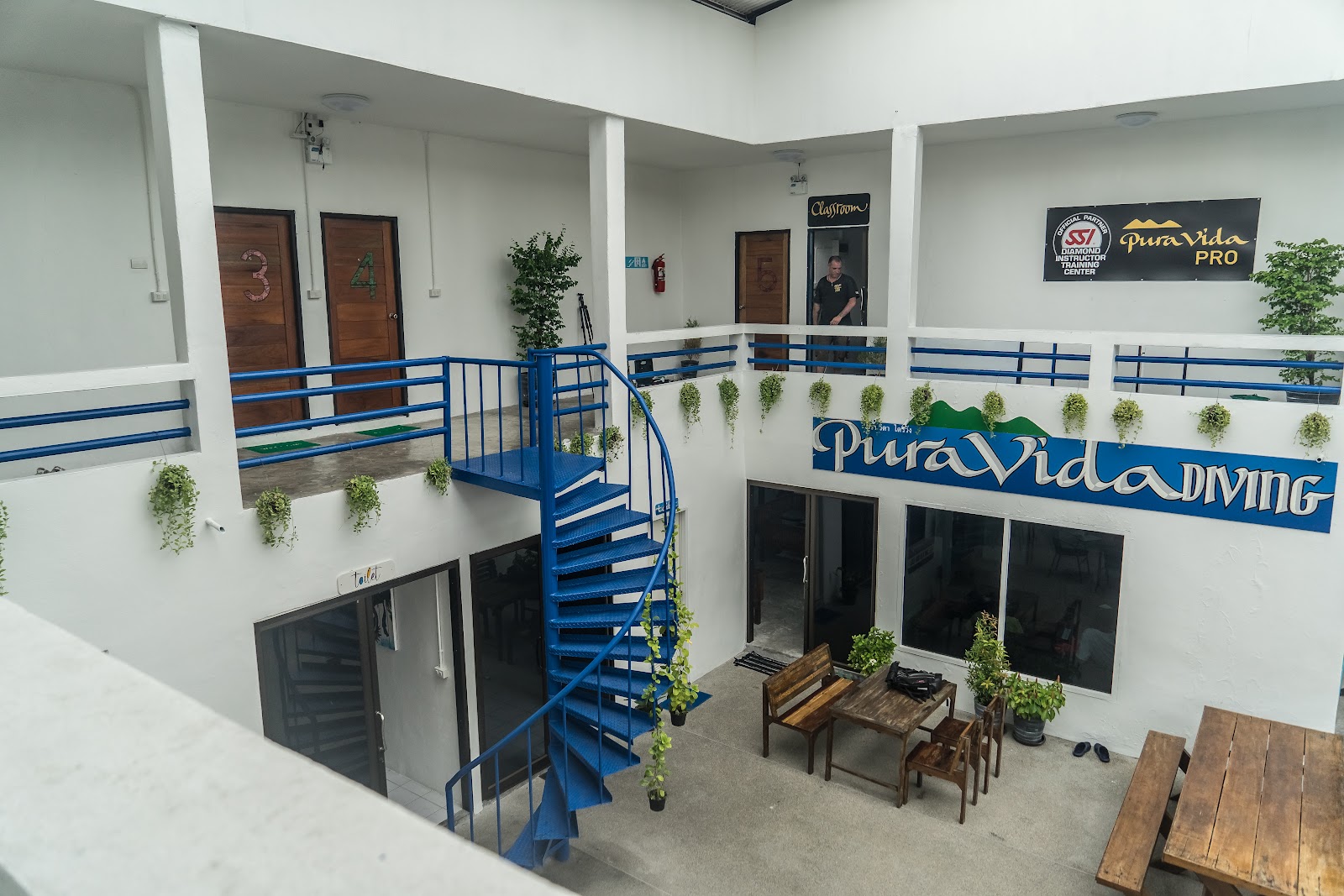
Today: 09:00 - 19:00

Nearest Airports
Nearest airports to help plan travel to this dive area.
Search Flights
Check available flights and routes on Expedia, using the nearby airports listed in this section.
Search Flights on ExpediaFrequently Asked Questions
What is the maximum depth of HTMS Sattakut?
The deepest point of the HTMS Sattakut wreck is around 30 meters. Its top deck rests approximately 18 meters below the surface.
Is HTMS Sattakut suitable for beginner divers?
While certified divers can explore the exterior of the wreck, it's best suited for those with some experience. Advanced or technical certifications are required for safe interior penetration. Local dive centers offer guided dives for various skill levels.
What kind of marine life can be seen at HTMS Sattakut?
Divers often encounter schools of barracudas, lionfish, moray eels, and seahorses. You might also spot bannerfish, nudibranchs, giant groupers, and Jenkins rays, as corals continue to colonize the wreck.
Can divers penetrate the wreck of HTMS Sattakut?
Yes, but only divers with appropriate wreck or technical diving certifications should attempt interior penetration. The wreck's compartments offer opportunities for advanced exploration for those properly trained.
When was the HTMS Sattakut sunk?
The HTMS Sattakut was deliberately sunk on June 18, 2011. This initiative by the Royal Thai Navy aimed to create an artificial reef and a new dive site off the coast of Koh Tao.
Is the HTMS Sattakut wreck close to other dive sites?
Yes, its close proximity, less than 15 meters from the neighboring dive site, Hin Pee Wee, is a significant advantage. This allows divers to combine a wreck exploration with a visit to the coral reef pinnacles.
Planning to dive Htms Sattakut?
Send one inquiry and receive offers directly from the best verified local dive operators.
Conditions are Moderate
Optimal conditions expected
Current conditions near Htms Sattakut show 29° air, 30° sea temperature, N/A waves, and 31 km/h wind. Forecast data is refreshed regularly to ensure accuracy.