
Diving at Htms Kut Shipwreck (Thailand)
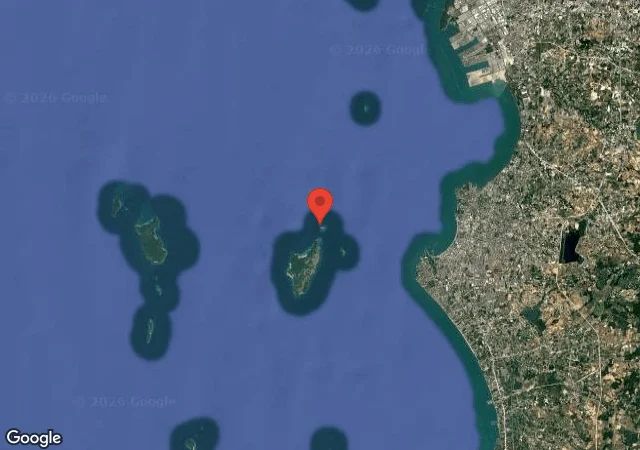
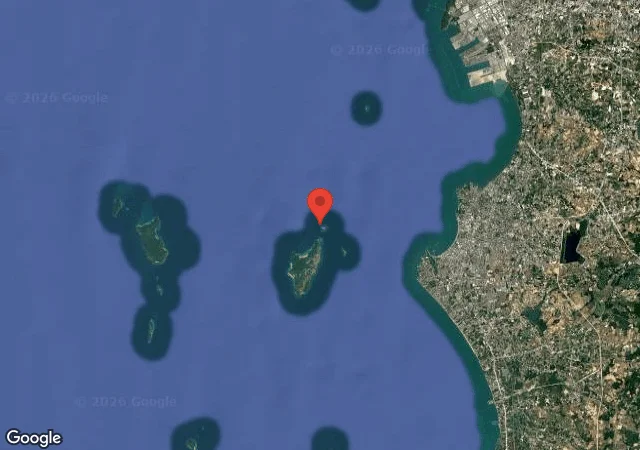
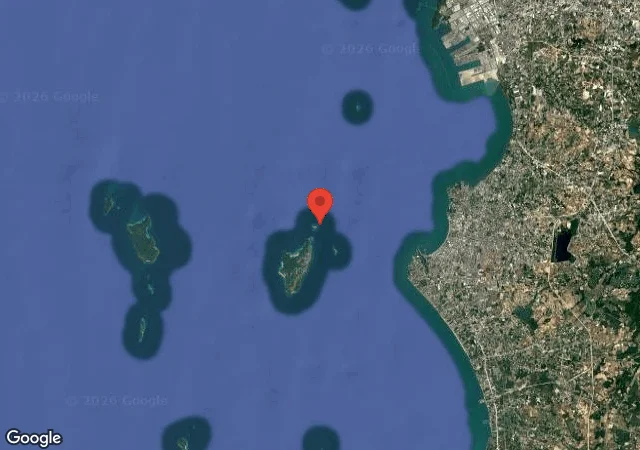
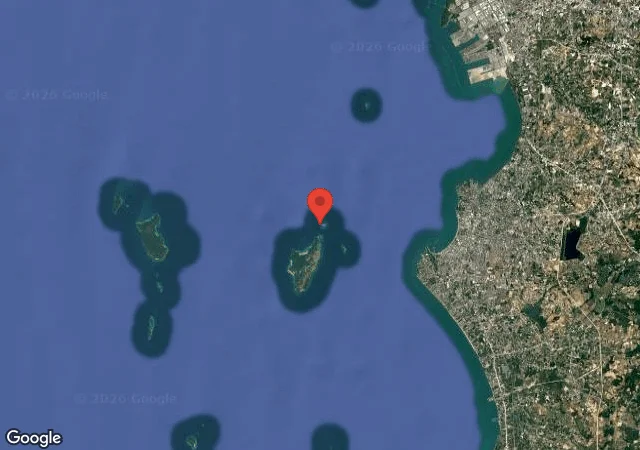
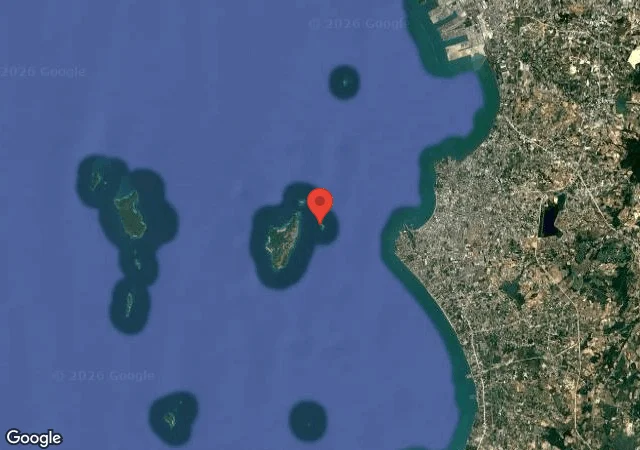
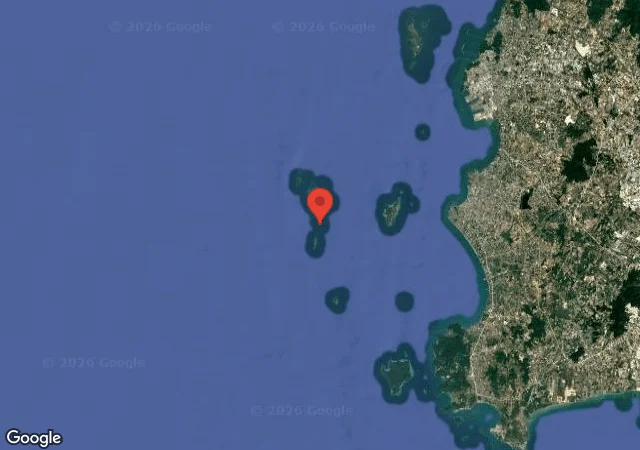
The HTMS Kut, formerly the USS LSM-333, is a decommissioned Thai Navy vessel deliberately sunk in September 2006 to serve as an artificial reef. Situated slightly north of Koh Sak Island in Pattaya Bay, this wreck lies at a maximum depth of 30 m (100 ft). It presents a significant dive site primarily for recreational and technical wreck enthusiasts, offering both external exploration and opportunities for penetration diving into its prepared interiors. Its transformation into a habitat for marine life underscores its environmental purpose.
Evening condition tracking at Htms Kut Shipwreck features an air temperature of 29.5°C. We have recorded wave heights measuring 0.8 m during this period. These figures outline the environmental parameters currently present.
Dive Site Location & Key Facts
Dive Site Overview
Exploring the HTMS Kut presents a fascinating opportunity to encounter a purpose-sunk artificial reef with a rich history. Originally a US Navy Landing Ship Medium (LSM-333), it was transferred to the Royal Thai Navy in 1946 and served for decades before its intentional scuttling.
Sunk in honor of the King of Thailand’s 60th year on the throne, the vessel now rests upright on the seabed at 30 m (100 ft). Thai Navy preparations included removing armaments and oil, and cutting large access holes, making it considerably safer for divers than many natural wrecks. Visibility at the site typically ranges from 5 to 15 m (16 to 49 ft), allowing for decent views of the ship’s structure.
A permanent buoy marks the site, with a line leading divers down to the wreck, simplifying descent and ascent. This site is suitable for standard air, nitrox, and technical wreck penetration diving, appealing to a broad range of certified divers seeking an engaging wreck experience.
Conditions are Good
Optimal conditions expected
Current conditions near Htms Kut Shipwreck show 30° air, 30° sea temperature, N/A waves, and 30 km/h wind. Forecast data is refreshed regularly to ensure accuracy.
Best Time to Dive
Planning a dive to the HTMS Kut is generally best undertaken during Thailand's dry season, which offers more stable and enjoyable conditions. The months of January through March, and November through December, consistently provide excellent dive scores. During these periods, air temperatures average between 26.5-28.5°C (80-83°F), accompanied by minimal rainfall, typically less than 2 mm per month. These calm conditions contribute to better visibility and a more comfortable overall experience. While diving is possible year-round, the wetter months from April to October see increased rainfall, averaging up to 8.9 mm, and slightly higher wave heights, which can sometimes impact sea conditions and overall dive quality. For the most favorable conditions, targeting the dry season is recommended.
PEAK SEASON SCORE
Scores combine air & water temps, waves, wind & rainfall for overall conditions.
BEST MONTHS TO DIVE
Monthly records compiled from satellite and marine observation nodes over the last 3 years. Data provided by Open-Meteo and MET Norway.
Dive Experience & Conditions
Descending onto the HTMS Kut begins with following a guide rope from the surface buoy, which leads directly to the wreck. Upper structures of the wreck become accessible around 10 m (33 ft), allowing for a gradual exploration. Currents at the site are generally mild but can vary, making a controlled descent advisable. As divers approach, the bridge and radio room become visible at around 13 m (43 ft), marking one of the ship's highest points. Entry into this area is facilitated by removed window glass. Moving along the deck, divers can observe the broad, flat central area designed for carrying tanks and troops. Side passageways offer additional entry points into well-lit interior sections, though maintaining good buoyancy to avoid stirring up fine silt is crucial. The seabed drops to a maximum depth of 30 m (100 ft).
Dive Difficulty & Safety Guidelines
Navigating the HTMS Kut requires attentive dive planning and awareness, particularly for those intending to explore its interior sections. The Thai Navy meticulously prepared the vessel by removing armaments and most potential hazards, enhancing its safety as a dive site. Large holes cut into the superstructure allow for penetration with natural light, simplifying internal navigation.
However, some rooms still feature watertight doors; divers must exercise caution to prevent accidental closure or entrapment. Silting remains a significant concern, especially within enclosed spaces and passageways; an unintentional fin kick can quickly reduce visibility to zero.
Divers should possess appropriate wreck diving certifications and maintain excellent buoyancy control. Using Nitrox, specifically Nitrox 36, is often recommended to extend bottom time and enhance safety within the recreational depth limits of the wreck.
Recommended Equipment
Overhead / entanglement risk. Wreck penetration requires proper training.
- Dive Computer
- Primary & Backup Lights
- Wreck Reel
- Cutting Tool
This gear list is based on verified equipment signals for Htms Kut Shipwreck, Thailand. Always confirm final gear choices with your dive operator, guide, or liveaboard.
Recommended Dive Suit
For dives of average duration, dive skin or rash guard usually provides sufficient protection from heat loss. Consider warmer surface protection (like a boat coat) due to brisk winds.
Divers planning a dive at Htms Kut Shipwreck today will likely encounter water temperatures close to 30°C (86°F). Surface air temperatures are resting at 30°C (85°F).
Weather projections show fairly stable environmental conditions ahead.
Emergency & Medical Support
Essential information to help you plan your dive trip to HTMS Kut Shipwreck.

Hyperbaric chambers are a critical part of dive safety infrastructure. Availability varies significantly by region, and not all dive areas have immediate access.
Before diving, it's recommended to:
- confirm nearest medical facilities
- check emergency procedures with local dive operators
- ensure dive insurance covers evacuation if required
Divers Alert Network
Diving emergency assistance available through DAN World.
+1-919-684-9111- 24/7 emergency hotline
- Diving medical assistance
- Evacuation coordination
Emergency contacts are provided for reference. Always verify local emergency services before diving.
Marine Life at Htms Kut Shipwreck
Upon approaching the HTMS Kut, divers frequently observe how marine life has repurposed the vessel's structure. The wreck functions as a vibrant artificial reef, drawing in various species that utilize its surfaces for shelter and foraging.
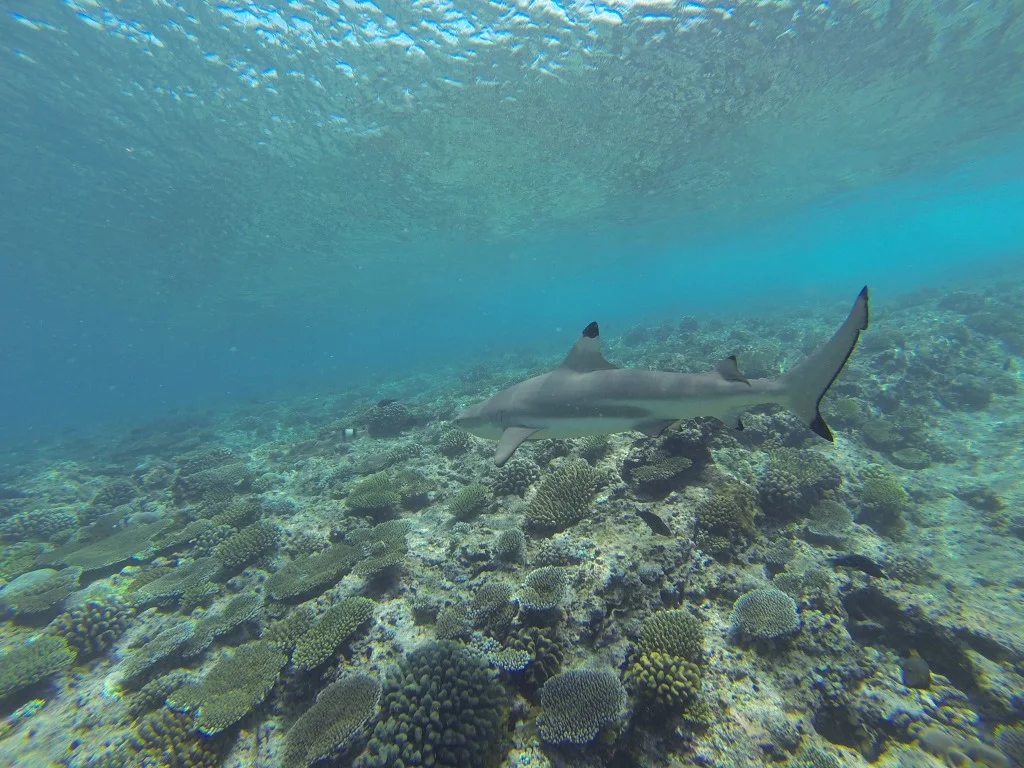
Common sightings can include diverse reef fish schools, which often congregate around the superstructure and into the cutaway sections. Occasional encounters with larger pelagic species, such as sharks and turtles, are also reported as they patrol the surrounding waters.
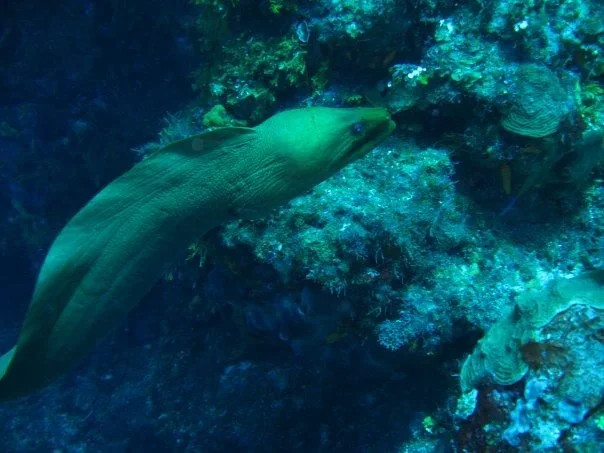
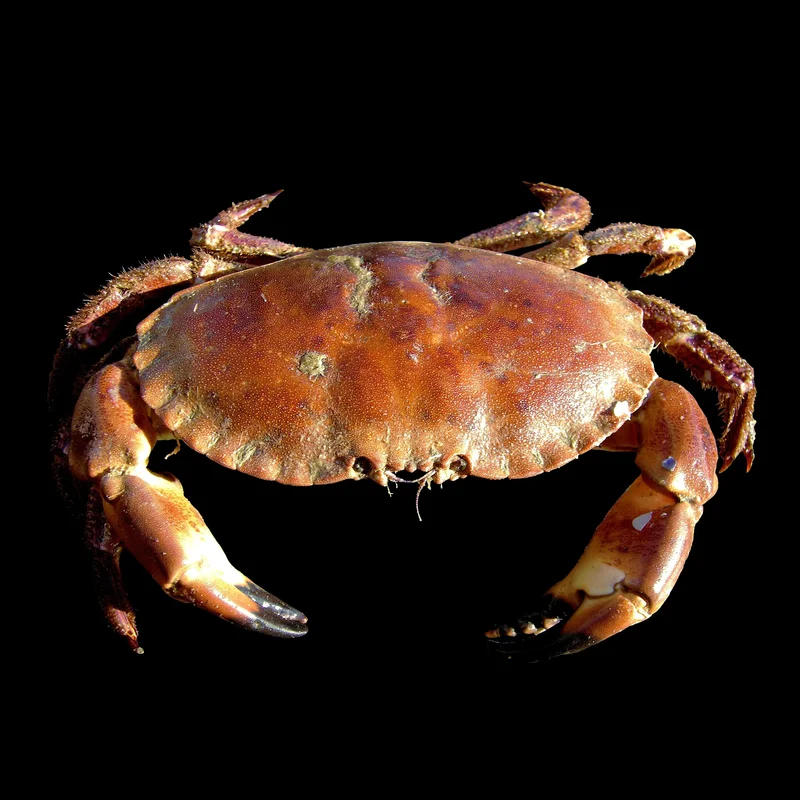
The structure's crevices and dark corners provide habitat for crabs, shrimp, and moray eels, adding to the dynamic ecosystem that has developed around the sunken ship.

Dive Sites Near Htms Kut Shipwreck
View all dive sites in ThailandDiscover more underwater gems in this area.
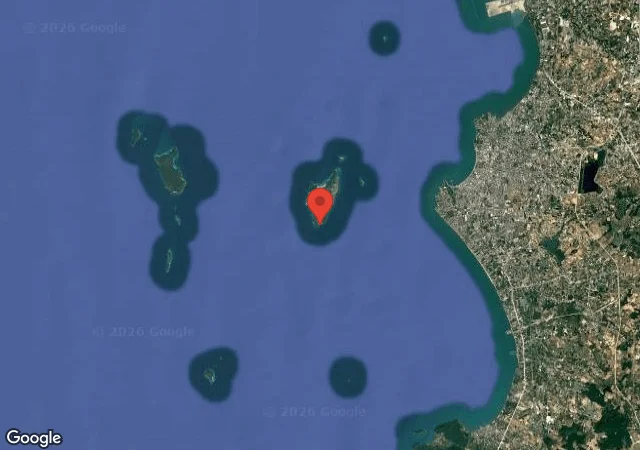
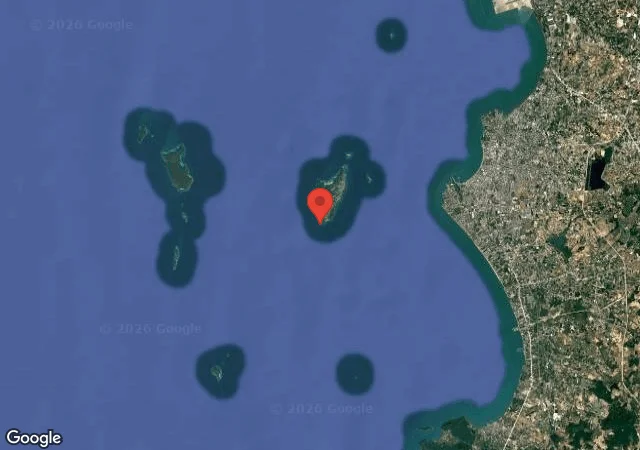
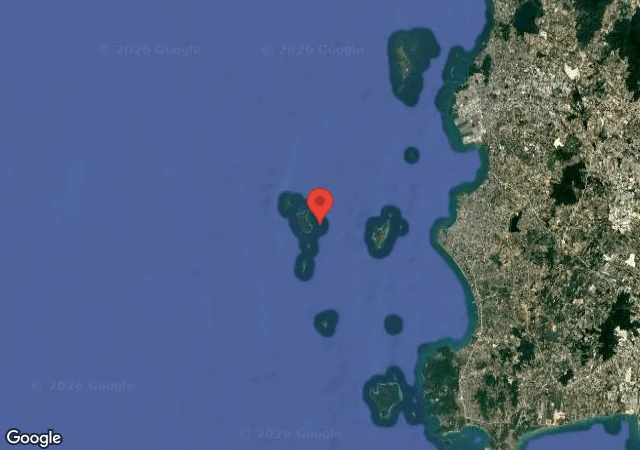
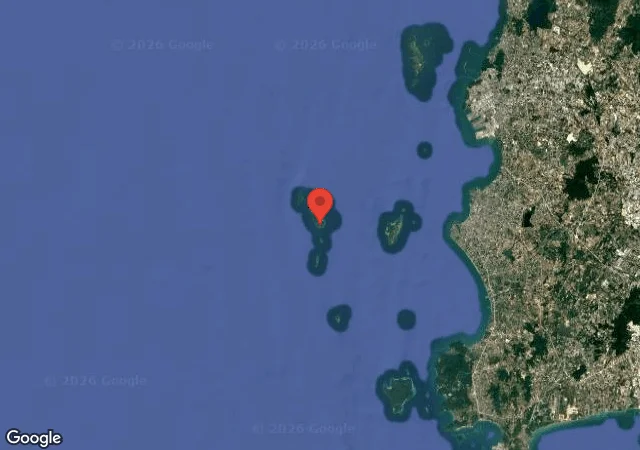
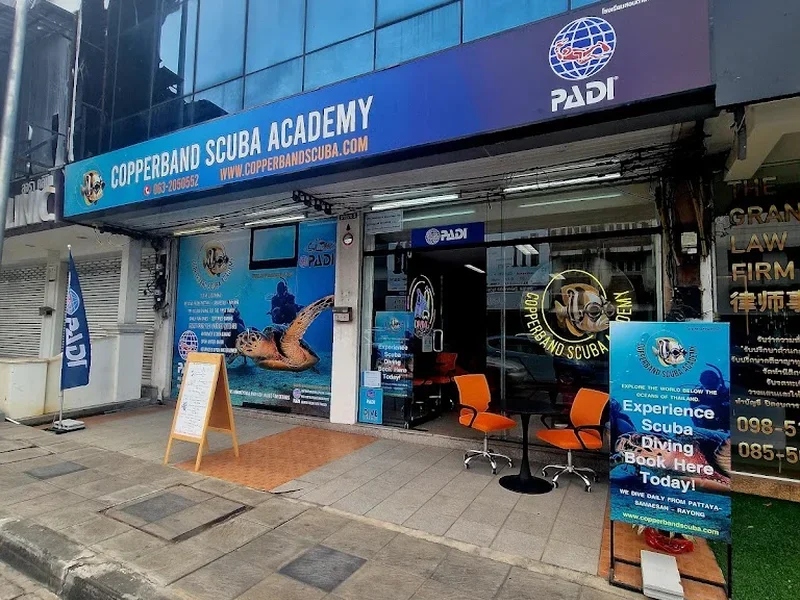
Dive Centers Near Htms Kut Shipwreck
Today: 08:00 - 18:00
Nearest Airports
Nearest airports to help plan travel to this dive area.
Search Flights
Check available flights and routes on Expedia, using the nearby airports listed in this section.
Search Flights on ExpediaFrequently Asked Questions
What is the maximum depth of the HTMS Kut wreck?
Resting on the seabed, the HTMS Kut reaches a maximum depth of 30 m (100 ft). Its top is shallower, accessible around 10 m (33 ft), enabling varied depth profiles during a single dive.
When was the HTMS Kut sunk and for what purpose?
Deliberately sunk in September 2006, the HTMS Kut now serves as an artificial reef and marine breeding ground. Its scuttling honored the King of Thailand’s 60th year on the throne, creating a dedicated dive attraction.
Is the HTMS Kut suitable for penetration diving?
Yes, penetration diving is possible at the HTMS Kut. Thai Navy preparations included large access holes, with many interior passageways remaining well-lit by natural light. However, proper training and caution regarding potential silt-outs and watertight doors are essential.
What is the typical visibility at the HTMS Kut shipwreck?
Typically, visibility at the HTMS Kut ranges from 5 to 15 m (16 to 49 ft). Conditions can vary based on local weather and currents, but this range generally allows for clear views of the wreck's structure and marine inhabitants.
Are there specific hazards to be aware of when diving the HTMS Kut?
While cleared of major hazards, divers should be mindful of silt accumulation, capable of causing significant visibility reduction inside. Additionally, some interior rooms still feature steel watertight doors, requiring careful attention to avoid accidental closure.
What marine life can be observed on the HTMS Kut?
As an artificial reef, the HTMS Kut hosts a variety of marine life. Divers commonly see schools of reef fish, crabs, and moray eels utilizing the wreck for shelter. Occasional sightings of sharks and turtles are also reported in the surrounding waters.
Which months offer the best diving conditions for the HTMS Kut?
Optimal diving conditions are typically found from January to March and November to December. Such periods provide excellent dive scores, characterized by stable air temperatures, minimal rainfall, and generally calmer sea conditions.
Planning to dive Htms Kut Shipwreck?
Send one inquiry and receive offers directly from the best verified local dive operators.
Conditions are Good
Optimal conditions expected
Current conditions near Htms Kut Shipwreck show 30° air, 30° sea temperature, N/A waves, and 30 km/h wind. Forecast data is refreshed regularly to ensure accuracy.