
Diving at Stonehenge (Thailand)
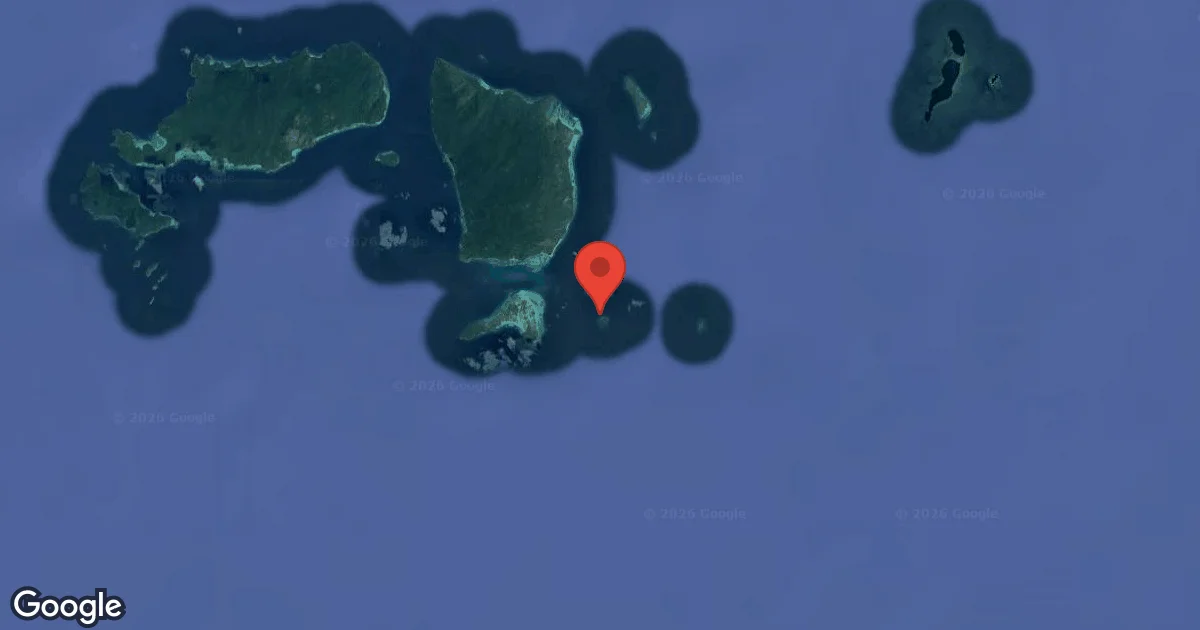
Stonehenge, near Koh Lipe, reveals a distinctive underwater landscape, shaped by granite pinnacles and sprawling soft corals. A shallow sandy plateau, ranging from 5 to 7 meters (16-23 ft), is dotted with large, upright rocks. These formations are often entirely cloaked in a stunning, colorful array of soft corals, creating a vivid, almost otherworldly feel. Diverse habitats are provided by these structures, resembling the ancient namesake with their standing stone appearance.
Tonight's objective overview for Stonehenge shows an air temperature of 28.5°C. The measured surface conditions include wave heights around 1.1 m. This environmental data is logged for the close of the day.
Dive Site Location & Key Facts
Dive Site Overview
Experienced divers exploring Stonehenge encounter a vibrant underwater terrain often compared to Indonesia's Raja Ampat, a distinct contrast to typical Thai dive sites. Its name derives from notable upright rock formations, evoking England's ancient standing stones that define the site's profile.
Much of the area covers a comparatively shallow sandy plateau, approximately 5 to 7 meters (16-23 ft) deep. Deeper rock formations extend further, reaching a maximum depth of about 26 meters (85 ft) and offering diverse exploration. Divers can expect to navigate around four primary granite pinnacles, some nearly reaching the surface, complemented by slopes featuring scattered boulders and sponge gardens.
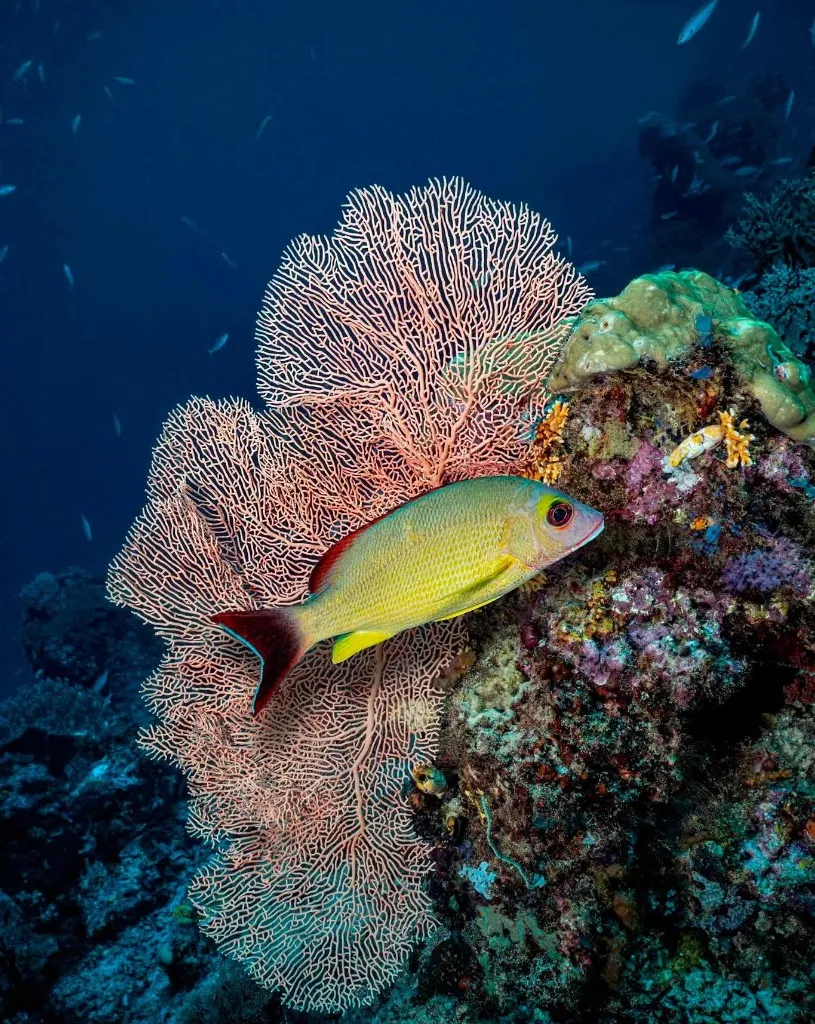
Soft corals, particularly vivid pinks and reds, intensely color the landscape, making it especially appealing for underwater photographers. Small coral bommies also dot sandy areas towards the site's southeastern side.
Strong currents frequently develop, sometimes transforming exploration into an exhilarating drift dive. A rich diversity of smaller reef fish thrive in this dynamic habitat, including schools of basslets and damsel fish, alongside potential macro subjects such as frogfish and various crabs.
Conditions are Good
Optimal conditions expected
Current conditions near Stonehenge show 29° air, 31° sea temperature, 1.0 m waves, and 23 km/h wind. Forecast data is refreshed regularly to ensure accuracy.
Best Time to Dive
Planning a dive trip to Stonehenge involves understanding the seasonal shifts that impact conditions. A primary dive season for Koh Lipe, encompassing Stonehenge, generally spans from November to May. During this period, conditions are typically favorable, with March often standing out as an excellent month for diving; average wave heights dip to approximately 0.5 meters (1.6 ft), wind speeds are calmer around 24 km/h (15 mph), and rainfall is minimal at 2.04 mm. Air temperatures throughout this peak season remain warm, averaging around 27.5°C (82°F) in January and peaking near 28.5°C (83°F) in April. While specific water temperatures aren't consistently reported, the region is known for warm tropical waters. Diving remains possible from May to October, but this aligns with the monsoon season, meaning site accessibility and conditions are highly dependent on daily weather patterns. Rainfall significantly increases during these months, reaching over 11 mm in November, August, and October, with wave heights also trending higher, potentially impacting visibility and comfort.
PEAK SEASON SCORE
Scores combine air & water temps, waves, wind & rainfall for overall conditions.
BEST MONTHS TO DIVE
Monthly records compiled from satellite and marine observation nodes over the last 3 years. Data provided by Open-Meteo and MET Norway.
Dive Experience & Conditions
Visibility at Stonehenge frequently extends up to 30 meters (100 ft), varying with daily conditions. A primary dive experience here involves navigating the vibrant shallow plateau and its deeper granite formations. Divers often encounter a spectrum of currents; conditions are notably variable, with flow sometimes becoming quite strong. During slack tide, or near its turning point, the site offers a more relaxed pace for exploring its coral-encrusted rocks and sandy areas. Conversely, an increase in current can sweep through Stonehenge with considerable force, transforming the dive into a challenging drift. Such dynamic conditions, influenced by an open sea position, demand careful planning and strong situational awareness from divers. Dense soft corals covering the rocks create a consistently stunning visual backdrop throughout the dive.
Dive Difficulty & Safety Guidelines
Navigating Stonehenge safely requires a mindful approach, particularly due to its dynamic currents. Divers should always verify current strength before entering the water, as it can transform the experience from a calm exploration to a rapid drift. Planning your dive to coincide with slack tide, or near it, is crucial for minimizing the risk of being carried off the site.
While there are no specific hazards beyond currents reported for this location, general tropical diving best practices apply: maintain good buoyancy control to avoid damaging the delicate soft corals, and respect the marine environment. Advanced certification or experience with drift diving is highly recommended for those planning to dive outside of slack current periods.
Always dive with a reputable local guide who understands the site's specific conditions and local tide patterns.
Recommended Equipment
Current and surface separation risk. Local briefing strongly recommended.
- Dive Computer
- DSMB
- Reel / Spool
This gear list is based on verified equipment signals for Stonehenge, Thailand. Always confirm final gear choices with your dive operator, guide, or liveaboard.
Recommended Dive Suit
Forecast models show minimal temperature variation in the coming days.
Thermal protection such as dive skin or rash guard is commonly used in similar temperatures. A hood or vest is suggested for sensitive divers due to surface winds.
Current dive conditions indicate that water temperatures around Stonehenge are sitting at roughly 31°C (88°F). Surface air temperatures are resting at 29°C (83°F).
Emergency & Medical Support
Essential information to help you plan your dive trip to Stonehenge.

Hyperbaric chambers are a critical part of dive safety infrastructure. Availability varies significantly by region, and not all dive areas have immediate access.
Before diving, it's recommended to:
- confirm nearest medical facilities
- check emergency procedures with local dive operators
- ensure dive insurance covers evacuation if required
Divers Alert Network
Diving emergency assistance available through DAN World.
+1-919-684-9111- 24/7 emergency hotline
- Diving medical assistance
- Evacuation coordination
Emergency contacts are provided for reference. Always verify local emergency services before diving.
Marine Life at Stonehenge
Vivid soft corals at Stonehenge, dense and richly colored, establish a captivating backdrop for diverse marine encounters. Divers will observe schools of small reef fish, including basslets and damsel fish, darting among the fan corals and extensive soft coral growths.
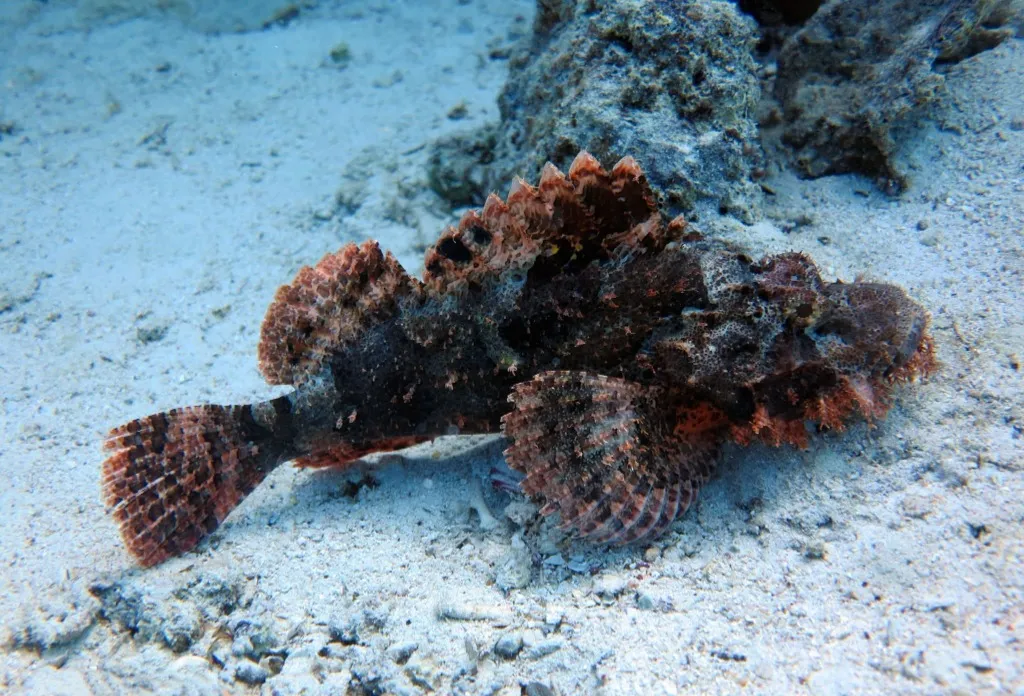
Closer inspection often reveals well-camouflaged residents like frogfish and various species of crab, perfectly adapted to their coral surroundings. Scorpionfish also blend seamlessly into the rocky structures.
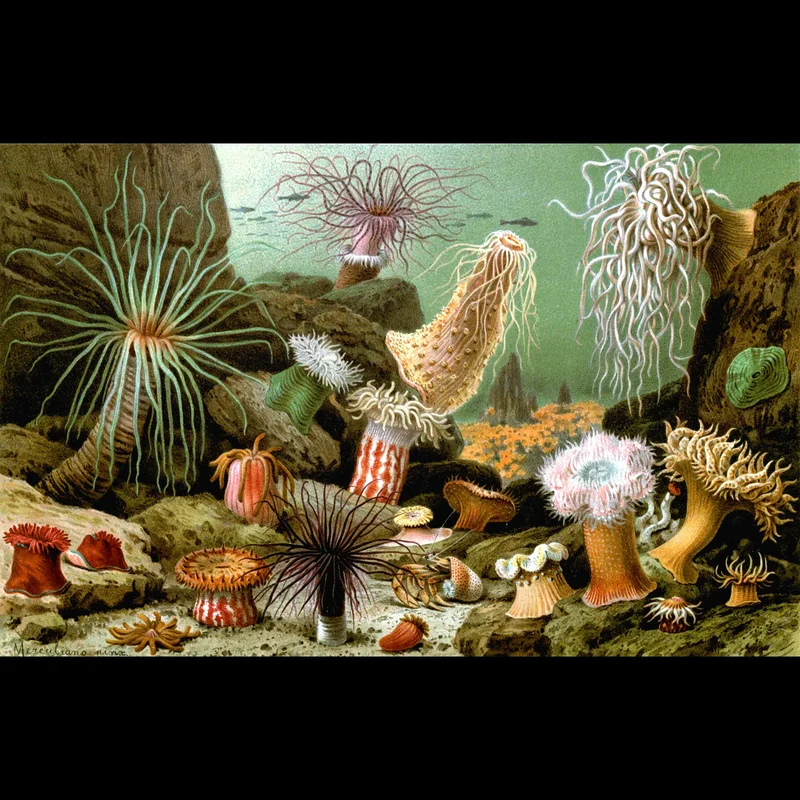
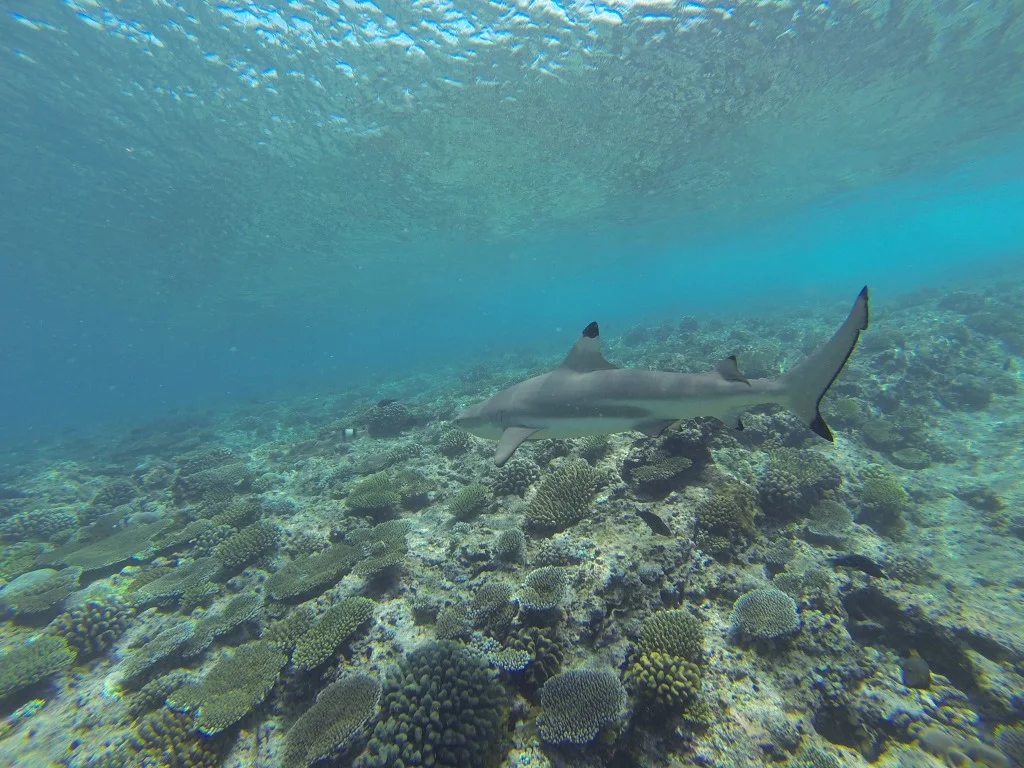
Look for anemonefish tending to their sea anemone homes. Deeper sections or around the pinnacles might offer glimpses of larger pelagic species such as whitetip sharks and jacks, alongside bottom dwellers like lobsters and stingrays, showcasing the site's rich biodiversity.
Dive Sites Near Stonehenge
View all dive sites in ThailandDiscover more underwater gems in this area.
Dive Centers Near Stonehenge
Nearest Airports
Nearest airports to help plan travel to this dive area.
Search Flights
Check available flights and routes on Expedia, using the nearby airports listed in this section.
Search Flights on ExpediaFrequently Asked Questions
What is Stonehenge known for?
Stonehenge is most recognized for its stunning, intensely colored soft corals that densely cover its unique granite rock formations. These formations, resembling ancient standing stones, create an impressive underwater landscape at a relatively shallow depth.
What are the typical dive depths at Stonehenge?
A prominent shallow sandy plateau at Stonehenge is found around 5 to 7 meters (16-23 ft) deep, covered in soft corals. Deeper rock formations extend further, with a maximum reported depth of approximately 26 meters (85 ft) for the overall dive site.
Are there strong currents at Stonehenge?
Yes, currents at Stonehenge can vary significantly and are sometimes quite strong, making it a potential drift dive. It's advisable to plan dives around slack tide to experience calmer conditions and more relaxed exploration of the site.
What marine life can I expect to see?
You can expect to encounter a variety of reef fish, including colorful basslets and damsel fish, camouflaged frogfish, crabs, and scorpionfish. Larger species like whitetip sharks, jacks, lobsters, and stingrays are also sometimes spotted, especially in deeper areas.
When is the best time of year to dive Stonehenge?
For Stonehenge, the prime dive season runs from November to May, with March often offering excellent conditions due to minimal rain and calmer seas. While diving is possible year-round, the monsoon season from May to October can bring higher rainfall and less predictable weather.
Do I need any special certification to dive here?
Basic open water certification is generally sufficient for the shallower sections during calm conditions. However, given the potential for strong currents and deeper areas, an advanced certification or experience with drift diving is recommended for a more comfortable and safer experience.
How do I access Stonehenge?
Stonehenge is typically accessed via day trips from Koh Lipe, which hosts numerous dive schools. Alternatively, some liveaboards operating in the region include Stonehenge on their itineraries, providing a convenient way to reach the site.
Planning to dive Stonehenge?
Send one inquiry and receive offers directly from the best verified local dive operators.
Conditions are Good
Optimal conditions expected
Current conditions near Stonehenge show 29° air, 31° sea temperature, 1.0 m waves, and 23 km/h wind. Forecast data is refreshed regularly to ensure accuracy.