
Diving at Koh Talang Steps (Thailand)
Koh Talang Steps features an underwater descent resembling a natural staircase, formed by granite boulders and coral. Divers navigate submerged 'steps', commencing shallow and progressively reaching a maximum of 30 m (98 ft). Exploring this site involves a gradual movement from one distinct level to the next, uncovering diverse marine activity at each stage. It's an exploration peeling back layers of the reef as you go.
Tonight's objective overview for Koh Talang Steps shows an air temperature of 28°C. The measured surface conditions include wave heights around 1.2 m. This environmental data is logged for the close of the day.
Dive Site Location & Key Facts
Dive Site Overview
An intriguing series of granite rock formations defines the underwater topography at Koh Talang Steps, resembling a giant staircase. These natural steps, carved by tidal forces, begin in shallower areas around 5 m (15 ft) and descend steadily, reaching maximum depths of 30 m (98 ft).
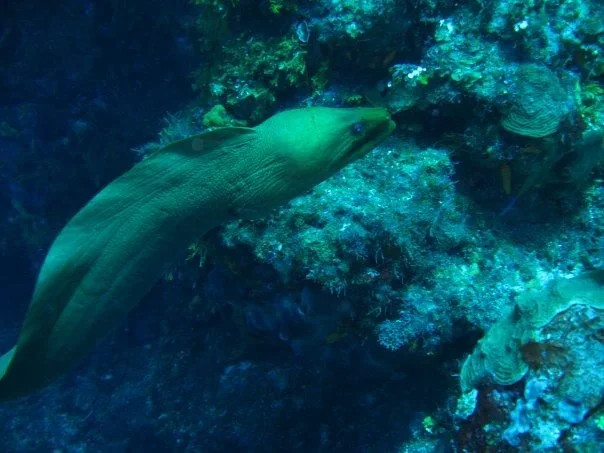
Divers explore a landscape where well-preserved hard corals, barrel sponges, and vibrant gorgonian fans cling to the rock faces, creating a textured environment for marine life. Blending elements of both muck and reef diving, especially in the sandy patches and crevices between the steps, offers varied observation opportunities. This varied structure provides shelter and hunting grounds; divers often encounter moray eels and lionfish nestled within the coral-covered ledges, benefiting from the protection these formations provide.
Currents here are not consistently reported but can vary depending on local conditions, occasionally influencing the drift along the steps. Observing the sand for various nudibranchs, especially flabelinas, and the occasional flounder becomes a rewarding activity.
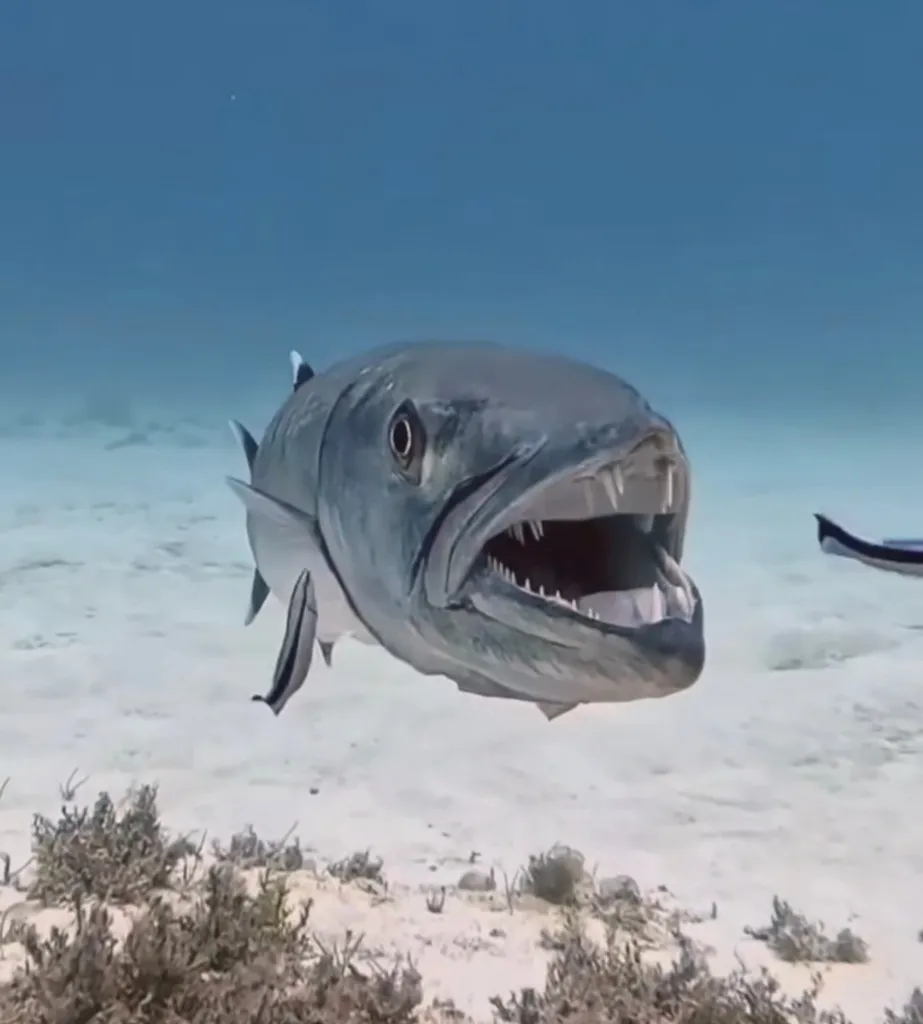
The multi-tiered structure allows for an engaging, progressive exploration down the reef. While focused on smaller inhabitants, keen observers might also spot hunting trevally or passing barracuda in the blue, transitioning between the different depth levels.
Conditions are Good
Optimal conditions expected
Current conditions near Koh Talang Steps show 28° air, 31° sea temperature, 1.3 m waves, and 21 km/h wind. Forecast data is refreshed regularly to ensure accuracy.
Best Time to Dive
Optimal visibility at Koh Talang Steps typically aligns with the drier, calmer months, enhancing the experience of navigating its intricate rock formations. March often presents excellent conditions, with average air temperatures around 28.5°C (83°F) and minimal rainfall at approximately 1.7 mm. February also offers good diving, seeing average air temperatures of 28°C (82°F) and similarly low rainfall (1.4 mm). During these periods, reduced wave heights, which can be as low as 0.4-0.6 m (1.3-2.0 ft), contribute to clearer underwater viewing conditions, making macro observations easier. As the year progresses into the monsoon season, particularly from September to November, increased rainfall and higher wave activity can affect visibility, potentially reducing the clarity and ease of spotting smaller creatures hidden among the steps. Therefore, planning a trip during the first few months of the year, especially from February to April, generally offers the most favorable conditions for appreciating the site's rich macro life and topography.
PEAK SEASON SCORE
Scores combine air & water temps, waves, wind & rainfall for overall conditions.
BEST MONTHS TO DIVE
Monthly records compiled from satellite and marine observation nodes over the last 3 years. Data provided by Open-Meteo and MET Norway.
Dive Experience & Conditions
A dynamic dive experience unfolds as divers descend the "steps" at Koh Talang, suitable for Open Water Divers capable of managing depths down to 30 m (98 ft). Beginning in shallower sections, the granite steps are often covered in well-preserved hard corals and a variety of colorful barrel sponges. As you move deeper, divers can meticulously explore each level, scanning the sand for specific macro subjects like nudibranchs and flatfish. Excelling for micro-divers and underwater photographers, the site presents abundant subjects such as Durban dancing shrimp and various cleaner shrimp hidden within crevices. Deeper steps provide sanctuary for larger reef inhabitants; here you'll find giant moray eels and lionfish seeking refuge among gorgonian fans. Keeping an eye out into the blue between transitions might reveal hunting trevally or passing barracuda. This gradual descent encourages thorough observation at each depth, ensuring divers don't miss the subtle details of this bustling ecosystem. Water temperatures are typically warm, consistent with tropical environments.
Dive Difficulty & Safety Guidelines
Navigating Koh Talang Steps primarily involves adhering to standard safe diving practices, as no specific hazards are consistently reported for this site beyond general considerations. Divers should be certified Open Water Diver at minimum and comfortable with depths down to 30 m (98 ft). Given that currents can vary depending on conditions, maintaining good buoyancy control is essential to prevent unintended contact with the delicate coral formations and to navigate the step-like topography smoothly.
Always respect marine life by observing from a distance and avoid touching or disturbing any organisms, especially those inhabiting the crevices or sandy areas. Dive planning should include checking local current forecasts, particularly before entering the water, to ensure a safe and enjoyable exploration of the site's unique structure. Responsible diving ensures the preservation of its diverse ecosystem.
Recommended Equipment
- Dive Computer
- DSMB
- Pointer / Muck Stick
This gear list is based on verified equipment signals for Koh Talang Steps, Thailand. Always confirm final gear choices with your dive operator, guide, or liveaboard.
Recommended Dive Suit
Experienced divers often bring flexible gear options.
The water around Koh Talang Steps is currently holding at approximately 31°C (87°F), setting the tone for today's dives. Surface air temperatures are resting at 28°C (82°F). Divers who spend longer periods underwater often choose dive skin or rash guard.
The next few days appear likely to bring similar environmental conditions.
Emergency & Medical Support
Essential information to help you plan your dive trip to Koh Talang Steps.

Hyperbaric chambers are a critical part of dive safety infrastructure. Availability varies significantly by region, and not all dive areas have immediate access.
Before diving, it's recommended to:
- confirm nearest medical facilities
- check emergency procedures with local dive operators
- ensure dive insurance covers evacuation if required
Divers Alert Network
Diving emergency assistance available through DAN World.
+1-919-684-9111- 24/7 emergency hotline
- Diving medical assistance
- Evacuation coordination
Emergency contacts are provided for reference. Always verify local emergency services before diving.
Marine Life at Koh Talang Steps
A rich diversity of smaller, cryptic marine life defines Koh Talang Steps, making it a favorite for macro enthusiasts. Divers frequently spot various nudibranchs, including flabelinas, along the sandy patches and coral formations.
Seahorses are also a consistent sighting, often found clinging to soft corals or hidden within the rocky structures. Critters such as Durban dancing shrimp and other cleaner shrimp populate the crevices.
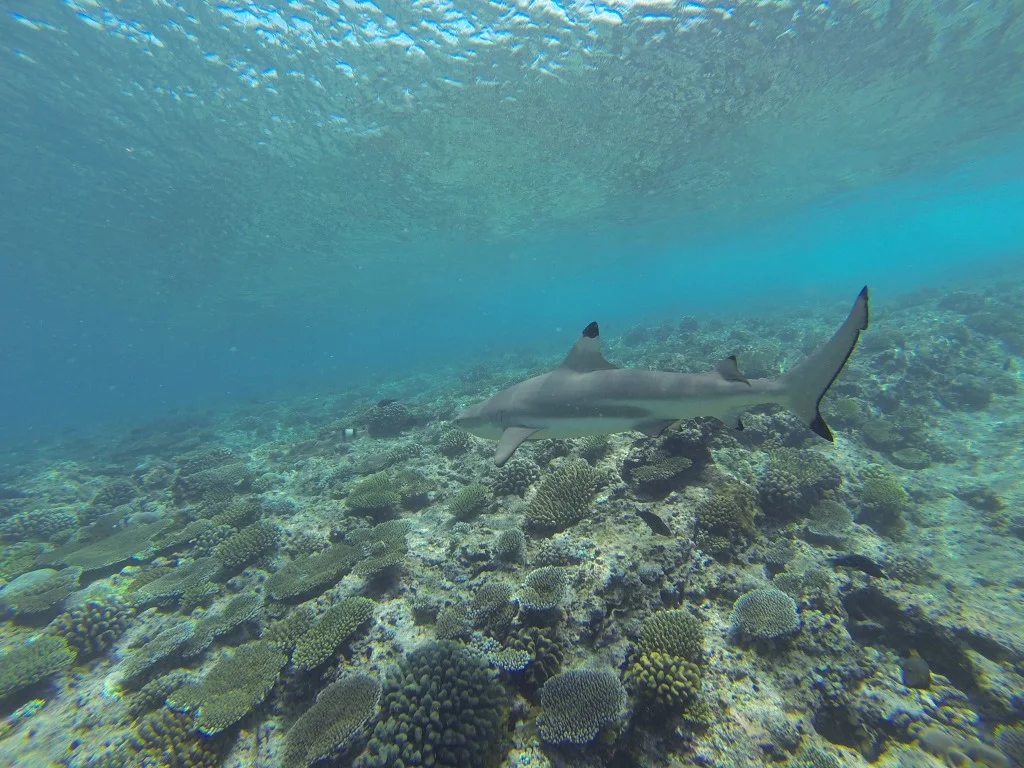
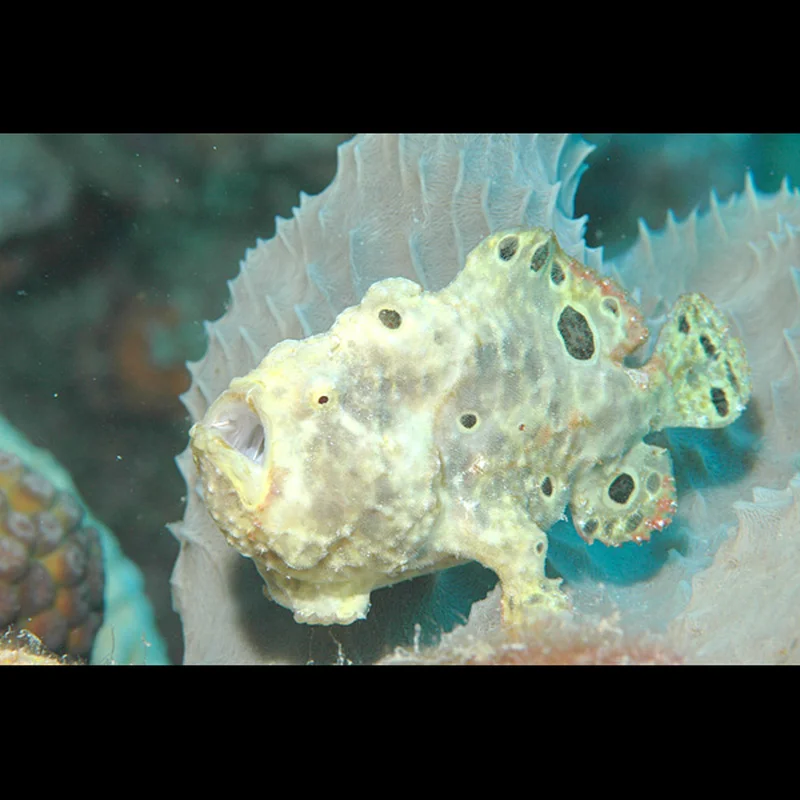
Exploring under coral and rocks can reveal resting coral catsharks or moray eels seeking refuge. This location also hosts frogfish, masters of camouflage, and lionfish, often seen near barrel sponges or gorgonian fans.
Occasional sightings of hunting trevally and passing barracuda provide a contrast to the prevalent macro scene.
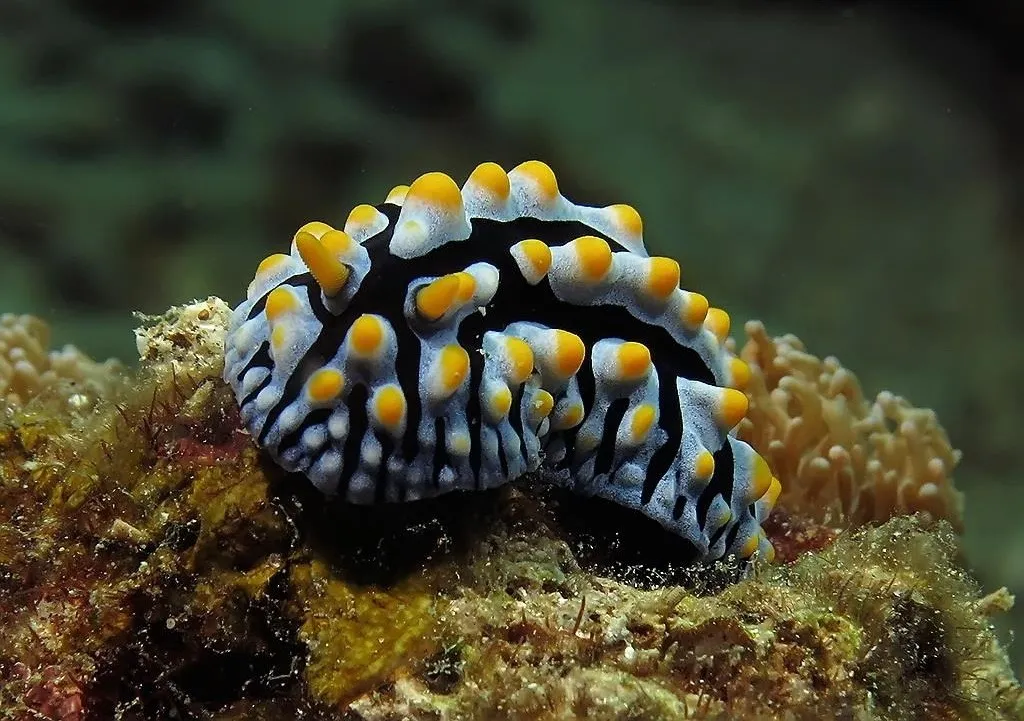
Dive Sites Near Koh Talang Steps
View all dive sites in ThailandDiscover more underwater gems in this area.
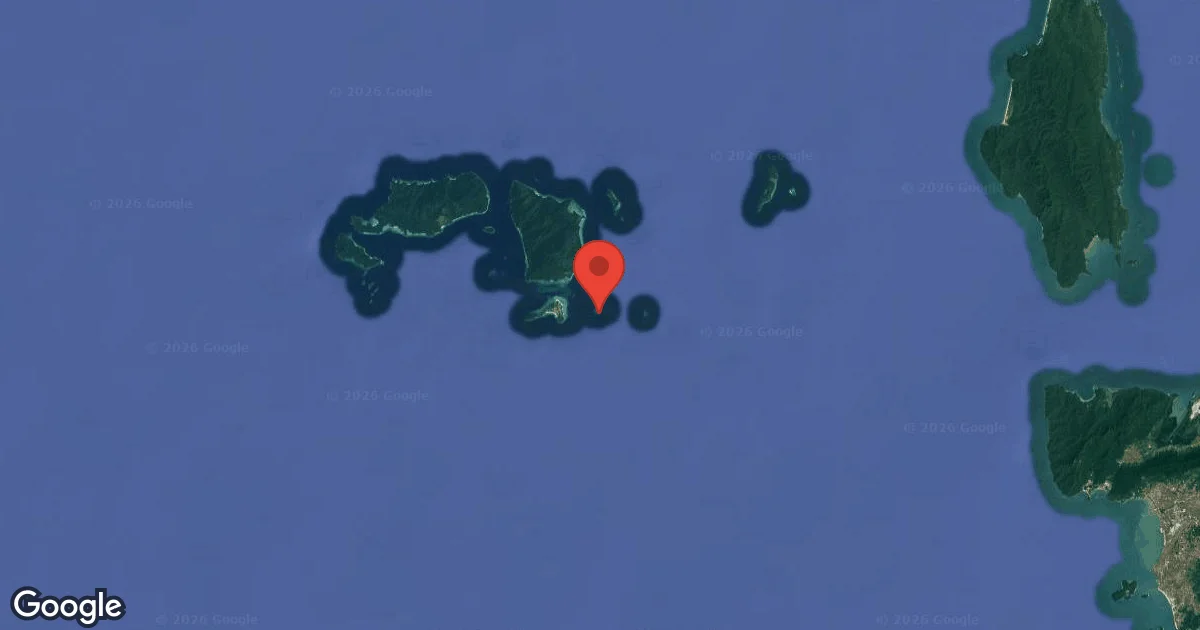
Dive Centers Near Koh Talang Steps
Nearest Airports
Nearest airports to help plan travel to this dive area.
Search Flights
Check available flights and routes on Expedia, using the nearby airports listed in this section.
Search Flights on ExpediaFrequently Asked Questions
What is the best time of year to dive Koh Talang Steps?
Typically, conditions are best from February to April, with March often presenting excellent visibility. Average air temperatures are comfortable during these months, and minimal rainfall contributes to calmer seas.
What is the maximum depth at Koh Talang Steps?
A step formation at the dive site descends to its maximum depth. Divers can explore various levels, from shallower sections starting around 5 meters, down to the recreational limits of 30 meters.
What kind of marine life is commonly seen here?
Koh Talang Steps is a haven for macro life, including various nudibranchs, seahorses, and Durban dancing shrimp. Larger inhabitants like moray eels, lionfish, and coral catsharks are also frequently encountered among the rock formations.
What certification level is required for diving Koh Talang Steps?
An Open Water Diver certification is generally sufficient for exploring this site. However, divers should be comfortable with navigating depths up to 30 m (98 ft) and maintaining good buoyancy control.
Are there strong currents at Koh Talang Steps?
Currents at Koh Talang Steps can vary; they are not consistently reported as strong but can fluctuate depending on local conditions. Divers should be prepared for potential changes and practice good buoyancy.
Is Koh Talang Steps suitable for underwater photography?
Yes, it's highly suitable, particularly for macro photography. Its rich population of nudibranchs, seahorses, shrimp, and frogfish provides abundant subjects.
What makes the topography of Koh Talang Steps unique?
Natural granite rock formations create a series of cascading "steps" underwater. Such unique formations establish a multi-tiered dive profile, offering diverse habitats across various depths.
Planning to dive Koh Talang Steps?
Send one inquiry and receive offers directly from the best verified local dive operators.
Conditions are Good
Optimal conditions expected
Current conditions near Koh Talang Steps show 28° air, 31° sea temperature, 1.3 m waves, and 21 km/h wind. Forecast data is refreshed regularly to ensure accuracy.