
Diving at Inner Reef (Timor Leste (East Timor))
A descent into Inner Reef initiates a transition from a vibrant, shallow coral garden to expansive, deeper sands. Beneath the surface, one feels a sense of gentle exploration, following the reef's natural contours. Sunlight filters through upper layers, illuminating soft coral patches before yielding to subtle seabed textures. It’s like uncovering layers of an intricate marine tapestry, where each depth unveils a new environmental aspect.
Evening condition tracking at Inner Reef features an air temperature of 26°C. We have recorded wave heights measuring 1 m during this period. These figures outline the environmental parameters currently present.
Dive Site Location & Key Facts
Dive Site Overview
Timor Leste's Inner Reef serves as an accessible gateway into dynamic marine ecosystems, intrinsically linked to the Indonesian Throughflow. Diving commences on a flat, submerged reef, typically around 3-5 meters / 10-16 ft, then smoothly transitioning into a sandy channel.
Extending to a maximum of 35 meters, this channel supports scattered soft coral coverage, creating varied habitats. Positioned within the Ombai-Wetar Strait, a narrow passage funnels immense water volumes—up to 5 million cubic meters per second—connecting the Pacific and Indian Oceans. Powerful current flow contributes to the region's rich biodiversity, bringing nutrients and a consistent influx of pelagic activity.
While not directly presenting dramatic walls or strong currents on the reef itself, its underlying oceanic influence shapes the environment. Expect a straightforward boat entry, making descent into this stratified reef system relatively comfortable.
A blend of shallow, sunlit corals and deeper, quieter sandy areas allows for diverse marine observations, from macro life nestled in corals to larger species cruising the channel.
Conditions are Good
Optimal conditions expected
Current conditions near Inner Reef show 26° air, 27° sea temperature, 1.0 m waves, and 38 km/h wind. Forecast data is refreshed regularly to ensure accuracy.
Best Time to Dive
Optimal periods for diving Inner Reef are often marked by favorable conditions. Historical data points to April and November as consistently "Excellent" for dive scores, suggesting these months offer peak visibility and calm seas. For much of the year, especially May through October, the dry season delivers minimal rainfall, often under 1 mm, which contributes to clear waters. Air temperatures during prime months typically range from 27-29°C / 81-84°F, ensuring comfortable surface conditions. Water temperatures fluctuate, generally staying between 24-27°C / 75-81°F; a 3mm wetsuit or shorty usually suffices. While dive scores remain "Good" for remaining months, the wet season, approximately December to March, experiences increased rainfall, peaking at around 6 mm in December. Choppier surface conditions might occur during this time, with average wave heights potentially exceeding 0.7 meters / 2.3 ft from January to August. Still, Inner Reef presents a viable dive option even then, providing consistent water temperatures and reasonable conditions.
PEAK SEASON SCORE
Scores combine air & water temps, waves, wind & rainfall for overall conditions.
BEST MONTHS TO DIVE
Monthly records compiled from satellite and marine observation nodes over the last 3 years. Data provided by Open-Meteo and MET Norway.
Dive Experience & Conditions
Exploring Inner Reef begins on a flat submerged area around 3 to 5 meters. Here, vibrant soft coral patches invite discovery before seabed gradually slopes. A sandy channel then extends to approximately 35 meters, supporting scattered coral growth. Visibility is generally good, though local conditions and Indonesian Throughflow currents can influence clarity, even without directly impacting reef with strong force. Water temperatures consistently remain comfortable, typically between 24-27°C / 75-81°F. Expect boat entries and exits, standard for this location. Varied topography, shifting from shallow reef to deeper sand, makes for dynamic exploration where divers observe species adapted to each habitat.
Dive Difficulty & Safety Guidelines
For Inner Reef dives, prioritize a thorough briefing from local operators; they offer current insights into site conditions. Given potential for deeper sections up to 35 meters, divers should carry a dive computer and maintain conservative bottom times. Though currents on reef itself aren't consistently strong, understanding broader oceanic influences, like Indonesian Throughflow, is prudent for advanced planning.
Surface Marker Buoys (SMBs) are valuable for all boat dives, enhancing visibility to surface support, especially if surface current is present. As with any marine environment, avoid touching corals or marine life.
Be mindful of potential stonefish or lionfish in rocky or sandy areas, practicing good awareness and responsible diving techniques. Always dive within certification limits and consider additional training, such as PADI Deep Diver or PADI Peak Performance Buoyancy, to enhance experience.
Recommended Equipment
Deep dive hazard. Increased narcosis and gas consumption risk.
- Dive Computer
- DSMB
- Primary & Backup Lights
This gear list is based on verified equipment signals for Inner Reef, Timor Leste (East Timor). Always confirm final gear choices with your dive operator, guide, or liveaboard.
Recommended Dive Suit
Individual comfort in the water can vary significantly from diver to diver, even under the same conditions.
For most recreational dives, 2-3mm shorty or light wetsuit should provide comfortable protection. Consider warmer surface protection (like a boat coat) due to brisk winds. Forecast conditions over the next few days suggest temperatures will remain relatively stable.
Water temperatures across the dive area at Inner Reef are presently estimated to be around 27°C (80°F). Surface air temperatures are resting at 26°C (79°F).
Emergency & Medical Support
Essential information to help you plan your dive trip to Inner Reef.

Hyperbaric chambers are a critical part of dive safety infrastructure. Availability varies significantly by region, and not all dive areas have immediate access.
Before diving, it's recommended to:
- confirm nearest medical facilities
- check emergency procedures with local dive operators
- ensure dive insurance covers evacuation if required
Divers Alert Network
Diving emergency assistance available through DAN World.
+1-919-684-9111- 24/7 emergency hotline
- Diving medical assistance
- Evacuation coordination
Emergency contacts are provided for reference. Always verify local emergency services before diving.
Marine Life at Inner Reef
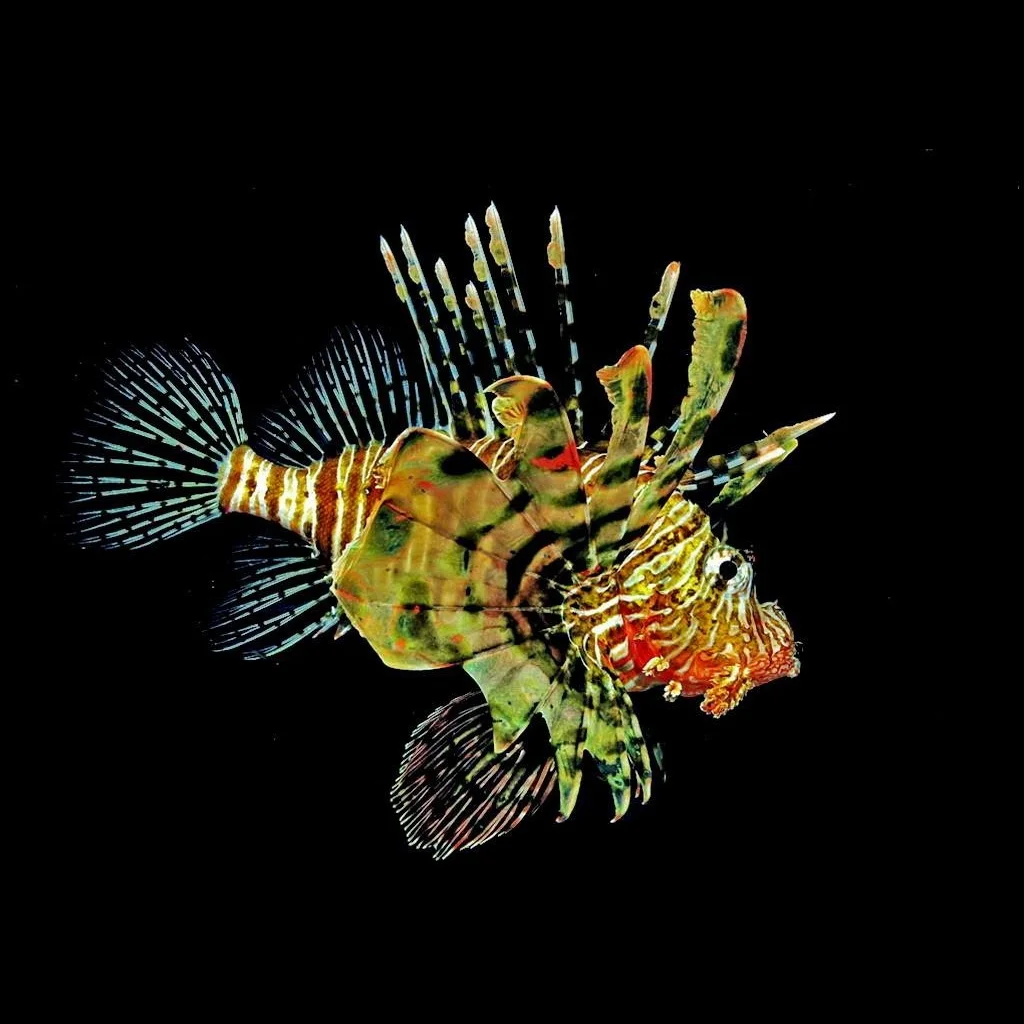
Inner Reef hosts a variety of smaller, resident species across coral and sandy substrates. Divers frequently encounter stonefish and lionfish, often camouflaged among reef patches or sand.
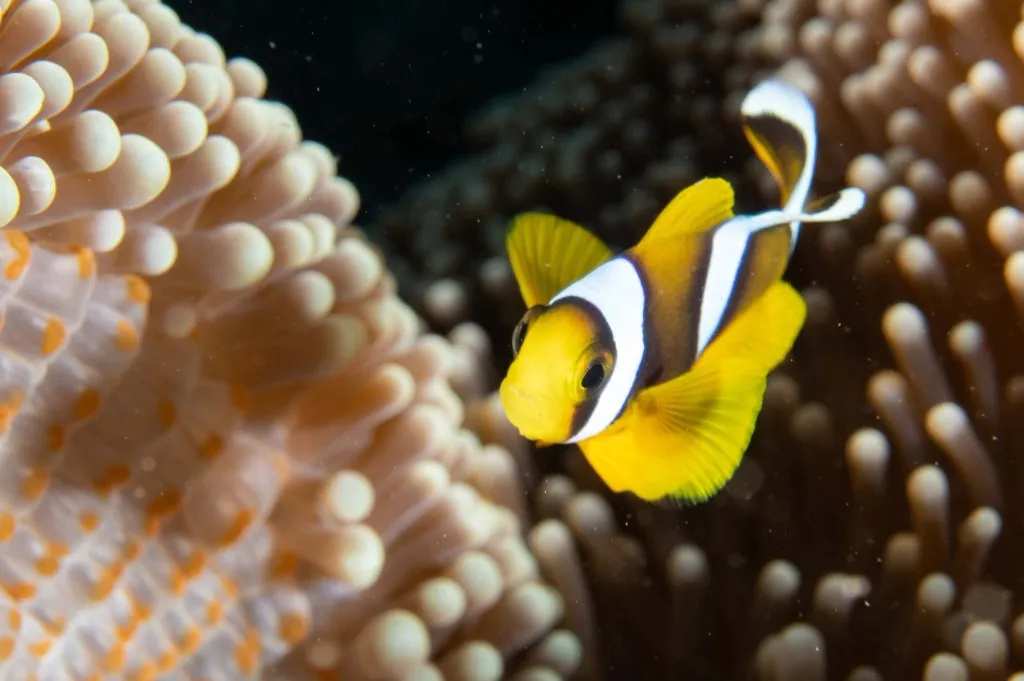
Anemone fish display characteristic behavior within host anemones, while mantis shrimp might be spotted near burrow entrances. Peacock flounders lie expertly hidden on sandy bottoms, blending seamlessly.
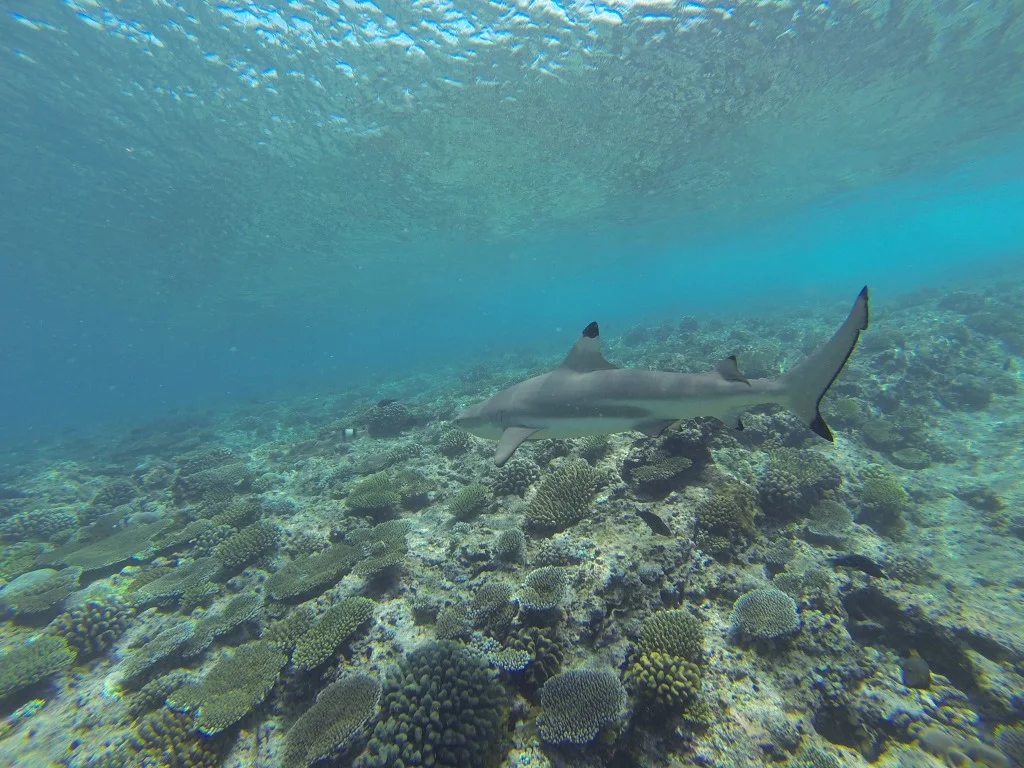
Sargeant majors dart around reef structures, adding movement. Smaller inhabitants are primary draw, but Ombai-Wetar Strait's influence means wider region hosts larger pelagic species, including various sharks, whales, dolphins, and turtles, especially during migration periods.

Dive Sites Near Inner Reef
View all dive sites in Timor Leste (East Timor)Discover more underwater gems in this area.
/raiketa-map-1200w.webp)
/compass-house-reef-map-1200w.webp)
/biquelli-wall-map-1200w.webp)
/doro-map-1200w.webp)
/franks-crack-map-1200w.webp)
/illicnamo-pinnacle-map-1200w.webp)
Dive Centers Near Inner Reef
/sunshine-timor-dive-resort-08af1700.jpg)
Nearest Airports
Nearest airports to help plan travel to this dive area.
Search Flights
Check available flights and routes on Expedia, using the nearby airports listed in this section.
Search Flights on ExpediaFrequently Asked Questions
What is the maximum depth at Inner Reef?
Inner Reef typically slopes to a sandy channel, reaching a maximum depth of 35 meters / 114 feet. Shallow reef starts around 3-5 meters.
What are the typical water temperatures at this site?
Water temperatures at Inner Reef generally range between 24-27°C / 75-81°F. A shorty or 3mm wetsuit is usually comfortable for most dives.
Is boat entry required for diving Inner Reef?
Yes, access to Inner Reef is primarily by boat. Divers should be prepared for boat entry and exit.
Are strong currents common at Inner Reef?
While broader region is influenced by powerful Indonesian Throughflow, strong currents aren't consistently reported directly on Inner Reef itself. Conditions can vary; consulting local dive operators is always wise.
What kind of marine life can I expect to see?
Expect to see stonefish, lionfish, anemone fish, mantis shrimp, and peacock flounders. Surrounding waters of Timor-Leste also host larger pelagic species like sharks, whales, dolphins, and turtles, particularly during migratory seasons.
What PADI training is useful for diving Inner Reef?
PADI Open Water Diver certification is suitable for exploring shallower sections. For those venturing deeper, courses like PADI Deep Diver or Peak Performance Buoyancy can enhance your experience and safety.
When is the best time to dive Inner Reef?
April and November offer "Excellent" dive scores with minimal rain and good visibility. Dry season from May to October also provides favorable conditions.
Planning to dive Inner Reef?
Send one inquiry and receive offers directly from the best verified local dive operators.
Conditions are Good
Optimal conditions expected
Current conditions near Inner Reef show 26° air, 27° sea temperature, 1.0 m waves, and 38 km/h wind. Forecast data is refreshed regularly to ensure accuracy.