
Diving at Raiketa (Timor Leste (East Timor))
Raiketa presents an underwater environment supporting a diverse range of reef inhabitants. A fringing reef structure defines the site, transitioning from shallow coral gardens to deeper sandy patches. Coral bommies punctuate the sandy areas, providing shelter for diverse species. Divers can anticipate encounters with various reef fishes and larger pelagic species here. It offers a glimpse into a less-frequented dive destination.
Tonight's objective overview for Raiketa shows an air temperature of 29°C. The measured surface conditions include wave heights around 0.7 m. This environmental data is logged for the close of the day.
Dive Site Location & Key Facts
Dive Site Overview
Exploring Raiketa offers a dive through a dynamic marine landscape, beginning with a vibrant fringing reef. Divers start at a shallow 5 to 10 meters (16-33 feet), navigating areas rich with both reef-building and soft corals.
A sloping sandy bottom, marked by numerous coral bommies, provides distinct havens for marine life within the broader sandy expanse. Raiketa is known for its ease of navigation and beauty, making it accessible for observing various reef fishes, from colorful parrotfish to elusive pipefish. Dive profiles supported here include drift, muck, reef, and sandy bottom explorations.
A reported maximum depth extends to 40 m / 131 ft, facilitating deeper investigation along the contours of the slope. Boat entry is standard.
While generally calm, divers should be prepared for potential drift conditions, particularly relevant for its drift diving classification. Raiketa's overall experience provides a sense of being 'off the beaten path,' reflective of Timor Leste's emerging dive scene.
Many describe being among the first to explore these waters, contributing to its unique appeal. It’s a compelling destination for those seeking a less-crowded underwater encounter, appreciating diverse habitats and resident fish populations.
Conditions are Moderate
Optimal conditions expected
Current conditions near Raiketa show 29° air, 27° sea temperature, 1.1 m waves, and 39 km/h wind. Forecast data is refreshed regularly to ensure accuracy.
Best Time to Dive
Diving at Raiketa is feasible year-round, with optimal conditions frequently appearing during April and November, periods earning an "Excellent" dive score. Less rain is typical in these months, averaging around 3.1 mm in April and 1.5 mm in November, contrasting with the wetter periods. Air temperatures remain consistently warm, averaging around 28°C / 82°F in April and 29.5°C / 85°F in November. May through October also offers generally good diving. Minimal rainfall occurs then (as low as 0.07 mm in August), and average wave heights remain manageable. Winds can pick up slightly during mid-year months, sometimes reaching 25.4 km/h / 15.8 mph in August. Water temperature data is not consistently reported but is generally considered warm for this tropical region. For those planning a trip during the peak wet season, from December to February, higher rainfall totals, up to 6 mm in December, and potentially stronger winds or choppier surface conditions should be anticipated, though dive scores remain "Good."
PEAK SEASON SCORE
Scores combine air & water temps, waves, wind & rainfall for overall conditions.
BEST MONTHS TO DIVE
Monthly records compiled from satellite and marine observation nodes over the last 3 years. Data provided by Open-Meteo and MET Norway.
Dive Experience & Conditions
Accessing Raiketa's site is exclusively by boat. Once underwater, divers encounter generally calm conditions, making it suitable for various skill levels, from Open Water to Advanced Open Water certified divers. A maximum depth of 40 meters can be reached, descending from a shallow reef plateau at 5-10 meters. Divers should expect a comfortable water temperature, although specific data is not consistently reported. Both reef and sandy bottom areas characterize the site, encouraging exploration of different ecosystems within a single dive. Visibility tends to be good, allowing for clear views of vibrant corals and marine inhabitants. While marked as a drift dive, currents vary, and divers should be prepared for potential movement, especially along the deeper slopes. The presence of coral bommies on the sandy bottom requires good buoyancy control to avoid disturbing the delicate environment and its macro life.
Dive Difficulty & Safety Guidelines
Navigating any dive in Raiketa requires adherence to standard safety practices appropriate for boat dives and potential drift conditions. Divers should maintain awareness of their surroundings, particularly due to the presence of coral bommies that can pose an obstruction in sandy areas. Given the site's remote nature, ensuring your dive computer is functional and carrying a surface marker buoy (SMB) are highly recommended.
There are no specific hazards consistently reported for Raiketa itself; however, responsible diving includes respecting marine life by observing from a distance and avoiding contact. Excellent buoyancy control is vital, especially when exploring the fringing reef and its soft corals in shallower sections.
Always dive within your certification limits and follow local dive operator guidelines to ensure a safe and enjoyable experience.
Recommended Equipment
Deep dive hazard. Increased narcosis and gas consumption risk.
Current and surface separation risk. Local briefing strongly recommended.
- Dive Computer
- DSMB
- Primary & Backup Lights
- Reel / Spool
- Pointer / Muck Stick
This gear list is based on verified equipment signals for Raiketa, Timor Leste (East Timor). Always confirm final gear choices with your dive operator, guide, or liveaboard.
Recommended Dive Suit
According to recent observations, water temperatures near Raiketa are approximately 27°C (81°F). Surface air temperatures are resting at 29°C (84°F).
A modest cooling trend is expected in the upcoming forecast. Cooler days are ahead; you might want a warmer option for later in the week. A neoprene vest or hood can add flexibility if temperatures feel cooler underwater.
Divers who prefer moderate insulation typically choose 2-3mm shorty or light wetsuit in similar environments. Consider warmer surface protection (like a boat coat) due to brisk winds. Many experienced divers adjust their exposure protection depending on the type of dive planned. Stronger winds may also make surface intervals feel cooler than usual.
Emergency & Medical Support
Essential information to help you plan your dive trip to Raiketa.

Hyperbaric chambers are a critical part of dive safety infrastructure. Availability varies significantly by region, and not all dive areas have immediate access.
Before diving, it's recommended to:
- confirm nearest medical facilities
- check emergency procedures with local dive operators
- ensure dive insurance covers evacuation if required
Divers Alert Network
Diving emergency assistance available through DAN World.
+1-919-684-9111- 24/7 emergency hotline
- Diving medical assistance
- Evacuation coordination
Emergency contacts are provided for reference. Always verify local emergency services before diving.
Marine Life at Raiketa
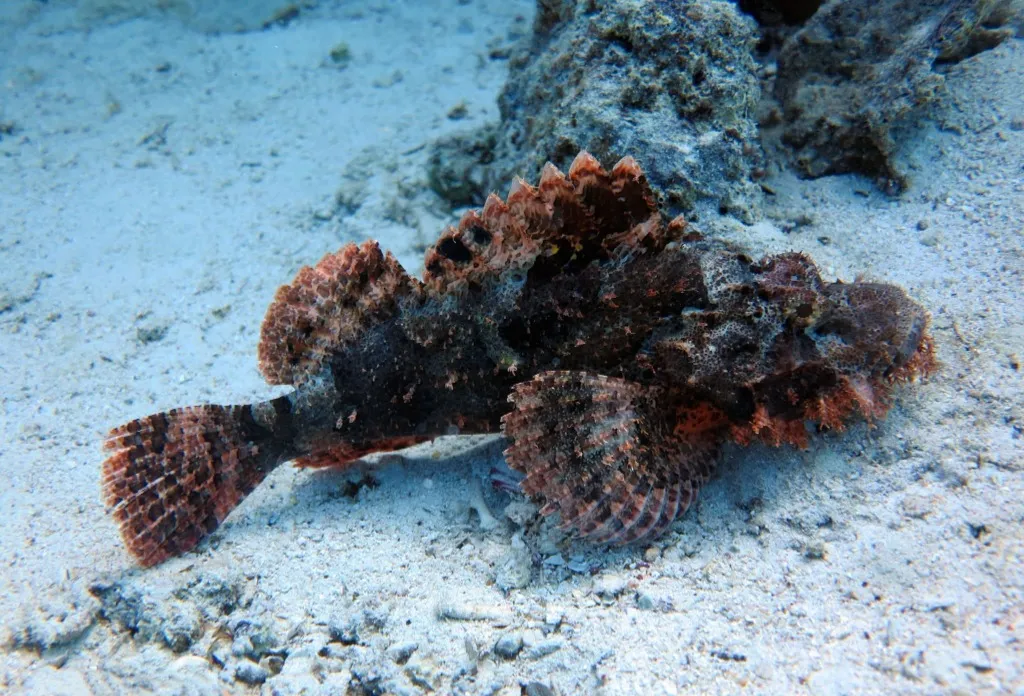
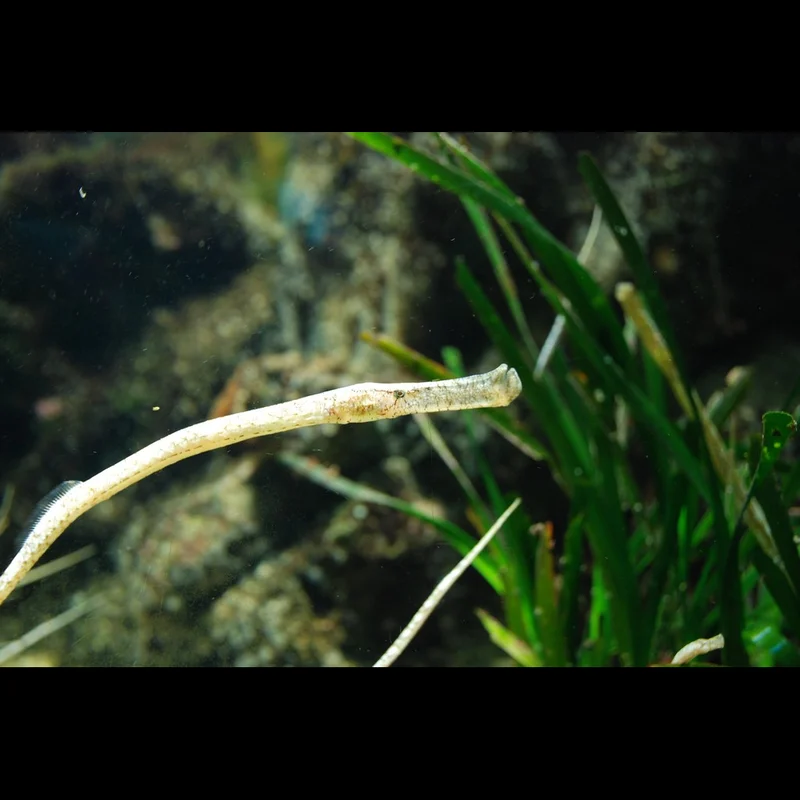
Beneath the surface at Raiketa, divers will discover a wealth of marine life inhabiting diverse reef and sandy bottom environments. Common sightings include various reef fish such as parrotfish, pufferfish, angelfish, and scorpionfish, alongside the fascinating pipefish.
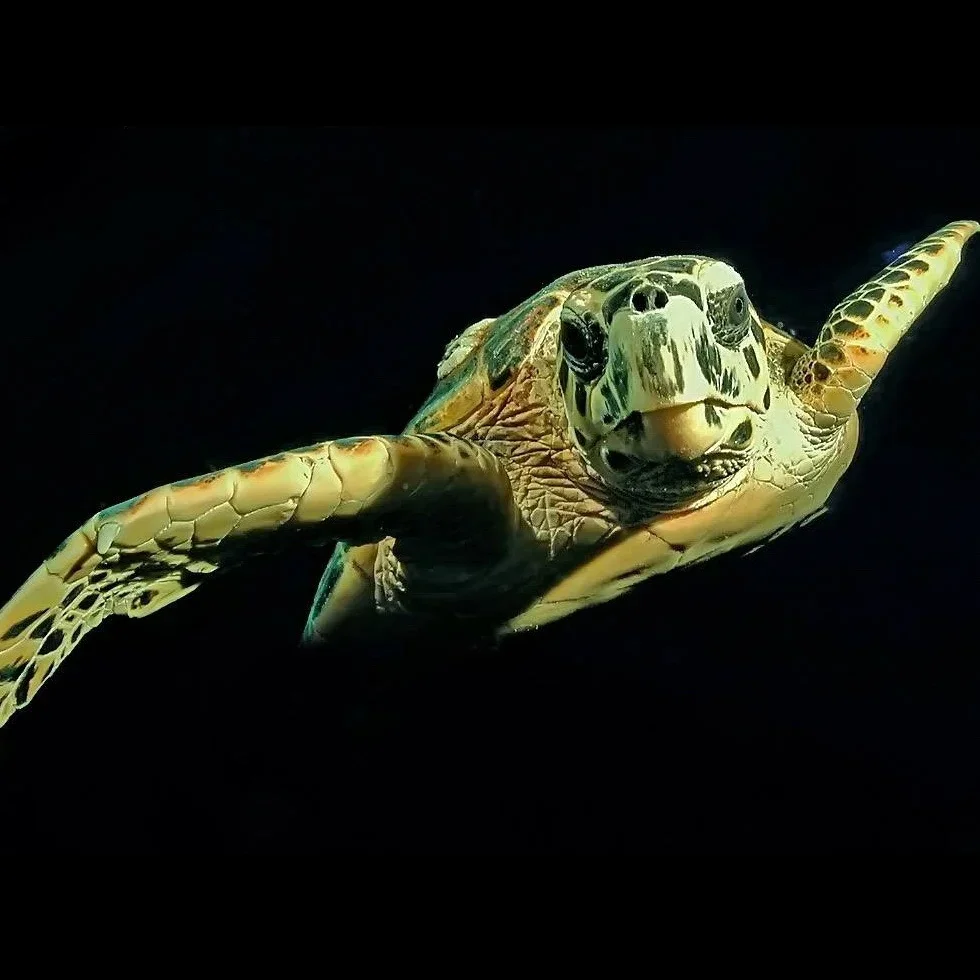
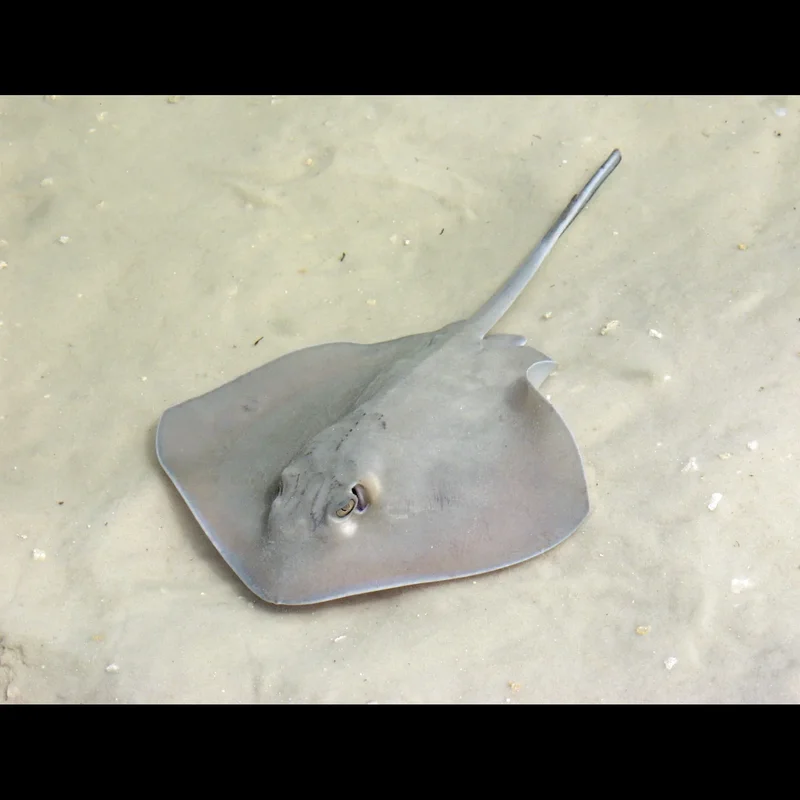
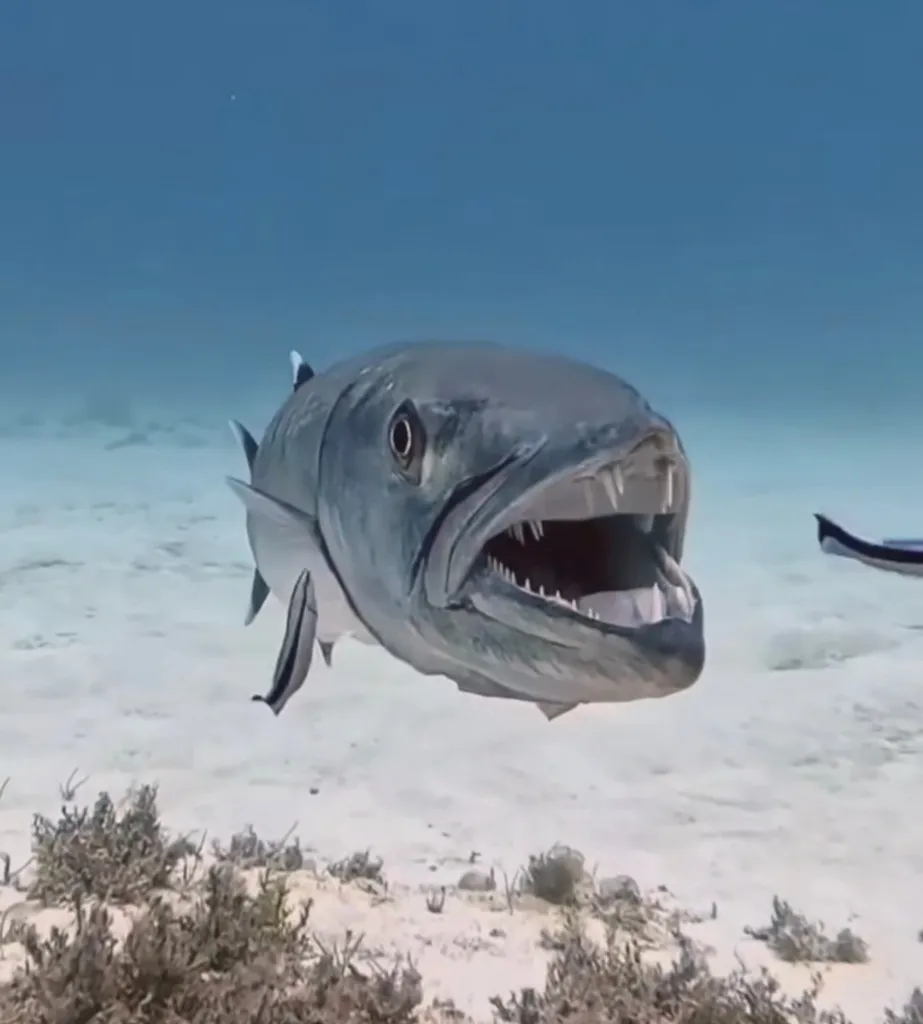
Green turtles and hawksbill turtles are often observed gracefully navigating the reef. Look closely in sandy patches and around bommies for peacock mantis shrimp, stingrays, and barracuda.
An occasional lionfish or grouper adds to the spectacle. This vibrant ecosystem supports macro life coexisting with larger reef residents, promising a dynamic underwater encounter.
Dive Sites Near Raiketa
View all dive sites in Timor Leste (East Timor)Discover more underwater gems in this area.
/compass-house-reef-map-1200w.webp)
/inner-reef-map-1200w.webp)
/biquelli-wall-map-1200w.webp)
/doro-map-1200w.webp)
/illicnamo-pinnacle-map-1200w.webp)
/franks-crack-map-1200w.webp)
Dive Centers Near Raiketa
/sunshine-timor-dive-resort-08af1700.jpg)
Nearest Airports
Nearest airports to help plan travel to this dive area.
Search Flights
Check available flights and routes on Expedia, using the nearby airports listed in this section.
Search Flights on ExpediaFrequently Asked Questions
What is the maximum depth at Raiketa?
Raiketa features a maximum depth of 40 m / 131 ft. The shallow fringing reef starts around 5-10 meters, allowing for varied dive profiles depending on experience.
What dive types are common at Raiketa?
Divers can enjoy drift, muck, reef, and sandy bottom diving. The site's topography, with its sloping reef and sandy patches, supports these diverse experiences.
What kind of marine life can I expect to see?
Expect to see a variety of reef fish like angelfish, parrotfish, and pipefish. Hawksbill and green turtles are common, and you might spot stingrays, barracuda, or peacock mantis shrimp.
Is Raiketa suitable for beginner divers?
Yes, Raiketa is often described as an easy and beautiful site. It's suitable for PADI Open Water Diver certified individuals, especially in the shallower reef areas.
How do I get to the Raiketa dive site?
Access to Raiketa is exclusively by boat. Typically, dive operators from Dili or nearby areas arrange boat trips to the site.
What are the typical water conditions?
Water temperatures are generally warm in this tropical region, though specific readings are not consistently reported. Conditions are usually calm, but divers should be prepared for occasional currents characteristic of drift dives.
Are there any unique features of Raiketa's underwater landscape?
The site boasts a distinct transition from a shallow fringing reef to a sloping sandy bottom. Numerous coral bommies are scattered across the sand, acting as isolated hubs for marine life.
Is Timor Leste generally a good dive destination?
Timor Leste is gaining recognition as an off-the-beaten-path destination for excellent, relatively unexplored diving. Divers often highlight its remote feel and diverse marine ecosystems.
Planning to dive Raiketa?
Send one inquiry and receive offers directly from the best verified local dive operators.
Conditions are Moderate
Optimal conditions expected
Current conditions near Raiketa show 29° air, 27° sea temperature, 1.1 m waves, and 39 km/h wind. Forecast data is refreshed regularly to ensure accuracy.