
Diving at Compass House Reef (Timor Leste (East Timor))
A gentle slope defines Compass House Reef, commencing in shallow areas before extending to expansive sandy bottoms. Diverse diving experiences emerge from this topography, combining vibrant coral gardens with engaging muck diving opportunities. Situated on Atauro Island, within the Coral Triangle, the site belongs to a region famed for exceptional marine biodiversity. Its structure presents a comprehensive underwater exploration.
Tonight's objective overview for Compass House Reef shows an air temperature of 28.5°C. The measured surface conditions include wave heights around 0.7 m. This environmental data is logged for the close of the day.
Dive Site Location & Key Facts
Dive Site Overview
Beneath the surface, Compass House Reef presents a dynamic underwater landscape, appealing to varied diving preferences. Initial descents reveal a healthy coral reef, flourishing in shallower waters, presenting vivid colors and intricate structures for closer inspection.
This vibrant zone, teeming with hard and soft corals, provides an immediate visual spectacle, often engaging divers right from the start. Beyond this thriving shallow ecosystem, the reef gradually transitions into expansive sandy slopes. These slopes extend significantly, allowing for deeper exploration down to a maximum recorded depth of 40 m / 131 ft.
The character of the dive noticeably changes here. Deeper sandy terrains become prime territory for muck diving, inviting macro enthusiasts to slow down and meticulously seek unique critters hidden within the substrate.
It's a different rhythm of exploration, focused on discovery in often overlooked environments. Divers here encounter a dual environment, appreciating both the sweeping beauty of coral ecosystems and engaging in a focused search for specific, often elusive, marine life.
This combination allows for a comprehensive underwater journey. Furthermore, conditions often permit exhilarating drift diving. Natural currents frequently guide divers effortlessly along the reef's contours, covering more ground with ease and adding an element of dynamic exploration.
Such active water movement defines a significant part of the experience, making each dive distinct and often allowing for extensive visual coverage of both reef and sandy habitats. The site's diverse topography ensures that whether seeking vibrant reefscapes or subtle macro wonders, there's ample opportunity for discovery.
Conditions are Good
Optimal conditions expected
Current conditions near Compass House Reef show 29° air, 27° sea temperature, 1.0 m waves, and 37 km/h wind. Forecast data is refreshed regularly to ensure accuracy.
Best Time to Dive
Planning a dive to Compass House Reef reveals optimal conditions often scoring 'Excellent' during specific periods, particularly April and November. These months typically experience lower wind speeds and reduced wave heights, leading to calmer surface conditions. Air temperatures remain consistently warm, ranging approximately 27-30°C / 81-86°F year-round. A drier season, extending from May through October, sees minimal rainfall, often less than 1 mm monthly. Conversely, wetter months, from November to April, experience increased precipitation, with December often recording around 6 mm. Divers seeking the calmest, clearest conditions will likely find drier periods more appealing, though good diving is available throughout much of the year.
PEAK SEASON SCORE
Scores combine air & water temps, waves, wind & rainfall for overall conditions.
BEST MONTHS TO DIVE
Monthly records compiled from satellite and marine observation nodes over the last 3 years. Data provided by Open-Meteo and MET Norway.
Dive Experience & Conditions
Warm tropical waters are a consistent feature at Compass House Reef, generally conducive to extended bottom times, typically ranging from 22-27°C / 72-81°F. Entering by boat positions divers directly over its sloping reef structure. Currents, highlighted by a 'drift' tag, are a notable characteristic, often guiding the dive along the reef's natural path. Divers should be comfortable with active water movement, as this makes the experience dynamic and allows covering a wider area. Visibility varies with daily conditions and recent weather patterns; clear days offer expansive views while other times demand closer attention. Healthy coral and extensive sandy patches create distinct visual experiences, from bustling reef life to subtle observations of muck-dwelling organisms. Conditions here provide a continuous, evolving exploration.
Dive Difficulty & Safety Guidelines
Prudent diving at Compass House Reef involves maintaining awareness, notably due to potential drift currents. Employing proper buoyancy control is crucial, protecting healthy coral in shallower sections and managing movement over sandy slopes. Carrying a surface marker buoy (SMB) is a standard safety practice, especially during drift dives, ensuring visibility to the dive boat upon ascent.
A dive computer proves essential for tracking bottom time and managing depth, aiding safe decompression limits when exploring deeper areas. No specific hazards are consistently reported, but adherence to general safe diving practices and listening to local dive guide briefings remains advised.
Recommended Equipment
Deep dive hazard. Increased narcosis and gas consumption risk.
Current and surface separation risk. Local briefing strongly recommended.
- Dive Computer
- DSMB
- Primary & Backup Lights
- Reel / Spool
This gear list is based on verified equipment signals for Compass House Reef, Timor Leste (East Timor). Always confirm final gear choices with your dive operator, guide, or liveaboard.
Recommended Dive Suit
Divers planning deeper dives may feel cooler than those staying in shallower areas.
Many divers find that 2-3mm shorty or light wetsuit offers a comfortable balance between warmth and mobility. Consider warmer surface protection (like a boat coat) due to brisk winds. The coming days appear slightly cooler according to the latest forecast. Cooler days are ahead; you might want a warmer option for later in the week. Carrying a secondary suit is common practice among experienced divers.
Current temperature readings suggest that the water at Compass House Reef is around 27°C (81°F). Surface air temperatures are resting at 29°C (83°F).
Emergency & Medical Support
Essential information to help you plan your dive trip to Compass House Reef.

Hyperbaric chambers are a critical part of dive safety infrastructure. Availability varies significantly by region, and not all dive areas have immediate access.
Before diving, it's recommended to:
- confirm nearest medical facilities
- check emergency procedures with local dive operators
- ensure dive insurance covers evacuation if required
Divers Alert Network
Diving emergency assistance available through DAN World.
+1-919-684-9111- 24/7 emergency hotline
- Diving medical assistance
- Evacuation coordination
Emergency contacts are provided for reference. Always verify local emergency services before diving.
Marine Life at Compass House Reef
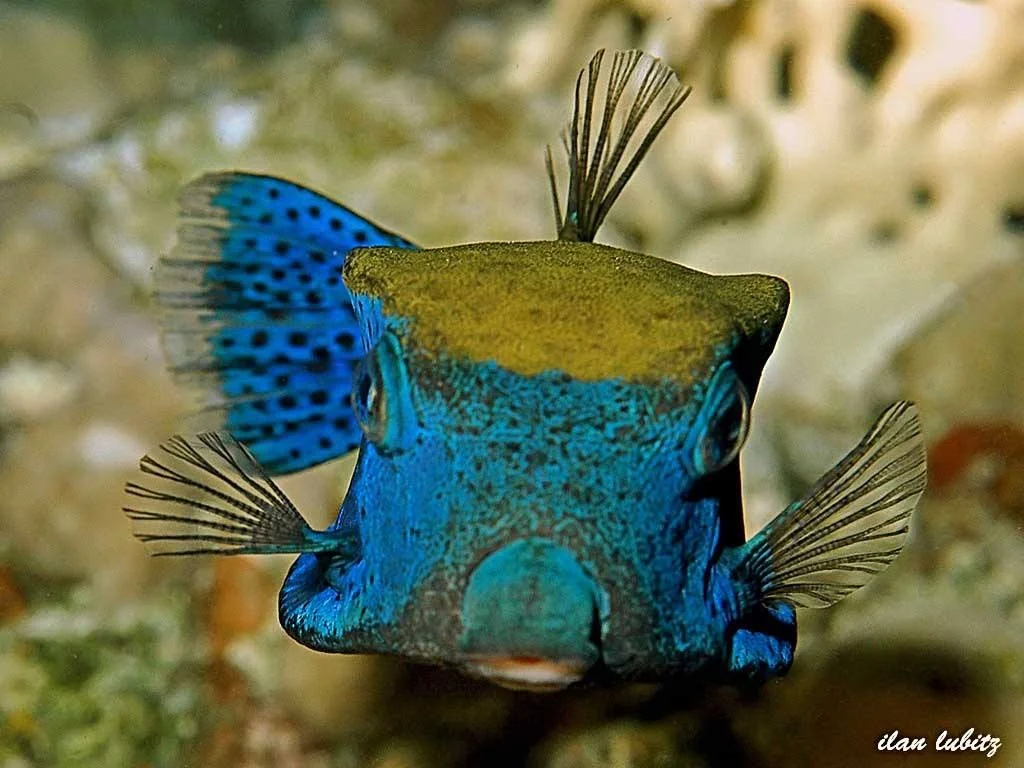
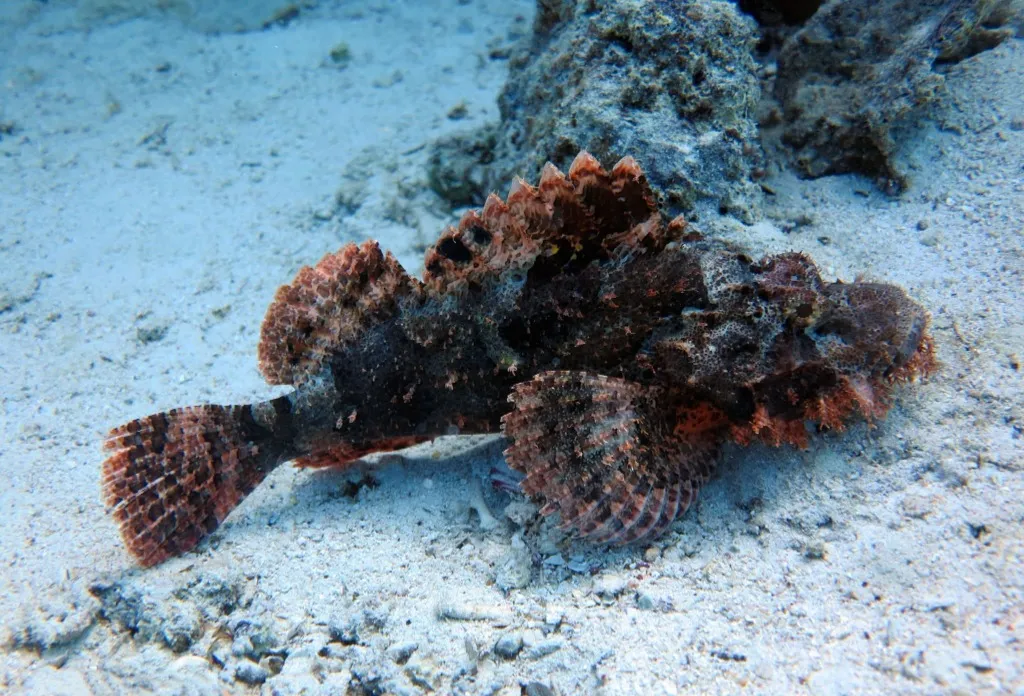
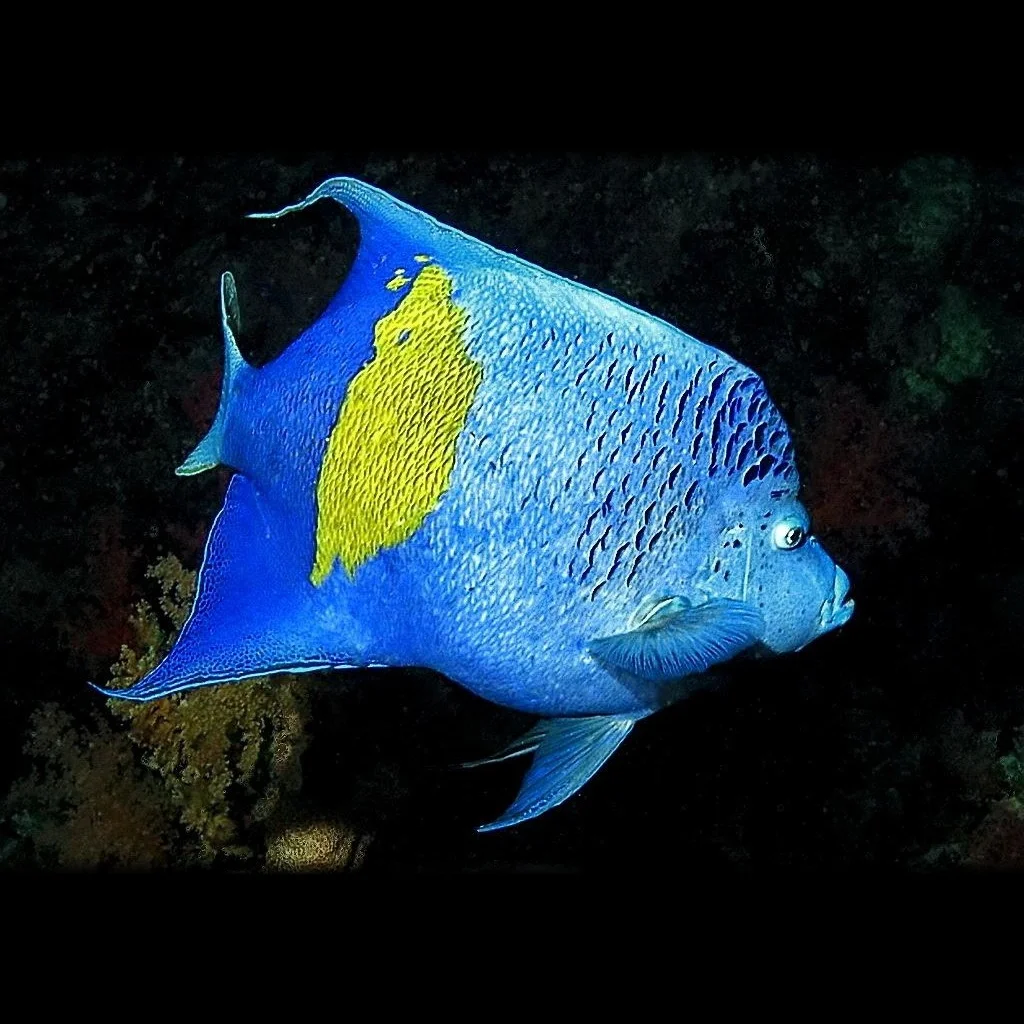
Life flourishes across Compass House Reef's coral and sandy habitats, supporting a diverse array of marine species. Vibrant reef fish, from scorpionfish and boxfish to puffer fish and angelfish, animate shallower coral gardens.
Trumpetfish and parrotfish are common sightings, blending into the reef's intricate tapestry. Green turtles frequently glide gracefully through the water, especially near healthy coral formations.
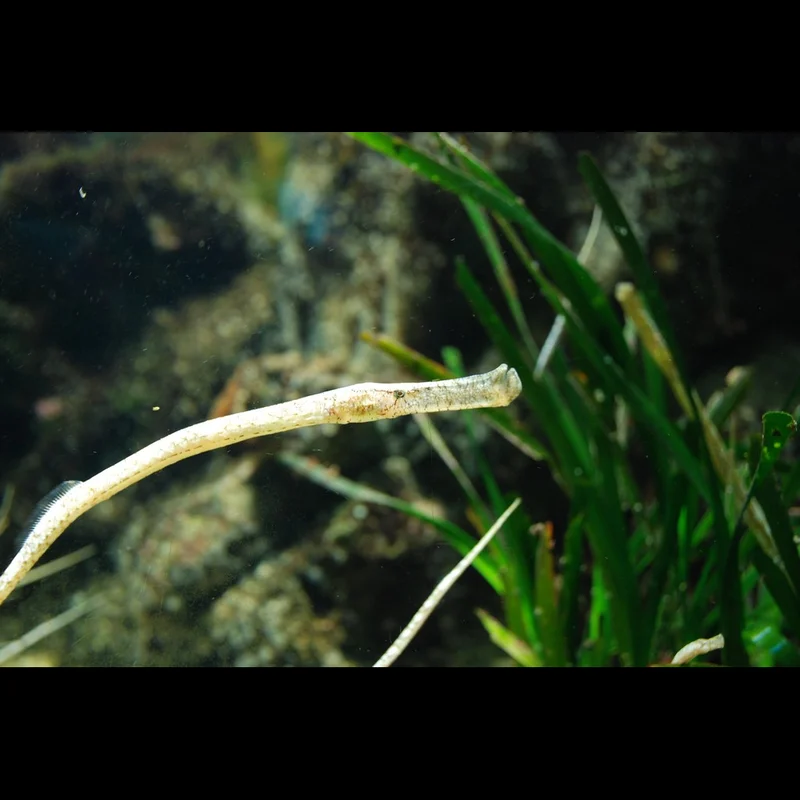
Along the sandy slopes, environments shift, offering opportunities to observe creatures like ribbon eels and elusive pipefish, camouflaging expertly against the substrate. This contrast in habitats creates a rich hunting ground for both macro enthusiasts and wide-angle photographers.

Dive Sites Near Compass House Reef
View all dive sites in Timor Leste (East Timor)Discover more underwater gems in this area.
/raiketa-map-1200w.webp)
/inner-reef-map-1200w.webp)
/biquelli-wall-map-1200w.webp)
/doro-map-1200w.webp)
/illicnamo-pinnacle-map-1200w.webp)
/franks-crack-map-1200w.webp)
Dive Centers Near Compass House Reef
/sunshine-timor-dive-resort-08af1700.jpg)
Nearest Airports
Nearest airports to help plan travel to this dive area.
Search Flights
Check available flights and routes on Expedia, using the nearby airports listed in this section.
Search Flights on ExpediaFrequently Asked Questions
What types of diving are available at Compass House Reef?
Compass House Reef offers a versatile diving experience, primarily featuring reef diving along its coral slopes and muck diving in the deeper sandy areas. It's also known for drift diving due to prevailing currents, adding a dynamic element to explorations.
What is the maximum depth at Compass House Reef?
The reef transitions from shallow coral to sandy slopes, allowing exploration to its full extent. Divers can choose to stay shallow or investigate deeper muck areas, which extend considerably.
How do divers access Compass House Reef?
Divers typically access Compass House Reef via boat. Boat access allows for convenient entry directly over the dive site and facilitates drift dives with a coordinated pick-up.
What kind of marine life can be seen there?
Diverse marine life inhabits the site, including various reef fish like angelfish and parrotfish, as well as green turtles. For macro enthusiasts, ribbon eels and pipefish are common sightings, especially in the sandy bottom areas.
When is the best time of year to dive at Compass House Reef?
Optimal conditions, often rated 'Excellent,' are typically found in April and November, characterized by lower wind speeds and less rain. However, the site offers good diving throughout most of the year, particularly during the drier season from May to October.
Are there any specific safety considerations for this dive site?
Given the potential for drift, divers should be comfortable with currents and consider carrying a surface marker buoy (SMB). Good buoyancy control is essential to protect the delicate coral and navigate the different reef terrains safely.
Planning to dive Compass House Reef?
Send one inquiry and receive offers directly from the best verified local dive operators.
Conditions are Good
Optimal conditions expected
Current conditions near Compass House Reef show 29° air, 27° sea temperature, 1.0 m waves, and 37 km/h wind. Forecast data is refreshed regularly to ensure accuracy.