
Diving at Sisters Rocks - Deep Blue (Trinidad and Tobago)
Sisters Rocks - Deep Blue challenges advanced divers with its compelling combination of depth, current, and dramatic topography. Situated approximately 1.5 miles from Tobago's Caribbean coast, this dive primarily appeals to those comfortable with deep dives, drift techniques, and variable conditions. Experience in navigating powerful underwater landscapes and swift water movement truly enhances the exploration of its pinnacles and their surrounding deep blue. Substantial pelagic life encounters await.
Evening condition tracking at Sisters Rocks - Deep Blue features an air temperature of 28.5°C. We have recorded wave heights measuring 1.1 m during this period. These figures outline the environmental parameters currently present.
Dive Site Location & Key Facts
Dive Site Overview
A striking geological formation defines the Sisters Rocks site: five distinct pinnacles that dramatically rise from depths exceeding 40 m (130 ft). Several submerged structures break the surface, extending almost 30 m (100 ft) above the water line, creating a unique underwater topography.
Below the surface, an intricate network of slopes and walls presents varied environments for marine life. Divers can expect to explore along the steep faces and around the base, where the reef transitions into the deep blue. Positioned approximately 1.5 miles from Tobago's Caribbean coast, this deep, exposed location acts as a magnet for larger pelagic species.
Currents here are often a defining feature, shaping the dive into a drift experience along the pinnacles' contours, often allowing divers to "fly" along reef edges at around 20 m (65 ft). Exploration involves navigating overhangs and small caverns etched into the rock, traversing vibrant gorgonian forests that thrive on current-swept slopes.
Depth, current, and structural complexity interplay to make each dive a dynamic and engaging experience, particularly when delving into the "Deep Blue" areas north of the main rocks.
Conditions are Good
Optimal conditions expected
Current conditions near Sisters Rocks - Deep Blue show 28° air, 29° sea temperature, 0.9 m waves, and 30 km/h wind. Forecast data is refreshed regularly to ensure accuracy.
Best Time to Dive
Planning a dive at Sisters Rocks means aligning with conditions that favor big animal encounters and manageable currents. Optimal opportunities typically arise during August and September, consistently reporting a 'Good' dive score. During these months, wind speeds tend to be lower, averaging around 24.6-28.4 km/h, and wave heights reduce to approximately 0.9-1.0 m. While air temperatures remain warm, averaging 28.5-29°C (83-84°F), rainfall can vary. As the site is on Tobago's Caribbean side, visibility is generally less affected by land runoff compared to the Atlantic side. Throughout the rest of the year, conditions are generally 'Moderate', with higher wind speeds and wave heights, suggesting a greater potential for stronger currents. Even in moderate conditions, experienced divers can still find rewarding dives, but the prime window offers more predictable enjoyment.
PEAK SEASON SCORE
Scores combine air & water temps, waves, wind & rainfall for overall conditions.
BEST MONTHS TO DIVE
Monthly records compiled from satellite and marine observation nodes over the last 3 years. Data provided by Open-Meteo and MET Norway.
Dive Experience & Conditions
Descending into the Deep Blue, the first sensation is often the subtle pull of the current, guiding your journey along the impressive rock formations. Water temperatures are consistently warm, generally ranging between 22-27°C (72-81°F), providing comfortable diving conditions. Visibility on the Caribbean side of Tobago usually remains clear, although surface runoff sometimes impacts clarity, occasionally imparting a green hue. An open yet dramatic environment awaits, with the sheer faces of the pinnacles descending into the depths. As you glide, schools of fish materialize from the blue, moving in unison with the water's flow, creating dynamic underwater scenes. Black corals and deep water gorgonians add texture and color to the rock garden. An inherent sense of anticipation accompanies this dive, as larger pelagic life often emerge from the open water.
Dive Difficulty & Safety Guidelines
Advanced diving challenges characterize Sisters Rocks - Deep Blue, defined by significant depths and often dynamic currents. Divers must be comfortable with drift techniques and possess excellent buoyancy control for effective navigation of its slopes and walls. Critical to safety is planning your dive profile to manage nitrogen absorption, especially when exploring depths around 40 m (130 ft).
Maintaining situational awareness of your surroundings and dive buddy is paramount, particularly in areas experiencing surge between the rocks. Due to the potential for strong currents and the site's offshore nature, local dive operator guidance becomes essential.
Operators provide crucial insights into prevailing conditions and appropriate entry/exit strategies. It isn't a site for beginners; proficiency in deep diving and current management is expected.
Recommended Equipment
Current and surface separation risk. Local briefing strongly recommended.
- Dive Computer
- DSMB
- Reel / Spool
This gear list is based on verified equipment signals for Sisters Rocks - Deep Blue, Trinidad and Tobago. Always confirm final gear choices with your dive operator, guide, or liveaboard.
Recommended Dive Suit
Repeated dives during the same day can gradually reduce overall body warmth.
Environmental readings suggest that the waters surrounding Sisters Rocks - Deep Blue are about 29°C (85°F) at the moment. Surface air temperatures are resting at 28°C (83°F). Divers spending extended time underwater often rely on dive skin or rash guard for balanced warmth and flexibility. Consider warmer surface protection (like a boat coat) due to brisk winds.
The upcoming forecast points to generally steady conditions in the area.
Emergency & Medical Support
Essential information to help you plan your dive trip to Sisters Rocks - Deep Blue.

Hyperbaric chambers are a critical part of dive safety infrastructure. Availability varies significantly by region, and not all dive areas have immediate access.
Before diving, it's recommended to:
- confirm nearest medical facilities
- check emergency procedures with local dive operators
- ensure dive insurance covers evacuation if required
Divers Alert Network
Diving emergency assistance available through DAN World.
+1-919-684-9111- 24/7 emergency hotline
- Diving medical assistance
- Evacuation coordination
Emergency contacts are provided for reference. Always verify local emergency services before diving.
Marine Life at Sisters Rocks - Deep Blue
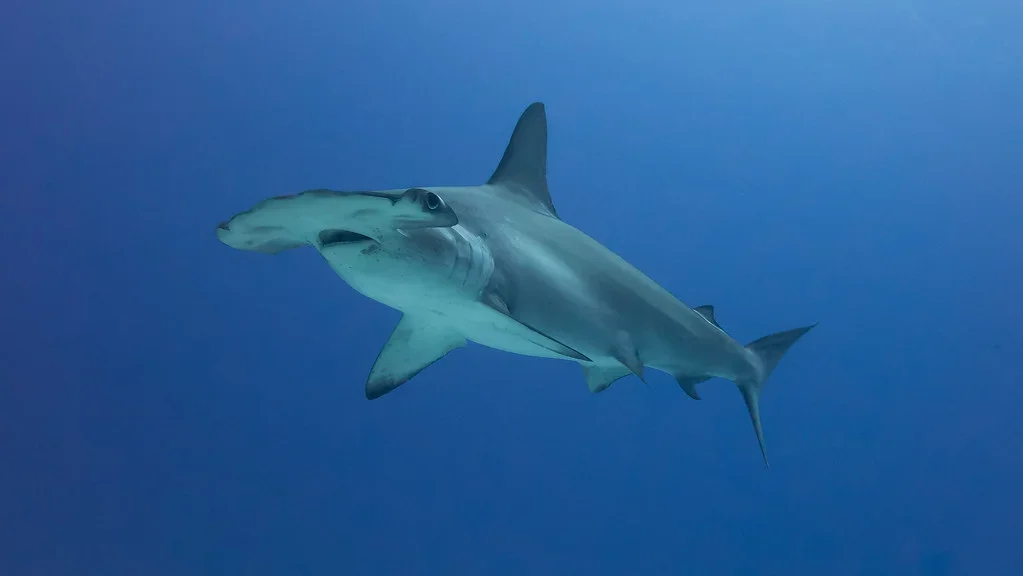
Approaching the pinnacles, your attention is quickly drawn to the larger fish congregating in the open water. Hammerhead Sharks are a notable presence, often seen patrolling the deeper areas or along the edges of the drop-offs.
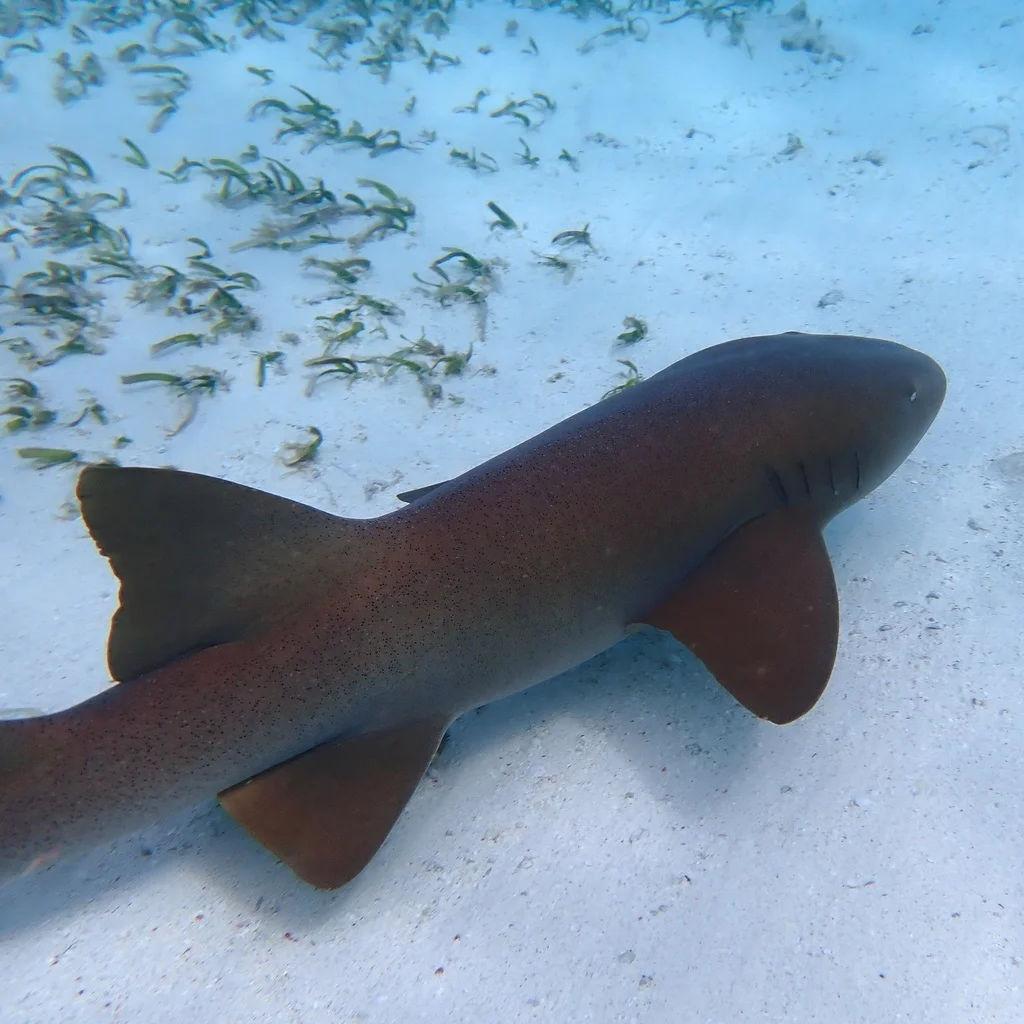
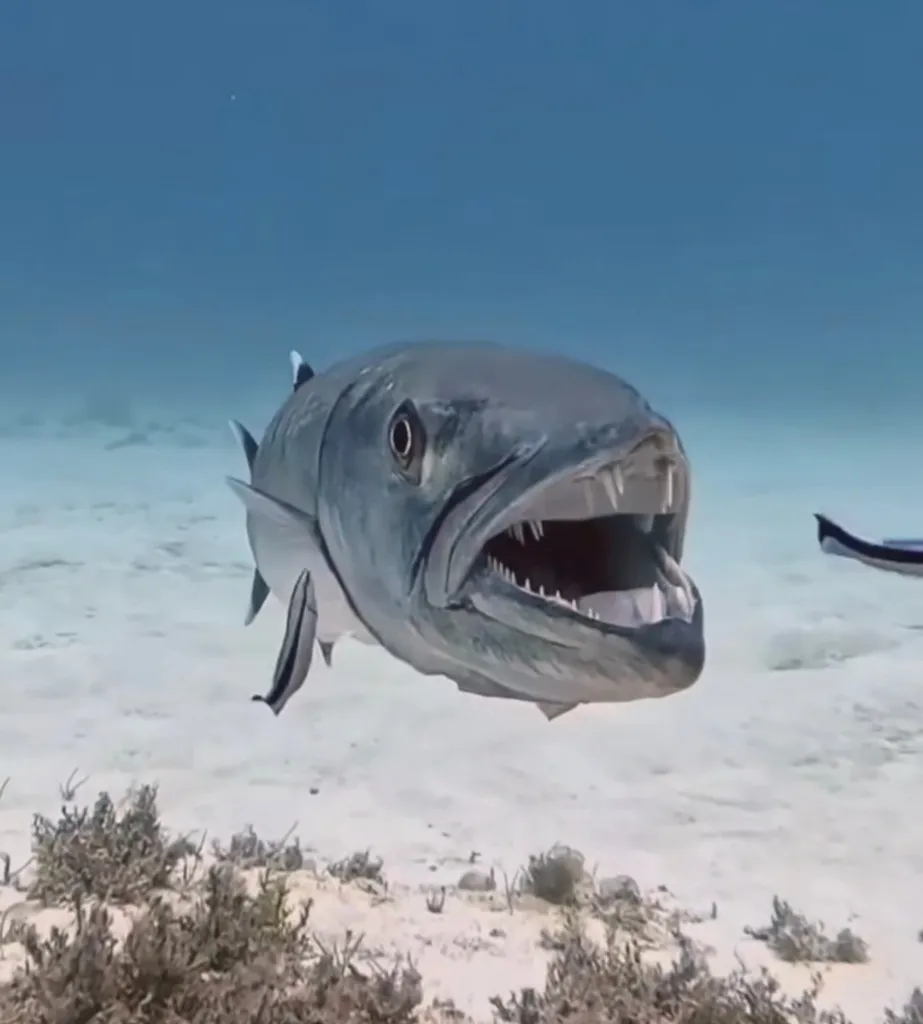
Nurse Sharks are also encountered, frequently resting within the overhangs or small caverns. Large schools of barracudas, jacks, and tuna often sweep through, showcasing the abundance of pelagic life.
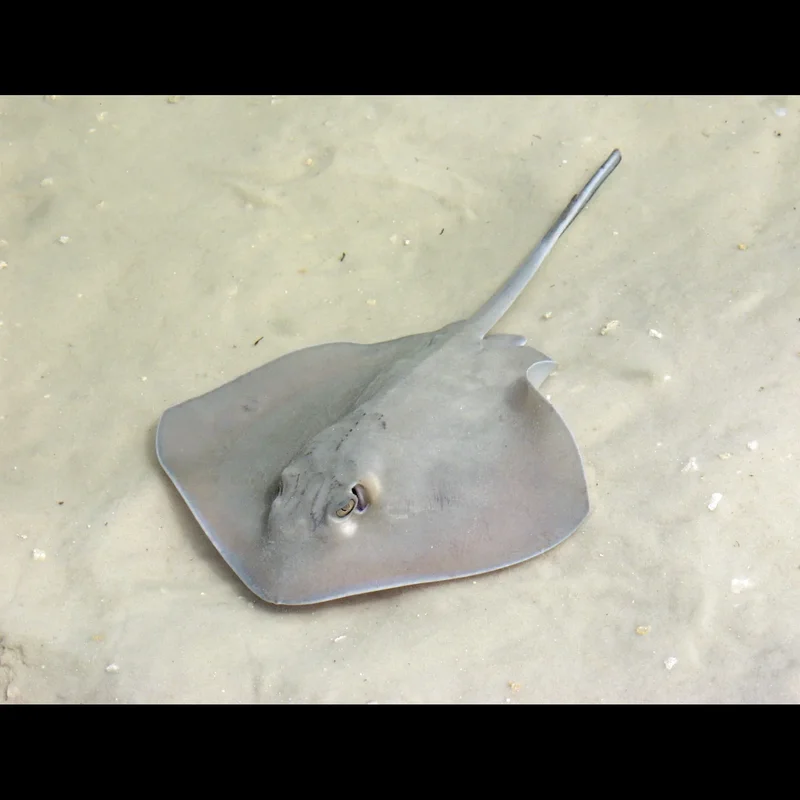
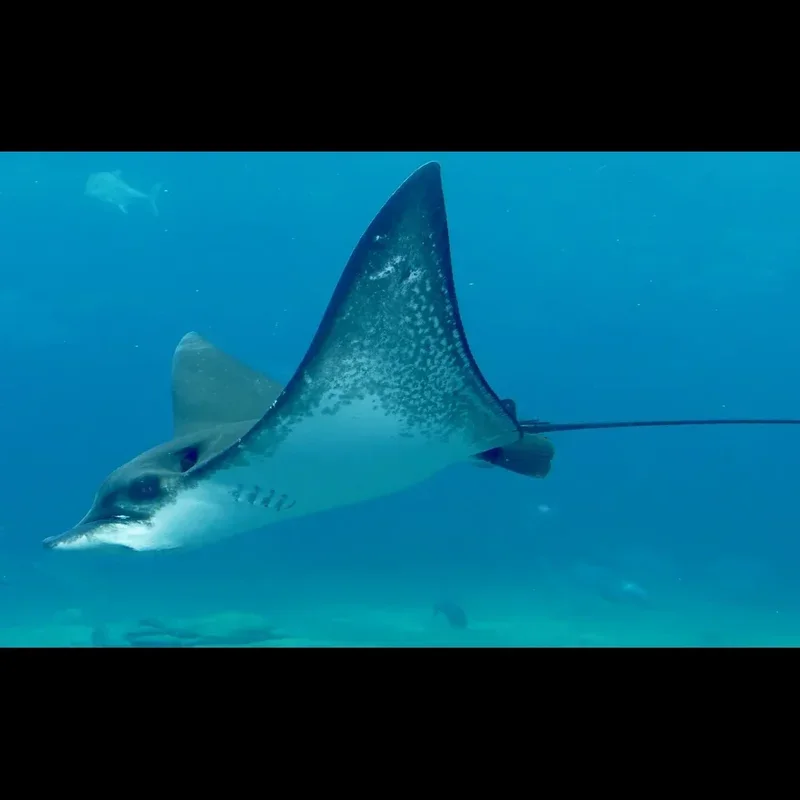
Around the rocks, you'll observe turtles, stingrays, and majestic eagle rays. Closer inspection of the reef reveals green and spotted moray eels peeking from crevices, alongside spiny lobsters. Gorgonian forests harbor black durgeon and creole wrasses, adding vibrant detail to the rock faces.
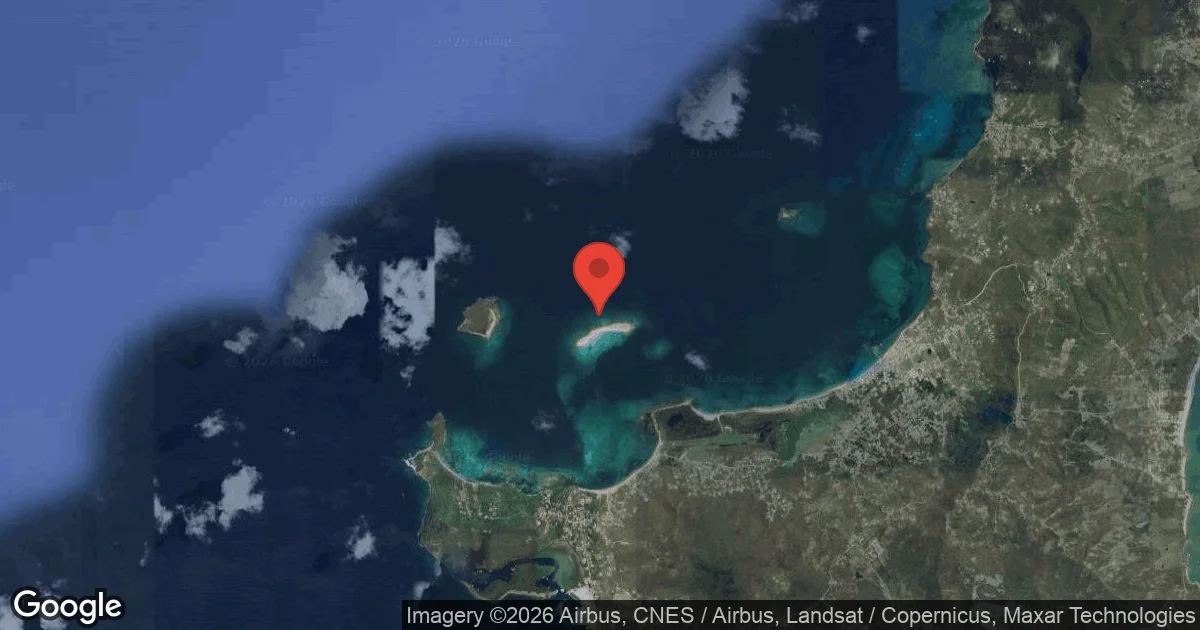
Dive Sites Near Sisters Rocks - Deep Blue
View all dive sites in Trinidad and TobagoDiscover more underwater gems in this area.
Dive Centers Near Sisters Rocks - Deep Blue
No Dive Centers Local To Sisters Rocks - Deep Blue
Are you a dive center visiting this location? Get listed to reach divers.
Nearest Airports
Nearest airports to help plan travel to this dive area.
Search Flights
Check available flights and routes on Expedia, using the nearby airports listed in this section.
Search Flights on ExpediaFrequently Asked Questions
Is Sisters Rocks suitable for beginner divers?
No, Sisters Rocks - Deep Blue is considered an advanced dive site. Its significant depths, potential for strong currents, and exposure to open ocean conditions require divers to have experience with deep dives and drift techniques.
What is the typical water temperature at Sisters Rocks?
The water temperature generally ranges from 22-27°C (72-81°F) year-round. These warm conditions make for a comfortable diving experience.
What kind of marine life can I expect to see?
You can anticipate seeing large pelagic species such as Hammerhead Sharks, Nurse Sharks, and Eagle Rays. The site also hosts barracudas, jacks, tuna, turtles, moray eels, and spiny lobsters.
What are the typical depths at this dive site?
The pinnacles of Sisters Rocks rise from significant depths, with the reef top starting around 9 m (30 ft). Dives commonly explore walls and slopes down to 40 m (130 ft).
Are there strong currents at Sisters Rocks?
Yes, strong currents are a frequent characteristic of Sisters Rocks, especially given its offshore location. This makes it an ideal site for drift diving, but necessitates good current management skills.
How is the visibility generally at Sisters Rocks?
Being on the Caribbean side of Tobago, visibility is usually good. However, surface runoff, particularly during heavier rain periods, can sometimes introduce a green hue or slightly reduce clarity.
What is the best time of year to dive Sisters Rocks?
The months of August and September are generally considered the best, offering 'Good' dive conditions with lower winds and waves. However, 'Moderate' conditions prevail year-round, allowing for diving with experienced operators.
Planning to dive Sisters Rocks - Deep Blue?
Send one inquiry and receive offers directly from the best verified local dive operators.
Conditions are Good
Optimal conditions expected
Current conditions near Sisters Rocks - Deep Blue show 28° air, 29° sea temperature, 0.9 m waves, and 30 km/h wind. Forecast data is refreshed regularly to ensure accuracy.