
Diving in Trinidad and Tobago
Across Trinidad and Tobago, dive sites differ in depth, clarity, and overall conditions, requiring a flexible approach to planning. Our platform currently includes 25 mapped dive sites across Trinidad and Tobago.
Diving in Trinidad and Tobago presents a varied experience, defined by its position where the Atlantic Ocean meets the Caribbean Sea. This confluence creates a spectrum of conditions, from the nutrient-rich currents that nourish extensive sponge formations on the Atlantic side to the calmer, shallower reefs along the Caribbean coast. This geographical interplay fosters diverse dive styles, including exhilarating drift dives and serene explorations of coral gardens and wrecks.
Tobago, the smaller island, serves as the main diving hub, approximately 20 miles northeast of Trinidad. Its coastline benefits from the Guyana Current, which carries rich waters from South America's Orinoco River. This influx supports the growth of impressive barrel and vase sponges, some reaching considerable sizes.
Underwater, divers can expect encounters with a mix of reef fish, pelagic species, and distinctive macro life. Observations may include black trevally, various angelfish, moray eels, and occasional sightings of larger creatures such as manta rays or schooling hammerhead sharks during specific seasons. The diving environment accommodates different skill levels, with certain sites offering gentle conditions and others presenting robust currents for advanced divers.
Dive Map of Trinidad and Tobago
Exploring the underwater landscape of Trinidad and Tobago involves navigating distinct geographical areas, primarily around Tobago. Divers typically move between the island's Atlantic and Caribbean coasts, each presenting unique characteristics.
The northeast, particularly around Speyside, offers a concentration of dive sites easily accessible by short boat rides, sometimes over 40 within a 10-minute radius. Meanwhile, the southwest near Crown Point provides access to sites on both the Atlantic and Caribbean sides.
This regional spread means divers can experience different conditions and marine encounters as they transition from one area to another. Key sites like the MV Maverick wreck or the natural arch of London Bridge serve as focal points for exploration, illustrating the diverse pathways divers can take.
Dive Sites to Explore
View all 25 sites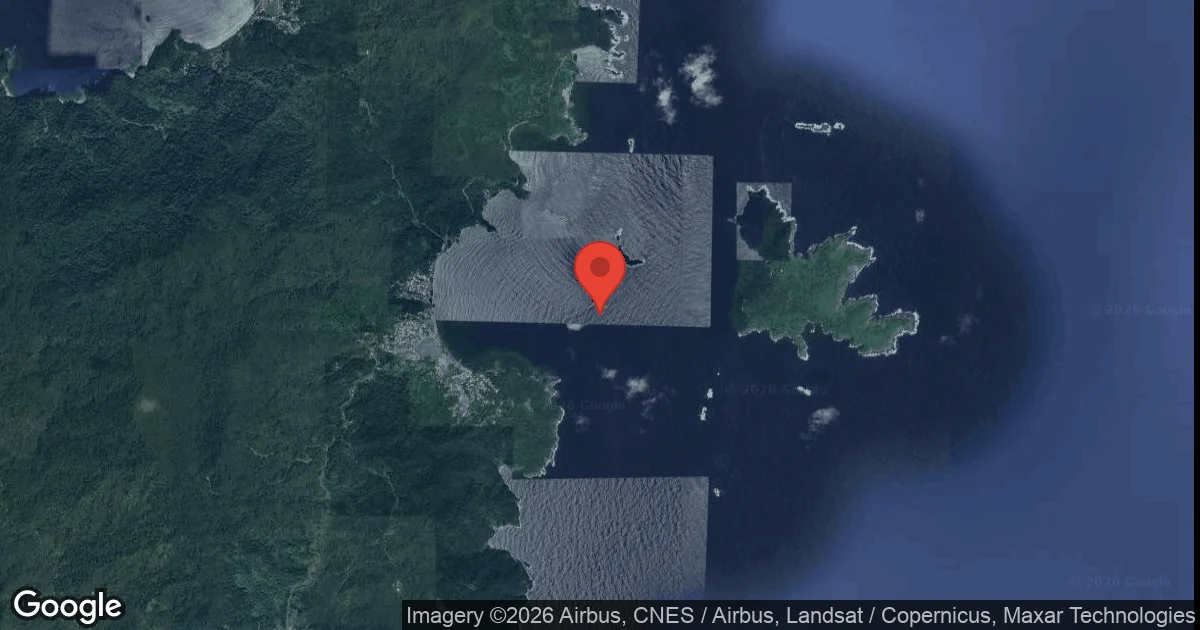
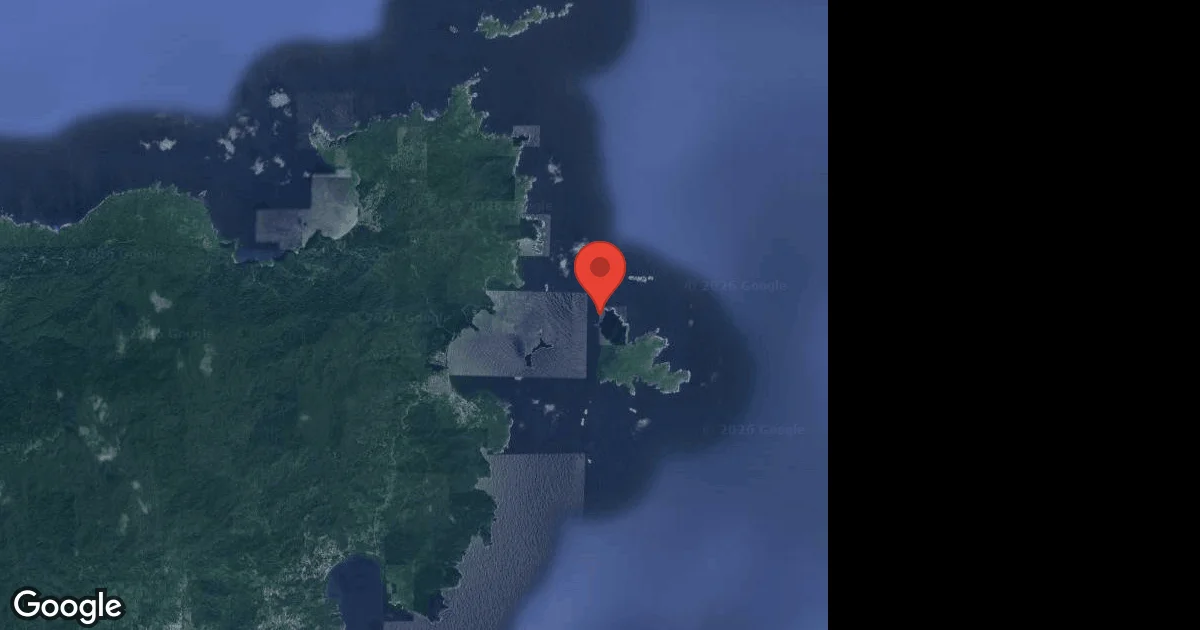
Kelleston Drain in Tobago stands out for divers, home to one of the world's largest recorded brain corals, measuring 5 meters (16 feet) across and about 3 meters (10 feet) high. This site, found in the Speyside area, provides a steady current, creating a memorable drift dive experience. The brain coral has thrived for over 400 years, attracting oceanic triggerfish and thousands of brown chromis.
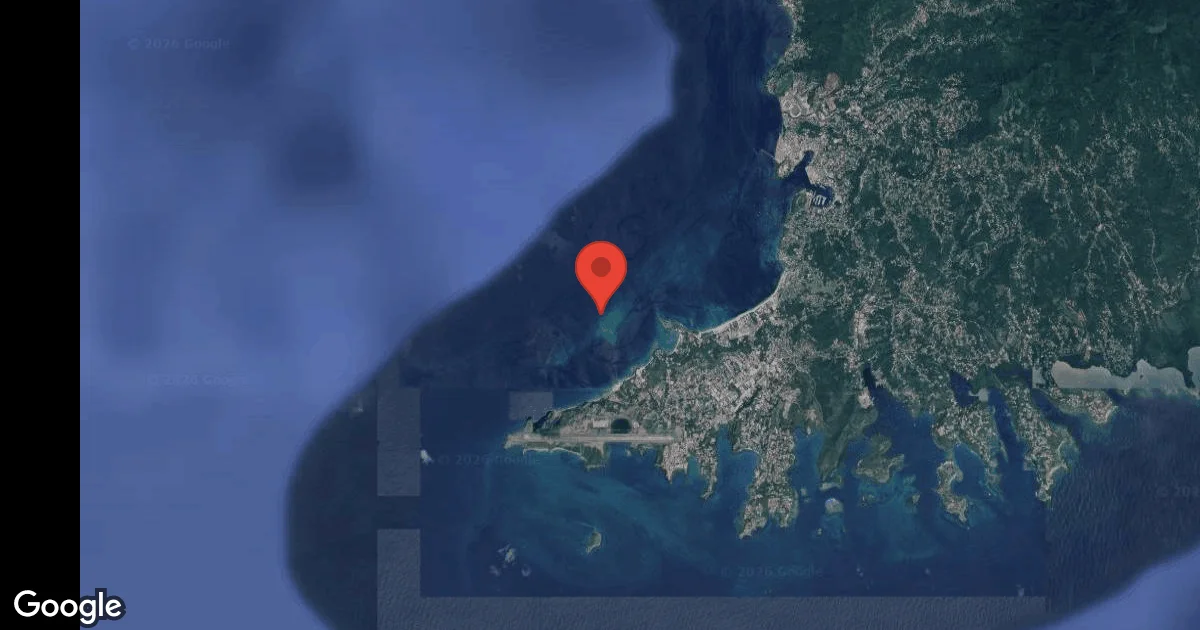
Another significant dive is the MV Maverick wreck, a 51-meter (168-foot) former cargo ferry intentionally sunk off Rocky Point in 1997. This artificial reef rests upright on a sandy bottom at about 30 meters (100 feet), with its top around 15 meters (50 feet). It draws fish and is adorned with sponges, corals, and purple deepwater sea fans, offering easy swim-throughs. Visibility here can be around 15 meters (50 feet), especially in Tobago’s southern waters.
For more dynamic conditions, Diver’s Dream and Diver’s Thirst near Crown Point are popular advanced sites. These locations are defined by strong tidal currents and are prone to current, often requiring low tide for successful diving. Despite the challenging currents, they boast gorgonian corals, barrel sponges up to 1.8 meters (6 feet) tall, and impressive schools of fish. Navigating these sites demands experience due to the potential for strong and changing currents.
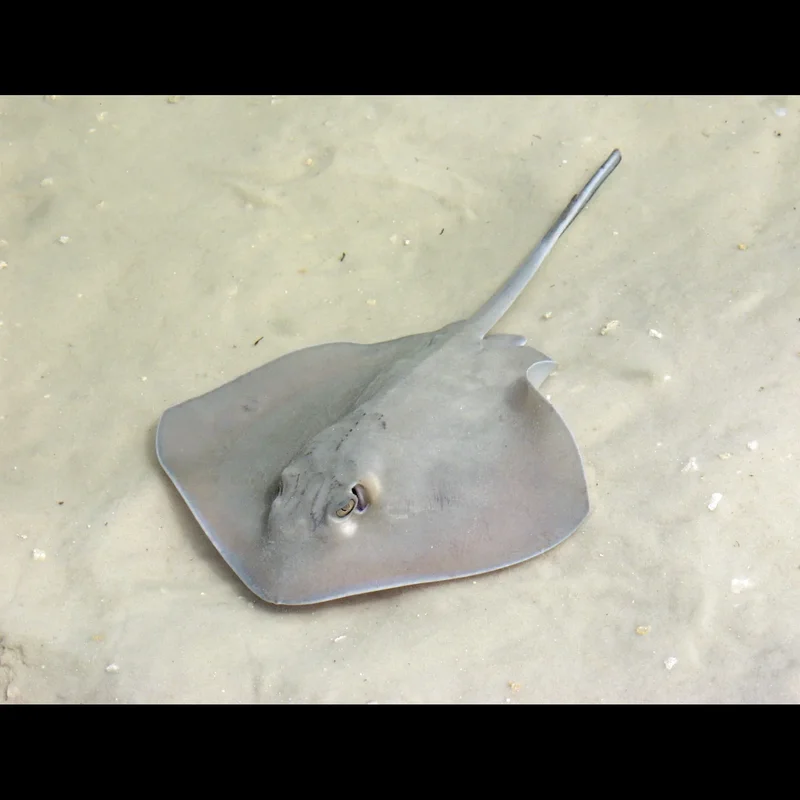
The Sisters, off Englishman’s Bay, consist of five-rock pinnacles. While historically known for schooling hammerhead sharks in winter, sightings have become rare. Arnos Vale, on the North Side of Tobago, offers depths between 6 and 20 meters (20 and 65 feet), providing opportunities to observe stingrays, barracudas, moray eels, and occasional sea turtles.
Best Time to Dive in Trinidad and Tobago
The optimal period for diving in Trinidad and Tobago is during the dry season, which spans from December to May. During these months, the weather is generally more stable, with reduced chances of rain and wind, leading to more consistent diving conditions. Visibility is typically at its best between January and June, often ranging from 24 to 30 meters (80 to 100 feet) in the north, though it can be lower in the south, around 18 meters (60 feet).
Notably, Tobago is situated outside the main Caribbean hurricane belt, allowing for year-round diving. However, the rainy season from June to November, or July to December, can bring lower visibility due to runoff from Venezuela's Orinoco River. Despite this, specific marine life encounters are seasonal; manta rays are more frequently sighted in January and February, while humpback whales appear from late January into May, though rarely during dives.
Air temperatures remain consistently warm throughout the year, averaging around 29°C (84°F) during the day and dropping to about 22-24°C (72-75°F) at night. This provides comfortable conditions both above and below the surface, ensuring a pleasant overall travel experience.
Monthly Sea Temperatures
For diving in Trinidad and Tobago, exposure protection is minimal due to consistently warm sea temperatures. Divers typically find a 3mm wetsuit or a shorty sufficient for comfort throughout the year.
Water temperatures generally remain between 25-29°C (77-85°F). The cooler period spans from January through April, with temperatures dipping to around 26°C (79°F).
Conversely, the warmest conditions are experienced from July through November, where averages reach 28-29°C (82-84°F). During the summer months, average temperatures can peak at 30°C (86°F), while winter averages hover around 27°C (81°F). These mild conditions mean that lengthy or thick exposure suits are rarely a necessity.
| Jan | Feb | Mar | Apr | May | Jun | Jul | Aug | Sep | Oct | Nov | Dec | |
|---|---|---|---|---|---|---|---|---|---|---|---|---|
| Max | 28° | 28° | 28° | 28° | 30° | 29° | 29° | 31° | 30° | 30° | 29° | 29° |
| Avg | 27° | 27° | 27° | 27° | 28° | 28° | 28° | 29° | 29° | 29° | 28° | 28° |
| Min | 26° | 26° | 26° | 27° | 26° | 27° | 27° | 28° | 28° | 28° | 27° | 26° |
Dive Conditions
Dive conditions in Trinidad and Tobago are highly variable, primarily influenced by visibility and currents, which differ significantly between the Atlantic and Caribbean sides of Tobago. Visibility can range widely, from 15 to 30 meters (50 to 100 feet) on good days, particularly around Speyside in the north.
However, during the rainy season from July to December, runoff from Venezuela’s Orinoco River can reduce visibility. It sometimes drops to as low as 9 meters (30 feet), and occasionally even to 5 meters (16 feet) in specific areas.
Currents are a defining feature of diving here. The Atlantic side often experiences strong tidal currents and nutrient-rich flows from the Guyana Current, leading to thrilling drift dives at sites like Cove Ledge and Flying Reef. These currents shape the reefs and support large sponge growth. Conversely, Caribbean sites, such as Mount Irvine Wall, are normally calmer with minimal or nonexistent current, though some surge may be present in shallow areas above 6 meters (20 feet). Sites like Diver's Dream and Diver's Thirst are known for strong, changing currents, offering a dynamic experience for experienced divers.
Marine Life Highlights
Most Mentioned Species
Marine life in Trinidad and Tobago varies across dive locations, with different species appearing depending on environment and conditions. The species highlighted here are the most frequently associated with dive sites in our data, offering a realistic overview of what divers are most likely to encounter.
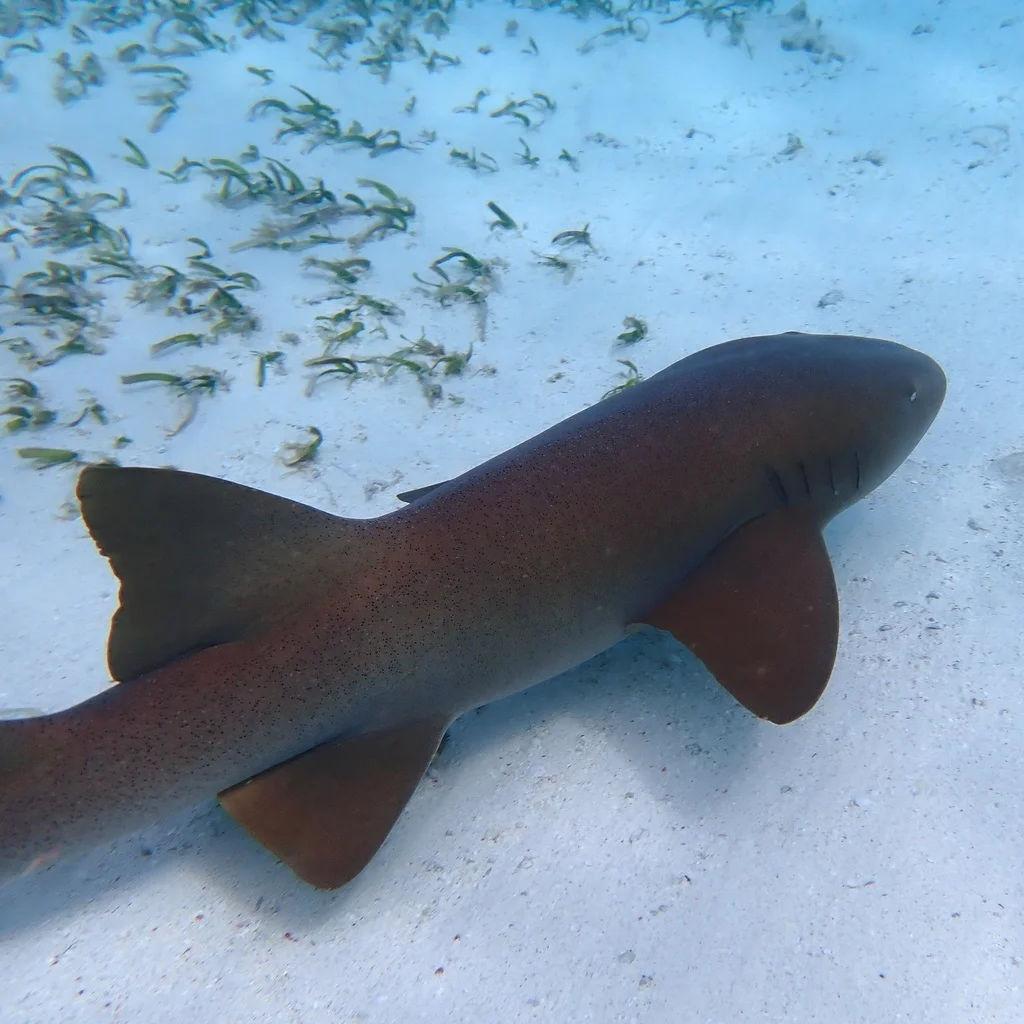
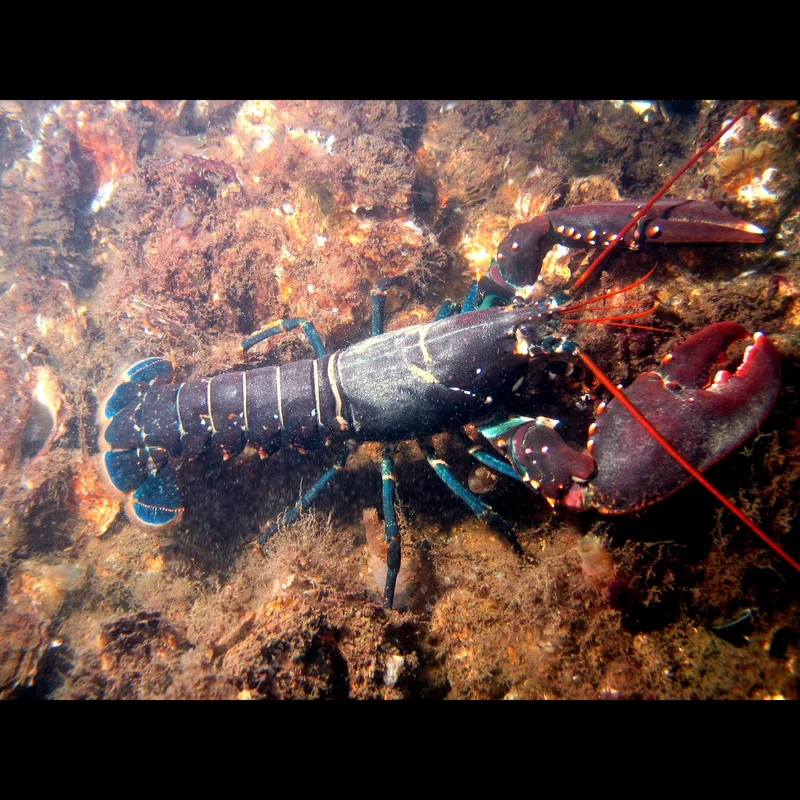
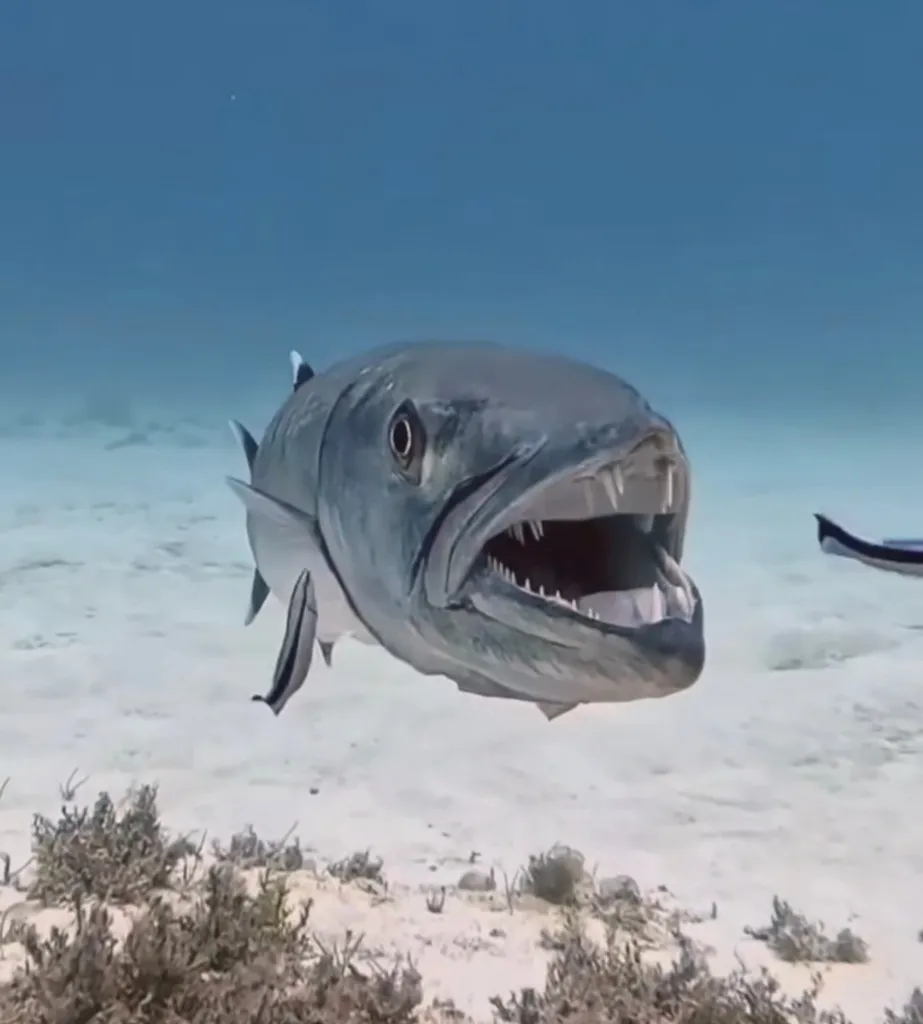
Divers exploring Trinidad and Tobago can anticipate a diverse array of marine encounters, ranging from large pelagics to intricate macro life. The nutrient-rich waters support impressive coral reefs and extensive sponge formations, including the world's largest brain coral found at Kelleston Drain, measuring 5 meters (16 feet) across.
Common sightings include various reef fish such as French angelfish, black triggerfish, creole wrasses, chromis, and butterflyfish. Larger species like tarpon, barracudas, and nurse sharks are frequently observed.
Occasional appearances of manta rays and eagle rays add to the excitement. Macro enthusiasts may spot seahorses, Caribbean reef octopuses, sculptured slipper lobsters, banded coral shrimp, and arrow crabs. Green moray eels are also a regular sight, sometimes seen effortlessly gliding along the reef.
Regions for Diving
Tobago is the primary destination for diving in Trinidad and Tobago, offering distinct experiences depending on the coast. Divers often progress from the southern reaches to the northern, or explore the contrasting Atlantic and Caribbean sides. Crown Point, on Tobago's southwest end, serves as an initial base. This area provides access to both Atlantic and Caribbean sites. The Atlantic side near Crown Point, including sites like Cove, Flying Reef, and the challenging Divers Dream and Divers Thirst, is characterized by strong tidal currents and nutrient-rich waters from the Orinoco River. Visibility in this southern area can be around 18 meters (60 feet), sometimes less during the rainy season, but it is abundant with gorgonian corals and large barrel sponges.
Moving north, the Caribbean side offers calmer conditions. Areas around Mount Irvine Bay feature sites like Mount Irvine Wall and the MV Maverick wreck, which provide excellent opportunities for macro photography, with sightings of nudibranchs and seahorses. The M.V. Maverick wreck, a 51-meter (168-foot) ferry, rests at 30 meters (100 feet) and attracts reef fish. Water temperatures on this side are consistently warm, averaging 25-29°C (77-85°F).
Further northeast, Speyside is a significant diving hub, boasting over 40 different sites within a short boat ride. This region, encompassing areas around Little Tobago Island and Goat Island, is known for generally better water visibility, often ranging from 24 to 30 meters (80 to 100 feet) outside the rainy season. Iconic sites here include Kelleston Drain, home to the world's largest brain coral, and Japanese Gardens, where large green moray eels are frequently encountered. The northern areas, particularly the northwest part of Tobago, are recognized for their coral reefs and tend to offer more intermediate to advanced dive sites, in contrast to the south which has more beginner-friendly spots with mild currents.
Travel & Passport Guide
Travel Basics
Trip Planning
Safety & Diving Considerations
Safety while diving in Trinidad and Tobago necessitates an awareness of environmental conditions, particularly the prevalence of strong currents at many sites. While some reefs are shallow and protected, suitable for beginners, advanced sites like Diver’s Dream and Diver’s Thirst are known for strong and changing currents. These dynamic sites are unsuitable for inexperienced divers and often require specific conditions, such as low tide, for safe exploration.
For dives with significant currents, dive guides are mandated to carry inflated surface marker buoys (SMBs) throughout the dive. It is also highly recommended that individual divers carry their own SMBs in case of separation from the group.
Standard safety protocols on dive boats include having an instructor on staff, oxygen, first aid kits, and radios. Furthermore, Trinidad and Tobago's position south of the main hurricane belt offers a degree of protection from major storms. Visitors are encouraged to ensure their vaccinations are up to date, though special vaccinations are not typically required for travelers from North America or Europe.
Dive Centers in Trinidad and Tobago
View all 1 dive centers
Frequently Asked Questions
What are the general dive conditions in Tobago?
Tobago offers varied dive conditions, characterized by visibility ranging from 15 to 30 meters (50 to 100 feet) in the north, and around 18 meters (60 feet) in the south. Currents vary significantly; the Atlantic side features strong drift currents, while Caribbean sites tend to be calmer. Runoff from the Orinoco River can reduce visibility during the rainy season.
Which specific marine life can I expect to see?
Divers can encounter diverse marine life, including black trevally, French angelfish, moray eels, and various reef fish. Pelagic sightings may include manta rays and nurse sharks. Unique features include large barrel sponges and the world's largest brain coral. Macro life like seahorses, octopuses, and shrimp are also present.
When is the best time to visit for diving?
The dry season, from December to May, is generally considered the best time for diving due to more stable weather and better visibility. January and February are prime for manta ray sightings, and humpback whales can be seen from late January to May. Diving is possible year-round as the islands are outside the hurricane belt.
What are the primary diving regions in Tobago?
The main diving regions in Tobago are Speyside in the northeast and Crown Point in the southwest. Speyside offers many sites with generally better visibility and some strong currents. Crown Point provides access to both Atlantic (strong currents) and Caribbean (calmer) sites, including wrecks and shallow reefs. The northwest also has notable coral reefs.
What are the common water temperatures, and what exposure protection is needed?
Water temperatures in Tobago are consistently warm, ranging from 25-29°C (77-85°F). A 3mm wetsuit or a shorty is usually sufficient for comfort. The coolest temperatures occur from January to April, around 26°C (79°F), while the warmest are from July to November, averaging 28-29°C (82-84°F).